
You’re probably reading this sentence right now, aware of each word forming in your mind, conscious of your thoughts flowing from one to the next. It feels obvious that your brain produces this experience. Yet here’s the thing that keeps some scientists up at night: no one can quite explain how a three-pound lump of wet tissue generates the vivid, subjective experience of being you. What if consciousness isn’t just happening in your neurons firing in patterns?
Recent discoveries in quantum biology suggest something wilder. Researchers have found direct physical evidence of a macroscopic quantum entangled state in the living human brain that is correlated with the conscious state and working memory performance. Think about that for a moment. The same spooky quantum phenomena that Einstein famously doubted might be happening inside your skull right now, potentially forming the foundation of your awareness. Let’s dive in.
Tiny Structures With Massive Implications
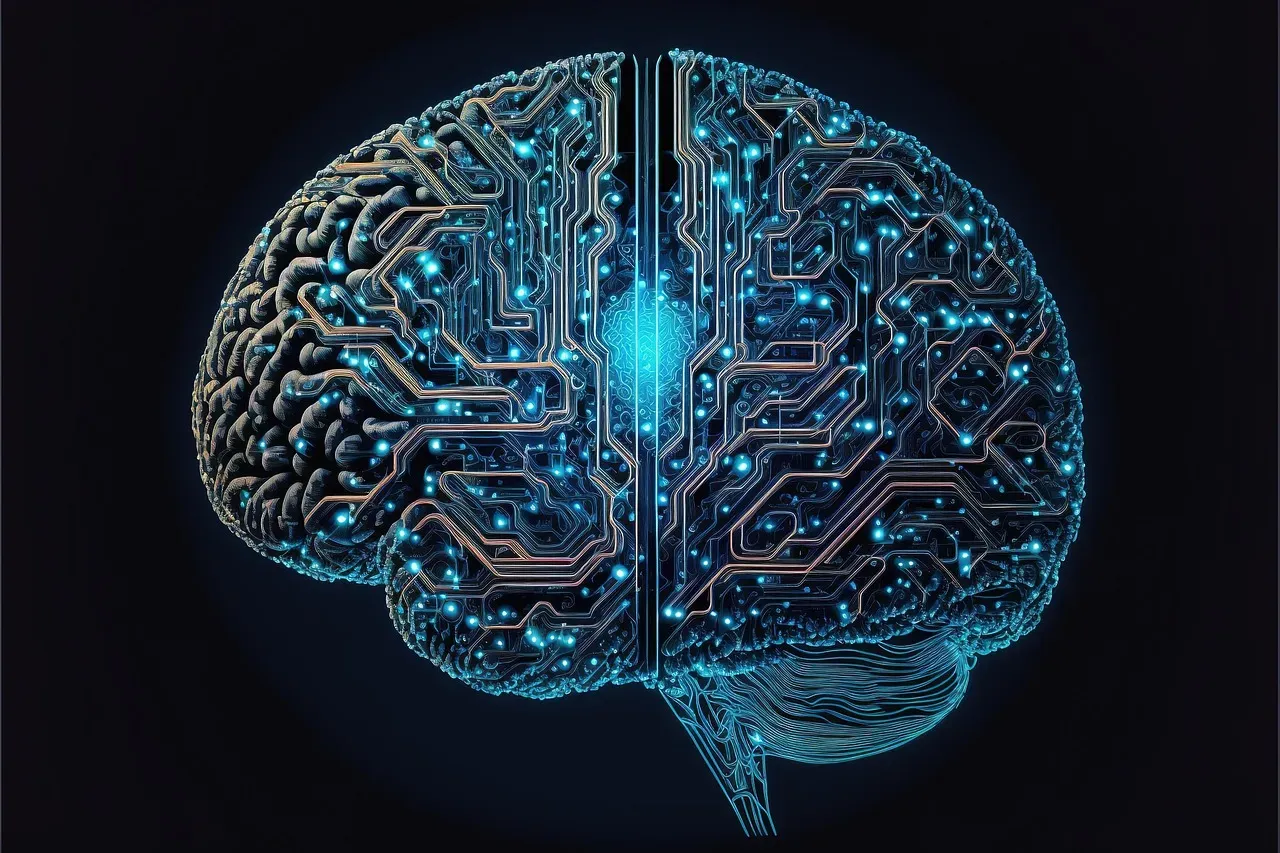
Inside every neuron in your brain sits a scaffolding of protein tubes called microtubules. For decades, scientists thought these were just structural support, the cellular equivalent of steel beams in a building. Turns out, they might be quantum computers. Microtubules are cellular structures held to be a quantum process called objective reduction that is orchestrated by these structures. These cylindrical lattices are approximately 25 nanometers wide and contain patterns of proteins called tubulin that can exist in different states.
The recent discovery of warm temperature quantum vibrations in microtubules inside brain neurons by the research group at the National Institute of Material Sciences in Japan corroborates theories suggesting consciousness might arise from quantum processes. Here’s where it gets fascinating: these vibrations occur at room temperature. Most quantum effects require near absolute zero to survive, yet biological systems seem to have found a workaround. Your brain operates in conditions that should destroy delicate quantum states within trillionths of a second.
When Quantum Effects Meet Biology
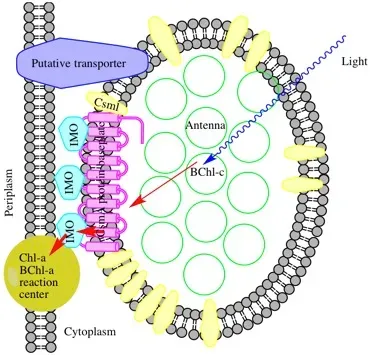
Quantum biology explores how phenomena like superposition, tunneling, and entanglement influence biological systems, with growing experimental evidence supporting their role in processes such as photosynthesis, enzymatic reactions, DNA mutations, and animal navigation. Nature has apparently been exploiting quantum mechanics for billions of years while physicists only discovered these effects in the last century.
Consider photosynthesis. Plants convert sunlight into energy with nearly 100 percent efficiency, something our best solar panels can’t touch. Quantum coherence allows plants to explore multiple pathways simultaneously for energy transfer, achieving this remarkable efficiency. Migrating birds navigate across continents using Earth’s magnetic field through what appears to be quantum entanglement in proteins in their retinas. Certain proteins in the bird’s retina can maintain quantum entanglement at ambient temperatures, allowing the bird to sense magnetic fields. If quantum effects can survive in a bird’s eye, why not in your brain?
The Anesthesia Mystery Deepens

Here’s something that should make you pause. When doctors put you under general anesthesia, they don’t actually know how it works. When rats were given a drug that binds to microtubules, it took them significantly longer to fall unconscious under an anesthetic gas. This finding is huge. It suggests anesthetics might work by disrupting quantum states in microtubules rather than just affecting neural firing patterns.
The same anesthetic vapors that make us unconscious also reversibly slow or halt motility in single-celled organisms and plants, which can be explained if quantum states of microtubules sensitive to volatile anesthetics are the substrate of consciousness. Single-celled organisms don’t have brains or neurons, yet they respond to anesthetics. This points to something more fundamental than neural networks being affected.
Orchestrated Objective Reduction: A Bold Theory
The Orchestrated Objective Reduction theory postulates that consciousness originates at the quantum level inside neurons through a quantum process orchestrated by microtubules, proposed by physicist Roger Penrose and anesthesiologist Stuart Hameroff in the 1990s. The theory combines mathematical physics with biology in ways that initially seemed absurd to many scientists.
Penrose argued that consciousness must involve non-computable processes, things that can’t be reduced to simple algorithms. The Orchestrated Objective Reduction theory accounts for nonalgorithmic human understanding and the psychological arrow of time. Hameroff realized microtubules might provide exactly the right environment for these quantum processes to occur and influence neural activity. Together they proposed that consciousness arises when quantum superpositions in microtubules reach a threshold and collapse, creating discrete moments of awareness.
Solving The Binding Problem
One of consciousness’s biggest puzzles is the binding problem. You experience the world as unified: the sight of a red apple, its sweet smell, its crisp texture all merge into one coherent experience. Yet your brain processes vision in one region, smell in another, touch elsewhere. How do these separate neural activities combine into your singular experience?
The quantum model makes panprotopsychism a viable solution to physicalism’s hard problem by solving the phenomenal binding or combination problem through quantum entanglement. Entanglement between qubits creates a unified conscious experience, as entanglement is the only true binding agent in physics that allows for the creation of holistic states where individual components are fundamentally interconnected. In other words, quantum entanglement might literally hold your consciousness together.
Evidence From The Quantum World
Skeptics have long argued the brain is too warm and noisy for quantum effects. While initially criticized as the brain being too warm, wet, and noisy for quantum processes, evidence has now shown warm quantum coherence in plant photosynthesis, bird brain navigation, our sense of smell, and brain microtubules. The evidence keeps mounting against this objection.
A 2024 study confirmed superradiance in networks of tryptophans found in microtubules, occurring in warm and noisy environments where quantum effects typically are not expected to take place. Researchers at Princeton and the University of Alberta found that laser-induced optical excitations propagate much further through microtubules than classical physics predicts, and anesthetics disrupt this process. These aren’t theoretical predictions anymore; they’re experimental results from actual measurements.
Expanding Consciousness With Quantum Computers?
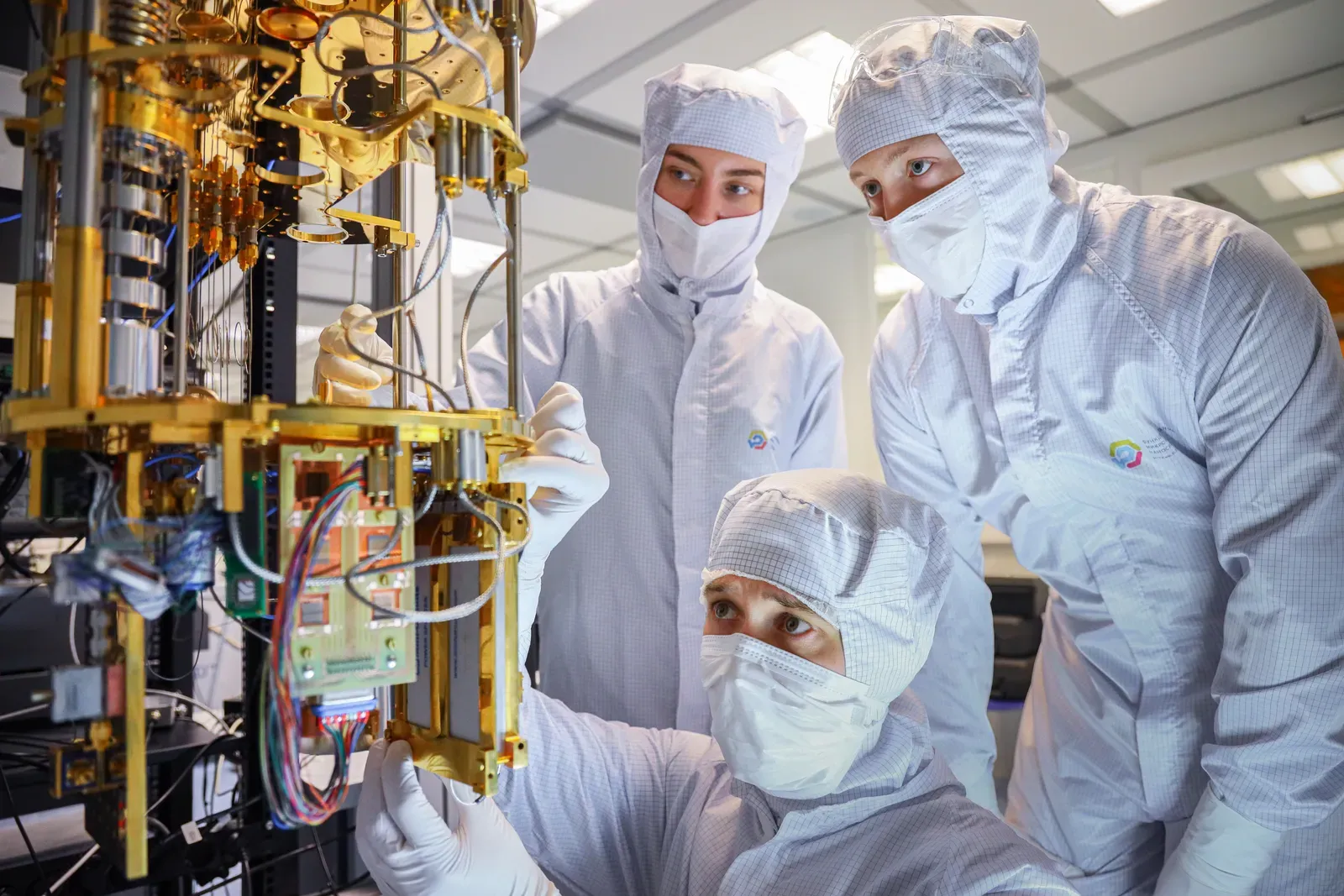
Hartmut Neven, who leads Google’s Quantum Artificial Intelligence Lab, believes quantum computing could help explore consciousness and proposes leveraging quantum computers to test ideas about how consciousness might emerge from quantum phenomena. The implications sound like science fiction. If you could couple your brain with a quantum computer, achieving entanglement between the brain and the computer, you could expand your consciousness.
Neven calls this the expansion protocol, hypothesizing that entanglement might temporarily enhance conscious awareness by increasing the informational complexity available to the brain. While this remains highly speculative and technically impossible with current technology, the fact that serious scientists at major institutions are discussing such experiments shows how far the field has progressed. We’re no longer asking if quantum effects occur in the brain, but what they do and how we might manipulate them.
Where Consciousness Meets The Universe
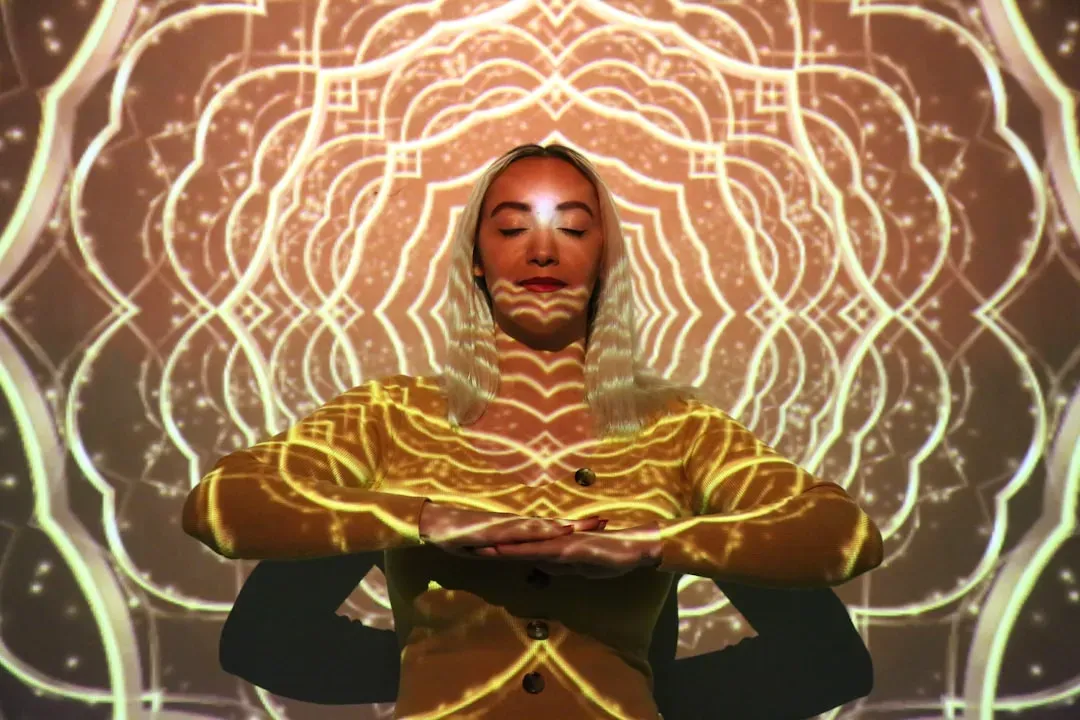
Every particle is also a wave described by a wave function that can extend across space and exist in superposition, and if the brain’s activity is wave-like, then those wave functions could reach beyond the familiar three dimensions of space and one of time. Some researchers now propose consciousness could be a quantum hologram, a pattern of interference between wave functions that might extend beyond your physical brain.
Consciousness may derive from quantum vibrations in microtubules, which both govern neuronal and synaptic function and connect brain processes to self-organizing processes in the fine scale, protoconscious quantum structure of reality. This view suggests consciousness isn’t produced by the brain so much as accessed through it, like a radio tuning into a signal that exists independently. It’s a radical departure from conventional neuroscience, yet quantum biology keeps pushing us toward these seemingly mystical conclusions grounded in hard physics.
Conclusion: A New Window Into Consciousness
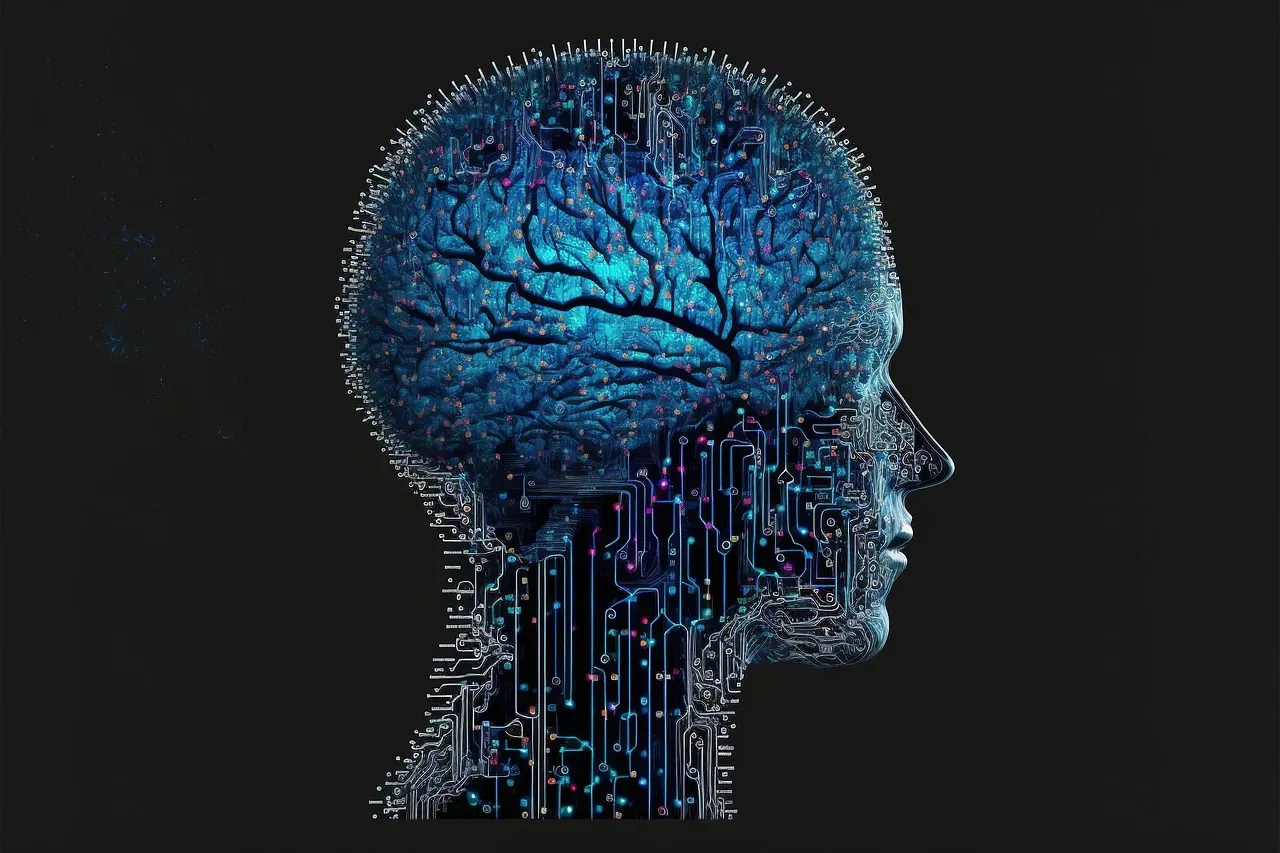
Experimental evidence shows that functionally relevant quantum effects occur in microtubules at room temperature, and research has established the physical and biological plausibility of quantum microtubule states related to consciousness. The microscopic quantum realm and the phenomenon of consciousness may be more intimately connected than anyone imagined. Your awareness might literally be quantum in nature, arising from processes occurring at scales a billion times smaller than a grain of sand.
The implications stretch far beyond academic curiosity. Understanding consciousness through quantum biology could revolutionize treatments for neurological disorders, explain altered states of consciousness, and fundamentally change how we understand our place in the universe. A quantum understanding of consciousness gives us a world picture in which we can be connected to the universe in a more natural and holistic way.
Does your consciousness extend beyond your skull? Quantum biology suggests the answer might be yes in ways that are both scientifically rigorous and profoundly strange. What do you think about the possibility that your inner experience arises from quantum phenomena connecting you to fundamental reality itself?
Jan loves Wildlife and Animals and is one of the founders of Animals Around The Globe. He holds an MSc in Finance & Economics and is a passionate PADI Open Water Diver. His favorite animals are Mountain Gorillas, Tigers, and Great White Sharks. He lived in South Africa, Germany, the USA, Ireland, Italy, China, and Australia. Before AATG, Jan worked for Google, Axel Springer, BMW and others.