There is a moment every dog person secretly dreads: you look into those tired eyes and wonder if they somehow know what you know in your gut. Are they aware the end is near, or are we the only ones carrying that heavy truth? It is a haunting question, and it can color everything about your final days together.
The real story, though, is more tender and less tragic than most people fear. When you look past the myths and really examine what science, veterinary medicine, and careful observation tell us, a different picture emerges: dogs may not think about death the way we do, but they absolutely feel what matters most in their last chapter – comfort, safety, your presence, and love.
Do Dogs Understand Death Like Humans Do?
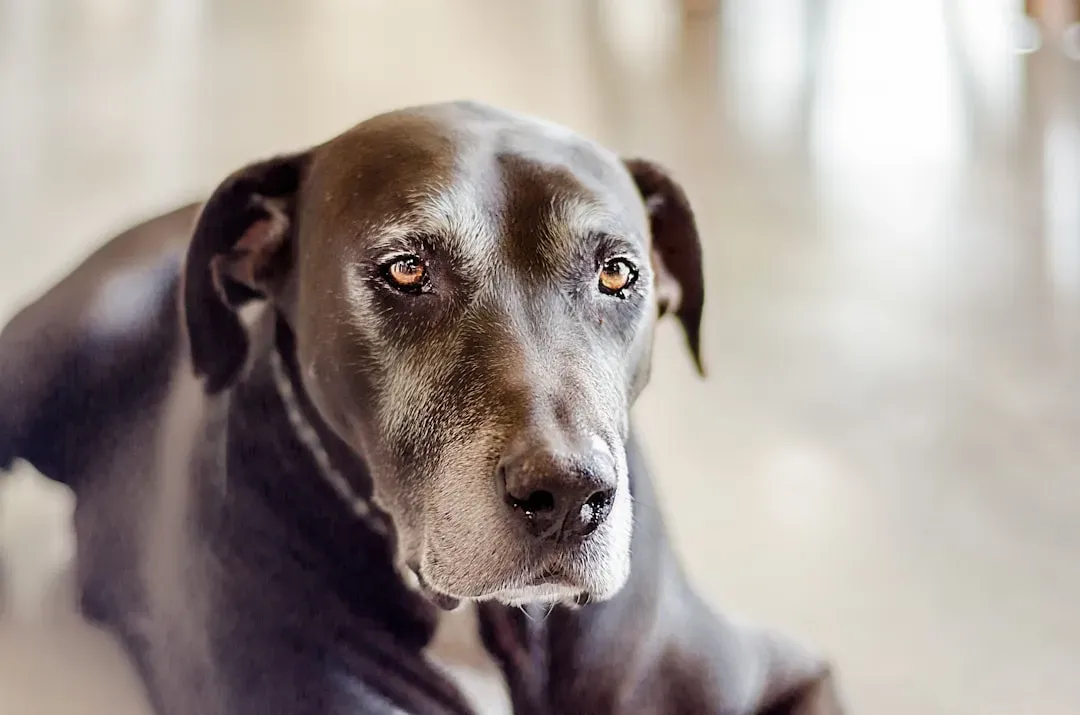
Humans wrestle with death as a concept: we worry about the future, imagine scenarios, question meaning. Dogs simply do not have the same capacity for abstract, time-traveling thoughts that we do. Their brains are brilliant at sensing pain, comfort, routine, and emotion, but there is no good evidence that they sit around contemplating their own mortality or an afterlife.
That does not mean they are clueless about what is happening in their bodies. Dogs notice when they cannot jump on the couch anymore, when walks become shorter, or when eating takes more effort. They register changes in a direct, here-and-now way. Instead of asking themselves whether they are dying, they are more likely just registering: I am tired, I am sore, being close to my person feels good.
What Dogs Actually Sense in Their Final Days

As dogs approach the end of life, the most consistent change is physical: pain levels, mobility, breathing, appetite, and energy all shift. Dogs are experts at reading their own bodies in the simplest, most honest way. They will often slow down, sleep more, move less, or change where they choose to rest. These are not philosophical decisions; they are practical responses to fatigue and discomfort.
At the same time, dogs stay astonishingly tuned in to the emotional temperature of their home. They notice when you are quieter, tearful, or suddenly more attentive. They feel the extra softness in your voice, the way your hands linger on their fur, the way routines adapt to them. If there is a truth they sense, it is not I am dying; it is something big is happening and my person is holding me closer than ever.
Why Some Dogs Withdraw – And Others Cling to You

One of the most heartbreaking myths is that dogs walk away to die alone because they understand they are at the end and want to spare you the pain. There is a more grounded explanation: very sick or very old animals sometimes seek quiet, cool, or hidden spots simply because they feel vulnerable and overstimulated. Hiding is a deeply wired survival instinct, not a poetic farewell.
On the flip side, many dogs do the exact opposite: they shadow you from room to room, or insist on curling up right against your legs even when moving clearly takes effort. That clinginess is not a dramatic gesture; it is their natural drive to seek safety with their attachment figure. To them, you are quite literally home base. Near the end, most dogs are not trying to manage your feelings; they are simply trying to stay close to what makes them feel safest and most at peace – you.
How Pain, Medication, and Comfort Shape a Dog’s Awareness

Modern veterinary medicine has changed what the end of life looks and feels like for dogs. Pain relief, anti-nausea medications, and hospice-style care at home can dramatically reduce suffering. When dogs are well-managed, they often remain mentally bright and emotionally engaged, even as their bodies slow. They may still enjoy treats, sniffing the yard, or simply resting with you on the floor.
Without appropriate pain control, a dog is more likely to appear restless, anxious, or shut down. That is not existential dread; it is untreated pain and distress. When their symptoms are addressed properly, the tone of their final days can shift from frantic or withdrawn to quiet and gently present. In other words, medical care does not change whether they “know” they are dying – it changes how fully they can still participate in the moments that matter.
The Role of Your Bond: What Dogs Care About Most at the End
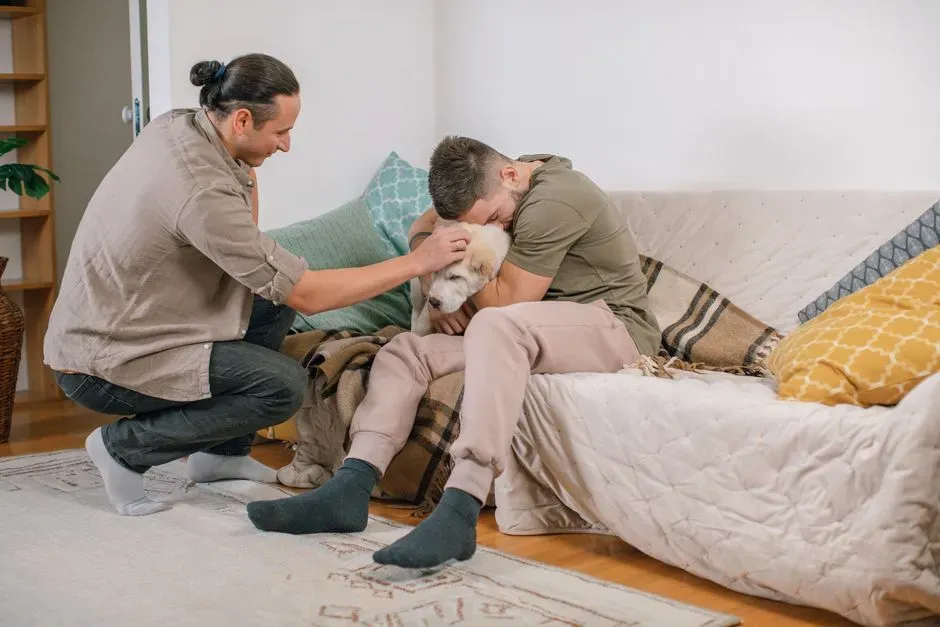
If you strip away all our human fear and philosophy, one thing becomes clear: the relationship between you and your dog is the anchor in their final days. Dogs are social animals whose primary concern is their safety and connection to their family group. They look for your face, your scent, your voice. That bond is their North Star, especially when their body feels strange or unreliable.
I have sat on the floor with my own dog, counting breaths and questioning every decision, and what struck me was how unconcerned he seemed with the big questions driving me to pieces. He just wanted my hand on his side and my body close enough to lean into. That is the beautiful truth many vets quietly witness again and again: in the very end, dogs are not chasing answers, they are sinking into the familiarity of your presence.
Common Signs the End Is Near – Without Overreading Them
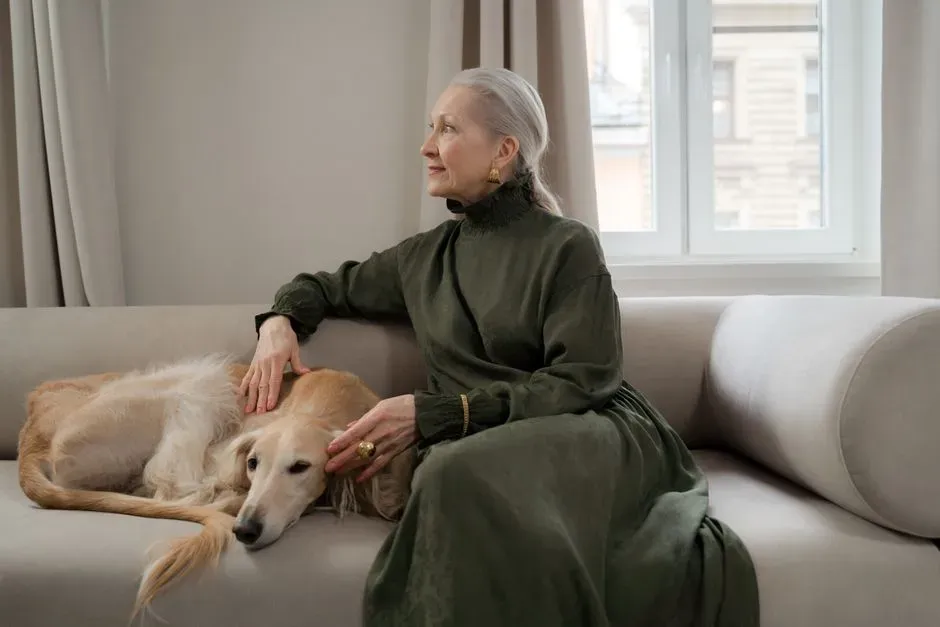
Certain changes tend to show up in many dogs near the end of life: a fading appetite, difficulty standing or walking, more frequent accidents, very deep or restless sleep, changes in breathing, or a sudden disinterest in once-beloved activities. These are physical cues, not secret messages. They mean their body is failing, not that they have suddenly unlocked the mystery of death.
It is easy to overinterpret every tiny change, especially when you are scared of missing “the moment.” A better way to see it is like watching a dimmer switch slowly turning down rather than a light abruptly switching off. Your job is not to decode some spiritual signal that your dog has accepted death; it is to notice patterns, talk honestly with your vet, and focus on what makes your dog more comfortable versus less.
Euthanasia, Presence, and What Your Dog Likely Feels in That Moment
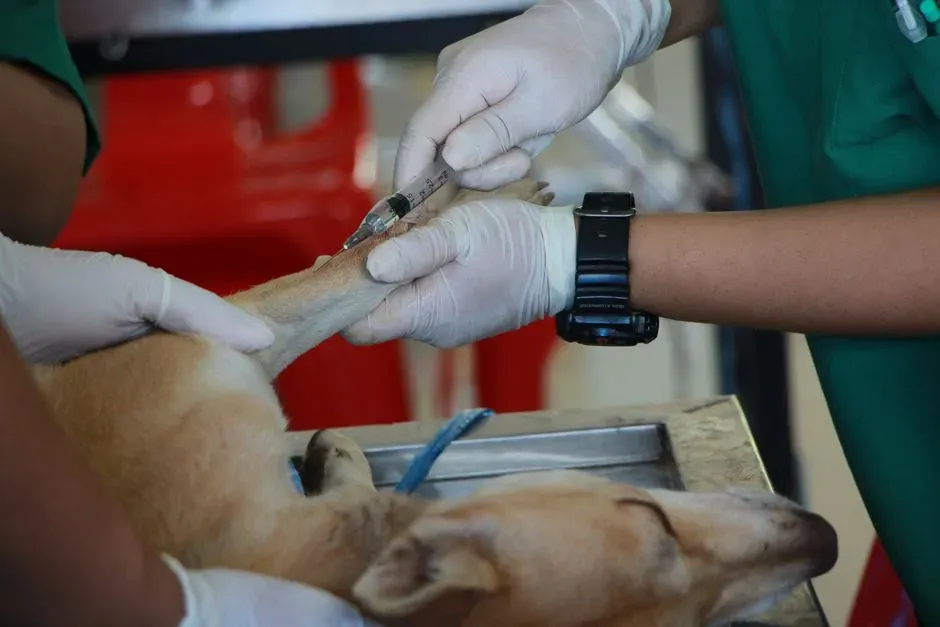
Euthanasia is one of the heaviest decisions you will ever make, and it is natural to worry your dog will feel betrayed or suddenly realize they are being killed. Physically, what typically happens is this: a sedative or calming injection first, which eases anxiety and often makes the dog sleepy and relaxed; then, the final medication that stops the heart. From your dog’s perspective, especially when sedation is used, the experience often feels like drifting off while being held and spoken to by their favorite person.
They are not tracking the medical steps or the intention behind them. They are tracking sensations: a needle pinch, then warmth, then drowsiness, then nothing. What matters most, over and over in veterinary stories, is whether their person is there, touch is gentle, and the room is calm. You might sit there drowning in the awareness of what is happening; your dog is likely only aware that they are tired, maybe a bit woozy, and wrapped in the smells and voices that have always meant safety.
The Beautiful, Hard Truth: What Vets Wish More People Knew

Here is the truth vets wish every grieving owner could carry: dogs do not torment themselves with fear of the future the way we do. They are not lying there counting down their remaining days or feeling abandoned because you chose euthanasia. They are living moment to moment, and that means the quality of those moments matters far more than the length of their timeline. That is both heartbreaking and incredibly freeing.
So yes, in a way, dogs often “know” something is changing – they feel their bodies weaken, they sense your emotions, and they respond to the slower, softer rhythm of the household. But the beautiful part is that what anchors them is not an understanding of death; it is an experience of love. Your dog’s last chapter is not a philosophical puzzle for them, it is simply a stretch of days when your devotion becomes unmistakable. The real question is not whether they know they are dying, but whether they know they were deeply loved – and for most dogs, the answer to that is a loud, unwavering yes. Did you expect the truth to be that simple and that gentle?