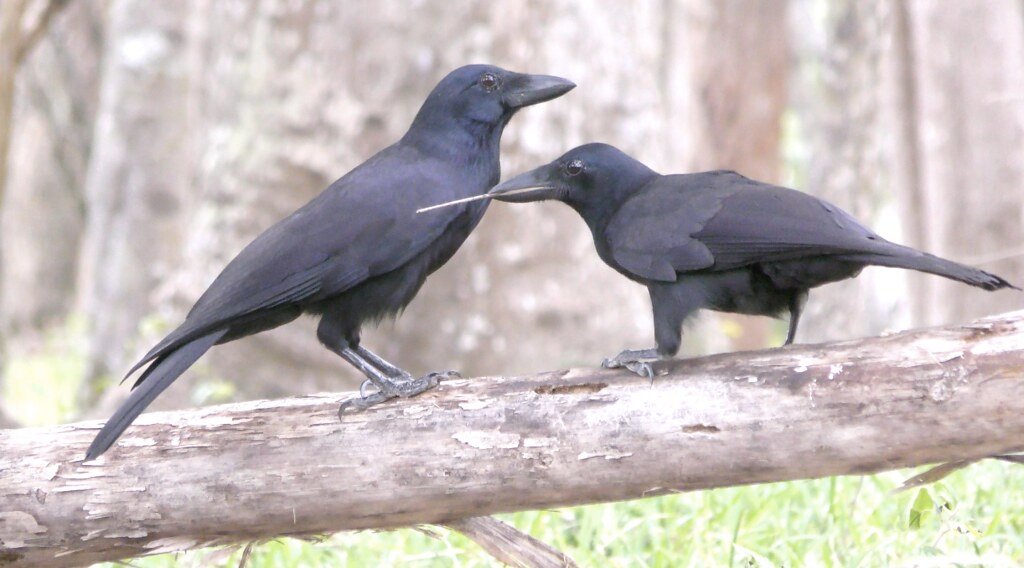

Picture this: you’re walking through your neighborhood when you suddenly notice dozens of crows gathering in one spot, cawing loudly and creating an almost deafening chorus. They’re not fighting over food or territory – they’re surrounding something on the ground. What you’re witnessing might be one of nature’s most fascinating and misunderstood behaviors. Scientists have been studying these mysterious crow gatherings for decades, and what they’ve discovered challenges everything we thought we knew about animal intelligence and social behavior.
The Science Behind Crow Gatherings

When crows discover a dead member of their species, they don’t simply fly away and continue their day. Instead, they engage in a complex behavioral response that scientists call “mobbing behavior.” This involves large groups of crows congregating around the deceased, often numbering in the hundreds.
Research conducted by Dr. Kaeli Swift at the University of Washington revealed that these gatherings serve multiple purposes beyond what we might interpret as mourning. The crows use these moments to assess potential threats and gather crucial survival information. It’s like a neighborhood watch meeting with life-or-death consequences.
What Really Happens During These Gatherings

The behavior starts when one crow discovers a deceased member of their community. That crow will emit specific alarm calls that differ from their usual vocalizations. These calls act like a broadcast system, alerting other crows within hearing distance to come investigate.
Once assembled, the crows don’t just stand around quietly. They create an incredible cacophony of calls, each serving a different communicative purpose. Some calls warn of potential danger, while others seem to coordinate group movements. The entire gathering can last anywhere from a few minutes to several hours, depending on the circumstances surrounding the death.
The Intelligence Factor

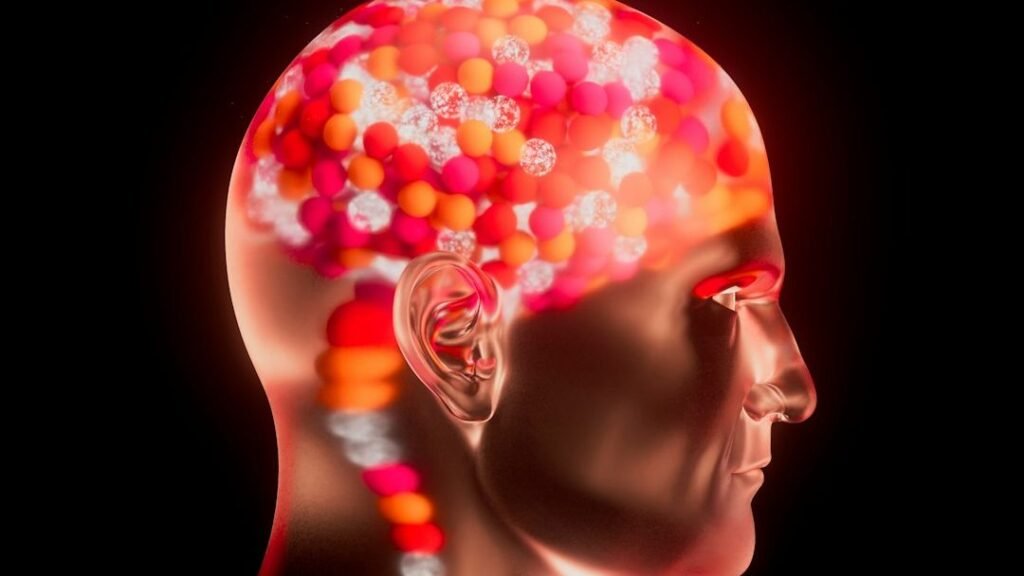
Crows possess remarkable cognitive abilities that rival those of great apes and dolphins. Their brain-to-body ratio is similar to that of chimpanzees, making them one of the most intelligent bird species on Earth. This intelligence plays a crucial role in their response to death.
Studies have shown that crows can remember human faces for years, use tools to solve complex problems, and even teach their offspring about specific threats. Their funeral-like gatherings demonstrate another layer of their cognitive sophistication – the ability to process and respond to mortality in ways that benefit their entire community.
Learning From the Dead
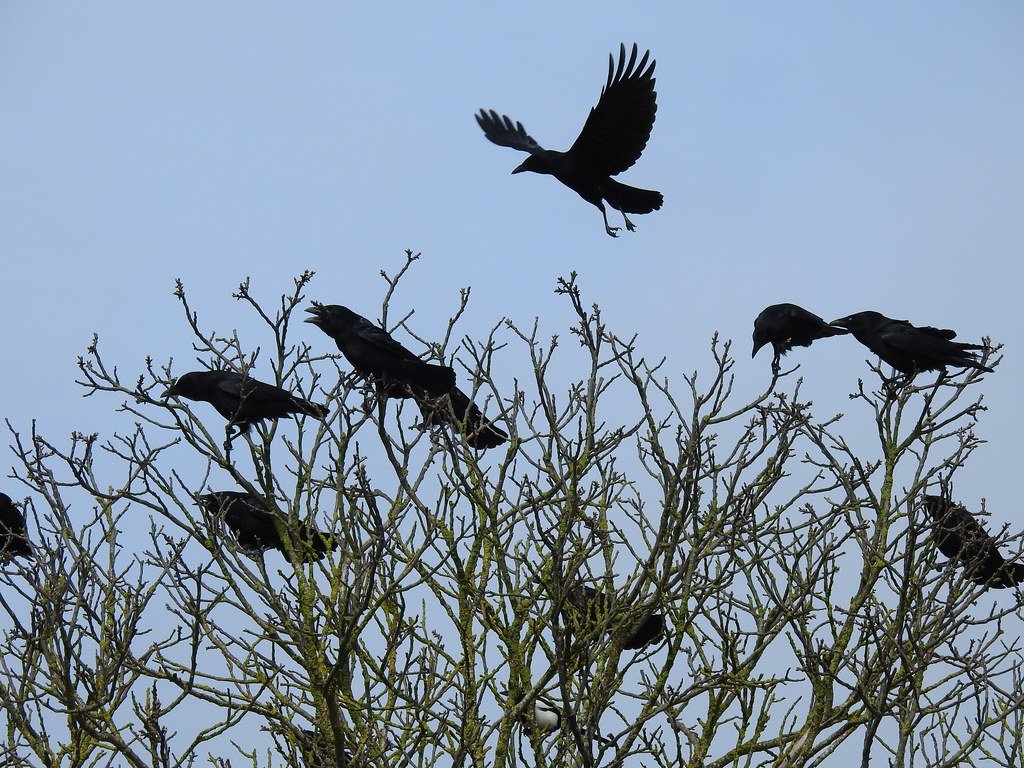
One of the most practical purposes of these gatherings is information gathering. When crows find a deceased member, they’re essentially conducting a crime scene investigation. They examine the area for potential threats, predators, or hazards that might have caused the death.
This behavior serves as a powerful survival mechanism. If a crow died from eating poisoned bait, for example, the gathering allows other crows to identify and avoid similar dangers. It’s like a community safety briefing where the stakes couldn’t be higher.
The Emotional Aspect

While scientists are cautious about attributing human emotions to animals, there’s growing evidence that crows experience something akin to grief. Researchers have observed crows returning to the site of a deceased partner’s death for days or even weeks after the initial gathering.
Some crows have been seen bringing food to the site where their mate died, behavior that suggests a form of mourning or remembrance. This emotional component adds another layer to our understanding of these remarkable birds and their complex social structures.
Communication During Gatherings

The vocalizations during crow gatherings are incredibly sophisticated. Scientists have identified multiple distinct call types, each serving specific communicative functions. Some calls alert others to the presence of death, while others coordinate group movements or warn of potential threats.
Young crows learn these communication patterns by participating in gatherings, essentially receiving education about danger recognition and appropriate responses. It’s like a master class in survival skills, passed down through generations of crows.
Territory and Social Structure
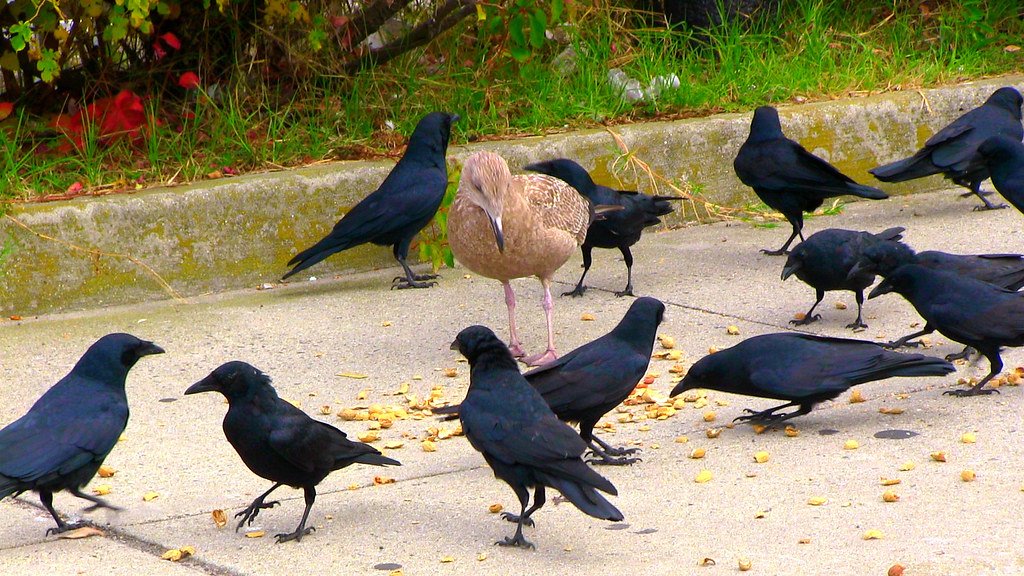
Crow gatherings also serve important social functions within their complex territorial systems. These events help establish and reinforce social hierarchies, with dominant crows often taking leading roles in directing the group’s behavior.
The gatherings can also serve as recruitment opportunities, where crows from different family groups come together and potentially form new alliances. This social networking aspect helps strengthen the overall crow community and improves their collective survival chances.
Seasonal Patterns

Researchers have noted that crow gatherings follow certain seasonal patterns. During breeding season, these events tend to be more intense and involve larger numbers of participants. This timing makes sense from a survival perspective, as the presence of young crows makes the community more vulnerable to threats.
Winter gatherings often involve crows from much larger geographic areas, as these birds form massive communal roosts during colder months. A single death during this period can attract crows from miles away, creating some of the most spectacular gatherings observed by scientists.
Comparing to Other Species

Crows aren’t the only animals that exhibit funeral-like behaviors. Elephants are famous for their responses to deceased family members, often returning to touch and examine the bones of their relatives. Dolphins have been observed carrying deceased calves for days, and some primate species show similar mourning behaviors.
What makes crow gatherings unique is their combination of emotional response, practical investigation, and community education. It’s a multifaceted behavior that serves multiple purposes simultaneously, demonstrating the remarkable complexity of corvid intelligence.
Urban vs. Rural Differences

Crow gatherings in urban environments often differ significantly from those in rural areas. City crows have adapted their behavior to account for human presence, often conducting quieter gatherings or choosing locations that minimize human interference.
Urban crows also face different types of threats, such as vehicle strikes or building collisions, which influences how they investigate and respond to deaths. Rural crows, meanwhile, must contend with natural predators and different environmental hazards, leading to variations in their gathering behaviors.
The Role of Memory

Crows possess exceptional memory capabilities that play a crucial role in their funeral behaviors. They can remember the locations where gatherings occurred and will often avoid areas where multiple deaths have been discovered. This spatial memory helps them navigate their environment more safely.
Their ability to remember faces also means they can identify and avoid humans or other animals that might pose threats. If a crow died in the presence of a particular person, other crows may remember and react aggressively to that individual for years to come.
Cultural Transmission

Perhaps most remarkably, crow funeral behaviors appear to be culturally transmitted from one generation to the next. Young crows learn by observing and participating in these gatherings, picking up not just the basic behaviors but also the specific calls and responses appropriate to their local community.
This cultural aspect means that different crow populations may have slightly different funeral traditions, much like human cultures vary in their mourning practices. It’s a fascinating example of animal culture that continues to surprise researchers.
Scientific Research Methods
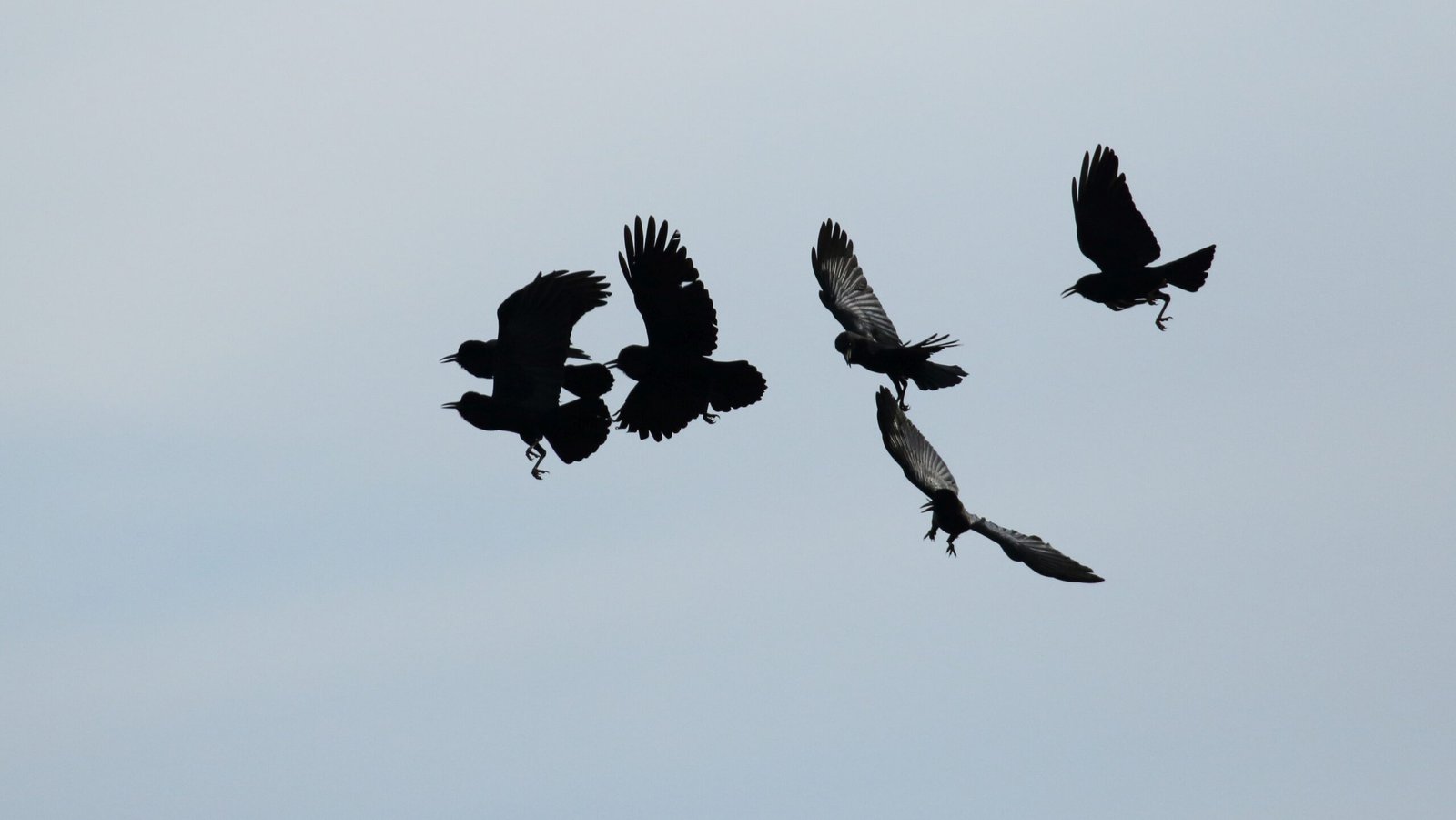
Studying crow funerals presents unique challenges for researchers. Scientists often use taxidermied crows or crow decoys to trigger gatherings under controlled conditions. These experiments have revealed important details about the specific triggers and responses involved in this behavior.
Some researchers have used GPS tracking and audio recording equipment to study gatherings in the wild. This technology has provided insights into how far crows will travel to participate in these events and how long the effects of a gathering can influence crow behavior in a particular area.
Conservation Implications
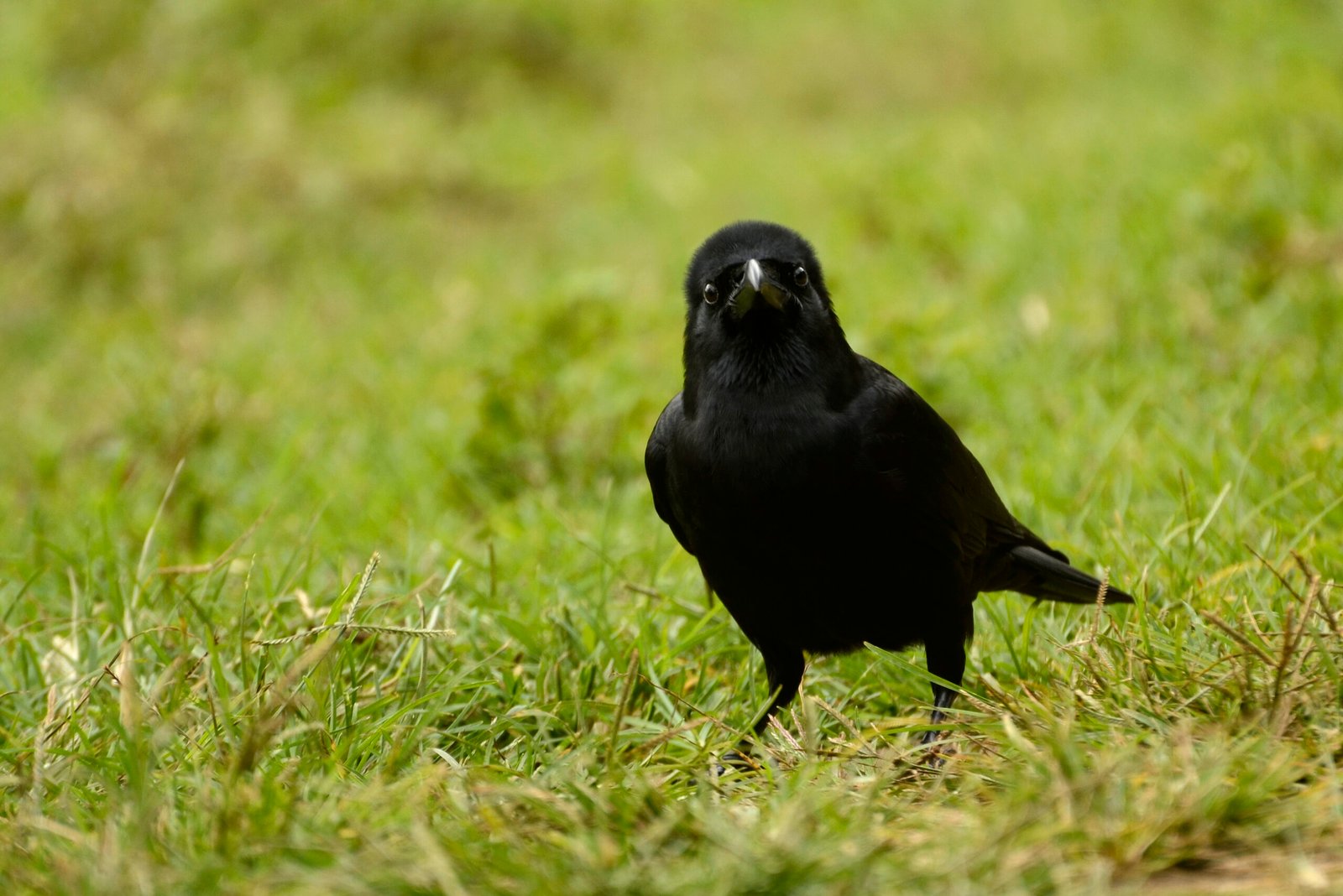
Understanding crow funeral behavior has important implications for conservation efforts. These gatherings can indicate environmental problems, such as the presence of toxins or disease outbreaks that are affecting crow populations.
Wildlife biologists now use reports of crow gatherings as early warning systems for potential ecological issues. If multiple gatherings occur in a specific area, it might indicate a localized threat that requires investigation and potential intervention.
Myths and Misconceptions
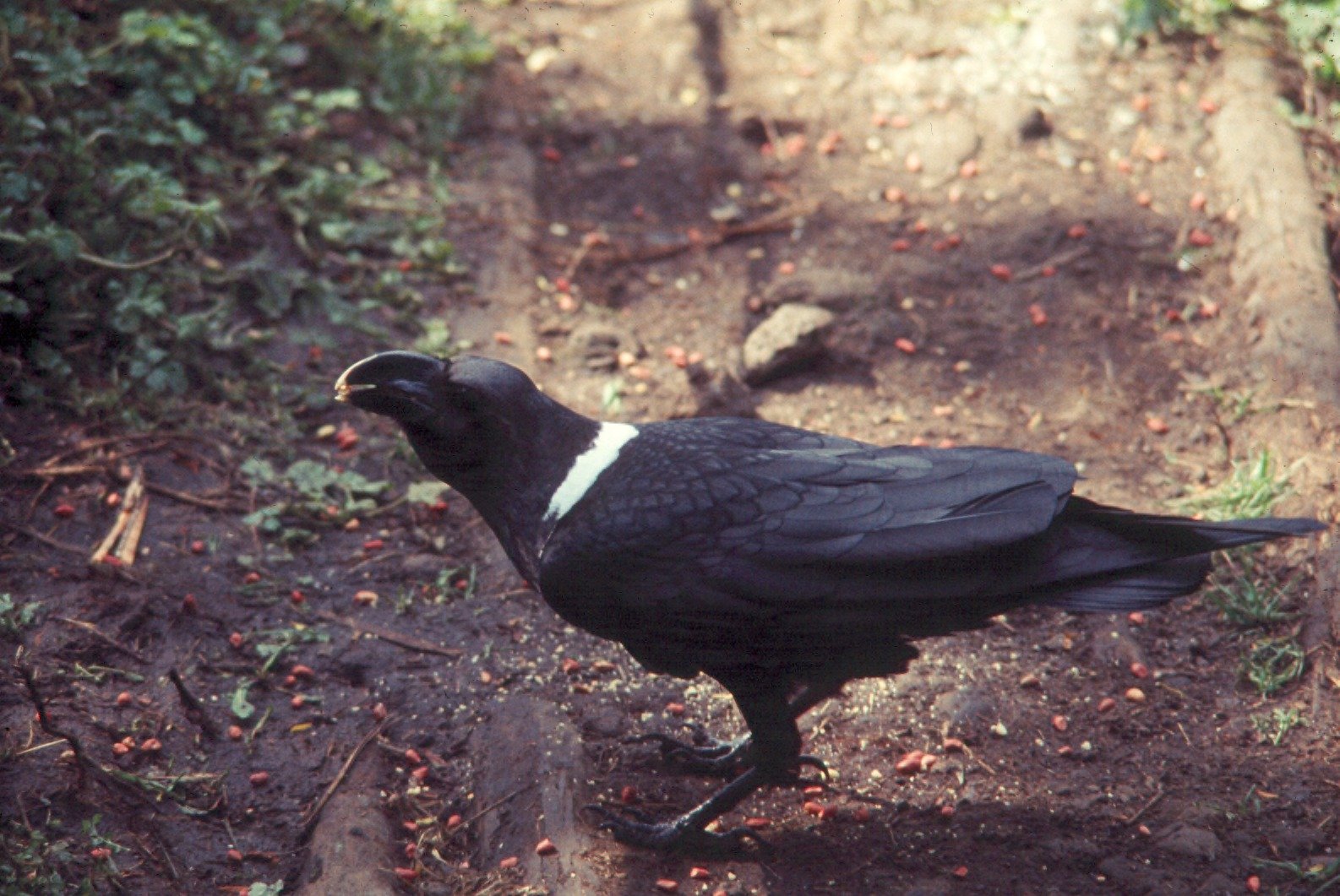
Many popular misconceptions surround crow funeral behavior. Some people believe these gatherings are purely emotional responses similar to human grief, while others dismiss them as simple food-seeking behavior. The reality is far more complex and interesting than either extreme suggests.
Another common myth is that crows hold “trials” for members who have violated social rules. While crows do engage in complex social behaviors, there’s no scientific evidence for anything resembling a judicial system. Their gatherings are focused on information gathering and threat assessment, not punishment.
The Future of Crow Research

As technology advances, scientists are discovering new aspects of crow funeral behavior. Drone photography and advanced audio analysis are revealing previously unknown details about these gatherings. Genetic studies are also helping researchers understand the evolutionary origins of this behavior.
Future research may reveal even more sophisticated aspects of crow intelligence and social behavior. Scientists are particularly interested in understanding how climate change and urbanization might be affecting traditional crow funeral practices.
What This Means for Human-Crow Relations
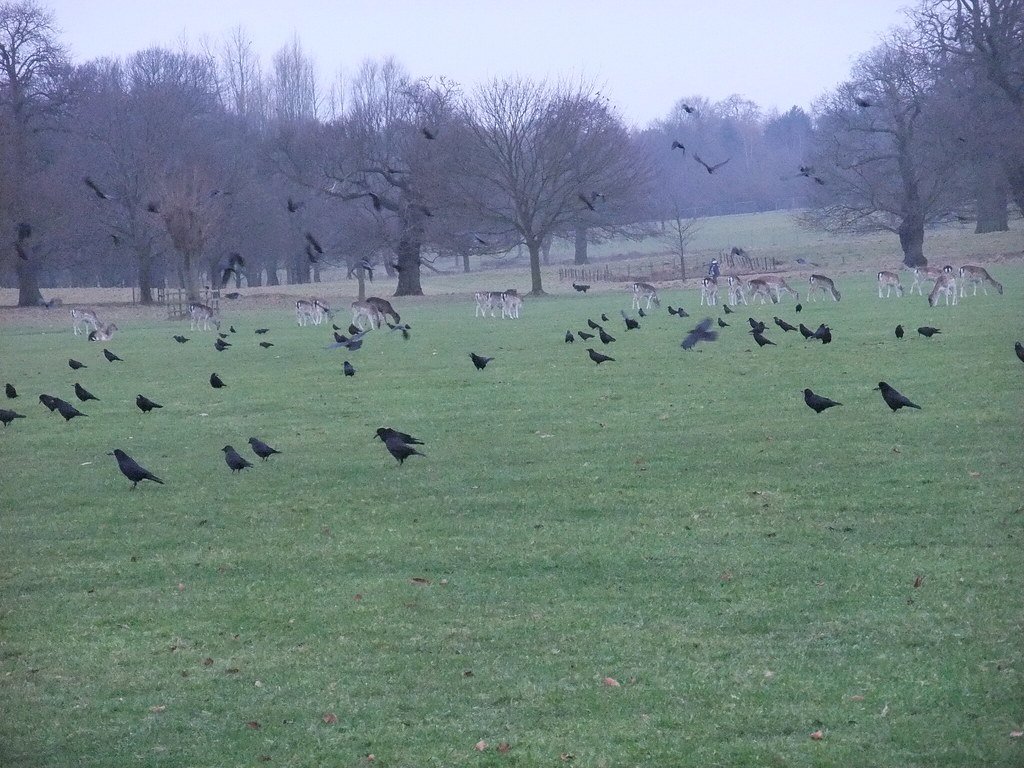
Understanding crow funeral behavior can help humans better coexist with these intelligent birds. If you encounter a crow gathering, it’s best to observe from a distance and avoid disturbing the birds. They’re engaged in important survival behaviors that benefit their entire community.
These gatherings also remind us that we share our world with creatures capable of complex emotions and social behaviors. Crows aren’t just simple scavengers – they’re intelligent, social beings with rich inner lives that we’re only beginning to understand.
Conclusion
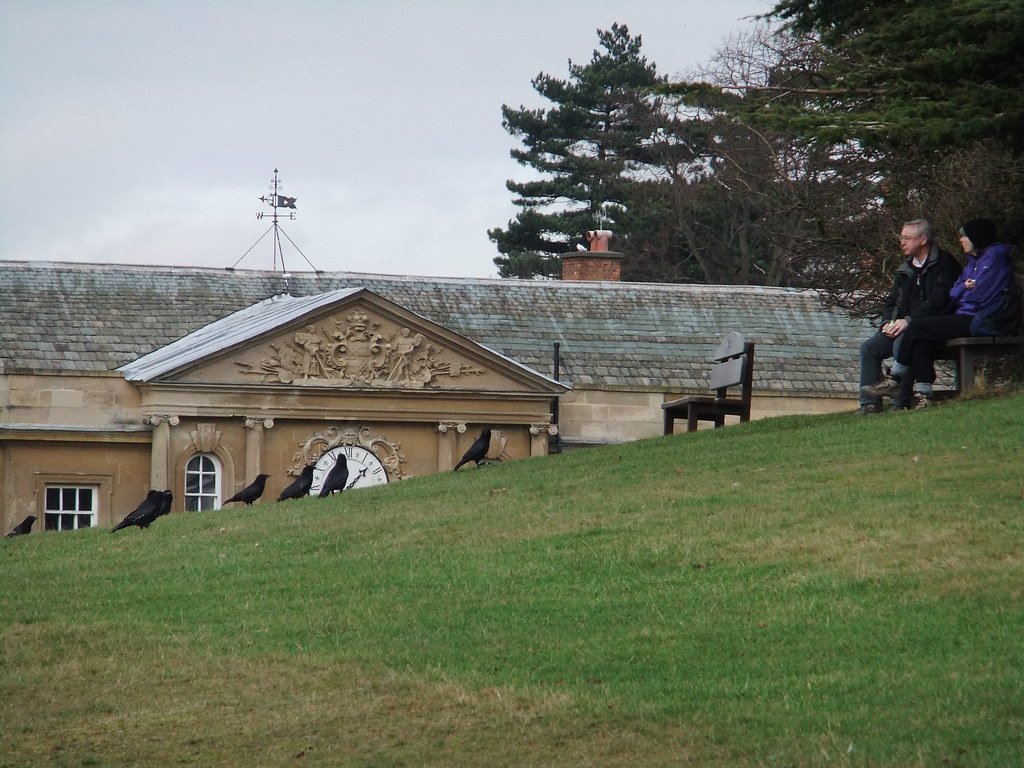
Crow funerals represent one of nature’s most fascinating examples of animal intelligence and social behavior. These gatherings serve multiple purposes: they’re educational seminars, safety briefings, and social events all rolled into one. While we may never fully understand the emotional depths of these behaviors, the scientific evidence clearly shows that crows are far more complex than most people realize.
The next time you see a group of crows making a commotion, remember that you might be witnessing one of nature’s most sophisticated information-sharing systems. These birds are teaching each other about survival, processing loss, and strengthening their community bonds in ways that challenge our assumptions about animal intelligence.
What does it mean for us to share our world with creatures capable of such complex behaviors? Perhaps it’s time we started paying closer attention to the remarkable intelligence that surrounds us every day.