
Picture this: you’re watching your dog stare out the window, ears perked, tail still, something flickering behind those eyes. You wonder – is there a thought in there? A feeling? A world that only they can see? It’s a question that sounds simple on the surface but quickly turns into one of the deepest mysteries in all of science.
For centuries, most of the scientific world gave a very flat answer: no. Animals were considered biological machines, running on instinct, with no real inner life to speak of. That answer, it turns out, may have been spectacularly wrong. Let’s dive in.
The Long History of Getting It Wrong About Animals
You might be surprised to learn just how far back the dismissal of animal consciousness goes. In the 17th century, the French philosopher René Descartes argued that animals were little more than what he called “material automata,” meaning they were, in his view, essentially living robots with no ability to truly feel or suffer.
Descartes put forth the theory that animals were biological machines, automatons with no real feelings, and no inner world. According to him, an animal crying out in pain wasn’t really suffering – it was just reacting, like a clock chiming on the hour. This idea had massive consequences. It gave people moral permission to treat animals however they wanted, under the assumption that animals couldn’t truly feel, and this mechanistic mindset lingered in scientific circles well into the 20th century.
Charles Darwin, for his part, displayed no hesitation about ascribing emotions to animals. In “The Descent of Man,” he claimed that “the lower animals, like man, manifestly feel pleasure and pain, happiness, and misery.” Within 50 years of Darwin’s work, however, behaviorist theories came to dominate animal behavior research. John B. Watson and B.F. Skinner, among others, frowned at the notion of studying animal emotions because they considered it unscientific.
What Science Now Means by “Consciousness”
Here’s the thing – even defining consciousness is its own rabbit hole. Scientists don’t all agree on what it means, even when talking about humans. Broadly speaking, though, they tend to group it into distinct layers, and understanding those layers helps you make sense of what researchers are actually testing when they study animals.
Primary consciousness refers to the ability, found in humans and some animals, to integrate observed events with memory to create an awareness of the present and immediate past. This form is sometimes called “sensory consciousness,” and it includes a person’s experience of the blueness of the ocean, a bird’s song, or the feeling of pain. Primary consciousness means being mentally aware of things in the world in the present, without any sense of past and future.
Generally, animal sentience and consciousness denote an ability to have subjective experiences: to sense and map the outside world, to have the capacity for feelings like joy or pain. In some cases, it can also mean that animals possess a level of self-awareness. According to more recent research, consciousness is understood to have evolved in stages, starting with basic survival responses like pain and alarm, then expanding into focused awareness and self-reflection.
The Groundbreaking New York Declaration That Changed Everything
If you follow science news at all, you may have noticed a shift in tone around 2024 and 2025. That shift has a name: The New York Declaration on Animal Consciousness. It’s honestly one of the most significant scientific statements about animal minds in recent memory, and the fact that it hasn’t been front-page news everywhere is itself a bit astonishing.
In 2024, a conference on “The Emerging Science of Animal Consciousness” at New York University produced the New York Declaration on Animal Consciousness. This declaration, signed by over 500 scientists and academics, asserts that empirical evidence “indicates at least a realistic possibility of conscious experience in all vertebrates (including reptiles, amphibians, and fishes) and many invertebrates (including, at minimum, cephalopod mollusks, decapod crustaceans, and insects).”
The declaration states there is “strong scientific support” that birds and mammals have conscious experience, and a “realistic possibility” of consciousness for all vertebrates, including reptiles, amphibians, and fish. That possibility extends to many creatures without backbones, such as insects, decapod crustaceans, and cephalopod mollusks like squid, octopus, and cuttlefish. It further states that when there is a realistic possibility of conscious experience in an animal, it is irresponsible to ignore that possibility in decisions affecting that animal, and that welfare risks should be considered and evidence used to inform responses.
The New “Marker Method” – How Scientists Actually Test Animal Consciousness

You might wonder: how do you even test whether an animal is conscious? You can’t exactly hand a crab a survey. That’s exactly the problem scientists have grappled with for decades, and a new approach published in the journal Science in 2025 is trying to change that in a meaningful way.
The essay published in Science describes a “marker method” that scientists can use to assess animal consciousness. It involves identifying behavioral and anatomical features associated with conscious processing in humans and searching for similar properties in nonhumans. By making progress in the science of animal consciousness, the authors propose, researchers can make progress on foundational questions about the nature of consciousness, potentially improving understanding of the human mind too.
Researchers describe an approach that includes identifying a particular dimension of consciousness, such as experiencing pain or seeing an object, and then seeking evidence that such markers are present or absent in the target species, while also calling for new directions of inquiry, including research on dimensions of consciousness other than pain experience and non-invasive research methods. As the fields of neuroscience and AI progress, both are converging on the same lesson: when making a judgment about whether something is conscious, how it works is proving more informative than what it does.
The Surprising Inner Lives of Birds, Mammals, and Primates
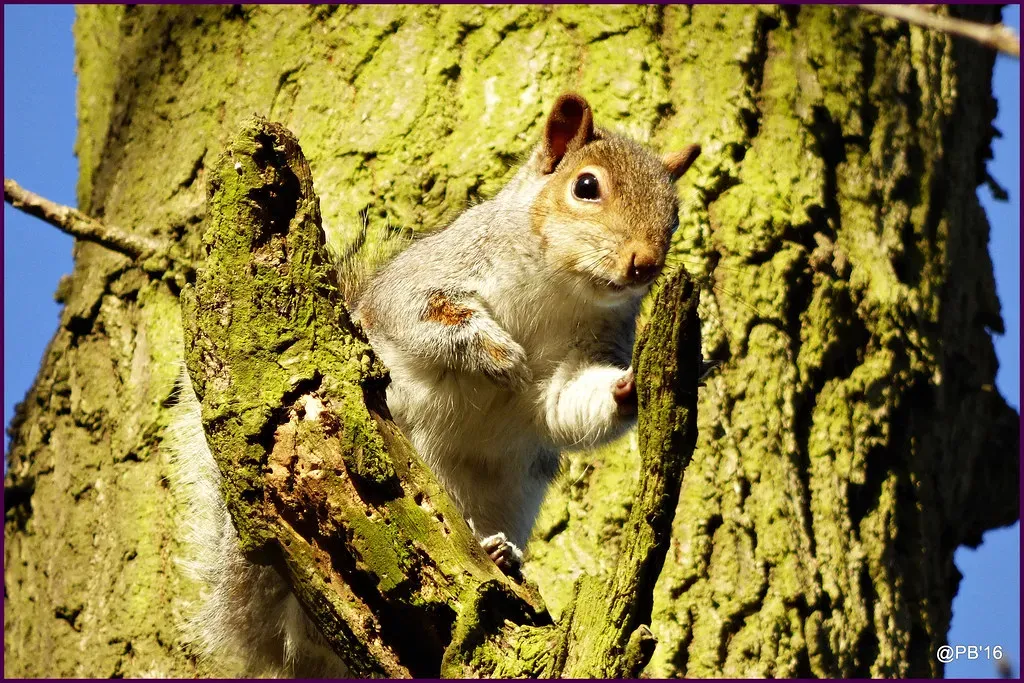
Let’s be real: most people already have a gut feeling that dogs, elephants, and chimpanzees experience something. The science has now caught up to that intuition in fairly dramatic fashion. What’s surprising is just how emotionally rich those inner lives appear to be under scientific scrutiny.
Brain imaging studies of animals show striking parallels with humans. When a dog hears its owner’s voice, regions of the brain associated with reward and affection light up, just as they do in humans hearing a loved one. Such evidence strongly suggests that animals not only behave emotionally but also feel emotions internally.
Crows and Western scrub jays have been observed holding funerals and mourning their dead, much like humans. Research on prairie voles found that when one member of a monogamous pair becomes stressed, its partner develops the same raised stress hormone levels, just as would be expected in a person feeling empathy for an upset partner – and then the partner grooms the stressed animal, whose own stress hormone levels begin to fall as a result. Honestly, I find that more moving than a lot of human behavior I’ve seen.
Fish, Insects, and the Creatures You Didn’t Expect to Have Feelings
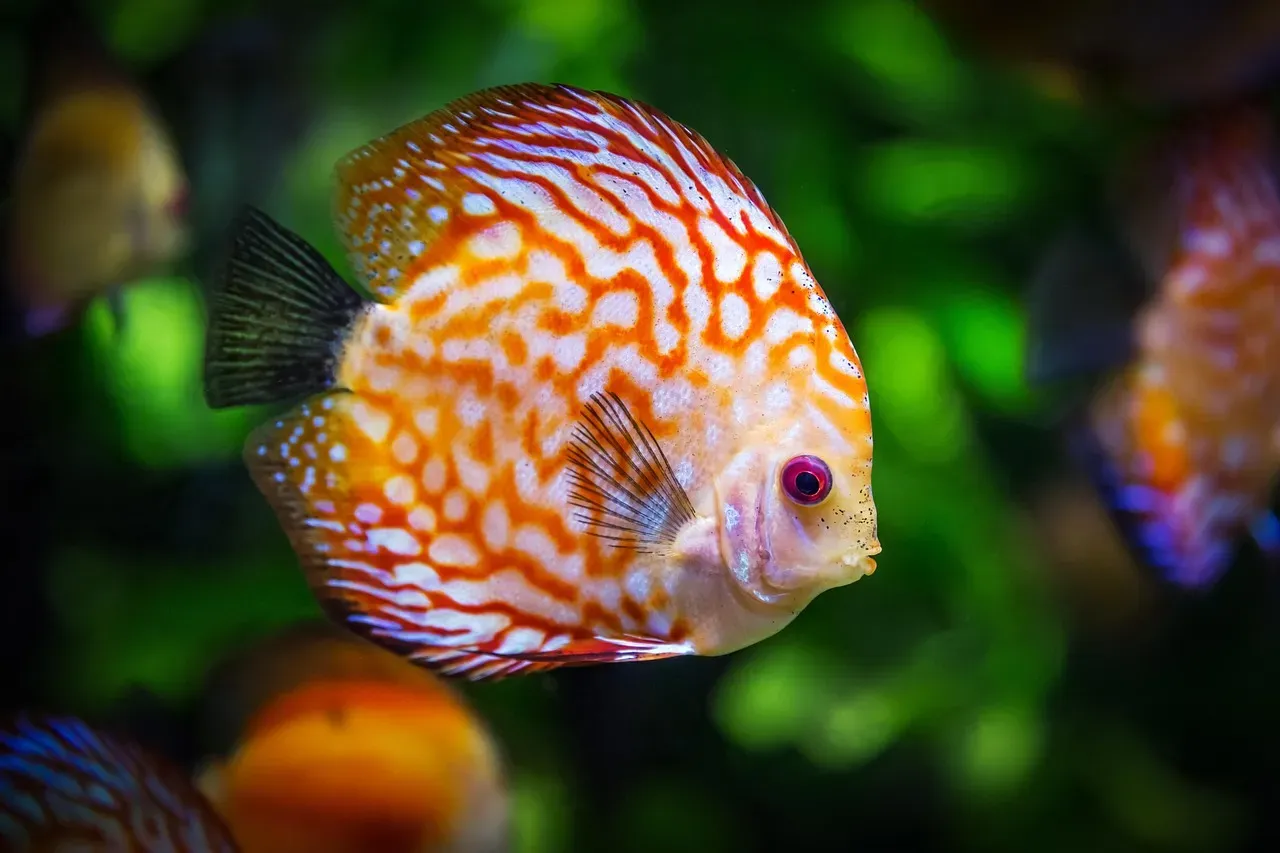
This is where it gets genuinely shocking. Most people are comfortable imagining that a chimpanzee might have feelings. Far fewer would extend the same assumption to a fish, a crab, or a honeybee. Yet science is now making a compelling case that we’ve been massively underestimating the minds of creatures we’ve long dismissed.
Bees have been observed rolling wooden balls, cleaner wrasse fish recognizing themselves in mirrors, and octopuses avoiding settings associated with past pain. These findings suggest that animals may possess inner lives, hinting at a level of consciousness and sentience previously underestimated. In the insect world, bees show apparent play behavior, while Drosophila fruit flies have distinct sleep patterns influenced by their social environment. Meanwhile, crayfish display anxiety-like states, and those states can be altered by anti-anxiety drugs.
Fish even have pain receptors similar to those found in mammals, and their behavior changes in ways consistent with true pain experience when they are injured. A bee’s brain contains only about a million neurons, compared to some 86 billion in the human brain. Yet each of those bee neurons may be as structurally complex as an oak tree, and the network of connections they form is incredibly dense, with each neuron contacting perhaps tens of thousands of others. Size really isn’t everything.
The Octopus Argument – A Mind Built Completely Differently
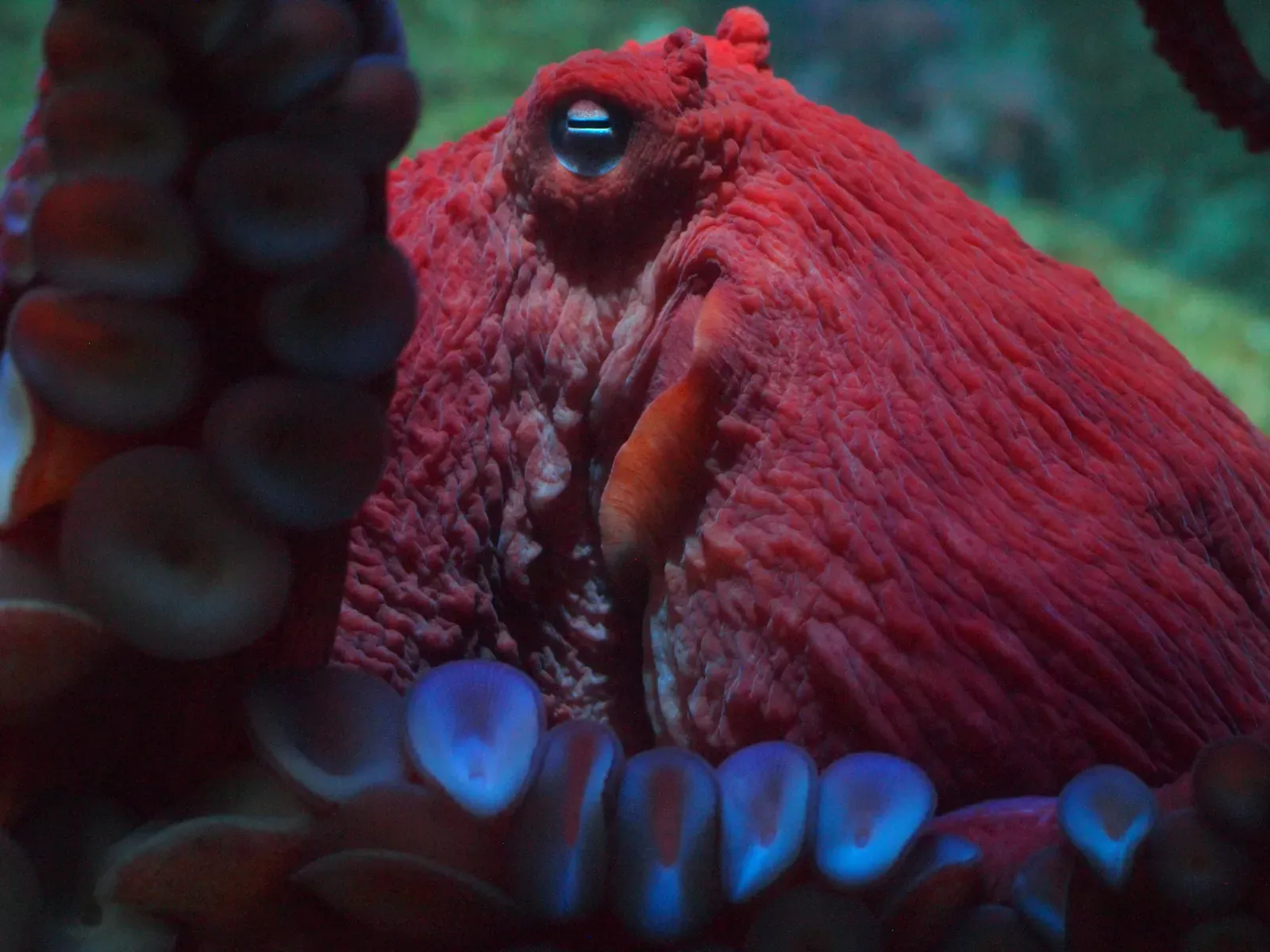
If you want a single example that forces you to rethink everything you thought you knew about consciousness, look no further than the octopus. These animals are not just smart for invertebrates. They are, in many respects, deeply alien minds that challenge our entire framework for what intelligence and awareness can even look like.
An octopus has a highly complex nervous system, only part of which is localized in its brain. Two-thirds of its neurons are found in the nerve cords of its arms, and those arms show a variety of complex reflex actions that persist even when they have no input from the brain. Octopuses seem to react to anesthetic drugs and will avoid settings where they likely experienced past pain.
There is strong evidence of sentience in octopuses and cuttlefish, which are assessed with very high or high confidence in meeting six of eight criteria. There is also substantial evidence for squid, with very high or high confidence in five of eight criteria. Research findings have been fundamental in ensuring greater welfare protection for octopuses, crabs and lobsters, with findings persuading the UK government to extend the scope of its Animal Welfare Sentience Bill to include all decapod crustaceans and cephalopod molluscs.
The Hard Debate – Where Scientists Still Disagree
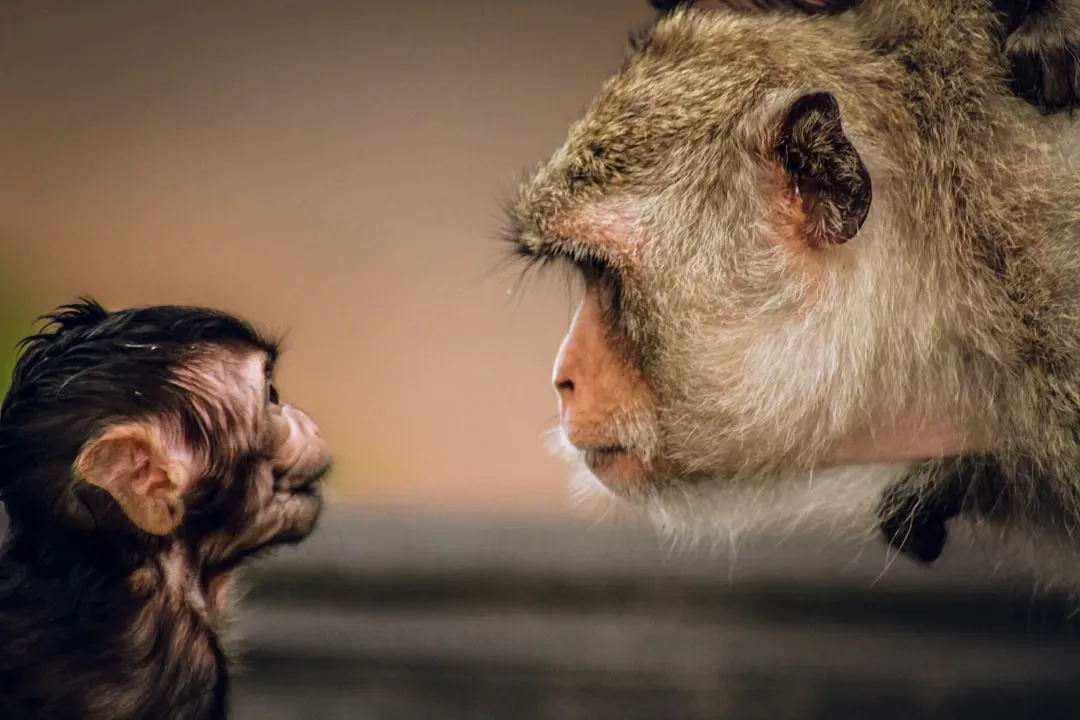
It’s hard to say for sure that every element of the animal consciousness debate has been settled – and honestly, it hasn’t been. While the trend is clear, there are serious scientists who push back on some of the more sweeping declarations, and their critiques deserve a fair hearing rather than being dismissed out of hand.
Because there are no agreed-upon neural signatures for consciousness, some researchers argue the declarations rely instead on evidence that generally concerns flexible behavior, arguing that animals’ display of learning, memory, problem-solving, and self-awareness are signs of consciousness, which may be a deviation from stricter definitions. Making a public declaration that there is “strong evidence” of consciousness in animals suggests researchers can already reliably and unequivocally measure it, which is not yet the case, according to some critics.
It is fair to say the emerging science of animal consciousness suffers at present from a lack of agreed taxonomies, and finding such frameworks must be a priority for the future. It would be inappropriate to talk about “proof,” “certainty,” or “conclusive evidence” in the search for animal consciousness, because the nature of consciousness itself is still hotly contested. The science is moving fast, but it’s still science – messy, contested, and beautifully incomplete.
The Ethical Weight of What We’re Discovering
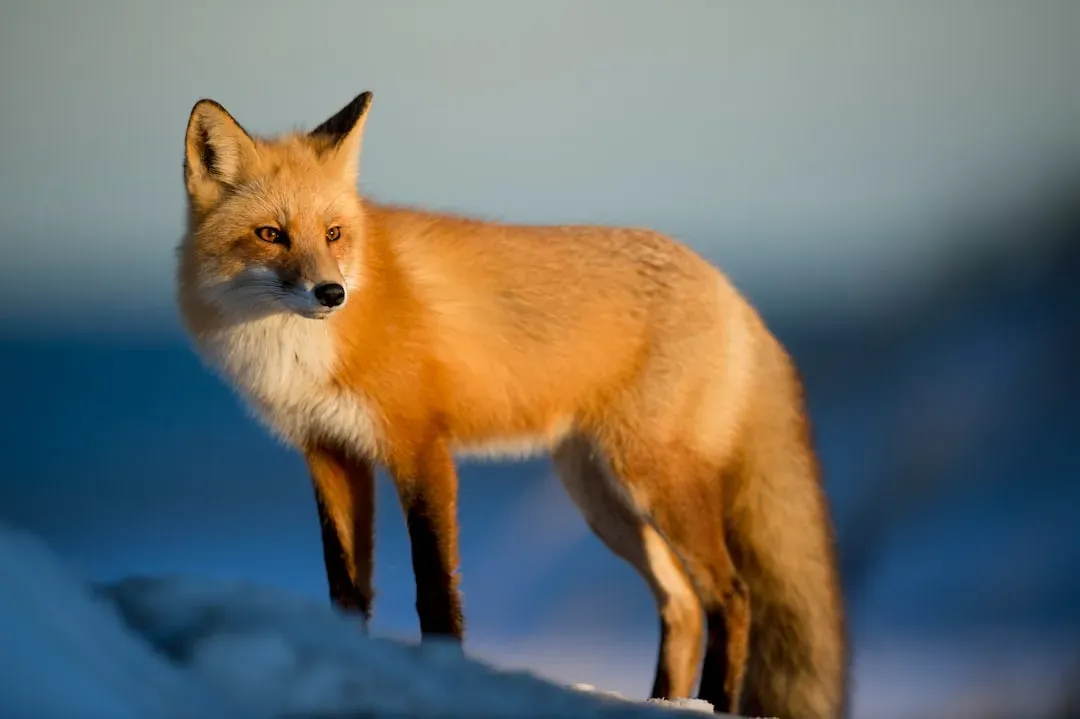
If animals are conscious, even partially, even in ways that look nothing like human consciousness, that changes things. It changes how you think about the food on your plate, about research laboratories, about zoo enclosures, and about the casual cruelty that much of modern life inflicts on other species without a second thought.
Multiple countries, including France, the Netherlands, New Zealand, Sweden, and Tanzania, have explicitly recognized animal sentience in their federal laws. The evolving understanding of animal sentience carries profound implications for legal frameworks, particularly in the United States, where federal law does not classify animals as sentient beings, with laws primarily focusing on conservation, agriculture, and animal welfare in specific contexts. State-level initiatives, such as Oregon’s recognition of animal sentience, signal a growing awareness of animals’ capacity for subjective experiences.
If animals experience emotions, it means their inner worlds are richer and more complex than once believed. It also means the way we treat them – in farms, in laboratories, in the wild – carries moral weight that cannot be ignored. Subjective experience, not species membership or particular nervous system configurations, is what matters for moral consideration, according to researchers in this field.
Conclusion: What This Means for All of Us
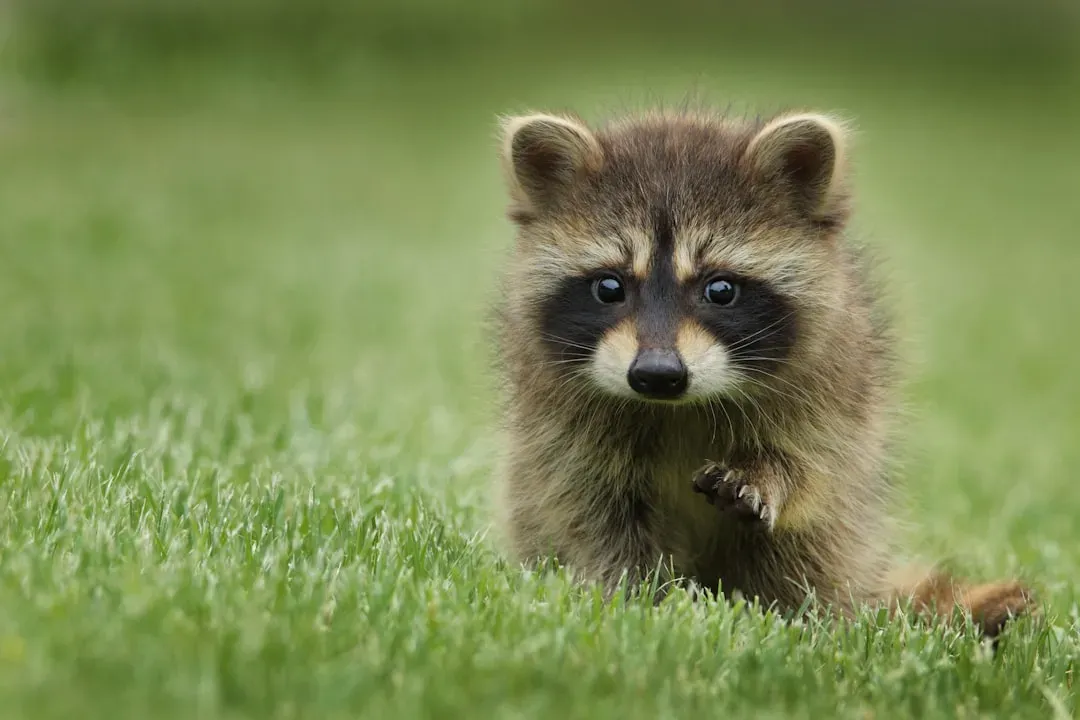
The science of animal consciousness is no longer a fringe curiosity. It is a rapidly expanding field pulling in neuroscientists, philosophers, evolutionary biologists, and legal scholars, all grappling with the same uncomfortable realization: we may have badly underestimated the richness of inner life across the animal kingdom for a very long time.
There is now an emerging interdisciplinary field of “animal consciousness research” or “animal sentience research” bringing together researchers from neuroscience, comparative psychology, animal welfare and veterinary science, evolutionary biology, and philosophy. This research could help us take better care of the animals who share our planet. It also could give us a new perspective on how much of our inner life is shared across the animal kingdom.
We are standing at the edge of something genuinely transformative. A world where a lobster’s distress matters, where a bee’s play behavior carries scientific weight, and where the question is no longer whether animals feel – but how, and what we’re going to do about it. The real question now isn’t scientific. It’s moral. And it’s one that each of us gets to answer every single day. What do you think – does this change how you see the creatures around you? Share your thoughts in the comments below.