
Think of the last time you looked into a dog’s eyes and were sure it understood that you were sad. That tiny jolt of recognition, that gut feeling that there’s someone in there, not just something, is exactly what modern science is finally starting to take seriously. For a long time, researchers were told to avoid words like “joy,” “fear,” or “grief” when talking about animals, as if feelings suddenly appeared out of nowhere in humans and skipped every other species.
Today, that old view is falling apart. Brains, hormones, and careful experiments are all pointing in the same direction: many animals don’t just react, they feel. Not in a cartoonish, human-in-a-fur-suit way, but in rich, species-specific emotional lives that we’re only beginning to understand. The more we look, the more the question quietly shifts from “Do animals feel emotions?” to “How could they possibly not?”
The Fall of the “Emotionless Animal” Myth
For most of the twentieth century, scientists were surprisingly skeptical about animal emotions, even when pet owners were not. In labs and textbooks, animals were often treated as little machines driven only by instinct and conditioning, while words like “love” or “sadness” were dismissed as unscientific. This cautious approach came partly from fear of projecting human feelings onto animals, a problem known as anthropomorphism.
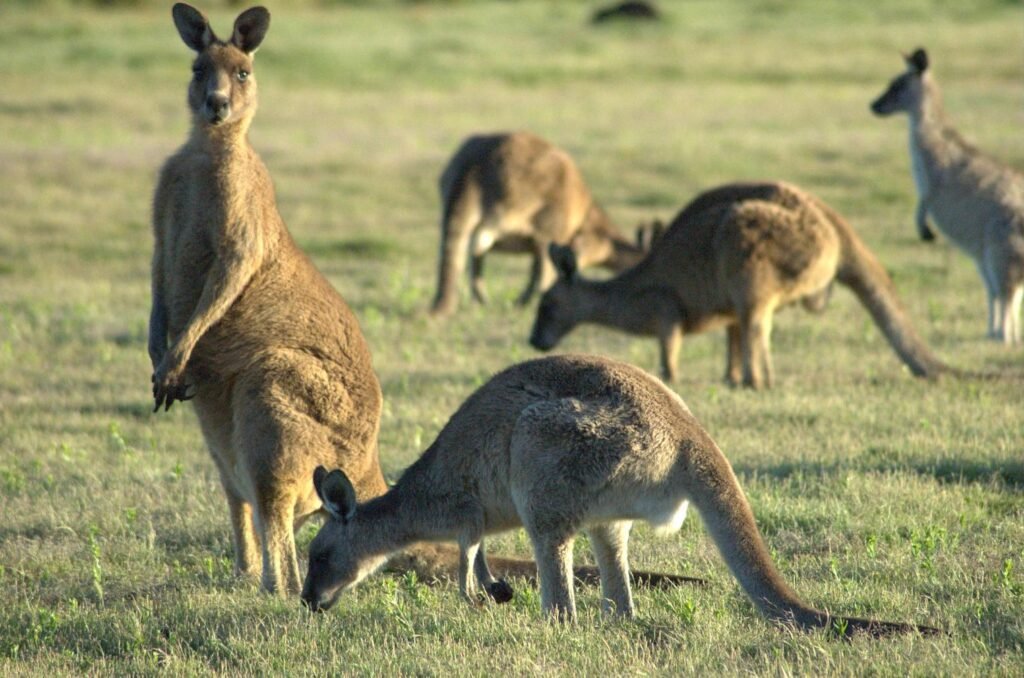
But over time, ignoring obvious emotional behavior started to feel less like caution and more like denial. If a mother elephant stands over her dead calf, refusing to leave for days, or a chimpanzee sinks into lethargy after losing a close companion, it’s hard to describe that as mere reflex. As new tools in neuroscience and behavior tracking arrived, they showed that emotions are not mystical or uniquely human, but deeply tied to brain circuits and chemical signals that many species share. The old myth of the emotionless animal has been quietly crumbling under the weight of its own evidence.
What Counts as an Emotion, Anyway?
Before asking whether animals feel emotions, we have to decide what an emotion actually is, which turns out to be less obvious than it sounds. Many scientists describe emotions as states that involve three ingredients: changes in the body (like a racing heart), changes in the brain (specific activity in certain regions), and changes in behavior (like freezing, fleeing, or seeking comfort). By that yardstick, lots of animals clearly cross the line.
Some researchers also distinguish between basic emotions, like fear, anger, pleasure, or disgust, and more complex, socially layered feelings, like guilt or pride. It’s very likely that many animals share at least the basic emotional toolkit, while only a few species may approach the more complex, reflective feelings humans struggle to name. Instead of asking whether animals feel exactly what we feel, it makes more sense to ask which emotional building blocks we have in common, and how each species mixes them into its own inner world.
Brains, Chemicals, and the Biology of Feeling
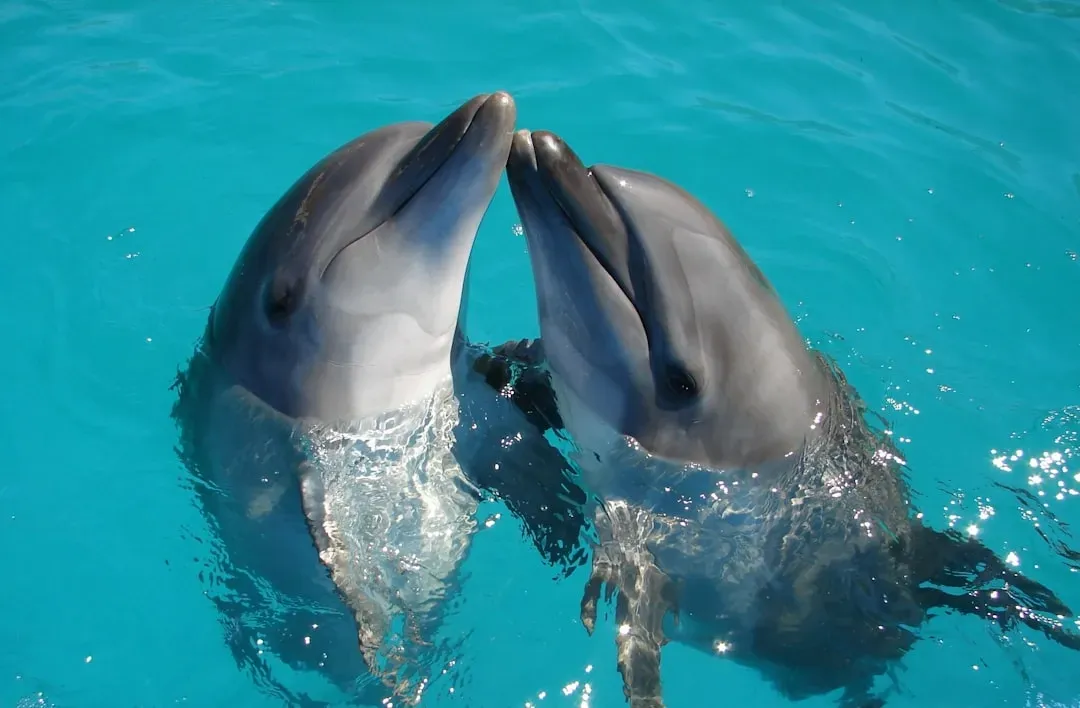
When you strip away the fur, feathers, or scales, the emotional machinery of many animals looks strikingly familiar. Mammals and birds share key brain structures involved in processing emotions, such as regions that play roles similar to the human amygdala and prefrontal areas. When a rat is frightened, its brain lights up in patterns that resemble what we see in a frightened human lying in a brain scanner, just on a smaller, simpler scale.
The same is true for the chemical messengers flooding those brains. Hormones and neurotransmitters linked to human emotion – like cortisol for stress, dopamine for reward, and oxytocin for bonding – show up across species, often in very similar ways. A dog that sees its favorite person after a long separation shows changes in heart rate and hormone levels that line up well with excitement and attachment. This doesn’t mean dogs feel exactly what we do, but it strongly suggests they are not emotionally blank slates.
Fear, Joy, and Grief: What We See in the Wild and at Home
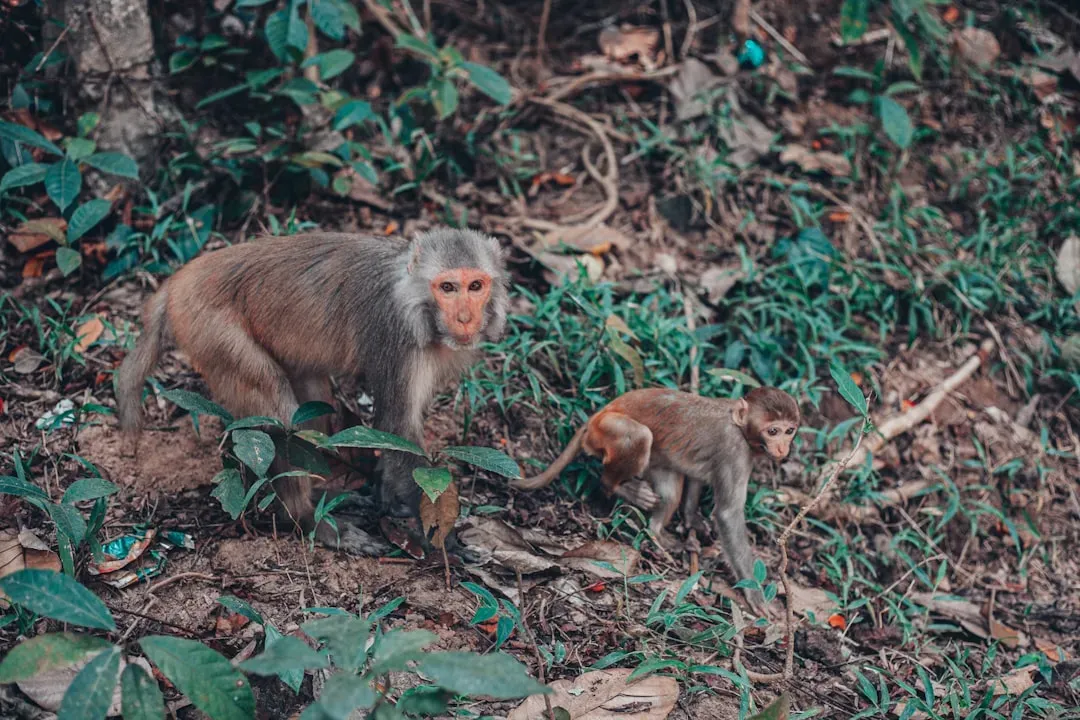
Fear is one of the clearest animal emotions to study, because it leaves visible fingerprints on behavior and biology. Rodents in lab tests freeze or avoid places where they previously received shocks, and their stress hormones spike in patterns that echo human fear responses. In the wild, everything from fish to birds shows careful, flexible decisions when facing predators, behaving in ways that go beyond simple, pre-programmed reflexes.
On the other end of the spectrum, play and joy are surprisingly widespread. Young mammals chase, wrestle, and invent games with rules that they seem to enjoy for their own sake, not just to practice survival skills. Some primates and even certain birds appear to show signs of grief, staying close to dead companions, handling the body gently, or becoming withdrawn afterward. While we need to be cautious about reading too much into these scenes, it’s hard to watch them and insist that nothing like sadness or attachment is involved at all.
Do Dogs, Cats, and Other Pets Really “Love” Us?

Anyone who’s lived with a dog or cat probably has a strong opinion about this already, and science is largely catching up with what many people feel in their bones. Brain imaging studies suggest that dogs respond to their human’s voice and scent in ways that look a lot like a mix of attachment and reward. When their owners return after an absence, dogs show patterns of excitement, seeking closeness, and stress relief that are hard to explain without some kind of emotional bond.
Cats can be more subtle, but many still form clear attachments to their humans, seeking contact, showing distress when separated, and relaxing more easily in their presence. These bonds may not be identical to human romantic love or parental love, but they seem to share core elements of comfort, security, and pleasure in each other’s company. When people say their pets know when they’re sad or anxious, that’s not just wishful thinking; animals are often remarkably good at picking up on voice tone, posture, and scent changes that signal emotional states.
Emotional Intelligence Beyond Mammals
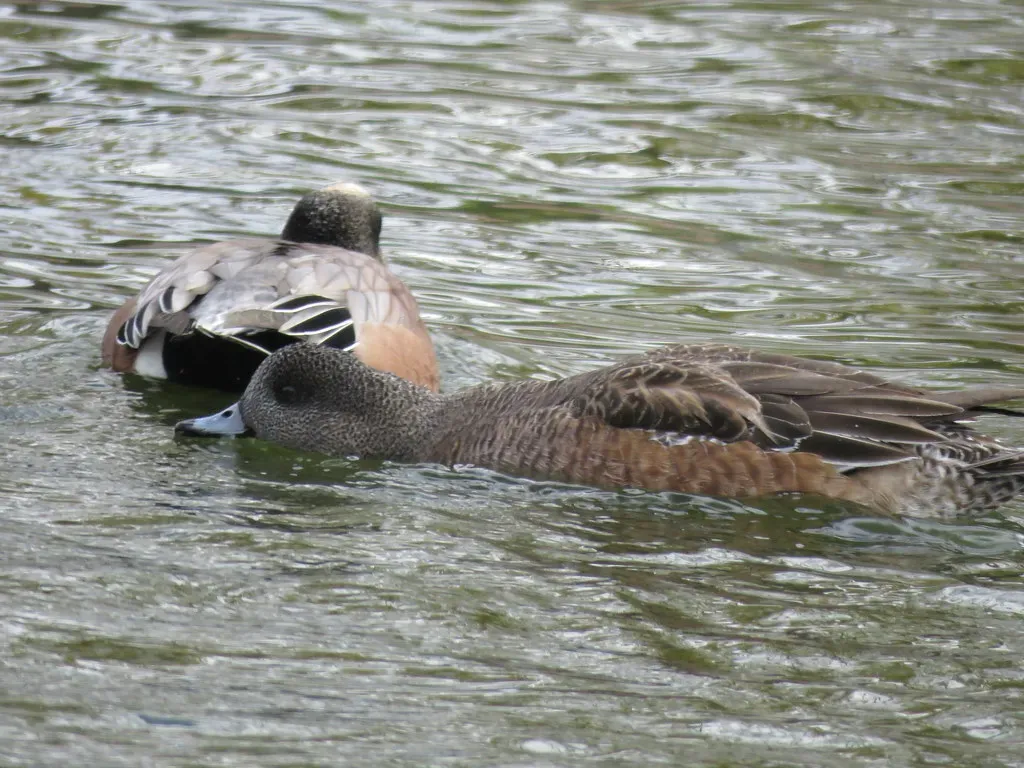
Mammals get most of the attention in discussions about animal emotions, but they’re not the whole story. Many birds, especially crows and parrots, show impressive social awareness, long-term bonds, and behaviors that look very much like play, curiosity, and even frustration. Some bird species appear to mourn lost mates, calling for them or visiting the place they disappeared, and they can change their behavior for long periods afterward.
Even more surprising, some research hints that certain fish and invertebrates may experience rudimentary emotional states. For example, some fish show longer-lasting changes in behavior after stressful events that resemble human anxiety, and they respond to drugs that reduce anxiety in people. This doesn’t mean a fish sits around pondering its feelings the way we do, but it does suggest that emotional building blocks might be far older and more widespread in evolution than we once assumed.
Why Animal Emotions Matter for Us
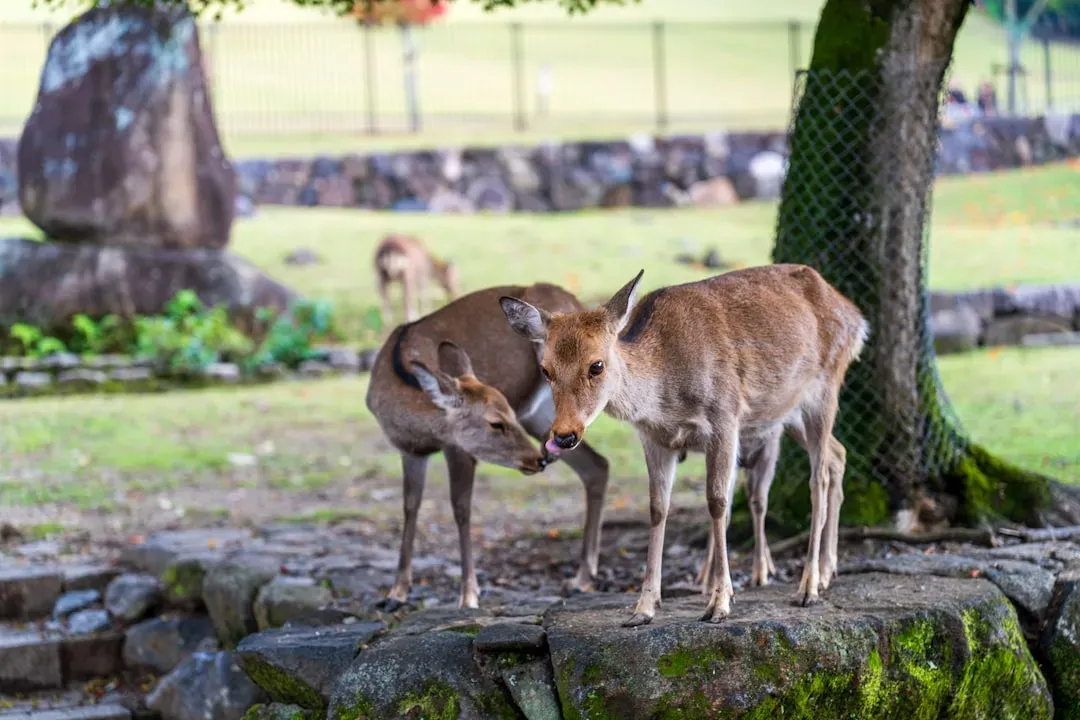
Accepting that animals feel, even in simpler or different ways than we do, has enormous ethical consequences. It forces us to rethink how we treat them in farming, research, entertainment, and even in our homes. If an animal can experience fear, boredom, relief, or comfort, then its environment, social life, and daily routines matter in a much deeper way than if it were just a living robot.
On a more personal level, recognizing animal emotions can change how we see ourselves. Instead of imagining humans as standing on a lonely emotional island, separate from the rest of life, we start to see feeling as a shared thread running through many branches of the tree of life. That shift can be humbling and strangely comforting at the same time, making our connections with other creatures feel less like a fantasy and more like a real, biologically grounded bond.
Conclusion: A Shared Emotional Planet
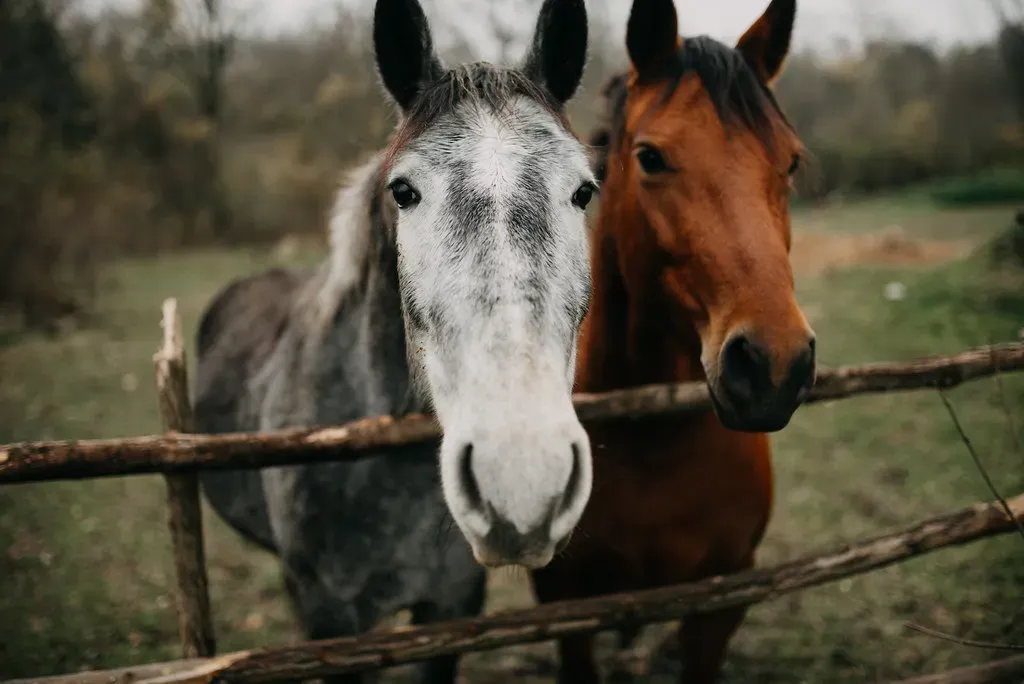
The more scientists look at animal minds, the more the old sharp line between “us” and “them” begins to blur. Brains, hormones, and behavior all point toward a simple idea: emotions are not an exclusive human luxury, but a practical, evolved way for many creatures to navigate a complex world. Fear keeps them alive, joy draws them toward what’s good, and bonds hold social groups together across countless species.
We may never fully know what it feels like to be a bat, a dog, or a crow, but we can be confident that their inner lives are not empty. They feel, in their own ways, shaped by their senses, their bodies, and their worlds. Living alongside them with that in mind is less about sentimentality and more about honesty. When you look into an animal’s eyes and sense a flicker of emotion looking back, how could you be sure you’re wrong?