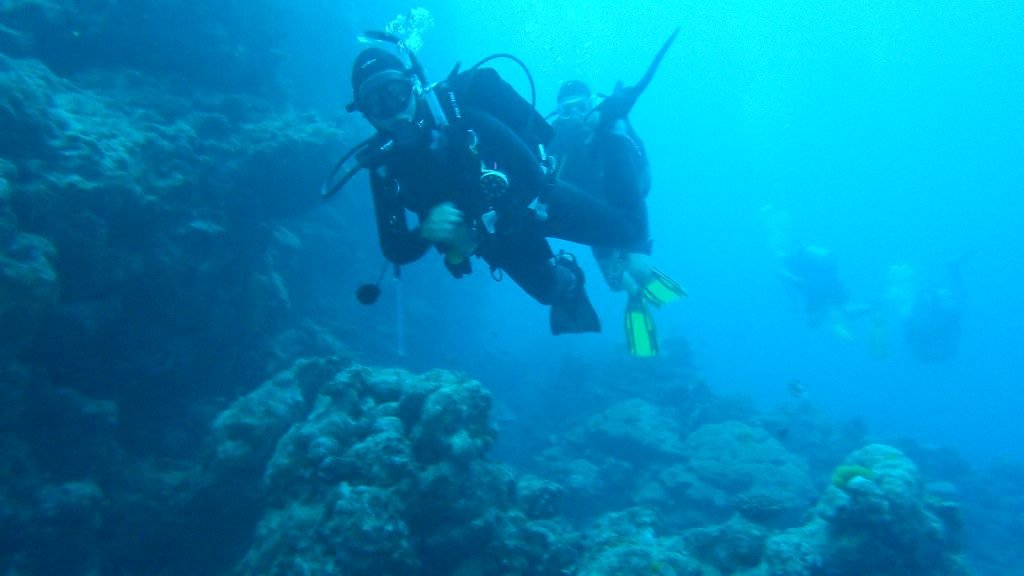

Somewhere beneath the cold, dark waters of the Aegean Sea, history has been quietly waiting. For over two centuries, fragments of ancient Greek marble – pieces once ripped from the Acropolis of Athens – lay scattered across a sandy seabed, locked inside the wreck of a sunken ship. Nobody knew exactly where they were. Until now.
This discovery is the kind of thing that makes you stop and rethink everything you thought you knew about one of archaeology’s most heated debates. The story of the Elgin Marbles has never been simple, and this latest chapter adds a layer of drama, tragedy, and moral complexity that honestly feels almost cinematic. Let’s dive in.
The Ship That Sank With a Controversial Cargo
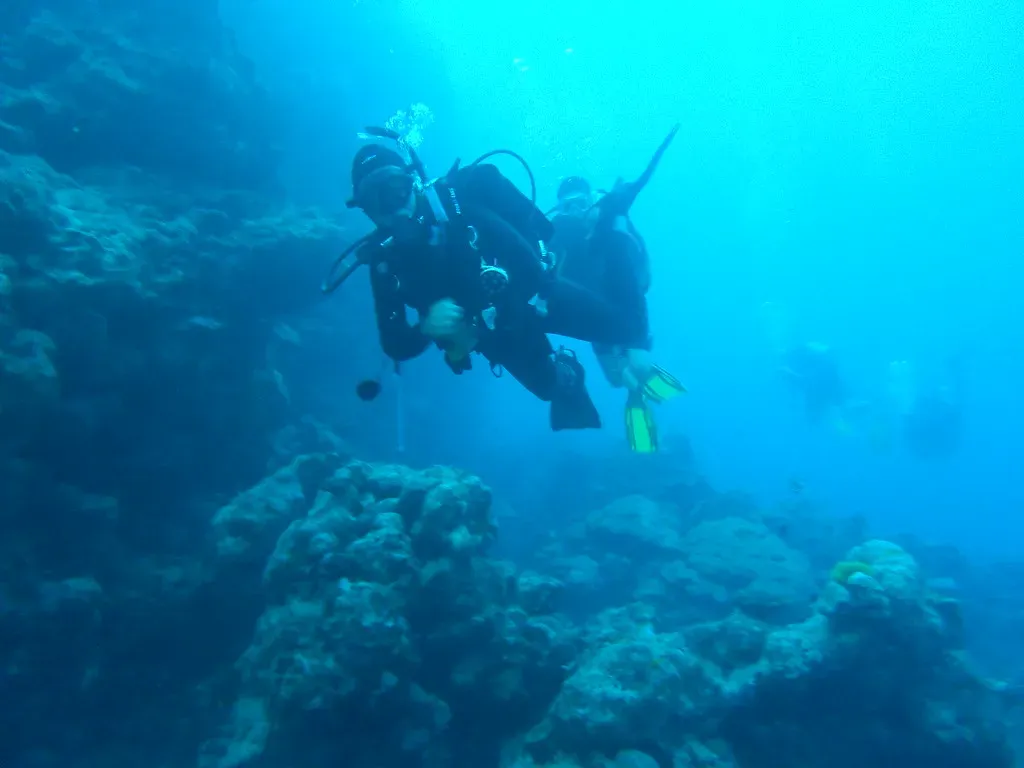
In 1802, a brig called the Mentor was sailing from Athens toward Britain, loaded with ancient marble sculptures and architectural fragments that Thomas Bruce, the 7th Earl of Elgin, had removed from the Parthenon and surrounding structures on the Acropolis. The ship sank off the Greek island of Kythera during a violent storm, taking its precious cargo with it to the seafloor. Most of the crates were eventually recovered through salvage operations at the time, but questions lingered for decades about whether everything had truly been retrieved.
Here’s the thing though – “most” is not “all.” Divers exploring the wreck site recently confirmed that marble fragments still remain entombed in the wreck, untouched for more than two hundred years. The discovery is not just archaeologically significant. It reopens a wound that Greece and Britain have been arguing over for a very long time.
Who Was Lord Elgin and Why Did He Take Them?
Thomas Bruce, Lord Elgin, served as British Ambassador to the Ottoman Empire in the early 1800s. During his tenure, he obtained what he claimed was permission from Ottoman authorities to remove sculptures and stonework from the Acropolis, including significant portions of the Parthenon frieze, metopes, and pediment figures. He argued he was saving them from further deterioration and neglect.
Critics, both then and now, have always viewed his actions rather differently. The Greek government, scholars, and a growing number of international voices have long called his removal of the marbles an act of cultural plunder dressed up in diplomatic clothing. Honestly, when you look at the scale of what was taken – roughly about half of the surviving sculptural decorations from the Parthenon – it’s hard not to understand the outrage.
What the Divers Actually Found
The recent underwater survey of the Mentor wreck site off Kythera revealed marble fragments that researchers have identified as originating from the Acropolis. Divers documented pieces still lying within the remains of the vessel, preserved beneath sediment on the Aegean seabed. The finds include fragments consistent with the architectural stonework Lord Elgin’s team removed between 1801 and 1812.
The condition of the submerged pieces, after more than two centuries underwater, is described as remarkable. Seawater and sediment acted almost like a preservation capsule, shielding the marble from the kind of surface weathering and pollution that has damaged similar pieces elsewhere. Think of it like a time capsule – one nobody intentionally buried, but the sea buried for them.
The Greek Government’s Reaction and What This Means Legally
Greek authorities have responded to the discovery with a mixture of excitement and firm territorial assertion. Greece has consistently maintained that all materials removed from the Acropolis belong to the Greek people, and the discovery of additional fragments in Greek territorial waters strengthens that legal and moral position considerably. The wreck site falls within Greek jurisdiction, meaning any recovered artifacts would, under international maritime and cultural heritage law, be subject to Greek authority.
This is where it gets genuinely complicated from a legal standpoint. The British Museum currently houses the Elgin Marbles – officially called the Parthenon Sculptures – and has resisted returning them for decades. The argument from the British side has often been that the museum provides global access and superior conservation. The discovery of surviving fragments in a Greek shipwreck, resting in Greek waters, seems to deal a further blow to that already strained argument.
A Centuries-Old Debate Reignited
The dispute over the Parthenon Sculptures is one of the longest-running and most emotionally charged cultural ownership battles in the world. Greece formally requested the return of the marbles as far back as the 1980s, with the late culture minister Melina Mercouri becoming one of the most passionate voices in that campaign. Decades of diplomatic negotiations, proposals for loan agreements, and back-and-forth between Athens and London have produced frustratingly little resolution.
What makes this new discovery feel particularly loaded is the symbolism of it. Here are pieces of ancient Greek heritage literally sitting on the Greek seafloor, in Greek waters, undeniably Greek in origin. The imagery alone is powerful. It’s hard to say for sure how much legal traction this will generate, but it certainly gives Greece another compelling chapter in its long and emotionally resonant argument for repatriation.
The Archaeology Behind the Discovery
The survey was conducted as part of ongoing underwater archaeological research in the Aegean, a region extraordinarily rich in submerged historical sites. Greek underwater archaeologists and marine researchers have been methodically examining the Mentor site using modern diving technology and remote documentation equipment. The level of detail now achievable through contemporary underwater survey methods is genuinely astonishing compared to what was possible even twenty years ago.
Each fragment documented at the site adds to a growing picture of exactly what Elgin’s operation involved and what remains unaccounted for in the official historical record. The wreck itself is considered a protected archaeological site under Greek law. Any future excavation or recovery efforts will require careful coordination between marine archaeologists, government bodies, and cultural heritage authorities.
What Happens Next: Recovery, Rights, and the Road Ahead
The immediate future for the discovered fragments involves careful documentation, ongoing monitoring, and legal deliberation over how and when physical recovery might take place. Greek authorities are unlikely to rush a process that carries enormous cultural weight and international scrutiny. The priority, at least for now, appears to be ensuring the site remains protected and undisturbed while broader decisions are made.
The broader implication is harder to ignore. Every fragment confirmed at that site is another piece of evidence in a case Greece has been building for generations. The British Museum and the UK government will inevitably face renewed pressure in the wake of this announcement. Whether this discovery finally moves the needle in one of history’s most stubborn repatriation disputes remains to be seen – but the Aegean, it seems, hasn’t finished telling its story yet.
A Discovery That Changes the Conversation
Let’s be real: this is not just a story about marble and shipwrecks. It is a story about identity, colonial history, and who gets to decide where culture belongs. The discovery of Acropolis fragments sitting on the Greek seabed, in Greek territorial waters, inside the wreck of the very ship that was carrying them away, feels almost poetic in its irony.
Honestly, I think this discovery deserves more than a footnote in the ongoing repatriation debate. It deserves to be a turning point. The marbles were taken under circumstances that most historians today view with deep skepticism, and the moral case for their return has only grown stronger over time. The sea kept these fragments safe for over two hundred years. Now the question is whether the people of the world – and the institutions that hold power over these objects – are finally ready to do the right thing.
The Aegean gave something back. The real question now is whether London will too. What do you think – does this discovery change the argument for you? Share your thoughts in the comments.