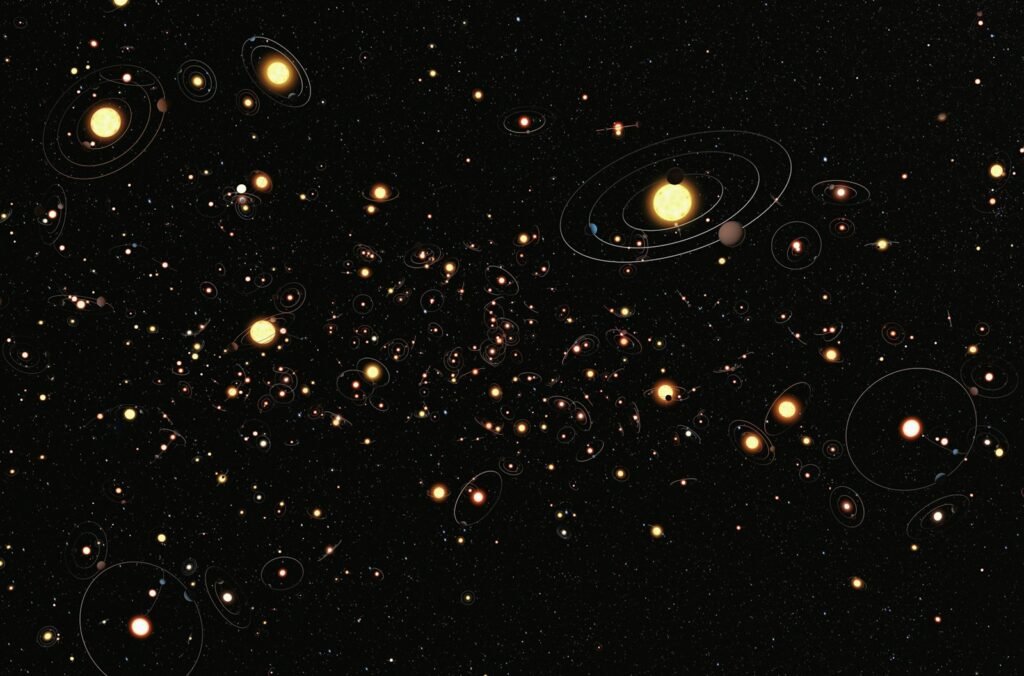

Long before glass lenses and orbiting observatories, people with no more than the naked eye and a good memory figured out how to read the sky with astonishing precision. From the deserts of Mesopotamia to the islands of Polynesia, ancient astronomers turned the night into a laboratory, tracking patterns so subtle that many of us would miss them even with modern apps. Their challenge was simple and brutal: if you misread the heavens, you might miss the rains, wreck a voyage, or lose a harvest. Yet instead of guessing, they built data sets, instruments, and models that laid the groundwork for astronomy as we know it. Today, scientists are revisiting these methods with fresh respect, finding that ancient skywatchers were not just storytellers, but rigorous observers whose techniques still echo in modern science.
The Hidden Clues in a Dark Sky
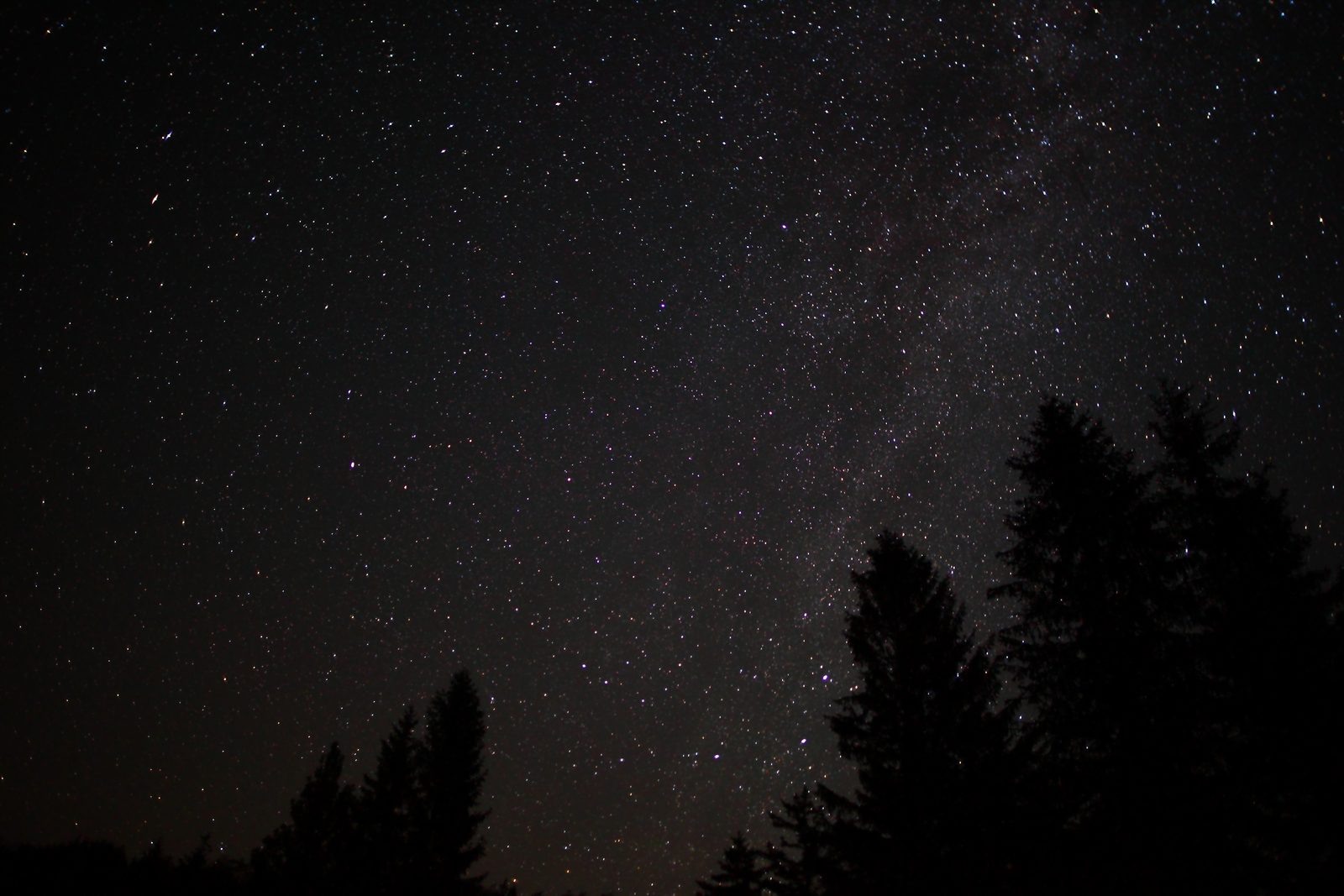
Stand outside on a clear night and try to imagine that this glittering dome is your only calendar, compass, and clock. Ancient astronomers did not have the luxury of casual stargazing; they needed to pull reliable information out of what looks, at first glance, like chaos. The hidden trick is that the sky is not random at all: stars rise and set in predictable paths, constellations shift with the seasons, and bright wanderers like Venus and Jupiter follow repeatable cycles. Early skywatchers learned to notice which stars appeared just before sunrise at key times of year, using those events to time planting, sailing, and rituals. What looks like romance and myth to us was, for them, a system of coded signals about time and place.
They also paid careful attention to brightness and color, details that many casual observers skip over today. A star’s sudden brightening or dimming could hint at atmospheric conditions or seasonal change, while the reddish hue of Mars or Antares helped distinguish them from surrounding stars. By encoding these sensory impressions in stories, songs, and carved markings, communities could transmit very fine-grained sky knowledge across generations. It is easy to underestimate this because it did not sit in textbooks, but in people’s heads and on their horizons. In a sense, the entire community functioned as a distributed observing network, long before anyone spoke of citizen science.
Stone, Shadow, and String: The First Astronomical Instruments
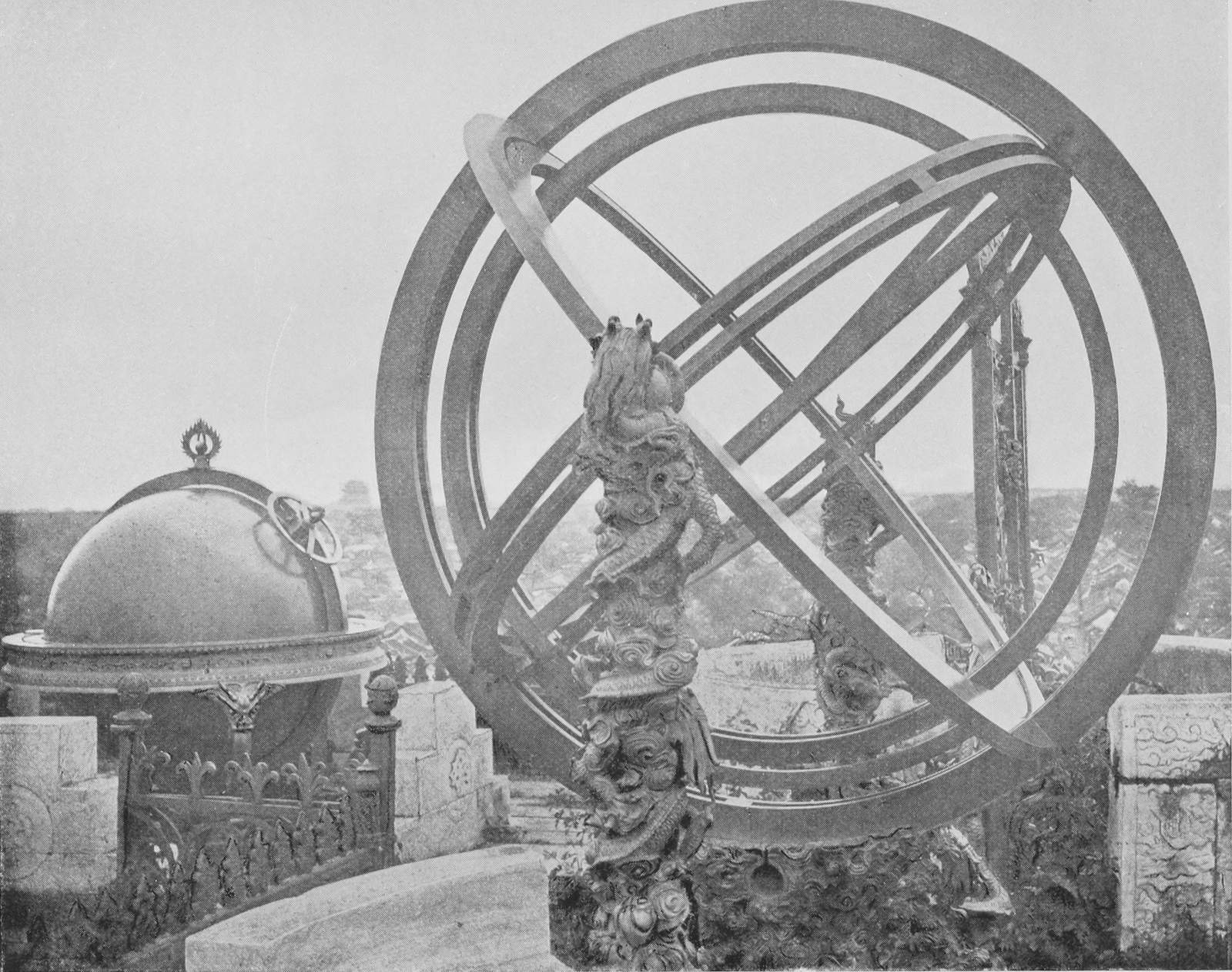
Without telescopes, ancient astronomers turned to simpler tools: stones, sticks, shadows, and strings. A single upright pillar, for instance, becomes a powerful instrument when you track its midday shadow throughout the year, revealing the changing height of the Sun. Circular structures aligned to solstices, like those in Europe and Mesoamerica, worked as giant fixed observatories, marking when the Sun rose or set at extreme positions on the horizon. In Mesopotamia and Egypt, simple sighting devices – often just a straight edge or a notched staff – helped observers track the rising of specific stars. These early instruments did not magnify light, but they did sharpen precision, forcing the eye to align with a fixed frame.
Equally important were tools you could roll up and carry: knotted cords, etched bones, and marked sticks that recorded repeated observations. Some scholars liken these to analog spreadsheets, since they tracked positions, intervals, and cycles over years or even centuries. A horizon line carefully sighted over time could reveal the slow drift of celestial bodies, while repeated measurements of star positions above the horizon hinted at latitude and seasonal shifts. When you look at these tools, they seem primitive compared to polished brass telescopes, but the underlying logic is strikingly familiar. The goal was always the same: reduce the messiness of the real sky into clear, repeatable measurements.
Pattern Hunters: Building Night-Sky Data Before Numbers
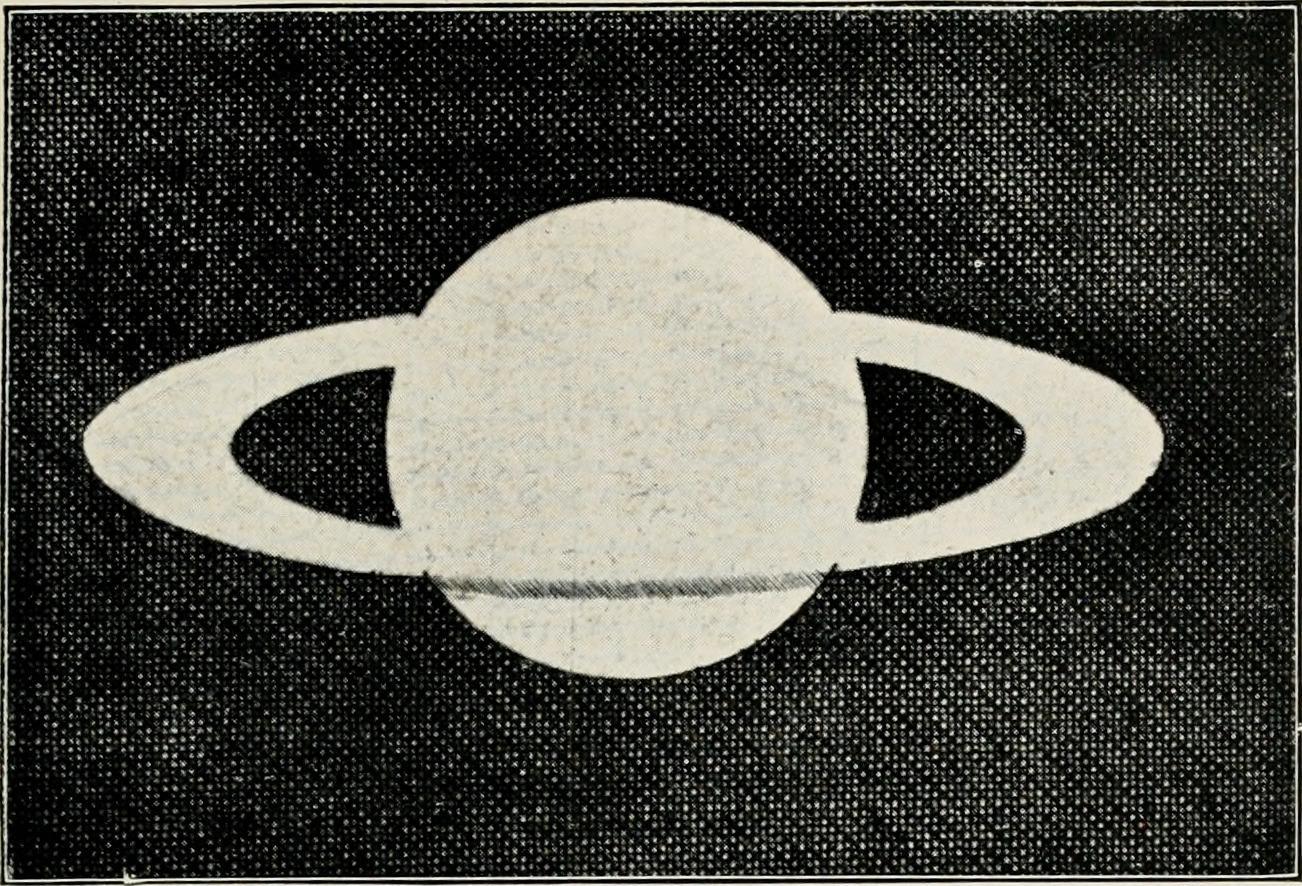
Ancient astronomers were, at heart, pattern hunters. In Babylon, skywatchers kept systematic records of planetary positions and eclipses over many centuries, turning nightly notes into long-term trend lines. Without algebra as we know it, they still recognized that certain intervals between lunar eclipses repeated with surprising regularity. In Mesoamerica, Maya scholars tracked Venus with such care that they created tables predicting its appearances and disappearances over years, all by hand and eye. These records are essentially early data sets, built one painstaking entry at a time.
What is especially striking is how often these patterns were discovered purely through persistence and attention. Imagine noticing that a particular bright star always returns to the same place in the dawn sky roughly about one year apart, then building your agricultural schedule around that recurrence. Or carefully noting that roughly about every two or three years Mars does something unusual in the sky – looping backward relative to the stars – and realizing this retrograde motion is part of a longer rhythm. The people doing this work were not guessing; they were performing long-baseline observations that most modern research projects would envy. Their discoveries were coded in lists, symbols, and architectural alignments rather than in digital files, but the intellectual labor behind them is just as rigorous.
From Ancient Tools to Modern Science
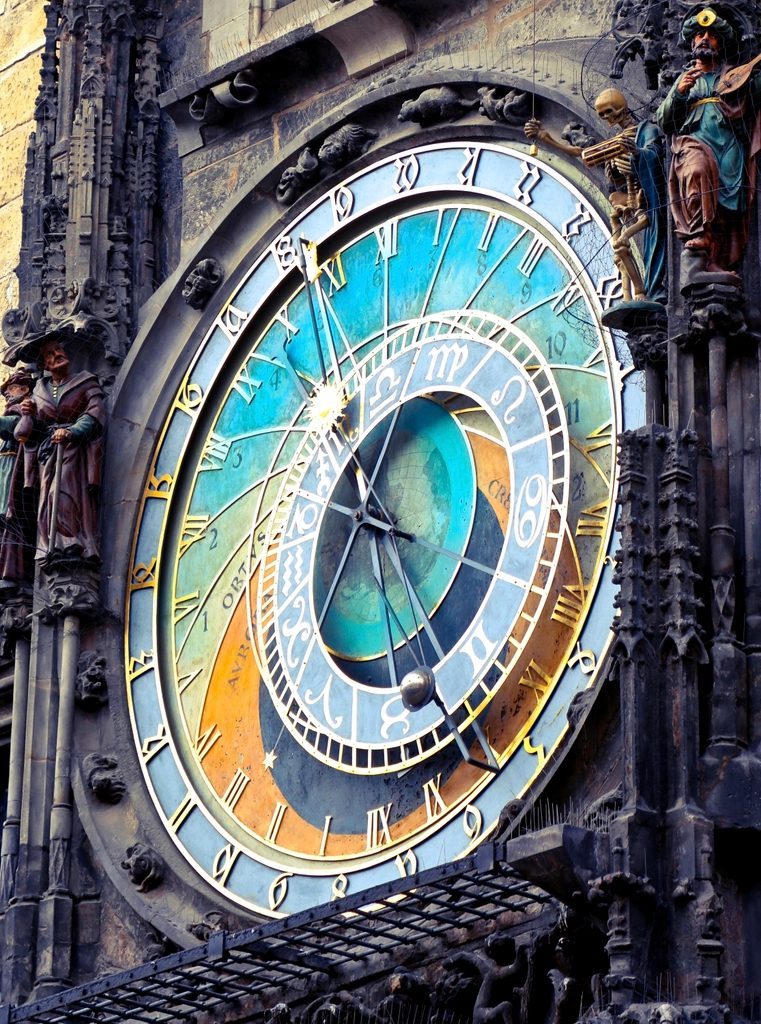
Modern astronomers rely on CCD cameras, adaptive optics, and space telescopes, yet many of their core techniques echo what ancient observers did with bare eyes. The basic method – observe, record, compare, predict – has not changed, only the resolution and range. Today’s ephemerides, which list the positions of celestial bodies at given times, are the direct descendants of Babylonian star lists and Maya planetary tables. When astronomers look for repeating patterns in exoplanet transits or variable stars, they are engaging in the same kind of cycle-hunting that ancient skywatchers used to decode lunar eclipses. The language is new, but the logic is not.
In recent years, historians of science and astronomers have teamed up to reanalyze ancient records using modern statistical tools. Some old clay tablets, for example, have turned out to contain surprisingly accurate approximations of celestial cycles that took modern scientists a long time to fully formalize. Likewise, reinterpretations of architectural alignments have revealed that many structures are more precise than previously believed, often matching sunrise or star positions to within a small fraction of a degree. These findings are rewriting the way we talk about the history of science, pushing back the timeline for when humans first achieved high-precision sky measurements. It is less a story of sudden European breakthroughs and more a layered global effort stretching over millennia.
Global Perspectives: Different Skies, Different Solutions
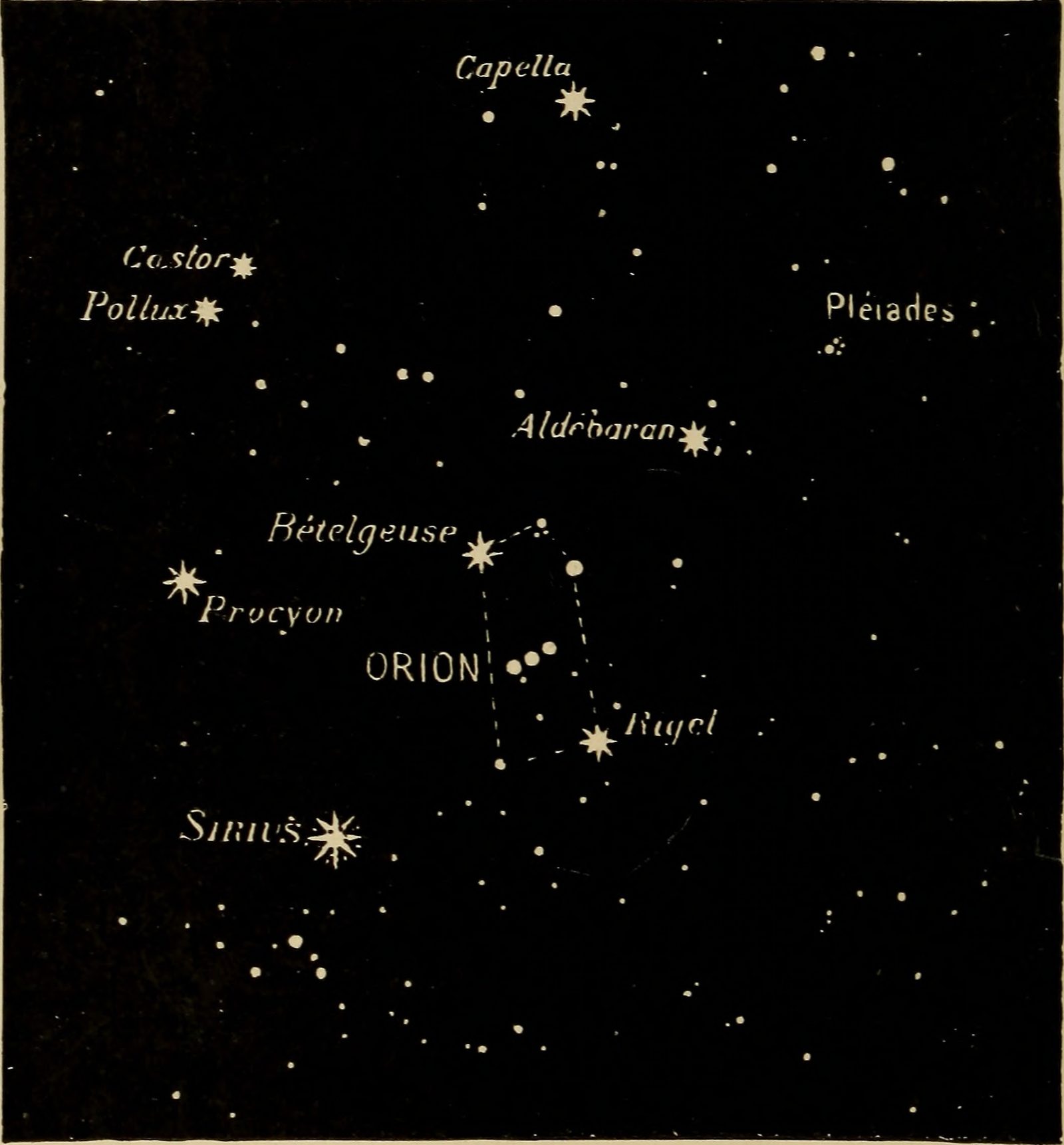
Because the sky looks different depending on where you stand on Earth, ancient astronomy developed in diverse and inventive ways. In the high latitudes, where the Sun can skim the horizon for months, people learned to read slow shifts in daylight and star visibility as seasonal cues. Near the equator, where day and night are more balanced, the overhead passage of constellations and the sudden rising of bright stars like Sirius became important markers. Seafaring cultures in the Pacific developed a unique expertise in using star paths – sequences of rising and setting stars – to navigate thousands of miles across open ocean. Their mental star compasses were essentially living instruments, stored in memory instead of metal.
On land, desert and mountain communities often used clear horizons and distinctive peaks as fixed reference points. Aligning star risings with a notch in a distant hill turned that landscape feature into a permanent sighting device. Different cultures also emphasized different celestial bodies based on local needs. Some focused on the Moon to time tides and night travel, others on the Sun for agriculture, and still others on planets like Venus that stood out as especially reliable signals. This diversity of approaches underscores a crucial point: there was never just one ancient astronomy, but many parallel experiments in making sense of the same sky. Each solution tells us something about the problems people most urgently needed to solve.
Why It Matters: Rethinking Who Counts as a Scientist
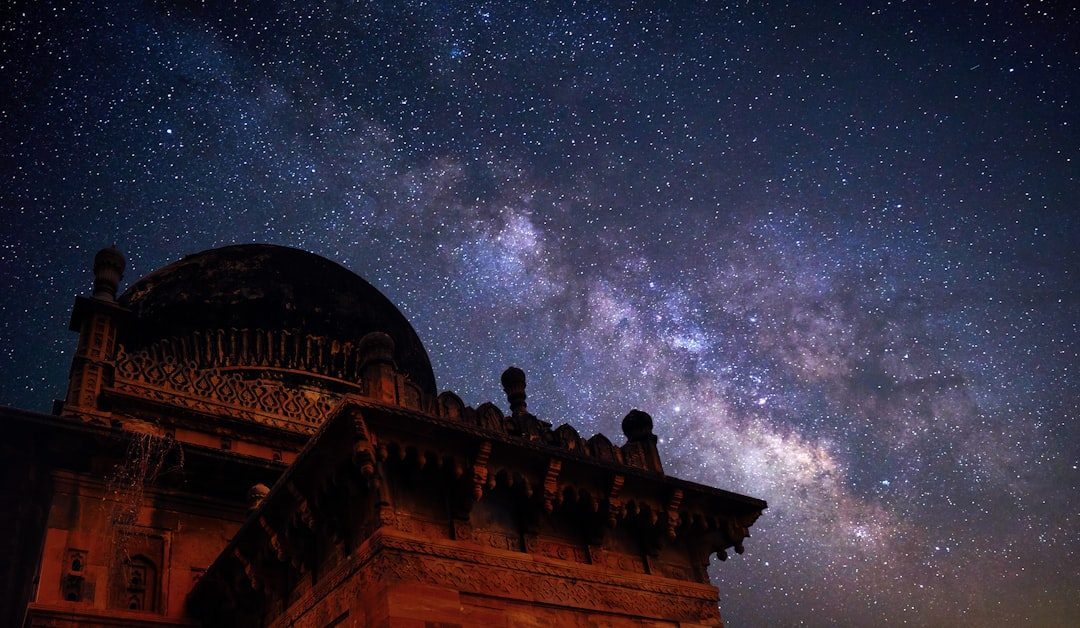
Understanding is not just a charming historical footnote – it challenges our ideas about who gets to be called a scientist. When we picture science beginning only with printed books, we erase the contributions of generations who worked with memory, oral tradition, and stone. Yet their achievements were often quantitative and predictive, not merely symbolic or mythical. Recognizing this changes how we see human intellectual history, turning it from a short, sharp climb into a much longer, richer ascent. It also highlights that rigorous observation can flourish even in low-tech environments, as long as people have reasons to care and space to watch.
There is a modern lesson here, too. Many current projects that monitor the night sky, from meteor tracking networks to community satellite observations, lean heavily on dedicated amateurs and Indigenous observers. Their contributions mirror what ancient skywatchers did: filling in the gaps that large institutions cannot cover alone. When we value only data that comes from high-cost instruments, we risk overlooking the quieter skills that make discovery possible in the first place. Seeing ancient astronomers as serious scientists encourages a broader, more inclusive view of expertise today, one that respects both cutting-edge instruments and deep, place-based knowledge.
Looking Ahead: How Old Methods Shape New Space Technologies
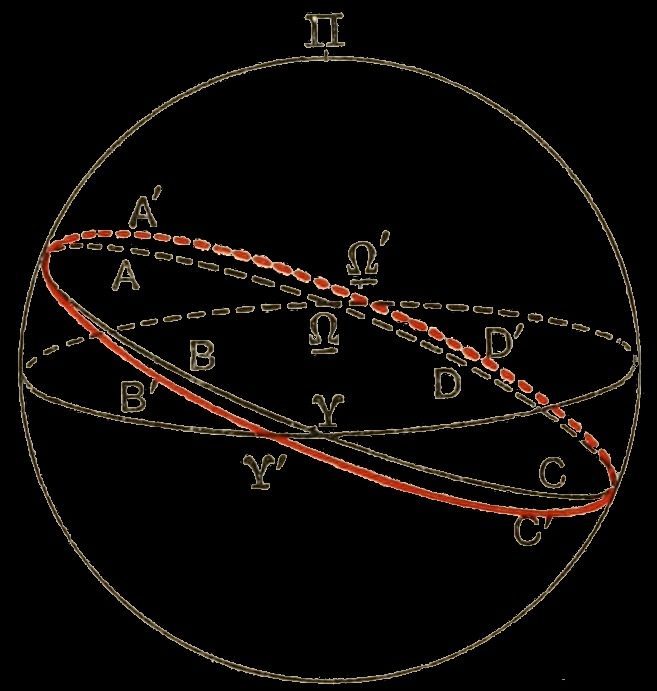
Ironically, as our telescopes become more advanced, some of the oldest observational tricks are becoming newly relevant. Missions that search for exoplanets, for example, rely on watching tiny, periodic dips in starlight as planets pass in front – a sophisticated version of noticing repeatable sky events over long timescales. Satellite constellations and navigation systems still depend on precise timing and positional cycles that would look conceptually familiar to Babylonian or Polynesian experts. Researchers designing autonomous navigation for spacecraft sometimes borrow ideas from traditional wayfinding, such as using multiple reference points and redundant cues instead of a single fixed beacon. The intuition that you should never trust just one sign in the sky turns out to be surprisingly future-proof.
There are also emerging technologies aimed at recreating ancient skies in virtual reality, allowing scientists to test hypotheses about alignments from the perspective of observers thousands of years ago. These simulations can reveal, for instance, how a building’s doorway framed a particular star at a certain date, or how a cluster of monuments might have worked together as a coordinated observing system. As we push deeper into space exploration and build instruments on the Moon or Mars, it is likely that some of these old strategies – using landscape features as fixed markers, for example – will resurface in new forms. In a strange twist, the future of off-world astronomy may end up looking, at least philosophically, a little like standing in a stone circle and waiting for the Sun.
How You Can Engage With the Ancient Sky
You do not need a telescope or a PhD to tap into the mindset of ancient astronomers; you only need time, patience, and a clear view of the sky. One simple way to start is to pick a bright star or planet and note its position relative to a landmark – say, a tree or building – at the same time each night for several weeks. Keep a small notebook, just as Babylonian scribes once did, and sketch what you see, including rough times and dates. Over days and months, you will begin to notice subtle shifts that apps often hide behind neat icons and graphs. That slow realization, that the sky moves in intricate but dependable ways, is exactly the feeling that drove early humans to become astronomers in the first place.
For those who want to go further, there are community science projects, local astronomy clubs, and cultural programs that explore traditional sky knowledge. You might join a meteor-watching network, attend a dark-sky event, or learn about Indigenous constellations in your region. Each of these steps helps keep alive a way of looking at the world that values careful observation over instant answers. In a time when so much of space exploration feels remote and high-tech, reconnecting with naked-eye astronomy is a small but powerful way to participate. It reminds us that mapping the cosmos has always started in the same place: one person, looking up, trying to make sense of the dark.
Suhail Ahmed is a passionate digital professional and nature enthusiast with over 8 years of experience in content strategy, SEO, web development, and digital operations. Alongside his freelance journey, Suhail actively contributes to nature and wildlife platforms like Discover Wildlife, where he channels his curiosity for the planet into engaging, educational storytelling.
With a strong background in managing digital ecosystems — from ecommerce stores and WordPress websites to social media and automation — Suhail merges technical precision with creative insight. His content reflects a rare balance: SEO-friendly yet deeply human, data-informed yet emotionally resonant.
Driven by a love for discovery and storytelling, Suhail believes in using digital platforms to amplify causes that matter — especially those protecting Earth’s biodiversity and inspiring sustainable living. Whether he’s managing online projects or crafting wildlife content, his goal remains the same: to inform, inspire, and leave a positive digital footprint.