
If you think dinosaurs are a solved mystery, America’s rocks keep proving you wrong. Every few months, a new fossil from a dusty canyon, a road cut, or even someone’s ranch quietly rewrites another chapter of Earth’s history. It’s like finding new pages in a book we thought was finished, and realizing the plot is far wilder than we ever imagined.
From tiny, bird-like predators to tank-sized plant eaters bristling with armor, the dinosaurs of North and South America are forcing scientists to rethink how these animals looked, moved, hunted, migrated, and even raised their young. What’s most surprising isn’t just what we’re finding; it’s how often cherished ideas turn out to be wrong or incomplete. The ground beneath our feet isn’t just dirt – it’s a time machine, and we’re still learning how to read its controls.
The New World of Feathered and Fluffy Dinosaurs
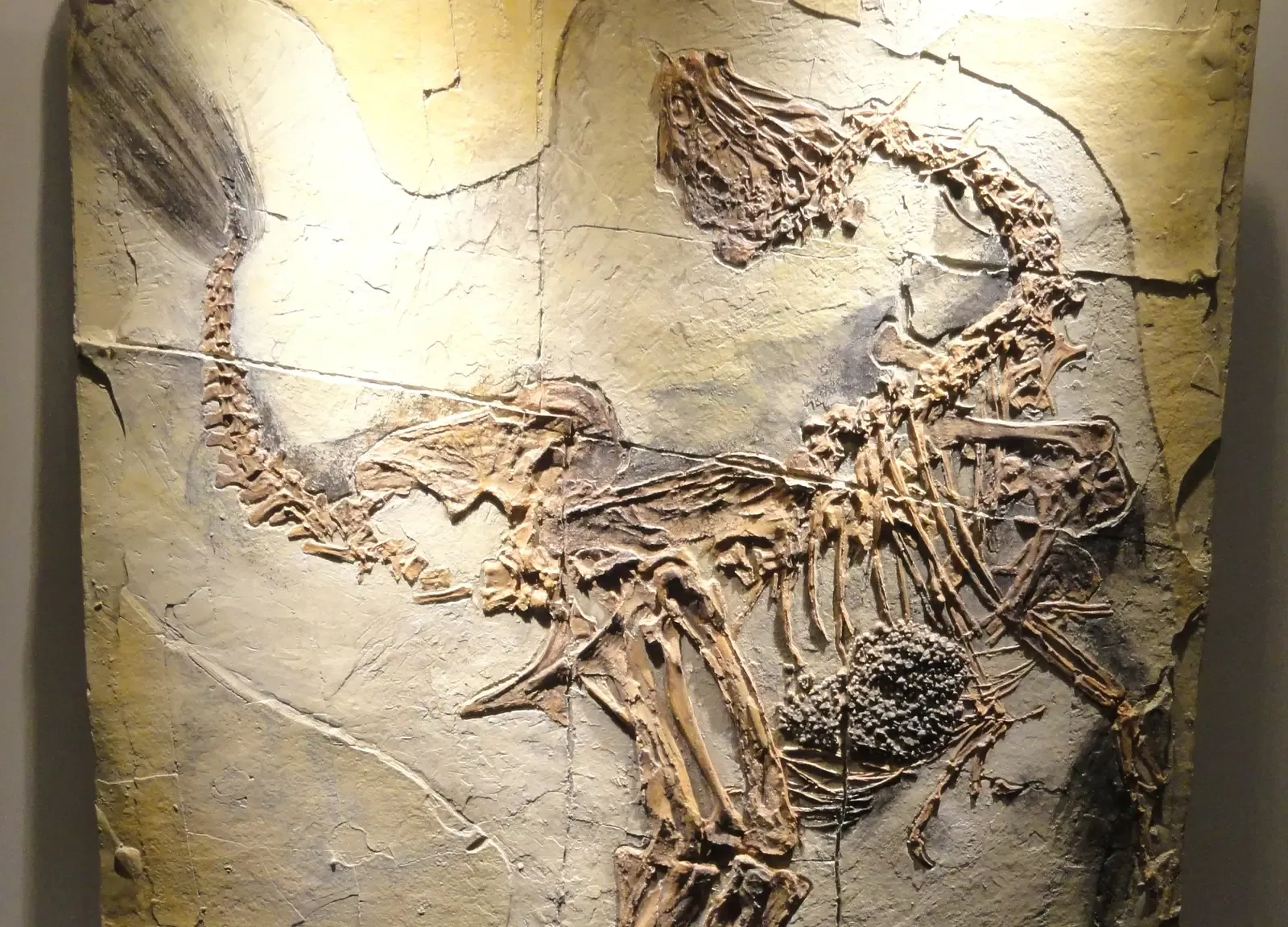
One of the most shocking turns in dinosaur science is how many of them were probably fluffy, feathery, or at least partially covered in filament-like structures. For decades, museum reconstructions in the United States showed sleek, scaly predators that looked more like crocodiles on legs than giant, strange birds. Now, fossils from Montana, Utah, and the Dakotas are pushing American scientists to fully embrace the idea that many theropods – especially the smaller ones – looked more like overgrown, terrifying chickens than reptiles.
American finds have helped confirm that feathers were not some rare oddity, but a recurring theme in dinosaur evolution. Even if we rarely get the perfect feather impressions seen in some Chinese fossils, bone structure, quill knobs on arm bones, and close comparisons with better-preserved relatives strongly suggest that animals like Dakotaraptor and other relatives of Velociraptor in North America had complex plumage. That means those classic smooth-skinned movie monsters are more fantasy than fact, and we’re only just starting to accept how strange real dinosaurs truly appeared.
Giant Sauropods and the New Maps of Ancient Continents
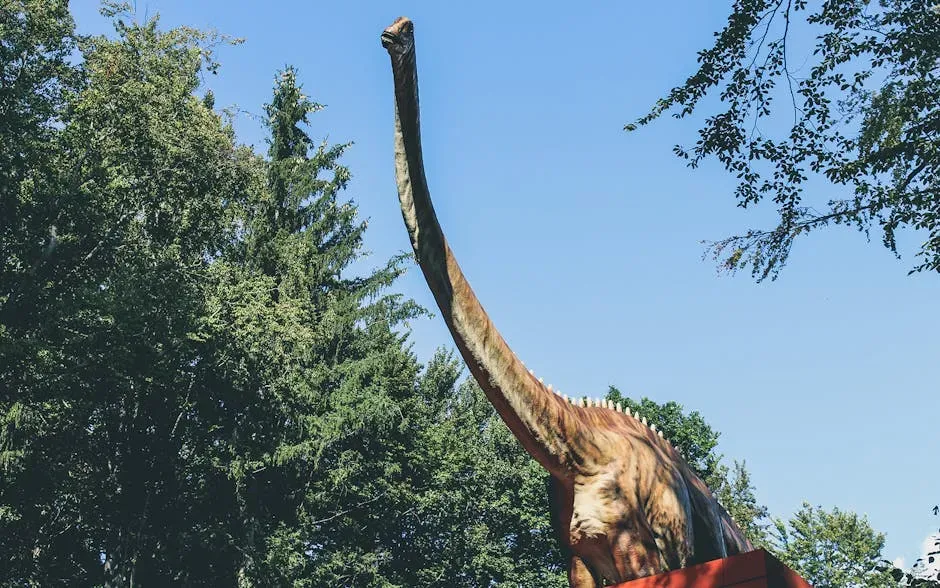
For a long time, many people pictured the American West as the main stomping ground for famous giants like Brontosaurus and Diplodocus, and then sort of stopped there. New discoveries, especially in the United States and Argentina, are exposing a much more tangled story of how long-necked sauropods spread, diversified, and adapted. Fossils of enormous South American titanosaur relatives, and their cousins found in the American West, show that the idea of neatly separated dinosaur “faunas” on each continent was overly simple.
Careful studies of American fossils are helping paleontologists redraw ancient maps and timelines. It looks like land connections between what is now North and South America opened and closed at different times, allowing certain sauropod lineages to move, while others were isolated and evolved their own weird body plans. In other words, every new neck vertebra dug up from a canyon wall can tweak how we understand plate tectonics, ancient climates, and even how quickly ecosystems bounced back after mass extinctions.
Predators Reimagined: Smarter, Faster, Stranger
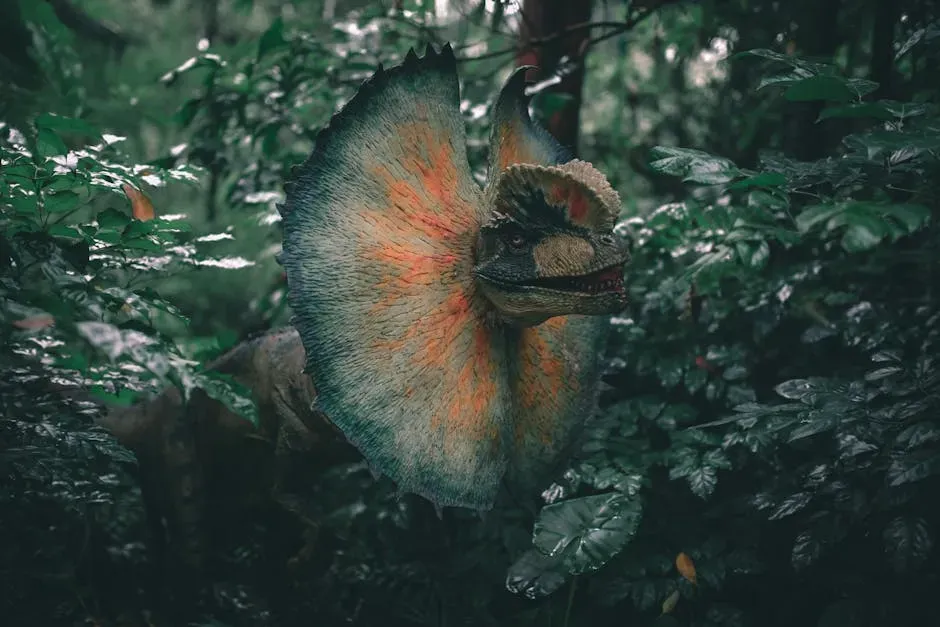
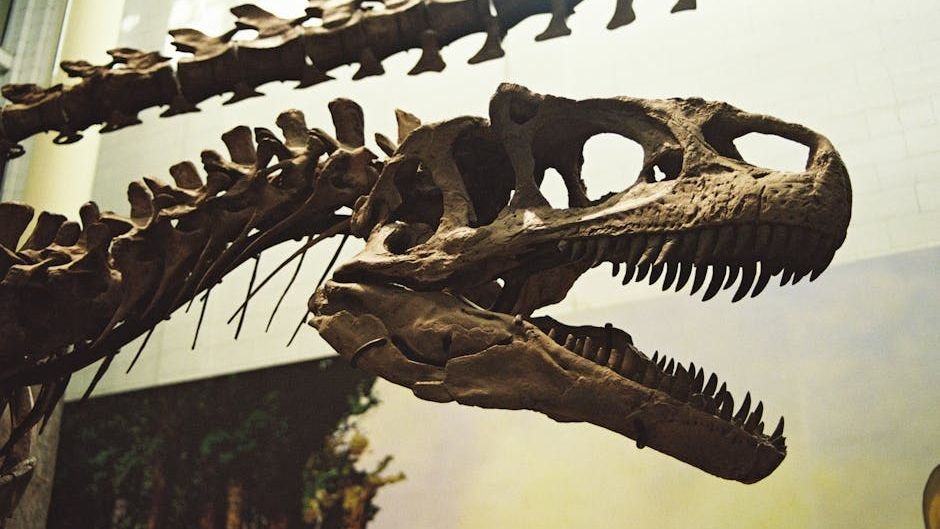
Iconic American predators like Tyrannosaurus rex used to be treated almost like movie monsters – huge, slow, and mindlessly aggressive. As more detailed fossils and high-tech scans pile up, the picture is changing into something more unsettling: these animals were likely smarter, more agile, and behaviorally complex. Brain cavity studies suggest some large predators had surprisingly well-developed senses, including sharp vision and powerful hearing, turning them into specialized, efficient hunters rather than clumsy brutes.
New discoveries in places like New Mexico, Colorado, and Patagonia are also revealing a more diverse cast of carnivores than the public usually hears about. Mid-sized predators, pack-hunting candidates, and bizarre, bird-like meat eaters are showing up in the same ecosystems as the giants. That means the ancient food web in America was not just “large predator vs. large herbivore,” but a layered, competitive system with overlapping roles, scavengers, and opportunists. The more bones we find, the more it looks like modern savannas – complex, noisy, and crowded – just with more teeth and claws.
Dinosaur Families: Nests, Eggs, and Surprising Parenting
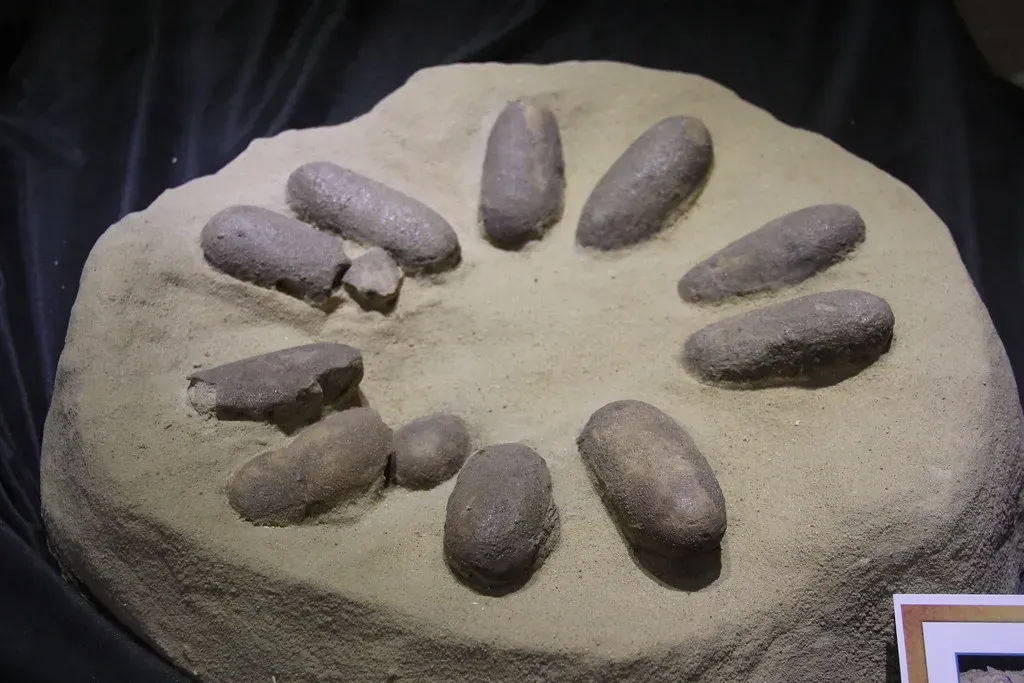
Some of the most heartwarming and mind-bending discoveries in American dinosaur science come from nests, eggs, and juvenile fossils. Finds in places like Montana and Argentina have revealed clusters of eggs, multiple age groups living together, and bone structures that hint at prolonged care for the young. Instead of imagining dinosaurs as cold, indifferent egg-layers that wandered off, we now see evidence that many species guarded nests, returned to the same breeding grounds, and possibly raised their young in social groups.
These discoveries are reshaping how we think about dinosaur intelligence and emotional lives. When you see a nest site stretching across what used to be a mudflat, you’re not just looking at scattered eggs – you’re looking at an ancient nursery. Parallels with modern birds and crocodiles make it very plausible that some dinosaurs had strong parental instincts, developed communication within family units, and perhaps passed on basic survival lessons. That mental shift, from monsters to parents, fundamentally changes how these animals feel in our imagination.
Climate Clues Locked in Bone and Rock
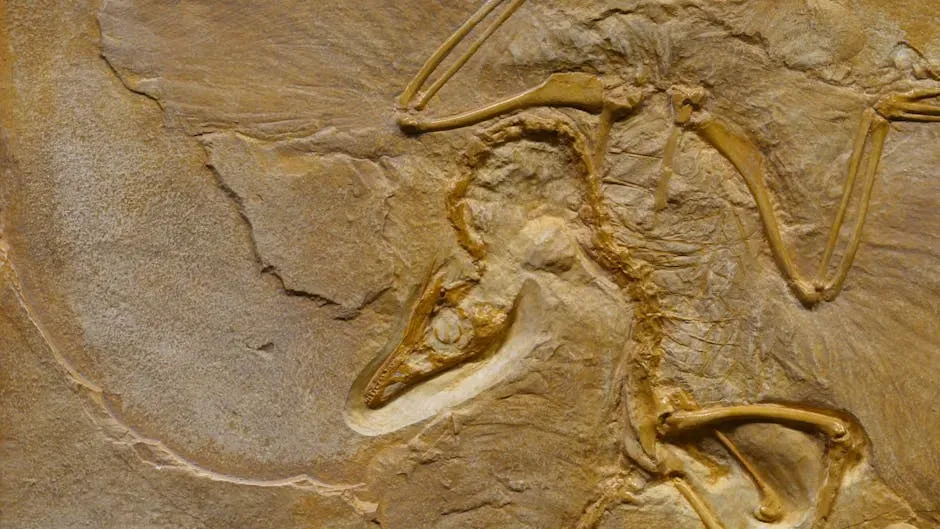
American dinosaur sites are not just about the animals themselves; they’re also quietly preserving climate reports from tens of millions of years ago. The types of plants found alongside dinosaur bones, the chemical signatures in teeth, and even the kinds of mud and sand that buried the fossils all tell a story about ancient temperatures, rainfall, and seasons. In places like the western United States, researchers can track how dinosaur communities changed as shorelines shifted, inland seas dried up, and volcanic activity spiked.
These prehistoric climate archives matter for more than just curiosity. When scientists compare how dinosaur ecosystems collapsed or adapted during past warming events or sea level changes, they gain perspective on how today’s world might respond to rapid climate shifts. American fossils show that even the largest, most successful animals on Earth could be pushed to the edge when their environments changed too fast. That realization makes distant prehistory feel uncomfortably relevant to modern life.
New Technology Is Turning Old Bones into Fresh Discoveries
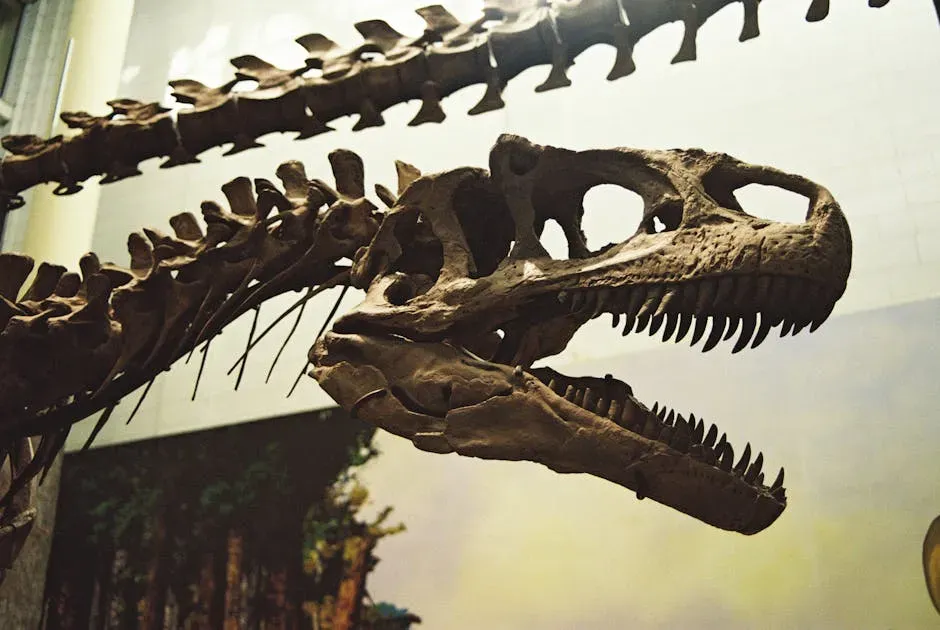
One of the wildest parts of modern dinosaur research in America is that brand-new insights are coming from fossils that sat in museum drawers for decades. High-resolution CT scans, 3D modeling, and advanced chemical tests are letting scientists peer inside skulls, track healing injuries, and even estimate muscle shapes from subtle grooves on bone. A skeleton discovered in the mid‑1900s can suddenly reveal details about brain size, growth rates, or disease that nobody could see before.
Fieldwork is changing too. Drones are scouting remote badlands in the U.S. and Argentina, digital maps help teams target promising rock layers, and even ordinary people with smartphone cameras are occasionally spotting bones that lead to major finds. The result is a steady stream of new species descriptions and revised reconstructions. It feels less like we’re finishing a puzzle and more like we keep discovering new boxes of pieces we didn’t know existed.
Why American Dinosaur Discoveries Still Matter So Much
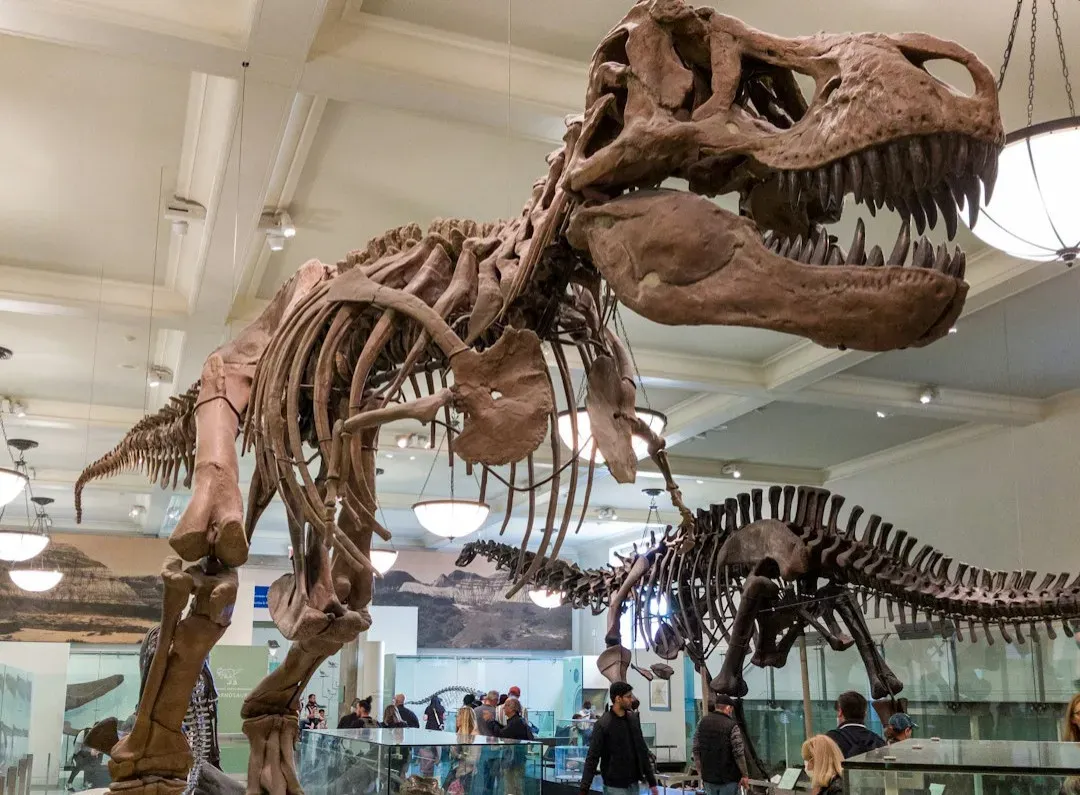
In some ways, America has been at the center of dinosaur lore for more than a century, especially with the famous “dinosaur rush” of the late nineteenth century in the western United States. But what’s happening now is less about collecting trophies and more about asking sharper questions: How did ecosystems collapse? Why did some lineages thrive while others vanished? How did behaviors like parental care, social living, or feathered insulation evolve across different groups? New finds in both North and South America are crucial pieces in those bigger puzzles.
These discoveries matter because they stretch our sense of time, fragility, and possibility. When you realize that entire worlds existed, flourished, and disappeared long before humans showed up, it’s hard not to see our own era as temporary and vulnerable. At the same time, learning that our modern birds are the surviving branch of the dinosaur family tree connects us directly to that deep past. The more we uncover from American rocks, the clearer it becomes that prehistory is not just a distant, sealed-off chapter – it’s the prequel to everything alive today.