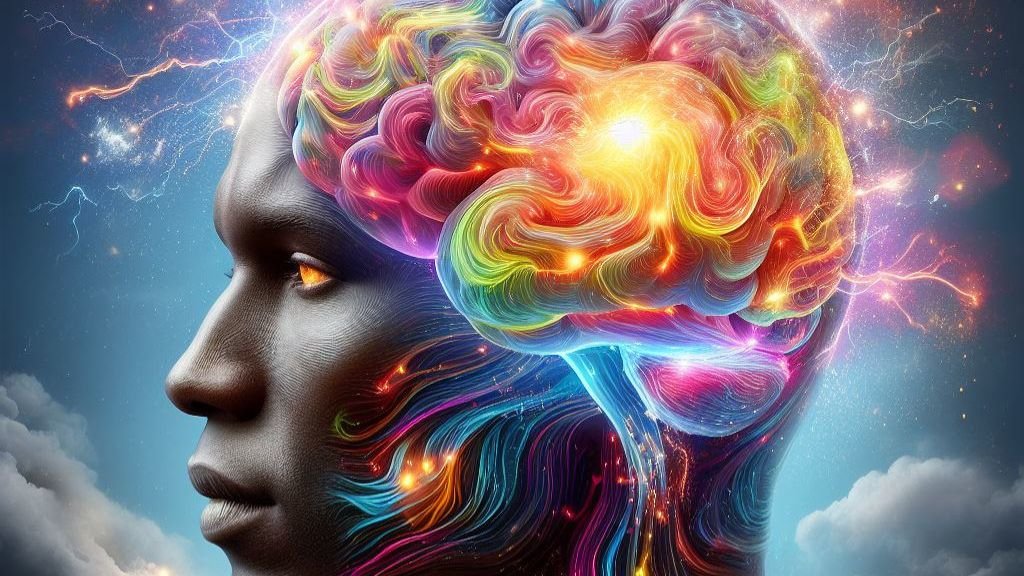

Take a second and notice something quietly astonishing: the entire universe, as you know it, is happening inside your awareness right now. Colors, sounds, memories, the feeling of the chair you’re sitting on – all of that is wrapped in this invisible thing we call mind. That alone makes the question feel almost unsettling: did a mindless universe somehow build minds from scratch, or is mind baked into reality from the very beginning?
This question isn’t just late-night-philosophy fuel. It cuts right into how we see ourselves, how we understand science, and even how we think about meaning and purpose. In my own life, I’ve bounced between “we’re just clever animals” and “there’s something deeply strange going on here” more times than I can count. Let’s explore what current science, philosophy, and a bit of honest reflection can tell us about whether minds are merely a cosmic accident – or a basic feature of the universe itself.
The Classic Story: A Mindless Universe That Accidentally Woke Up
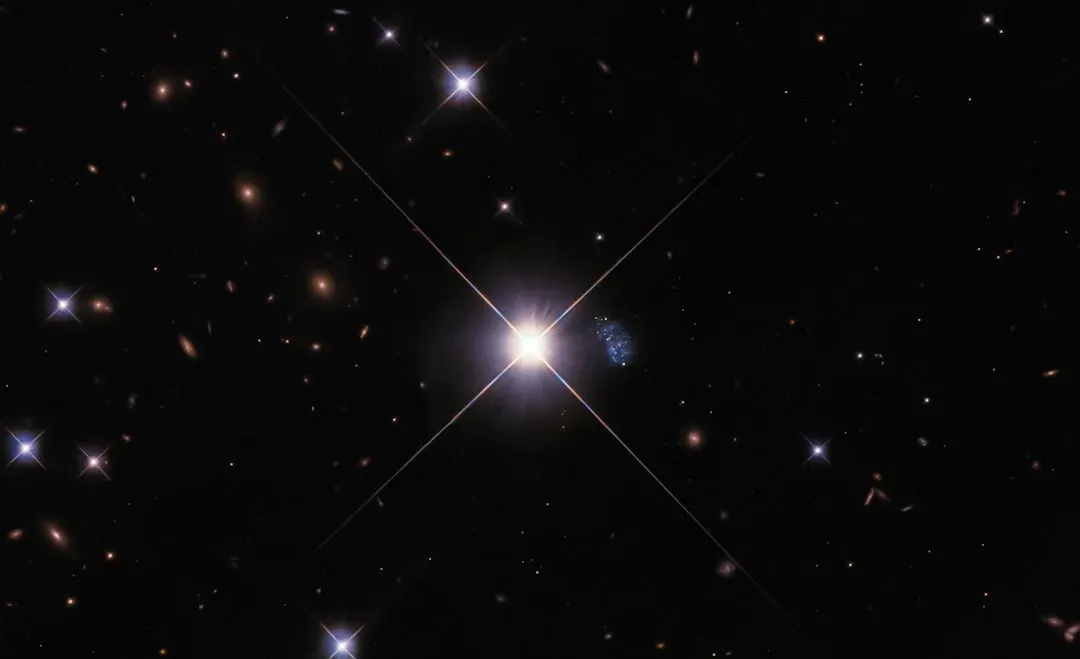
For most scientists today, the default story goes like this: the universe began as energy and particles, with no thoughts, feelings, or intentions anywhere. Over billions of years, stars formed, exploded, and seeded space with heavier elements, which later gathered into planets like Earth. On at least one of those planets, chemistry got weirdly complex and life emerged – tiny self-replicating systems driven by blind evolution, not by any grand mental plan.
According to this view, minds are latecomers. First came simple cells, then nervous systems, then brains, and only much later did self-aware consciousness show up as a survival advantage. In this picture, your inner world of love, fear, dreams, and memories is ultimately the by-product of neurons firing in your brain. The universe didn’t “intend” minds; they’re just what happens when matter organizes itself in a particularly intricate way – like a hurricane forming out of swirling air and water, only far more complex.
Consciousness: The Tiny Candle Science Still Can’t Fully Explain
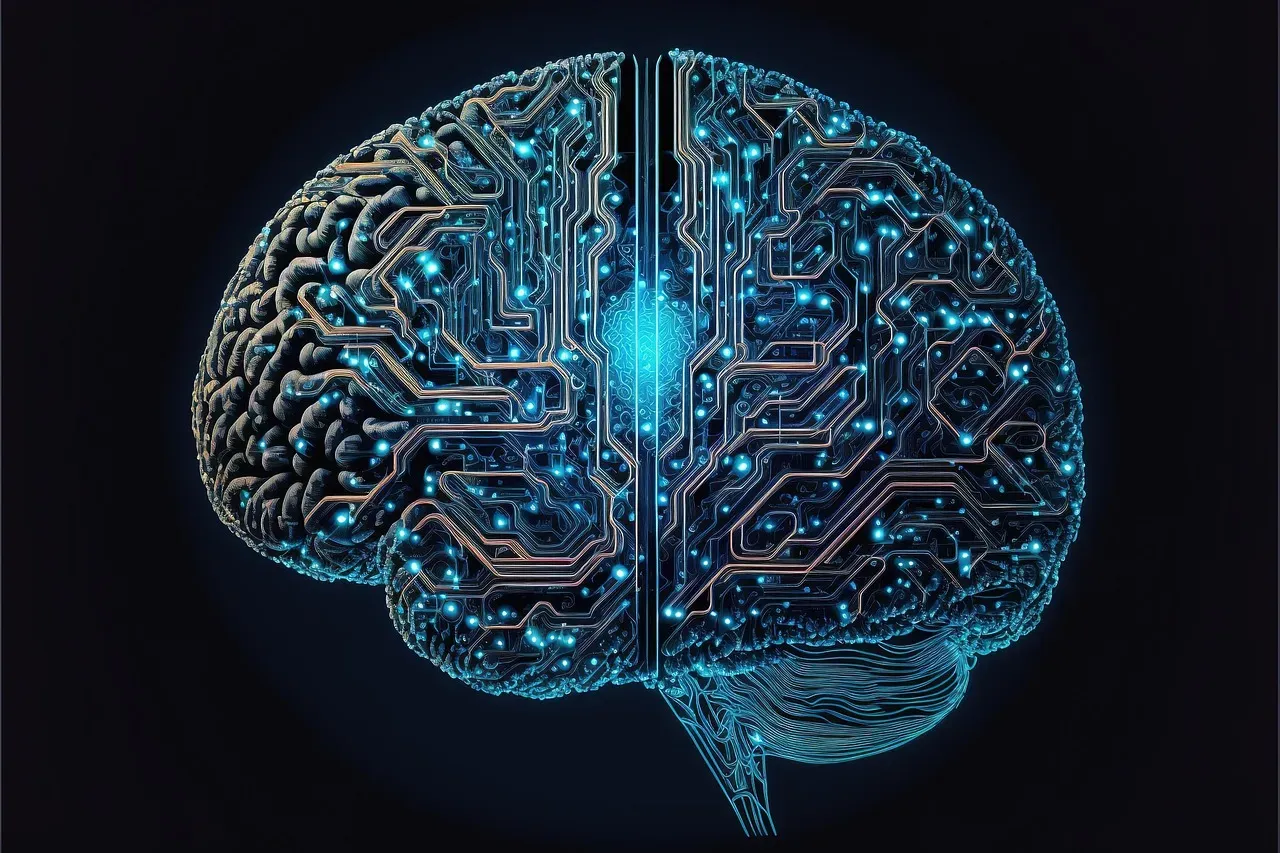
Here’s the shocking part: even with all our advances in neuroscience, nobody can fully explain how subjective experience appears. We can map which regions of the brain light up when you see red, feel pain, or remember your first kiss. We can link changes in consciousness to brain injuries, anesthesia, and psychedelics. Yet the actual “what it’s like” – the inner glow of experience – remains stubbornly mysterious.
This puzzle is often called the “hard problem” of consciousness: how does electrical activity in gray mush produce the feeling of being you? Some researchers argue that once we understand information processing in the brain well enough, the mystery will dissolve. Others think we’re missing something fundamental, like trying to explain music purely as vibrating air without mentioning melody or emotion. The more you stare at it, the more mind starts to look less like a minor detail and more like a central crack in our current scientific story.
Minds as Emergent Properties: The Ant Colony and the Brain

One influential idea is that minds “emerge” from matter when it reaches a certain level of complexity and organization. Think of an ant colony: no single ant understands the whole system, but together they can build nests, find food, and defend against threats. There’s no “boss ant”; the intelligence is in the pattern of interactions. Similarly, a single neuron isn’t conscious, but billions of them firing in intricate networks might create the emergent phenomenon we call mind.
In this emergent view, the universe didn’t start with minds; it started with simple rules and ingredients that, under the right conditions, gave rise to mental life. Just like water can be ice, liquid, or steam depending on temperature, matter might show different “phases,” with consciousness being one of them at high complexity. This keeps us in a naturalistic, scientific framework while still admitting that minds are genuinely special – not magical, but not trivial either.
Minds as Fundamental: Is Consciousness Built into Reality?
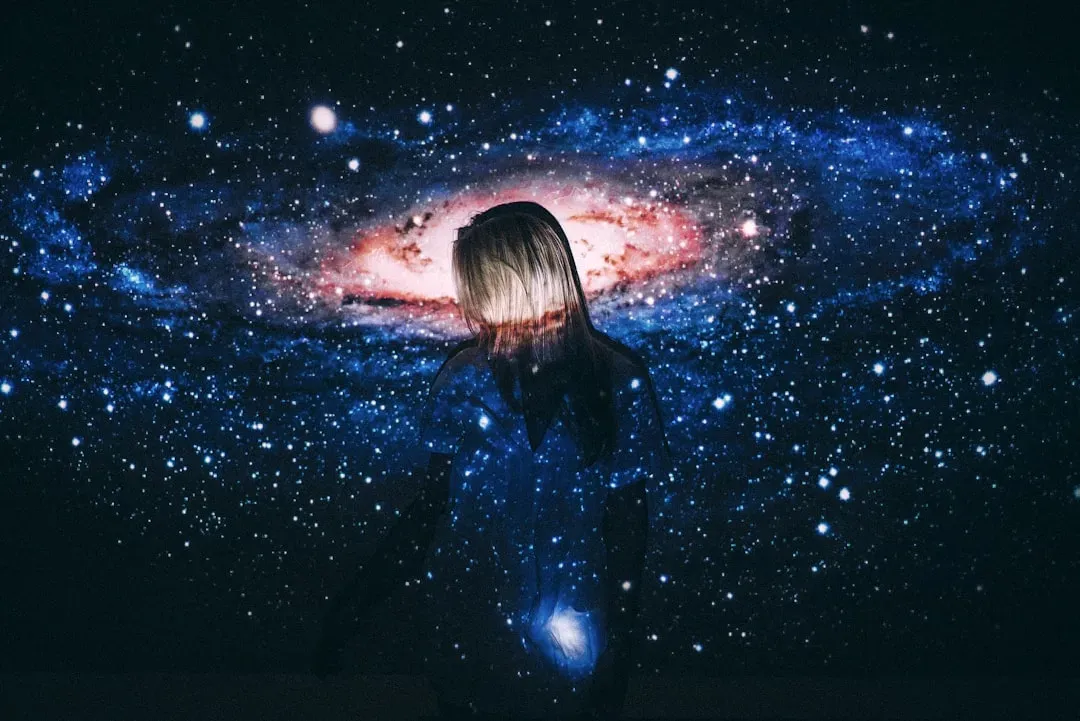
There’s a more radical possibility: maybe minds are not just late-stage products, but basic features of the universe, like space, time, or energy. Some philosophers and scientists explore versions of this idea, often called panpsychism or related views. The core suggestion is not that rocks think about their taxes, but that there might be some incredibly simple, primitive “spark” of experience built into even the tiniest building blocks of reality.
In this story, complex minds like ours are not appearing from absolute nothingness; they’re shaped out of a universe that already has the potential for experience at its roots. It’s a bit like saying consciousness is not painted onto the universe at the end but woven into the fabric from the beginning. This doesn’t mean everything is secretly human-like, only that innerness – some faint, proto-experiential aspect – might be as basic as mass or charge. It sounds wild, but it sidesteps the leap from pure dead matter to fully lit-up minds.
Are Minds Just Brain Activity? The Physicalist’s Strong Claim
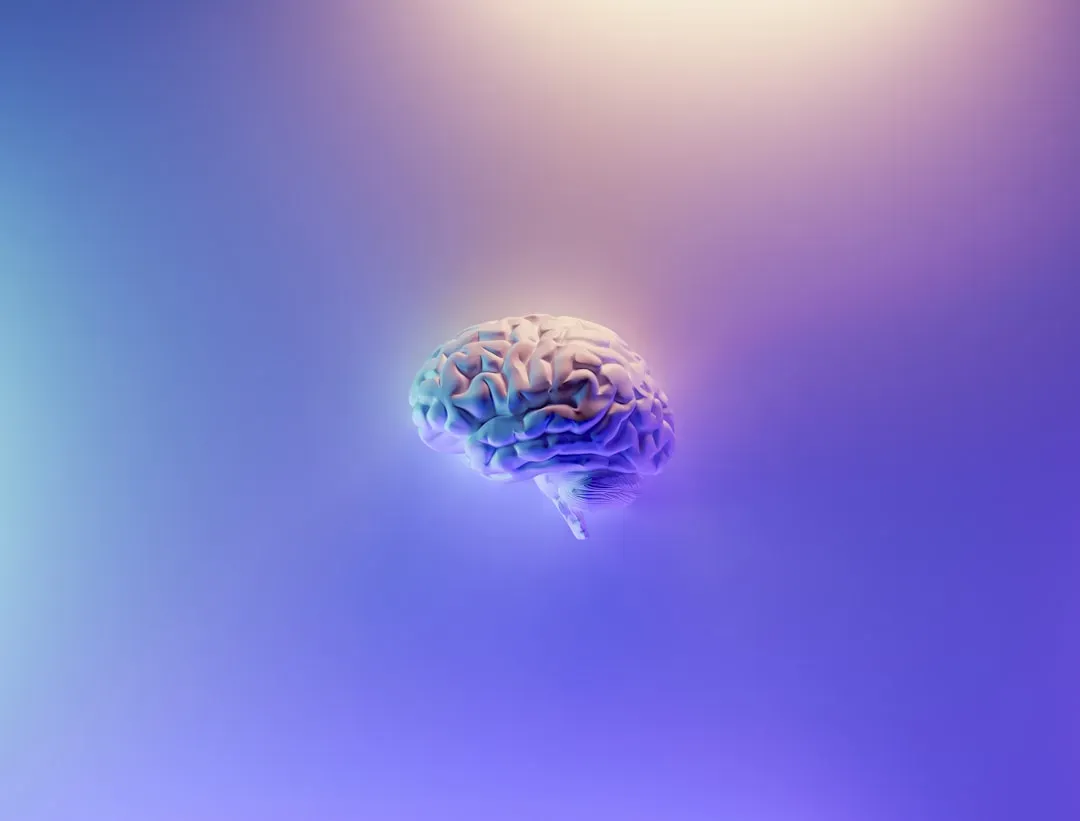
Physicalism, the dominant view in science, insists that everything that exists is physical, including minds. On this view, your thoughts and feelings are nothing over and above what your brain is doing. Change the brain and you change the mind; destroy the brain and the mind ends. Evidence from brain scans, neurosurgery, and disorders like dementia strongly supports the tight link between brain states and mental states.
Many physicalists argue we don’t need minds to be “special ingredients” in the universe; they’re just ways of talking about certain complex physical processes. The analogy they like is software and hardware: software isn’t separate from the machine, it’s just what the machine is doing when it follows specific patterns. This story is clean, tough-minded, and fits well with modern biology. But it can feel emotionally cold, especially when you’re staring at a sunset or grieving someone you loved and the idea that it’s “just neurons” lands like a punch.
What If Minds Shape the Universe Too?

There’s another twist: what if minds don’t just come from the universe but also help shape how the universe shows up for us? In quantum physics, experiments suggest that the act of measurement affects what outcomes we see. That doesn’t mean “thoughts create reality” in the pop-spiritual sense, but it has fueled serious debate about the role of observers in fundamental physics. At minimum, it reminds us that we never access a world that’s totally separate from our ways of perceiving and measuring it.
On a more everyday level, minds shape the universe of meaning we live in. Two people can inhabit the same physical city but completely different emotional worlds based on their beliefs, memories, and attention. Our mental models determine which aspects of reality we even notice – a bit like a flashlight in a dark room, making some things vivid and leaving others invisible. In that sense, the universe we actually experience is always co-authored by matter out there and mind in here.
So Which Is It? A Personal Take on Minds and the Universe

When I look at the evidence, it’s hard to deny that brains matter enormously. Damage specific regions and personality, memory, or even the sense of self can crumble in disturbingly precise ways. That strongly suggests that whatever minds are, they are intimately entangled with physical processes, not floating ghostly things. At the same time, the raw fact that there is something it is like to be you – that there’s any inner movie at all – still feels like the universe tipping its hand about a deeper mystery.
If I had to bet, I’d say minds are both: they’re created by the universe through physical complexity and also reveal something fundamental about what the universe is. Consciousness might be what it feels like from the inside when matter organizes in certain ways, but that “inside” quality could be pointing to an aspect of reality our current science only partially captures. Instead of asking whether the universe created minds or minds are part of the universe, it might be closer to the truth to say: the universe became capable of knowing itself, and we are that strange, temporary knowing.
Living Inside the Question

Whether minds are late-stage accidents or woven into the fabric of reality, we can’t escape the fact that everything we care about happens in experience. Love, art, science, fear, hope – none of it exists for us outside of awareness. That alone makes the mind feel less like a small by-product and more like the stage on which the entire human drama unfolds. Even if brains fully explain how that stage is built, it doesn’t take away how astonishing it is that there’s any show playing at all.
Maybe the most honest place to stand, at least for now, is with a kind of grounded wonder: we know a lot about how the universe gave rise to beings like us, and yet the existence of inner life still feels like a quiet miracle. You don’t have to pick a final answer to let the question change how you live – to pay more attention, to treat other minds with more care, and to recognize that awareness itself is already something cosmic and rare. Standing here, between stars above and thoughts within, which side do you feel is more surprising: that the universe made minds, or that minds are how the universe finally looks back at itself?