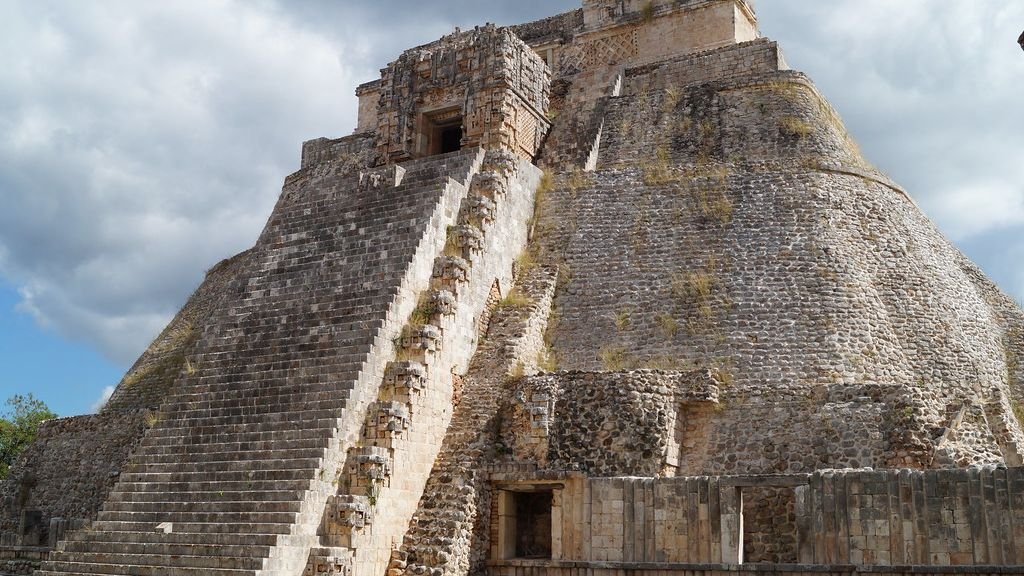

Every so often, a discovery pops up that makes us stare at a broken stone or an ancient bone and think: “Wait… how did they know how to do that?” From perfectly aligned stone circles to brain surgery in the Stone Age, early humans keep surprising us. It forces a slightly unsettling question: were they more advanced, in some ways, than we give them credit for?
I still remember standing in a small local museum, staring at a polished stone axe so perfectly shaped it looked like it came out of a factory mold. It hit me that someone, thousands of years ago, spent hours, maybe days, crafting that tool with a level of skill that would put my DIY projects to shame. Maybe the real mystery isn’t whether early humans had “lost” super-tech, but whether we’ve lost the humility to admit they were incredibly clever.
The Temptation of the “Lost Civilization” Story
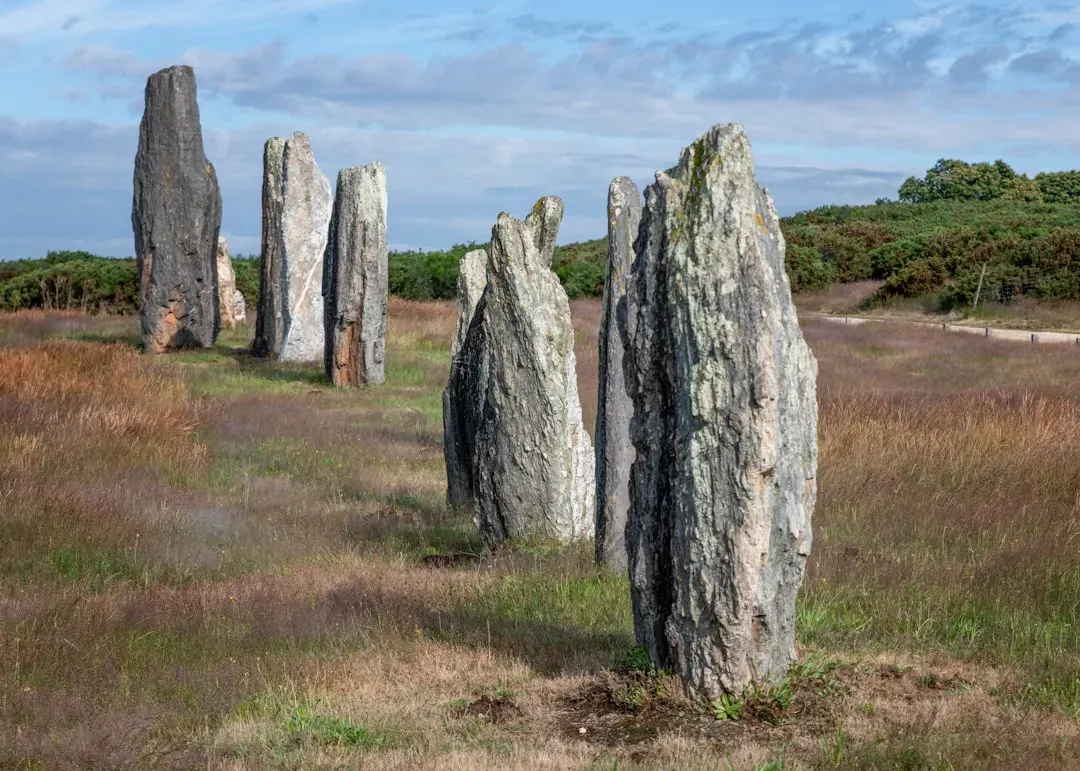
There’s something irresistibly thrilling about the idea that an advanced global civilization existed long before recorded history, only to vanish in some catastrophe. Books, documentaries, and endless online debates keep feeding the notion that pyramids, megaliths, and precise ancient calendars must be the leftovers of a forgotten super-society. It taps right into our love of mystery and our suspicion that the official story might be missing a chapter.
The problem is, when you strip away the hype and go back to what we can actually verify, the evidence for a wiped-out high-tech civilization just isn’t there. Archaeologists have uncovered layers of human history reaching back hundreds of thousands of years, and the pattern they see is messy but gradual progress, not a spike of sci‑fi-level technology and then silence. That doesn’t make the past boring; it makes it more impressive that all these mind-blowing structures and ideas came from people working with stone, bone, wood, and fire.
Stone Tools That Took Serious Brainpower
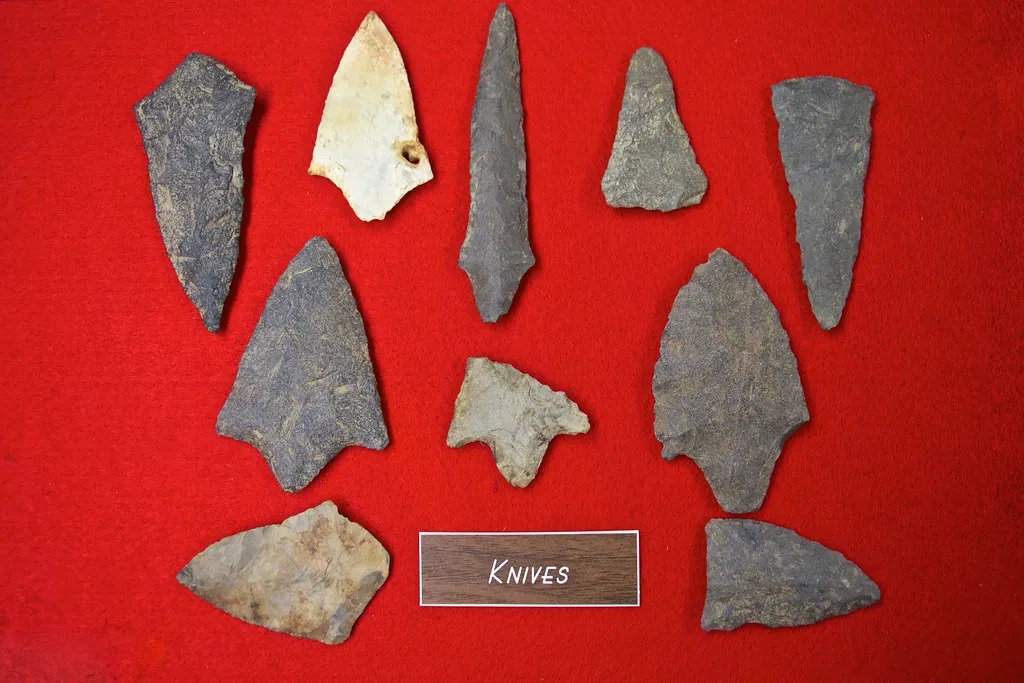
Early stone tools can look crude at first glance, like someone just bashed rocks together and called it a day. But when specialists study them closely, they see complex planning, standardization, and even something like “design traditions” passed down over thousands of years. Some Paleolithic toolmakers shaped blades so thin and sharp that modern knappers have trouble matching them without lots of practice. This wasn’t random banging; it was careful, practiced craftsmanship.
Different cultures developed their own tool styles, almost like regional brands, which means knowledge was being taught, refined, and probably argued over. There are signs that people prepared specific raw materials, transported good-quality stone over long distances, and then systematically turned it into tools on-site. That doesn’t scream “lost lasers” or “mystery technologies,” but it does suggest a level of cognitive ability and technical know-how we often underestimate when we picture “cavemen.”
Ancient Navigation and Star Knowledge

Before GPS, before compasses, before maps in your glove compartment, humans were sailing open oceans using stars, waves, winds, and pure memory. Evidence suggests that people reached Australia at least tens of thousands of years ago, which would have required some form of seafaring and navigational planning. Later, Polynesian navigators crossed vast stretches of the Pacific using star paths, cloud patterns, and the feel of swells under their boats. That’s not mystical; it’s accumulated observational science.
Ancient sky knowledge shows up on land, too. From early alignment of burial mounds and stone circles with solstices to later sophisticated star catalogs in Mesopotamia and beyond, people watched the heavens obsessively. They noticed cycles of eclipses, planetary movements, and seasonal shifts long before telescopes. You could argue that we’ve lost the everyday intimacy with the sky these people had; most of us barely look up, and if we do, we can’t read it the way they could.
Megaliths, Pyramids, and the Myth of Impossible Stones

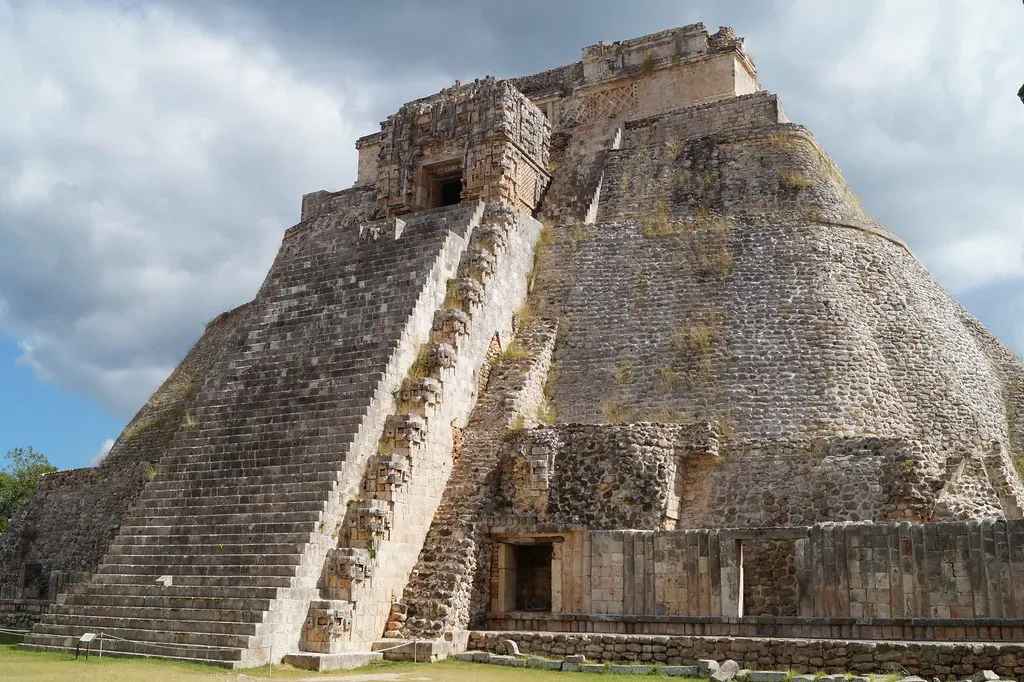
There’s a familiar claim that structures like Stonehenge or the Egyptian pyramids are too precise, too massive, or too aligned to be built with “primitive” methods. But again and again, archaeologists and engineers have shown plausible, testable ways these monuments could have been created with ropes, sledges, ramps, levers, and lots of organized labor. That doesn’t make them less astonishing; it just gives more credit to the people who actually built them instead of attributing their achievements to mysterious outsiders.
What often gets forgotten is that these projects unfolded over generations. Knowledge about surveying, stoneworking, logistics, and organization didn’t appear overnight; it was honed over countless smaller construction efforts. Many of those earlier attempts are less polished or have collapsed, which makes the later surviving masterpieces look like sudden miracles. The “lost” knowledge may be less about magic technologies and more about old-school engineering tricks that were so normal then that nobody bothered to write them down.
Medical Practices That Seem Shockingly Advanced

One of the more startling archaeological finds is evidence of trepanation: ancient skulls with carefully cut holes where the bone shows signs of healing. That means people survived having sections of their skull removed, possibly to treat injuries, infections, or conditions that were interpreted spiritually. Whatever the reasons, the fact that individuals lived long enough for bone to regrow suggests some level of medical knowledge, including how not to kill the patient immediately.
Other remains and ancient texts show knowledge of herbal remedies, setting broken bones, stitching wounds, and maintaining basic hygiene in some contexts. Sure, much of it was mixed with superstition, and plenty of treatments were harmful. But buried in all that trial and error were real observations about the body and plants that worked well enough to pass down. If anything, we can see this as an early, rough form of medical science: lots of experiments, some tragic failures, and slow improvements over generations.
Mathematics and Measurement Before Modern Science
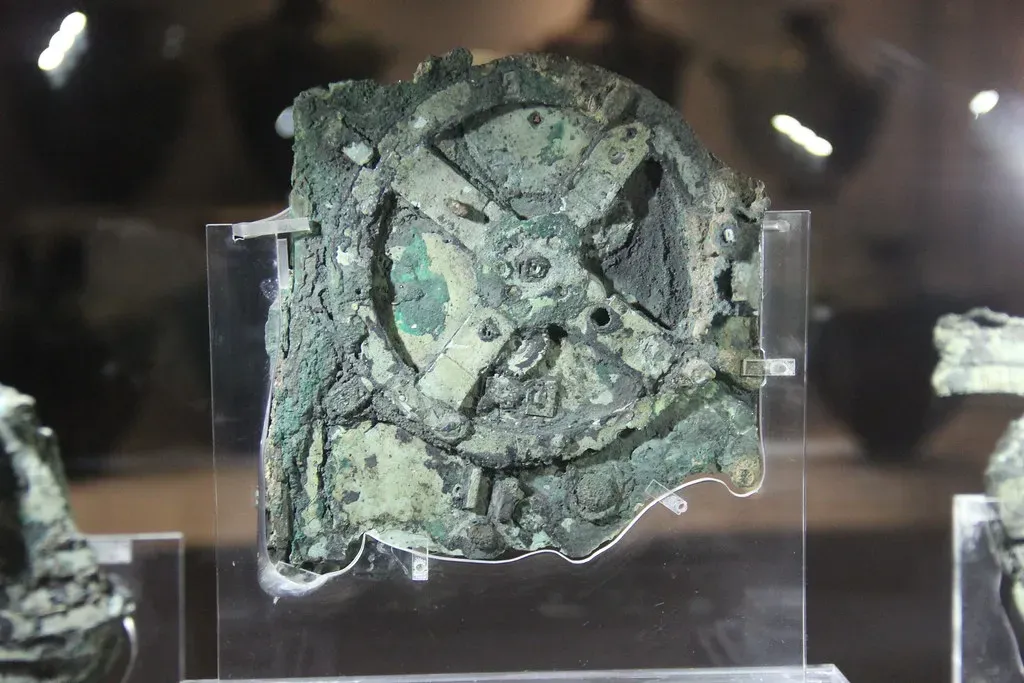
It’s easy to think of math as something that only really got going with the Greeks or later with modern science, but evidence suggests people were counting, tracking quantities, and using geometry far earlier. There are prehistoric artifacts that look a lot like tally sticks, and early farmers clearly had to understand basic arithmetic to manage crops, storage, and trade. Once cities and complex societies appeared, you suddenly see accounting systems, standardized weights, and geometry used in construction and land division.
Some early number systems were incredibly sophisticated, including base systems that are different from the decimal one we’re used to. Ancient people developed ways to approximate roots, track astronomical cycles numerically, and solve practical problems like inheritance or taxation. So while they weren’t sitting around doing modern calculus, they had a working mathematics tailored to their world. In a way, we’ve lost that close connection between math and daily life; most of us encounter it now more as abstract school exercises than as a survival tool.
What We’ve Actually Lost: Skills, Not Secret Tech
If you dropped most of us into a forest with no tools, we’d be in massive trouble. Early humans, by contrast, could find edible plants, build shelters, start fires, and craft usable weapons or containers from whatever nature offered. Many Indigenous cultures and traditional communities still hold parts of this knowledge, but in industrialized societies, a lot of it has faded. The “advanced knowledge” we’ve truly lost often looks more like deep practical wisdom about the natural world than hidden machines.
Think about tracking animals by faint marks, reading the weather from subtle cloud shifts, or identifying dozens of useful plants by sight and smell alone. These skills can be as complex as any modern technical job, they’re just rooted in a different environment. Some researchers argue that early humans likely held in their heads detailed mental maps, seasonal calendars of resources, and social knowledge about alliances and obligations. That’s an immense, dynamic database, but it vanished as lifestyles changed and oral traditions broke.
Why So Many Traces Disappear Over Time
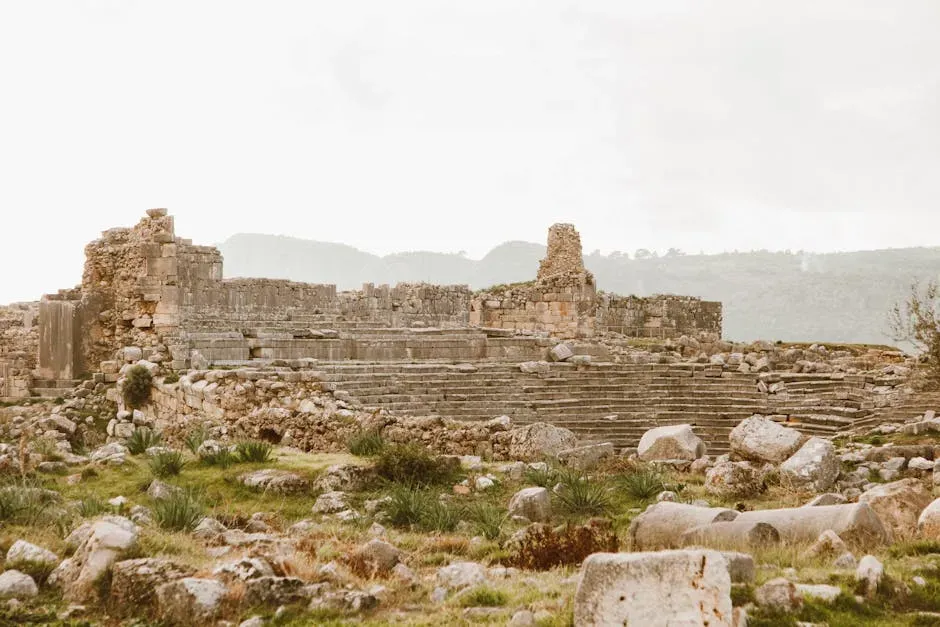
Part of the mystery comes from how unforgiving time is to most materials. Wood, textiles, plant fibers, leather, and simple organic tools rot away, especially in humid or variable climates. What survives best is stone, fired clay, and bones, which means we see a skewed picture of the past. An early community might have had complex wooden machines, woven structures, or carved artifacts that simply didn’t make it through thousands of years of weather, bacteria, and erosion.
On top of that, many ancient sites are still buried, underwater, or destroyed by later construction and farming. The archaeological record is full of gaps that will probably never be fully filled. That doesn’t mean anything we can imagine must have existed; it just means we have to be cautious about drawing conclusions from silence. We can say with some confidence that early humans were inventive and adaptable, but if they had anything like our modern industrial or digital technology, it would almost certainly leave more obvious traces than we actually see.
How Modern Science Reconstructs Ancient Know‑How
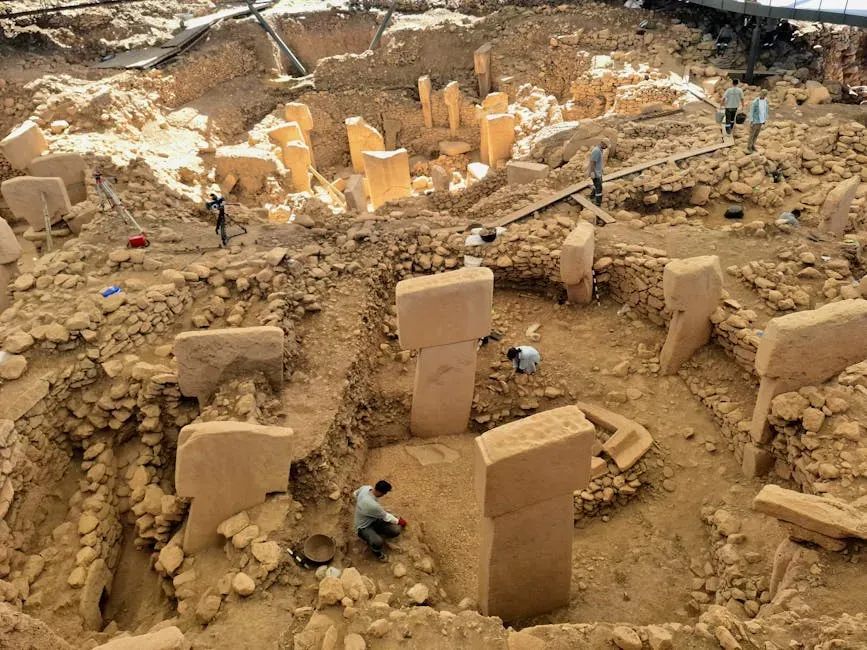
To get closer to what early people really knew, researchers often try to recreate ancient tasks using the tools and materials available at the time. Experimental archaeologists have knapped stone tools, built replica boats, hauled megaliths, and even smelted metal using reconstructed furnaces. These experiments don’t prove that ancient people used the exact same methods, but they show what’s feasible without modern machinery. Many “impossible” feats start to look very possible once you’ve watched a team move massive stones with clever use of friction, leverage, and teamwork.
At the same time, scientific techniques like radiocarbon dating, 3D scanning, residue analysis, and DNA studies keep adding new layers of detail. We’re learning what ancient people ate, how they migrated, what diseases they faced, and how they organized their spaces. Instead of one dramatic revelation about a lost super-civilization, we’re getting thousands of small, grounded insights that paint a richer picture. It’s humbler, less flashy, and far more human.
So, Were They “More Advanced” Than We Think?
If by “advanced” we mean having electronics, engines, and digital networks, early humans obviously didn’t have that. But if we mean subtle environmental knowledge, refined craftsmanship, and clever problem-solving shaped by survival, then yes, they were advanced in ways we often fail to recognize. Many of them could do things in their sleep that most of us couldn’t manage with a tutorial on a screen. In that sense, we’re the ones who are a bit helpless, floating on top of specialized systems we barely understand.
Maybe the real lost knowledge isn’t some mythical ancient physics; it’s the direct, hard-earned understanding of the world that comes from living close to it. As we keep digging, literally and figuratively, we’re finding that our ancestors were not naive, not simple, and definitely not stupid. They were people trying to make sense of a dangerous, beautiful world with the tools they had, just like us. The question that lingers is not whether they were secretly like us, but whether we still know how to be a little more like them.