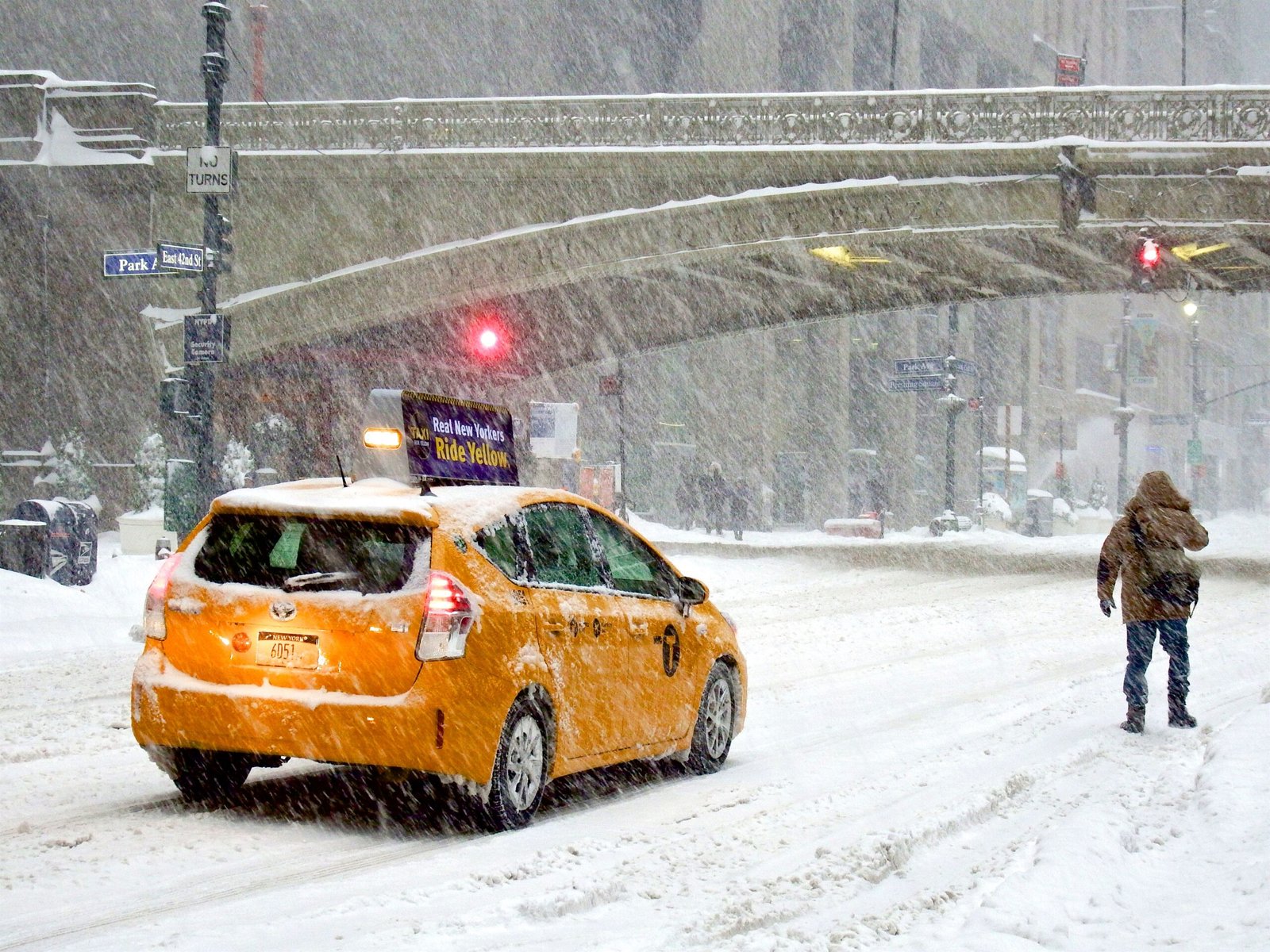
Trail of Havoc from Last Week’s Monster Storm (Image Credits: Upload.wikimedia.org)
Forecasters monitored a developing storm system off the southeastern coast that threatened to bring gusty winds and possible snow to the Mid-Atlantic and New England regions this weekend.
Trail of Havoc from Last Week’s Monster Storm
A historic winter storm swept across large swaths of the central and eastern United States less than a week ago, dumping heavy snow and ice that affected dozens of states.[1][2] That event, known in some areas as Winter Storm Fern, delivered more than a foot of snow to parts of 19 states from New Mexico to Maine and caused widespread power outages.[3]
Officials reported a rising death toll as frigid conditions followed, with tree damage and impassable roads complicating recovery efforts.[2] Power restoration continued amid lingering outages, particularly in counties where over 20 percent of customers remained affected.[1]
Emerging Low-Pressure System Gains Strength
Meteorologists expressed growing confidence in a powerful low-pressure area forming along the East Coast.[1] “We’re pretty confident that a strong area of low pressure is going to develop along the East Coast sometime this weekend and then move to the north and produce widespread gusty winds,” stated Frank Pereira, a meteorologist at the Weather Prediction Center.[1]
The system expected to take shape on Saturday off the Southeast Coast before tracking northward into the Mid-Atlantic and New England by Sunday.[1][4] Possible impacts included damaging winds, hazardous ocean swells, and precipitation that could manifest as snow or a wintry mix, depending on the storm’s precise path.[1] Regions at risk encompassed the Carolinas, southeast Virginia, and coastal areas up toward New York City and Boston.
Forecast Models Shift Toward Intensity
Several major weather models aligned on the storm’s development, with recent runs indicating a stronger system than initially projected.[1] Advanced models incorporating artificial intelligence reinforced this trend, heightening concerns for heavier snow accumulations and coastal flooding amid high tides.[4] Still, significant questions persisted around the storm’s track – whether it hugged the shore for broader inland effects or remained offshore.
- Coastal path: Heavy snow and winds along Carolinas to Virginia.
- Inland shift: Greater impacts for Mid-Atlantic cities.
- Offshore track: Primarily wind and surf hazards.
“Depending on where it develops and where it tracks will determine how much precipitation spreads inland, and what the precipitation type is,” Pereira added.[1]
Arctic Air Locks In Prolonged Freeze
Cold conditions showed no signs of relenting, with freezing temperatures forecast to blanket the central and eastern United States through next week.[1] Even southern areas like Florida faced unusually low readings, potentially the coldest in years. This persistent chill amplified risks from any new wintry precipitation, echoing challenges from the prior storm.
Key Takeaways
- A new nor’easter could strike the East Coast Saturday into Sunday, following last week’s massive event.
- Gusty winds appear certain, while snow amounts hinge on the track.
- Models trended stronger, but details remain fluid – monitor updates closely.
As models refined their predictions, residents from the Carolinas to New England prepared for possible disruptions to travel and power. What impacts do you anticipate in your area? Share in the comments below.