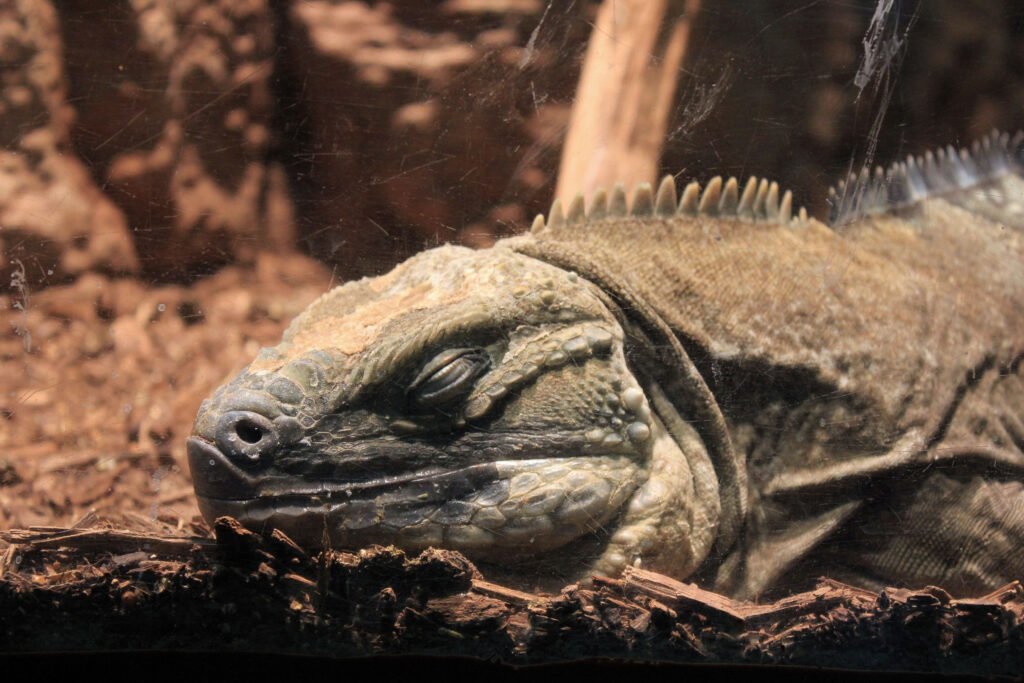

Deep beneath the bustling streets of Denver, Colorado, according to local legend, an ancient civilization of reptilian beings thrives in elaborate tunnel systems. This isn’t just another urban myth collecting dust in forgotten forums—it’s a story that has captivated residents and visitors alike for decades, weaving together elements of indigenous folklore, geological mystery, and modern conspiracy theories. The tale speaks of intelligent lizard-like creatures who supposedly built vast underground cities long before humans ever set foot on the Colorado plains.
What makes Denver’s lizard people legend particularly fascinating isn’t just its persistence, but how it intersects with real geological phenomena, actual underground structures, and documented historical events. From the city’s extensive network of abandoned tunnels to its unique position atop ancient geological formations, Denver provides the perfect backdrop for such extraordinary claims.
The Birth of Denver’s Reptilian Underground
The legend of Denver’s underground lizard people didn’t emerge from thin air—it has roots that stretch back to Native American oral traditions and early settler accounts. Indigenous tribes of the region, including the Arapaho and Cheyenne, spoke of powerful underground spirits and creatures that inhabited the earth beneath their feet. These stories often described serpent-like beings with intelligence and wisdom, guardians of the underground realm.
Early Denver settlers in the 1860s reported strange sounds emanating from beneath the city, particularly in areas where construction crews were digging foundations for new buildings. Workers claimed to hear what sounded like voices or movement in spaces that shouldn’t have existed. Some accounts describe the discovery of unusually large chambers during excavation projects, though official records of such findings remain scarce.
The modern version of the lizard people legend began taking shape in the early 20th century, when Denver’s rapid expansion led to extensive underground construction projects. As the city built its infrastructure, workers and engineers encountered geological anomalies that defied easy explanation—perfectly round chambers, tunnels that seemed too precisely carved to be natural, and spaces that appeared to have been deliberately concealed.
Denver’s Geological Foundation: A Perfect Underground Haven

Denver sits atop a fascinating geological landscape that could theoretically support extensive underground networks. The city rests on sedimentary rock formations dating back millions of years, including layers of sandstone, shale, and limestone that are relatively easy to excavate compared to harder rock types. These formations naturally develop caves, fissures, and underground chambers through processes of erosion and chemical weathering.
The Denver Basin, a large structural depression filled with sedimentary rocks, creates unique conditions beneath the city. Water movement through these rocks over millennia has carved out natural underground spaces, some of which remain undiscovered. The presence of underground streams and aquifers adds another layer of complexity to the subsurface environment.
Geologists have identified several fault lines and fracture zones beneath Denver, creating natural pathways that could theoretically be expanded or modified. The Pierre Shale formation, in particular, contains layers that are soft enough to be excavated with primitive tools, yet stable enough to maintain structural integrity over long periods.
The Real Underground Network Beneath Denver
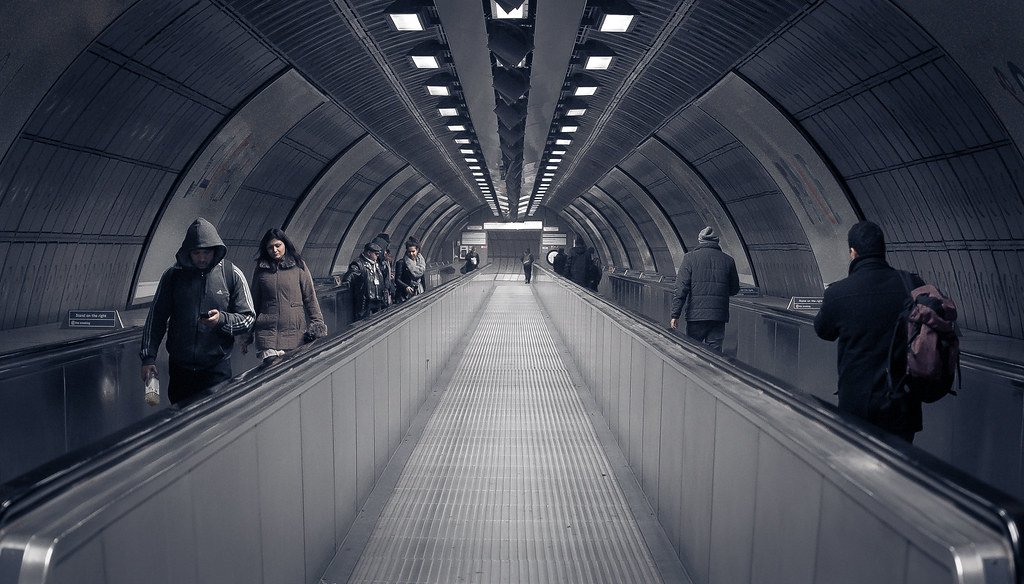
What makes Denver’s lizard people legend particularly intriguing is the fact that the city does have an extensive network of real underground tunnels and chambers. The Denver Underground, a system of tunnels and basements connecting various downtown buildings, was constructed in the early 1900s to provide protection from harsh weather and efficient movement of goods and people. Many of these tunnels remain in use today, though large sections have been abandoned and forgotten.
During Prohibition, Denver’s underground network expanded significantly as bootleggers created hidden passages and storage areas for illegal alcohol operations. Some of these tunnels were so well-constructed and concealed that they weren’t discovered until decades later during renovation projects. The craftsmanship of some passages led to speculation about who actually built them and for what purpose.
The Denver International Airport, completed in 1995, generated its own underground mysteries and conspiracy theories. The airport’s extensive underground tunnel system, designed for baggage handling and utilities, sparked rumors about secret government facilities and underground bases. While these tunnels serve mundane purposes, their existence demonstrates how easily large underground structures can be built and concealed in Denver’s geological environment.
Cryptozoology Meets Urban Legend
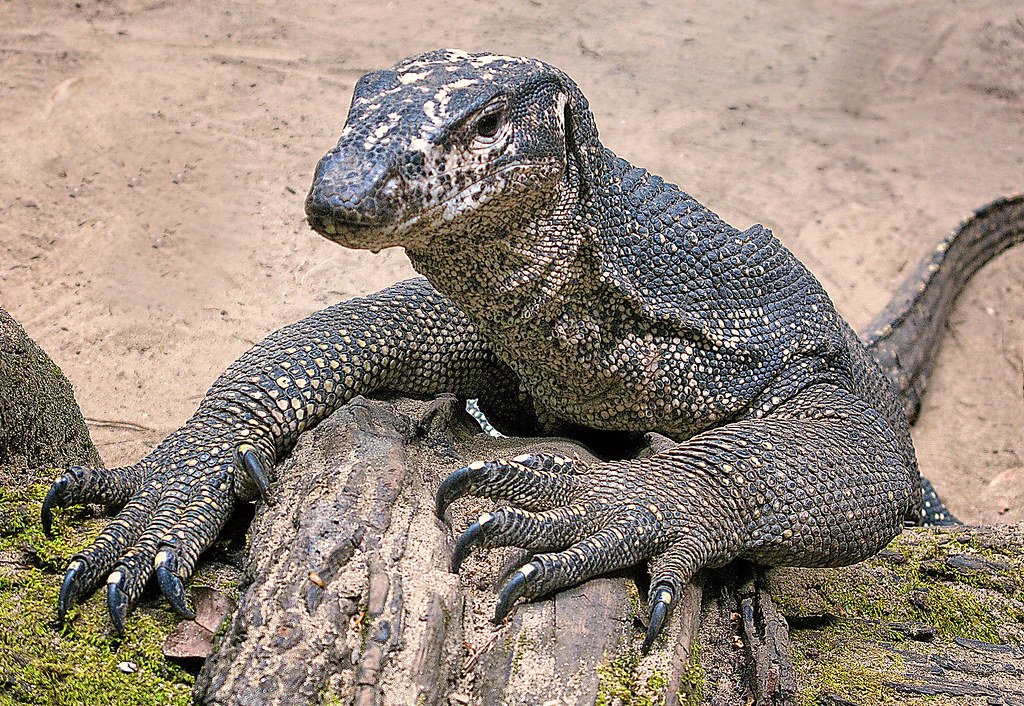
The scientific field of cryptozoology—the study of hidden or unknown animals—provides an interesting lens through which to examine Denver’s lizard people legend. While mainstream science doesn’t recognize the existence of intelligent reptilian humanoids, the discipline does acknowledge that new species are discovered regularly, and that large animals can remain hidden in remote or inaccessible areas for extended periods.
Reptiles have demonstrated remarkable adaptability throughout evolutionary history, surviving mass extinction events and colonizing diverse environments. Some species, like certain cave-dwelling salamanders and reptiles, have evolved specialized traits for underground living, including enhanced sensory capabilities and reduced pigmentation. These real examples of subterranean adaptation show that reptilian life forms can indeed thrive in underground environments.
The concept of evolutionary pressure driving species toward intelligence isn’t unique to mammals. Some reptiles, particularly certain species of monitors and crocodilians, display problem-solving abilities and complex social behaviors. While the leap to human-level intelligence remains unsupported by evidence, the foundation for reptilian cognitive development exists in nature.
Archaeological Evidence and Missing Pieces
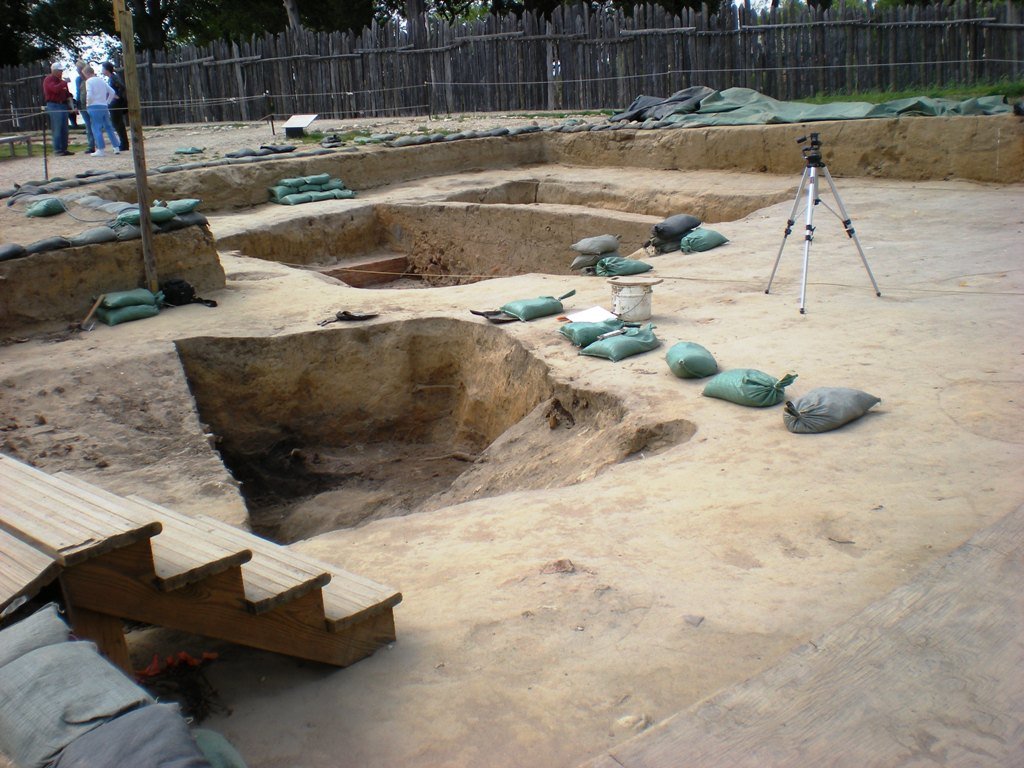
Denver’s rapid development over the past 150 years has created a unique archaeological challenge—much of the area’s pre-settlement history lies buried beneath modern infrastructure. Construction projects occasionally uncover artifacts and features that don’t fit neatly into established historical timelines, fueling speculation about unknown civilizations or inhabitants.
Several construction projects in downtown Denver have reported discovering chambers, tunnels, or structures that appear older than known historical development. While most of these findings have mundane explanations—forgotten basements, natural caves, or unmarked utility installations—some remain unexplained. The challenge lies in properly documenting and studying these discoveries before continued construction covers or destroys them.
The absence of definitive archaeological evidence doesn’t necessarily disprove the existence of unknown underground inhabitants. Reptilian creatures, if they existed, might not leave the same type of archaeological record as human civilizations. Their tools, if any, might be organic and biodegradable, and their living spaces might be located in areas that haven’t been excavated or explored.
Underground Ecosystems and Subterranean Life
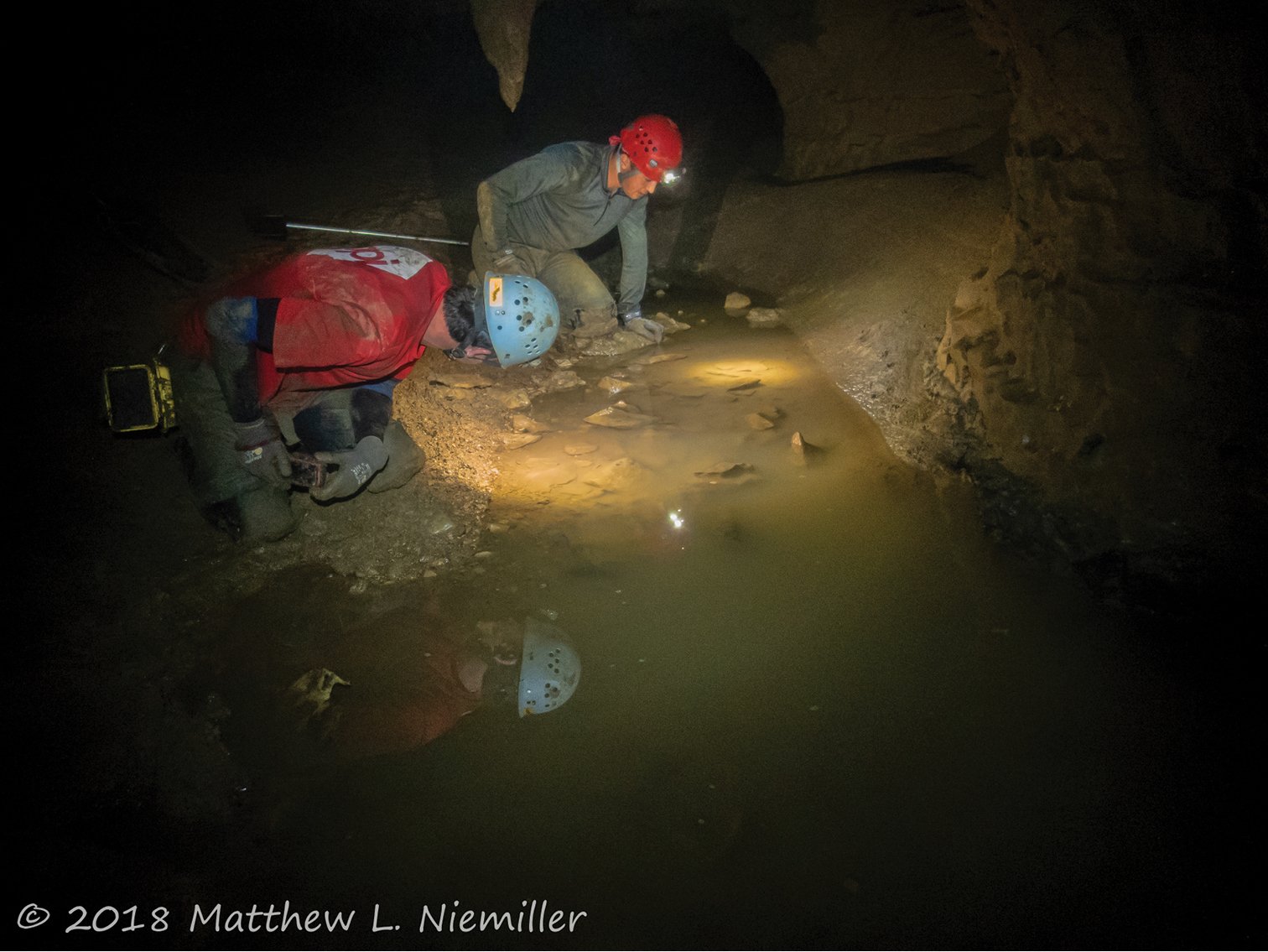
The scientific study of underground ecosystems reveals that subterranean environments can support complex communities of organisms. Cave systems worldwide host diverse assemblages of specially adapted creatures, from blind fish to cave-dwelling arthropods. These organisms have evolved unique physiological and behavioral adaptations for life without sunlight, including enhanced sensory systems and efficient metabolisms.
Denver’s underground environment, with its network of natural caves, abandoned tunnels, and water sources, could theoretically support a specialized ecosystem. The presence of underground streams provides water and potentially food sources, while the stable temperatures of subterranean environments offer protection from surface weather extremes.
Some of the world’s most remarkable cave-dwelling creatures display characteristics that seem almost science-fictional. The olm, a cave-dwelling salamander found in southeastern Europe, can live over 100 years and survive without food for a decade. These extreme adaptations demonstrate that underground life can take forms that challenge our surface-dwelling perspectives.
The Psychology of Urban Legends
The persistence of Denver’s lizard people legend reflects deeper psychological and social needs that urban legends fulfill in human communities. These stories often emerge in rapidly changing urban environments, providing a sense of mystery and wonder in increasingly mapped and monitored landscapes. They offer explanations for the unexplained and create shared narratives that bind communities together.
Urban legends also serve as vessels for expressing anxieties about modernization, environmental change, and loss of connection to nature. The idea of ancient, intelligent creatures living beneath our feet taps into both fear and fascination with the unknown. It suggests that despite human dominance of surface environments, deeper mysteries remain beyond our control or understanding.
The lizard people legend specifically resonates with concerns about what lies beneath modern civilization—both literally and metaphorically. As cities grow upward and outward, the underground realm becomes a repository for forgotten histories, hidden dangers, and alternative possibilities.
Government Secrecy and Conspiracy Theories
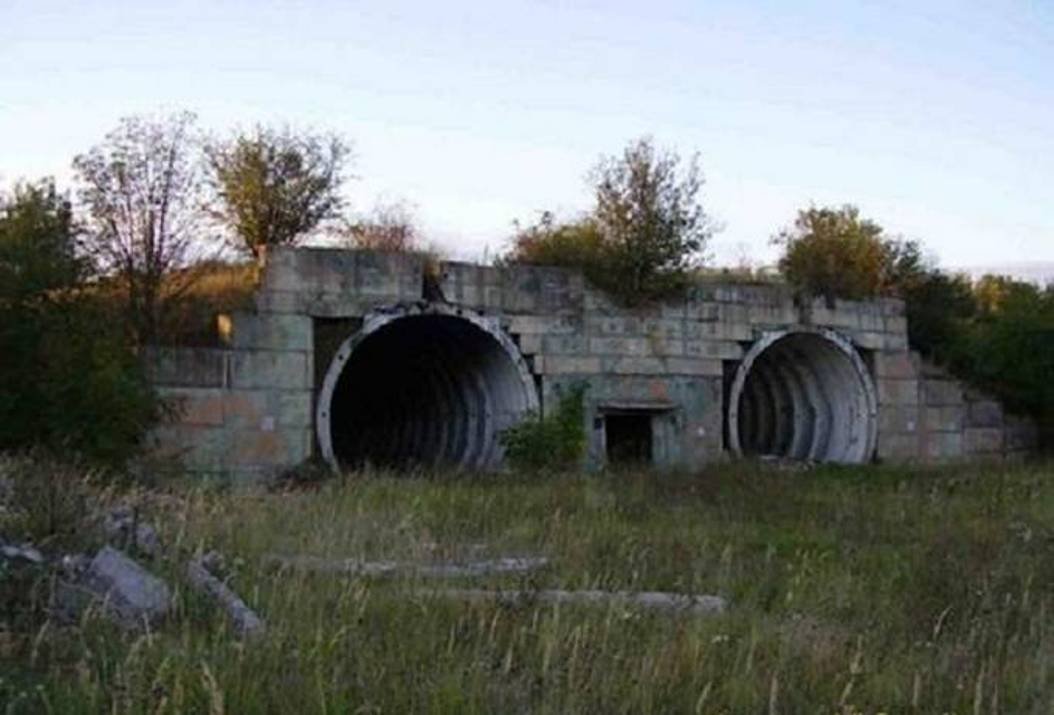
Denver’s unique position as home to numerous government facilities and military installations has contributed to the lizard people legend’s longevity. The North American Aerospace Defense Command (NORAD) operates from Cheyenne Mountain, about 60 miles south of Denver, in a massive underground facility carved into solid granite. The existence of such facilities proves that large-scale underground construction is not only possible but actively pursued by government agencies.
The Denver Federal Center and other government installations in the area have sparked speculation about additional underground facilities that might connect to natural cave systems or abandoned tunnels. While no evidence supports connections between government facilities and lizard people, the documented existence of secret underground installations fuels conspiracy theories about what else might be hidden beneath Colorado.
Classification levels surrounding military and intelligence installations mean that much information about underground facilities remains unavailable to the public. This official secrecy, while having legitimate national security justifications, creates information vacuums that conspiracy theories and urban legends naturally fill.
Environmental Factors and Habitat Suitability
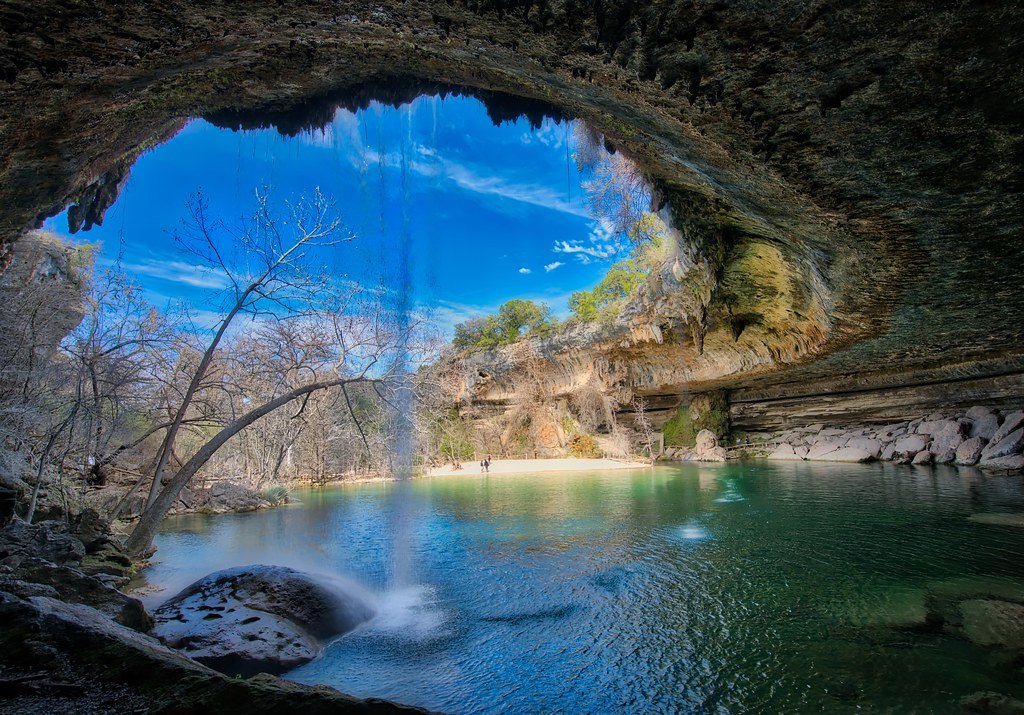
From a scientific perspective, Denver’s environmental conditions present both advantages and challenges for hypothetical underground inhabitants. The city’s high altitude (5,280 feet above sea level) and semi-arid climate create unique atmospheric conditions that extend into underground spaces. Lower atmospheric pressure at altitude affects oxygen availability, while the dry climate influences humidity levels in subterranean environments.
The Denver area’s geological stability, with relatively low seismic activity, would favor long-term underground habitation. Unlike areas prone to earthquakes or volcanic activity, Denver’s underground spaces remain structurally sound over extended periods. This stability would be crucial for maintaining complex tunnel systems or underground settlements.
Temperature regulation in Denver’s underground spaces benefits from the earth’s natural insulation properties. While surface temperatures vary dramatically between seasons, underground temperatures remain relatively constant, typically hovering around 50-55 degrees Fahrenheit at depths of 10-15 feet. This thermal stability would provide a significant advantage for any underground inhabitants.
Biological Adaptations for Underground Life

Scientific understanding of cave-adapted organisms provides insights into how complex life forms might theoretically survive in underground environments. Troglodytes—animals that live exclusively in caves—have evolved numerous specialized adaptations including enhanced non-visual senses, modified metabolisms, and altered reproductive strategies.
Reptiles possess several characteristics that could theoretically advantage them in underground environments. Their ectothermic metabolism allows them to survive on less food than warm-blooded animals, while their ability to enter torpor-like states could help them weather periods of resource scarcity. Some reptiles also possess highly developed chemosensory systems that could compensate for reduced visibility in dark environments.
The development of intelligence in underground environments faces significant challenges, particularly regarding energy requirements. Brain tissue is metabolically expensive, requiring substantial caloric input to maintain. Any hypothetical intelligent underground reptiles would need access to rich and reliable food sources to support complex nervous systems.
Water Systems and Underground Rivers
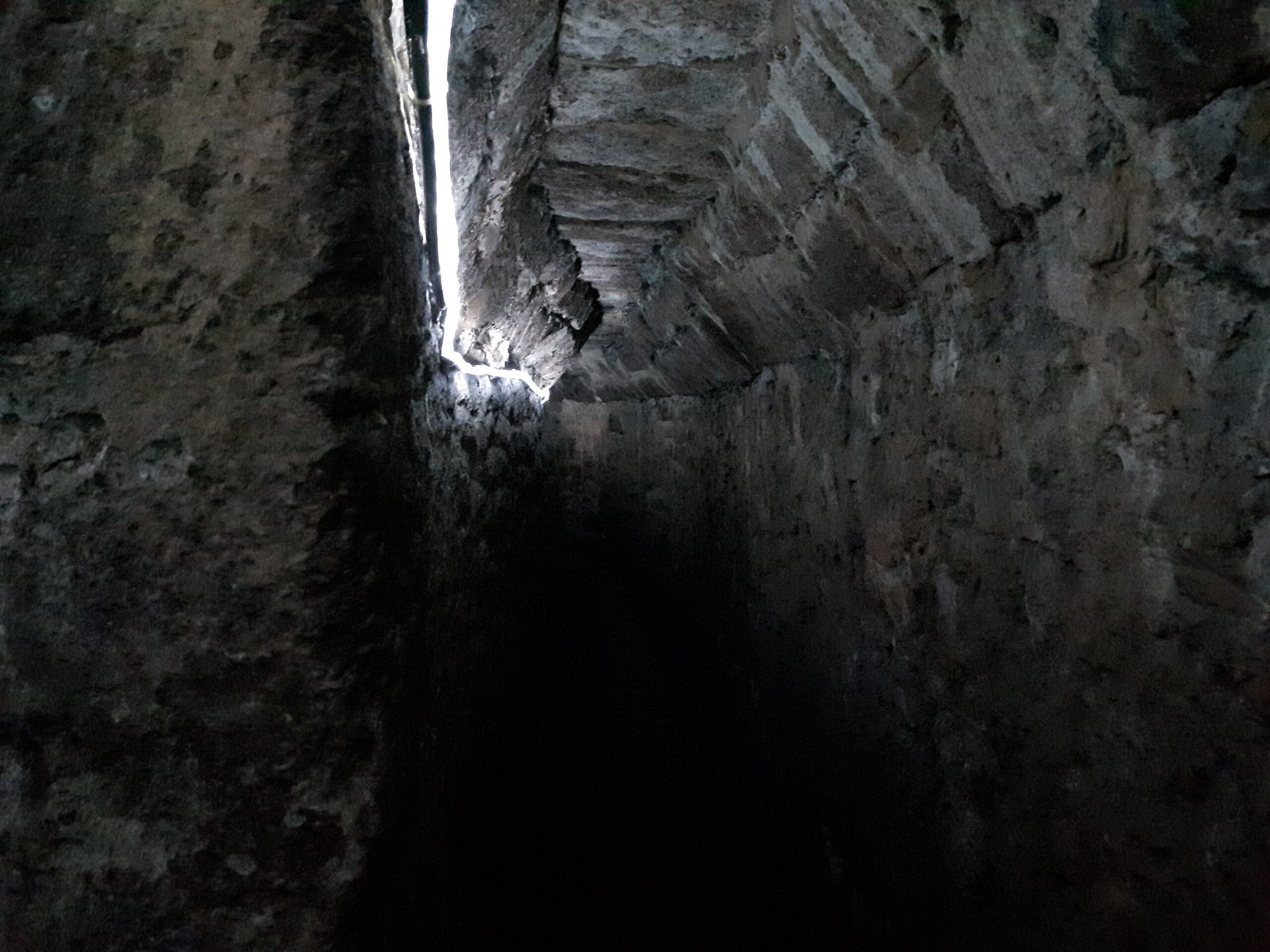
Denver’s position at the confluence of several waterways creates an extensive network of underground water systems that could theoretically support subterranean life. The South Platte River and its tributaries have carved underground channels over thousands of years, while urban development has created additional drainage systems and water management infrastructure.
Underground water sources provide more than just hydration—they create entire ecosystems. Underground streams support communities of organisms from microscopic bacteria to larger invertebrates, forming food webs that could theoretically support higher-level consumers. The presence of consistent water sources also enables plant growth in areas where surface light penetrates underground spaces.
Storm drainage systems beneath Denver create extensive networks of tunnels and chambers that remain dry most of the time but can suddenly flood during heavy rainfall. These systems occasionally intersect with natural cave formations or older tunnel networks, creating complex three-dimensional underground landscapes that remain largely unexplored.
Historical Accounts and Eyewitness Reports

Throughout Denver’s history, numerous individuals have reported encounters with unexplained phenomena in underground spaces. Construction workers, utility maintenance crews, and urban explorers have described hearing unusual sounds, finding unexplained structures, or encountering strange creatures in tunnels and basements throughout the city.
While most of these accounts lack corroborating evidence, their consistency across different time periods and locations suggests either recurring misidentification of known phenomena or possibly genuine encounters with something unusual. Reports often describe humanoid figures with reptilian characteristics, though lighting conditions and stress factors during such encounters make reliable observation difficult.
The challenge in evaluating eyewitness accounts lies in separating genuine observations from expectation-driven misperceptions. Once a legend becomes established in local culture, people may interpret ambiguous sensory experiences through the lens of existing beliefs, creating a feedback loop that reinforces the legend while obscuring actual facts.
Modern Technology and Underground Exploration

Advances in underground exploration technology have revolutionized our ability to map and study subterranean spaces. Ground-penetrating radar, 3D underground mapping systems, and remote sensing technologies can now detect underground voids, tunnels, and structures without excavation. These tools have been applied to various projects in Denver, though comprehensive underground mapping remains incomplete.
Thermal imaging technology can detect temperature variations that might indicate underground air spaces or unusual activities. Similarly, seismic monitoring equipment can identify underground movement or structural changes that might suggest the presence of unknown spaces or inhabitants. However, the cost and complexity of comprehensive underground surveys mean that vast areas beneath Denver remain unmapped.
Social media and digital communication have transformed how underground exploration occurs and how information about discoveries spreads. Urban explorers now share findings instantly through online platforms, creating crowdsourced databases of underground features and anomalies. This democratization of exploration has increased the volume of reported underground discoveries while also making verification more challenging.
Climate Change and Underground Environments

Climate change is altering underground environments in ways that could affect any hypothetical subterranean inhabitants. Changing precipitation patterns affect groundwater levels and underground stream flows, while temperature changes influence the thermal stability that makes underground spaces attractive. These environmental shifts could force adaptations in underground ecosystems.
Urban heat island effects in cities like Denver create temperature gradients that extend into underground spaces. As surface temperatures rise, the temperature differential between surface and subsurface environments may decrease, potentially making underground habitation less advantageous than it was historically.
Extreme weather events, which are becoming more frequent due to climate change, can dramatically affect underground water systems. Flash flooding can suddenly inundate typically dry underground spaces, while prolonged droughts can eliminate water sources that underground ecosystems depend upon.
The Role of Media and Popular Culture

Denver’s lizard people legend has been amplified and shaped by media coverage, television shows about urban legends, and internet forums dedicated to conspiracy theories. Each retelling adds new details or interpretations, gradually transforming the core narrative while maintaining its essential mystery. This evolution demonstrates how modern media influences the development and persistence of urban legends.
Popular culture representations of underground civilizations and reptilian humanoids provide familiar frameworks for interpreting ambiguous experiences or unexplained phenomena. Movies, books, and television shows about subterranean creatures create expectations that can influence how people perceive and report real-world encounters.
The internet has created global communities around urban legends and conspiracy theories, allowing local legends like Denver’s lizard people to gain international attention and attract believers from around the world. This digital amplification can bring more scrutiny and investigation to local legends while also making them more resistant to debunking efforts.
Scientific Skepticism and Critical Analysis

The scientific method requires extraordinary evidence for extraordinary claims, and the lizard people legend falls short of meeting established standards of proof. While the absence of evidence doesn’t definitively prove non-existence, the lack of physical remains, photographic documentation, or reproducible observations makes scientific acceptance of the legend impossible under current evidence standards.
Critical analysis of eyewitness accounts reveals common patterns that suggest psychological rather than biological explanations for many reported encounters. Factors like poor lighting, stress, expectation, and the human tendency to pattern-match ambiguous stimuli can create convincing experiences of encounters with non-existent creatures.
However, scientific skepticism also requires remaining open to new evidence and unexpected discoveries. The history of science includes numerous examples of phenomena that were initially dismissed but later proven real. While the lizard people legend lacks current scientific support, maintaining intellectual humility about the limits of current knowledge remains important.
Preservation of Underground Heritage
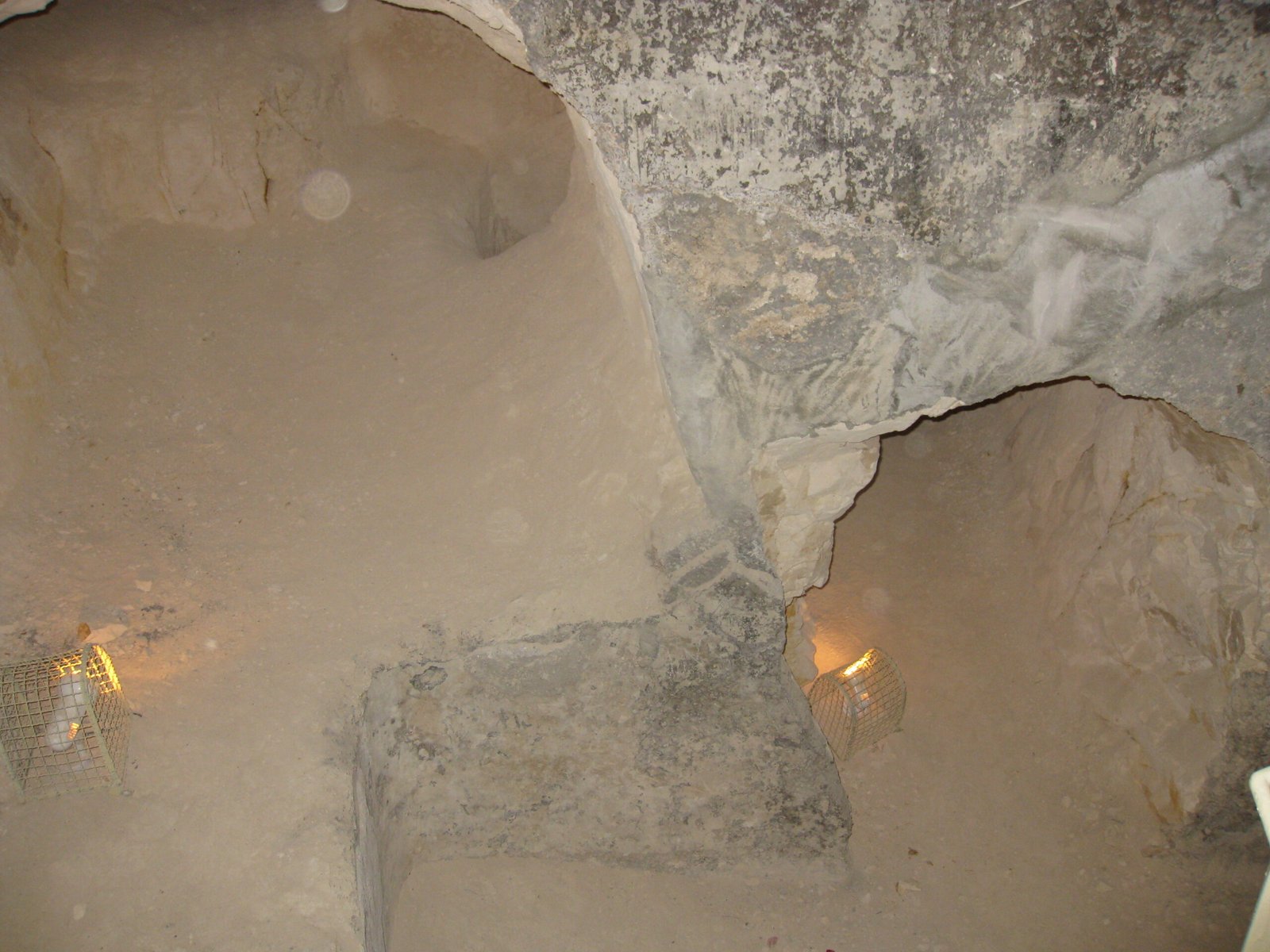
Whether or not lizard people exist beneath Denver, the city’s underground spaces represent important historical and cultural heritage that deserves protection and study. Abandoned tunnels, forgotten chambers, and natural cave systems contain information about Denver’s development, indigenous history, and geological evolution.
Urban development pressure threatens many underground spaces with destruction or inaccessible burial beneath new construction. Once these spaces are lost, any secrets they might contain—whether historical artifacts, geological features, or evidence of unusual inhabitants—disappear permanently.
Conservation efforts for underground heritage face unique challenges including access difficulties, safety concerns, and lack of public awareness about subterranean resources. Balancing preservation goals with practical urban development needs requires careful planning and community engagement.
The Future of Underground Denver

Denver’s continued growth and development will inevitably lead to more underground construction and potentially more discoveries of unusual features or spaces. New transportation projects, utility installations, and building foundations will penetrate previously unexplored underground areas, creating opportunities for both mundane and extraordinary discoveries.
Advances in underground construction technology may also make large-scale subterranean development more economically viable, potentially creating new underground spaces that could theoretically house unknown inhabitants or provide evidence of historical underground occupation.
Climate change may drive more underground development as cities seek protection from extreme weather events and temperature fluctuations. This trend could lead to greater understanding of underground environments while also potentially disturbing any existing subterranean ecosystems or inhabitants.
The legend of Denver’s underground lizard people continues to captivate imaginations precisely because it sits at the intersection of scientific possibility and mythological wonder. While current evidence doesn’t support the existence of intelligent reptilian humanoids beneath the city, the geological, historical, and technological factors that make the legend seem plausible remind us that our urban environments still hold mysteries waiting to be discovered. Whether those mysteries involve forgotten tunnels, unknown species, or simply the rich complexity of underground ecosystems, Denver’s depths continue to beckon explorers and dreamers alike. What secrets do you think might still be hiding beneath your own city’s streets?