On a narrow reach of Delaware Bay, thousands of weary red knots drop from the sky each spring and bet their lives on a single stretch of sand. The scene feels improbable: a global migration hinging on one modest , an ancient crustacean, and a clock set by tides and moonlight. Scientists describe it as a high‑stakes refueling stop where one bad week can ripple all the way to the Arctic. The story here is not just about birds, but about timing, sediment, and the thin margin between resilience and failure. If we get this right, the birds leave heavy with hope; if we get it wrong, the journey north becomes a gamble.
The Hidden Clues
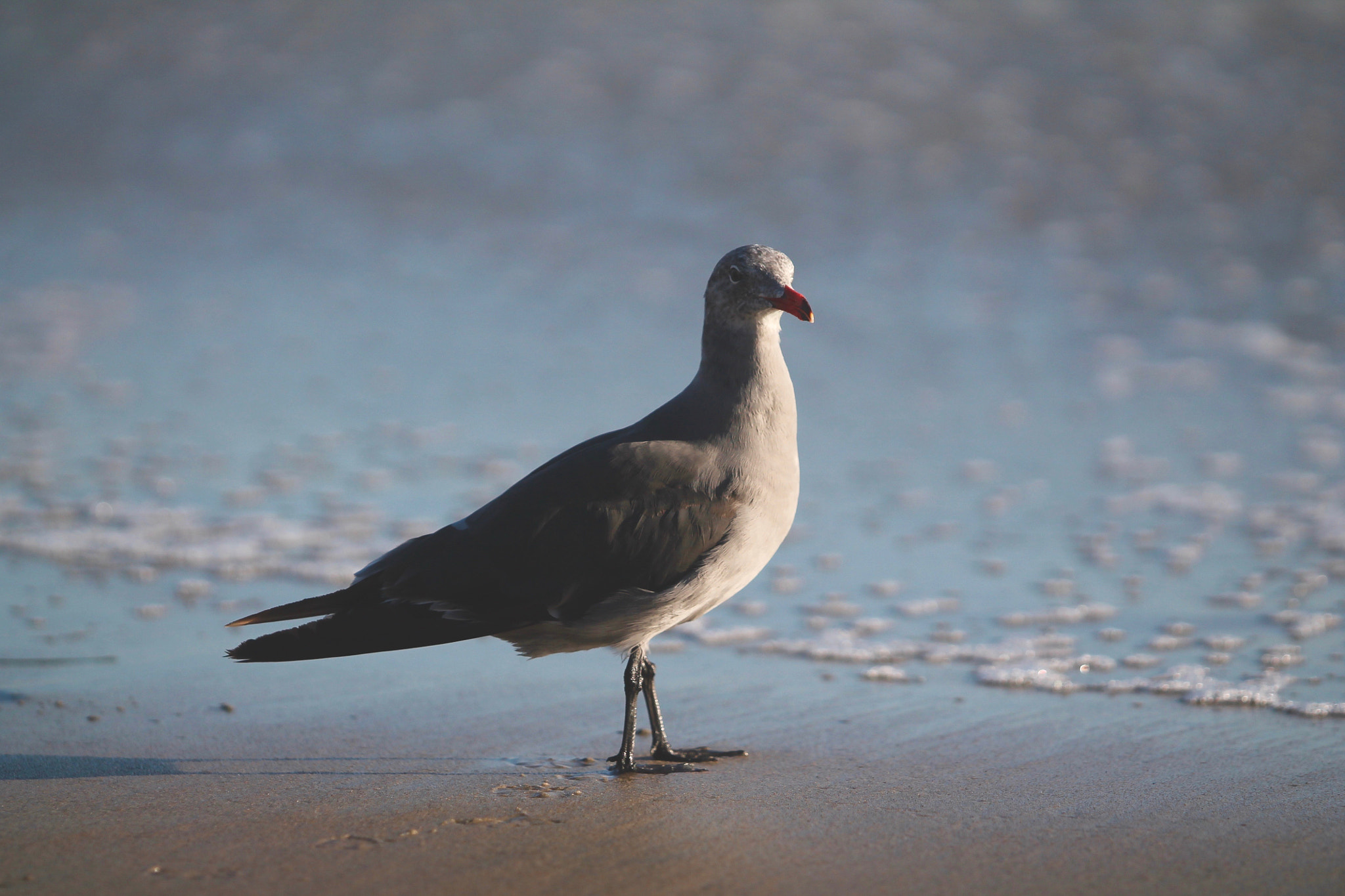
Look closely and the beach reads like a living dashboard: footprints stipple the wet sand, horseshoe crabs churn the shallows, and tiny olive eggs pepper the swash zone. Each sign tells scientists whether the buffet is open, whether the surf is gentle enough for spawning, and whether the knots can pack on the fat they need for the last sprint to the Arctic.
Field teams weigh birds, track the glint of leg flags, and check droppings for the unmistakable signature of crab eggs. I once stood on the jetty and watched the tide lift silt like smoke, and in that moment the beach felt delicate, provisional, surprisingly mortal. When wind, current, and shelter align, the clues all point up; when they don’t, the beach goes quiet fast. For a species that must leave on time, silence is a warning.
A Flyway Written in Fat and Feathers
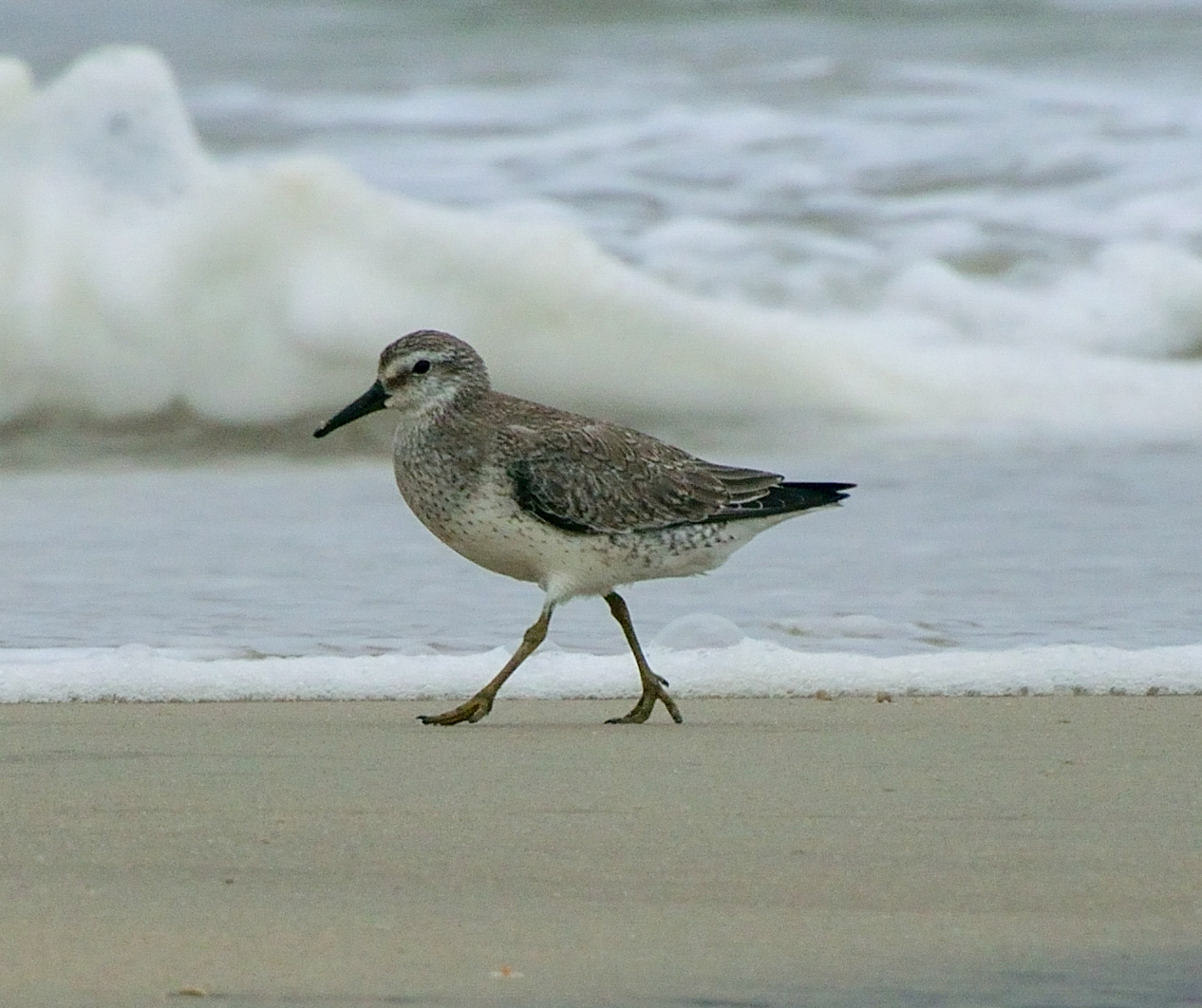
Red knots follow a hemispheric script that stretches from the windswept flats of Tierra del Fuego to Arctic tundra, a journey measured in fat reserves and tailwinds. By the time they reach Delaware, their bodies have flipped into long‑haul mode, converting fat into flight with ruthless efficiency.
This stopover is where physiology meets geography: birds arrive light, then aim to nearly double their mass on crab eggs before pushing north. The window is narrow, and the math is unforgiving; every day of poor feeding compounds the deficit. Unlike a road trip with many gas stations, the flyway has only a few reliable pumps, and this Delaware beach has become the most dependable of them all. Miss here, and the Arctic breeding season won’t wait.
The at Mispillion Harbor
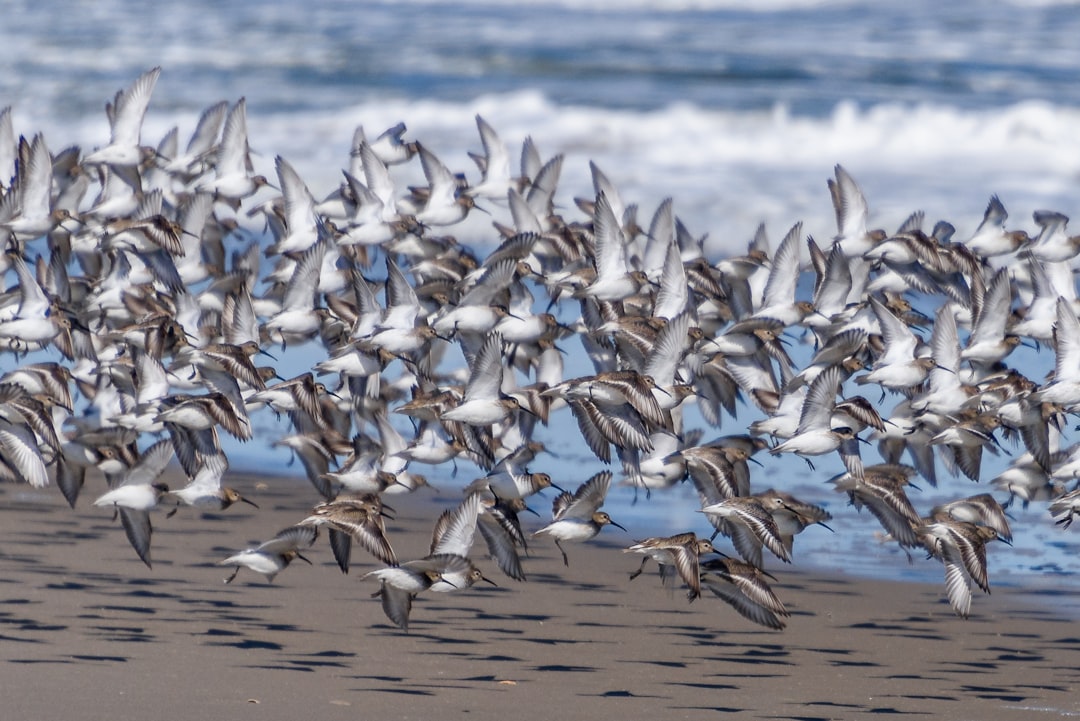
In recent years, Mispillion Harbor has emerged as one of the most important sheltered sites for knots in Delaware. Jetties and river outflow shape a pocket of calmer water that lets waves lay eggs gently onto sand, rather than scouring them away.
Elsewhere along the bay, storms, erosion, and shoreline hardening have chipped at quality, leaving key sites like this to shoulder an outsized share of the work. It concentrates birds, biologists, and caretakers in a tight, visible corridor. That concentration is efficient for science and protection, but it’s also a risk: a single point of failure in a system that used to be broader. When fewer beaches hold the balance, redundancy becomes increasingly important.
The Horseshoe Crab Clock
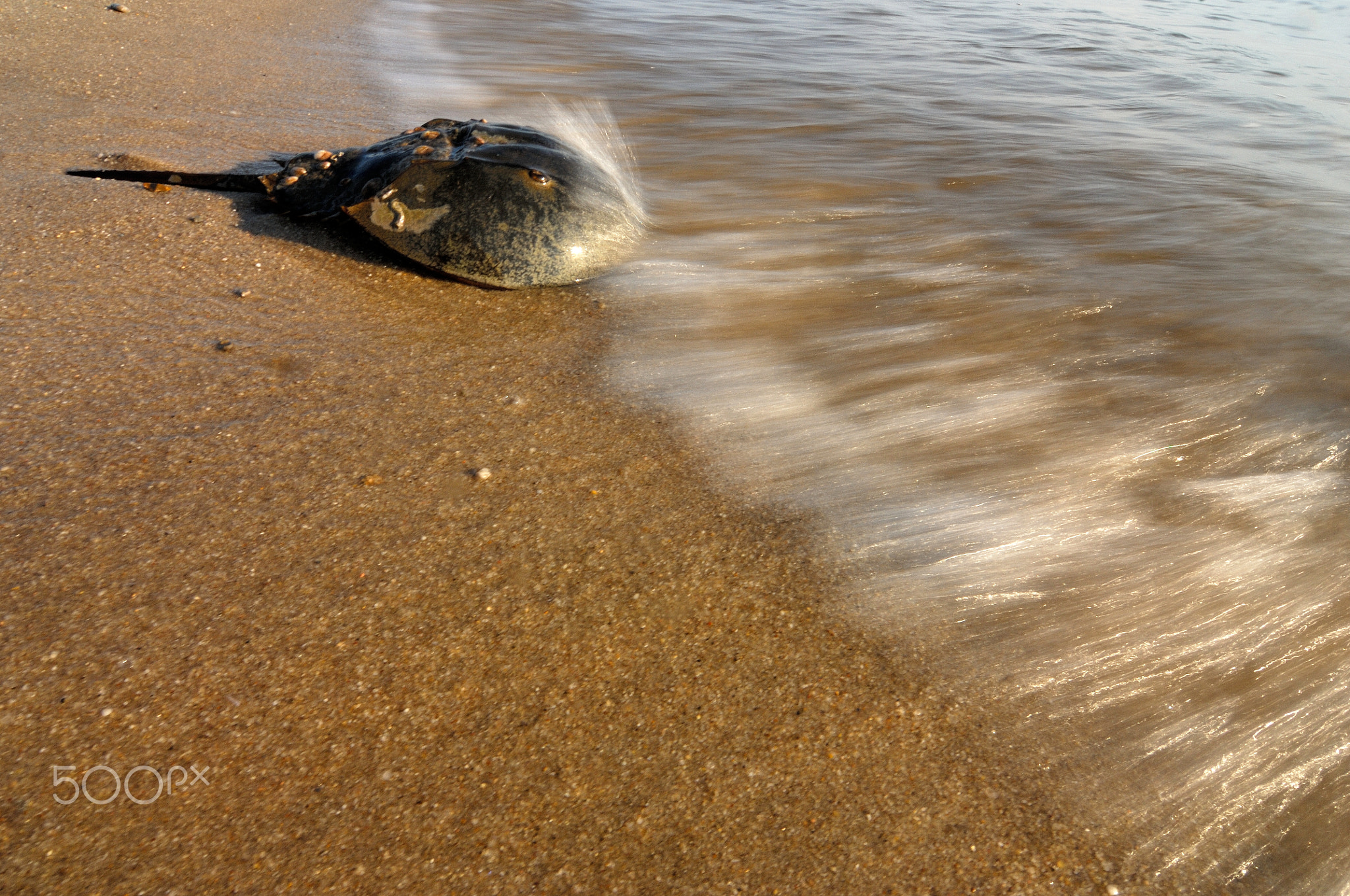
The true architects of this drama are horseshoe crabs, whose spring spawning aligns with lunar cycles and night‑heated shallows. When they surge ashore, eggs tumble loose and accumulate in the upper inches of sand, forming an energy bank the birds can withdraw from with each probing bill.
Red knots time their arrival to this pulse, a biological handshake millions of years in the making. Any mismatch – late crabs, warm water pushing spawning deeper, or waves stripping eggs – slams the door on the birds’ refueling. Management choices about crab harvest and beach access matter because they shift the odds on that timing. In Delaware, the clock has to stay predictable or the flyway frays.
From Ancient Tools to Modern Science
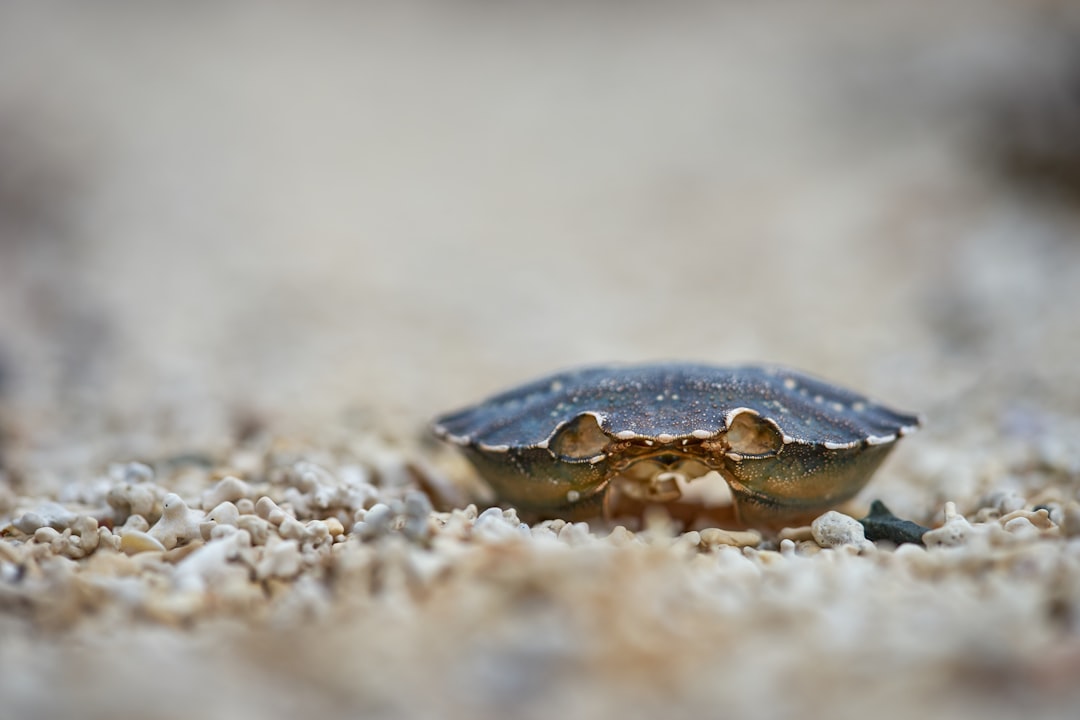
Horseshoe crabs are often called living fossils, and in a way the beach is a museum where ancient biology meets new technology. Researchers now blend binoculars and tide charts with nanotags, automated radio receivers, and satellite‑based weather models.
These tools answer questions older methods couldn’t touch, like how long individuals linger and which winds trigger departure. Lightweight trackers reveal that many birds cycle between the harbor and nearby flats, micro‑timing their feeding with tide stages. Body condition models convert mass gain into survival probabilities, giving managers clear thresholds to aim for. The result is science that feels both intimate and planetary at once.
Why It Matters
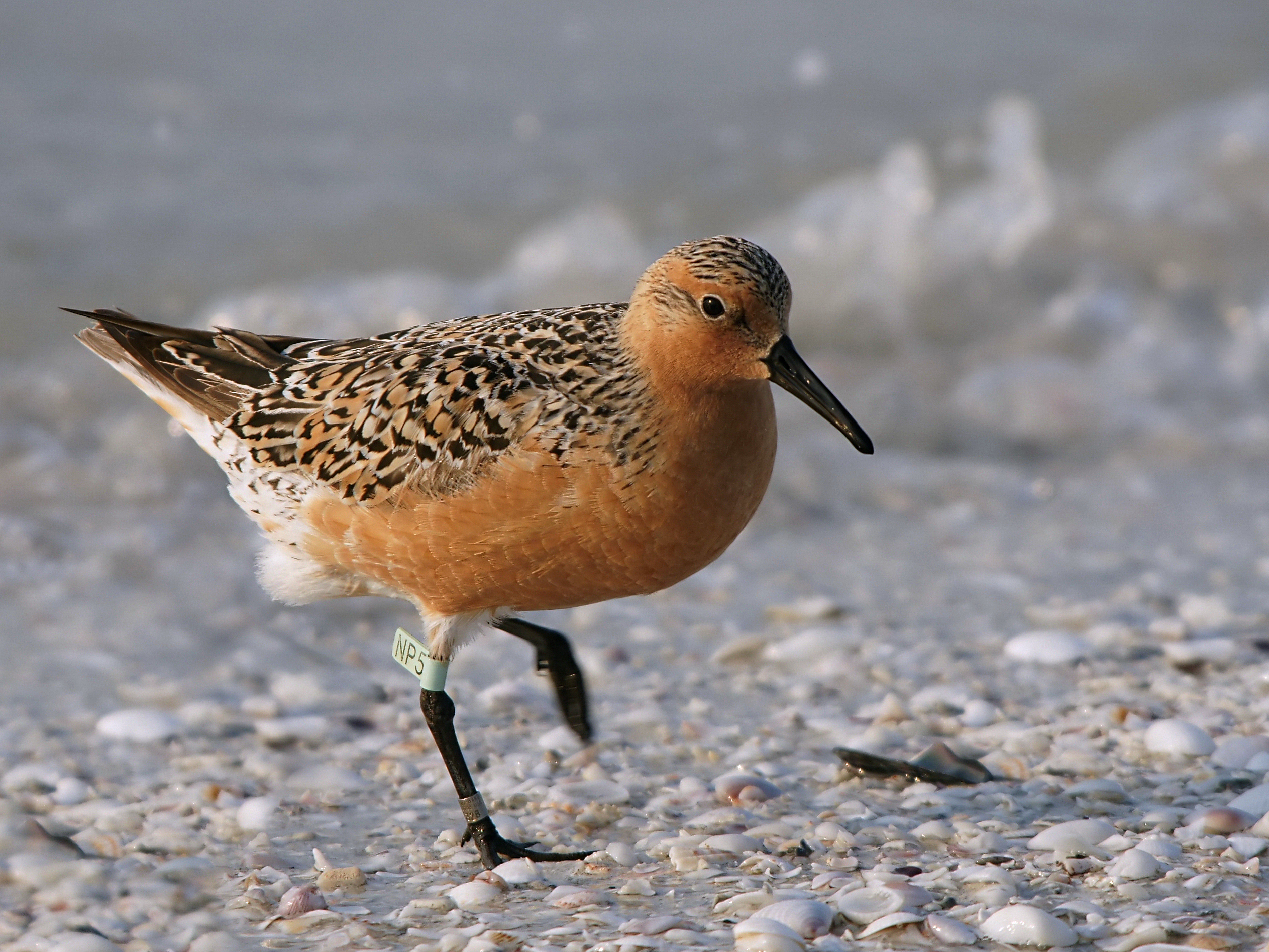
Protecting might sound parochial until you trace the threads outward: from Delaware families who watch the May spectacle, to Arctic communities intertwined with tundra ecosystems, to global biodiversity targets everyone is urging nations to meet. The red knot is federally listed as threatened, and this site is the keystone that keeps the listing from sliding toward something worse.
There is also a lesson here about infrastructure and resilience. Traditional coastal fixes – hard walls, high dunes – can block the very sand movement that builds the foraging layer birds need. By contrast, adaptive approaches that let sediment travel, while still protecting people, keep the food web intact. The value is not just measured in bird counts; it’s measured in a coast that still functions like a coast.
The Future Landscape
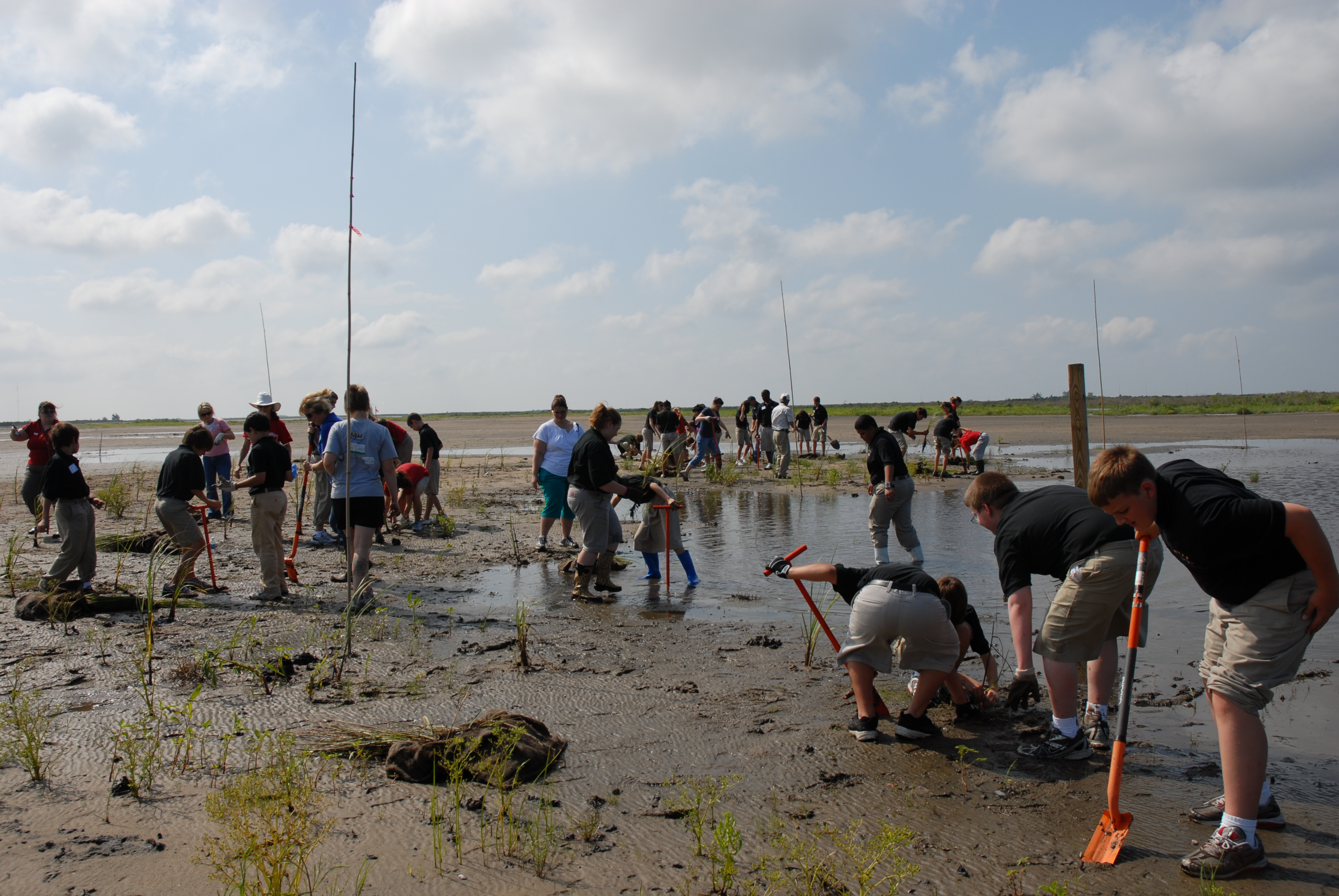
Sea‑level rise, stronger nor’easters, and shifting currents will test the harbor’s shelter in the decades ahead, so planners are looking at proactive moves instead of emergency patchwork. Ideas on the table include strategic sediment placement that mimics natural shoals, living breakwaters that calm waves without starving beaches, and dynamic dunes shaped to flex rather than fail.
Equally important are management choices that keep the egg supply steady and human disturbance low during the short peak window. Fine‑grained monitoring tied to rapid response – think moving temporary closures as birds shift day by day – can squeeze more resilience out of the same shoreline. Partnerships among state agencies, communities, and non‑profits are already the engine here, and scaling them is the next frontier. The goal is simple: turn one fragile beach into one reliable promise.
- Delaware Bay hosts one of the world’s largest horseshoe crab spawning events each spring.
- The rufa red knot depends on quick mass gain during a brief May stopover to reach Arctic breeding grounds in time.
- Temporary beach closures, volunteer wardens, and targeted restoration are proven tools that boost feeding success.
Conclusion
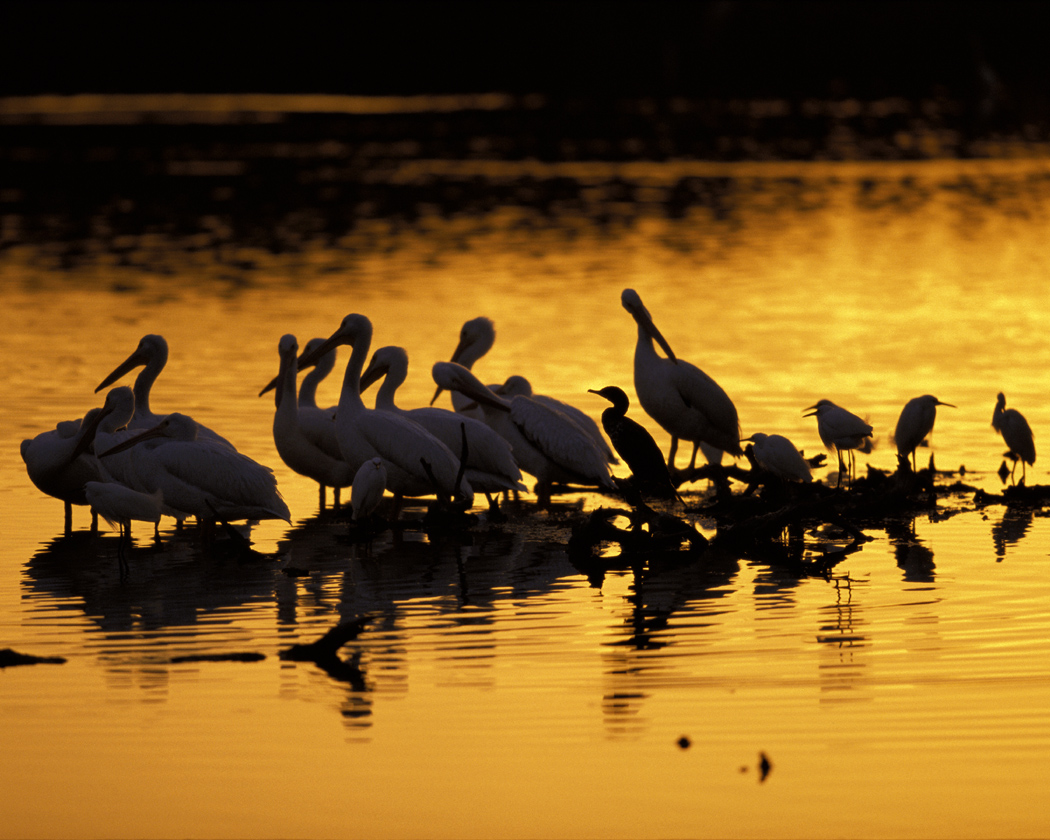
You don’t need a lab coat to help keep this flyway alive; you need time, attention, and a bit of patience at the water’s edge. If you visit in spring, give spawning crabs and feeding birds a wide berth, keep dogs leashed, and enjoy the spectacle from the firm sand above the wrack line.
Support local groups that restore habitat and assist with counts, and log what you see in community science platforms so managers get real‑time snapshots. Ask decision‑makers to invest in sediment projects that protect neighborhoods without silencing the beach’s natural churn. And remember that one reliable beach is not just a local treasure – it’s a hinge for a continent‑spanning journey.
Suhail Ahmed is a passionate digital professional and nature enthusiast with over 8 years of experience in content strategy, SEO, web development, and digital operations. Alongside his freelance journey, Suhail actively contributes to nature and wildlife platforms like Discover Wildlife, where he channels his curiosity for the planet into engaging, educational storytelling.
With a strong background in managing digital ecosystems — from ecommerce stores and WordPress websites to social media and automation — Suhail merges technical precision with creative insight. His content reflects a rare balance: SEO-friendly yet deeply human, data-informed yet emotionally resonant.
Driven by a love for discovery and storytelling, Suhail believes in using digital platforms to amplify causes that matter — especially those protecting Earth’s biodiversity and inspiring sustainable living. Whether he’s managing online projects or crafting wildlife content, his goal remains the same: to inform, inspire, and leave a positive digital footprint.