
Look up at the night sky for long enough and you start to feel it: that strange sense that it’s not just pretty, it’s speaking. For most of human history, people believed the stars were not distant balls of gas, but a living script written across the heavens, a silent language telling us when to plant, when to travel, even when kings would rise or fall. Today we call it mythology or astronomy or astrology, but for ancient cultures it was all one intertwined system.
What’s surprising is how much of that cosmic obsession still shapes our world. Sacred sites line up with solstices, major religions time festivals to lunar cycles, and even modern cities borrow geometries that echo star patterns. When you start following these alignments, you realize the ancients weren’t just stargazing for fun; they were encoding their deepest wisdom into stone, story, and sky.
The Sky as the First Calendar and Classroom
Imagine living without clocks, maps, or even written numbers. For ancient people, the sky was the ultimate planner: the first calendar, weather report, and navigation system all rolled into one glittering dome. When certain stars rose just before dawn, they signaled seasonal shifts: time to sow, time to harvest, time to move herds before the winter bite or the summer drought.
Patterns like Orion, the Pleiades, and the movements of bright planets became markers stitched into oral traditions. Instead of writing down dates in a diary, people embedded them in myths that were easy to remember and hard to forget. The story of a hunter, a bull, or a goddess rising in the east at a specific time of year carried practical clues: get your seeds ready, head inland, or repair your boats.
Megaliths, Pyramids, and the Architecture of Alignment
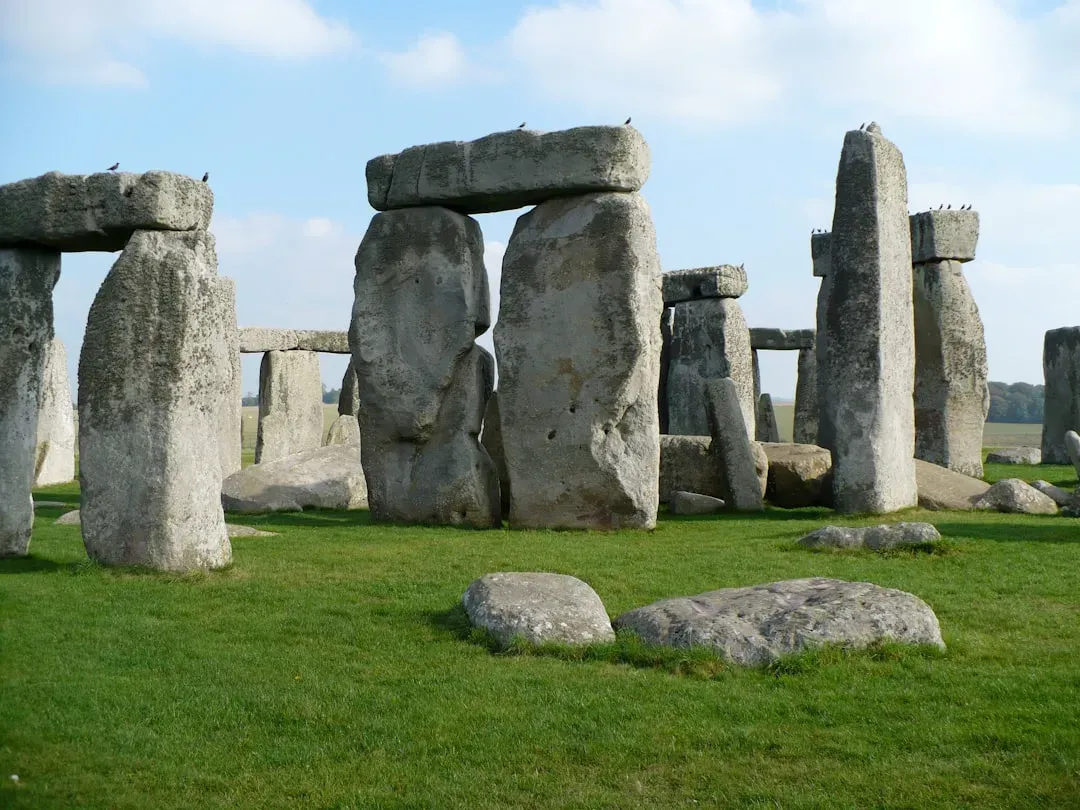
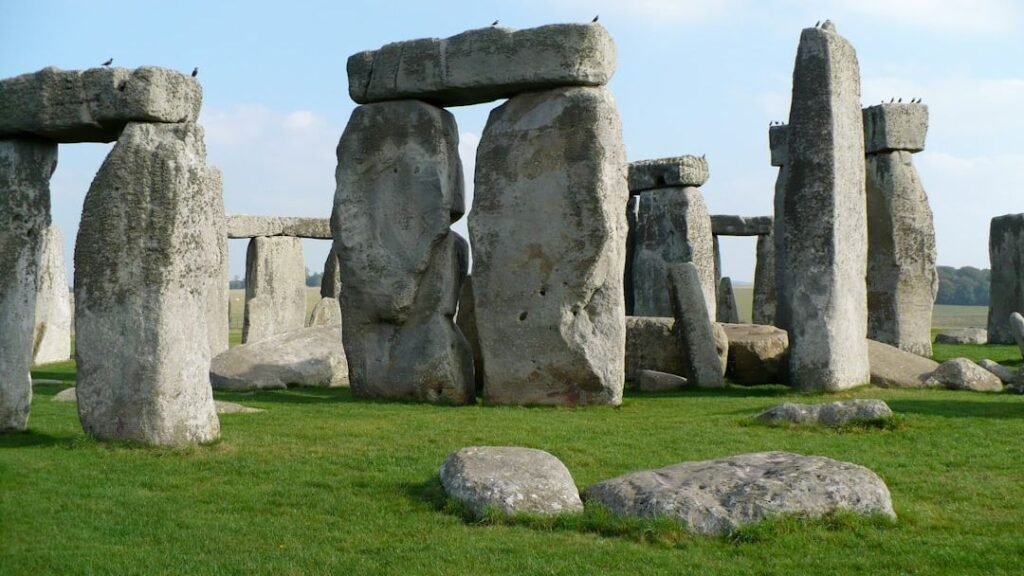
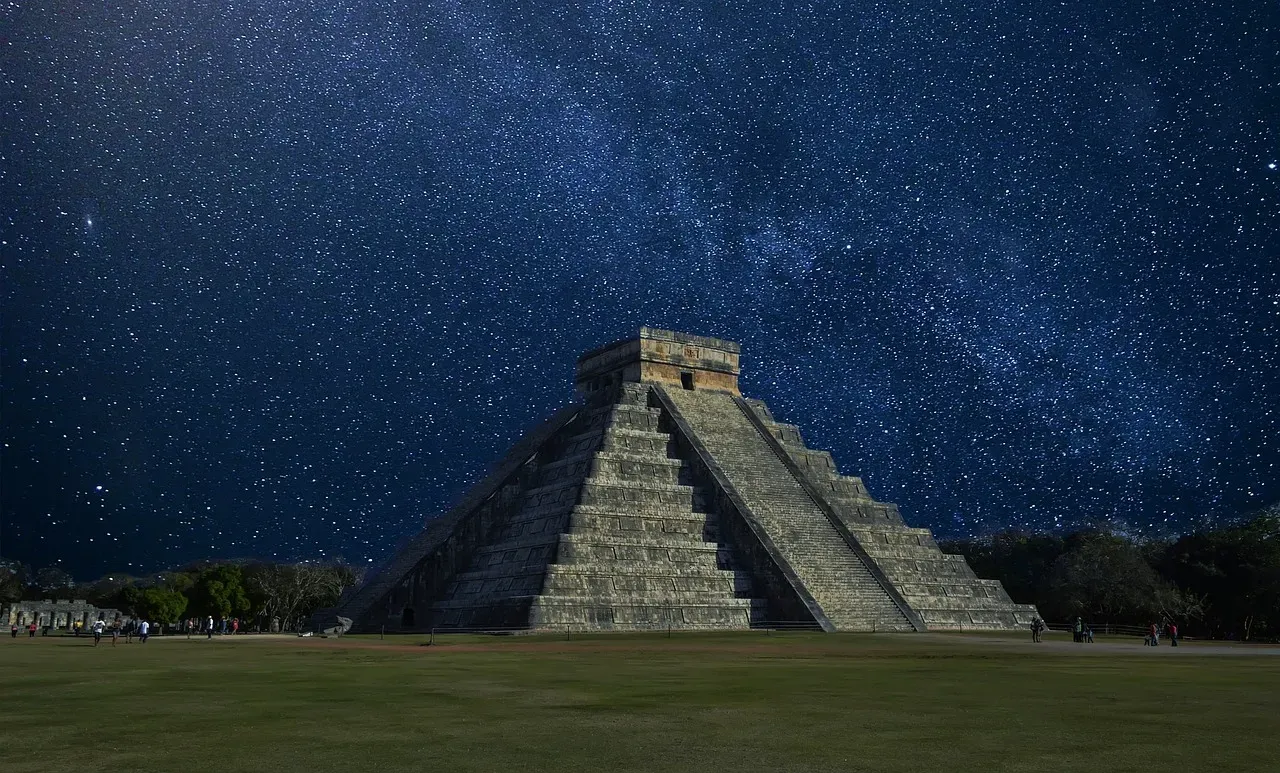
It’s almost eerie how many ancient structures line up precisely with events in the sky. Stonehenge frames the summer solstice sunrise and winter solstice sunset. Many Egyptian pyramids are aligned close to the cardinal directions, and some sightlines line up with specific stars that were important in their religion and calendar. In Mesoamerica, temples in places like Chichén Itzá cast serpent-like shadows during equinox sunsets, turning stone stairs into a living cosmic performance.
These weren’t accidental alignments or random quirks of construction. Building in stone to catch a single beam of light on one day of the year takes planning, patience, and a clear intention: to anchor heaven into earth. Each alignment was like a physical bookmark in time, reminding communities of cosmic rhythms and giving them a sense that their rituals were plugged into something much larger than their own lives.
Solar Cycles, Lunar Rhythms, and Agricultural Wisdom
If the sun was the great metronome of the year, the moon was the softer rhythm pulsing through months and tides. Ancient farmers watched both with almost obsessive attention, not out of superstition, but survival. Knowing the exact length of the year meant better timing for planting and harvesting; missing it by even a few days could mean empty granaries and hungry winters.
Many early calendars were hybrids of solar and lunar cycles, and you can still feel their echoes in modern religious and cultural festivals. Lunar months guided rituals linked to fertility, birth, and water, while solar milestones like solstices and equinoxes often anchored major celebrations of death, rebirth, and renewal. When we talk about “ancient wisdom,” this is a big part of it: an intimate, lived understanding of how cosmic patterns map onto the fragile cycles of soil, seed, and stomach.
Zodiac Stories: Mapping Human Life Onto the Stars
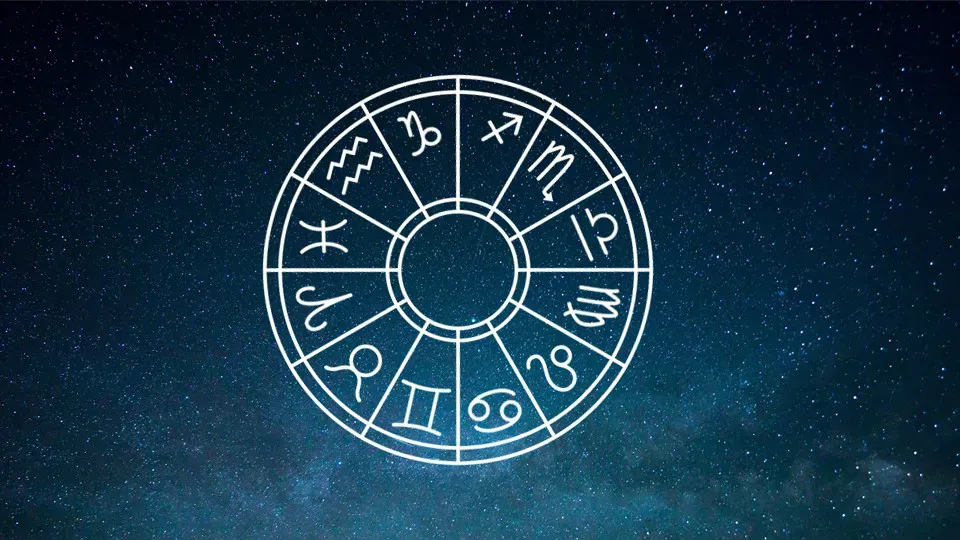
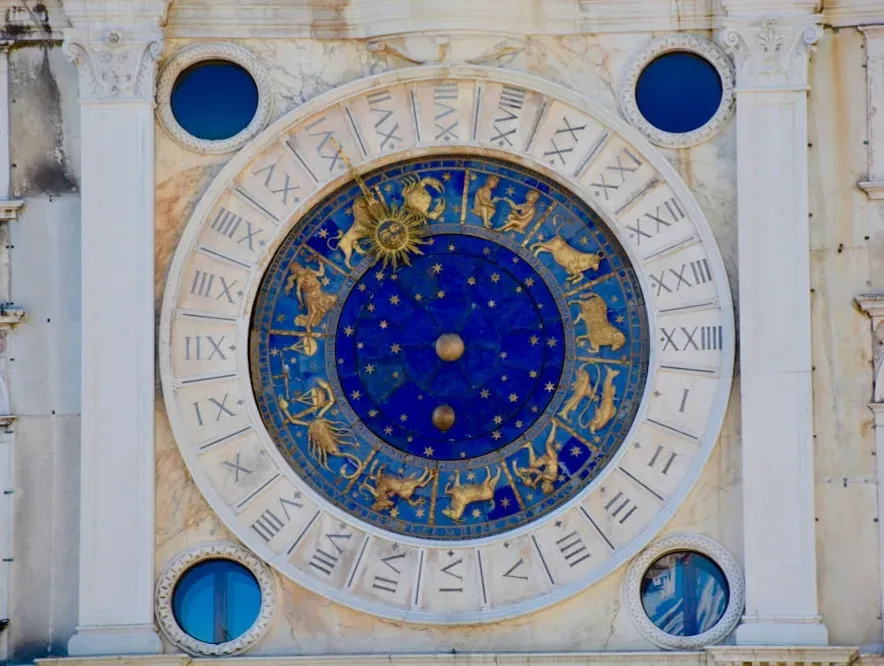
Long before horoscope apps, people were already projecting their hopes and fears onto the stars. The zodiac, in various forms across cultures, is essentially a cosmic storyboard: a ring of archetypes that turns the sky into a mirror of human experience. Whether in Mesopotamia, India, Greece, or China, astrologers tried to decode how the positions of planets and constellations at birth might correspond to personality traits, fate, and turning points in life.
You don’t have to believe in astrology to see why it stuck. It gave people a language for inner life in a world where there were no therapists, personality tests, or brain scans. The sky became a vast Rorschach test, and people saw stories of love, conflict, courage, betrayal, and transformation playing out above them. The deeper wisdom wasn’t just “Mars in this sign means X,” but a recognition that humans are patterned creatures, drawn to cycles, phases, and symbolic maps that help us make sense of chaos.
Cosmic Order, Power, and the Mandate to Rule
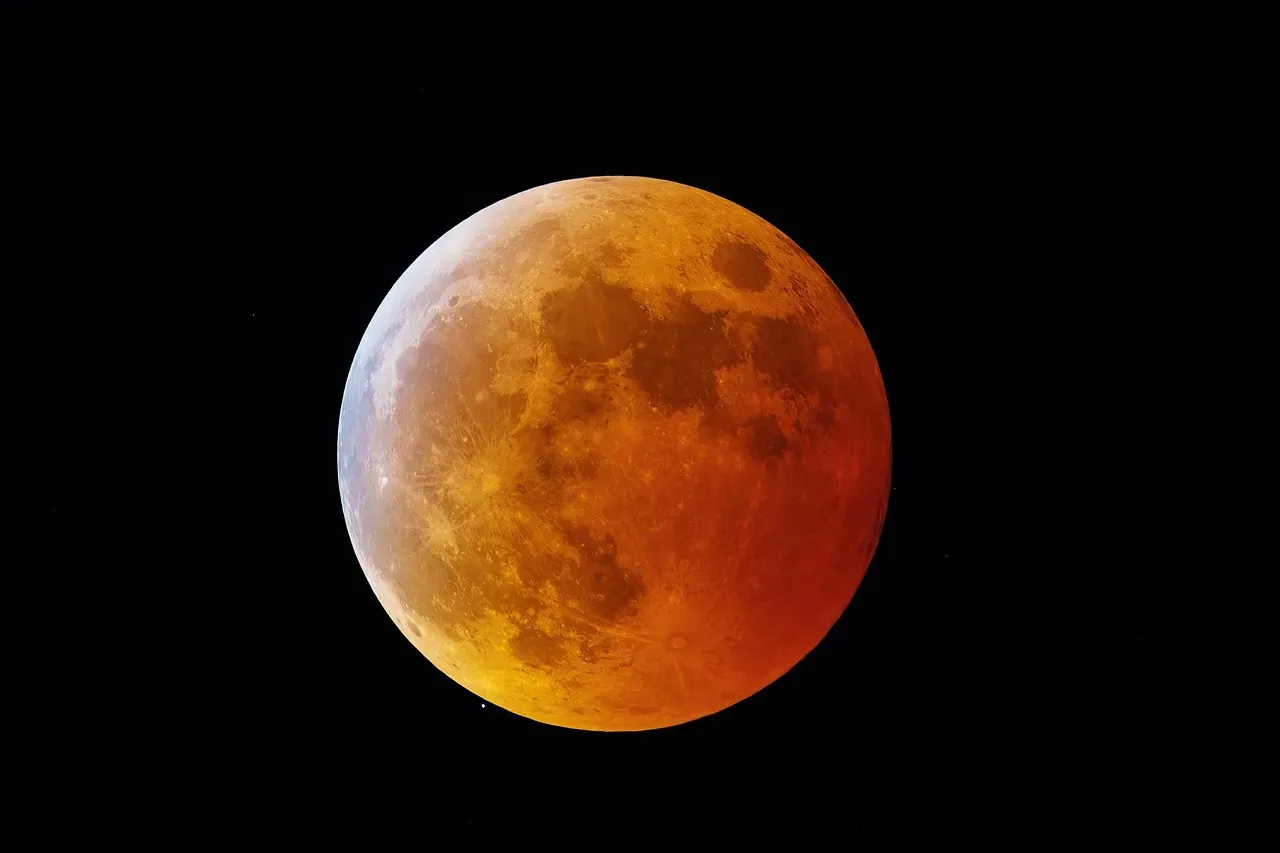
Celestial alignments weren’t only about crops and personal fate; they were also about power. Many rulers claimed their authority was written in the sky, using eclipses, conjunctions, or rare appearances of comets as cosmic endorsements. When palaces, temples, and city grids aligned with cardinal directions or specific stars, it sent a clear message: this ruler isn’t just in charge of people, they’re in sync with the universe itself.
That might sound like overreach, but from the inside it could feel comforting. Aligning cities and sacred spaces with the heavens suggested that society had a rightful place in a grand, ordered cosmos. The idea that justice, law, and leadership should imitate cosmic order shows up again and again. Even today, we casually talk about “being aligned” with our purpose or with history, without realizing that we’re echoing a very old idea: that the good life means matching our actions to some larger, invisible pattern.
Modern Science: From Star Myths to Stellar Physics
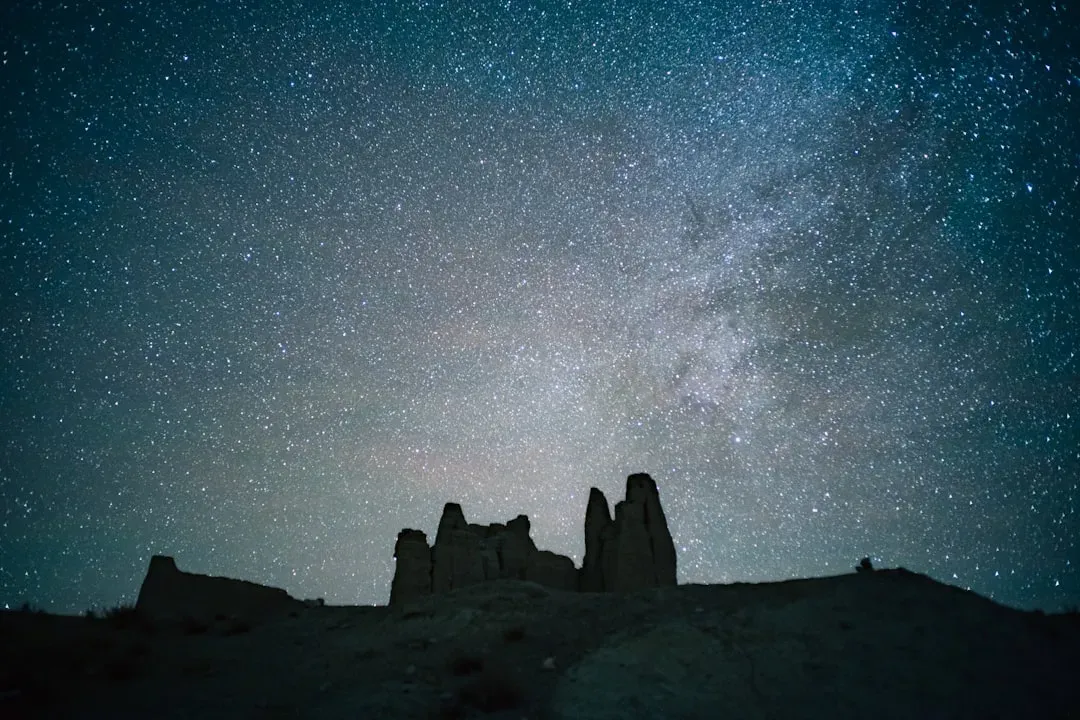
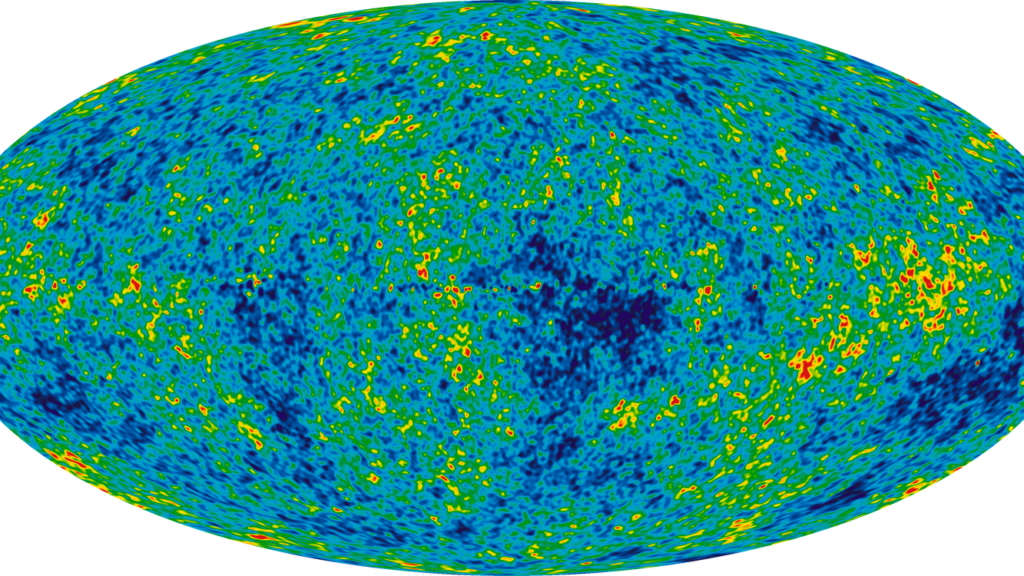
In a way, modern astronomy is another chapter in the same story, just written with different tools. Telescopes, satellites, and space probes have replaced myths and stone circles, but the impulse is familiar: humans staring upward, trying to decode what it all means. We now know the precise mechanics of eclipses, the life cycles of stars, and the structure of galaxies, yet we still feel that gut-level awe the ancients must have felt under a dark, unpolluted sky.
What’s interesting is how often rigorous science ends up confirming that ancient observers were incredibly attentive, even if their interpretations were wrapped in myth. They nailed solstice points, tracked long planetary cycles, and noticed subtle patterns like the precession of the equinoxes long before anyone could explain the physics behind them. The wisdom today isn’t in copying their conclusions, but in matching their curiosity and their willingness to sit with the sky long enough to notice what most of us miss in a world flooded with artificial light and constant distraction.
What Ancient Alignments Still Teach Us Today
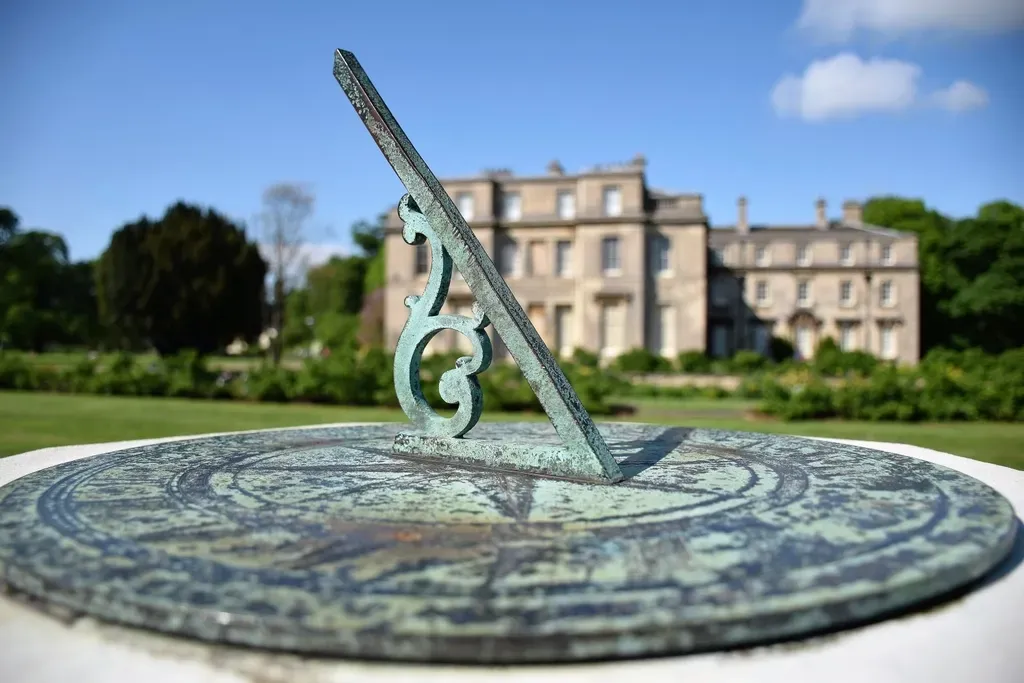
When you strip away the more extravagant claims and supernatural packaging, what’s left in celestial alignments is surprisingly grounded. They’re reminders to pay attention to cycles instead of pretending everything moves in a straight, endless line. They nudge us to think in seasons instead of constant productivity, to see that there are natural times for beginnings, endings, stillness, and momentum. That’s as relevant to mental health and work-life balance as it is to planting seeds in a field.
There’s also a humbling and strangely liberating message tucked into all this sky-watching: we are small, but we are not random. Our ancestors built entire worldviews around the belief that their lives were woven into a larger pattern, visible in the slow dance of stars and planets. Even if we no longer read personal destinies in those movements, recognizing that we live inside vast, elegant cycles can soften the sharp edges of everyday stress. It invites a quieter question: in a universe this meticulously patterned, how might you choose to align your own tiny, very brief flicker of time?