

Have you ever woken up startled, heart racing, from a bizarre dream where you showed up naked to work or fell endlessly through space? Maybe you’ve had that recurring nightmare about being chased by something nameless and terrifying. Dreams can feel random, chaotic, even nonsensical. Sometimes they vanish the moment your eyes open. Other times, they linger for days, leaving you wondering what hidden message your mind was attempting to send.
Your dreams aren’t just random noise. They’re complex narratives woven from your emotions, memories, fears, and desires. Think of them as nightly theater performances staged entirely by your subconscious, complete with symbolism, metaphor, and occasionally, bizarre plot twists that would make Hollywood jealous. The question is, what are these nighttime stories really trying to tell you?
Why Your Brain Creates These Nighttime Movies

Dreams are remarkable experiments conducted every night in every sleeping person, showing that our brain can generate an entire world of conscious experiences while disconnected from the environment. Let’s be real, that’s pretty wild when you think about it. While you’re lying motionless in bed, your brain is creating vivid landscapes, conjuring up conversations, and constructing entire storylines.
Dreams are not random but rather your brain’s way of processing emotions, memories, and subconscious thoughts, serving as your mind’s nightly therapy session. During sleep, particularly in REM stages, global brain metabolism is comparable to being awake. Your neural circuits are firing, memories are being consolidated, and emotional experiences are being filed away. Dreams seem to be your brain’s method of making sense of everything you’ve encountered, felt, and thought about during your waking hours.
The Language of Symbols Your Mind Speaks
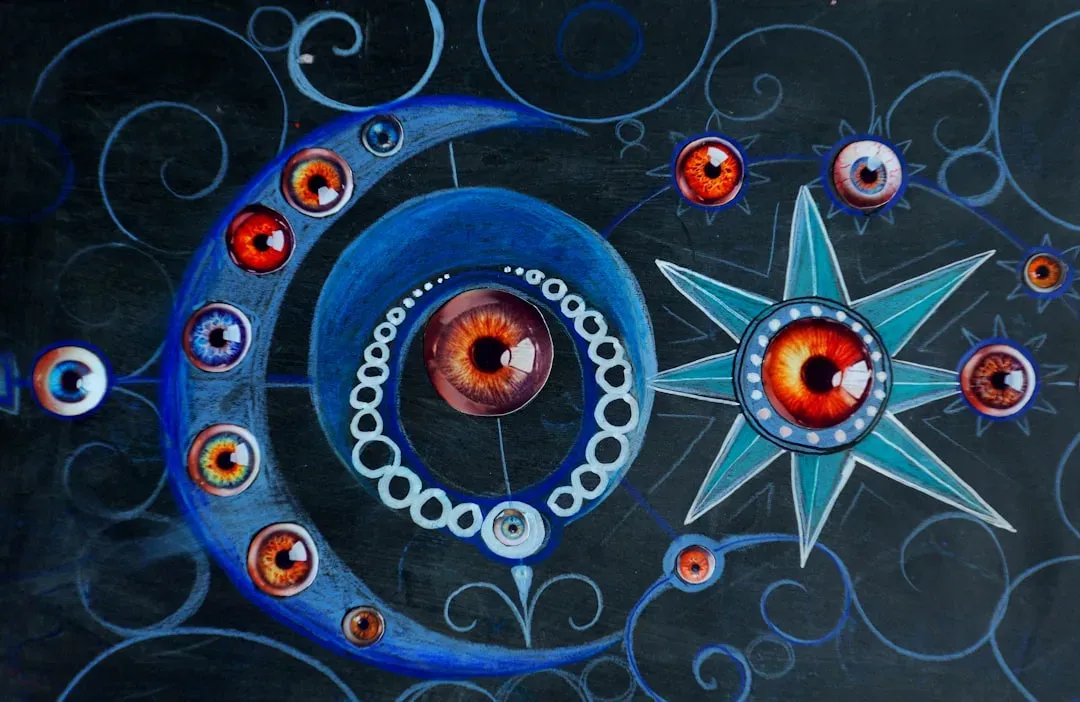
Your dreams speak to you in a language rich with symbols, emotions, and metaphors from your subconscious like letters from a friend you’ve known your entire life. Water doesn’t just mean water. A house isn’t simply a house. These images carry deeper meanings that your conscious mind might overlook.
Water often symbolizes life and cleansing, but can also represent emotions such as sadness or anger, with dreams involving water potentially trying to tell you something about how you’re feeling emotionally. Calm, clear water might suggest peace and emotional clarity. Turbulent, churning waves could indicate inner turmoil or unresolved feelings you haven’t fully processed yet. Houses often represent the self, with different rooms reflecting different aspects of your psyche, where the attic might represent hidden thoughts or memories while the basement could symbolize fears or unconscious material lurking beneath the surface.
Animal dreams are one of the most common types we experience, often representing the primal and instinctual qualities we associate with them, expressing instincts in waking life that we keep confined to our dreams through our subconscious.
What Those Common Dreams Actually Mean

You know that dream where you’re falling through empty space? Dreams of falling often occur when you’re feeling overwhelmed or unsupported in real life, reflecting fear of failure, loss of control, or insecurity. It’s hard to say for sure, but your mind might be processing anxieties about situations spiraling beyond your grasp.
Being chased in dreams could indicate that something wants to catch up with you, often related to how you feel about some tricky part of your life you’re not paying enough attention to, with the monster chasing you possibly being an aspect of yourself that you purposefully suppress. Running away in your dreams might mirror how you handle daily stresses in real life. Maybe you’re avoiding a difficult conversation or ignoring a problem that needs your attention.
Dreams about losing teeth are incredibly common and emotionally vivid. They can symbolize worries about aging, appearance, or self-image. Dreams of being naked in public usually show up when you’re anxious about being judged, especially in social or professional settings. Your subconscious is processing vulnerability and exposure.
When Dreams Keep Coming Back

Recurring dreams like falling, being chased, or losing teeth often signal underlying anxieties. Here’s the thing: your mind won’t stop replaying certain scenarios until you address what they represent. Repetition is your subconscious waving a giant flag, demanding attention.
Think of recurring dreams as persistent reminders. They highlight unresolved conflicts, suppressed emotions, or situations you haven’t fully processed. If you tend to run away from issues rather than tackle them, being chased could be a recurring dream until you figure out the problem and resolve it in your conscious life. The dream won’t necessarily stop until you confront whatever emotional baggage or life challenge it represents.
Factors like stress, life changes, or heightened intuition may increase the likelihood of experiencing certain dreams, which don’t necessarily predict the future but may highlight patterns or concerns your subconscious is processing.
The Science Behind Your Sleeping Brain

Dreaming mostly occurs in rapid eye movement sleep, where arm and leg muscles become temporarily paralyzed while eyes move quickly from side to side and breathing, heartrate, and brain activity increase to nearly awake levels. Scientists characterize this as a metabolically awake brain in a paralyzed body.
Reports of dream experience are associated with local decreases in low frequency activity in posterior cortical regions, with high frequency activity in these regions correlating with specific dream contents, suggesting a core correlate of conscious experiences in sleep. Research has identified specific brain areas involved in dreaming, particularly the posterior regions and prefrontal cortex. These areas light up during REM sleep, creating the vivid, sensory experiences we call dreams.
Dreams incorporate recent experiences with memory-related brain activity reactivated during sleep, suggesting that dreaming, memory consolidation, and reactivation are tightly linked, with reprocessing of pre-sleep experiences potentially shaping brain activity, dreams, and memories.
Taking Control: The World of Lucid Dreaming

Lucid dreaming involves being aware that you’re dreaming while still asleep, allowing you to control the dream and potentially help conditions like PTSD and anxiety. Imagine realizing mid-dream that none of it is real, then deciding to fly, explore, or confront your fears in a completely safe environment. That’s lucid dreaming.
Research has helped discover therapeutic benefits of lucid dreaming, as it may be useful in treating conditions like PTSD, recurring nightmares, and anxiety. Controlling dreams helps some anxiety sufferers relieve symptoms during wake time by facing anxiety-inducing situations without actually being in them, such as inducing a dream where you passed a test or even failed one without bad consequences.
Learning to lucid dream takes practice. Reality testing is a form of mental training that increases metacognition by training your mind to notice your own awareness, with higher metacognition when awake potentially leading to higher metacognition when dreaming. You essentially teach yourself to question reality regularly throughout the day, so that habit carries into your dreams.
Practical Ways to Understand Your Dreams Better

Keeping a notebook by the side of your bed and quickly jotting down what you remember from your dream after waking up can help you analyze your own dreams. Memory fades fast after waking. Writing immediately captures details that might otherwise vanish like morning mist.
Dreaming is a thinking process that provides a brutally honest illustration of what you’re going through in your life and what you’re currently feeling about it, serving as commentary on how you react and behave, though the illustration isn’t always literal. Pay attention to emotions within dreams. How you feel during a dream often reveals more than the actual events unfolding.
After waking up, ask what the dream image evokes in you, what emotion it left behind, and what’s happening in your waking life right now that might be reflected symbolically, as even the strangest dream can offer a deeply intuitive glimpse into your inner world when approached this way. Context matters enormously. Your personal associations with symbols carry more weight than generic dream dictionary definitions.
What Your Nightmares Are Really About

Some nightmares are filled with disturbing images and leave us feeling anxious, but they also serve a purpose by processing negative emotions in bad dreams to help clear out our minds and process difficult emotions and experiences we may be facing in waking life, potentially shocking us into making changes or taking action when we interpret their meanings. Nightmares aren’t punishment or random terror. They’re your mind working through difficult material.
Emotions in dreams can reflect unresolved feelings from waking life but also serve as a bridge to the subconscious, with dreams amplifying emotions we may not fully acknowledge while awake, such as fear, anger, or sadness. Your nightmares might be forcing you to confront things you’ve been avoiding during your waking hours. They bring suppressed fears, anxieties, and traumas to the surface where they can finally be examined and processed.
Think of nightmares as uncomfortable but necessary emotional maintenance. They’re not pleasant, certainly, but they serve an important function in mental health and emotional regulation.
Conclusion

Your dreams are personal theaters where your subconscious stages elaborate productions every single night. They process emotions, consolidate memories, work through anxieties, and sometimes offer surprising insights into your inner world. The symbols, scenarios, and emotions that populate your dreams aren’t random chaos. They’re meaningful messages from the deepest parts of your psyche, asking to be heard and understood.
Whether you’re falling through endless space, being chased by shadowy figures, or flying over impossible landscapes, each dream carries information. Learning to decode these nighttime narratives takes practice, patience, and honest self-reflection. Keep that dream journal. Pay attention to recurring themes. Notice how you feel both during and after your dreams. Your subconscious has been trying to talk to you all along.
What messages have your dreams been sending lately? Have you been listening?