

Every single night, your brain takes you somewhere you did not choose to go. You might find yourself sprinting through a hallway that never ends, reuniting with someone you have not seen in years, or solving a puzzle that dissolves the moment you wake up. It is strange, personal, and almost impossible to explain to someone else over morning coffee.
For centuries, we chalked it all up to mystery, divine messages, or meaningless brain static. Honest truth is, even today’s most sophisticated neuroscientists will tell you the full story is not yet written. But here is the thing – we are closer than ever before to understanding what your sleeping mind is actually doing during those vivid nightly journeys. So let’s dive in.
The Brain That Never Truly Clocks Out

Most people assume sleep is a passive process, a kind of biological off switch. You close your eyes, the lights go out, and nothing much happens until the alarm rings. That could not be further from the truth.
Dreams are a most remarkable experiment in psychology and neuroscience, conducted every night in every sleeping person. They show that your brain, disconnected from the environment, can generate by itself an entire world of conscious experiences. Think of it like a private cinema running a show that you did not write, starring people you may or may not recognize.
On average, you dream for around two hours per night. Dreaming can happen during any stage of sleep, but dreams are most prolific and intense during the rapid eye movement stage, also known as REM sleep. That is a lot of mental storytelling happening without your conscious input.
As you enter a dreamlike state, the prefrontal cortex of the brain, responsible for keeping impulses in check, slowly grows less active. This is when there is a surge in theta waves that leads to an unconstrained window of consciousness, with little censorship from the mind, allowing for visceral dreams and creative thoughts. In other words, your brain’s inner editor basically leaves the building.
From Freud to fMRI: A History of Chasing Dreams
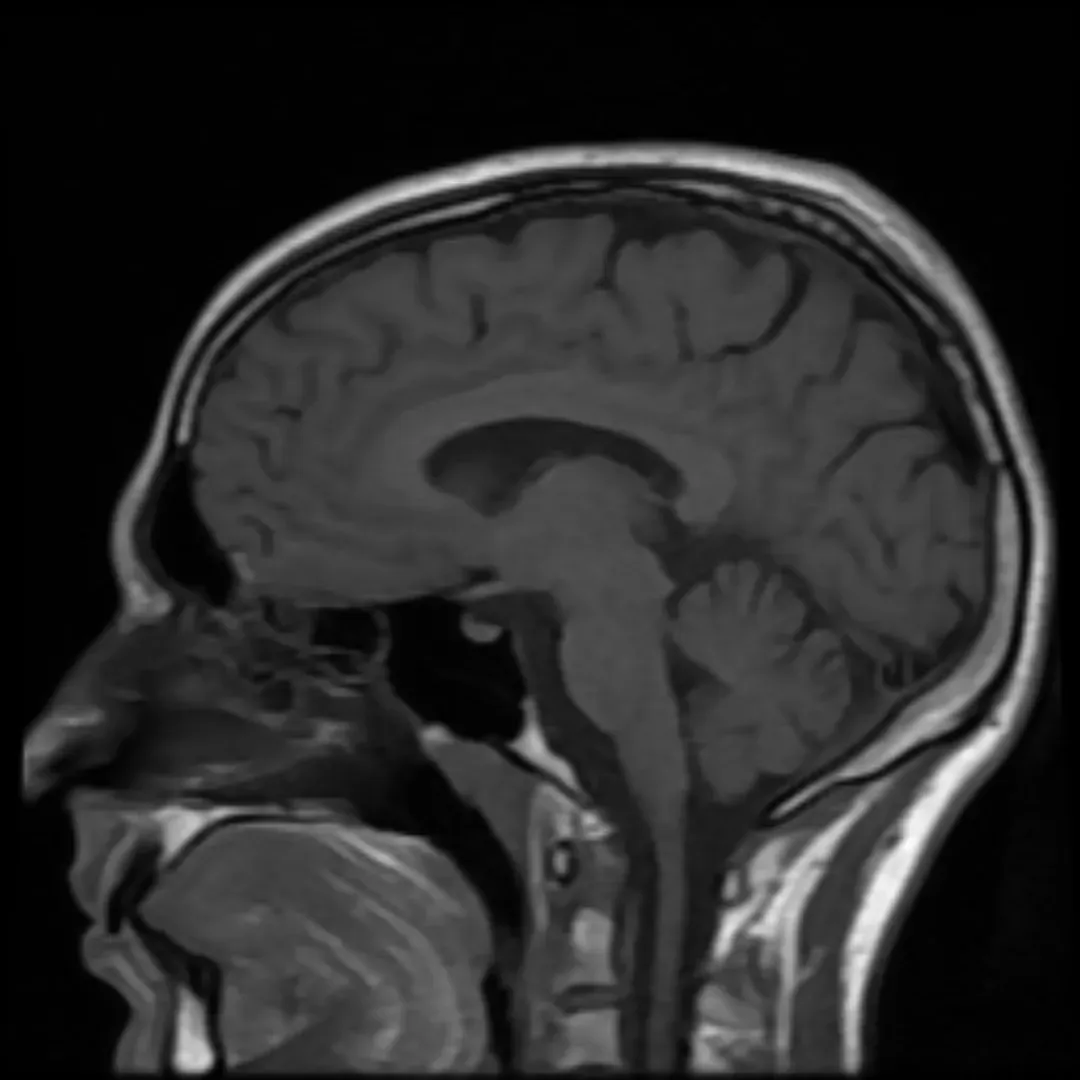
Humans have been obsessed with dreams for as long as we have been human. Early civilizations thought of dreams as a medium between our earthly world and that of the gods. The Greeks and Romans were actually convinced that dreams had certain prophetic powers. Imagine the pressure of waking up and feeling like the universe had just handed you homework.
While there has always been great interest in the interpretation of human dreams, it was not until the end of the nineteenth century that Sigmund Freud and Carl Jung put forth some of the most widely known modern theories of dreaming. Freud’s theory centred around the notion of repressed longing – the idea that dreaming allows us to sort through unresolved, repressed wishes. Carl Jung, who studied under Freud, also believed that dreams had psychological importance, but proposed different theories about their meaning.
Since then, technological advancements have allowed for the development of other theories. One prominent neurobiological theory of dreaming is the “activation-synthesis hypothesis,” which states that dreams don’t actually mean anything – they are merely electrical brain impulses that pull random thoughts and imagery from our memories. Honestly, depending on some of your dreams, that theory probably sounds pretty reasonable.
Dreams have long captivated human curiosity, but empirical research in this area has faced significant methodological challenges. Recent interdisciplinary advances have now opened up new opportunities for studying them. Researchers have synthesized these advances into new methodological frameworks that overcome historical barriers in dream research. We are, right now, living through a golden era of dream science.
Your Sleeping Brain Is Sorting Your Memories

Here is something genuinely mind-blowing. While you dream about missing a flight or showing up to school without clothes, your brain is quietly doing some of its most important organizational work. During sleep, newly formed memories are gradually stabilized into a more permanent form of long-term storage in the brain. Dreaming, researchers say, is influenced by the consolidation of these memories during sleep. Most dreams are made up of experiences, thoughts, emotions, places, and people you have already encountered in your life.
Different stages of sleep serve different functions in memory processing. You need light stage two NREM sleep to improve motor tasks like typing, REM sleep to process a large amount of data, and, if you are trying to memorize words, deep slow-wave sleep is critical. Your brain is, quite literally, filing away the day like a meticulous office manager working the night shift.
Researchers trained people to navigate a virtual three-dimensional maze. Participants who dreamed about the maze showed dramatic improvements in their ability to find the exit the next day. That is not a coincidence, that is your brain rehearsing what matters.
Deep non-REM sleep strengthens individual memories. REM sleep, on the other hand, is when those memories can be fused and blended together in abstract and highly novel ways. During the dreaming state, your brain will process vast swaths of acquired knowledge and then extract overarching rules and commonalities, creating a mindset that can help you find solutions to previously impenetrable problems.
Dreams as Emotional First Aid
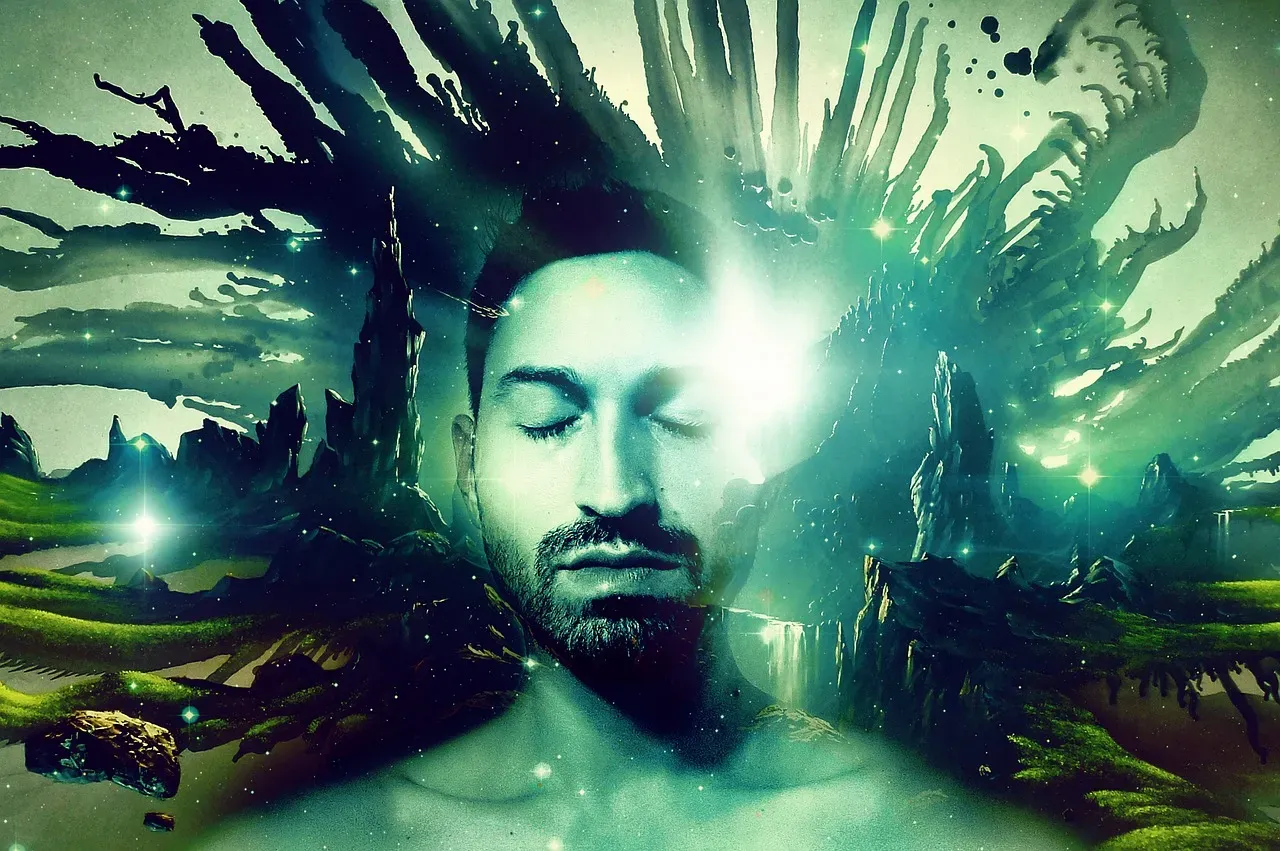
Some nights, you wake up feeling inexplicably lighter – as though something heavy was quietly lifted while you slept. Science is starting to explain exactly why that happens. REM sleep dreaming appears to take the painful sting out of difficult, even traumatic, emotional episodes experienced during the day, offering emotional resolution when you wake the next morning. REM sleep is the only time when your brain is completely devoid of the anxiety-triggering molecule noradrenaline. At the same time, key emotional and memory-related structures of the brain are reactivated during REM sleep as you dream.
Sara Mednick, a cognitive scientist at the University of California, Irvine, views dreams as a “safe space where we can bring up potentially emotionally charged experiences” and then play out the possibilities. In her research, she has found that, for people who have experienced a negative emotional event, dreaming about it can help reduce the attached emotions. Think of your dreaming brain as an overnight therapist who charges nothing and keeps all your secrets.
Dreams seem to help you process emotions by encoding and constructing memories of them. What you see and experience in dreams might not necessarily be real, but the emotions attached to those experiences certainly are. Dream stories essentially try to strip the emotion out of a certain experience by creating a memory of it. This way, the emotion itself is no longer active.
Research findings implicate an active role for dreaming in overnight emotional memory processing and suggest a mechanistic framework whereby dreaming may enhance salient emotional experiences via the forgetting of less relevant information. Your brain, in other words, keeps what matters emotionally and quietly discards the rest.
Can Scientists Actually Plant Ideas in Your Dreams?
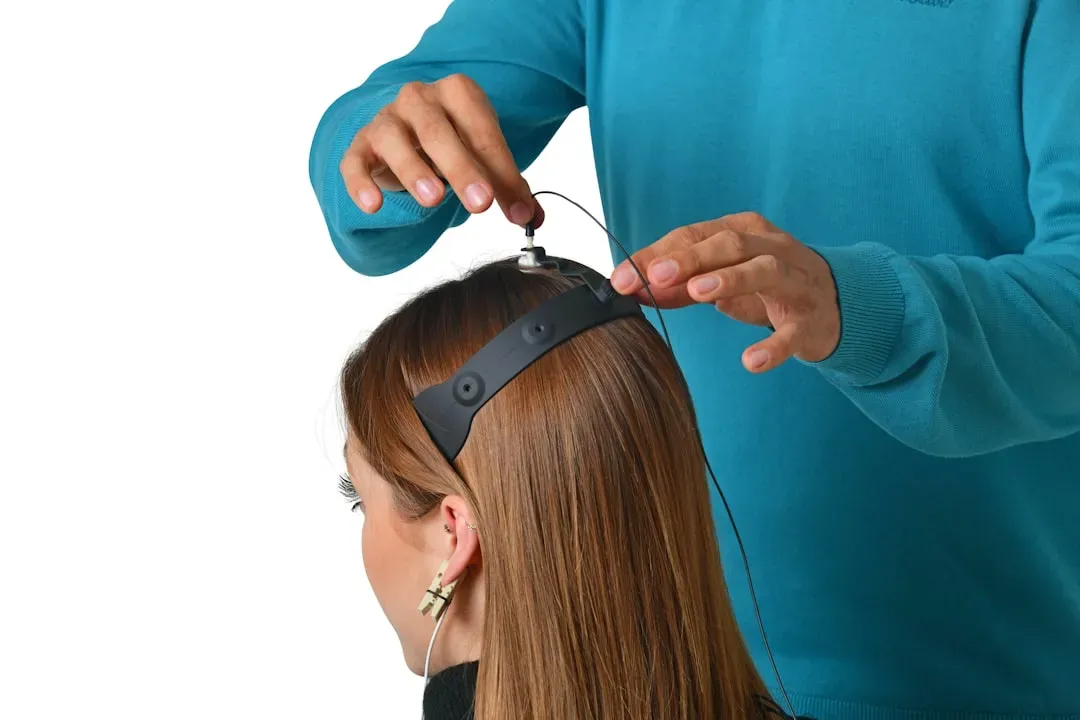
I know it sounds like something from a science fiction film, but the answer is – kind of, yes. Neuroscientists at Northwestern University have shown that dreams can actually be nudged in specific directions, and those dream tweaks may boost creativity. By playing subtle sound cues during REM sleep, researchers prompted people to dream about unsolved brain teasers they had struggled with earlier.
Scientists used a technique called targeted memory reactivation. While participants slept, researchers played specific sounds linked to earlier attempts at solving puzzles. These sounds were intended to remind the brain of unfinished problems and prompt related dream content. The sounds were delivered only after brain activity confirmed that participants were fully asleep.
As a result, three quarters of participants reported dreams that included elements or ideas related to the unsolved puzzles. Puzzles that appeared in dreams were solved at a much higher rate than those that did not. Participants solved roughly four in ten of the dream-related puzzles compared to fewer than two in ten of the others. That is a staggering difference produced simply by steering someone’s dream.
The researchers say the next step is to apply these methods of targeted memory reactivation and interactive dreaming to study other proposed functions of dreaming, such as emotional regulation and generalized learning. The implications for education, therapy, and even creative work are genuinely exciting to think about.
The Evolutionary Case for Dreaming
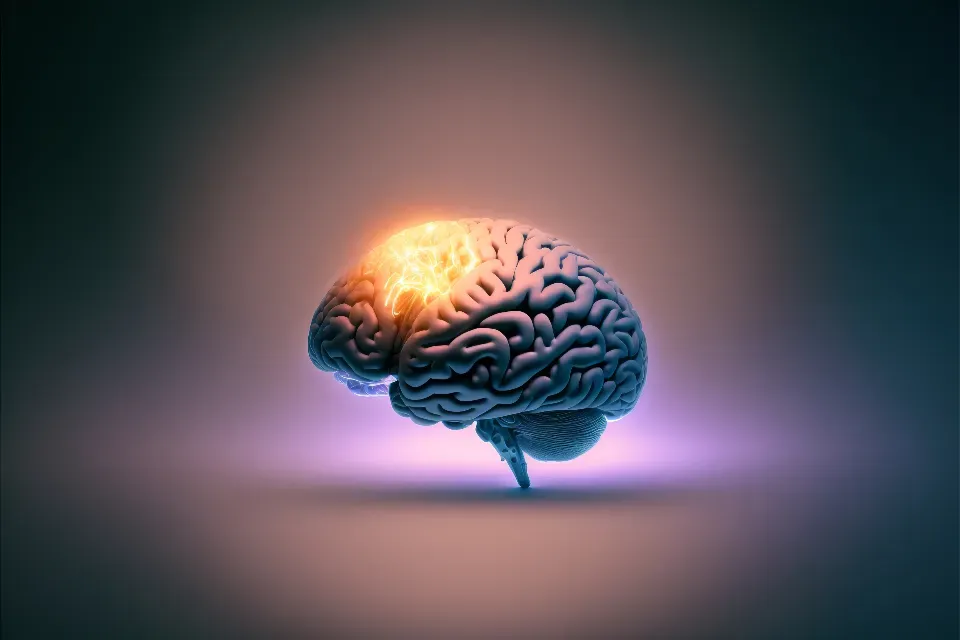
Why would evolution bother preserving something as seemingly impractical as dreaming? You are unconscious, vulnerable to predators, and producing nothing tangible. It would make no evolutionary sense – unless dreams were doing something seriously useful. Given the vast documentation of realistic aspects to human dreaming as well as indirect experimental evidence that other mammals such as cats also dream, evolutionary psychologists have theorized that dreaming really does serve a purpose. In particular, the “threat simulation theory” suggests that dreaming should be seen as an ancient biological defense mechanism that provided an evolutionary advantage because of its capacity to repeatedly simulate potential threatening events.
An updated view extends threat simulation into our social lives through what is called the social simulation theory. Dreams frequently rehearse social interactions, not just dangers. Content analyses show that dreams are rich in social scenarios, consistent with the prediction that dreaming helps maintain or refine social cognition and bonding. In short, your brain has been running social simulations during sleep long before video games existed.
Dreams help the brain explore weak associations across the memory network, enhancing the flexibility and integration of knowledge. Dreams, particularly in REM sleep, are marked by reduced norepinephrine and increased activation in associative cortices, creating optimal conditions for novel combinations and insight formation.
Some researchers suggest that dream sleep exists, at least in part, to prevent other senses from taking over the brain’s visual cortex when it goes unused at night. Dreams, in this view, are the counterbalance against too much flexibility. So your nightly cinema may literally be keeping your brain wired correctly. Remarkable, right?
Dreams, Your Mood, and the Working Day Ahead

You might never have connected a strange dream with showing up to work in a weirdly upbeat mood. Yet there is compelling research that says the two are more linked than you would guess. New research from the University of Notre Dame shows that when dreams are first recalled, people often draw connections between their dreams and waking lives, and the connections they draw alter how they think, feel, and act at work.
Studies show that on any given morning, roughly four in ten of the working population recalls their dreams. That is nearly half the workforce arriving at their desks carrying a mental experience fresh from the night before – and most of them never even think to connect the two. The emotional tone of that dream matters more than people realize.
The most vivid dreams – those most likely to have meaning and create a sense of wonder – occur during REM sleep. Because REM sleep takes place late in a given sleep cycle, getting sufficient, high-quality sleep will help you get the most out of your dreams. Skimping on sleep does not just leave you tired. It robs you of the richest part of the dream cycle entirely.
Research has also found that the more positive your dream report, the more positive your next-day emotional reactivity is compared to the night before. That is a simple but striking finding. Your morning mood may be shaped, at least partially, by the emotional temperature of what your brain did while you slept.
Conclusion: The Dreaming Mind Deserves Your Respect

What started as mystical prophecy and Freudian symbolism has, step by step, become one of the most exciting frontiers in modern neuroscience. Your dreams are not random nonsense. They are not just leftover static from a resting brain. They appear to be doing real, important work – sorting your memories, healing emotional wounds, rehearsing social situations, firing up creativity, and potentially even keeping your brain’s sensory wiring intact through the dark hours of the night.
The science is still evolving rapidly. Innovations in dream research herald a new era in dream science, and with tools like targeted memory reactivation now allowing researchers to steer and study dreams in controlled settings, we are likely only years away from even deeper revelations. The most honest thing we can say right now is that your sleeping mind is far more industrious, purposeful, and sophisticated than you probably ever gave it credit for.
So the next time you wake up shaking from a vivid dream, or laughing at something your sleeping brain invented, maybe do not dismiss it quite so quickly. Your mind was working on something. What do you think your dreams have been trying to tell you? Drop your thoughts in the comments below.