
Walk outside and the world is buzzing with conversations you can’t hear. Birds shouting warnings over rooftops, bees trading directions like tiny air traffic controllers, dolphins naming one another under the waves – all of it happening in a dense fog of meaning that humans are only just starting to penetrate. For most of history we assumed animals were basically running on instinct, stuck with simple signals like fear, hunger, or mating calls.
Now that story is crumbling. With better microphones, underwater recorders, GPS tags, machine learning, and decades of patient observation, researchers are uncovering layers of structure, context, and even something close to “culture” in animal communication. It’s not fantasy, and it’s not a children’s cartoon; it’s careful science that’s painting a far stranger and more exciting picture of life on Earth than anyone expected.
The Surprising Complexity of Animal “Languages”
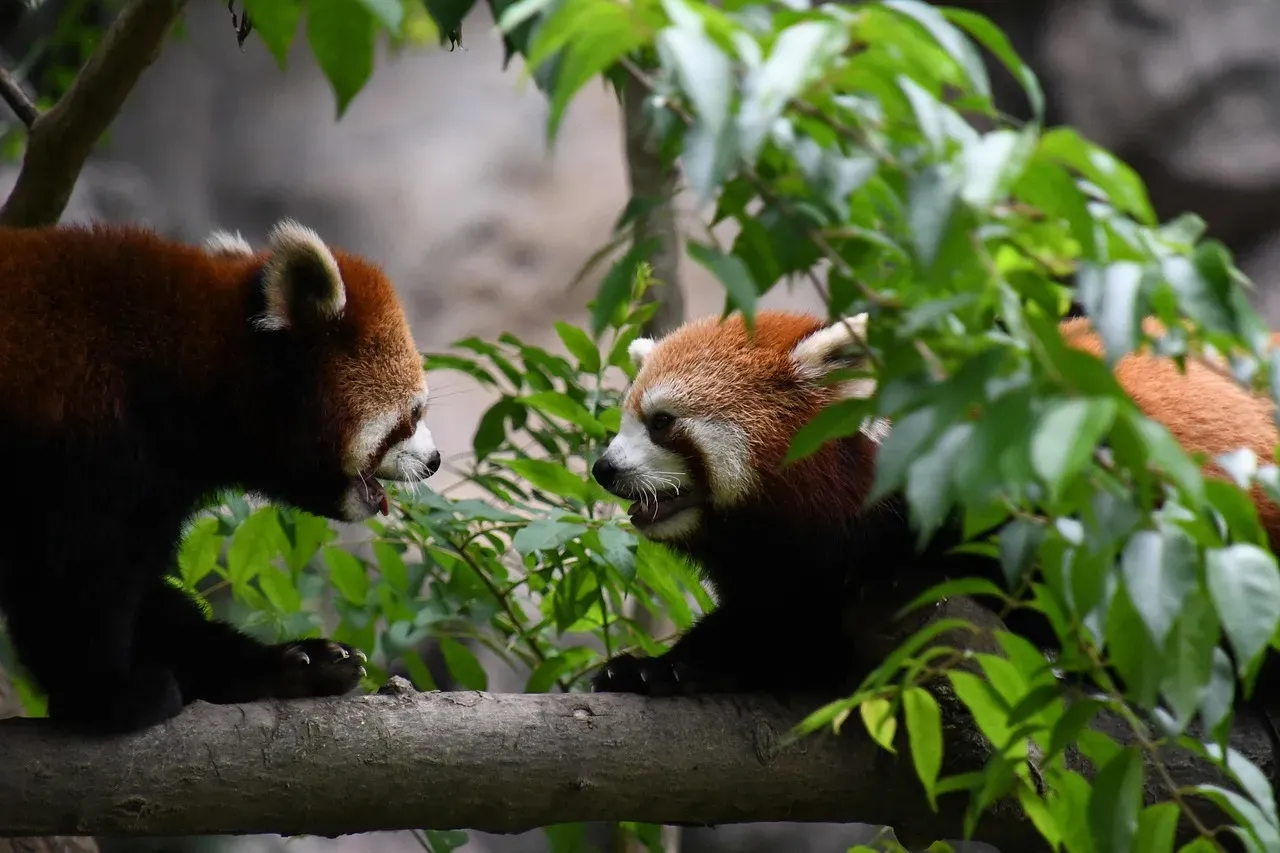
One of the most shocking findings of the last few decades is just how structured many animal communication systems are. Songbirds, whales, and even certain rodents arrange their sounds in repeating patterns that look almost like syntax when you graph them out. Some bird species have regional dialects that shift over decades, in ways that resemble human language change more closely than anyone predicted.
Researchers studying prairie dogs found that their alarm calls can differ depending on the size, shape, and type of predator – almost like little descriptive blurbs shouted across the grasslands. Other studies on bats and mice show vocal learning and individual variation, not just fixed, hard‑wired calls. This doesn’t mean animals are chatting about abstract philosophy, but it does mean their “languages” are far richer and more flexible than the old picture of simple grunts and screams.
Dolphin Names, Whale Dialects, and Ocean Conversations
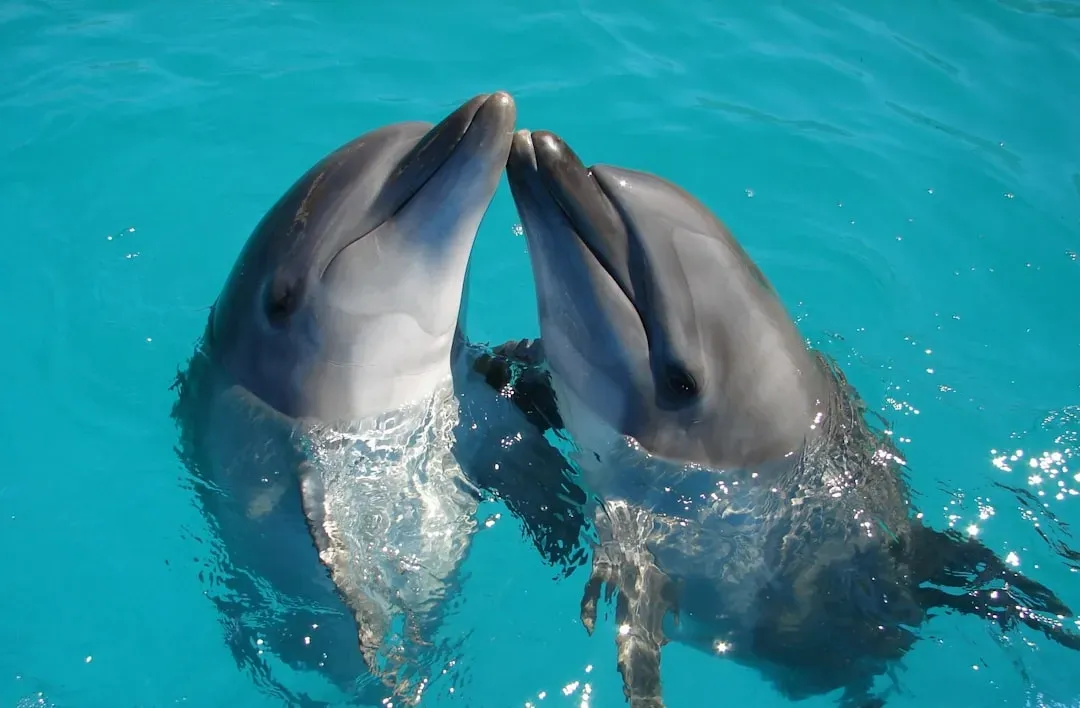
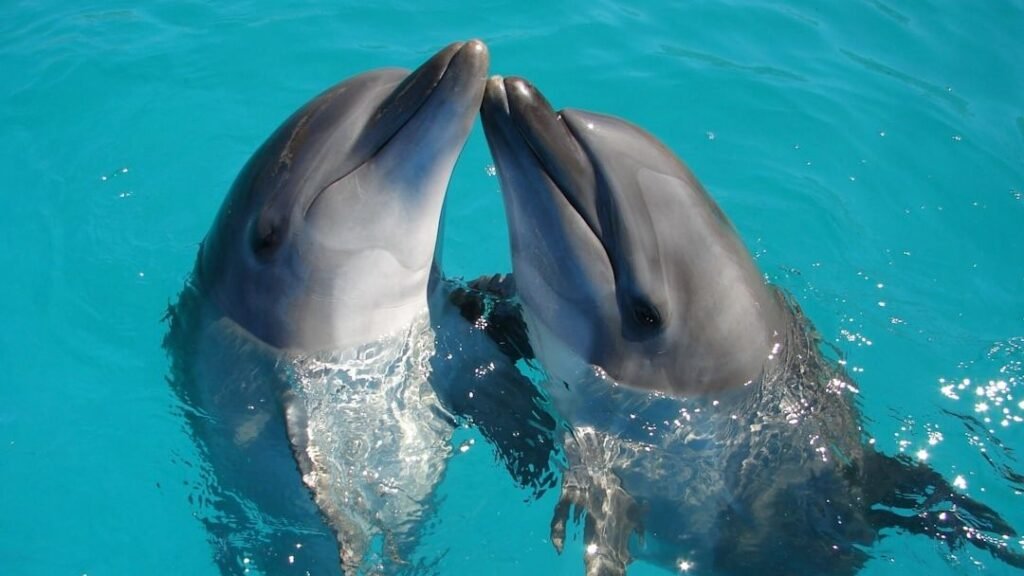
If you want a glimpse of alien communication on Earth, you go to the sea. Bottlenose dolphins use what scientists call “signature whistles” – stable, unique sound patterns that function like personal names. When a dolphin is separated from its group, others will whistle that specific pattern, as if calling it back, and individuals can recognize these whistles even after long separations. It’s relational, it’s learned, and it blurs the line between simple signal and something more like symbolic reference.
Whales take it to another level with their haunting, shifting songs. Humpback whale songs can spread across entire ocean basins as males copy and modify one another, so a new song variant can sweep across populations over a few years like a musical trend. Different whale groups maintain distinct dialects, and calves have to learn the local vocal patterns as they grow. The ocean, in that sense, is full of long‑distance broadcasts, cultural memes, and regional “accents” carried by low‑frequency sound.
Bees, Ants, and the Power of Silent Signals

Not all communication is about sound. Honeybees have long been famous for their waggle dance, a strange figure‑eight shimmy that encodes the direction and distance of food sources relative to the sun. In experiments where scientists move hives, food dishes, or even artificial suns, the dances shift in ways that track complex spatial information. In crowded, dark hives, this dance acts like a GPS map drawn with vibrations and motion instead of lines on paper.
Ants, termites, and many other insects rely heavily on chemical cues, especially pheromones, to manage huge colonies. A simple trail laid by one ant becomes a superhighway that thousands follow, and subtle chemical blends can signal alarm, death, or reproductive status. To a human, an ant nest looks chaotic; to an ant, it’s a carefully orchestrated symphony of invisible scents, with each worker responding to a shifting cloud of information that guides the entire colony’s behavior.
Primate Calls, Gestures, and the Roots of Human Speech
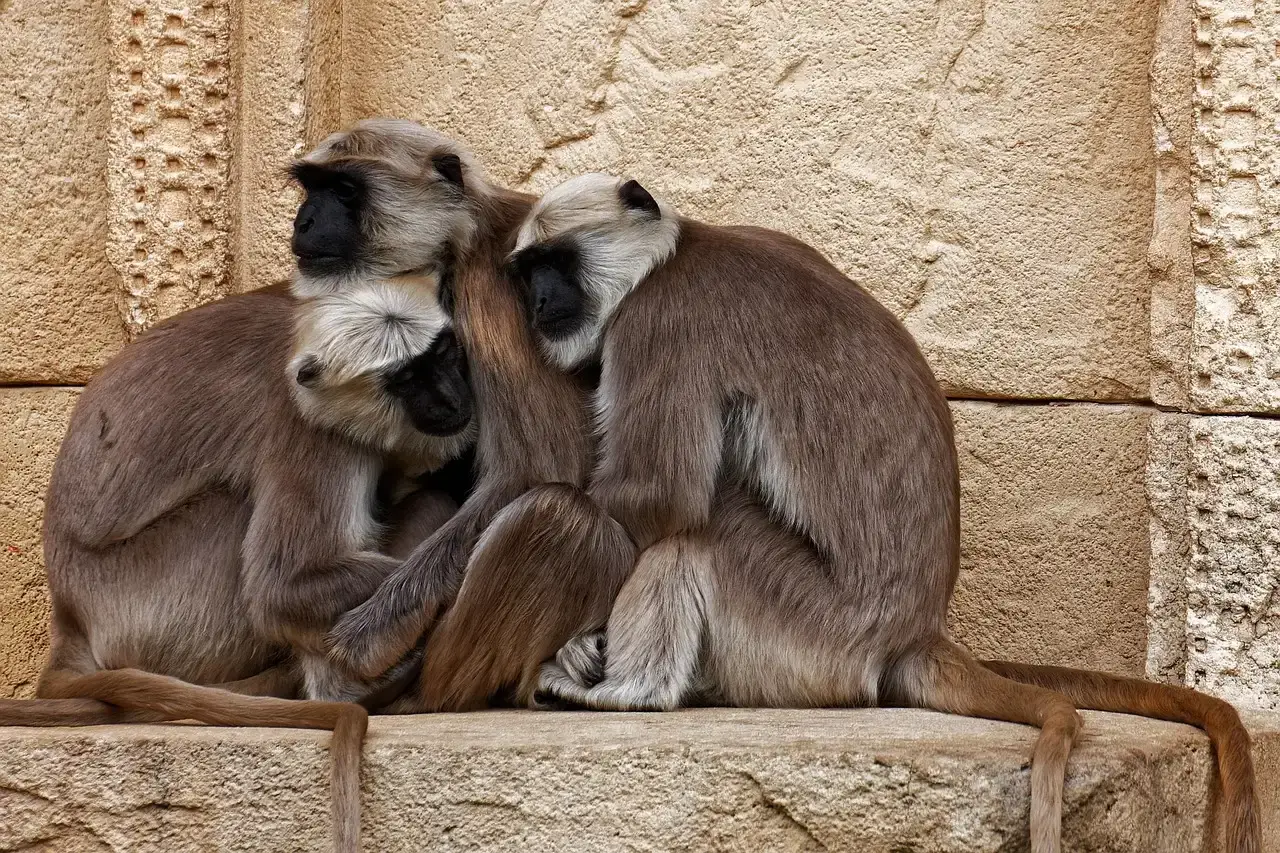
When scientists look for the origins of human language, they often turn to our closest relatives: primates. Chimpanzees and bonobos use a mix of vocalizations, facial expressions, and gestures that vary by context and social group. Some gestures, like reaching out an arm or tapping another individual, seem to be used intentionally to request play, grooming, or cooperation, and apes often repeat or adjust them if the first attempt doesn’t work – a bit like clarifying a point in conversation.
Studies on monkeys have revealed something even more structured. Vervet monkeys use different alarm calls for eagles, leopards, and snakes, and group members respond with specific escape behaviors depending on which call they hear. Experiments show that juveniles need experience to use the calls correctly, suggesting a learned component. This kind of category‑specific signaling, combined with flexible gestures and social learning, offers a glimpse of how layered communication might have gradually evolved into our own speech.
AI, Big Data, and the New Decoders of the Wild
The real breakout in the last few years is the use of artificial intelligence to sift through enormous datasets of animal sounds and signals. Instead of a person listening to thousands of recordings by hand, machine learning models can scan months of continuous audio, detect patterns, and cluster similar calls in ways that would have been impossible before. Some teams are even adapting techniques from human speech recognition and large language models to try to uncover structure and context in animal vocalizations.
Long‑term acoustic monitoring stations in forests, oceans, and grasslands are now feeding these systems with a constant stream of data. This has led to surprising discoveries, like rare species calling in areas where nobody realized they were still present, or subtle seasonal changes in vocal behavior tied to climate shifts. AI isn’t magically “talking” to animals, but it is acting as a kind of hearing aid for the planet, revealing hidden choruses and complex patterns that our unaided senses would completely miss.
Are We Any Closer to Talking With Animals?
The obvious question is whether all this progress means we’ll someday chat with a dolphin like a character in a movie. Realistically, that’s not where the science is pointing right now. What researchers are doing is more like decoding a foreign system with its own rules, shaped by very different bodies, environments, and evolutionary pressures. Even if we map out correlations – this call for that predator, this whistle for that individual – it doesn’t mean animals “think” in words the way humans do.
Still, experimental work is pushing the boundary. Some projects use interactive playback, where researchers play specific calls or visual patterns and measure how animals respond, almost like running a conversation through a narrow keyhole. Others are trying limited two‑way interfaces, such as teaching animals to press symbols or use touchscreens that trigger certain sounds or rewards. It’s more about building shared codes in a tiny overlapping space than fully entering their native languages, but each step forces us to rethink how alone we really are in the world of minds.
Ethical Questions: Eavesdropping on Other Minds
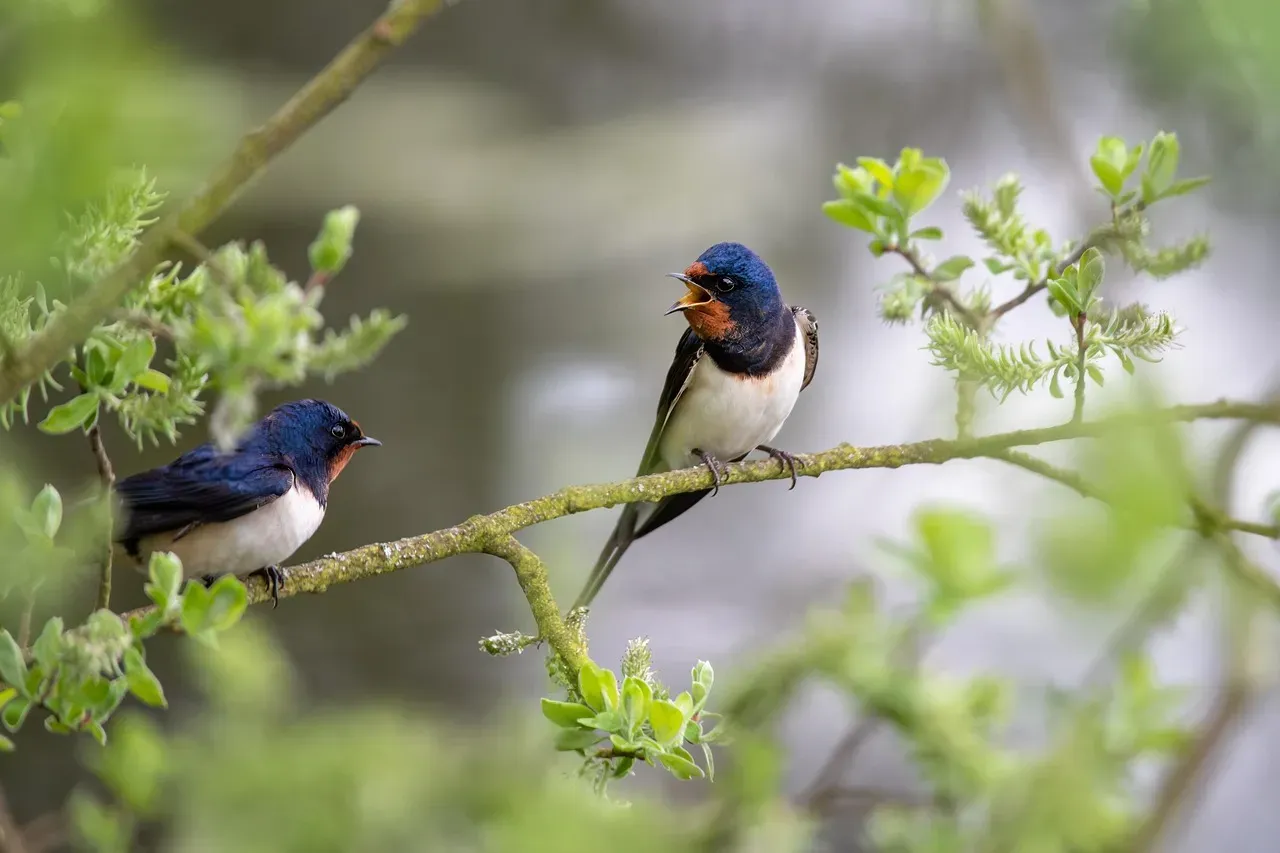
As we get better at decoding and even influencing animal communication, an uncomfortable question lurks in the background: just because we can, should we? Understanding alarm calls, mating songs, or social signals can be hugely helpful for conservation, but it can also be misused. For example, the same playback systems that attract whales for research could be abused to lure them toward boats, or drones blasting predator sounds could harass wildlife under the guise of “testing.”
There’s also a deeper issue of respect. If animals have communication systems that carry social bonds, personal identity, or local culture, then constantly recording and probing them is more than just data collection; it’s eavesdropping on communities. Some scientists argue that greater insight into animal minds should push us toward stronger protections and less intrusive methods. Others worry that hyping “animal languages” could backfire if claims outpace evidence. Navigating these questions will shape not only the future of this research, but also how we see our place among other species.
What Animal Communication Is Really Teaching Us
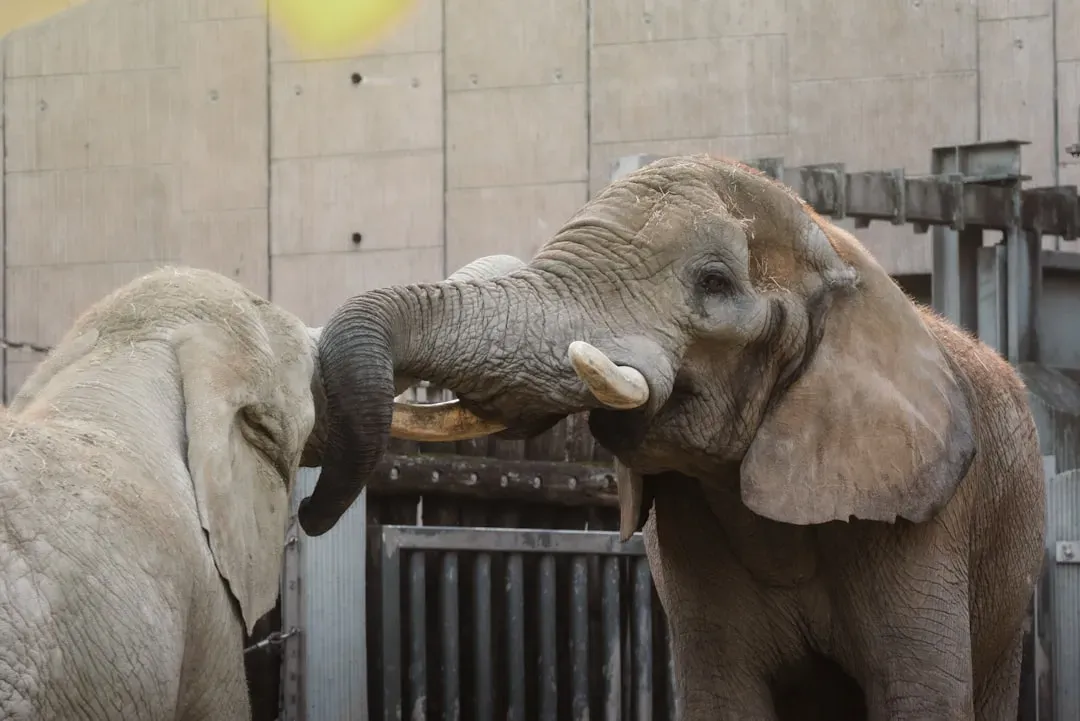
In the end, decoding animal communication isn’t just about them; it’s also about us. Every time a study shows a more flexible, structured, or learned system than we expected, it chips away at the idea that language, culture, and complex minds are uniquely human. At the same time, the differences are just as revealing: a bee’s dance, a whale’s song, or an ant’s chemical code are so deeply tied to their bodies and worlds that they remind us how narrow our own perspective can be.
Maybe the most important shift is simple humility. The planet has been humming with meaning for hundreds of millions of years, long before we showed up with microphones and notebooks. We’re only now learning to tune in, and the more we listen, the stranger and richer it all becomes. When you step outside and hear a bird call or notice a line of ants on the sidewalk, it’s fair to wonder: how much of that conversation have we really just started to hear at all?