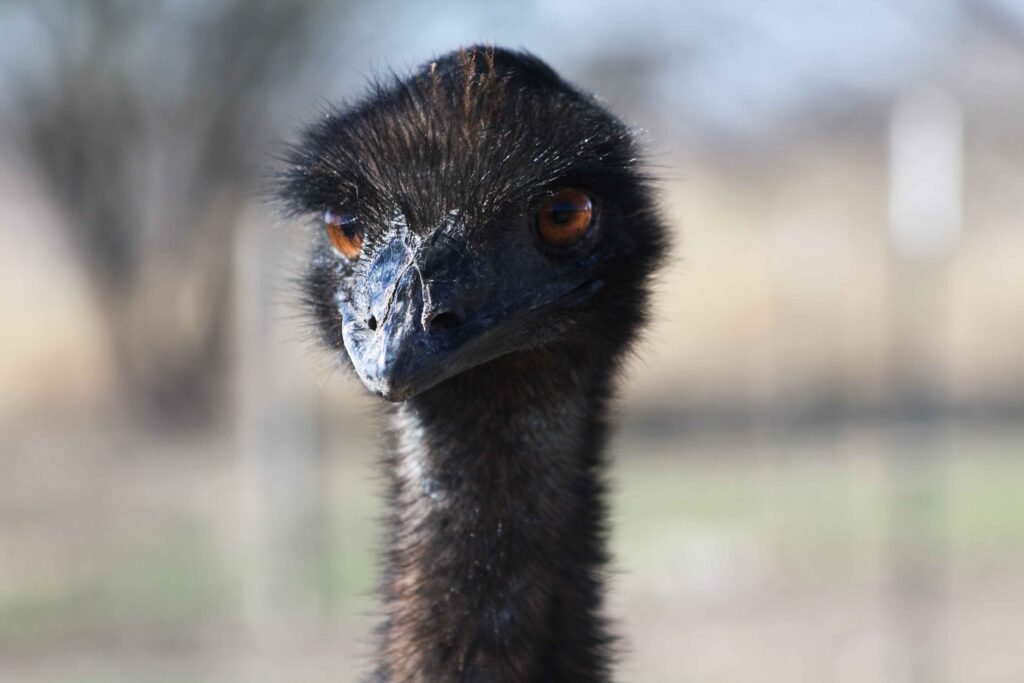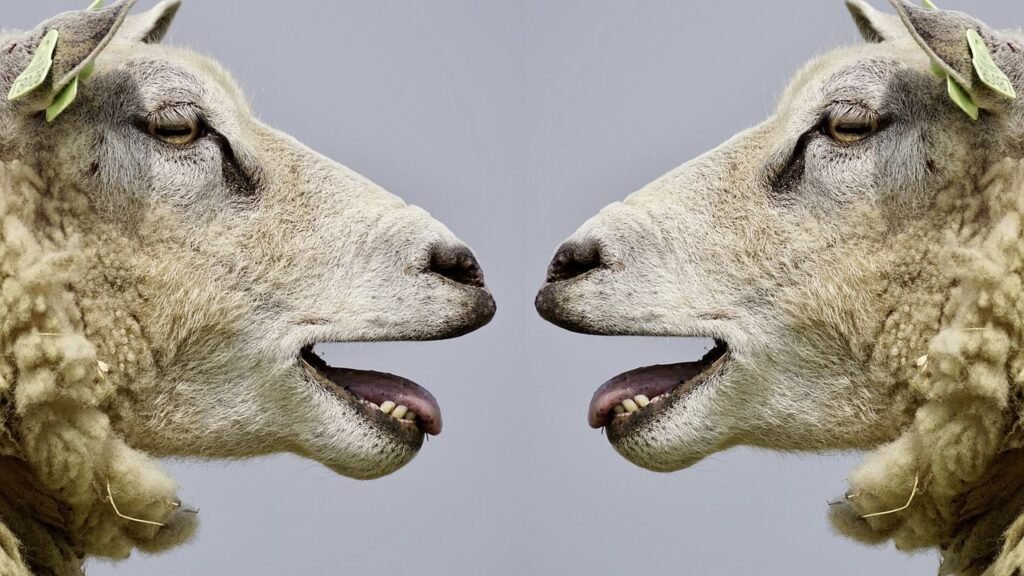

Walk outside and the world is buzzing with conversations you can’t quite hear. Birds argue over branches, dogs gossip through fences, ants lay invisible highways, and whales sing through dark oceans. Most of us grew up thinking humans had language and animals just made noise, but modern science has quietly been proving that idea wrong.
In the last few decades, researchers have started to crack open animal communication like a coded message. They’ve found warning calls that change depending on the predator, songs that function like names, gestures that mean “follow me,” and even patterns that look suspiciously like grammar. Once you see it, it’s hard to walk past a barking dog or a chattering crow without wondering: what exactly are they saying about you?
Are Animals Really “Talking” Or Just Making Noise?
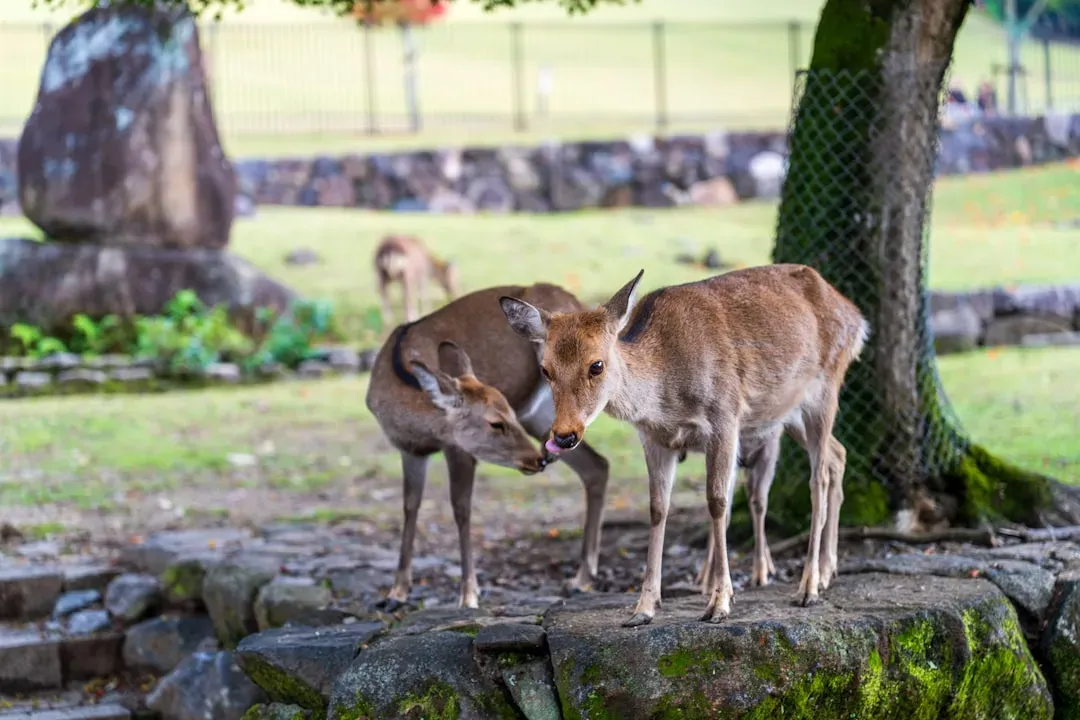
Here’s a slightly uncomfortable thought: to many animals, we probably sound like background static too. For a long time, scientists called animal signals “instinctive” and human language “unique,” like there was a clear line between meaningless sound and real conversation. That line has been getting blurrier every year. When a prairie dog gives one type of bark for a hawk and a different one for a human wearing blue, is that just noise, or is that a kind of sentence?
Researchers now usually talk about a spectrum rather than a sharp divide. On one end you’ve got relatively simple signals, like a single alarm call meaning “danger.” On the other, you’ve got multilayered systems with context, combinations, and social rules, like in dolphins or primates. Human language still has features no animal system has matched so far, but it turns out plenty of animals are not just reacting; they’re sending messages with intention, memory, and sometimes creativity.
Alarm Calls: The Secret Emergency Codes
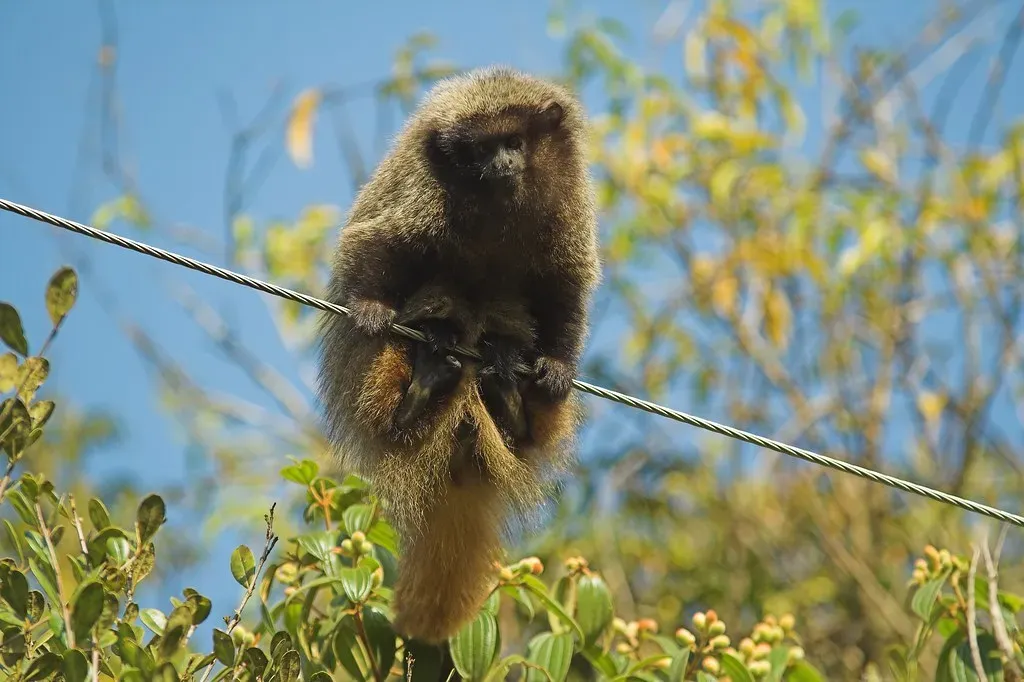
One of the clearest windows into animal “speech” comes from alarm calls. Meerkats, vervet monkeys, prairie dogs, and several bird species don’t just yell “danger!”; they specify the type of danger. Vervet monkeys, for example, use different calls for eagles, leopards, and snakes, and each call triggers a different survival reaction: look up, run into bushes, stand and scan the ground. That’s not random panic; that’s information.
Even more stunning, some animals seem to pack extra details into those calls. Prairie dog calls can vary depending on the size, shape, and even clothing of a human approaching their colony. Think of it like your neighborhood group chat sending out “stranger alert: tall person, red jacket, walking a dog.” To the untrained ear it’s just chirping, but to them, it’s a fast, high-stakes description system that can mean life or death in a few seconds.
Body Language, Gestures, And The Silent Conversations
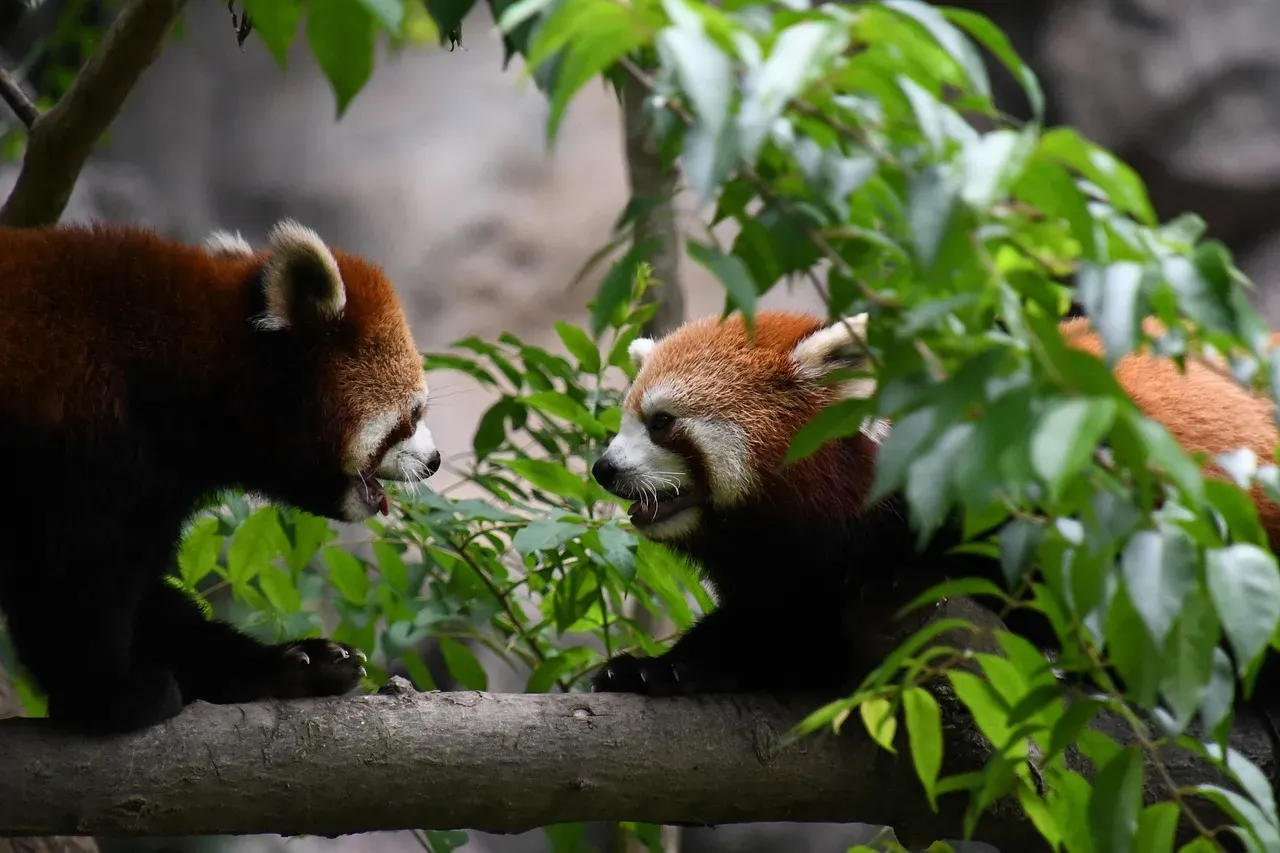
Not all animal messages are vocal. In fact, some of the richest “conversations” happen without a single sound. Wolves and dogs use ear position, tail angle, posture, and facial expressions to negotiate peace, push rank, ask for play, or gently say “back off.” A relaxed yawn can signal calm, a slow blink can be a peace offering, and a stiff body can be a clear warning. Once you start watching body language, you realize there’s almost a constant stream of messages flying around a dog park.
Primates push this even further. Young chimpanzees and bonobos use deliberate gestures like reaching, stomping, and specific arm movements to ask for grooming, invite play, or signal “follow me.” Some of these gestures are shared across different groups, suggesting they’re part of a shared “gesture vocabulary,” while others seem locally learned. It’s a bit like dialects in sign language, developed through social life and practice, not just hardwired instinct.
Birdsong, Whale Songs, And The Music Of Meaning
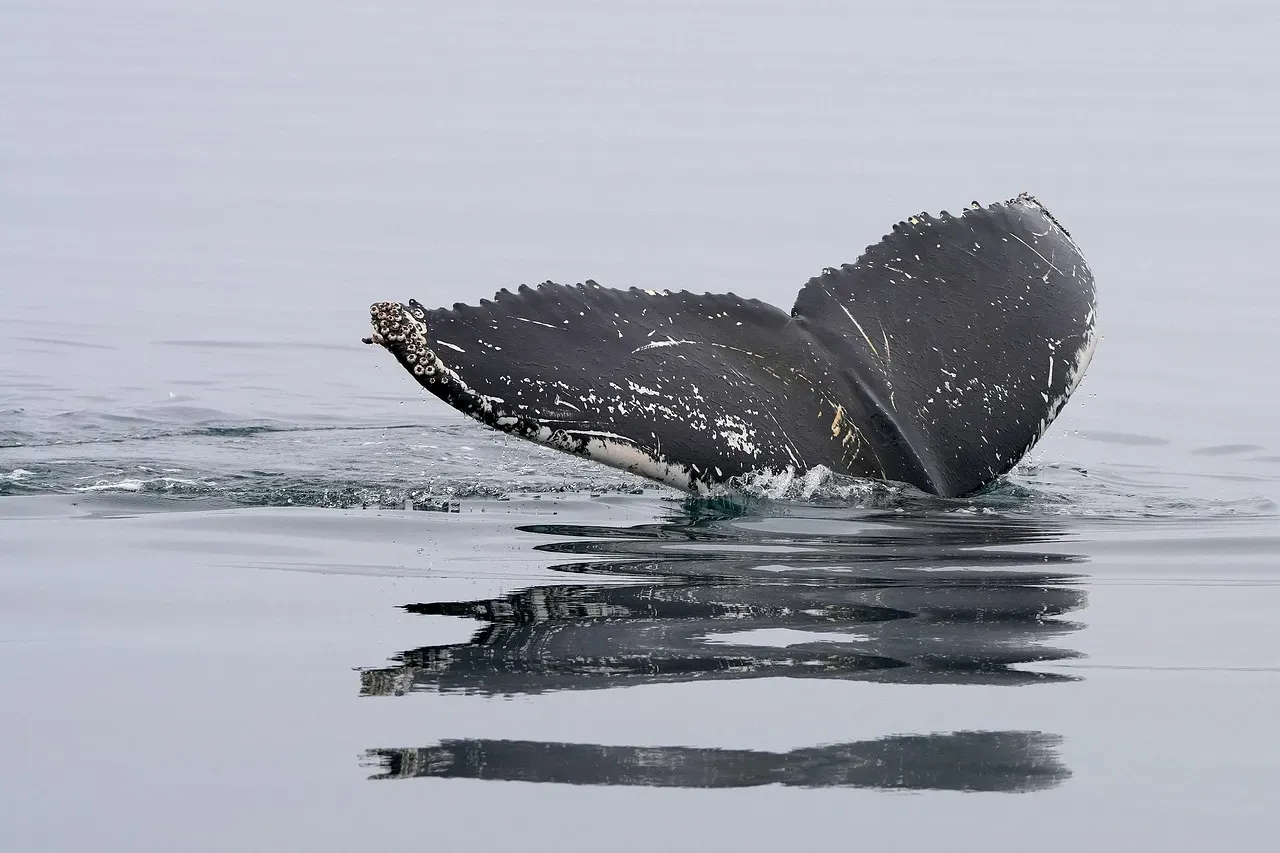
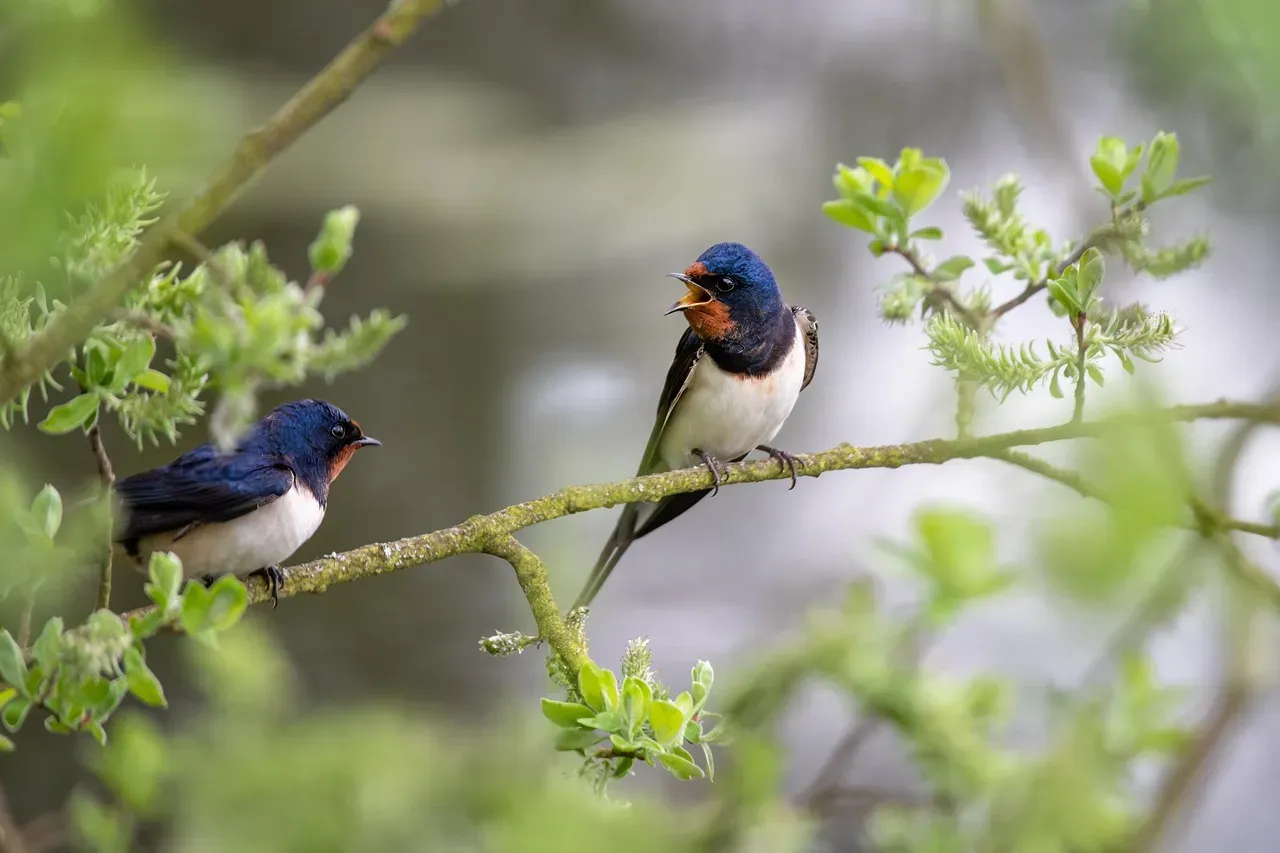
Birdsong might sound like background music in the morning, but it’s closer to a complex radio station than a simple ringtone. Many songbirds learn their songs from adults, refine them over time, and even improvise small variations. The same species can have regional “dialects,” and some individuals weave their own twists, like musicians building on a shared style. Those songs can communicate territorial boundaries, health, species identity, and even individual identity.
In the oceans, whales and dolphins take this to another level. Humpback whales produce long, structured sequences of sounds that change year to year in patterns that spread across populations, almost like hit songs drifting through regions. Dolphins use distinctive signature whistles that function a lot like names, and they can copy another individual’s signal to call to them specifically. What sounds like haunting music to us can be a rich tapestry of who, where, and maybe even how each animal is doing.
Do Pets Really Understand Us – Or Are We Imagining It?
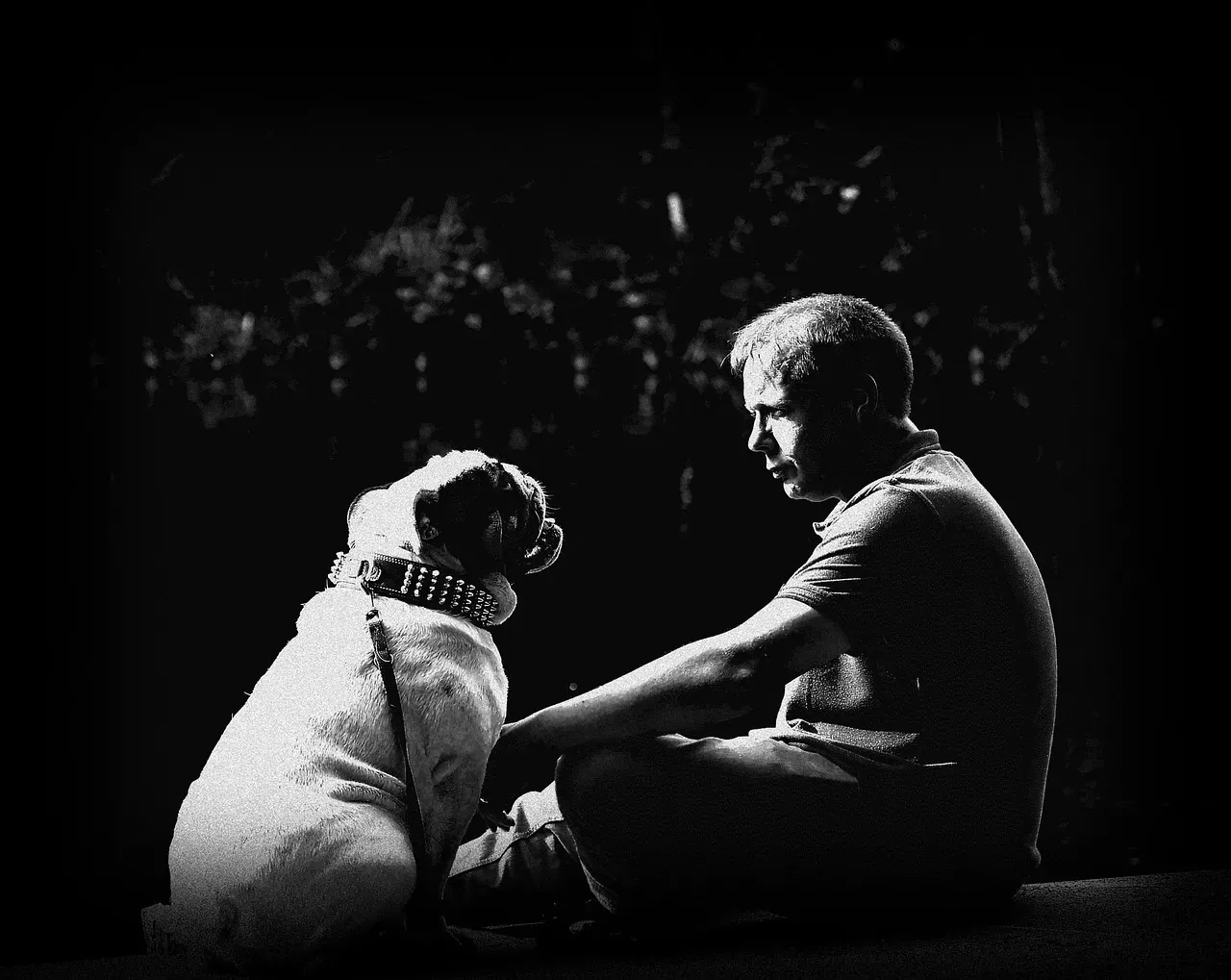
If you’ve ever spelled W-A-L-K so your dog wouldn’t explode with excitement, you already know animals can link sounds to meaning. Dogs can learn dozens, sometimes hundreds, of human words or signals, and they’re surprisingly good at reading our tone of voice and facial expressions. Some border collies have been tested on large vocabularies of object names and can fetch the correct toy even when they’ve never seen it before, just by process of elimination, a kind of basic reasoning.
Cats, notoriously more independent, still recognize their human’s voice and their own name; they just often choose not to respond. More recently, some owners have used sound-button boards where dogs or cats press specific buttons labeled with words like “outside,” “play,” or “food.” While the hype sometimes gets ahead of the science, there are clear cases where animals consistently use certain buttons in contexts that fit the word. Even if they’re not forming sentences the way we do, there’s a real back-and-forth going on, and it’s changing how people think about “intelligent” conversation.
New Tech: AI, Recorders, And The Race To Decode The Wild
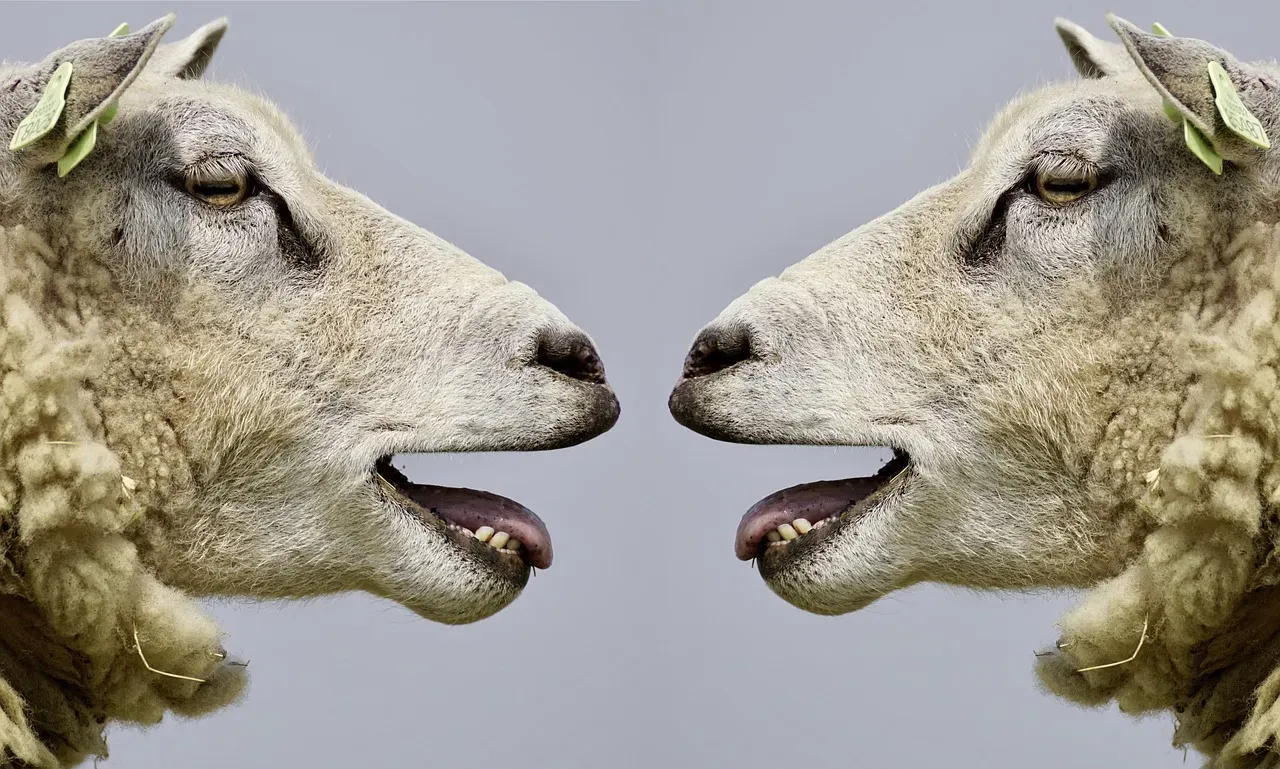
Here’s where things start feeling a bit like science fiction. With cheap recorders, GPS tags, and powerful AI models, researchers can now capture enormous libraries of animal sounds and analyze patterns humans could never spot by ear alone. Algorithms can cluster similar calls, detect subtle variations, and link them to specific behaviors, like a certain sound always happening before a group moves or when a particular predator shows up. It’s like having a translation assistant that doesn’t know the language yet but can see structure in the noise.
Some projects are trying to go a step further: not just listening, but replying. By playing back specific sounds, researchers can test how animals respond and whether certain calls are interchangeable or context-dependent. There’s cautious excitement and also a serious ethical debate here. If we start imitating their messages more precisely, we need to ask what it means to “talk back” to animals who can’t consent to the experiment in the ways humans can. Still, the potential to understand what a stressed whale or a disturbed bird colony is “saying” about human activity could reshape conservation work.
Why Decoding Animal Messages Changes How We Treat Them
Once you accept that animals are not just reacting but actively communicating, it gets a lot harder to see them as background characters in our story. A pig crying out in a slaughterhouse, an orca calling to a calf separated by a fence, or an elephant rumbling through the ground after a family member dies suddenly look less like automatic reflexes and more like emotional messages. That shift in understanding is quietly fueling new discussions in animal welfare, law, and philosophy.
We’re nowhere near having full-blown two-way conversations about politics with crows or dolphins, and it’s important not to romanticize or exaggerate what the science can currently show. But it’s equally important not to underestimate it. The more we learn, the more it looks like many species are running their own invisible group chats right alongside our noisy human world. The question is no longer whether they’re saying something – it’s whether we’re willing to listen.
Maybe the next time your dog stares at you, your cat chirps at the window, or a crow follows you down the street, you’ll pause for half a second and wonder: what do you think they’d say if you could finally answer back?