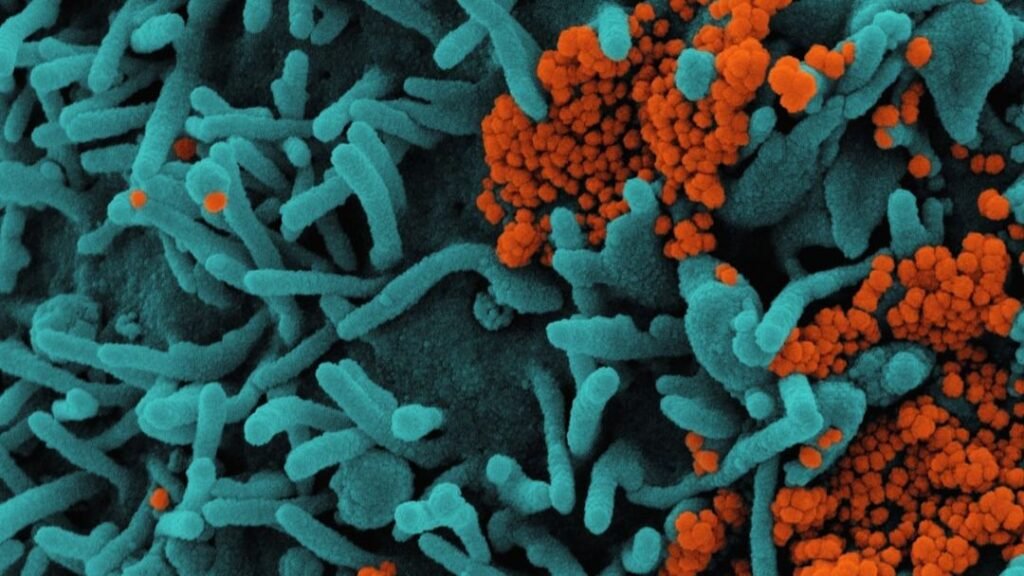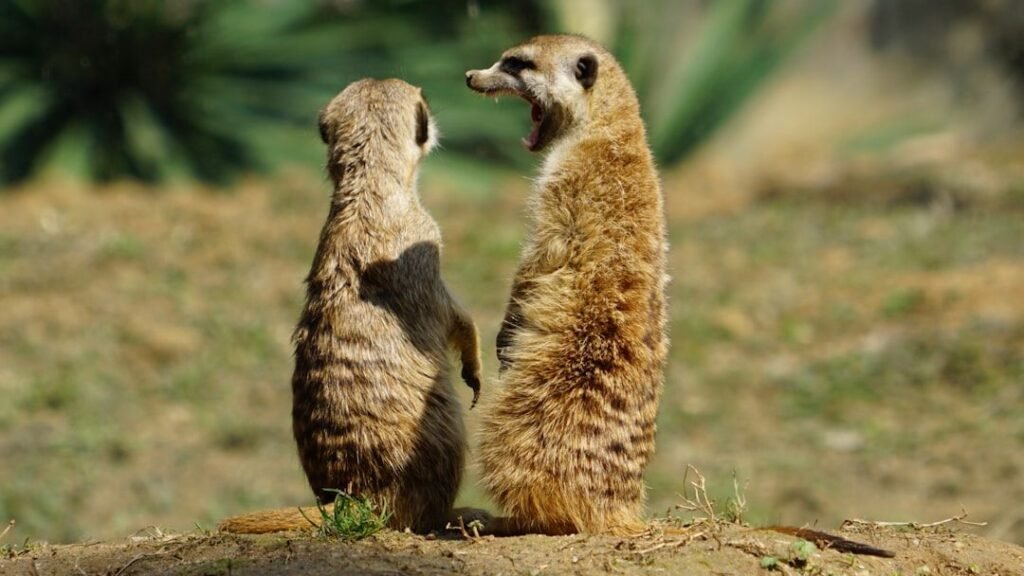

Walk through a forest at dusk or sit quietly with a pet, and you can feel it: there’s a constant, invisible conversation happening all around us. Most of the time we reduce it to noise – a bark, a chirp, a buzz in the background – and move on. But hidden inside those sounds and gestures are warnings, love letters, territorial arguments, and sometimes full‑blown negotiations we barely notice.
I remember the first time I realized my neighbor’s dog had a “delivery driver alarm” that was completely different from his “cat on the fence” bark. Once you start paying attention, you can’t unsee it. The more scientists look, the clearer it becomes that humans are late arrivals to a world that has been talking long before we ever invented words.
The Many Languages Animals Use (And Why Sound Is Just One)
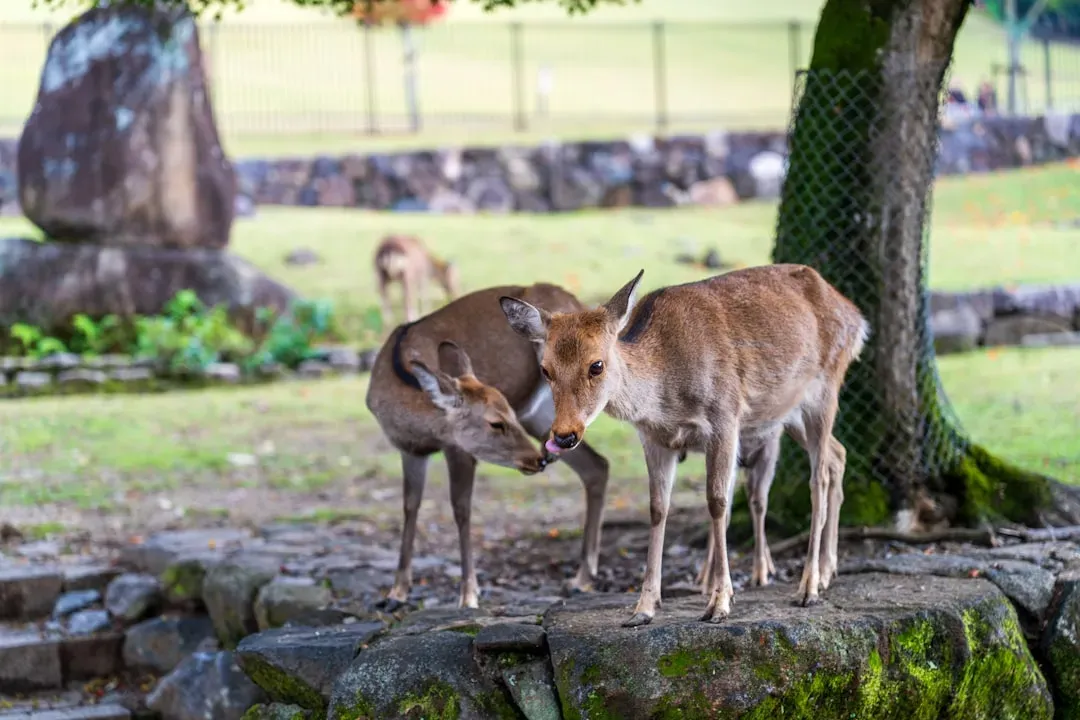
It’s tempting to think of animal communication as mostly sound, because that’s how we humans prefer to talk. But animals use a full toolkit: sound, smell, touch, posture, color, even electricity and vibration. A wolf howling, a cuttlefish shifting colors, an ant leaving a chemical trail, and a spider tapping on a web are all doing the same basic thing – sending information from one brain to another.
Biologists often split these signals into broad categories like alarm, mating, territory, coordination, and social bonding. A single species may rely on different channels depending on the situation: dolphins whistle and click, but they also touch fins and use body postures; bees dance and release scents. Once you zoom out, “animal language” stops looking like a poorer version of human speech and starts to resemble a sprawling network of different media, each one tuned to the animal’s body and environment.
Vocal Codes: From Dog Barks to Whale Songs
Some of the most striking decoding work has been done on vocal signals, because they’re easier to record and analyze. Dogs, for instance, don’t just bark randomly; variations in pitch, duration, and rhythm can signal excitement, fear, playfulness, or a perceived threat, and many humans can guess the emotional tone correctly even without owning a dog. Chickens produce distinct alarm calls for aerial predators and ground predators, prompting different escape responses in the flock.
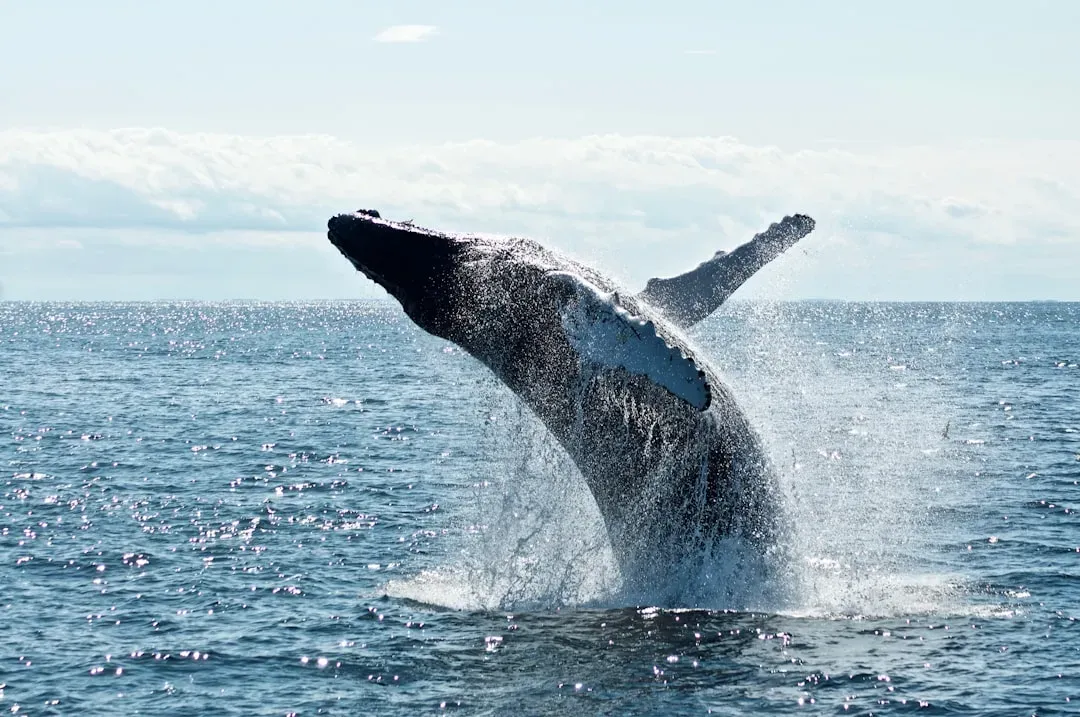
In the oceans, humpback whales sing complex, repeating song structures that can last for hours and slowly evolve over time, like regional hits that spread across populations. Some primates produce call sequences that function a bit like simple sentences, combining sounds for “eagle” and “come here” to convey more specific meaning. These patterns don’t mean animals have grammar like ours, but they do show that vocal signals can be far more nuanced than simple cries of fear or attraction.
Silent Conversations: Body Language, Color, and Dance
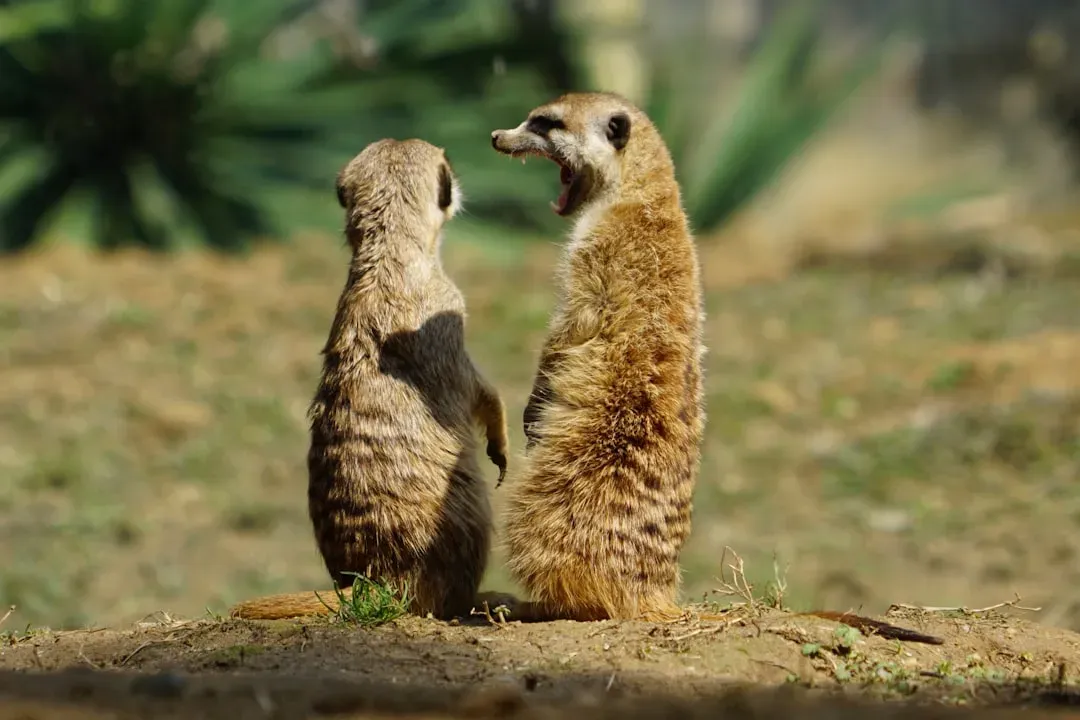
If you’ve ever watched two cats size each other up without a single sound, you’ve seen how powerful body language can be. Ears pinned back, tail puffed out, sideways stance – it’s a whole argument in slow motion. Many animals rely heavily on posture and facial expression because it’s fast, visible, and harder to fake in close‑range interactions. Think of it as their version of bold text and underlining.
Then there are the specialists. Bees perform what’s often called the waggle dance to tell nestmates where to find flowers, encoding distance and direction in the angle and duration of their movement inside a dark hive. Cuttlefish and octopuses shift colors and patterns across their skin to signal aggression, courtship, or camouflage, a bit like carrying a digital billboard on their body. These “silent” messages can be incredibly detailed, yet we miss most of them because we’re so tuned into sound.
Smell, Taste, and Invisible Messages
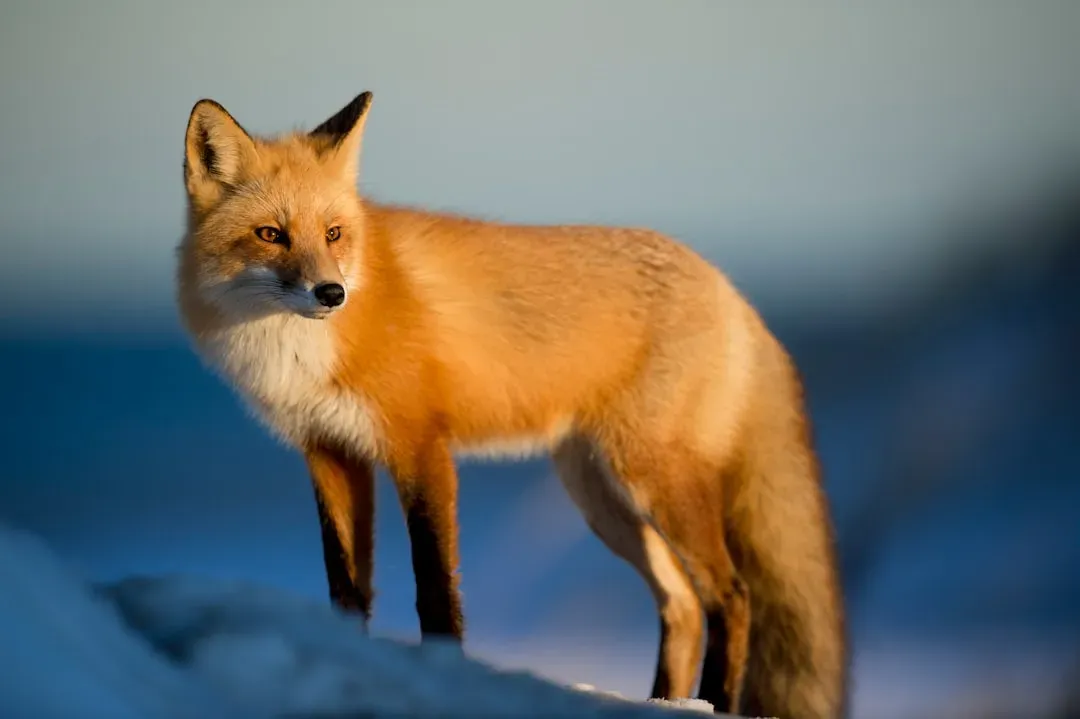
For many species, the most important signals are the ones we rarely notice: chemical messages carried by air, water, or surfaces. Ants lay down pheromone trails to mark paths to food, and other ants read those trails like glowing arrows on the ground. Some mammals leave scent marks that act as personal profiles, announcing sex, reproductive status, and territory boundaries long after they’ve walked away.
Even fish and amphibians use chemical cues to warn others about predators or injuries in the area, something like an invisible group text for nearby animals. These signals can persist far longer than a sound, which makes them handy for animals that move through complex environments like forests or coral reefs. In a way, the air and water around us are filled with unread messages; we just lack the right nose and receptors to log in.
Do Animals Have “Language” – Or Is It Something Else?
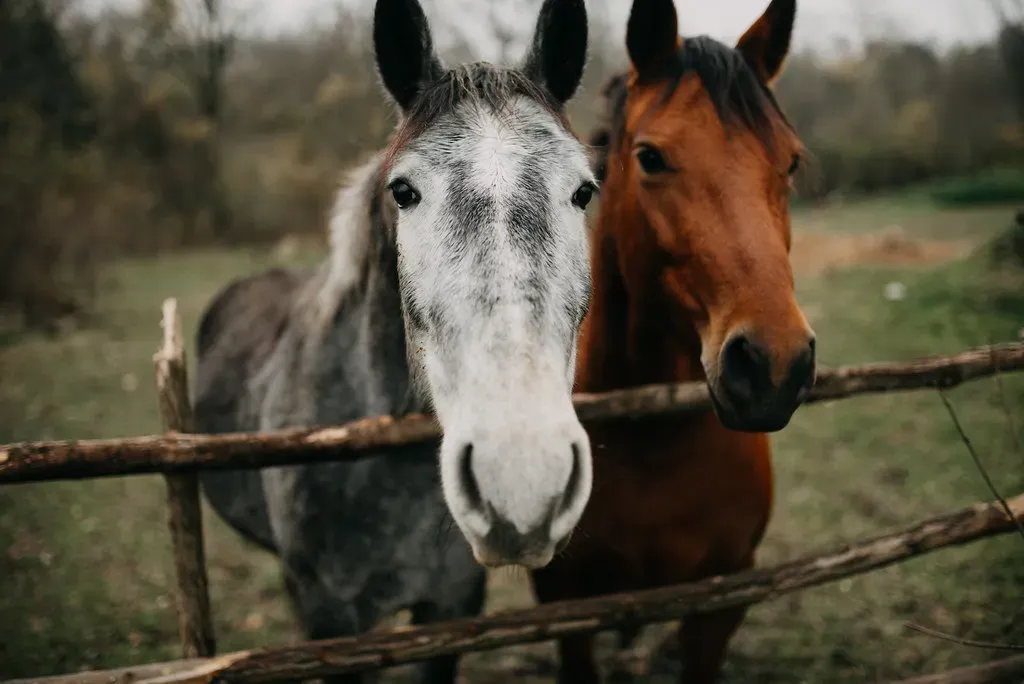
This is where things get controversial. Human language has features like open‑ended vocabulary, grammar, and the ability to talk about things that aren’t happening right now. Most animal communication doesn’t seem to reach that level of flexibility. A vervet monkey can give a specific alarm call for “leopard,” but it doesn’t combine calls creatively to gossip about a leopard it saw last week in another valley.
At the same time, brushing off all animal signals as “instinctive” underestimates just how rich they are. Some birds can learn new songs and modify them over time, and dolphins appear to have signature whistles that function a bit like names. Rather than asking if animals have language in a yes‑or‑no way, many researchers now frame it as a spectrum of communicative complexity, with humans occupying one extreme but not standing completely alone on the map.
Teaching and Translation: From Talking Parrots to AI Decoders
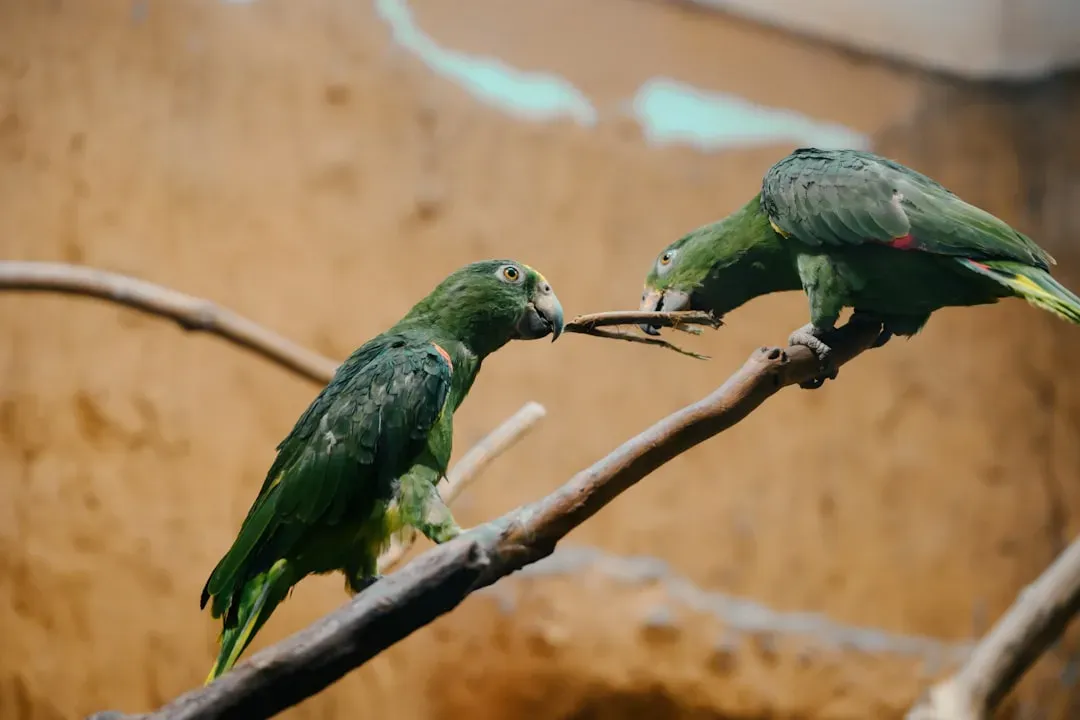
Humans have been trying to cross the communication gap for decades, with mixed and sometimes overhyped results. Parrots and corvids can learn human words and appear to use them in ways that reflect an understanding of categories like color or number, though their “speech” is built on very different brain wiring. Great apes have been taught to use symbol boards and sign systems to request food, play, or attention, raising long debates about whether they truly understand or are cleverly imitating for rewards.
What’s changed recently is the use of powerful computing tools. Machine learning models can sift through thousands of hours of animal recordings, detecting patterns our ears miss and clustering calls that tend to show up in similar situations. Projects focused on whales, elephants, and even insects are beginning to suggest there may be deeper structures and rules in some communication systems. It’s still early days, and there’s a real risk of reading human concepts into animal behavior, but the door to genuine translation efforts has cracked open wider than ever.
Why Understanding Animal Communication Matters for Us
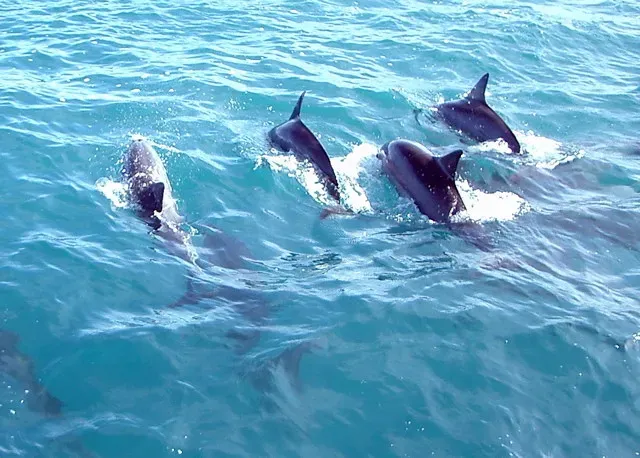
This isn’t just a curiosity project for animal lovers; decoding these signals has real‑world consequences. Knowing what alarm calls sound like can help conservationists measure stress in wild populations without capturing or tagging animals. Ship noise can overlap with whale communication, so understanding their soundscape helps design quieter routes and technologies to reduce deadly disturbances.
On a more personal level, learning to read your own pet’s cues – from a subtle ear twitch to a change in tail position – can prevent bites, reduce anxiety, and deepen the bond in a way that feels almost like learning a new dialect at home. There’s also a humbling moral angle: once you recognize that the world is thick with conversations, it becomes harder to treat other species as mute background characters. Human voices are not the default soundtrack of the planet; we’re just one channel in a crowded, ongoing broadcast.
Listening to a World That Was Never Silent
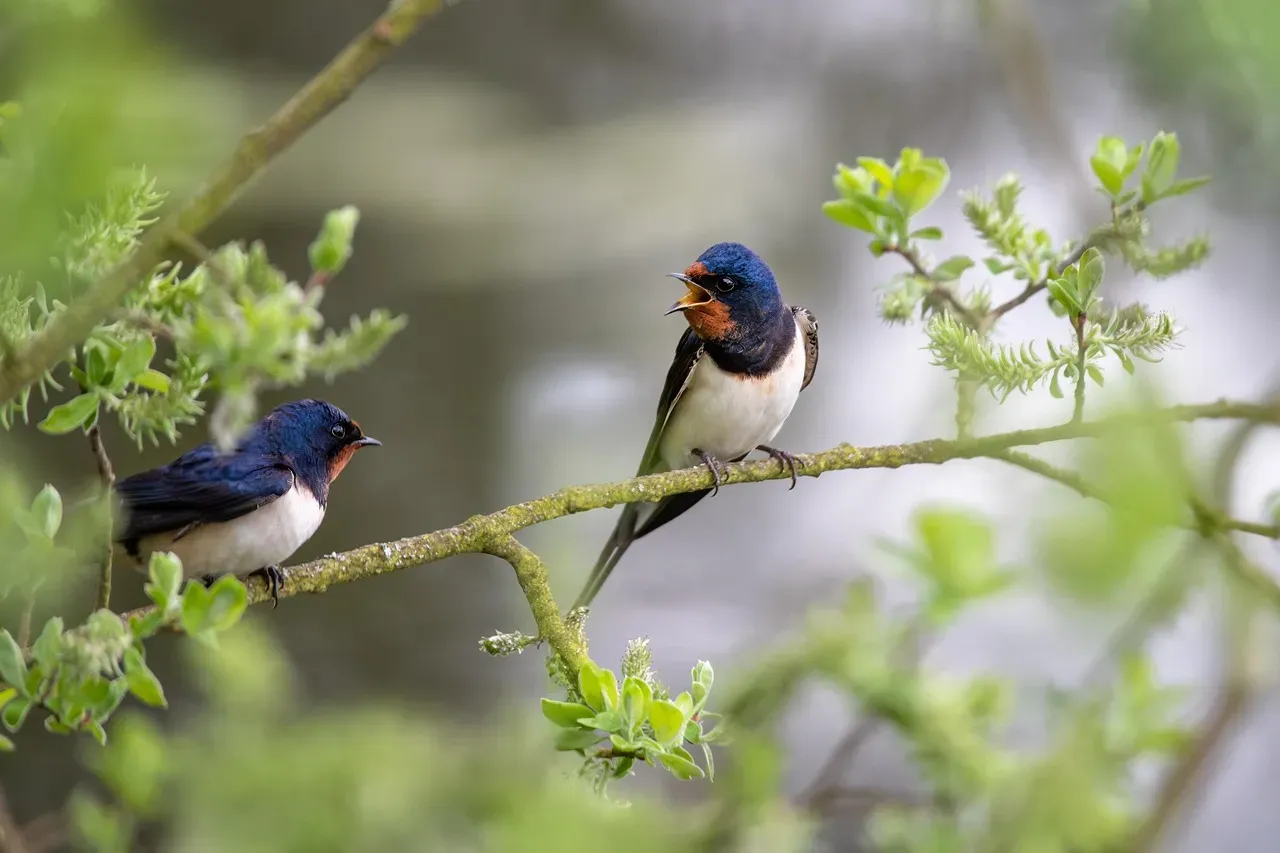
Animal communication turns out to be less like a few simple noises and more like a sprawling, messy, ingenious web of signals, tuned to each species’ body, senses, and environment. From ultrasonic bat calls to shimmering cuttlefish patterns, from chemical trails in the dirt to dances in the dark of a hive, every habitat is saturated with information that we are only beginning to decode.
Paying attention to these hidden languages doesn’t just satisfy our curiosity; it reshapes how we see our place in the living world, not as the only speakers but as late arrivals to an ancient conversation. The next time you hear a crow caw or a dog bark, you might wonder what detailed story is really being told just beyond your understanding. How much of that story do you think we’ll be able to translate in your lifetime?