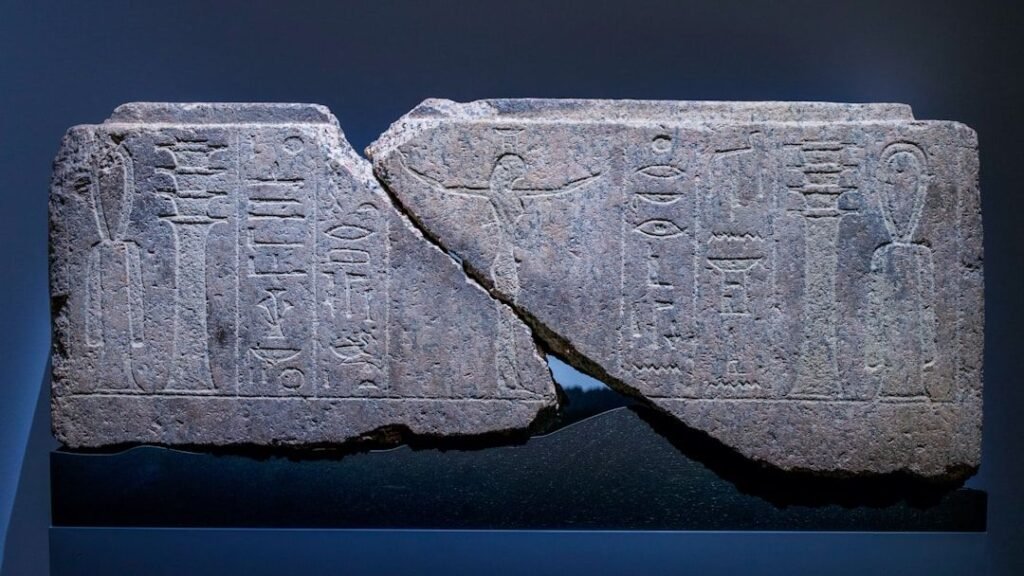

Imagine staring at a wall of symbols, knowing an entire world is trapped inside them: laws, love letters, trade deals, prayers, maybe even jokes. For centuries, that’s exactly what ancient scripts were – visible but silent, like a movie with the sound permanently muted. The people who carved them were long gone, and the languages they spoke were no longer living on anybody’s tongue.
Yet, piece by piece, we’ve learned to make those dead scripts speak again. The story of deciphering ancient languages is part detective thriller, part obsession, and part sheer stubbornness. It’s also surprisingly emotional: every time a script cracks, a lost civilization stops being a myth and turns back into real human beings with fears, dreams, and arguments that sound a lot like ours.
The Rosetta Stone: When One Slab Changed Everything
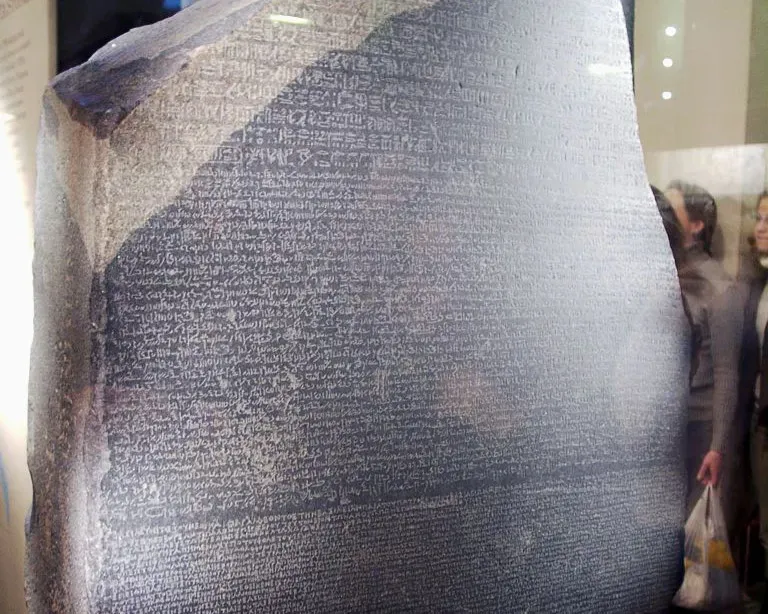
It’s hard to overstate how shocking the discovery of the Rosetta Stone really was. Suddenly, scholars had the same text written three times: in hieroglyphic, Demotic, and ancient Greek. It was like someone had left a bilingual dictionary chiseled in rock, just waiting for the right mind to use it. For Egyptian hieroglyphs, which had been mute for more than a thousand years, this slab became the key that finally fit the lock.
The real breakthrough came when scholars realized hieroglyphs weren’t just pretty pictures standing for ideas; they also represented sounds, like letters in an alphabet. That insight, built on patient comparison with the Greek text, turned scattered symbols into a readable system. Decoding royal names inside cartouches pushed the door wide open, and suddenly entire temple walls, tombs, and statues started talking again about pharaohs, floods, wars, and festivals that had been forgotten.
Cracking Cuneiform: The Script That Covered an Empire
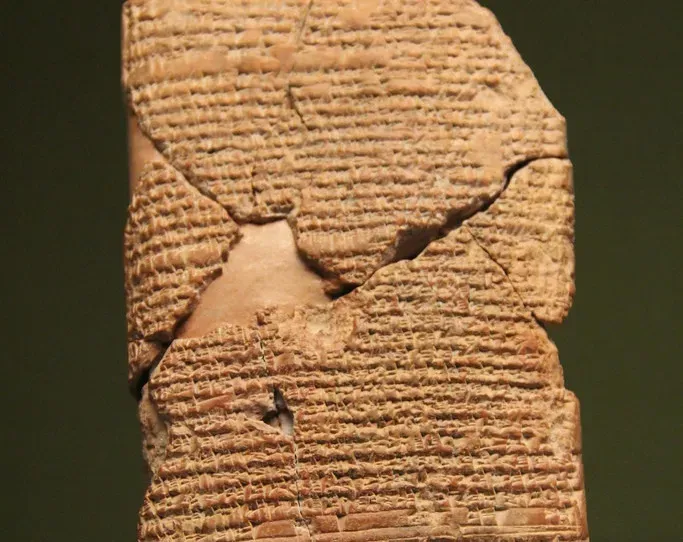
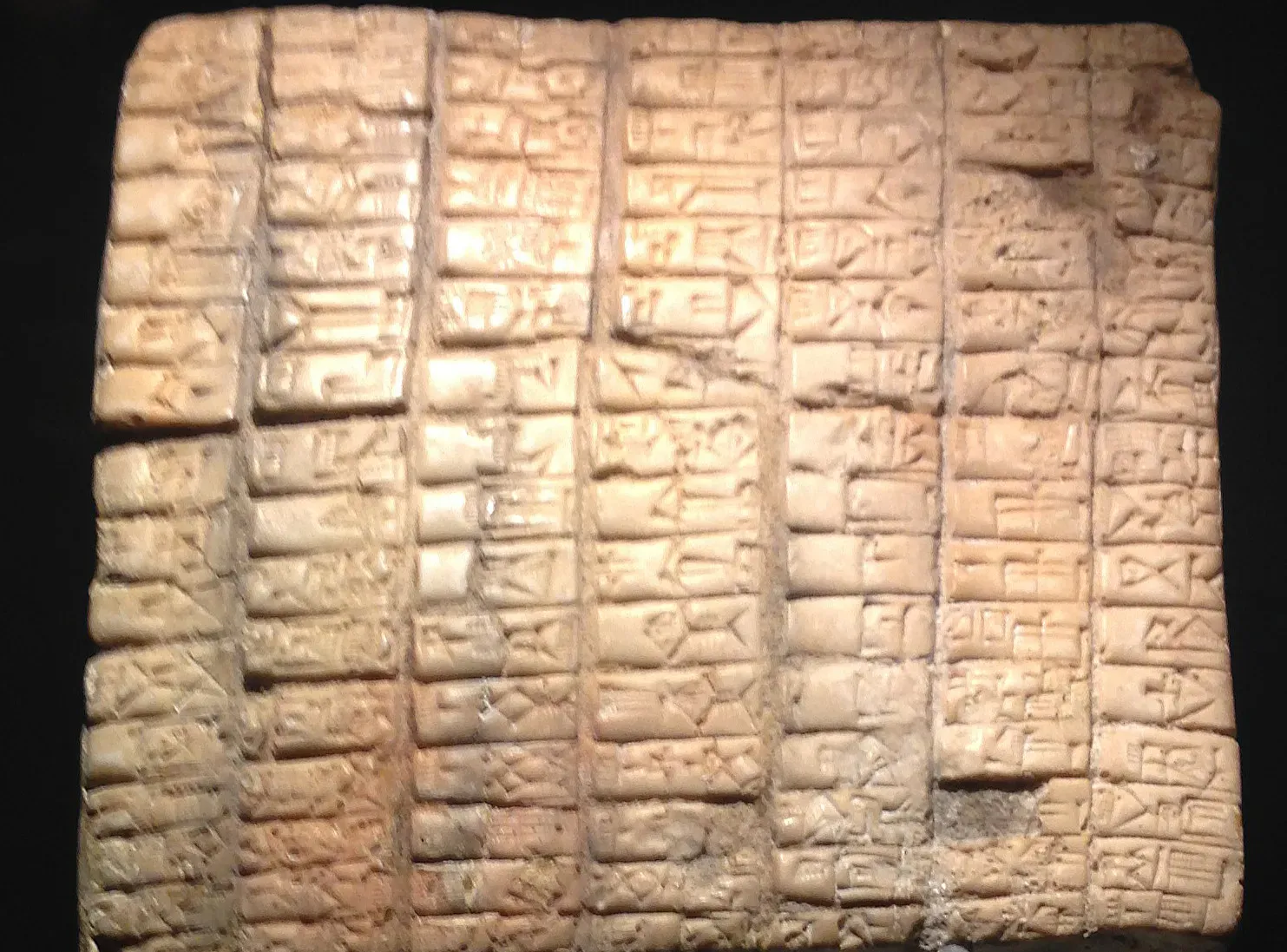
For a long time, cuneiform tablets were treated almost like curiosities – baked clay covered in tiny wedge marks nobody could read. These weren’t rare inscriptions either; archaeologists were pulling thousands of them out of the ground in Mesopotamia. It was like discovering an entire library and realizing every single book is in a code nobody understands. The puzzle became even trickier because cuneiform wasn’t tied to just one language; it was used for several over many centuries.
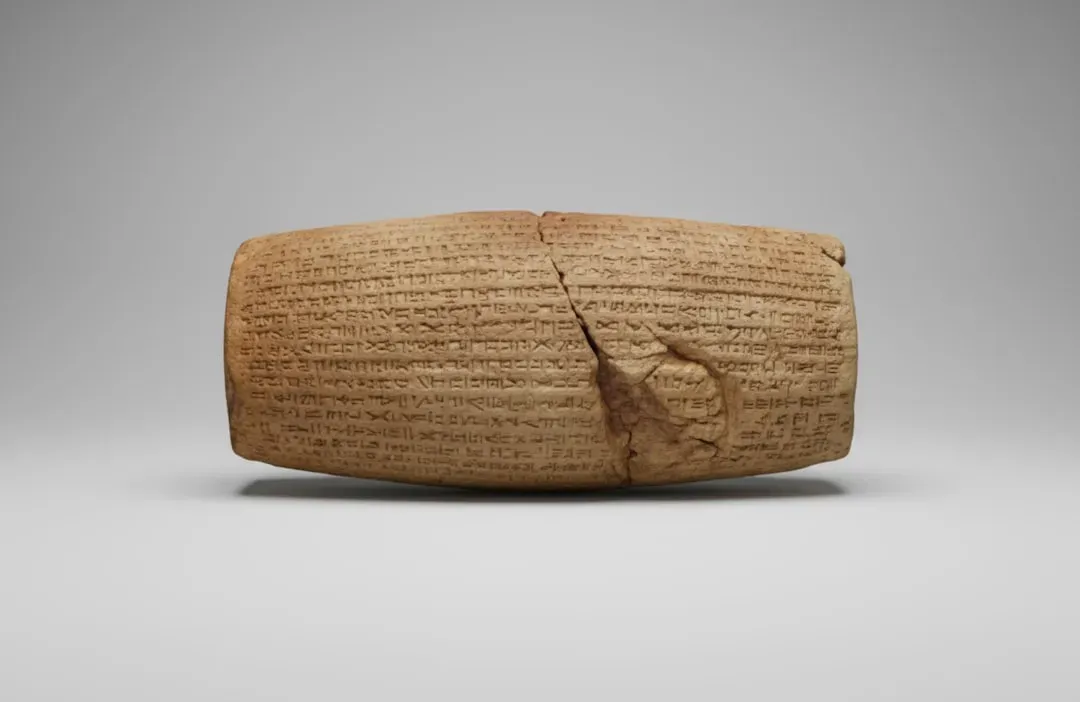
The turning point came when multilingual inscriptions and royal monuments allowed scholars to line up repeated names and phrases, just like with the Rosetta Stone. Step by step, they identified signs, grammar, and vocabulary of languages like Akkadian and Sumerian. When the code finally gave way, the flood was overwhelming: contracts, medical texts, school exercises, myths, even complaints about lazy workers. An ancient bureaucracy, with all its paperwork and petty details, suddenly came back to life.
Linear B: When a Linguist Treated Script Like a Puzzle Game
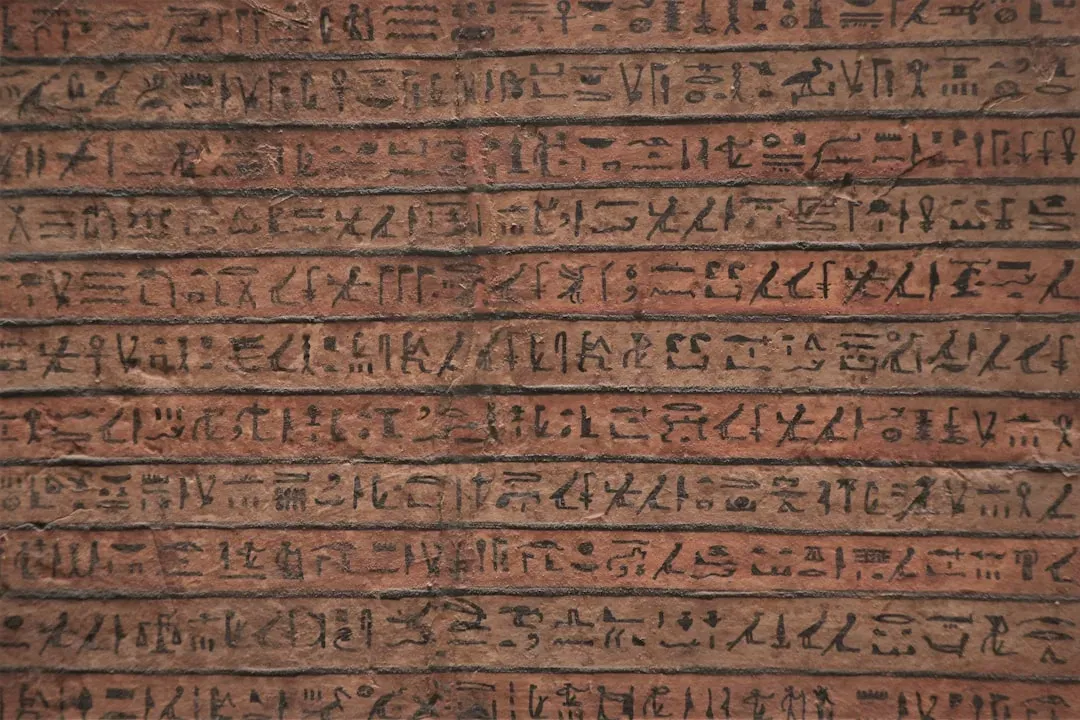
Linear B looked, at first glance, like the writing of a people we barely understood, the mysterious Mycenaeans. For years the script defied attempts to decode it. There was no obvious bilingual text, no Rosetta Stone for the Bronze Age Aegean. To most experts, it seemed natural to assume the underlying language was something completely unknown, maybe even unrelated to Greek. That assumption kept everyone circling the same dead ends.
What changed everything was the approach of an outsider with a puzzle-obsessed brain. By treating the signs like a logical system and analyzing patterns in their combinations, he proposed that Linear B represented an early form of Greek. It was a bold, unpopular claim at first, but the more the system was tested, the more it worked. This flipped the story of Greek history on its head, pushing written Greek culture back several centuries and tying the world of Homeric legends to a real, bureaucratic, record-keeping society.
The Mayan Glyphs: From “Mystical Symbols” to Real Voices
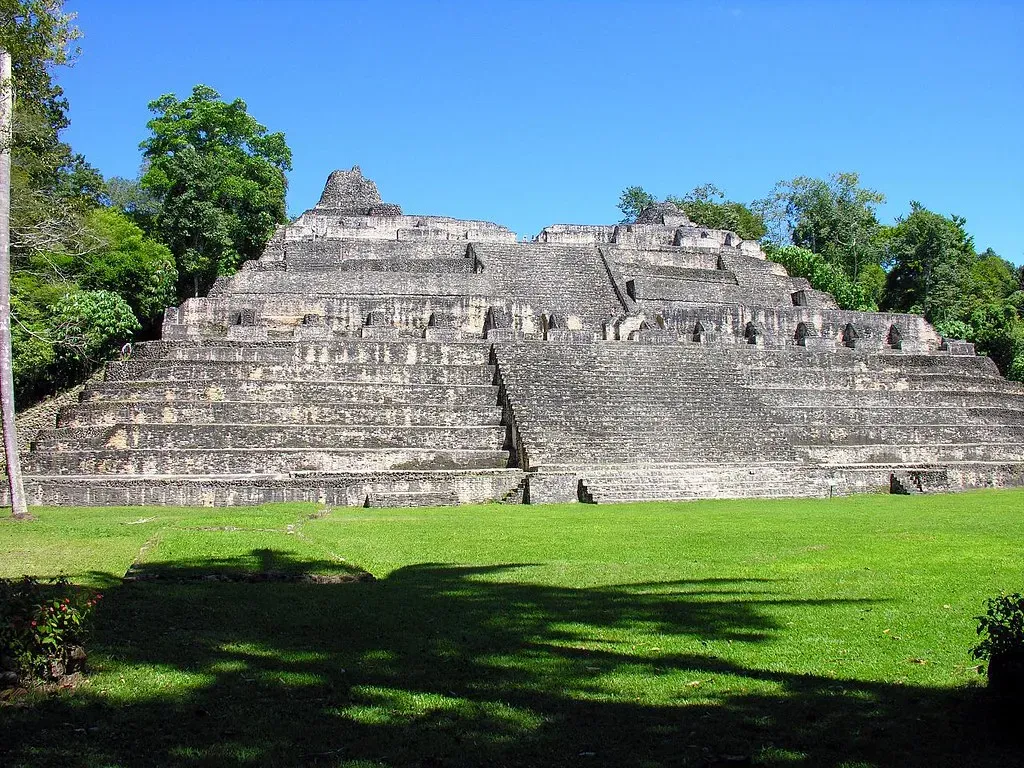
For a long time, Mayan writing was dismissed as purely symbolic or mystical, more art than language. Temples and stelae across Mesoamerica were covered in beautiful, complex glyphs that many believed could never be read in a conventional way. That assumption quietly robbed the Maya of their own voice, reducing them to a mysterious culture interpreted mostly through outsiders’ imaginations. It also delayed serious attempts to treat the script as a structured writing system.
The tide turned when researchers began to recognize phonetic components and personal names in the glyphs, pairing them with historical events and dates already known from archaeology and astronomy. Bit by bit, the script revealed dynasties, rivalries, and political propaganda carved into stone. Far from being only about cosmic cycles or ritual mystery, the texts showed rulers boasting, prisoners being paraded, and cities warring with each other. The Maya stopped being a vague, mystical civilization and became a network of very human city-states full of ambition and drama.
Champollion, Ventris, And Others: The Obsessives Behind the Breakthroughs
Behind almost every decipherment, there’s someone who got a little bit obsessed. These were not casual hobbies; they were long-haul battles against frustration and doubt. Many of these people worked for years with no guarantee of success, often while being told by peers that what they were attempting was impossible. The personal cost was real: isolation, burnout, and the constant temptation to give up when progress stalled. Yet that stubbornness is exactly what pushed some of the hardest puzzles over the edge.
What’s striking is how different their backgrounds often were: some were trained scholars in languages, others came from completely unrelated fields but had a talent for patterns and patience. They tried, failed, adjusted, and tried again, sometimes making embarrassing mistakes before getting things right. When a script finally cracked, the reward wasn’t just academic; it was the feeling of hearing an entire civilization breathe again after centuries of silence. That emotional payoff, more than prestige, is what many of them seemed to be chasing.
Modern Tech: AI, Imaging, And The New Age Of Decipherment
In the last few years, the tools for decoding ancient texts have changed almost as dramatically as the scripts themselves did in antiquity. High-resolution imaging and 3D scanning can now reveal details invisible to the naked eye, lifting erased ink from damaged papyri or reading writing inside rolled-up scrolls without physically opening them. It feels a bit like having X-ray vision for the ancient world. Suddenly, documents once thought permanently unreadable are back in play for decipherment.
Artificial intelligence has started to push things even further, especially with pattern recognition across massive corpora of tablets or inscriptions. Algorithms can suggest possible readings, cluster similar signs, or reconstruct missing fragments far faster than a single human could. Of course, these tools don’t magically “solve” undeciphered scripts on their own; they still need experts to judge what makes sense linguistically and historically. But they speed up the slowest parts of the work, opening the door to cracking scripts that once seemed beyond reach.
Why Decipherment Matters: More Than Just Solving Puzzles
At first glance, deciphering ancient languages can sound like a niche intellectual hobby, something for linguistics nerds and history buffs. But every time a script is decoded, our understanding of humanity shifts in a concrete way. Myths can be checked against real records, and stereotypes about “mysterious” civilizations can be challenged by what those people actually wrote about themselves. Sometimes the results are humbling, showing that what we thought we knew was distorted or incomplete.
There’s also a personal, almost intimate side to reading words written thousands of years ago. You start to notice small details: a complaint about taxes, a note about a missing shipment, an anxious prayer before a dangerous journey. Those moments collapse the distance between past and present in a way monuments alone never can. In the end, decipherment isn’t just about languages; it’s about restoring conversations that history had put on mute and deciding what we want to do with the voices we’ve finally recovered.