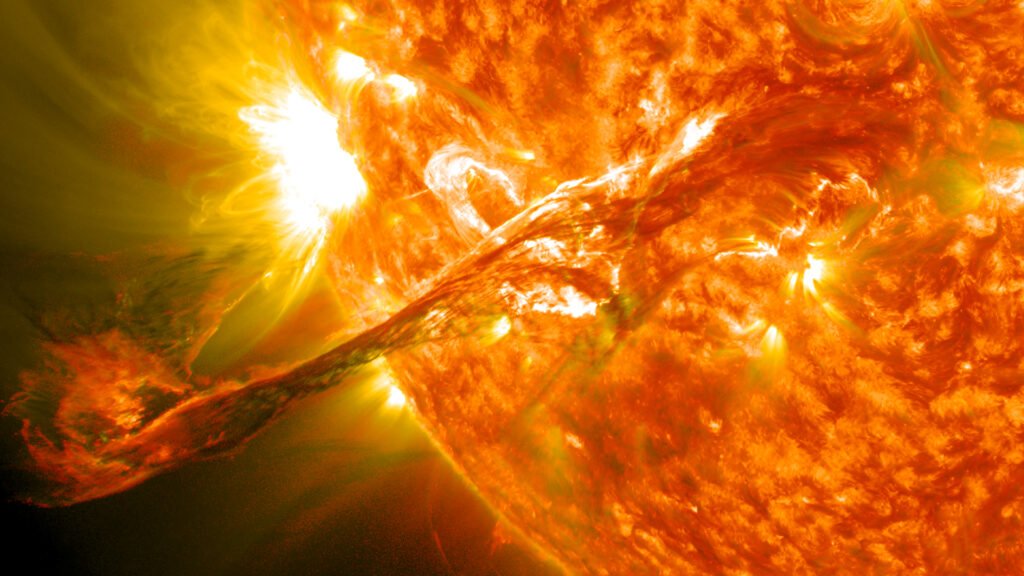

There’s something almost poetic about staring at the same star for decades and still being surprised by what you find. The Sun has been burning for about four and a half billion years, and yet, with every new layer of long-term data scientists peel back, it keeps revealing secrets we didn’t even know to look for.
What’s happening right now in solar science is genuinely exciting. Researchers are tapping into multi-decade archives of solar observations to build a richer, more nuanced picture of how our star actually behaves over time. The findings are reshaping what we thought we understood. Let’s dive in.
Why Long-Term Solar Observation Is Such a Game-Changer
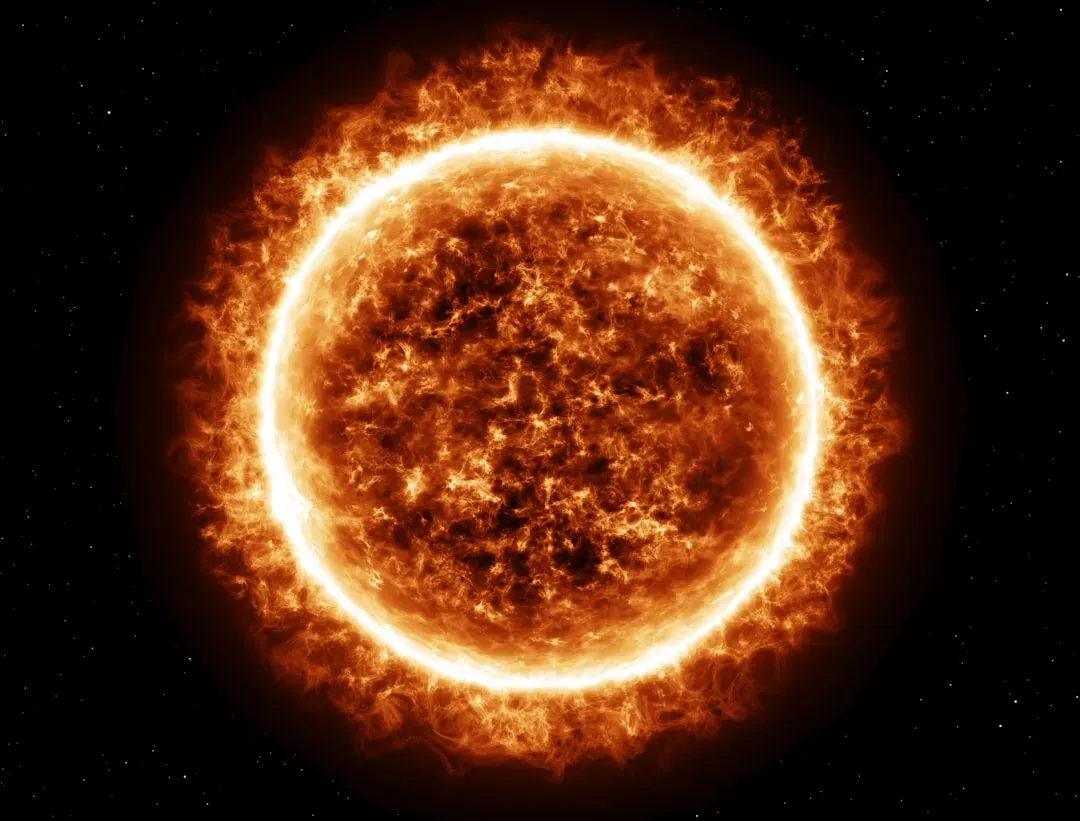
Here’s the thing about the Sun: it doesn’t give up its secrets quickly. A single year of data, or even a decade, only captures a sliver of solar behavior. The Sun operates on cycles that stretch across eleven years, and beyond that, there are longer, slower rhythms that require sustained, uninterrupted watching to even detect.
Scientists have spent decades building observational records that now stretch back far enough to actually reveal those longer patterns. It’s a bit like trying to understand ocean tides by watching a single wave. You need time. Lots of it. That accumulated patience is finally paying off in ways that feel genuinely historic.
The Solar Cycle and What the Data Is Telling Us Now
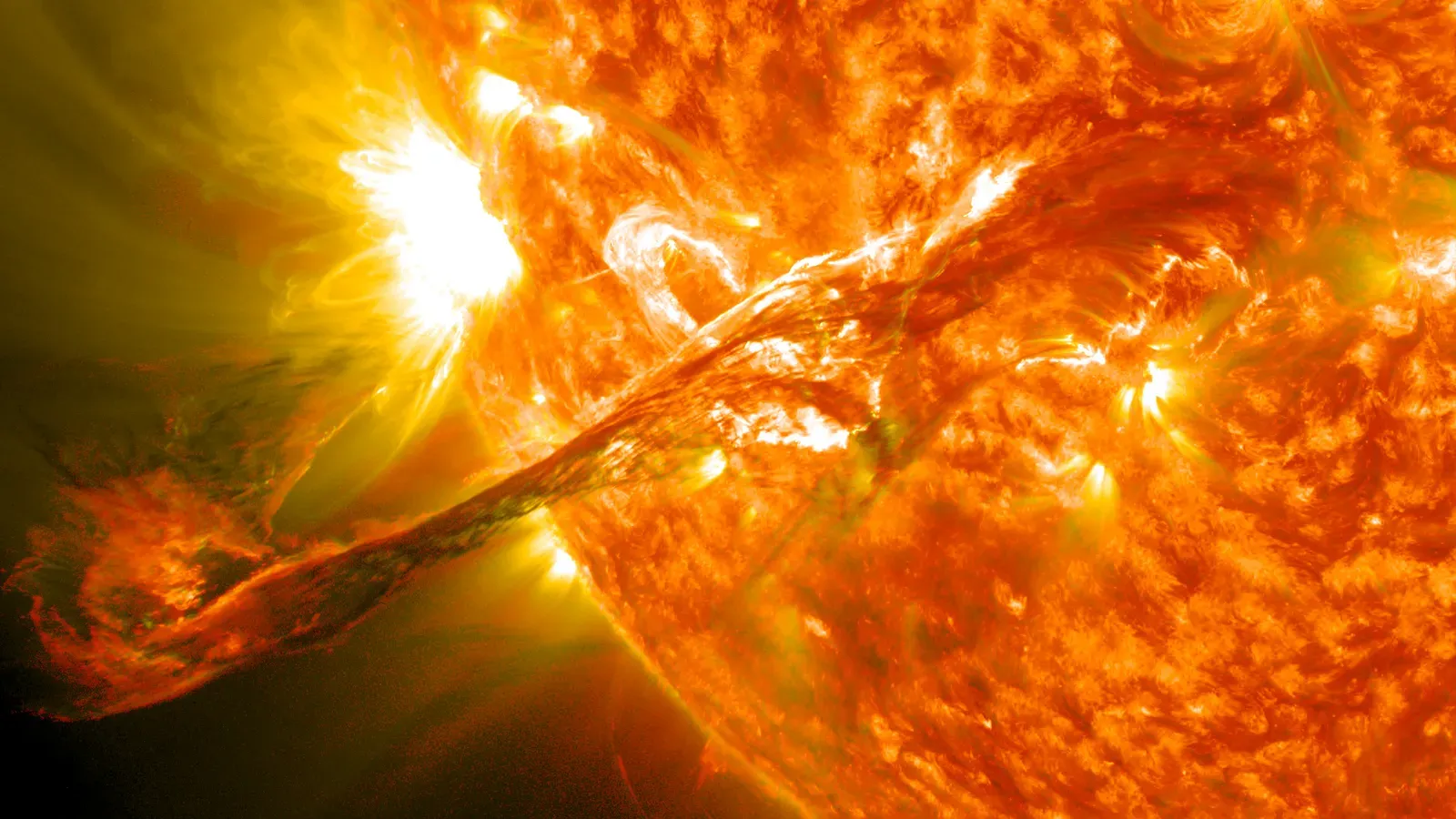
Also available on NASA’s Image and Video Library as GSFC_20171208_Archive_e001662, CC BY 2.0)
Most people have heard of the eleven-year solar cycle, the regular rhythm of sunspot activity that swells and fades like a slow heartbeat. What’s less well known is how much variation exists within and between those cycles. Some cycles are energetic and intense, others are surprisingly quiet. Long-term data is now helping researchers map those differences with real precision.
What’s emerging is a portrait of a star that is more variable than many classical models assumed. Honestly, that’s a bit unsettling when you consider that solar variability directly affects space weather, satellite operations, and even certain aspects of Earth’s climate system. Understanding the cycle deeply isn’t just an academic exercise. It has very practical implications for modern technology.
Unique Insights From Decades of Unbroken Observation
Decades of consistent solar monitoring have produced something rare in science: a dataset long enough to track slow, subtle changes that shorter studies simply cannot see. Researchers have been able to observe how solar magnetic fields shift and reorganize themselves not just across one cycle, but across multiple cycles. That kind of longitudinal depth changes everything.
Think of it like comparing a single photograph to a time-lapse video. The photograph shows you a moment, but the time-lapse shows you motion, rhythm, and direction. Scientists now have something approaching that time-lapse view of the Sun, and the motion it’s revealing is far more complex and layered than a snapshot ever could have shown.
The Sun’s Magnetic Activity and Its Surprising Complexity
One of the most striking things the long-term data is illuminating is just how intricate solar magnetic behavior really is. The Sun’s magnetic field doesn’t simply flip and reset every cycle in a tidy, predictable way. There are overlapping layers of magnetic activity operating on different timescales simultaneously. It’s less like a metronome and more like a full orchestra playing multiple time signatures at once.
This complexity has enormous implications for how we forecast solar events. Solar flares, coronal mass ejections, and geomagnetic storms are all connected to magnetic dynamics. The better we understand those dynamics across long time periods, the more capable we become at anticipating disruptions before they happen. For anyone who relies on GPS, aviation communication, or power grids, that’s not a trivial benefit.
What This Means for Space Weather Forecasting
Space weather is one of those topics that sounds distant and abstract until a solar storm knocks out a satellite or causes a power grid failure. It’s happened before, and without better forecasting tools, it will happen again. That’s where decades of solar observation become incredibly practical rather than purely scientific.
Researchers are now using long-term solar data to refine predictive models in ways that simply weren’t possible before. It’s still far from a perfect science. The Sun retains a stubborn unpredictability that keeps even the best researchers humble. Still, the improvement in forecasting accuracy over recent years has been meaningful, and the longer the dataset grows, the more refined those models will become.
The Role of Modern Technology in Unlocking Historical Data
One fascinating aspect of this research is that much of the historical solar data wasn’t fully usable when it was first collected. Older recordings, whether photographic plates, analog instruments, or early digital formats, had limitations that prevented deep analysis. Modern computing and machine learning tools have changed that dramatically.
Scientists are essentially going back through old archives and re-reading them with fresh eyes, or more accurately, with far more powerful tools. Subtle patterns that were invisible to earlier analysis methods are now detectable. It’s a reminder that good data doesn’t expire. Sometimes it just waits for the technology needed to unlock it. That combination of old observations and new analytical power is producing some of the most interesting solar science in a generation.
What Comes Next in Solar Research
The next phase of solar science looks both exciting and ambitious. Observatories like the Daniel K. Inouye Solar Telescope in Hawaii are producing imagery of the Sun’s surface at resolutions that were unimaginable even ten years ago. Combined with the deep historical record now available, scientists are working with an extraordinary combination of depth and detail.
It’s hard to say for sure exactly what the next major discovery will be, but the trajectory is clear. Researchers are piecing together a comprehensive biography of our star, not just a snapshot but a full life story told across decades of careful watching. The Sun has been doing its thing for billions of years without us paying close enough attention. Now, for the first time, we’re really starting to listen. What do you think the Sun might still be hiding from us? Share your thoughts in the comments below.