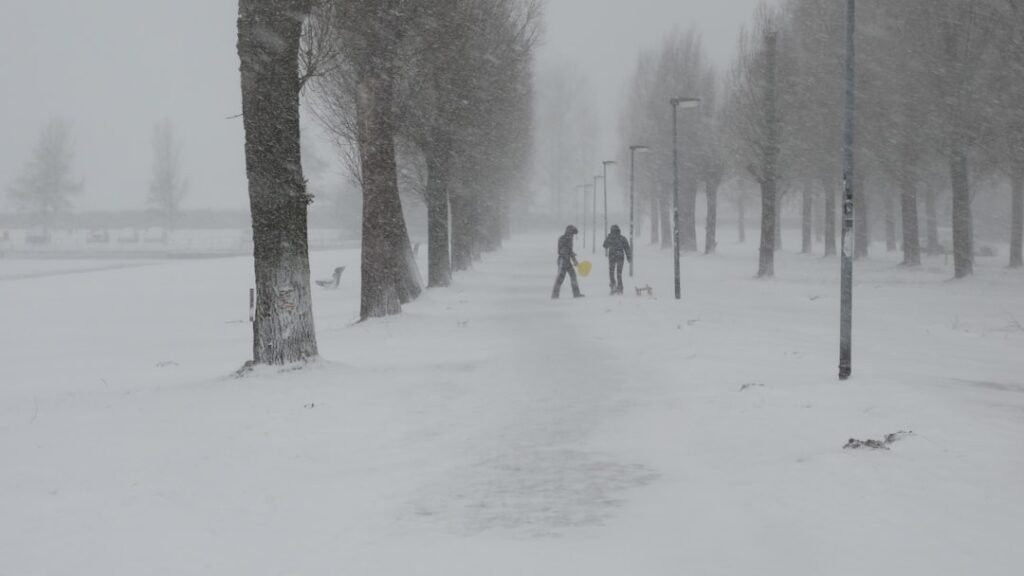

Communication Breakthroughs Stood Out Amid Chaos (Image Credits: Unsplash)
Washington region – Officials from the District, Maryland, and Virginia gathered at the Metropolitan Washington Council of Governments this week to evaluate their collective response to January’s intense winter storm, which blanketed the area in seven inches of snow and ice.
Communication Breakthroughs Stood Out Amid Chaos
Alexandria Mayor Alyia Gaskins captured attention by posting daily videos that detailed road progress and explained obstacles, a tactic leaders praised as a model for future crises.[1][2]
Metro officials also innovated by storing trains underground for the first time since 2016, safeguarding equipment from the harsh conditions and enabling a swift return to service.”That made a big difference,” noted Leroy Jones, Metro’s chief operating officer.[2]
These efforts helped maintain some transit functionality, with Metro reporting a million passengers moved post-storm despite widespread disruptions.
Ice-Clad ‘Snowcrete’ and Tech Glitches Slowed Progress
The storm’s aftermath revealed stubborn challenges, particularly the formation of “snowcrete”—hardened snow fused with thick ice layers that resisted standard plows and posed safety risks on sidewalks and intersections.[3][1]
In D.C., officials trucked excess snow to the former RFK Stadium site, but delays in hauling operations left piles lingering. Montgomery County grappled with a flawed app that marked roads as cleared merely because plows passed over them, ignoring whether treatments like salt had been applied.[1]
Residents reported confusion from automatically closed 311 service requests and weeks-long trash pickup delays in some neighborhoods. Bus stops often remained uncleared, hindering access for vulnerable riders.
Contractor Competition Exposed Coordination Gaps
Leaders acknowledged fierce bidding wars for snow removal contractors across jurisdictions, exacerbating delays as the regional pool of reliable firms shrank due to erratic winters.[2]
D.C. Councilmember Charles Allen highlighted the issue: “Turns out we were all competing against each other to hire the same people.”[2] Inconsistent parking rules further complicated plow routes, while cold snaps prolonged ice melt.
- Montgomery County deployed 600 pieces of equipment, half county-owned and half contracted.
- D.C. suspended sidewalk fines temporarily amid the tough conditions.
- Alexandria focused on transparent updates to build public trust.
- Regional leaders graded efforts variably, with Montgomery’s response deemed “needs improvement.”
Unified Standards Emerge as Top Priority
The COG meeting stretched longer than planned, signaling commitment to change. Participants pushed for standardized parking bans during emergencies, joint contractor pools, and pre-storm huddles among executives.
Reuben Collins, COG board chair and Charles County commissioner, stressed vulnerability: “The impact of this storm is a reminder for all of us on just how vulnerable we are to major weather events.”[1] Plans include better bus stop clearing protocols and enhanced apps that track actual treatments.
Key Takeaways
- Enhance regional contractor sharing to avoid bidding wars.
- Adopt video updates and accurate tech for clearer communication.
- Implement uniform rules for parking and priority clearing.
The review affirmed that while frontline crews performed admirably, systemic silos hindered efficiency. With climate patterns shifting, these lessons promise a more resilient response next time. How did the storm affect your commute or neighborhood? Share in the comments.