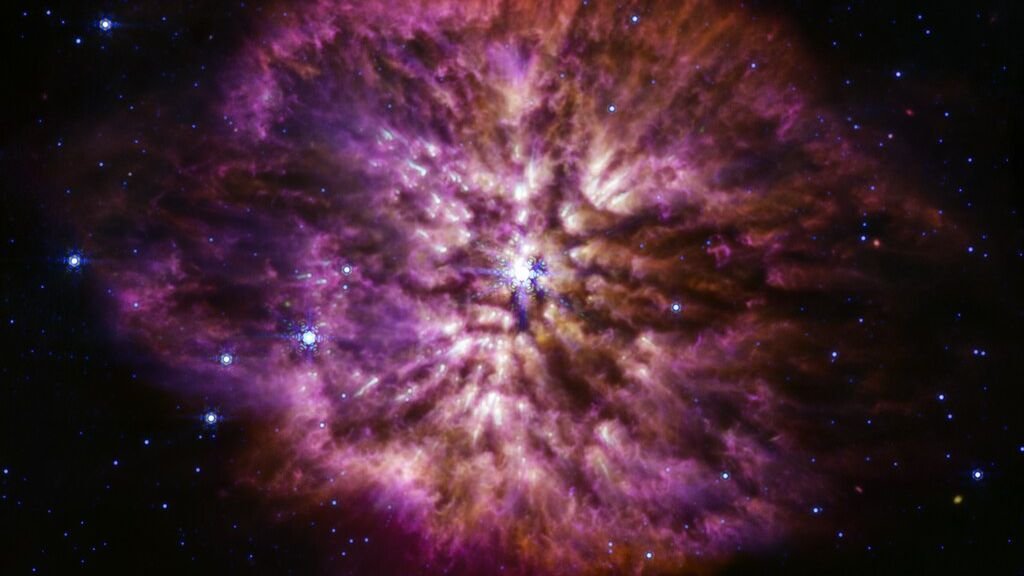

Everything you think you know about the universe may be built on only a tiny sliver of the whole picture. The stars, planets, galaxies, and even the very air you breathe account for a shockingly small fraction of everything that actually exists. The vast majority of the cosmos is made up of things you cannot touch, cannot see, and cannot directly detect with any instrument built so far.
That idea alone should stop you in your tracks. It means that science, for all its brilliance, is essentially mapping a universe using only about five percent of the available material. The other ninety-five percent? Still largely a mystery. So let’s dive in and unpack what we actually know about the invisible forces shaping everything around you.
The Universe Is Mostly Invisible, and That Should Astound You
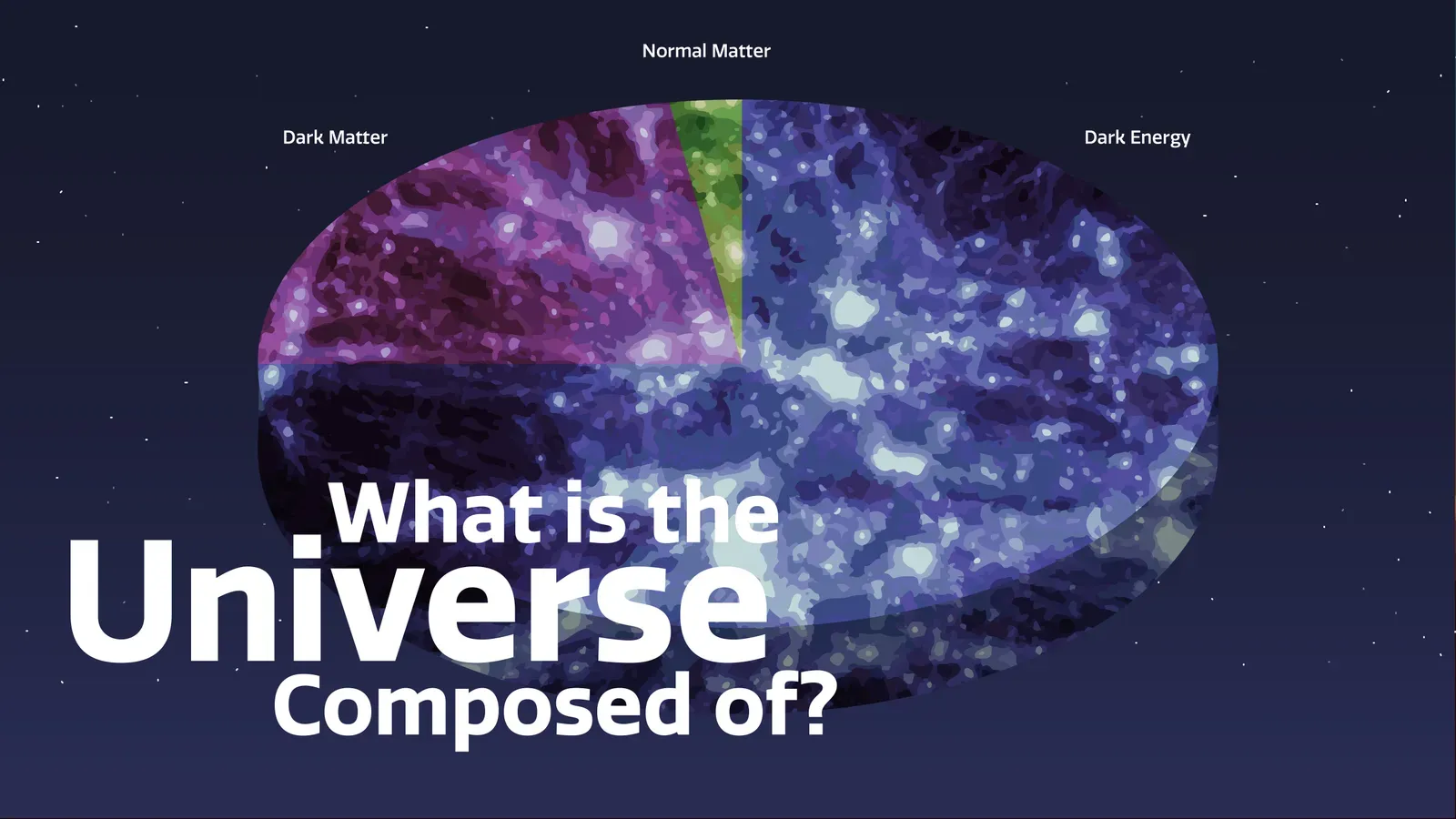
Here’s the thing most people don’t realize: when you look up at a clear night sky full of stars, you are seeing almost nothing of what’s really there. Roughly ninety-five percent of the cosmos is made up of dark matter and dark energy, leaving just five percent as the familiar matter you can see around you. Think about that for a moment. Every galaxy, every glowing nebula, every planet you’ve ever heard of, all of that brilliant, observable stuff is basically cosmic small print.
All the atoms and light in the universe together make up less than five percent of the total contents of the cosmos. The rest is composed of dark matter and dark energy, which are invisible but dominate the structure and evolution of the universe. It’s a bit like discovering that the ocean you thought you were swimming in is actually ninety-five percent water you can’t see, feel, or measure directly. Humbling, honestly.
What Dark Matter Actually Is and Why You Can’t See It
Unlike normal matter, dark matter does not interact with the electromagnetic force. This means it does not absorb, reflect, or emit light, making it extremely hard to spot. In fact, researchers have been able to infer the existence of dark matter only from the gravitational effect it seems to have on visible matter. Think of it like wind. You can’t see the wind itself, but you can absolutely see the trees bending, the leaves swirling, the kite lifting. Dark matter is that wind, but on a cosmic scale.
Dark matter and dark energy are named for what scientists do not yet know about them. Dark matter makes up most of the mass found in galaxies and galaxy clusters, playing a major role in shaping their structure across vast cosmic distances. Since dark matter has never been directly detected, its interactions remain unknown. Scientists are essentially working with one hand tied behind their backs, studying the shadow of something they’ve never actually touched.
The History Behind the Discovery: Scientists Didn’t Always Know This
The term dark matter was coined in 1933 by Fritz Zwicky of the California Institute of Technology to describe the unseen matter needed to explain the fast-moving galaxies in the Coma Cluster. Zwicky noticed that galaxies in the cluster were moving far too fast to be held together by the gravity of only their visible matter. Something else had to be keeping them from flying apart. Most of his contemporaries didn’t take him seriously. History, of course, proved him right.
In the 1970s, Vera Rubin of the Carnegie Institution found evidence for dark matter in her research on galaxy rotation. Galaxies in our universe seem to be achieving an impossible feat. They are rotating with such speed that the gravity generated by their observable matter could not possibly hold them together; they should have torn themselves apart long ago. The same is true of galaxies in clusters, which leads scientists to believe that something we cannot see is at work. Rubin’s data was precise and repeatable, and it changed everything.
Dark Energy: The Force That’s Tearing the Universe Apart
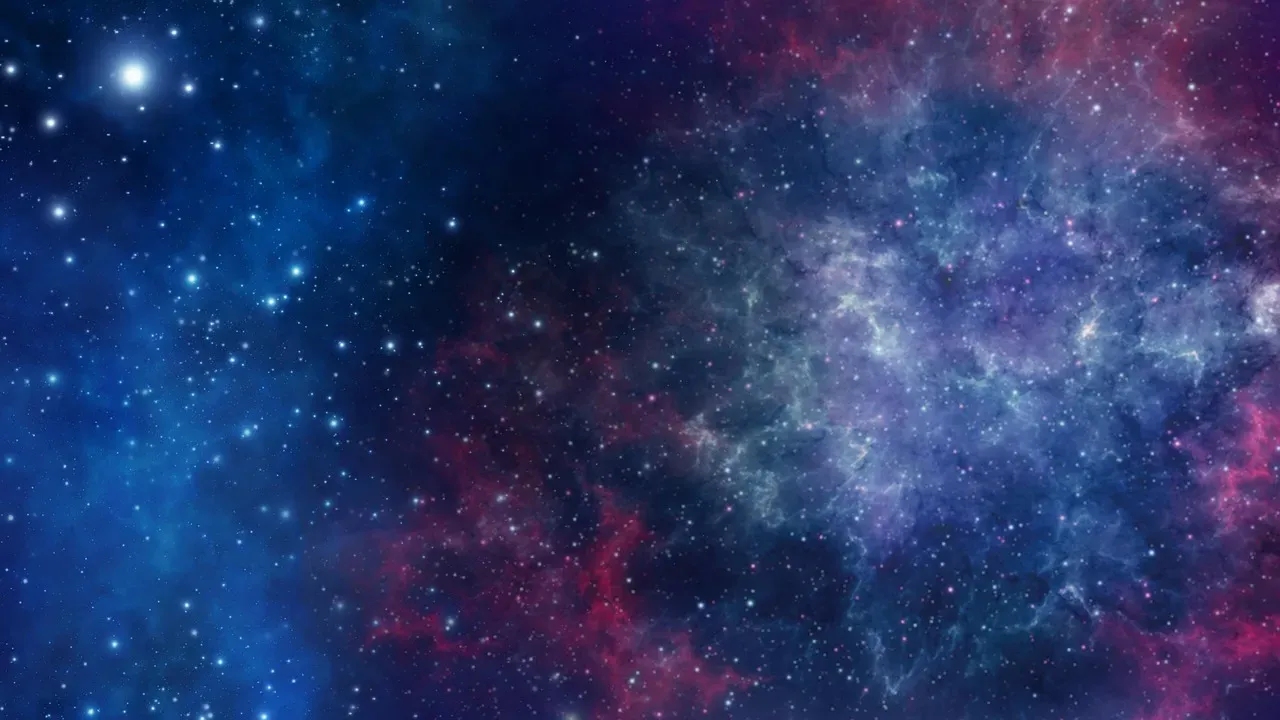
Dark energy is the name we give to a phenomenon that explains why the expansion of the universe is speeding up rather than slowing down. If only gravity were at play, the universe should be slowing because matter attracts matter. Instead, there is a gravitationally repulsive effect: dark energy. Imagine throwing a ball into the air and watching it not just slow and fall, but continue accelerating upward forever. That’s essentially what the universe is doing, and dark energy is why.
Dark energy makes up approximately sixty-eight percent of the universe and appears to be associated with the vacuum in space. It is distributed evenly throughout the universe, not only in space but also in time. The even distribution means that dark energy does not have any local gravitational effects, but rather a global effect on the universe as a whole. This leads to a repulsive force, which tends to accelerate the expansion of the universe. It’s hard to wrap your head around, honestly. The emptiness of space itself is fueling the cosmos’s relentless growth.
Cosmic Voids: Where Dark Energy Is Actually in Charge
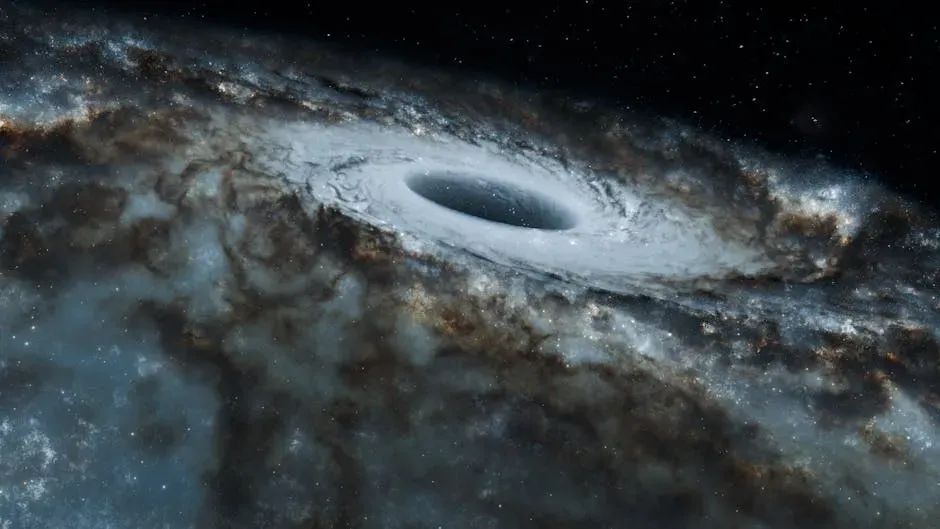
Cosmic voids may seem like the emptiest places in the universe, stripped of matter, radiation, and even dark matter. But they’re far from nothing. Even in these vast empty regions, the fundamental quantum fields that fill all of space remain, carrying a small but real amount of energy known as vacuum energy, or dark energy. While this energy is overwhelmed by matter in galaxies and clusters, in the deep emptiness of cosmic voids it becomes dominant.
Here on Earth, for example, matter is so dense that dark energy has no noticeable impact. If dark energy suddenly vanished, everyday physics would remain unchanged. The path of a thrown baseball would be identical. Cosmic voids are different. Voids are enormous regions where matter is largely absent. In these areas, the vacuum of space-time itself becomes the dominant influence. It’s a strange kind of power, operating silently in the places where nothing else remains.
Mapping the Invisible: How Scientists Are Closing In
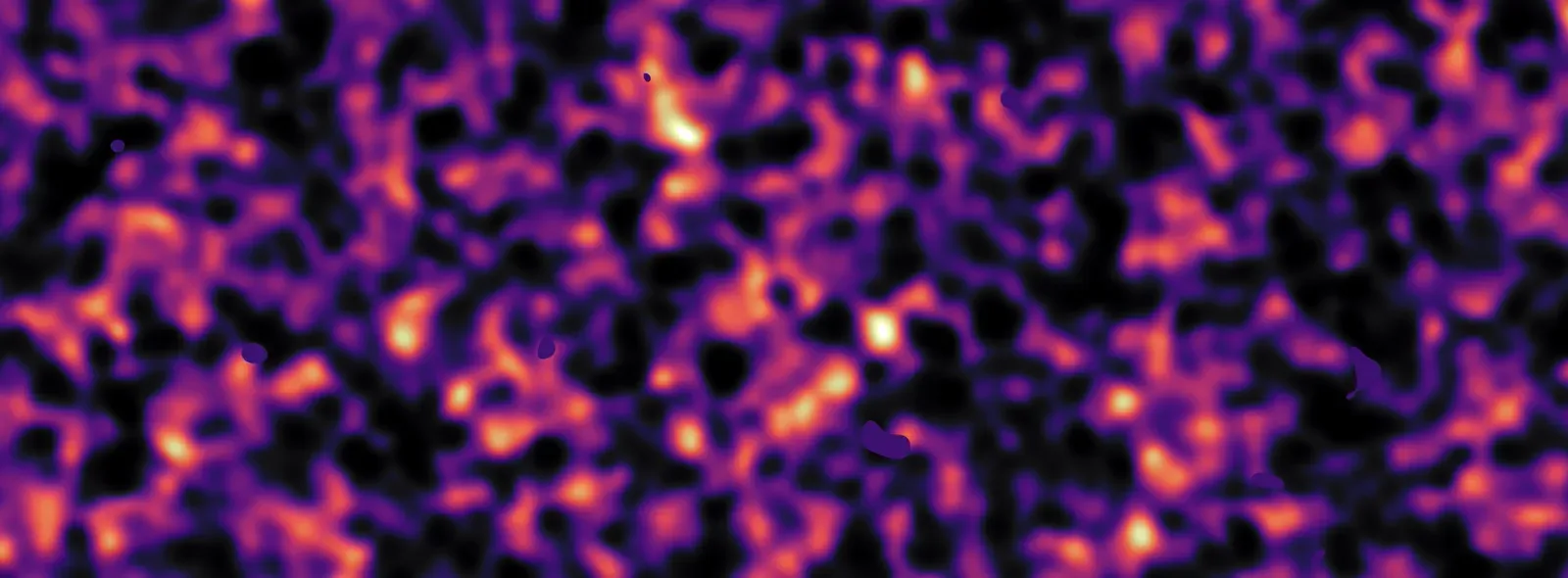
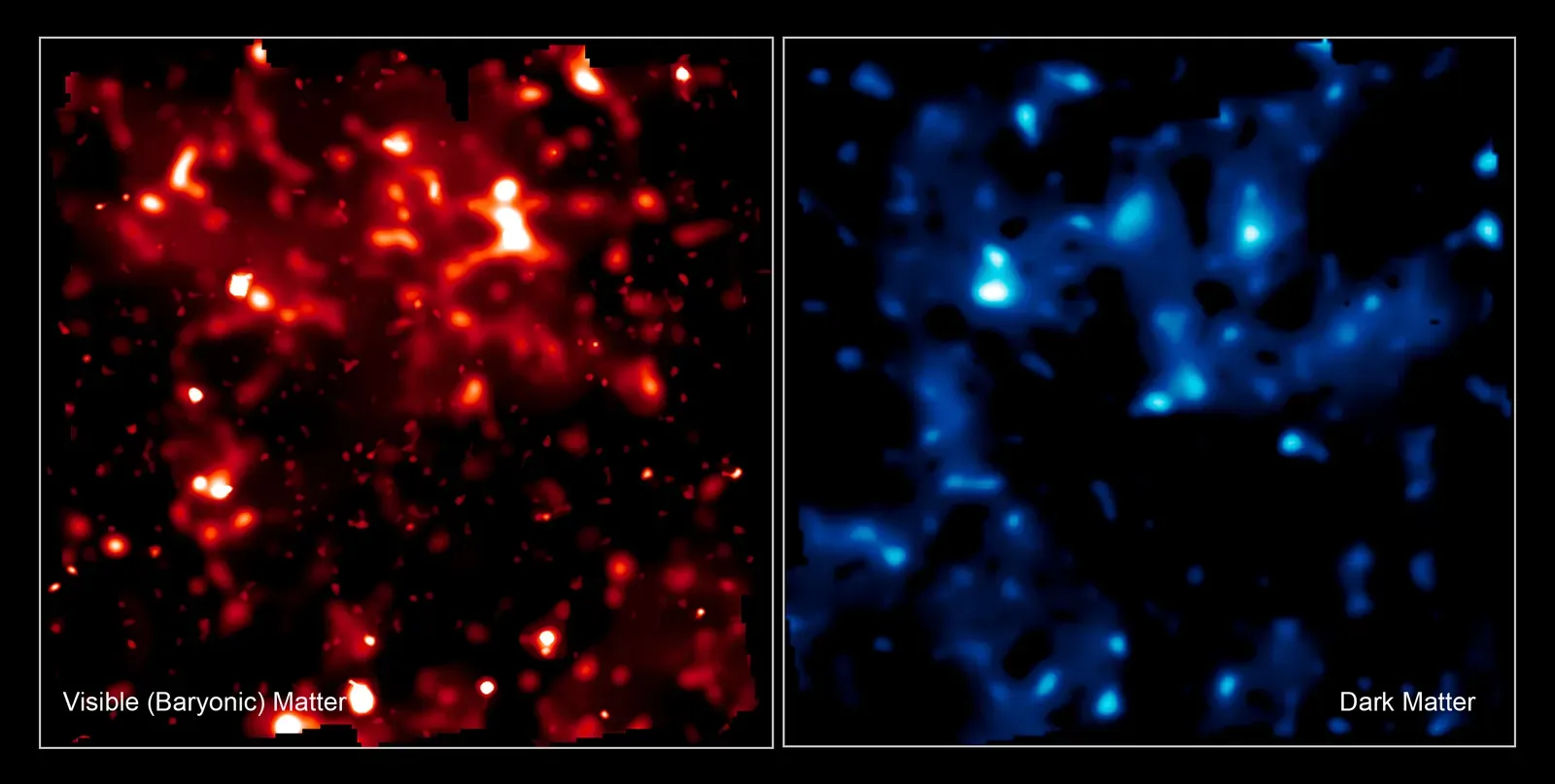
Published in Nature Astronomy, a new dark matter map builds on previous research to provide additional confirmation and new details about how dark matter has shaped the universe on the largest scales. “This is the largest dark matter map we’ve made with Webb, and it’s twice as sharp as any dark matter map made by other observatories.” The Webb map contains about ten times more galaxies than maps of the area made by ground-based observatories and twice as many as Hubble’s. It reveals new clumps of dark matter and captures a higher-resolution view of areas previously seen by Hubble.
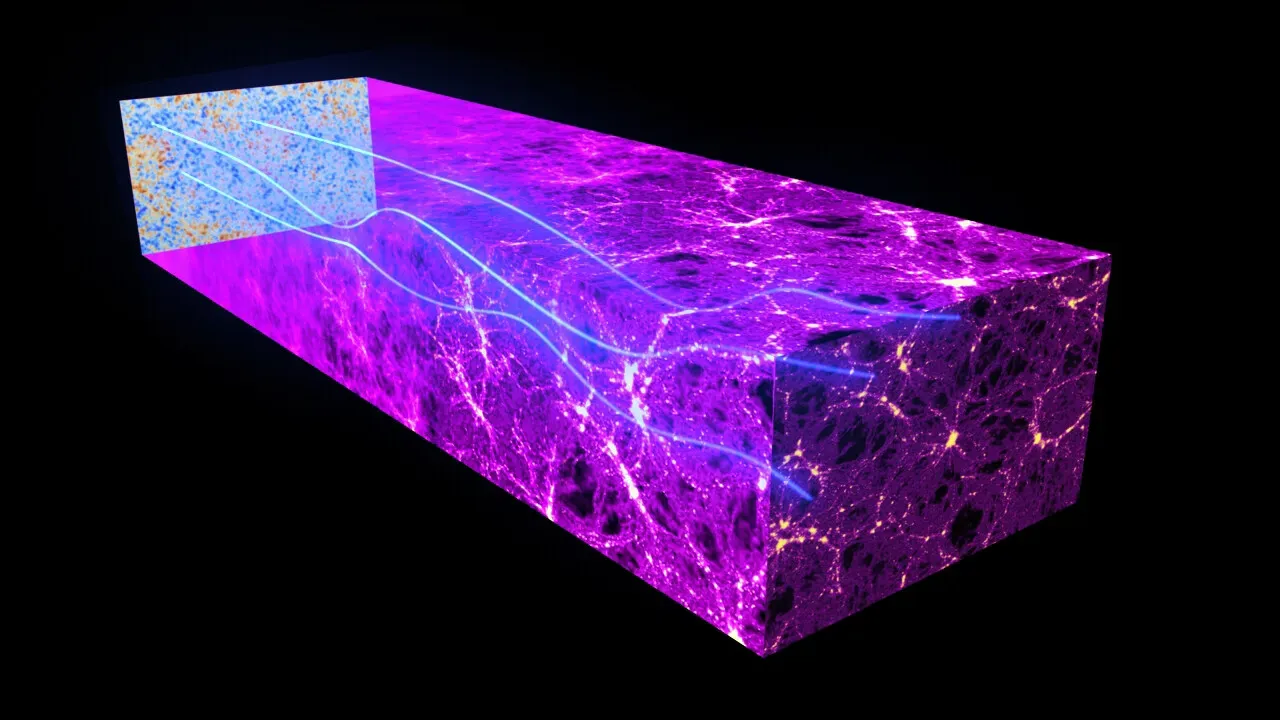
Scientists have even more direct evidence of dark matter today. While dark matter doesn’t interact with light, its gravity can bend light from distant galaxies, creating an effect called gravitational lensing. Studying galaxies distorted by gravitational lensing can help scientists better understand dark matter and its place in the universe. Scientists have spent years examining regions where dark matter should be concentrated, especially the center of the Milky Way, searching for specific gamma rays. Using new data from the Fermi Gamma-ray Space Telescope, Professor Tomonori Totani of the University of Tokyo now believes he has identified the predicted gamma ray signal associated with dark matter particle annihilation. That, if confirmed, would be a monumental breakthrough.
What the Future of Research Looks Like, and Why You Should Care
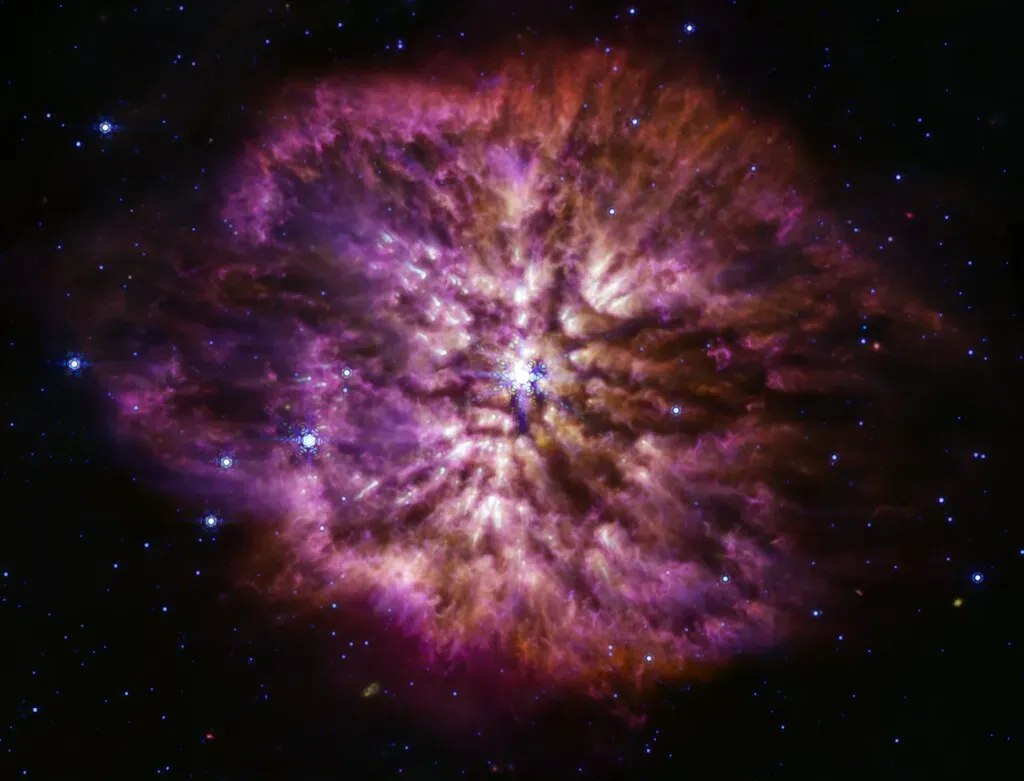
New data from major dark-energy observatories suggest the universe may not expand forever after all. A Cornell physicist calculates that the cosmos is heading toward a dramatic reversal: after reaching its maximum size in about 11 billion years, it could begin collapsing, ultimately ending in a “big crunch” roughly 20 billion years from now. That’s a staggering shift in the dominant cosmological story, and it comes directly from studying dark energy’s behavior over time.
There are now signs that dark energy may not be the cosmological constant or this fixed vacuum energy. It may instead be something that changes over time. If that’s the case, the first real hint that dark energy might not be constant came from the Dark Energy Survey supernova results in early 2024. Scientists are developing advanced semiconductor detectors equipped with cryogenic quantum sensors. These technologies support experiments around the world and are helping researchers push deeper into one of science’s greatest mysteries. You are living in the era where humanity is trying to see the unseeable.
Conclusion
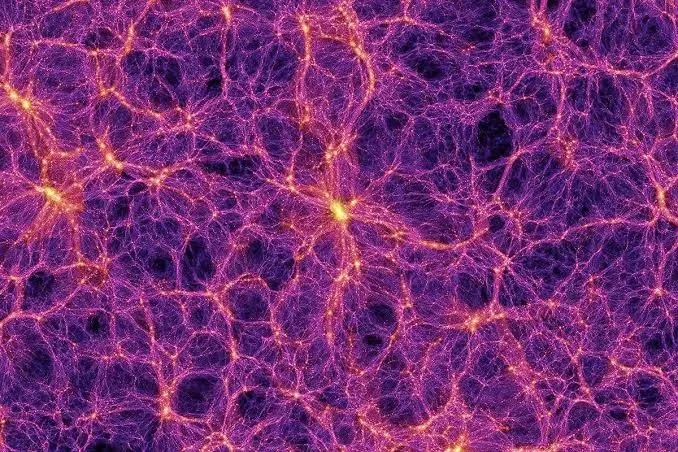
Let’s be real: the universe you think you inhabit is vastly more mysterious than most of us ever consider. The stars and planets and everything we’ve ever mapped or named? That’s the small print at the bottom of a cosmic document whose main text is written in invisible ink. Dark matter and dark energy together make up a combined near-total of everything that exists, yet neither can be held, seen, or directly measured.
What makes this all so captivating is that we are genuinely closing in. New telescopes, sharper maps, more sensitive detectors, and bold new theoretical frameworks are chipping away at the mystery one discovery at a time. Dark matter determined the large-scale distribution of galaxies in the universe, and by prompting galaxy and star formation to begin earlier than they would have otherwise, dark matter’s influence also played a role in creating the conditions for planets to eventually form. The first generations of stars were responsible for turning hydrogen and helium into the rich array of elements that now compose planets like Earth.
In other words, the very thing you can’t see may be the reason you exist to wonder about it. What do you think: does knowing that the universe is mostly invisible make it feel more wondrous, or more unsettling? Tell us in the comments.