
Intricate Networks Come into Sharp Focus (Image Credits: Cdn.mos.cms.futurecdn.net)
Gale Crater, Mars – NASA’s Curiosity rover captured unprecedented close-up images of sprawling boxwork formations that resemble giant spiderwebs from orbit, revealing fresh evidence of ancient groundwater flows.[1][2]
Intricate Networks Come into Sharp Focus
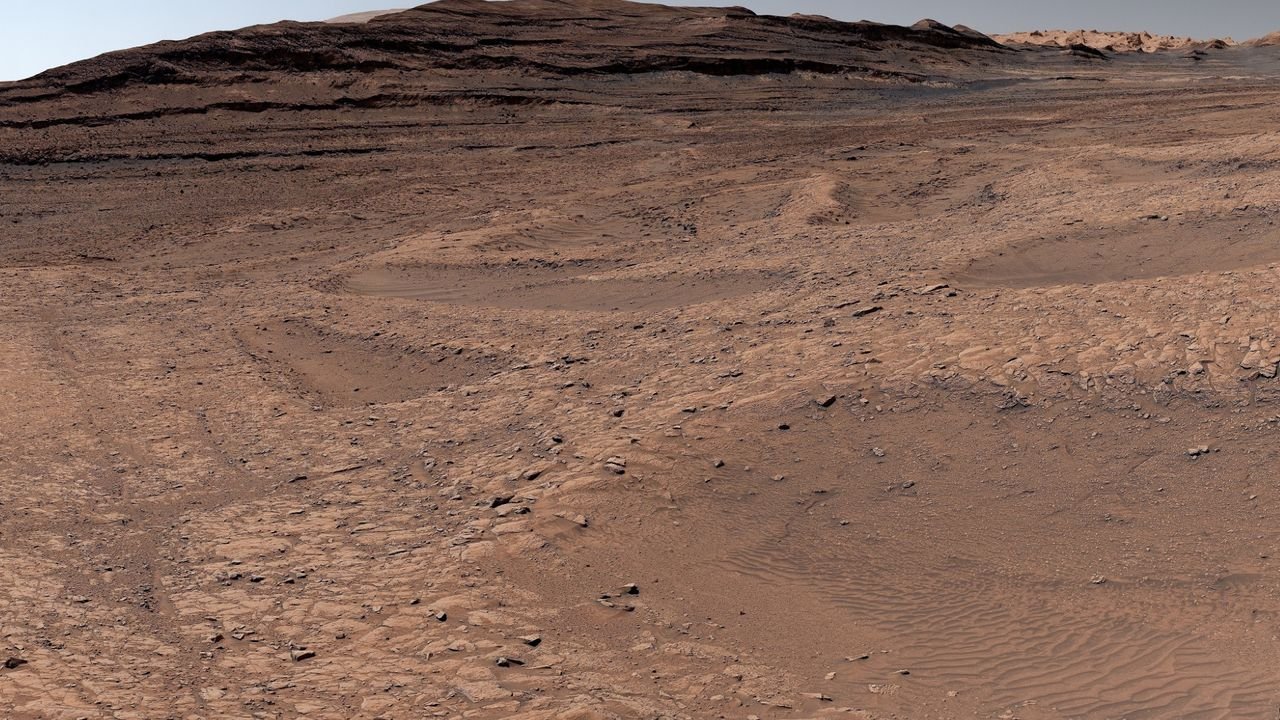
These grid-like ridges, standing 3 to 6 feet tall with sandy hollows between them, stretch for miles across the slopes of Mount Sharp. Scientists had long puzzled over their origins from orbital views alone. Curiosity spent roughly six months navigating the challenging terrain to provide ground-truth observations.[3]
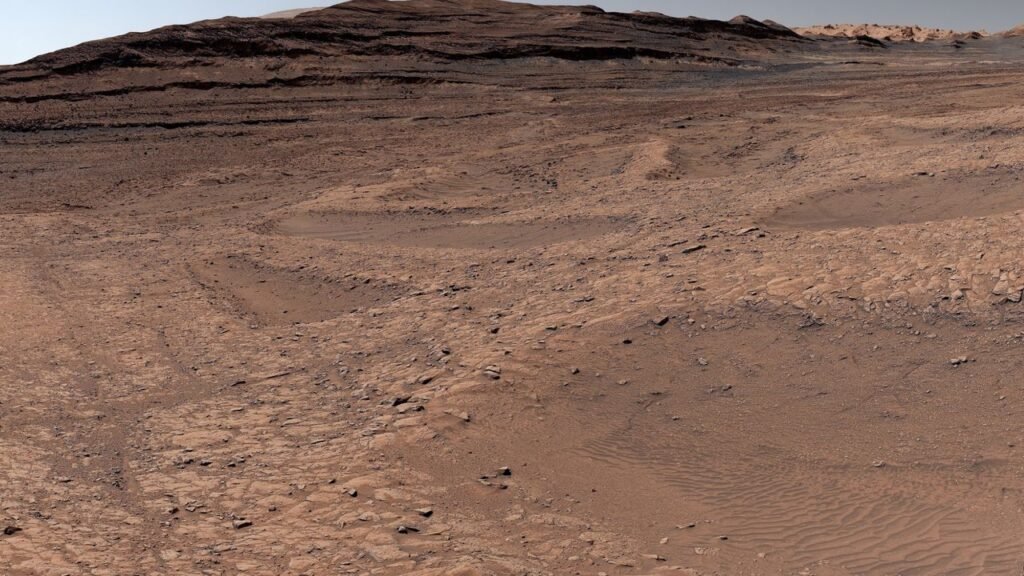
The rover’s Mastcam snapped a detailed panorama on September 26, 2025. Engineers faced narrow ridgelines barely wider than the one-ton vehicle itself. “It almost feels like a highway we can drive on,” said Ashley Stroupe, operations systems engineer at NASA’s Jet Propulsion Laboratory. “But then we have to go down into the hollows, where you need to be mindful of Curiosity’s wheels slipping or having trouble turning in the sand.”[1]
Dark lines spotted in earlier satellite images turned out to be fractures where water once seeped through the bedrock. This confirmation strengthened long-held hypotheses about the site’s watery history.
Groundwater’s Sculpting Process Revealed
Ancient groundwater rose through large cracks in the rock, depositing minerals that cemented certain areas into durable ridges. Wind later eroded the unprotected sections, carving out the hollows. The process occurred billions of years ago as Mars transitioned from a wetter world.
- Fractures formed in bedrock under pressure.
- Groundwater flowed through, rich in minerals.
- Minerals precipitated, hardening ridges.
- Erosion by wind hollowed softer zones.
Curiosity’s analysis of drilled samples supported this sequence. Ridge tops contained clay minerals, while hollows held carbonates – distinct signatures of varying water chemistry.[2]
Pea-Sized Nodules Defy Expectations
Bumpy, pea-sized nodules dotted the ridges and hollows, remnants of minerals left as groundwater evaporated. The rover imaged these features on August 21, 2025. Their placement puzzled researchers, as they appeared along walls and floors rather than near the central fractures.
Mission scientist Tina Seeger from Rice University remarked, “We can’t quite explain yet why the nodules appear where they do. Maybe the ridges were cemented by minerals first, and later episodes of groundwater left nodules around them.”[3] Scientists plan further study to resolve this anomaly.
Extending the Window for Potential Life
The boxwork’s position high on the 3-mile-tall Mount Sharp implies a groundwater table elevated far above prior estimates. Seeger noted, “Seeing boxwork this far up the mountain suggests the groundwater table had to be pretty high. And that means the water needed for sustaining life could have lasted much longer than we thought looking from orbit.”[1]
Curiosity drilled four samples here, including one processed via wet chemistry to seek organic compounds. Findings align with sulfate-rich layers signaling Mars’ drying climate, interrupted by wet spells. The rover will depart the site in March 2026 to climb higher.[4]
Key Takeaways
- Boxwork ridges confirm groundwater flowed later and higher than expected on Mars.
- Nodules indicate multiple episodes of water activity billions of years ago.
- These clues extend timelines for potential microbial habitability.
These discoveries reshape understanding of Mars’ environmental evolution, from lakes and rivers to arid expanses. As Curiosity presses onward, each layer of Mount Sharp promises more revelations about the Red Planet’s lost waters. What do you think these findings mean for future Mars exploration? Tell us in the comments.