
Imagine plunging into the blue abyss, where the haunting melodies of whales once echoed for miles—only to find those songs drowned out by a relentless, crackling chorus from tiny crustaceans. This is not the plot of a science fiction novel, but a surprising reality beneath our oceans today. In the midst of humanity’s growing concern for ocean noise pollution, a hidden battle has emerged: crustaceans are unintentionally jamming the communication channels of some of the largest animals on Earth. The idea that shrimp, crabs, and their kin could disrupt the serenades of whales is both shocking and fascinating, revealing an underwater world far noisier—and more competitive—than most of us ever imagined.
The Symphony of the Sea: Whale Songs Explained
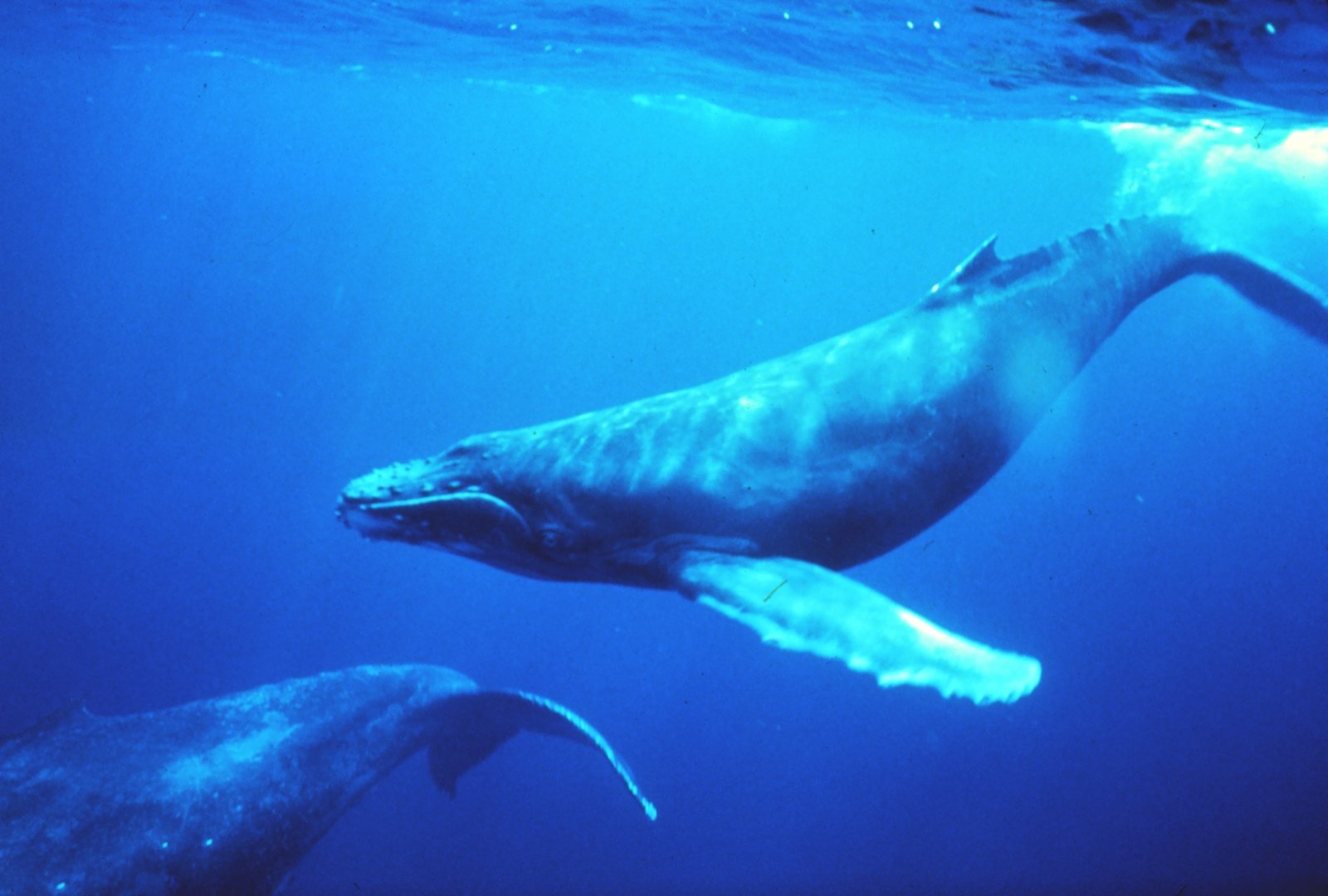
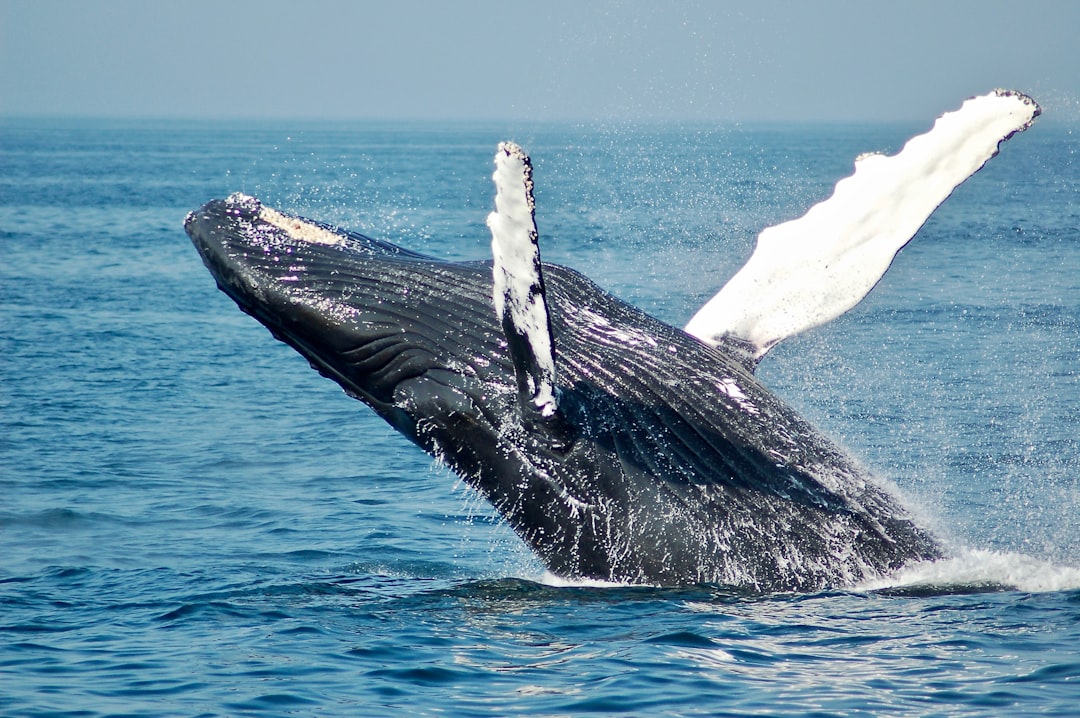
Whale songs are among the most beautiful and mysterious sounds in the animal kingdom. These complex vocalizations serve as long-distance communication, allowing whales to find mates, coordinate migrations, and even warn of danger. Humpback whales, for example, are famous for their elaborate songs that can last for hours and travel dozens of kilometers through the ocean. For many people, whale songs symbolize the wild, untamed spirit of the sea—a natural orchestra playing in the deep blue. Scientists have spent decades decoding these sounds, revealing that each pod may have its own unique dialect, passed down through generations. In a world where sight is limited, sound becomes the lifeline for these gentle giants. The loss or distortion of these songs could have profound consequences for whale populations everywhere.
The Unexpected Noisemakers: Who Are the Culprits?
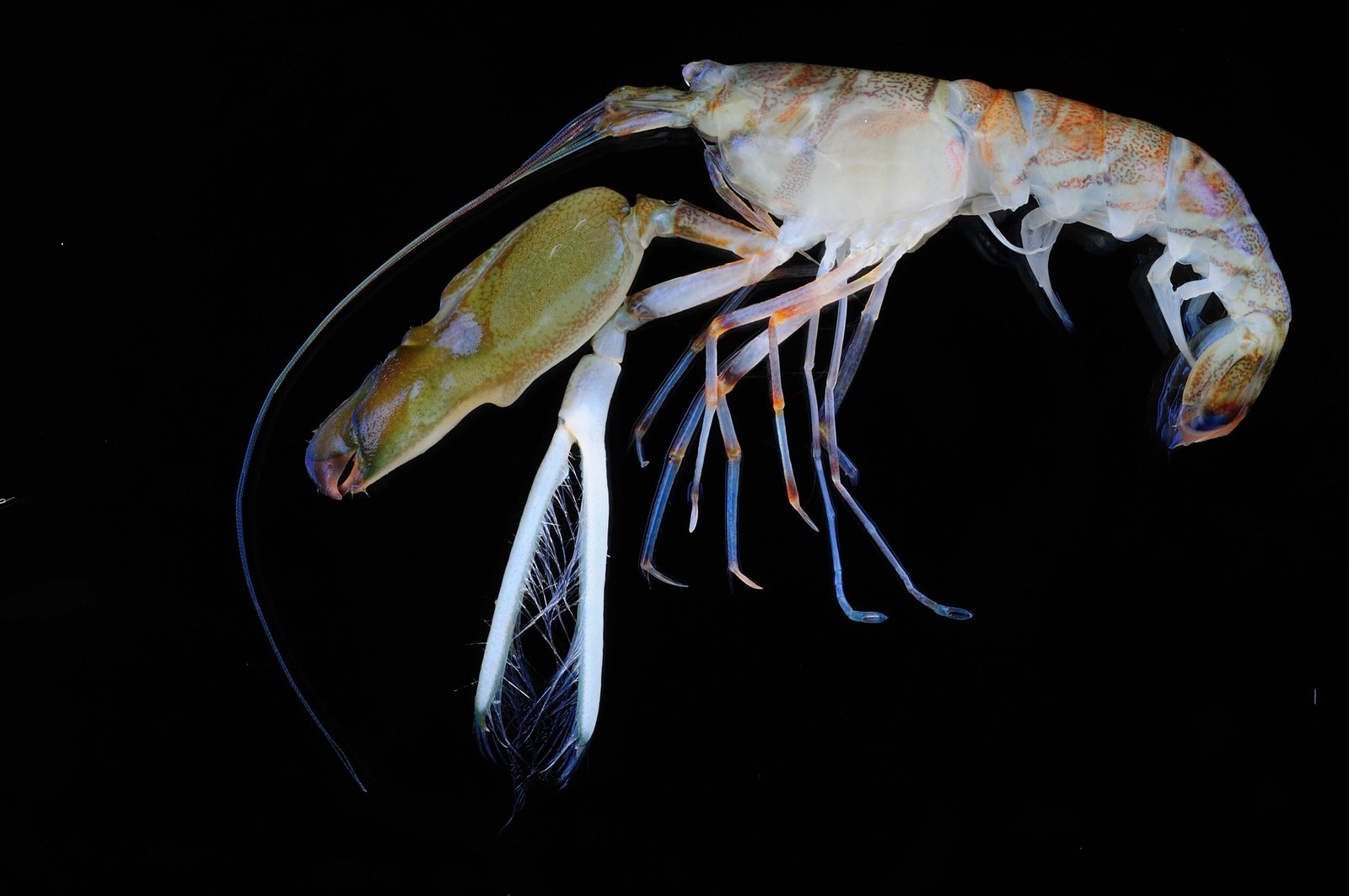
When we think of noise pollution in the ocean, we often picture roaring ship engines or underwater drilling. However, the real shock comes from discovering that some of the loudest and most persistent underwater noises are created by tiny crustaceans, such as snapping shrimp and certain species of crabs. These creatures produce noise by snapping their claws or rubbing body parts together, creating a cacophony that can be heard for miles. In some coastal regions, the combined sounds of millions of these animals create what scientists call a “biological chorus.” It’s ironic and almost funny that these small animals, often overlooked by humans, can out-blast a whale’s song with their collective racket.
How Crustaceans Create Underwater Chaos
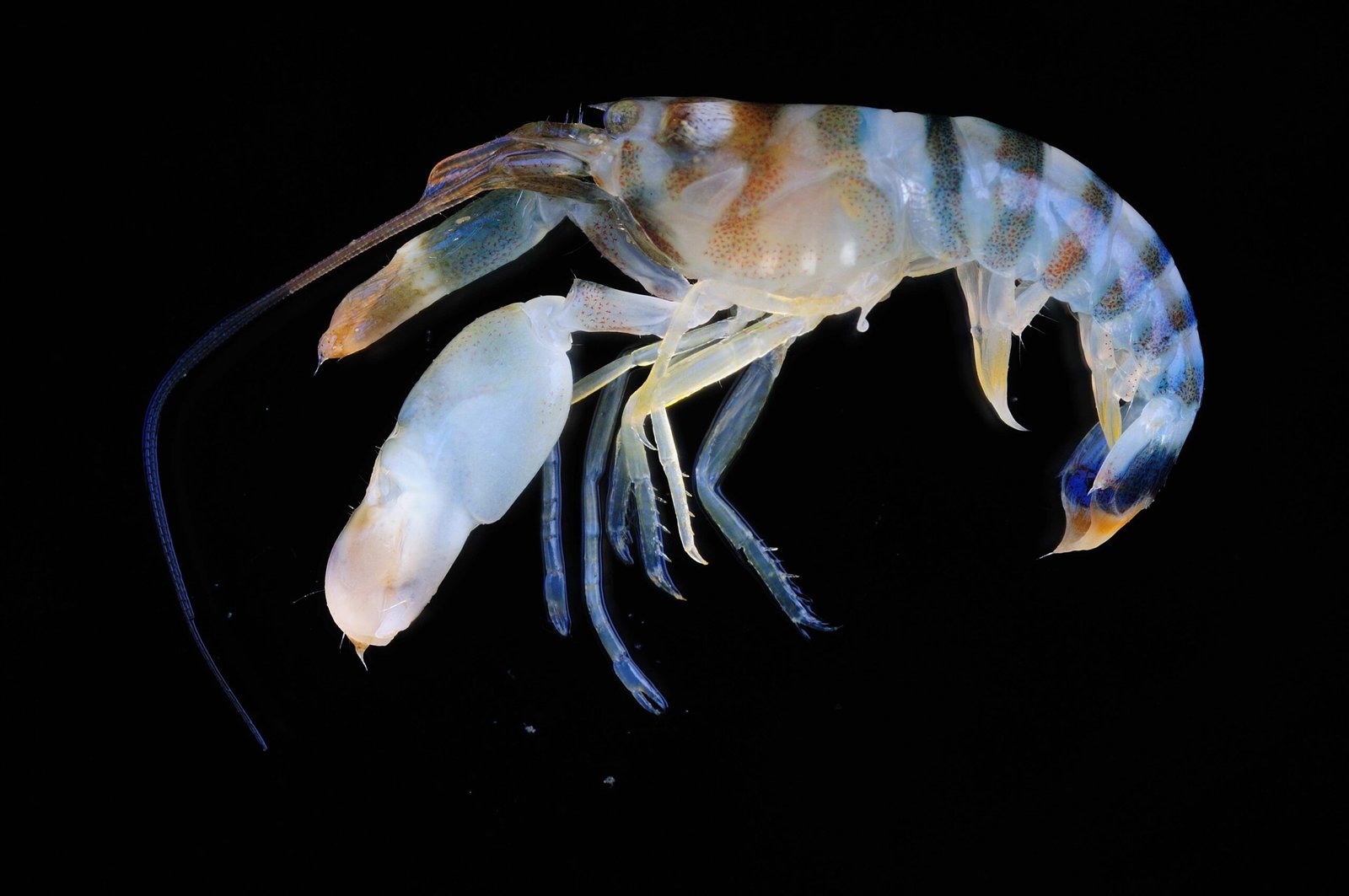
Snapping shrimp, sometimes called pistol shrimp, are the notorious ringleaders when it comes to underwater noise. They have a specialized claw that snaps shut so quickly it creates a bubble. When this bubble collapses, it produces a sharp “crack”—one of the loudest biological sounds in the sea relative to size. These snaps are used for hunting, defense, and social communication among shrimp. But when millions of individuals snap at once, the result is a constant, overwhelming crackle that fills the water. This natural, yet deafening, soundscape can mask other noises, especially the more subtle frequencies of whale communication. Crabs and even some lobsters join the fray, adding their own scraping and clicking noises to the mix.
The Science of Sound: Why Underwater Noise Matters
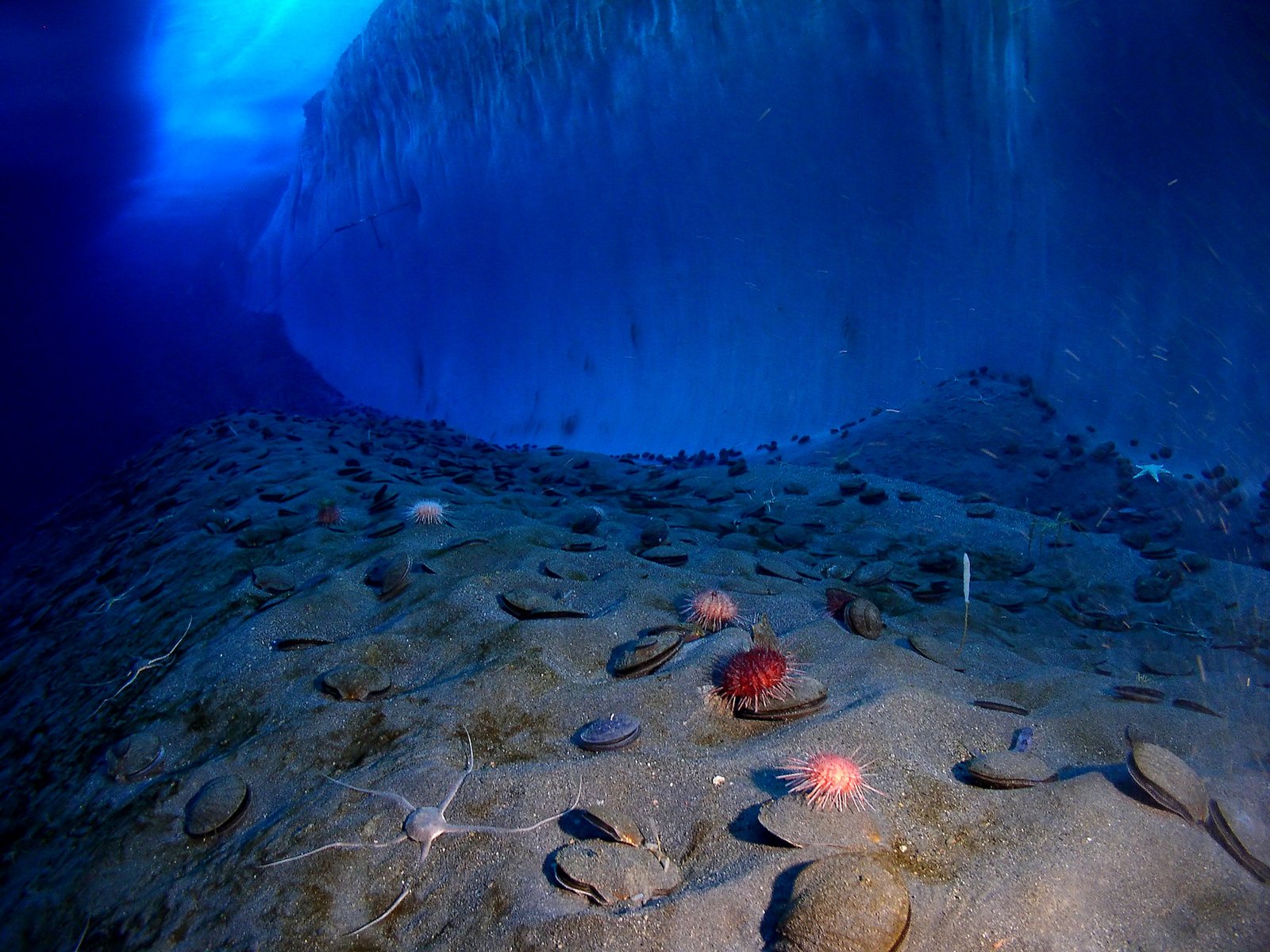
Sound travels much faster and farther in water than in air, making the ocean a world dominated by hearing rather than sight. Whales and other marine mammals evolved to take advantage of this, developing intricate songs and calls that can traverse vast distances. However, when background noise levels rise—whether from ships, oil rigs, or crustaceans—these calls can be lost or distorted. Scientists call this phenomenon “acoustic masking.” For a whale, this is like trying to have a conversation at a rock concert; important messages just don’t get through. Over time, this can lead to confusion, missed mating opportunities, and even strandings as navigation cues are lost in the din.
Surprising Research: Crustaceans vs. Whales
Recent studies have revealed just how intense crustacean-generated noise can be. In some coastal habitats, the crackling of snapping shrimp can reach up to 210 decibels—louder than a jet engine taking off! Researchers deploying underwater microphones have recorded these biological soundscapes and found that, at certain times of the day or year, crustacean noise can drown out whale songs entirely. This was a startling discovery for marine biologists, who initially believed that only human-made noises posed a threat to whales’ ability to communicate. The realization that nature itself could be a source of “noise pollution” has forced scientists to rethink what it means for whales to thrive in a changing ocean.
Nature’s Noise Pollution: Not All Is Harmful
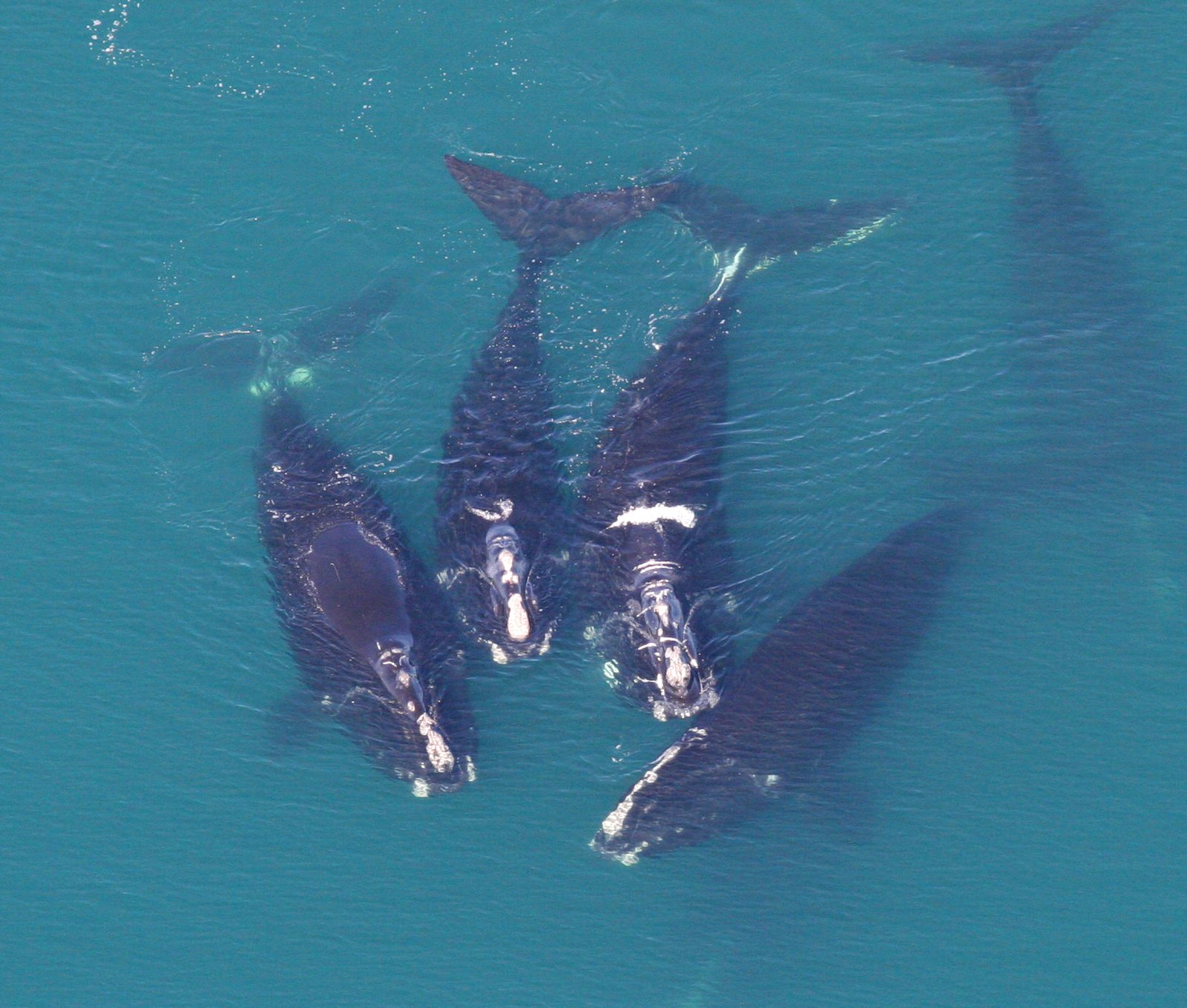
Not every crustacean-caused racket is necessarily bad for whales. In some cases, the natural background noise may help whales avoid predators or locate prey by providing a kind of “acoustic camouflage.” However, when the noise becomes too intense, especially in areas where whale populations are already stressed by human activity, it can create an additional layer of hardship. It’s a delicate balance—one that has existed for millennia but is now being pushed to new limits by changes in crustacean populations and their habitats. Some researchers even speculate that climate change, by warming oceans and altering food supplies, may be causing crustacean numbers to boom in certain regions, intensifying their impact on marine soundscapes.
Human Activity: Making Matters Worse
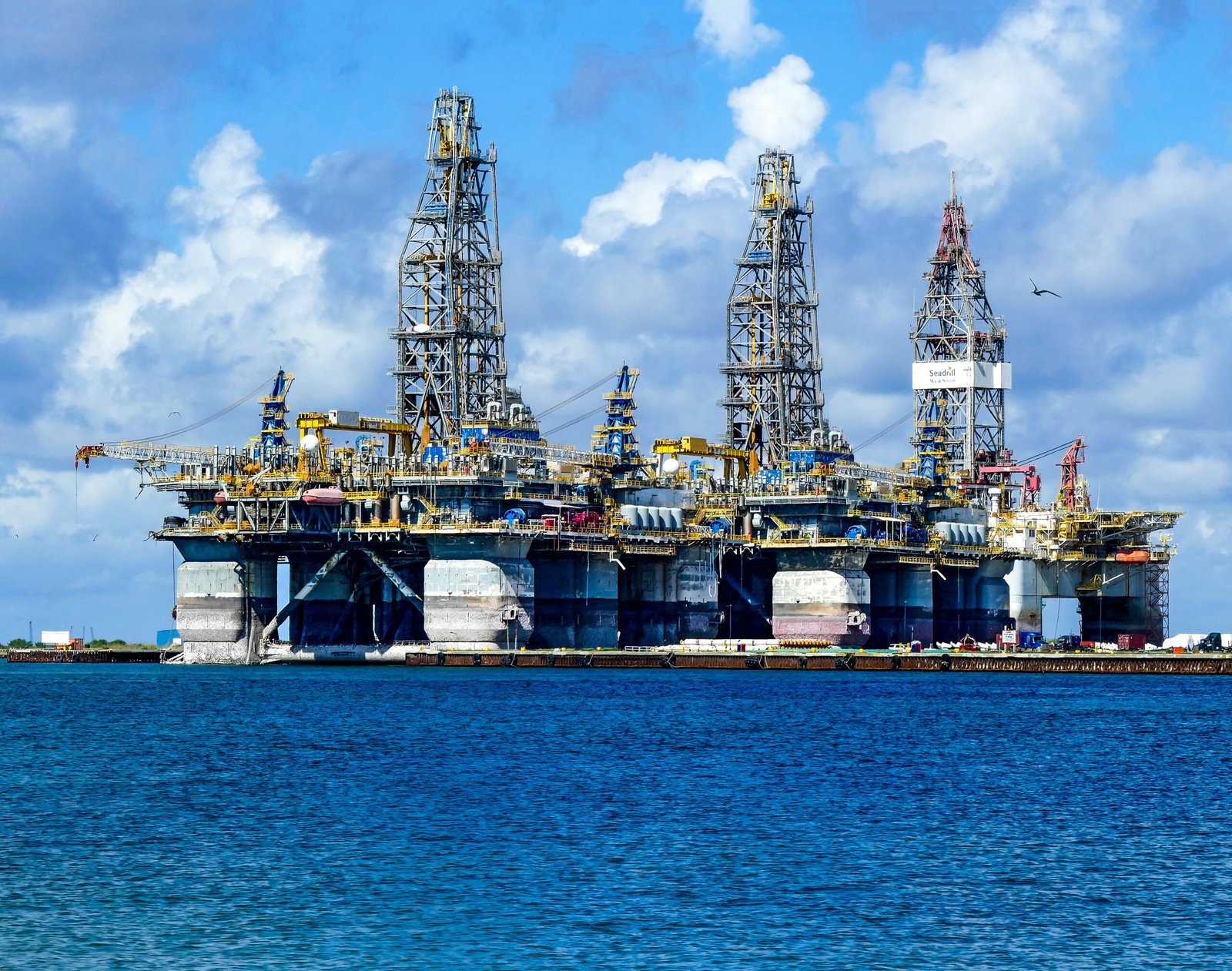
The story doesn’t end with crustaceans. Human activity continues to add to the underwater noise problem, making the environment even more challenging for whales. Ships, sonar, offshore drilling, and construction all contribute to a constant background hum that, when combined with the natural sounds from crustaceans, can create a near-impenetrable wall of noise. For whales, this means their songs may have to compete not just with one another, but with a growing cacophony of both biological and mechanical sources. Some scientists argue that we need to consider all sources of noise—natural and human-made—when thinking about how to protect marine life.
Whale Adaptations: Can Giants Compete?
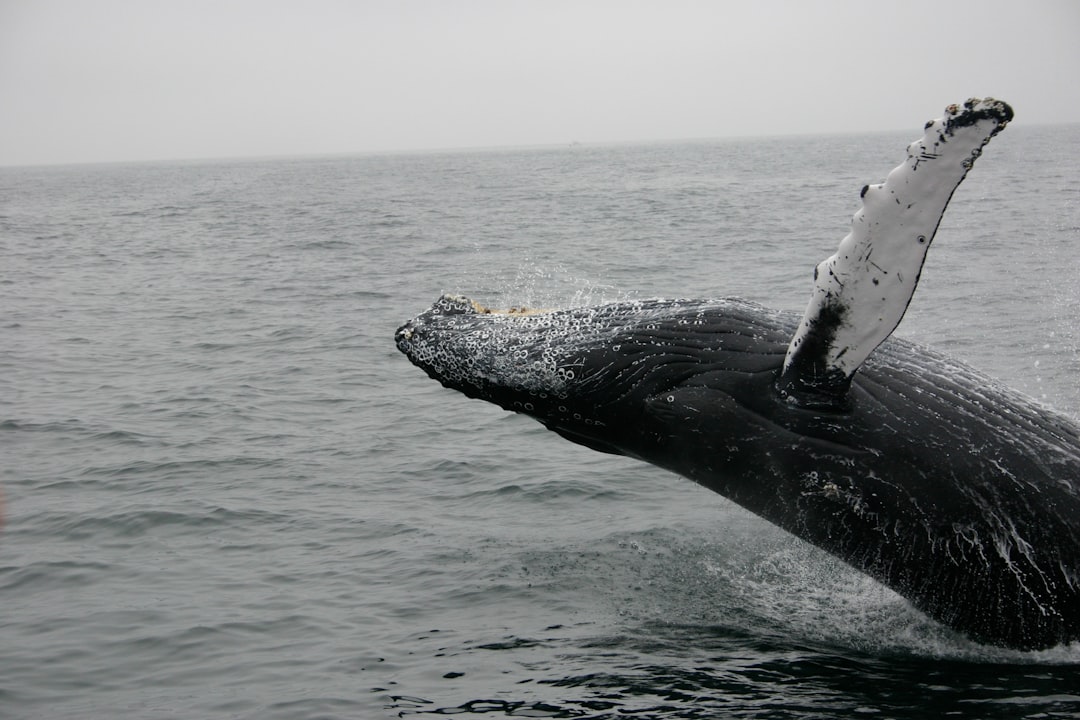
Faced with increasing noise, some whale species have shown remarkable flexibility. Studies have observed whales changing the pitch or volume of their calls to “shout” over the din, or shifting the timing of their songs to periods when background noise is lower. This adaptability is inspiring, but it also comes with risks. Constantly singing louder or in different patterns can be energetically costly and may disrupt social structures. It’s a bit like trying to catch up in a shouting match—eventually, everyone gets tired, and the message is lost. No one knows yet how these changes will affect whale populations in the long term.
The Delicate Dance of Ocean Life
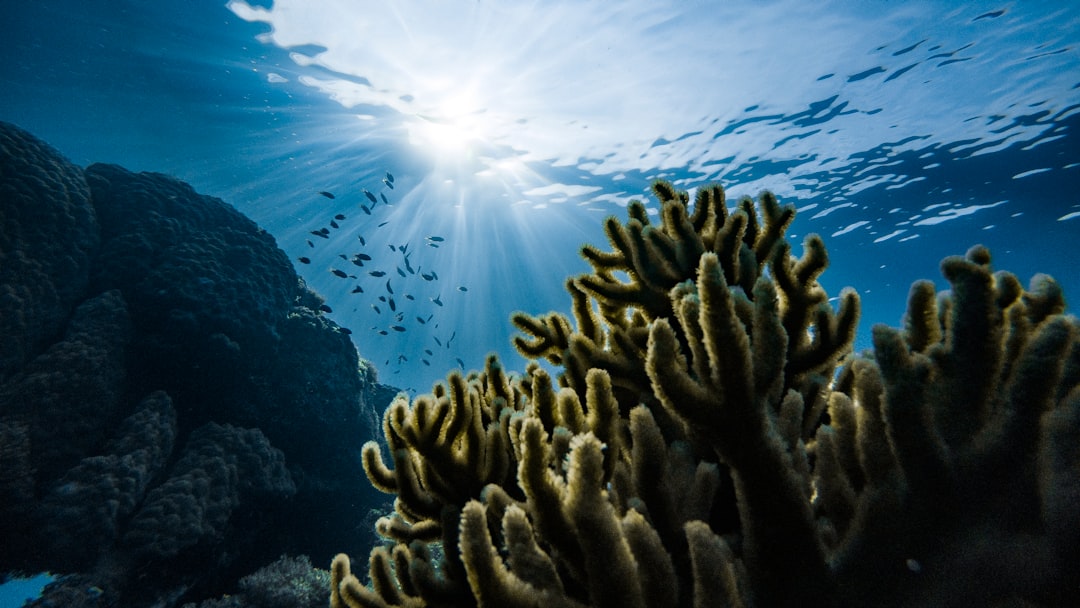
The underwater noise war between crustaceans and whales is part of a much larger story about the interconnectedness of ocean life. Every species, from the tiniest shrimp to the mightiest blue whale, plays a role in shaping the marine environment. When natural balances are disrupted—by climate change, overfishing, or pollution—the consequences can ripple throughout the ecosystem in surprising ways. The “battle of the bands” between crustaceans and whales is a vivid reminder that the ocean is alive with competition, cooperation, and constant change.
What Can Be Done? Rethinking Ocean Conservation
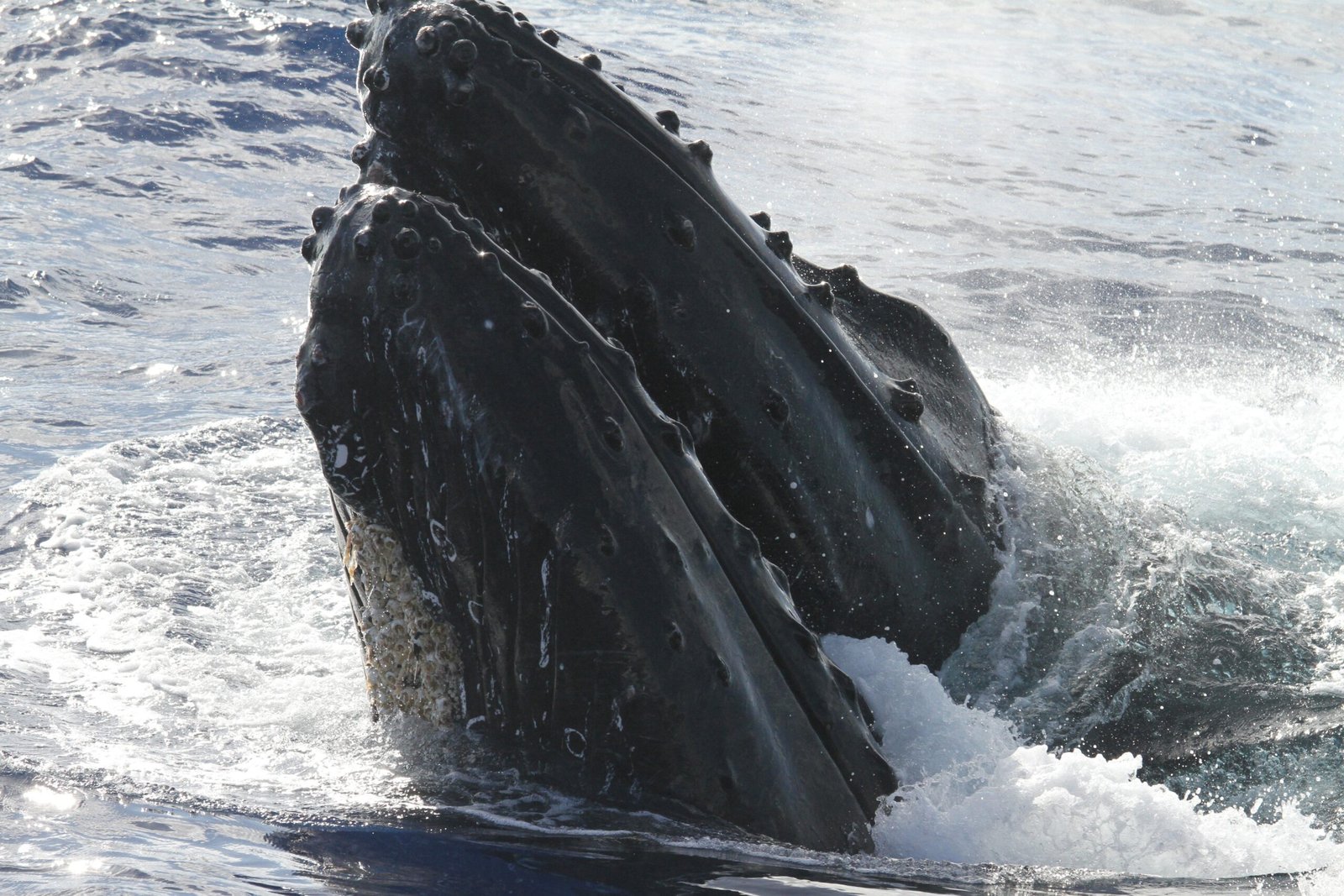
Protecting whales from the growing tide of underwater noise is no easy task. Conservation efforts usually focus on limiting human-made sounds, but the surprising role of crustaceans suggests that solutions must be even more creative. Some scientists propose creating “quiet zones” in key whale habitats, where both human and natural noise levels are monitored and managed. Others advocate for more research into the ways marine animals adapt to changing soundscapes. The goal is to ensure that whales—and all sea life—can continue to communicate, thrive, and inspire awe for generations to come.
A Call to Listen: The Future of Our Oceans
The next time you think of the ocean, imagine not just its beauty, but its sound—layered, lively, and full of surprises. The unexpected noise war between crustaceans and whales reveals just how delicate and complex the underwater world truly is. As we learn to listen more closely to these sounds, we might find new ways to protect and appreciate the incredible life beneath the waves. Could you have imagined that the smallest creatures could silence the songs of giants?