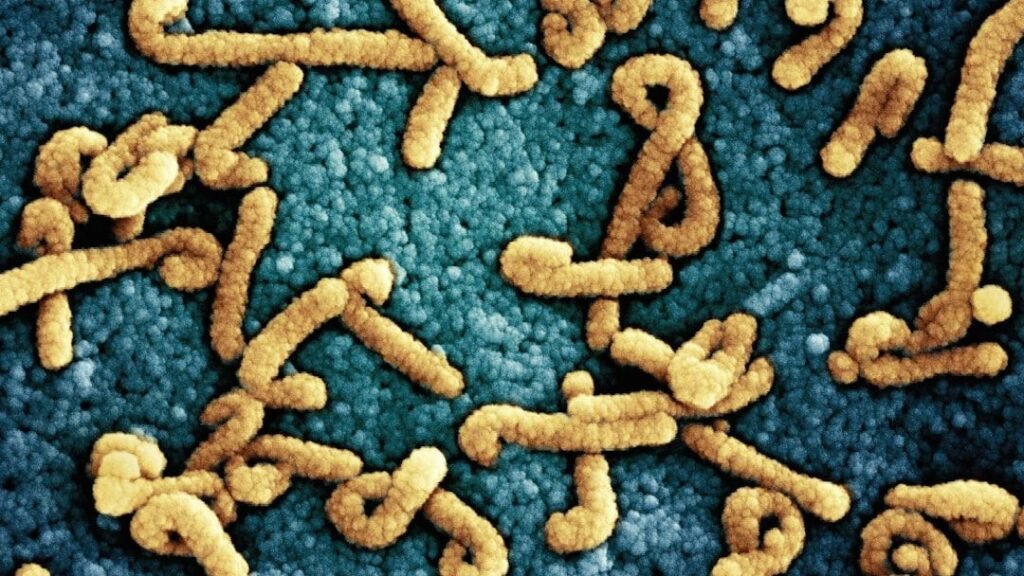

Picture this: while you’re reading this sentence, somewhere in the world, a cheetah is sprinting at 70 miles per hour, a sea turtle is gracefully gliding through ocean currents, and a microscopic tardigrade is tumbling through space on the International Space Station. Movement isn’t just about getting from point A to point B—it’s the very essence of life itself. From the tiniest bacterium propelling itself with whip-like flagella to massive blue whales traversing entire ocean basins, every living creature has evolved its own remarkable way of navigating the world. The diversity of locomotion in nature is so staggering that scientists are still discovering new forms of movement, each more fascinating than the last.
The Lightning-Fast World of Insect Flight

When a dragonfly zips past your ear at the pond, you’re witnessing one of nature’s most sophisticated flying machines in action. These aerial acrobats can hover, fly backwards, and execute hairpin turns that would make a fighter pilot jealous. Their four wings operate independently, creating complex flight patterns that generate both lift and thrust simultaneously.
What’s truly mind-blowing is the speed at which insects process flight information. A fly can detect and react to a swatting hand in just 100 milliseconds—faster than you can blink. Bees, meanwhile, have mastered the art of communicating flight paths through their famous waggle dance, essentially creating GPS coordinates through choreography.
Slithering Serpents: Masters of Limbless Locomotion
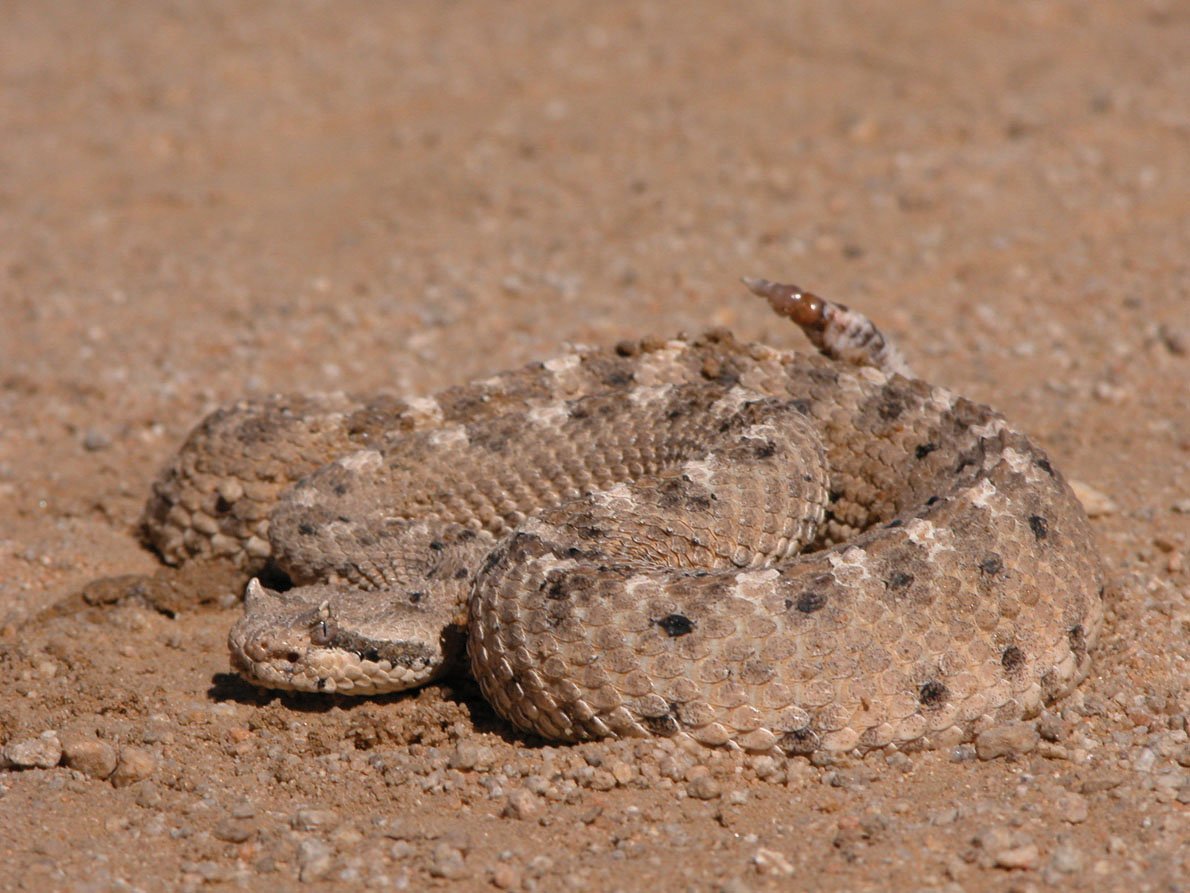
Snakes have turned the absence of limbs into an evolutionary advantage, developing four distinct methods of movement that would make any engineer marvel. The most common, lateral undulation, involves creating S-shaped curves that push against irregularities in the ground. It’s like watching a living sine wave in motion.
But here’s where it gets really wild: sidewinder rattlesnakes have perfected a technique called sidewinding, literally throwing their bodies sideways across hot desert sand. This method minimizes contact with scorching surfaces while maintaining impressive speed. Some species can even climb vertical surfaces using a method called concertina locomotion, bunching up like an accordion and then extending forward.
The Underwater Ballet of Marine Life

Beneath the waves, creatures have evolved movement strategies that seem to defy physics. Dolphins and whales use their powerful tail flukes to create vortex rings—underwater tornadoes of water that propel them forward with incredible efficiency. It’s like they’re riding their own self-created water highways.
Fish have perfected the art of swimming in ways that human engineers are still trying to replicate. Tuna can maintain their body temperature above water temperature through constant movement, essentially becoming warm-blooded torpedos. Meanwhile, seahorses have abandoned traditional fish swimming entirely, using their dorsal fin to flutter like a hummingbird’s wing while their prehensile tail acts as an anchor.
The Gravity-Defying Feats of Wall Crawlers

Geckos can walk up glass windows and hang upside down from ceilings, and the secret lies in their toe hairs—millions of microscopic setae that interact with surfaces at the molecular level. Each toe has about 500,000 of these tiny hairs, creating a force called van der Waals attraction that’s stronger than superglue yet allows instant release.
Spiders take wall-crawling to another level by combining their grippy feet with silk draglines, essentially bungee jumping from surface to surface. Some jumping spiders can leap 50 times their body length with pinpoint accuracy, making them the proportional long-jump champions of the animal kingdom.
The Underground Highway System

Moles have transformed the underground world into their personal superhighway, digging tunnels at a rate that would put construction crews to shame. Their powerful forelimbs can move 18 times their body weight in soil every day. It’s like having a personal subway system that you build as you go.
Earthworms use a completely different approach, employing peristaltic motion—rhythmic contractions that push them through soil like living hydraulic systems. Their movement actually improves soil quality, making them underground gardeners as well as master tunnelers. Some species can extend their bodies to three times their resting length, essentially becoming biological rubber bands.
The Bouncing World of Hoppers and Jumpers

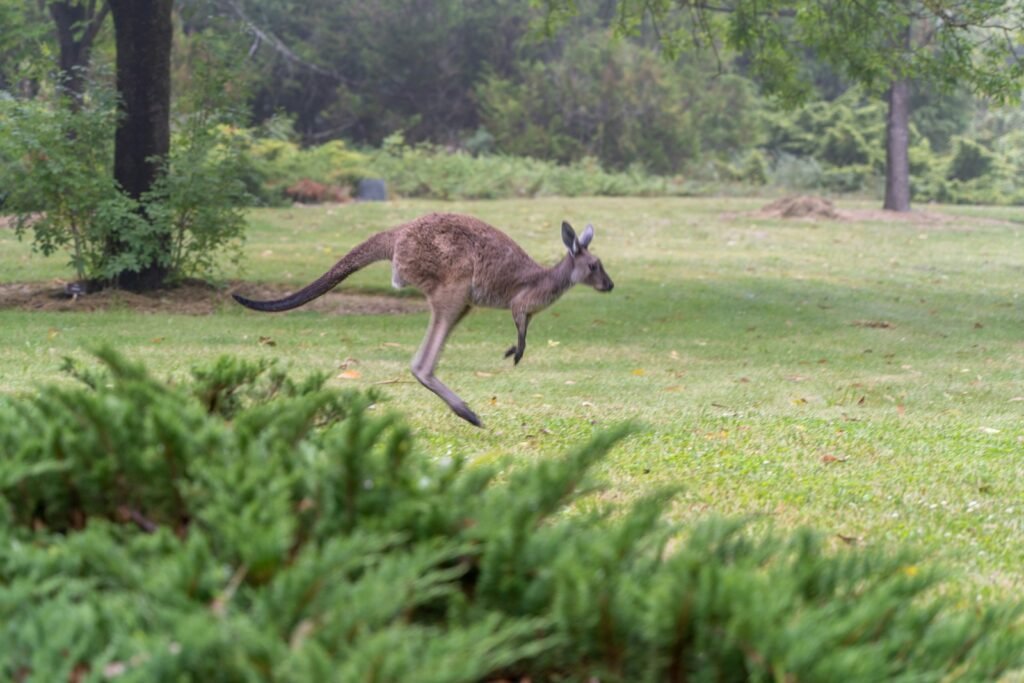
Kangaroos have turned hopping into an art form, with their tendons acting like biological springs that store and release energy with each bound. At high speeds, hopping actually becomes more energy-efficient than running, which explains why you never see a walking kangaroo in a hurry.
Fleas, pound for pound, are nature’s ultimate jumpers, capable of leaping 150 times their body length. If humans could jump proportionally, we’d clear 40-story buildings in a single bound. They achieve this through a protein called resilin that acts like a perfect rubber band, storing energy in their legs before explosive release.
The Microscopic World in Motion

At the cellular level, movement becomes even more fascinating. Bacteria like E. coli swim through liquid using rotating flagella that spin at 18,000 revolutions per minute—faster than most car engines. They can even reverse direction by changing the rotation of these microscopic propellers.
Amoebas move by literally changing their shape, extending pseudopods (false feet) and flowing into them like living liquid. This type of movement, called amoeboid motion, is so efficient that some of our own white blood cells use the same technique to chase down invading bacteria in our bloodstream.
The Unexpected Movers: Plants in Motion

While we typically think of plants as stationary, many species are surprisingly mobile. The sensitive plant (Mimosa pudica) can fold its leaves in less than a second when touched, moving faster than many animals. Venus flytraps snap shut on prey in just 100 milliseconds, making them some of the quickest hunters in the plant kingdom.
Some vines grow with a corkscrew motion, actively searching for supports to climb. Time-lapse photography reveals that what appears to be still plant life is actually engaged in a slow-motion dance of growth and movement that spans hours rather than seconds.
The Physics-Defying Surface Tension Walkers

Water striders have mastered the art of walking on water by distributing their weight across thousands of tiny hairs that create air pockets, preventing them from breaking surface tension. They can accelerate from zero to top speed in mere milliseconds, creating ripples that act like sonar to locate prey and communicate with mates.
Basilisk lizards take water walking to another extreme, literally running across water surfaces at speeds up to 5 miles per hour. Their feet slap the water so quickly that they create air pockets before their weight can break through the surface. It’s like nature’s version of water skiing without skis.
The Masters of Gliding and Parachuting

Flying squirrels don’t actually fly—they’re expert gliders who can control their descent with remarkable precision using their patagium, a stretched membrane between their limbs. Some species can glide over 500 feet, adjusting their trajectory mid-flight like living paper airplanes.
Paradise tree snakes have taken gliding to an entirely new level, flattening their bodies and undulating through the air to achieve controlled flight. They can actually outmaneuver many birds while airborne, despite having no wings whatsoever. It’s proof that nature finds a way to conquer every possible niche.
The Marathon Runners of the Animal Kingdom

Arctic terns make the longest migration of any animal, flying roughly 44,000 miles annually from Arctic to Antarctic and back. That’s equivalent to flying around the Earth twice every year. Their navigation system is so precise they can return to the exact same nesting spot after months at sea.
Monarch butterflies achieve something equally remarkable, with multiple generations participating in a round-trip journey from Canada to Mexico. The butterflies that return north are the great-great-grandchildren of those who left, yet somehow they know exactly where to go despite never having made the journey before.
The Contortionists: Flexible Movement Champions

Octopuses are the ultimate contortionists, capable of squeezing through any opening larger than their beak—their only hard body part. They move by jet propulsion, forcing water through their siphon to rocket backwards, or by using their eight arms in a coordinated walking pattern across the seafloor.
Snails and slugs create their own roads as they travel, secreting mucus that serves as both lubricant and adhesive. This allows them to climb vertical surfaces and even hang upside down. The mucus has non-Newtonian properties, acting as both liquid and solid depending on the applied stress.
The Speed Demons of Land and Sea

Cheetahs hold the land speed record at 70 mph, but their secret isn’t just powerful legs—it’s their flexible spine that acts like a spring, extending their stride length to 25 feet. During a full sprint, they’re actually airborne more often than they’re touching the ground, essentially flying in slow motion.
In the ocean, sailfish can reach speeds of 68 mph by reducing drag through their streamlined body shape and by using their sail-like dorsal fin to break up water turbulence. Black marlins have been clocked even faster, making them the ocean’s speed champions. Their bills aren’t just for show—they use them to stun schools of fish before feeding.
The Rotational Movers: Nature’s Spinning Wheels

While true rotational movement is rare in biology, some bacteria have evolved actual biological wheels. The flagellar motor of bacteria is a genuine rotating mechanism, complete with a rotor, stator, and bearing system that would make any mechanical engineer proud.
Tumbleweeds represent one of the few examples of plants using rotational movement for dispersal, breaking free from their roots and rolling across landscapes to spread their seeds. Some desert beetles similarly use the wind to help them tumble across sand dunes, essentially becoming living tumbleweeds when they need to relocate quickly.
The Precision Navigators

Homing pigeons possess an internal compass system so sophisticated that scientists are still unraveling its mysteries. They can detect magnetic fields, use the sun’s position, recognize landmarks, and even sense infrasound—low-frequency sounds that travel hundreds of miles through the atmosphere.
Sea turtles navigate across entire ocean basins using magnetic signatures embedded in the seafloor, creating mental maps that guide them back to their birth beaches decades later. Their navigation system is so precise they can return to beaches within a few hundred yards of where they were born, after traveling thousands of miles through seemingly featureless ocean.
The Cooperative Movers

Army ants create living bridges and ladders using their own bodies, allowing their colonies to navigate obstacles that would stop individual ants cold. These living structures can span gaps several inches wide and support thousands of times the weight of a single ant.
Honeybees perform one of nature’s most sophisticated forms of collective movement during swarming, with thousands of individuals moving as a single entity while maintaining perfect spacing and coordination. Their ability to make collective decisions about new nest locations involves complex communication that scientists are still studying. The swarm literally votes on potential new homes through pheromone communication and movement patterns.
The Unexpected Athletes

Penguins might look clumsy on land, but underwater they become torpedo-shaped missiles, reaching speeds of 22 mph while hunting. Their wings have evolved into perfectly shaped flippers that provide both propulsion and steering with incredible efficiency.
Sloths move so slowly that algae grows on their fur, but this isn’t laziness—it’s energy conservation taken to an extreme. Their slow movement helps them avoid detection by predators and reduces their metabolic needs to survive on a diet of low-energy leaves. When they do need to move quickly, they can actually swim three times faster than they move on land.
The Multi-Modal Movement Masters

Ducks are masters of multi-environment locomotion, equally at home walking on land, swimming on water, diving underwater, and flying through the air. Their webbed feet work like paddles in water but fold efficiently for walking on land, while their streamlined bodies cut through both water and air with minimal resistance.
Seals represent another triumph of multi-modal movement, using their flippers like underwater wings while diving but transforming into efficient land-based locomotion when hauling out on beaches. Some species can hold their breath for over two hours while diving to depths that would crush most other mammals, then surface and immediately transition to air-breathing mode without missing a beat.
The world of animal locomotion reveals that movement isn’t just about survival—it’s about mastering the art of living in harmony with physical laws while pushing the boundaries of what seems possible. Every creature, from the smallest bacterium to the largest whale, has evolved its own unique solution to the challenge of getting around in a world governed by gravity, friction, and fluid dynamics. These living examples continue to inspire human innovations in robotics, transportation, and engineering, proving that nature remains our greatest teacher when it comes to elegant solutions to complex movement challenges. What other secrets of motion are still waiting to be discovered in the natural world around us?