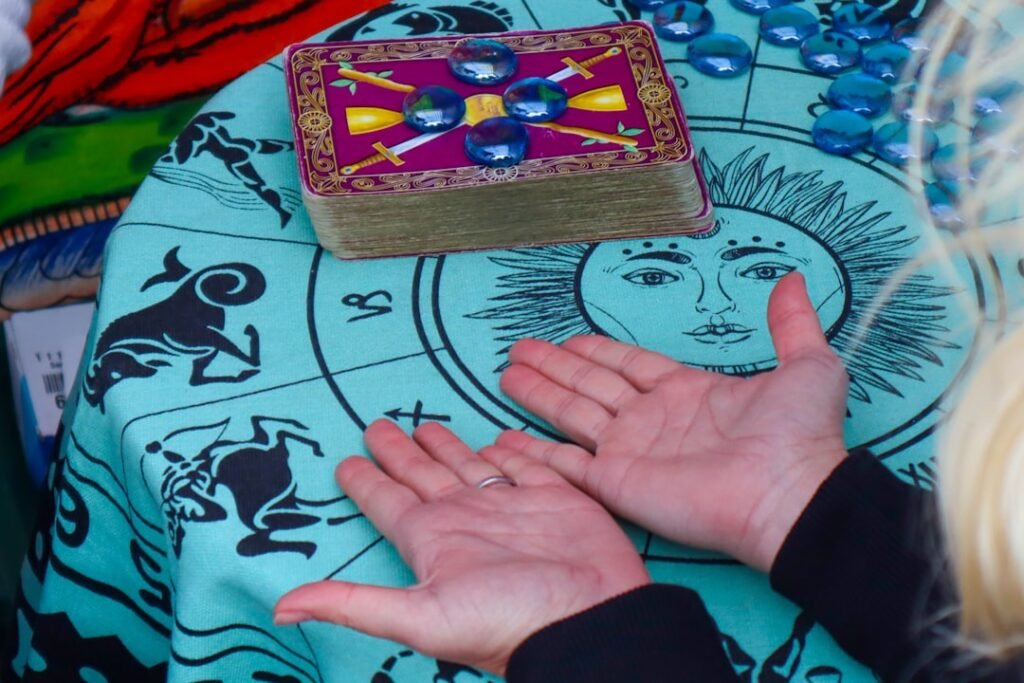

You’ve probably checked your horoscope at least once, right? Maybe you noticed something eerily accurate about the description of your sign. Perhaps you’ve even found yourself nodding along when someone mentions typical Scorpio intensity or classic Virgo perfectionism. It makes you wonder if there might be something to it.
Millions of people around the world turn to astrology for insights about themselves and their futures. The question is whether these celestial patterns genuinely hold keys to understanding who we are, or if something else entirely is at play. Let’s be real, even skeptics sometimes peek at their daily horoscope, curious about what the stars might say. There’s an undeniable fascination with the idea that our birth date could shape our deepest traits.
The Ancient Practice That Still Captivates Modern Minds
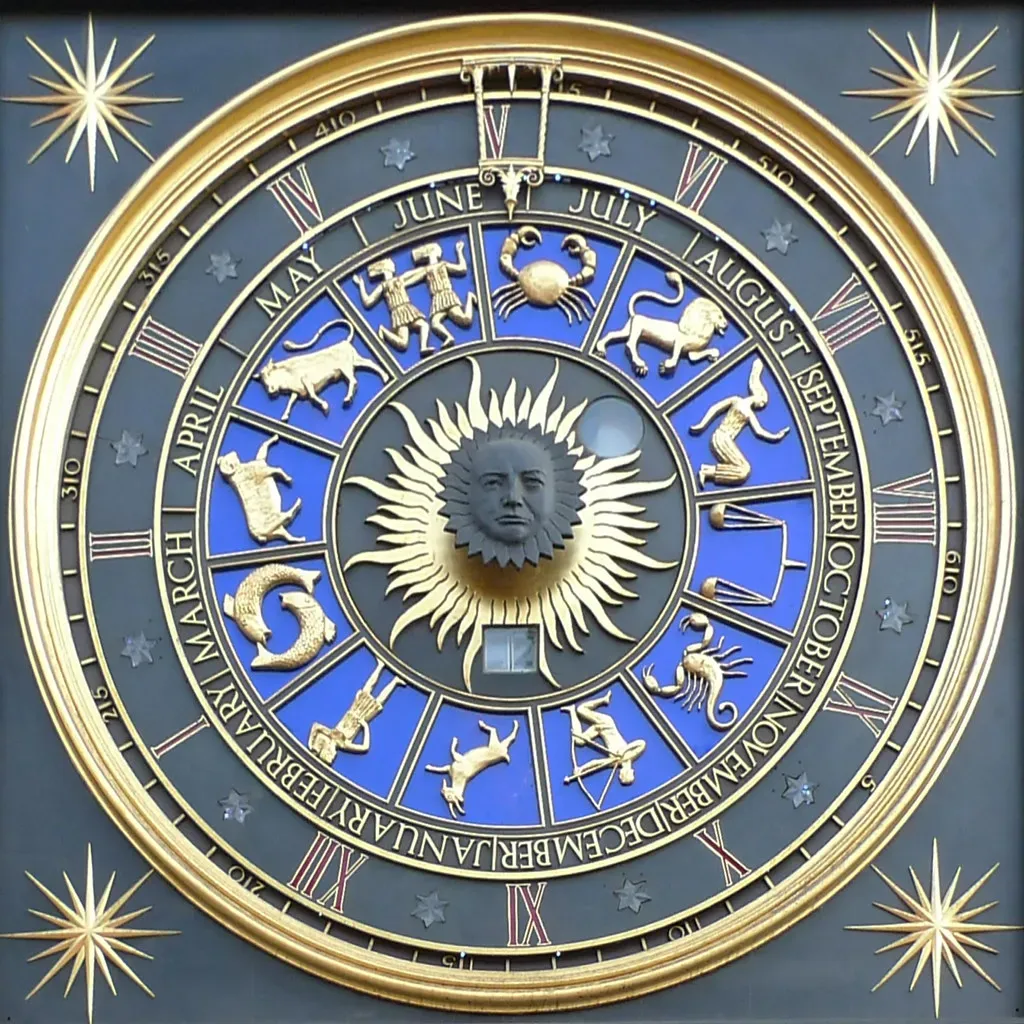
Astrology has been around for thousands of years, practiced everywhere from ancient Babylon to Renaissance Italy. The core principle has remained consistent across eras: the positions of celestial bodies at birth influence a person’s character. Think about how remarkable that longevity is. Something about linking the cosmos to human behavior resonates deeply with people across cultures and centuries.
Today, astrology hasn’t faded into obscurity. About 30% of Americans express belief in astrological influences, and that number seems to be growing rather than shrinking. From mobile apps generating personalized birth charts to celebrity astrologers with massive followings, the practice has adapted seamlessly to the digital age.
What makes astrology so compelling? Part of its appeal lies in offering a framework that seems to make sense of life’s chaos. When you read that Cancers are deeply emotional and protective, or that Geminis have quick, versatile minds, these descriptions create a narrative about who you are and why you act the way you do.
What Science Actually Says About Zodiac Signs and Personality
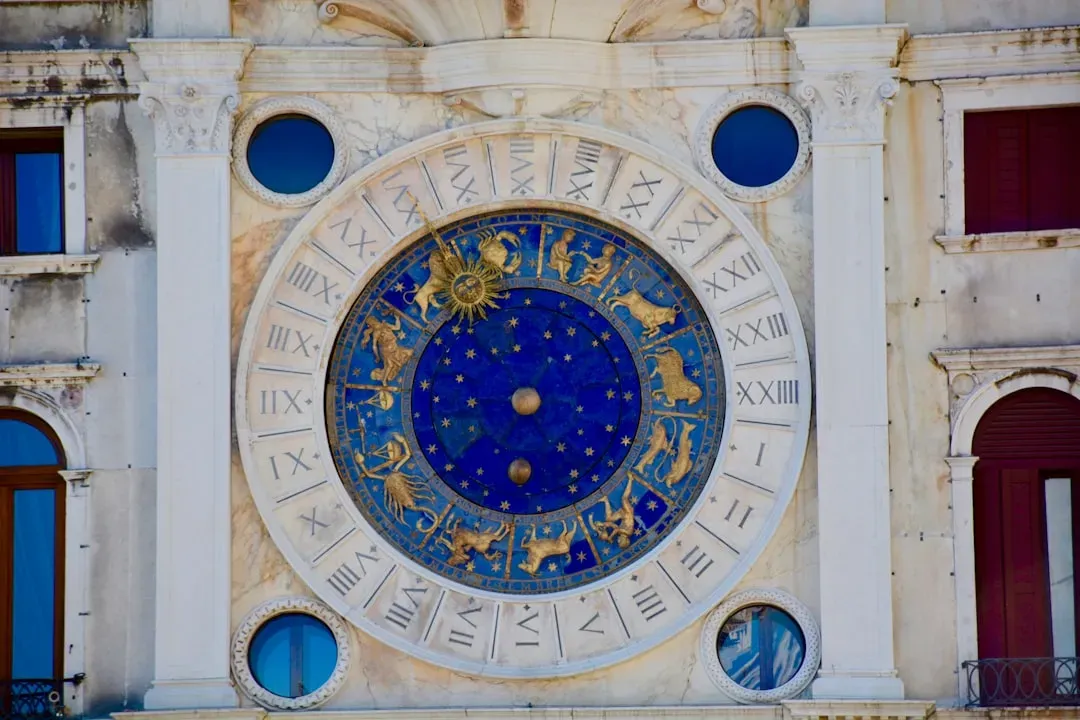
Here’s where things get interesting. Quantitative analysis revealed no significant correlation between zodiac signs and actual personality traits. Multiple large-scale scientific studies have tested whether your birth date genuinely predicts your characteristics, and the results are pretty much unanimous.
Research found no significant evidence linking zodiac signs to happiness, financial satisfaction, marital satisfaction, or overall health. In one particularly telling study, the predictive power of zodiac signs was statistically indistinguishable from a randomly generated categorical variable, meaning consulting astrological signs tells us as little about well-being as simply putting people into categories based on a coin flip.
When astrologers have been put to the test, the outcomes are even more sobering. More than forty studies involving nearly 700 astrologers and 1,150 birth charts gave a mean effect size of 0.051 with no statistical significance. Honestly, you’d get better results just guessing.
The Barnum Effect: Why Horoscopes Feel So Personal
So if astrology doesn’t actually work, why does it feel so accurate? Enter the Barnum Effect. This psychological phenomenon explains why individuals believe in generalized personality descriptions as if they are accurate descriptions of their unique personality, even though the information is vague enough to apply to almost anyone.
In a famous experiment from 1948, psychologist Bertram Forer gave students a personality test. Each student received supposedly individual assessments, but actually all students received identical descriptions taken from an astrology book, and more than 40% gave it the top rating, with an average score of 4.2 out of 5.
Studies found that zodiac-tailored descriptions and generic Barnum statements were rated equally accurate, exposing astrology’s reliance on psychological trickery. Picture reading “Your dual nature makes you adaptable but indecisive.” Almost anyone can relate to feeling indecisive sometimes or adapting to different situations. That’s the magic trick behind horoscopes.
Confirmation Bias: Remembering the Hits, Forgetting the Misses
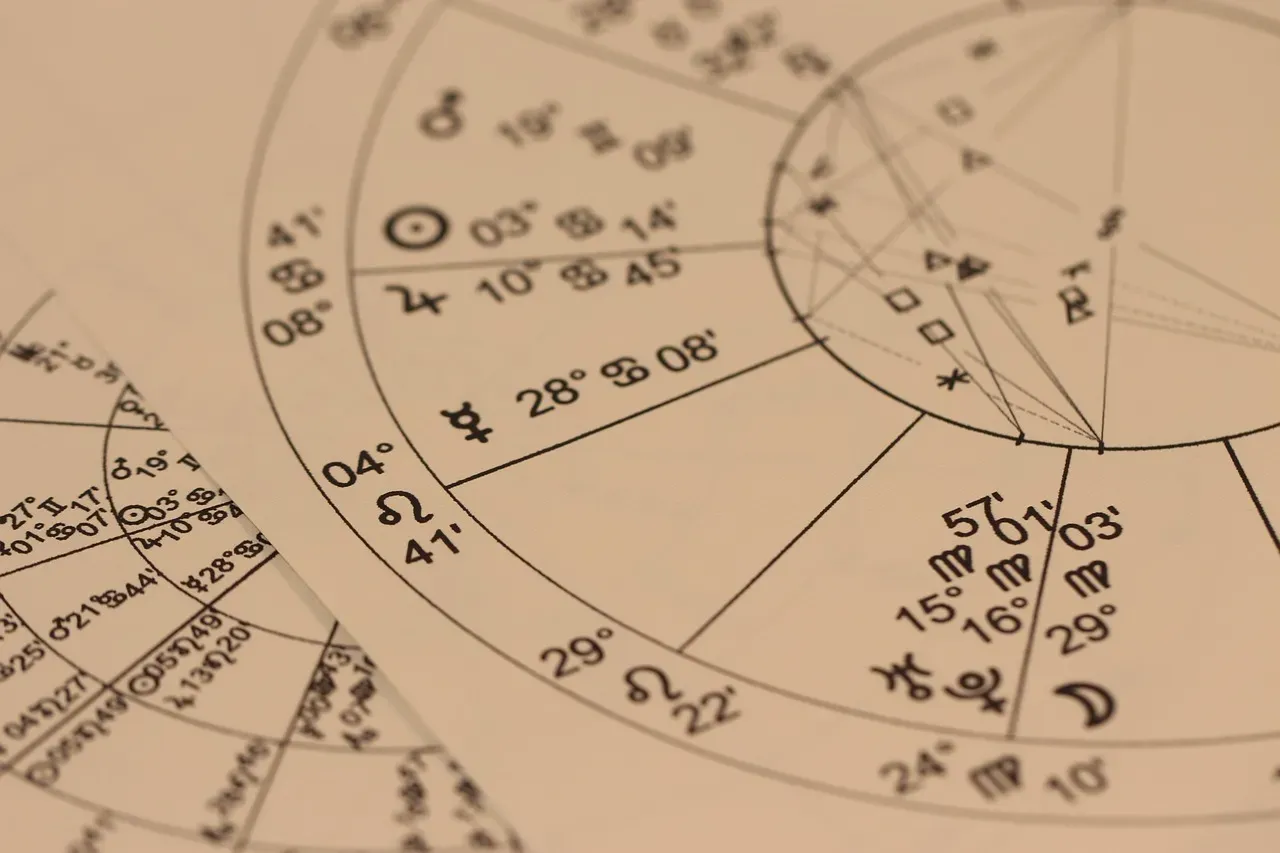
There’s another psychological mechanism at work here. Astrology believers often tend to selectively remember predictions that turned out to be true and do not remember those that turned out false. This is confirmation bias in action, and it’s incredibly powerful.
Think about the last time you read your horoscope. Did it say something like “You’ll reconnect with an old friend” or “An opportunity will present itself”? If either of those vague possibilities happened within the next week, you probably thought “Wow, that was accurate!” But what about all the predictions that never materialized? You likely forgot about those entirely.
People pay closer attention to and primarily remember astrological predictions that align with their knowledge, aspirations, and desires, while ignoring evidence that doesn’t support them, and remembering the hits while forgetting the misses reinforces the conviction that astrology works. Our brains are essentially rigged to make us believe in patterns, even when they don’t exist.
Why Do Intelligent People Still Believe?
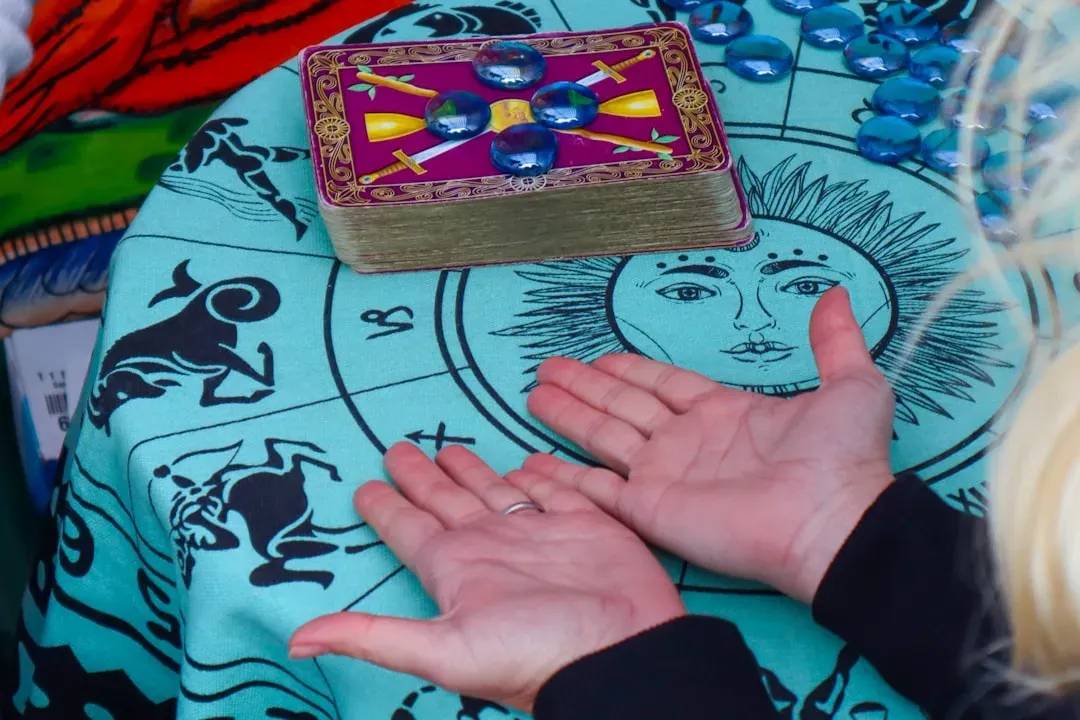
You might assume that education would protect people from believing in astrology. Interestingly, it does to some extent, but not completely. Among those whose highest level of education was a high school diploma, belief in astrology as scientific rose to 43%, compared to lower rates among those with higher education.
Yet plenty of well-educated, intelligent people still check their horoscopes. Narcissism was surprisingly the strongest predictor of belief in astrology, and intelligence showed a negative relationship with such belief. That suggests personality factors might matter more than pure cognitive ability.
Evidence suggests that people with authoritarian or neurotic personalities or who have a greater than usual need for approval are more likely to manifest the Barnum effect. Perhaps belief in astrology serves psychological needs that have nothing to do with its actual validity.
The Comfort of Cosmic Order in Uncertain Times
Let’s get to the heart of why astrology persists despite scientific debunking. Stress originates from uncertainty about future outcomes, and the human brain is hard-wired to seek certainty, which is why some people interpret and give structure to adverse life events, and astrology seems to provide meaningful explanations that increase a sense of control, bringing comfort and reducing feelings of distress.
Life can feel chaotic and random. The idea that there’s some cosmic blueprint, that the universe has a plan reflected in planetary movements, offers profound psychological comfort. It’s not about whether it’s true. It’s about whether it makes people feel better.
Astrology could be seen as an anxiety-buffer protecting individuals from high-stress situations, which might explain why there was a high increase in horoscope believers during the Covid-19 pandemic, with online searches for zodiac signs hitting a five-year peak in 2020. When the world feels out of control, we grasp for anything that promises meaning.
Cultural Differences in Astrological Belief
Belief in astrology isn’t uniform across the globe. Participants who strongly believed in astrology overestimated alignment between their personalities and zodiac descriptions, with Indian participants showing stronger Barnum-driven acceptance than Swedes. Cultural context matters enormously.
Results suggest zodiac-based personality alignment is culturally mediated and driven by cognitive biases, not astrological validity. In societies where astrology is deeply woven into cultural fabric, belief tends to be stronger and more persistent. It becomes part of identity construction, a shared language for understanding ourselves and others.
Some cultures integrate astrology into major life decisions, from marriage compatibility to career choices. In these contexts, astrology functions less as a scientific claim and more as a social and psychological tool that helps people navigate complex decisions.
The Role of Self-Attribution and Identity
Something fascinating happens when you learn about your zodiac sign. Over time, you might start to embody the traits associated with it. This is self-attribution, and it’s surprisingly powerful. If you’re constantly told that Leos are natural leaders, you might start seeing yourself that way and acting accordingly.
Self-attribution is an important factor in developing beliefs in the validity of presented personality descriptions, and the relative favorableness of astrologically derived descriptions can be a moderator variable for long-term self-attribution effects. You essentially become your sign through a kind of self-fulfilling prophecy.
This doesn’t mean astrology is real. It means our beliefs about ourselves are incredibly flexible and influenced by the narratives we’re exposed to. Whether those narratives come from psychology, astrology, or anywhere else, they shape how we see ourselves and present ourselves to the world.
The Power of Positive Feedback

Horoscopes and astrological descriptions are almost always flattering. The content of descriptions offered is important, with specific emphasis on the ratio of positive to negative trait assessments, and subjects give higher accuracy ratings when the analysis lists mainly positive traits. Who doesn’t want to hear good things about themselves?
The Pollyanna Principle explains people’s tendency to remember pleasant events more accurately than negative ones. We naturally gravitate toward information that makes us feel good. When your horoscope tells you that you’re intuitive, creative, or destined for success, that feels validating.
This positive skew is no accident. Astrology practitioners understand human psychology well enough to craft descriptions that people want to believe. The flattery works precisely because it taps into our need for approval and positive self-regard.
Astrology as a Tool for Self-Reflection

Despite lacking scientific validity, astrology might still have value. Research highlights how individuals use astrological interpretations as a tool for self-exploration and meaning-making, with astrology providing a symbolic language through which people can understand their life experiences and inner motivations.
Think of it like personality tests or therapy prompts. The specific framework might be arbitrary, but if it gets you thinking about who you are and what you value, does that matter? Some psychologists argue that astrology can serve as a starting point for introspection, even if the underlying mechanism is bogus.
Each zodiac sign carries unique archetypal energies that can offer clues about potential life purpose, with these archetypal patterns serving as gentle guideposts rather than rigid determinants. Used this way, astrology becomes less about prediction and more about reflection.
The Social Function of Zodiac Signs

Here’s something interesting: zodiac signs give us a shorthand for talking about personality. When someone says they’re a Sagittarius, they’re communicating something about themselves, even if it’s not scientifically accurate. It creates instant connection and conversation.
In dating apps, social media profiles, and casual conversations, zodiac signs function as social currency. They’re fun, relatively harmless, and give people a way to present themselves. Whether or not you actually match your sign’s description becomes almost irrelevant to its social utility.
This social dimension helps explain astrology’s staying power. It’s not just about individual belief. It’s about shared cultural references and the human need for belonging and self-expression.
What About Those Weird Coincidences?
You might be thinking, “Okay, but what about all those times astrology seemed weirdly accurate?” Fair question. Sometimes the coincidences are genuinely striking. Yet scientific testing has found no evidence to support the premises or purported effects outlined in astrological traditions, and where astrology has made falsifiable predictions, it has been falsified.
The human brain is exceptionally good at finding patterns, even in random data. We evolved to detect patterns because it helped our ancestors survive. The rustle in the bushes might be a predator. Better safe than sorry. That same pattern-seeking tendency makes us see connections between our personalities and zodiac descriptions when none exist.
Coincidences happen all the time. We just notice them more when they confirm what we already believe or want to believe.
The Future of Astrology in a Scientific Age

Those who continue to have faith in astrology do so despite the fact that there is no verified scientific basis for their beliefs and strong evidence to the contrary, with continued belief seen as a demonstration of low scientific literacy, although some continue to believe even when scientifically literate. This creates an interesting tension in our modern world.
As scientific literacy increases and information becomes more accessible, you might expect astrology to fade away. Instead, it seems to be thriving, particularly among younger generations who embrace it with knowing irony or genuine spiritual seeking. The digital age has made astrology more accessible than ever through apps and social media.
Perhaps astrology will continue to evolve, finding new ways to meet psychological and social needs even as science continues to debunk its claims. The question isn’t really whether it’s true. The question is what needs it fulfills and whether those needs can be met in other ways.
Making Peace With the Stars
So what’s the verdict? Your zodiac sign doesn’t actually reveal hidden aspects of your personality in any scientifically meaningful way. The correlations don’t hold up under rigorous testing, and the mechanisms that make astrology feel accurate are well-understood psychological phenomena like the Barnum Effect and confirmation bias.
Yet millions of people find comfort, meaning, and even joy in astrology. While astrology isn’t a science, many find that zodiac sign personality traits resonate with how they see themselves or others, and the zodiac can be a useful and entertaining mirror for self-reflection. There’s value in that, even if it’s not the value astrology claims to offer.
Maybe the real insight isn’t about whether astrology is true, but about recognizing what draws us to it. The need for meaning, the desire to understand ourselves, the comfort of feeling connected to something larger than ourselves. Those are deeply human needs, and they deserve respect even when the specific framework we use to address them doesn’t hold up to scientific scrutiny.
What do you think? Can something be meaningful without being true? Share your thoughts below.
Hi, I’m Andrew, and I come from India. Experienced content specialist with a passion for writing. My forte includes health and wellness, Travel, Animals, and Nature. A nature nomad, I am obsessed with mountains and love high-altitude trekking. I have been on several Himalayan treks in India including the Everest Base Camp in Nepal, a profound experience.