
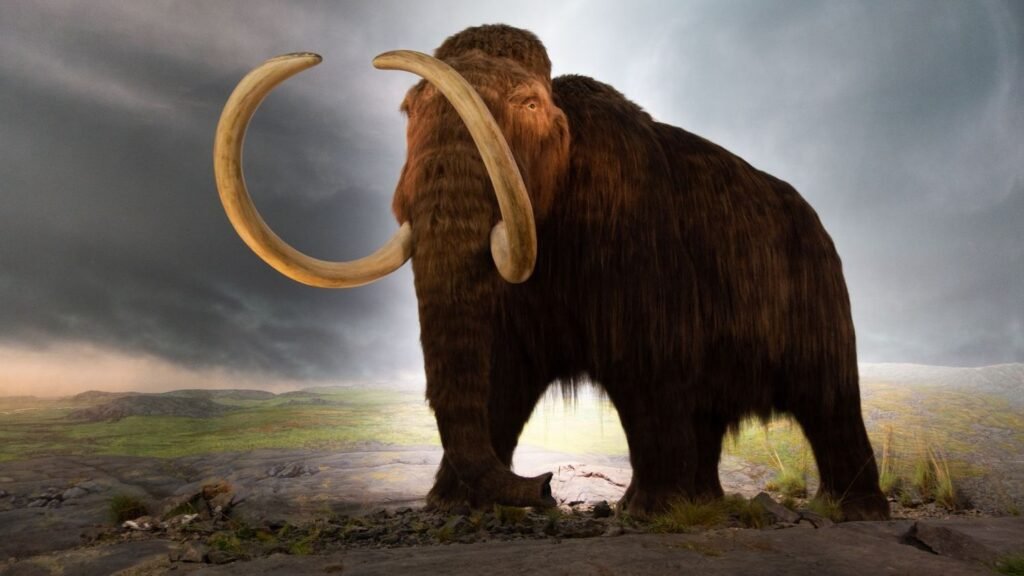

If someone told you that mammoths might walk the earth again in your lifetime, would you laugh… or quietly hope it’s true? The idea of resurrecting extinct animals feels like science fiction, the kind of thing that belongs in movies with dramatic music and disastrous endings. Yet in 2026, de‑extinction is not just a wild fantasy; it’s an active field of research with real labs, real money, and real ethical dilemmas.
I still remember the first time I read about scientists trying to recreate a mammoth using elephant DNA; it felt almost like humanity was trying to rewind time with a glitchy remote control. Part of me was fascinated, part of me uneasy. Because behind the cool headlines, there’s a harder question lurking: just because we might be able to bring some species back… should we?
What De‑Extinction Actually Means (And What It Doesn’t)
When people imagine de‑extinction, they usually picture a perfectly preserved dinosaur being cloned back to life, as if we just hit “undo” on millions of years of evolution. Reality is a lot less cinematic and a lot more technical. De‑extinction generally means using modern genetic tools to recreate traits of an extinct species, not literally pulling the exact same animal out of the past like a time traveler.
In most cases, scientists work with a close living relative as a starting point, then tweak its DNA to match what we know about the extinct animal’s genome. So instead of a “pure” woolly mammoth, for example, the best we might realistically get is an Asian elephant carrying many mammoth-like genetic features. It’s more like restoring a damaged old painting than printing a brand‑new copy: you can get very close, but it’s never completely original.
How Cloning and Gene Editing Could Resurrect Lost Species
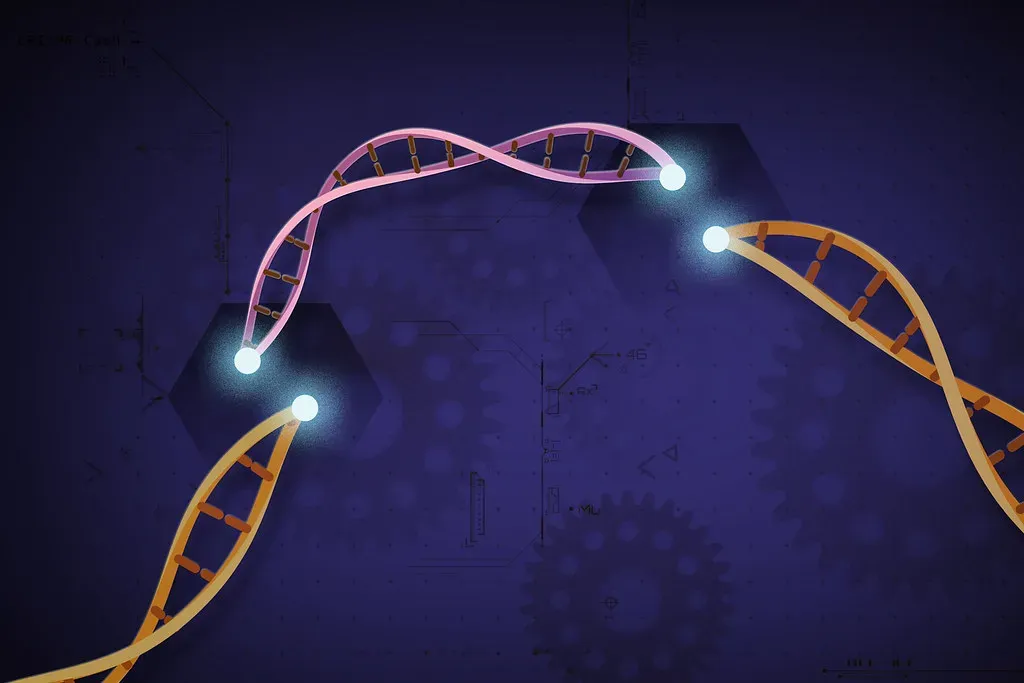
The core tools of de‑extinction sound like a jumble of buzzwords: cloning, CRISPR, gene editing, synthetic biology. But at their heart, they’re just ways of reading, rewriting, and reusing DNA, the instruction manual for life. In classic cloning, scientists take the DNA from one animal and insert it into an egg cell whose own DNA has been removed, then implant that embryo into a surrogate mother.
Gene editing goes a step further and lets researchers change specific parts of the DNA, almost like using a precise “find and replace” function in a text document. CRISPR-based tools allow scientists to introduce extinct genes into the genome of a living species, slowly nudging it toward the extinct form. It’s messy, complicated, and far from guaranteed to work, but it’s no longer just a hypothetical discussion in textbooks.
The Woolly Mammoth: Science Project or Conservation Game‑Changer?
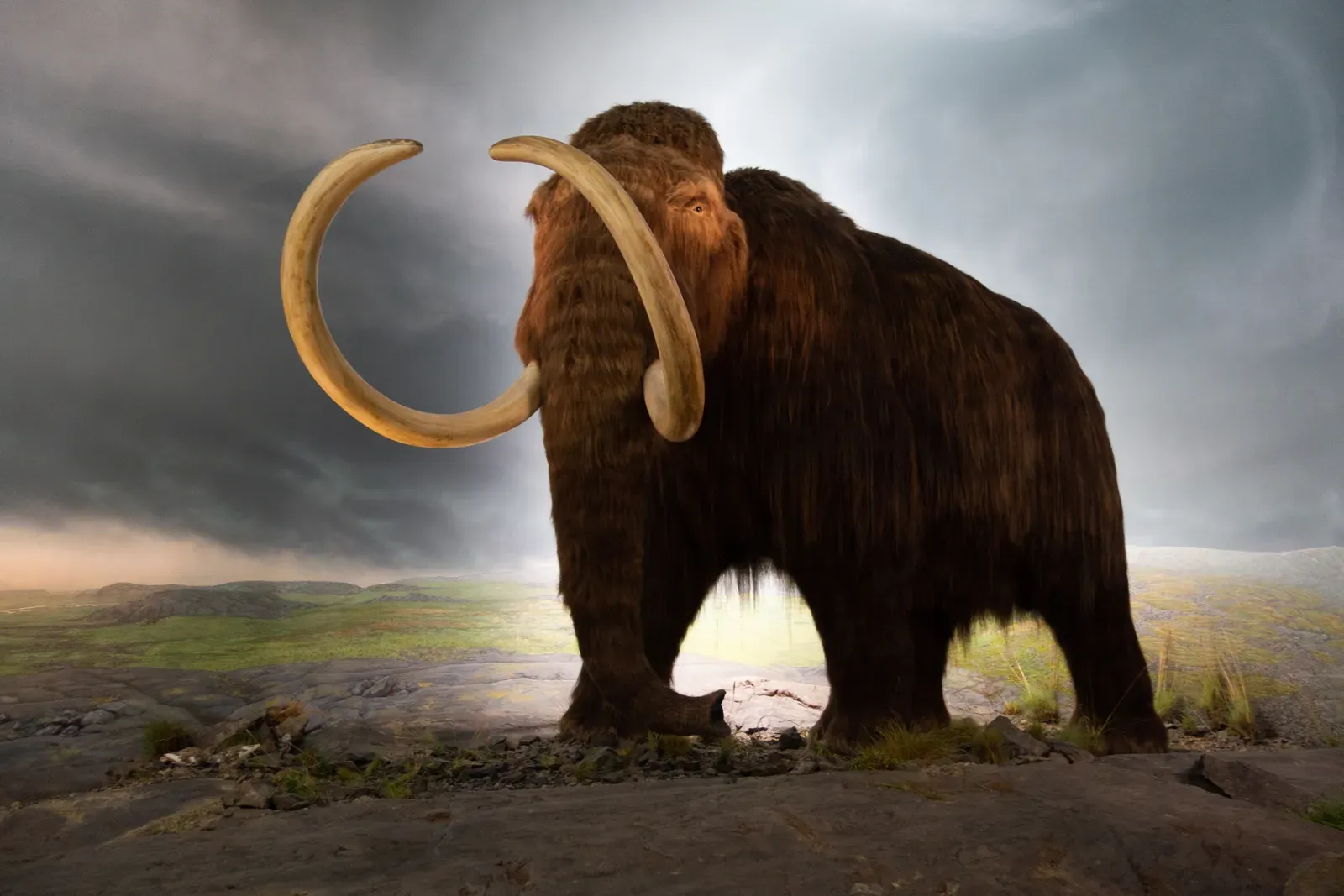
The woolly mammoth has become the poster child of de‑extinction, partly because its frozen remains are relatively well preserved and partly because everyone seems to love the idea of seeing shaggy giants roam the Arctic again. Several teams are trying to edit Asian elephant DNA so that the resulting animal would have mammoth-like traits: thick fur, small ears, fat storage, and cold‑adapted blood. The goal isn’t just nostalgia; some scientists argue these animals could help restore degraded Arctic ecosystems.
The theory is that mammoth-like herds could trample snow, knock down shrubs, and help maintain grasslands that reflect more sunlight and keep permafrost colder. It’s a bold idea that sounds almost magical, but it also raises brutally practical questions: where would these animals live, who would care for them, and what happens if they suffer in the harsh conditions we drop them into? It’s one thing to bring a species back on paper, and another to make sure it has a life worth living.
Can We Really Do This With Dinosaurs (Or Is That Just Fantasy)?
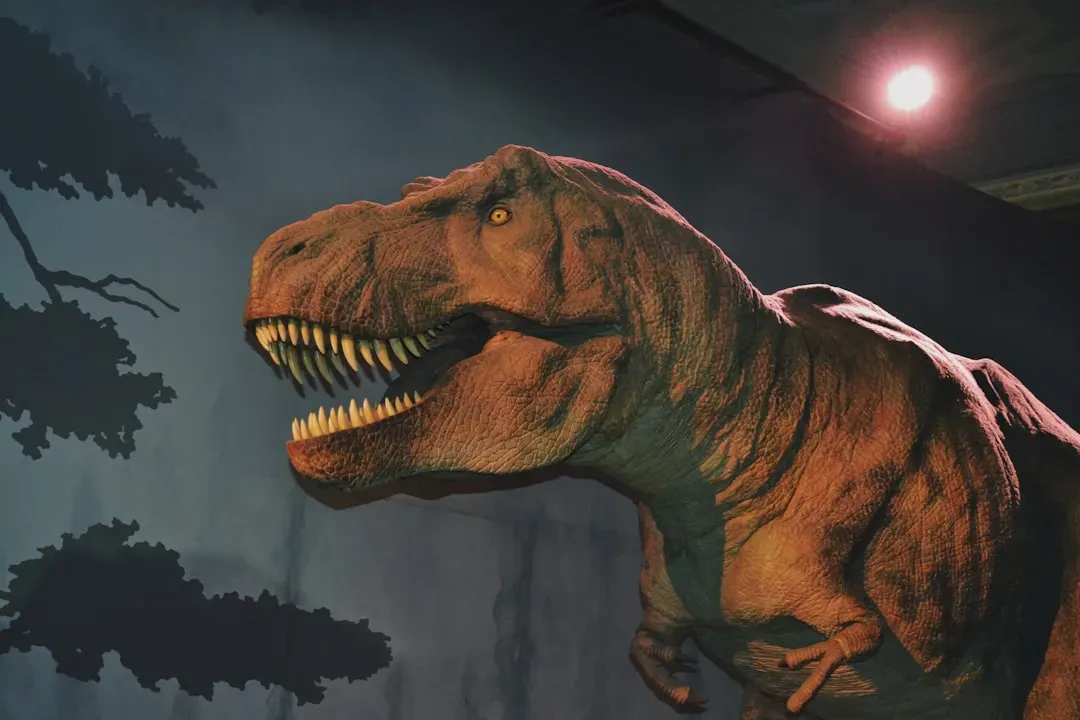
This is where the reality check crashes through the door. Dinosaurs are many tens of millions of years gone, and DNA simply doesn’t survive intact for that long, even in the best conditions we know of. Without usable genetic material, we can’t clone or accurately edit a living species to become a dinosaur; the blueprint is too badly shredded, like a burned book with only a few random letters left.
There are some interesting side projects, like tweaking bird embryos (since birds are living dinosaur descendants) to express ancient traits such as teeth or longer tails. But that’s a far cry from hatching a real T. rex. For now, the creatures most likely to be candidates for de‑extinction are relatively recent losses where we still have decent DNA samples and a close living relative, not the long‑vanished giants from the deep past.
The Ethical Minefield: Should We Do It, Even If We Can?
Even if de‑extinction turns out to be technically possible for a few species, the moral questions are much harder than the lab work. One concern is suffering: are we comfortable creating animals that might face high rates of deformity, sickness, or early death while scientists “figure it out”? It’s not hard to imagine a series of failed pregnancies, sick newborns, and individuals that never thrive, all in the name of science and curiosity.
Another issue is responsibility. If humans drove a species to extinction, maybe we feel a deep urge to make amends, but bringing back a few individuals into a world that no longer suits them might be more like guilt theater than real repair. There’s also the risk of distraction: pouring attention into mammoths and passenger pigeons might pull resources away from saving elephants, rhinos, or amphibians that are barely hanging on right now. In a world of limited time and money, every new idea comes with an opportunity cost.
De‑Extinction vs. Protecting the Species We Still Have
Imagine you have a burning house and a photo of a beloved pet that already died years ago. Which do you save first: the people still inside, or the photo? That’s how some conservation biologists feel about de‑extinction. They argue that while resurrecting extinct species grabs headlines, the quiet, unglamorous work of habitat protection, anti‑poaching measures, and pollution control does far more to protect life on Earth right now.
Supporters of de‑extinction counter that the same tools developed for resurrecting lost animals can also help protect endangered ones. Gene editing might help species adapt to climate change, resist new diseases, or increase genetic diversity in tiny populations. In the best case, de‑extinction research could become a side effect of a much bigger push to use genetics for conservation, instead of a flashy distraction that siphons off precious funding and public attention.
What “Success” Would Actually Look Like in the Real World
Even if a lab manages to create a healthy individual of a once‑extinct species, that’s only the first inch of a marathon. A species is more than just its DNA; it’s also its behavior, its culture, its learned skills, and its relationships with other creatures and the environment. One resurrected animal in a zoo isn’t a true de‑extinction; it’s more like a living museum exhibit. Real success would mean a self‑sustaining population that can survive and reproduce without constant human intervention.
To reach that point, we’d need suitable habitat, legal protections, long‑term funding, and public support, all aligned for decades. We’d have to think about how these animals interact with modern ecosystems that have moved on without them, and whether we’re prepared for unintended consequences. When I think about “bringing species back,” I don’t picture a moment in a lab; I picture generations of people deciding, over and over, to stay committed to the lives they chose to reintroduce. The question isn’t only whether we could bring extinct animals back – it’s whether we’re willing to live with everything that comes after.


