
There is something deeply magnetic about Mars. It hangs in our night sky, a faint rusty dot, and yet in 2026 it feels closer than ever before – not just in kilometers, but in ambition, investment, and sheer human stubbornness. Scientists, engineers, and billionaires are no longer asking whether we should try to get there. They’re asking how soon.
The endeavor to establish a human presence on Mars represents a convergence of numerous scientific, technological, and existential considerations – a goal that has evolved from the realms of early astronomical studies and science fiction into a tangible objective at the forefront of modern space exploration. Honestly, that shift from fantasy to engineering blueprint is one of the most fascinating stories of our era. So let’s dive in – because is far stranger, more brutal, and more thrilling than any movie has ever dared to show you.
Why Mars? The Case for Our Closest Cosmic Neighbor
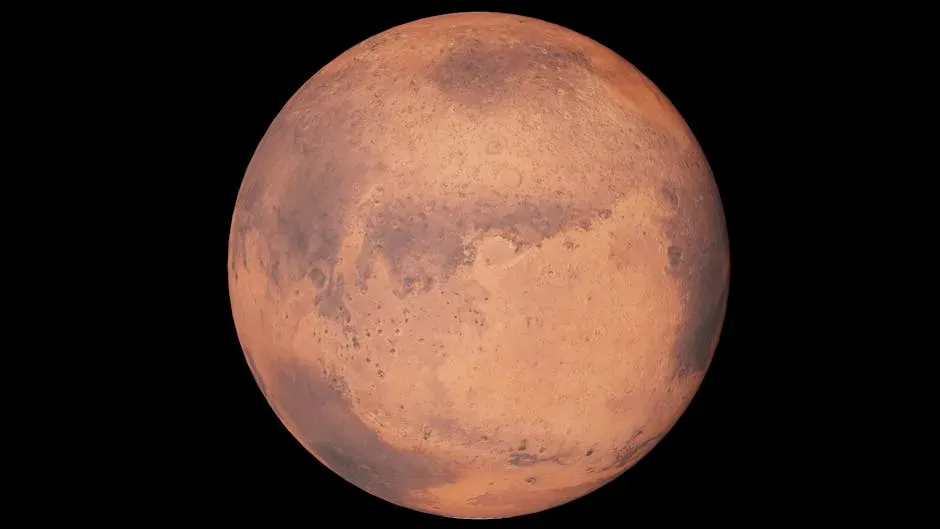
You might wonder why we obsess over Mars and not, say, Venus or one of Jupiter’s moons. The answer, when you look at it closely, is almost embarrassingly practical. Mars has emerged as the most practical destination for humanity’s first long-term settlement beyond Earth, with its unique combination of water ice, usable gravity, and accessible resources setting it apart from all other planets.
Here’s something that rarely gets mentioned in the headlines: a Martian day, or “sol,” lasts 24.6 hours, closely matching Earth’s day-night cycle. This helps regulate sleep, productivity, and mental health – and stable circadian rhythms are critical for long-term habitation. Compared to the pitch-black chaos of deep space stations, Mars has a rhythm that our bodies can actually understand. That’s more significant than most people realize.
Mars colonization also benefits from a certain cosmic proximity – it is one of the nearest planets to Earth, with launch windows opening every 26 months. Travel time averages six to nine months, making logistics and emergency planning more feasible. Compared to outer planets, this proximity lowers mission risk and cost. Think of it like moving from one continent to another in the early age of sail. Brutal? Yes. Impossible? Clearly not.
The Brutal Reality of Mars: A Planet Trying to Kill You
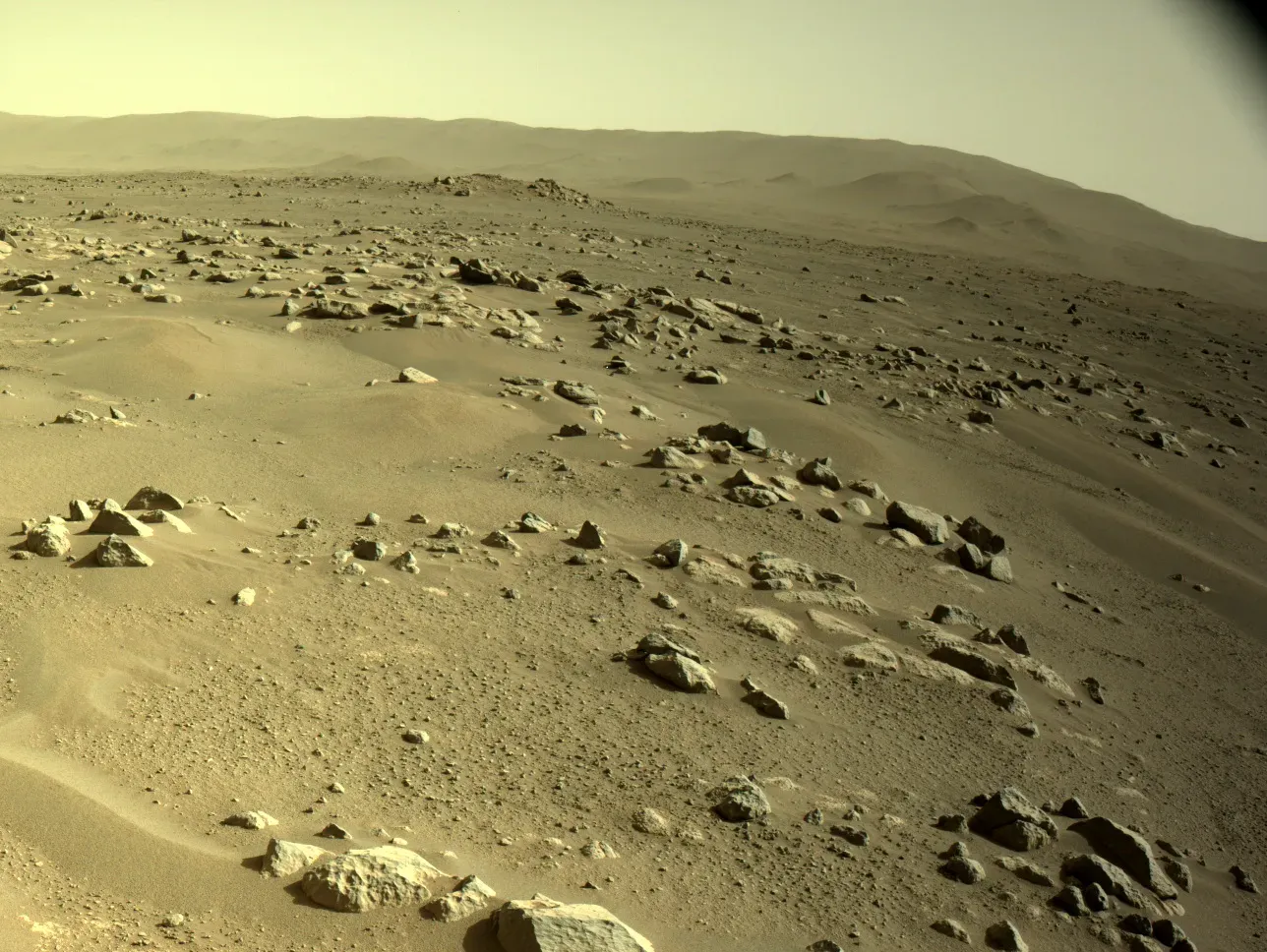
Let’s be real for a moment. Mars is not a fixer-upper. It is, by almost every measure, a hostile wasteland that would kill an unprotected human in minutes. Mars presents formidable challenges due to its extreme cold, thin atmosphere composed mainly of carbon dioxide, and high levels of radiation, all of which could threaten human survival.
The most immediate threat to human health on Mars is the low pressure of the planet’s atmosphere, which is about 100 times thinner than Earth’s. To put that in a way that truly lands – your blood would literally begin to boil. Not from heat, but from the pressure drop. Every gas dissolved in your bloodstream would turn to bubbles the moment your suit failed.
The atmosphere is also toxic, as most of it consists of carbon dioxide – roughly 95% carbon dioxide, 3% nitrogen, 1.6% argon, and traces totaling less than 0.4% of other gases, including oxygen. And the temperature swings are savage. Due to the thinness of the atmosphere, the temperature difference between day and night is much larger than on Earth, typically around 70°C. Imagine going from a chilly morning to a Siberian night every single sol, without end.
The Radiation Problem: The Invisible Killer Above
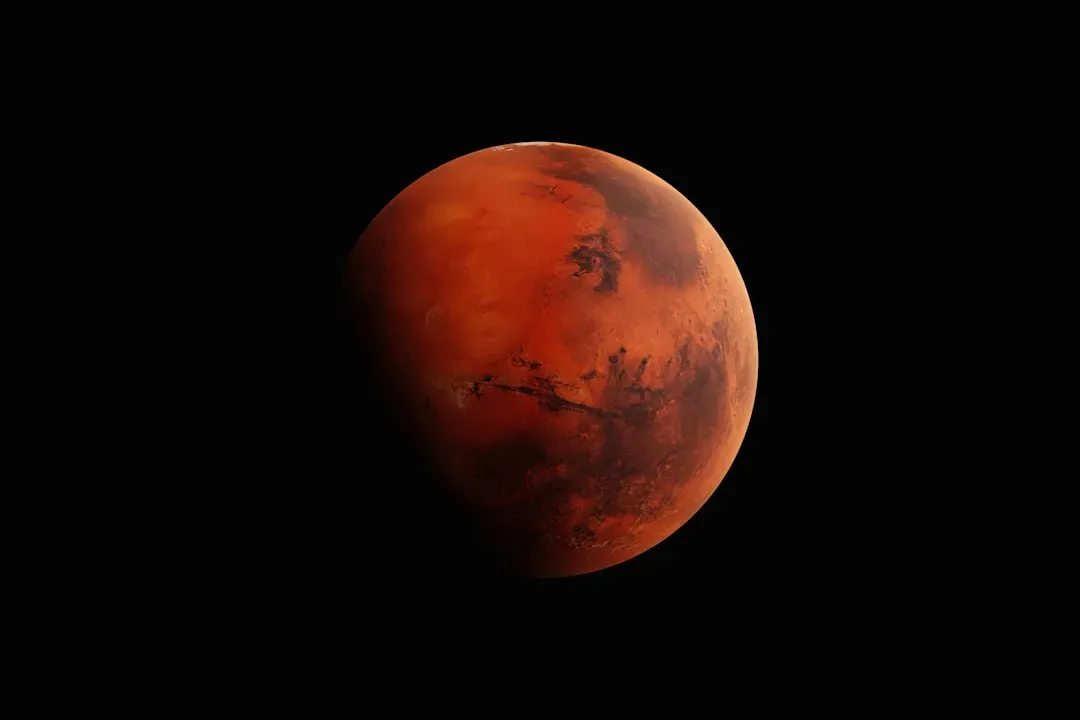
Mars has no global magnetic field to deflect energetic particles, and its atmosphere is much thinner than Earth’s, so you’d get only minimal protection even on the surface of Mars. This is not a small engineering inconvenience. It is one of the single biggest unsolved problems in human spaceflight.
Over the course of about 18 months, NASA’s Mars Odyssey probe detected ongoing radiation levels that are 2.5 times higher than what astronauts experience on the International Space Station, measuring 22 millirads per day, which works out to 8,000 millirads per year. For context, human beings in developed nations are exposed to, on average, 0.62 rads per year. That gap is enormous and troubling. Energetic particles can be dangerous to humans because they pass right through the skin, depositing energy and damaging cells or DNA along the way – which can mean an increased risk of cancer later in life or, at its worst, acute radiation sickness during a mission.
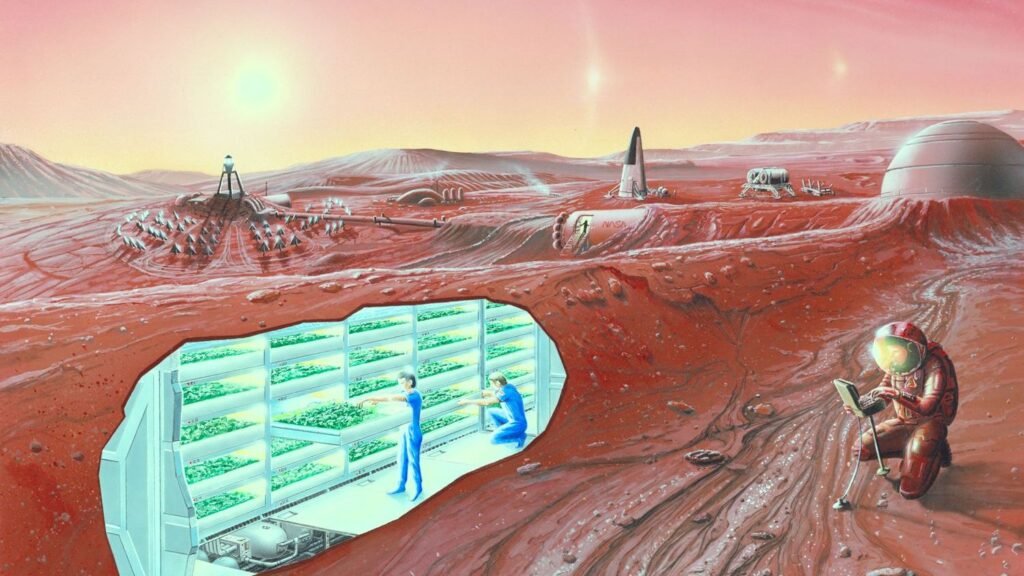
The proposed solution? Go underground. By constructing habitats several meters below the surface, colonists can use the regolith and rock as a natural shield, significantly reducing radiation exposure. It’s essentially the same logic as a nuclear bunker, just on another planet. There’s also active research into hydrogen-rich shielding materials woven into future spacesuit fabrics. The consensus is that the solution to radiation will have to be a combination of things – some of the solutions are technology we already have, but some will necessarily be cutting-edge concepts not yet conceived.
Getting There: The Journey That Tests Every Limit
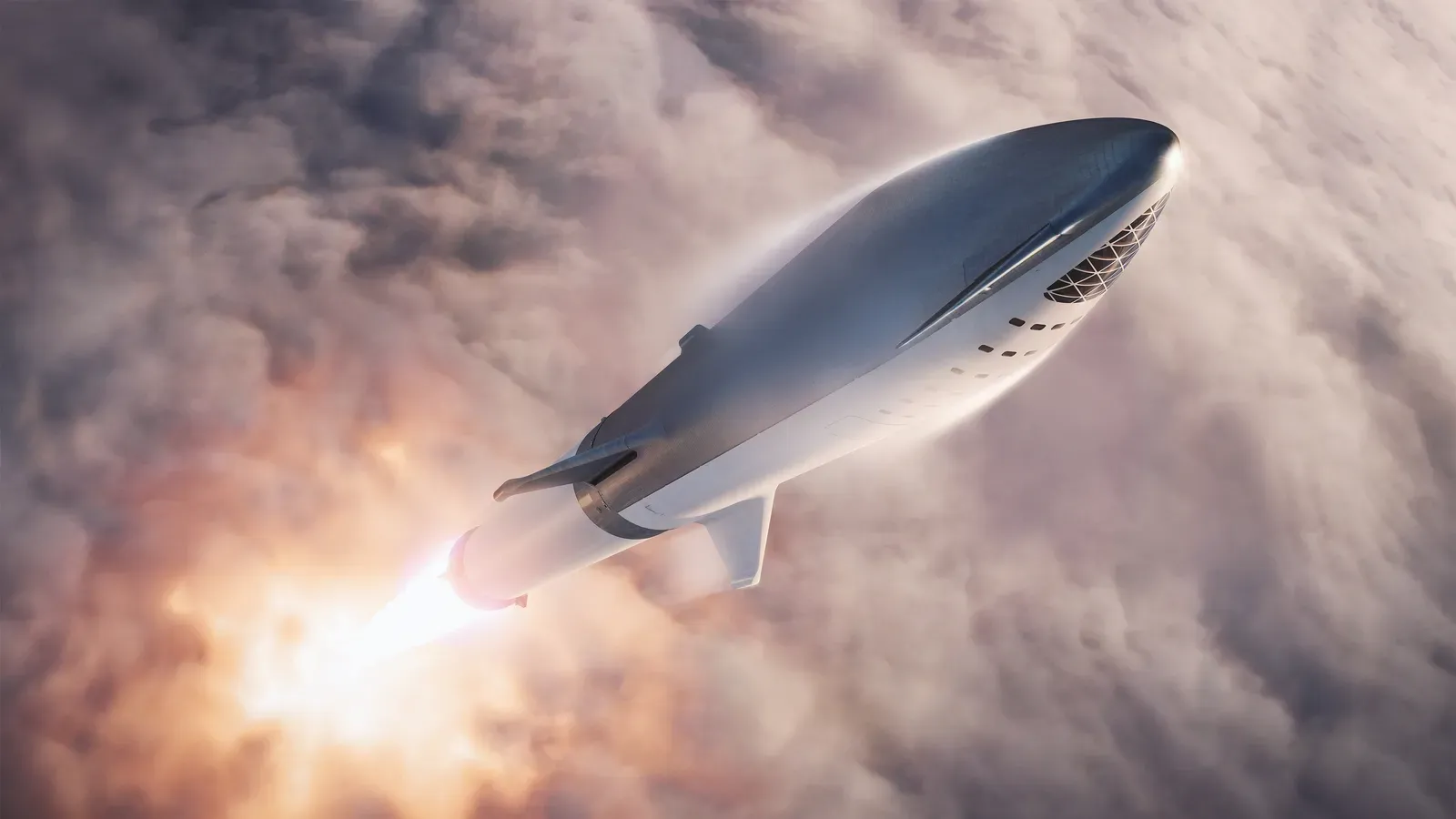
Using a standard Hohmann transfer orbit, a trip to Mars requires approximately nine months in space. Modified transfer trajectories that cut the travel time to four to seven months are possible with incrementally higher amounts of energy and fuel, and are in standard use for robotic Mars missions. Nine months alone in a metal tube, hurtling through empty space – that’s not a vacation, that’s a psychological endurance test.
SpaceX’s Mars mission timeline centers on its Starship rocket, a reusable powerhouse capable of ferrying massive payloads. As of early 2026, preparations intensify for the first uncrewed Starship Mars flights in late 2026, leveraging the December launch window. Still, independent experts urge caution. A 2024 feasibility study published in the journal Nature concluded that a crewed Mars mission using Starship is unworkable due to several fundamental engineering constraints, noting that Starship’s massive dry weight results in a severe delta-v deficit, leaving the vehicle physically unable to execute a return flight to Earth – and that the architecture’s reliance on in-situ resource utilization to synthesize return propellant would require massive surface power generation and water-mining infrastructure not currently in development.
I think the truth sits somewhere between the breathless optimism and the flat-out skepticism. The engineering problems are real, but the pace of progress is also real. As one expert put it, building the rockets is, in a sense, the easy part of getting people to Mars – the harder stuff is your closed-loop life support, the reliability of components you cannot replace in transit, and the psychological health of astronauts.
Food, Water, and Air: Building Life Support from Red Dust
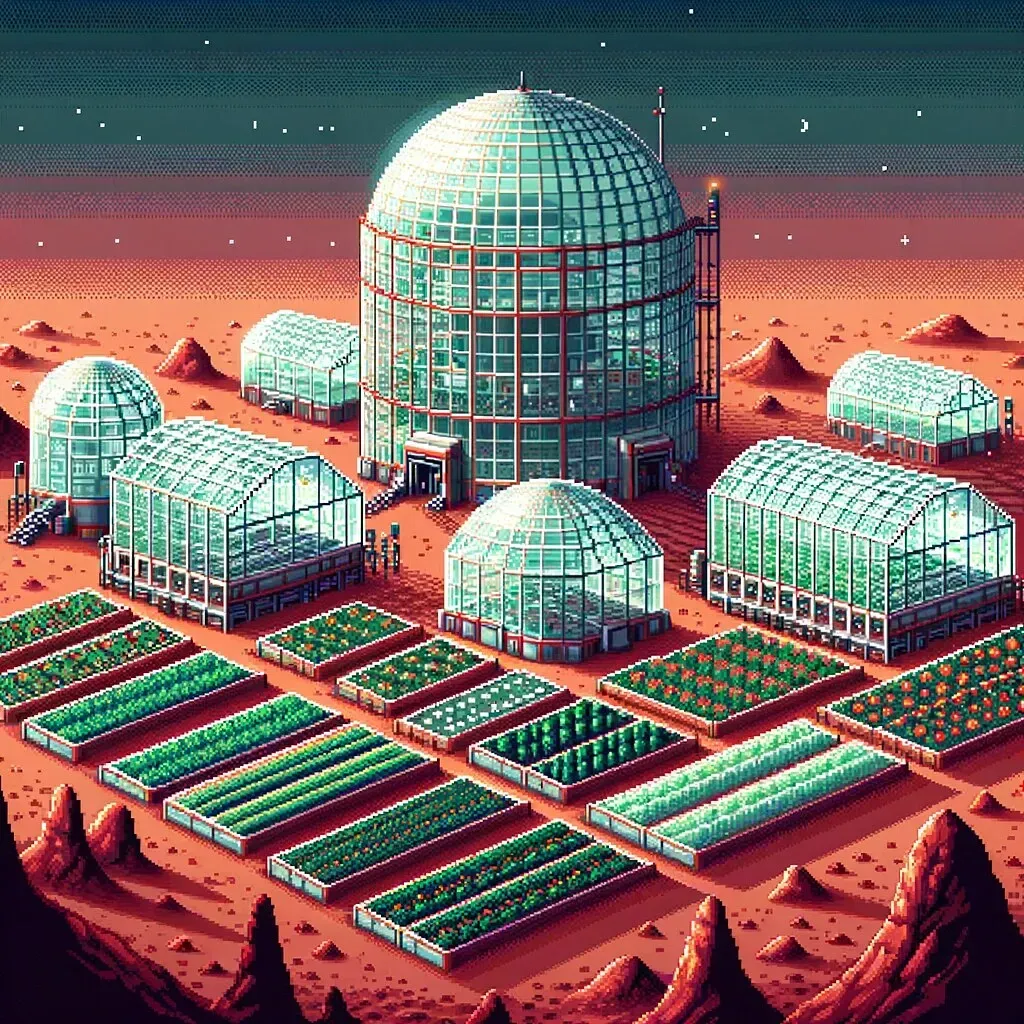
One of the significant challenges in ensuring the survival of life on Mars lies in the production of food, as the Martian environment is highly inhospitable to agriculture, rendering it impractical to transport food from Earth. To improve the well-being and quality of life for future space travelers, it is crucial to develop innovative horticultural techniques and food processing technologies. The unique challenges – lack of oxygen, nutrient-deficient soil, thin atmosphere, low gravity, and cold dry climate – necessitate the development of advanced farming strategies.
Water, it turns out, does exist on Mars. Water is found as ice beneath the northern and southern polar cap regions, as subsurface water in temperate latitudes, as mineral hydrates, and as water vapor within the Martian atmosphere. The challenge isn’t finding it – it’s extracting it efficiently enough to support a colony. In-situ resource utilization allows settlers to convert water ice into oxygen and fuel, and Martian regolith can be processed into bricks using 3D printing, creating durable structures.
As for food, forget rolling fields of Martian wheat. It turns out that something like a greenhouse might actually not make sense on Mars. You might be better off growing plants and producing other foods in tunnels underground, for example. The inefficiency of livestock production highlights the need for alternative protein sources such as microbial protein, insects, and in-vitro meat. Moreover, synthetic biology and 3D food printing hold immense potential in revolutionizing food production and contributing to sustainability of human life on Mars.
Building a Home Underground: Habitats on the Red Planet
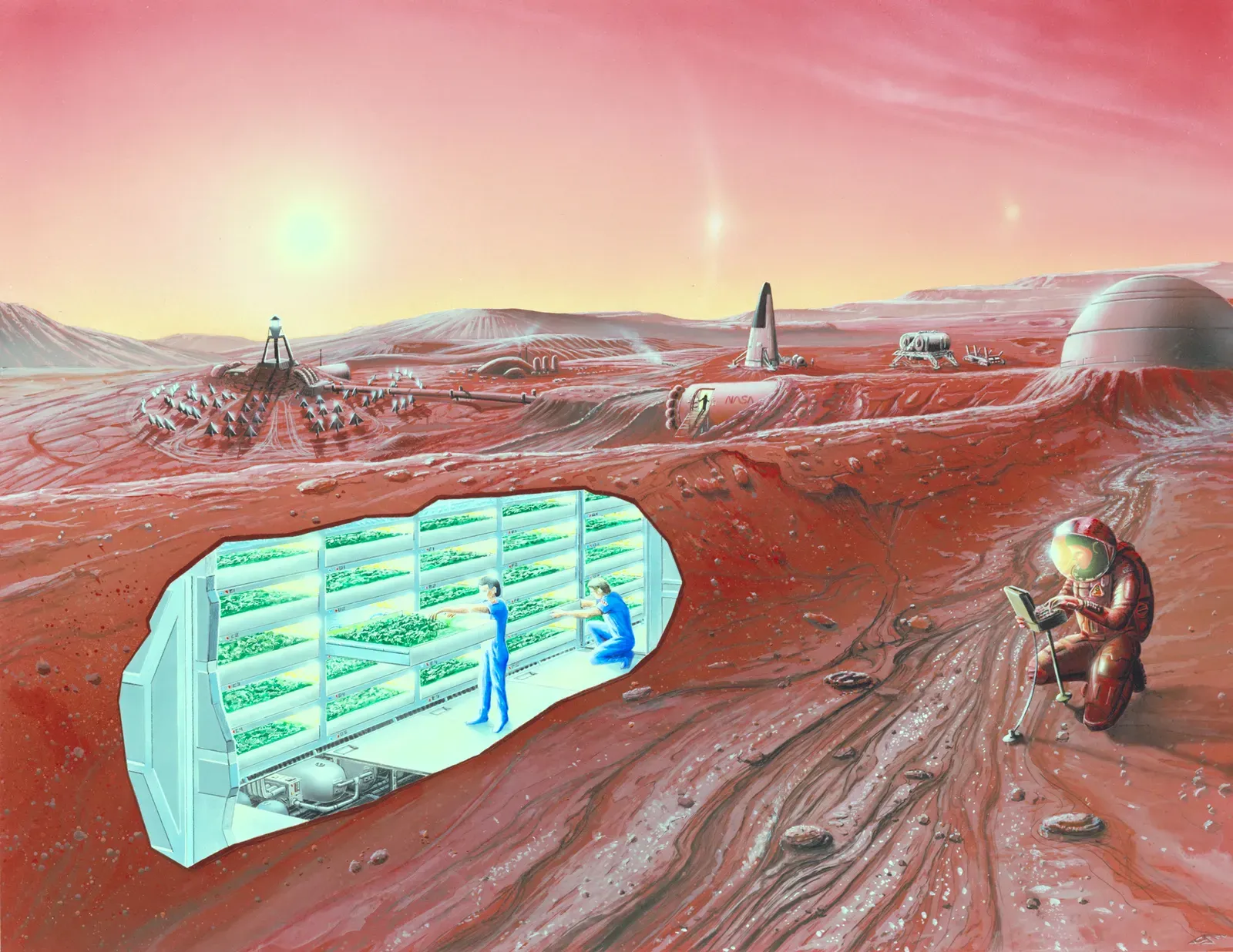
One of the foremost challenges of Martian colonization lies in creating structures that shelter astronauts from the planet’s harsh environment and promote sustained human habitation. Habitats on Mars must be robust against radiation, temperature fluctuations, and low atmospheric pressures, all while being feasible to construct with limited resources transported from Earth. Think of it like trying to build a submarine, but on another planet, with no hardware store for 200 million kilometers.
The Martian surface experiences drastic temperature fluctuations. However, subterranean environments tend to maintain a more stable temperature, reducing the energy required for heating and cooling – and the ground naturally serves as an insulator, helping to trap heat and stabilize interior temperatures, especially during prolonged cold periods. Underground living is uncomfortable to imagine, but the physics strongly favor it. Technological advancements under study include developing Martian concrete that utilizes sulfur as a binding agent, and innovative life support strategies like aeroponics and algae bioreactors.
Life support systems would focus on recycling water and air at efficiencies exceeding 90%, and food production would rely on hydroponics and LED-based agriculture, allowing small spaces to feed growing populations. It sounds a lot like a very high-tech version of what happens in polar research stations today – sealed, pressurized, self-contained bubbles of Earth-life in a lethal wilderness. Except on Mars, there is no emergency helicopter coming.
The Human Mind on Mars: Psychology, Isolation, and the Long Game

Perhaps the greatest challenge isn’t technological but human. Mars colonists will face unprecedented psychological stresses: separation from Earth, confined living spaces, and the constant awareness that rescue isn’t possible if things go wrong. It’s hard to truly comprehend what permanent psychological weight that would carry. Imagine knowing that Earth is not just far away – it’s unreachable, in any realistic timeframe.
The impact on the mental and physical well-being of individuals living in the isolation and harsh conditions of Mars is a significant ethical concern. Addressing the psychological challenges of space colonization, including long-duration space travel and limited social interactions, is crucial for the overall success and sustainability of the project. Psychological challenges such as isolation and communication delays are being studied, with virtual reality, structured routines, and team-based living proposed as mitigation strategies.
With no relevant experience in building similar isolated, artificially built societies, the experience of polar investigators and long-term space station expeditions will have to be used as the best available approximation for the self-establishing, self-organizing Mars colonies. It’s a bit like trying to design a city using only the notes from a camping trip. The principles overlap, but the scale of difference is almost comical. While the Outer Space Treaty does not prohibit colonization of Mars, building a permanent colony will certainly call for the development of a new system of laws and regulations that potential colonists would be required to abide by, taking precedence over any laws and regulations governing their country of origin. Entire political and legal systems will need to be invented from scratch.
Conclusion: One Giant Leap Still Ahead
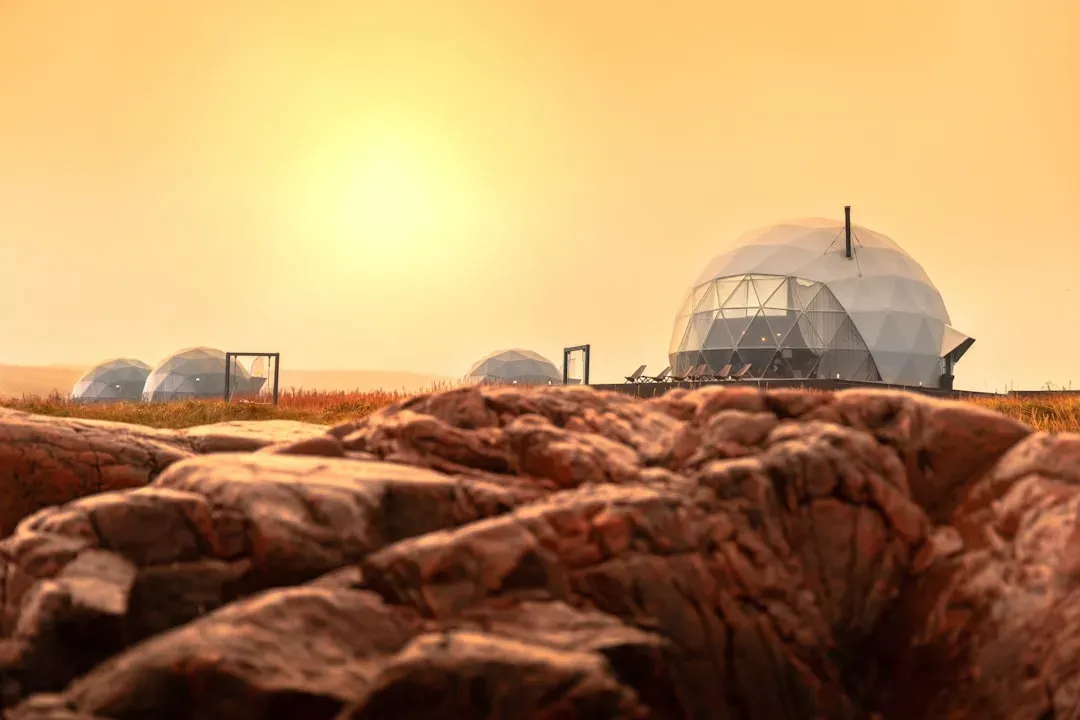
Colonizing Mars is not a solved problem. It’s not even close to being solved. The complexity of establishing a human presence on Mars is staggering, requiring technological innovation, robust engineering solutions, and deep consideration of human health, psychology, environmental impact, and ethical implications. Every single layer of this challenge – the radiation, the atmosphere, the food, the psychology, the legal frameworks – is a massive problem in its own right.
Yet here we are in 2026, watching uncrewed spacecraft prepare for test flights to the Martian surface, watching engineers design underground habitats from Martian regolith, watching biologists figure out how to grow food in tunnels lit by LED panels on a cold, red, airless world. Mars colonization is not about abandoning Earth but expanding human possibility – it tests humanity’s ability to adapt, cooperate, and innovate under extreme conditions.
The Red Planet asks a version of a question humanity has always asked itself: how far are you willing to go? Not just in kilometers, but in courage, sacrifice, and imagination. The science says it’s brutally hard. The human spirit, apparently, doesn’t care. What do you think – is Mars our future, or the most audacious gamble our species has ever placed? Tell us in the comments.