
Humans have always stared at the night sky and wondered. The Moon felt like an impossible dream too, right up until the moment it wasn’t. Now, all eyes are fixed on a pale red dot hanging in the darkness, and the question being asked in labs, boardrooms, and research centers around the world has shifted from “could we ever?” to “when, and how?” Mars is no longer just a science fiction backdrop. It’s a real destination, with real missions already sniffing its soil, drilling its rocks, and breathing its thin, cold air.
The science converging right now is unlike anything we’ve seen before. Breakthroughs in biology, materials science, atmospheric chemistry, and robotics are each quietly solving one piece of a puzzle that, assembled together, begins to look surprisingly like a roadmap. There are still enormous obstacles, genuinely terrifying ones, but there are also reasons to believe that humanity could one day call the Red Planet home. Let’s dive in.
What Mars Is Actually Like – And Why It’s So Hard to Live There
Honestly, if you were to step outside on Mars without protection, you’d be dead in seconds. With an average daily temperature around minus 67 degrees Fahrenheit, the climate is far too cold for humans, and the atmospheric pressure sits at less than one percent of Earth’s, requiring pressurized spacesuits and habitats just to survive on the surface. Think of it like standing on the top of Mount Everest, but strip away most of the air, crank the cold to levels that would freeze your blood, and then add a side of deadly radiation. That’s your Tuesday on Mars.
There is less than one percent of the air on Mars compared to Earth, and carbon dioxide makes up about 96 percent of it. Oxygen is only 0.13 percent, compared to 21 percent in Earth’s atmosphere. Yet, here’s where it gets interesting. Mars is still, arguably, the most livable place in the solar system beyond Earth. It has a 24-hour day cycle, polar ice caps, a solid surface, and a geological history that hints at a far more welcoming past.
Signs of Ancient Life – And What the Perseverance Rover Just Found
If you want a jaw-dropping headline from 2025, look no further. On September 10, 2025, NASA announced what it called the “closest we have ever come to discovering ancient life on Mars,” with a Martian rock studied by the Perseverance rover appearing to show possible evidence of past microbial life. That sentence deserves a moment to sink in. Not a hint. Not a vague chemical trace. The closest we have ever come.
The rock, named “Cheyava Falls,” showed two intriguing types of markings: “poppy seeds,” which are dark dots the size of ultra-fine glitter, and “leopard spots,” larger splotches of lighter tones surrounded by dark rims. When Perseverance took a closer look, it also found signs of organic compounds in the rock, which are the chemical building blocks of life as we know it. After a rigorous, year-long peer-review process, the journal Nature published the validated results confirming that the sample contains potential biosignatures, clues that suggest past life may have been present, but that require more data before any conclusions can be drawn.
Breathing on Mars – The MOXIE Oxygen Breakthrough

Here’s the thing – you can’t bring enough air to Mars. The logistics are staggering. To launch from Mars, a small crew of human explorers would need 25 to 30 tons of oxygen, roughly the weight of a tractor-trailer. Hauling that from Earth would be a near impossibility. So scientists asked a different question: what if you just made the oxygen there instead?
That’s exactly what MOXIE did. On April 20, 2021, MOXIE produced oxygen from carbon dioxide in the Martian atmosphere using solid oxide electrolysis. This was the first experimental extraction of a natural resource from another planet for human use. MOXIE generated a total of 122 grams of oxygen over its operational life, and at its most efficient, it was able to produce 12 grams per hour at 98% purity or better, twice as much as NASA’s original goals. Scale that up several hundred times, and you begin to see the outline of a genuine life-support system.
The Radiation Problem – The Biggest Threat You Never See Coming
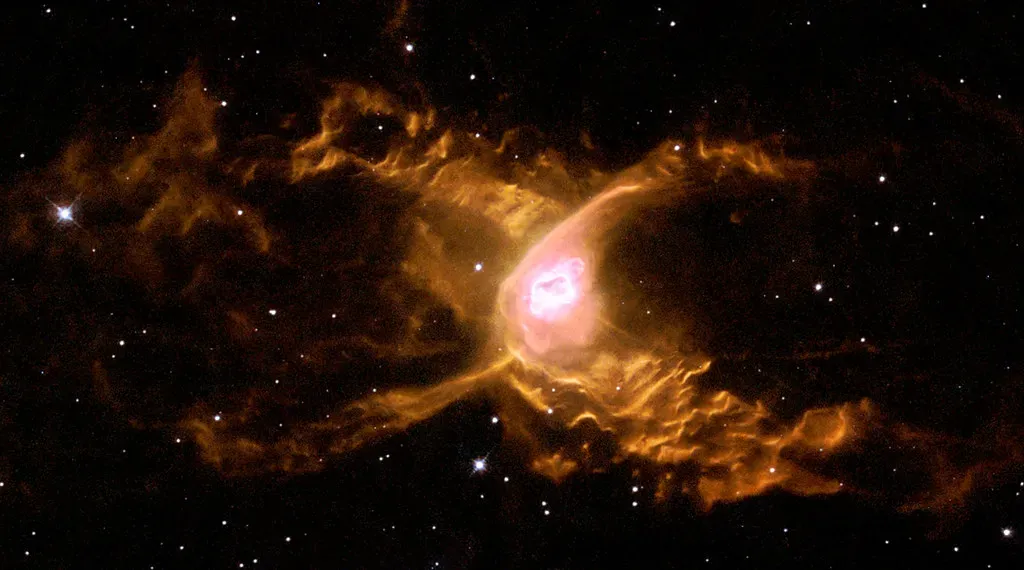
Space radiation poses one of the most significant health risks for long-duration space missions, with cancer, cognitive decline, and cardiovascular issues among the primary concerns. This is where things get deeply uncomfortable. Mars has no global magnetic field protecting it, which means solar particles and cosmic rays hammer the surface relentlessly. You can’t just tough that out.
The radiation dose equivalent is expected to rise from 50 to 100 millisieverts during a six-month ISS mission, all the way up to 870 to 1,200 millisieverts during a 650-to-920-day Mars mission. To put that into perspective, a Mars mission dose would be equivalent to roughly 632 head CT scans or 12,000 chest X-rays. Scientists are exploring shielding solutions including burying habitats under Martian soil, called regolith, which would provide significant protection from that relentless particle bombardment.
Building a Home on Mars – From Microbes to 3D-Printed Habitats

I know it sounds crazy, but one of the most promising solutions for Martian construction involves tiny microbes. A microbial duo could help transform Martian soil into sturdy, cement-like building material, making it possible to construct shelters using what’s already on Mars. Even better, the same system might support astronauts by producing oxygen and useful byproducts for closed-loop living. Imagine your house being grown from the ground up, literally.
The long-term vision is to combine this bacterial co-culture with Martian regolith and use it as feedstock for 3D printing on Mars. This concept sits at the meeting point of astrobiology, geochemistry, material science, construction engineering, and robotics. If it works at scale, it could fundamentally change how structures are designed and manufactured for the Red Planet. Separately, Harvard researchers have proposed using silica aerogel, a remarkably light insulating material, to create local pockets of warmth. Their findings describe how a thin layer of silica aerogel could create pockets of habitability on the Martian surface, acting like a localized greenhouse by letting in visible light, trapping heat, and blocking harmful ultraviolet radiation.
The Human Body Under Siege – What Living on Mars Does to You

Long-duration space missions expose astronauts to combined stresses such as radiation, microgravity, isolation, and confinement, challenging human physiology well beyond Earth’s limits. These conditions disrupt interconnected body systems, accelerate bone and muscle loss, and increase cancer risk from cosmic rays. Think of your skeleton like a bridge that was built for Earth’s gravity. Remove that load entirely during the journey, and it starts to quietly crumble.
A crew would face massive bone and muscle loss as a direct result of long-term exposure to micro-gravity, and would suffer cell damage from ionizing cosmic radiation, potential permanent vision problems, and psychological and sociological deterioration due to isolation. The distance between Mars and Earth is so vast that there will be a latency of up to 20 minutes in voice and data transmissions between mission control on Earth and a base on Mars, meaning no quick calls home for comfort or immediate medical guidance. That psychological isolation is a serious challenge that NASA researchers are actively working to understand and manage.
Terraforming and Warming Mars – Dream or Future Reality?
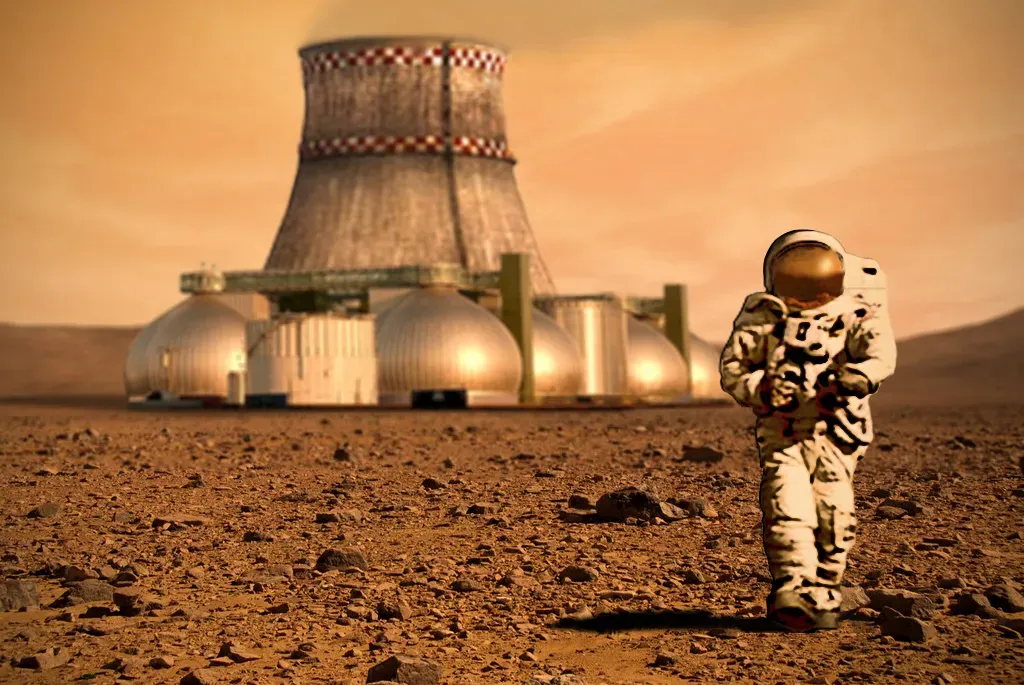
Could you ever walk on Mars without a spacesuit? Not anytime soon, and possibly not ever with current technology. Mars does not retain enough carbon dioxide that could practically be put back into the atmosphere to warm the planet, and transforming the Martian environment into a place astronauts could explore without life support is not possible without technology well beyond today’s capabilities. That’s the sobering reality check. Still, researchers haven’t given up on the concept.
Research published in Science Advances suggests the idea might not be entirely far-fetched. Injecting tiny particles into Mars’s atmosphere could warm the planet by more than 10 degrees Celsius in a matter of months, researchers find, enough to sustain liquid water. Although the scheme would require about 2 million tons of particles per year, they could be manufactured from readily available ingredients found in Martian dust. Extremophilic microbes, which thrive in Earth’s most extreme environments, also offer promising biological strategies for initial Mars colonization, providing tools for resource mobilization and atmospheric engineering. It’s an enormously long game, but the pieces are starting to move.
The Timeline and the Players – Who Is Actually Going to Mars?
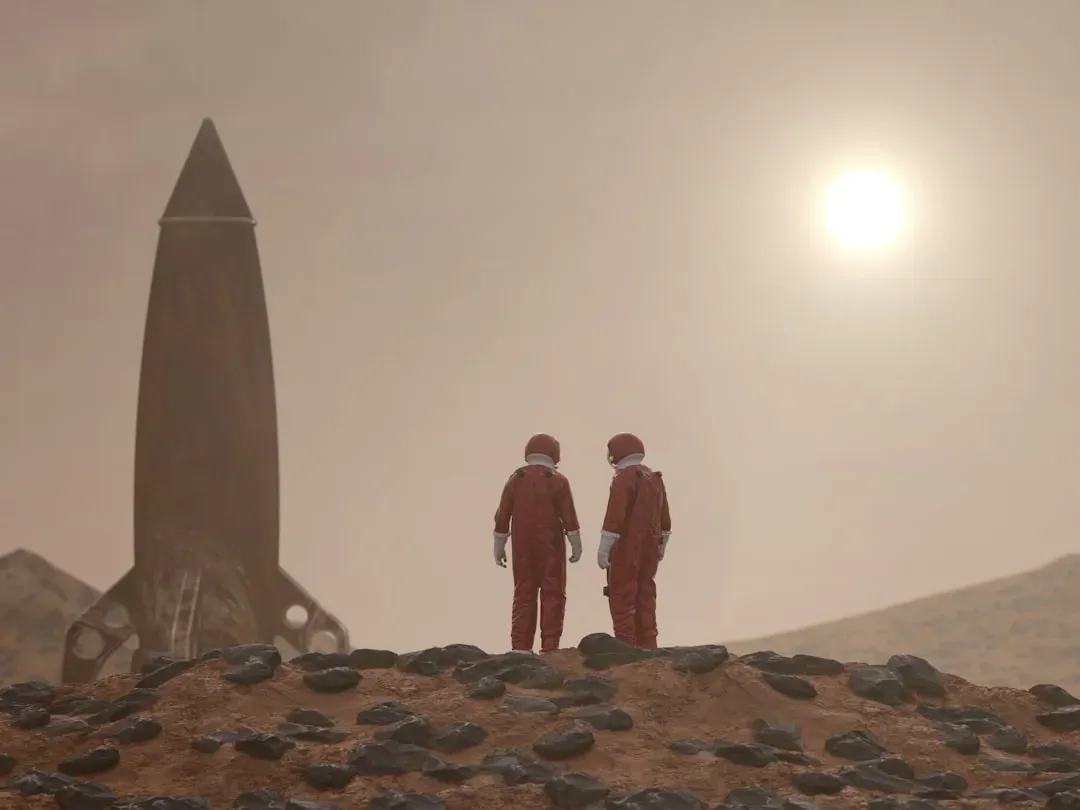
The race to send humans to Mars is underway. That’s the sense conveyed by certain politicians and wealthy entrepreneurs who have spoken broadly about creating a Red Planet outpost. NASA’s own website cites its work on technologies to send astronauts to Mars as early as the 2030s. That is a staggeringly ambitious goal, and not everyone is equally convinced it will happen on that schedule.
NASA’s budget today hovers at less than half a percent of federal spending in the United States, compared with about four percent during the Apollo era of the 1960s and 70s. A full-scale Mars mission would be far more expensive and stretch across decades. Meanwhile, China is also planning to launch a mission to bring back samples from Mars, called Tianwen-3, and scheduled to launch in 2028, it may be on track to return pieces of the Red Planet before NASA and ESA. Settling Mars will require dramatic advances in biotech, artificial intelligence, robotics, energy, and many other areas, and the Mars Technology Institute aims to develop these technologies and commercialize them for use on Earth as well.
Conclusion: The Most Audacious Goal Humanity Has Ever Chased
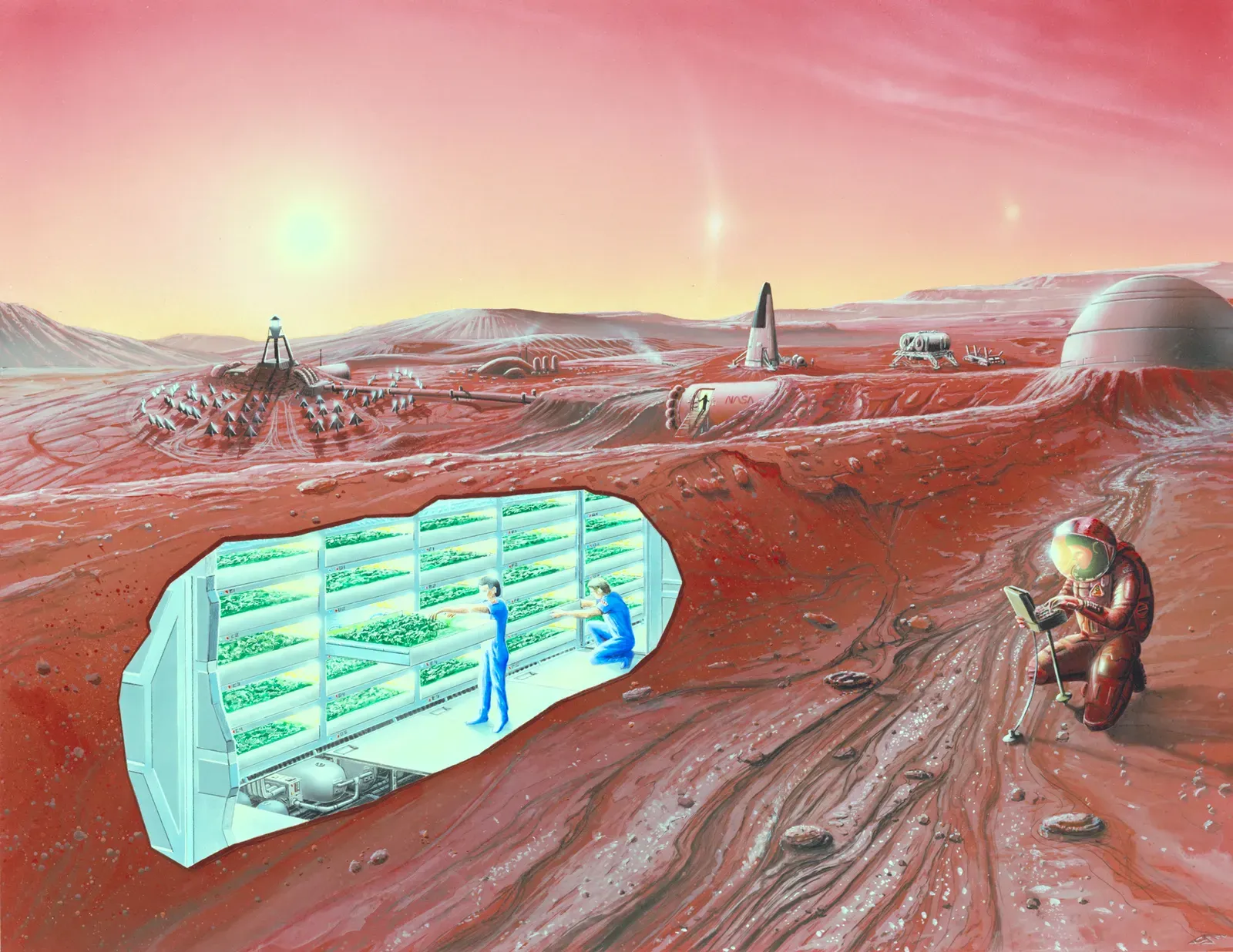
Living on Mars is not a fantasy anymore. It isn’t scheduled for next Tuesday either. It’s something in between, a genuine scientific ambition being dismantled and rebuilt, piece by piece, in laboratories across the world. From oxygen-producing experiments already running on Martian soil, to microbes that could grow your walls for you, to potential traces of ancient life hiding in billion-year-old mudstone, the evidence is mounting that Mars has more to offer than barren rock and frozen silence.
The challenges are real, vast, and in some cases genuinely frightening. Radiation could quietly damage a crew for years. The psychological toll of isolation across hundreds of millions of miles of void is barely understood. The money required dwarfs nearly any other human project in history. Yet every one of these obstacles is being studied, challenged, and, in some cases, slowly solved.
Here’s the closing thought worth sitting with: every planet humanity will ever call home, including this one, once looked like a hostile and impossible place. What would you have guessed, just fifty years ago, about the odds of a robot breathing oxygen on another world? The answer probably wouldn’t have been very good odds at all.