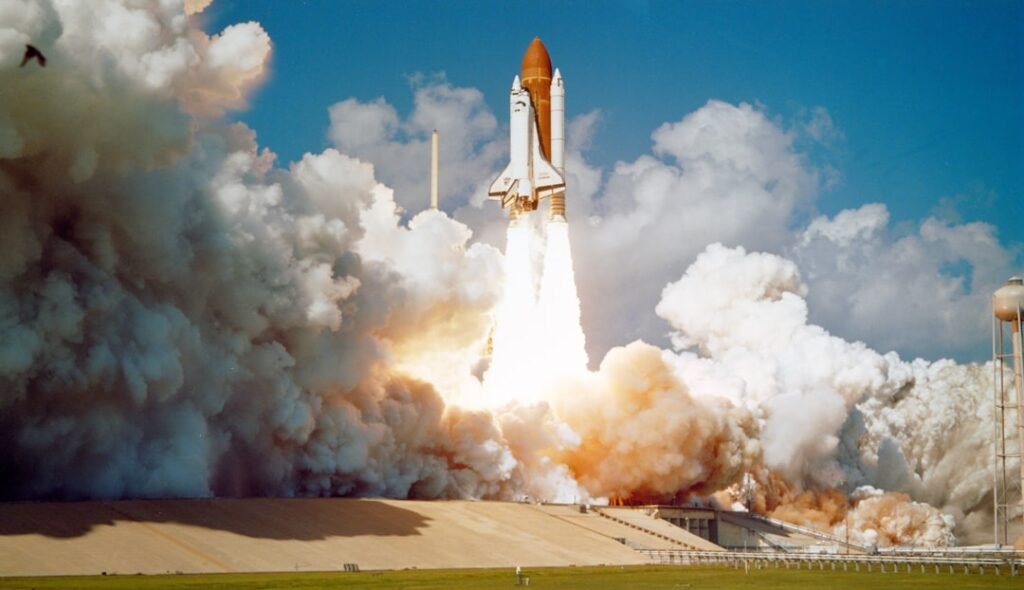
Imagine looking up at the night sky, pointing at that tiny red dot, and saying, “That’s home too.” It sounds like science fiction, but in 2026, it’s starting to feel like a serious, if still distant, possibility. Space agencies and private companies are testing rockets, habitats, and life-support systems specifically with Mars in mind, and the question isn’t just whether we can get there, but whether we could actually stay.
Still, when you dig into the details, living on Mars starts to look less like moving to another country and more like choosing to live permanently on the bottom of the ocean in a damaged ship. The planet is stunning and mysterious, but it’s also brutally hostile to human life in almost every way we care about: air, temperature, gravity, radiation, food, and even the psychological impact of isolation. Let’s unpack what it would really take to call the Red Planet home and why it’s both inspiring and terrifying at the same time.
The Harsh Reality of the Martian Environment
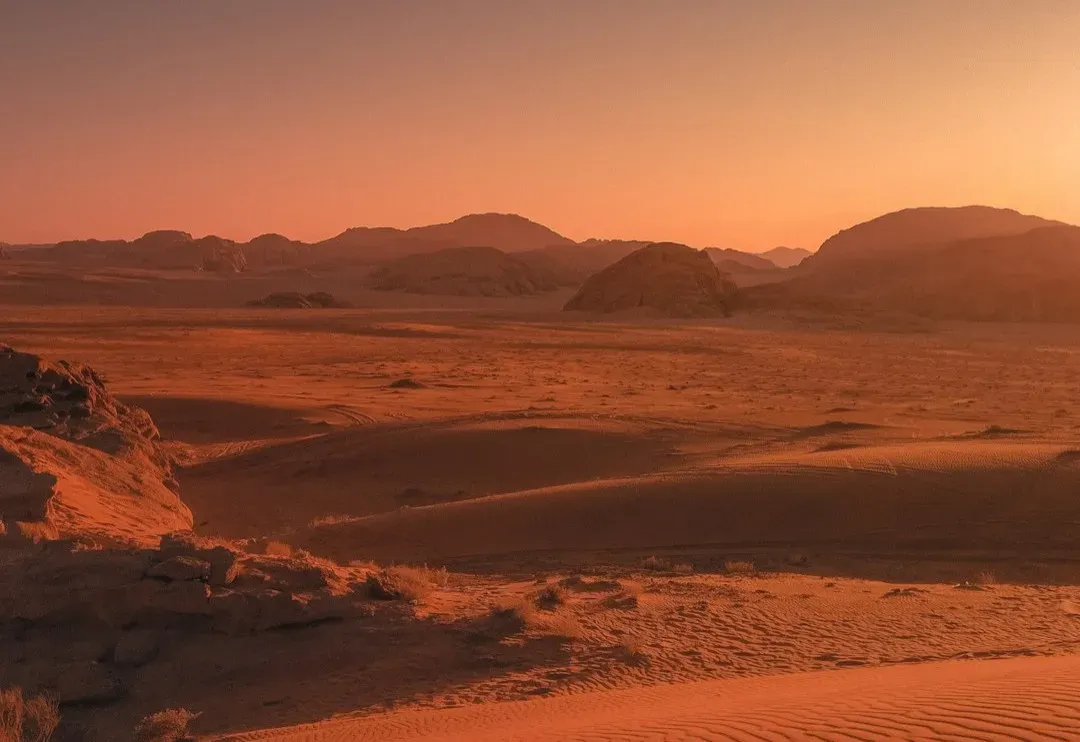
The first shocking truth about Mars is that, by Earth standards, it’s practically dead. The air is mostly carbon dioxide, the pressure is less than one percent of Earth’s at sea level, and the average temperature is far below freezing. If you stepped outside without a suit, you wouldn’t last long enough to regret it – the lack of pressure would cause your body fluids to start boiling while you suffocate on poison air.
On top of that, Mars has frequent dust storms that can wrap around the planet and darken the sky for weeks. The dust itself is incredibly fine, capable of getting into machinery, clothing, and lungs, potentially causing long-term health problems and mechanical failures. If you picture living on Mars as a kind of rugged camping trip, it’s closer to camping on a frozen, airless, toxic desert with a constant risk of everything breaking at the worst possible time.
Gravity: Living at Just Over One Third of Earth’s Pull
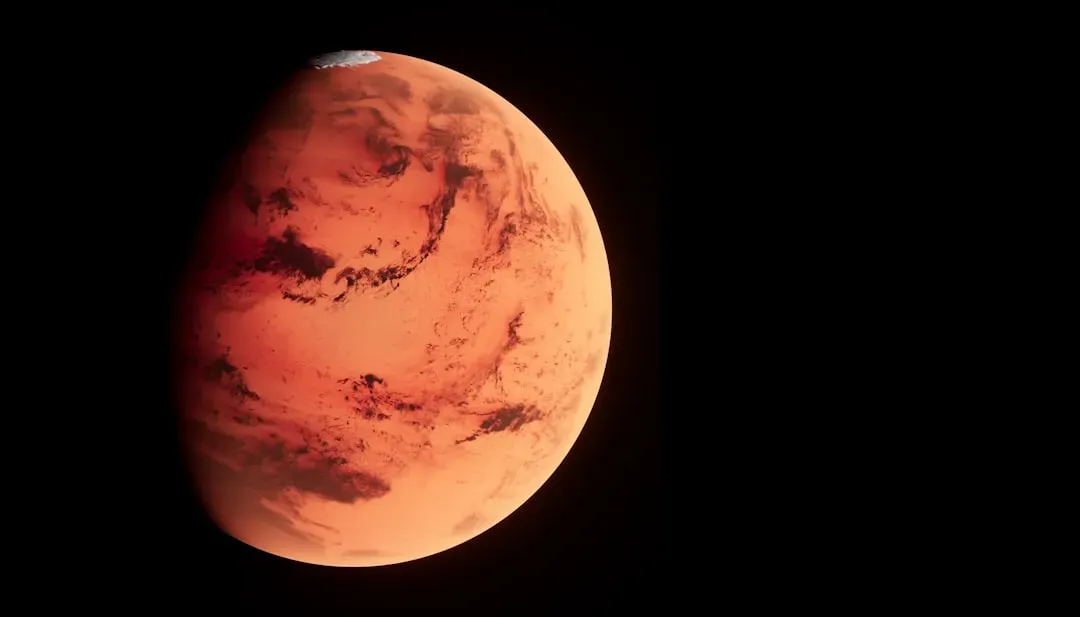
Mars might look solid and reassuring in pictures, but its gravity is only a bit more than one third of what we’re used to on Earth. That sounds like fun at first – imagine jumping three times higher, lifting heavy equipment more easily, moving like you’re in a low-budget superhero movie. The problem is that our bodies evolved for Earth’s gravity, and long-term exposure to reduced gravity causes muscles and bones to weaken.
On the International Space Station, astronauts in microgravity lose muscle and bone mass even with strict exercise routines, and Mars gravity sits somewhere between that environment and Earth. Nobody actually knows what living for years at Martian gravity would do to a human body, especially to children growing up there. It’s not hard to picture a future where Martian colonists could never safely return to Earth because their bodies simply couldn’t handle full gravity anymore.
Radiation: Invisible Threat Above a Thin Atmosphere
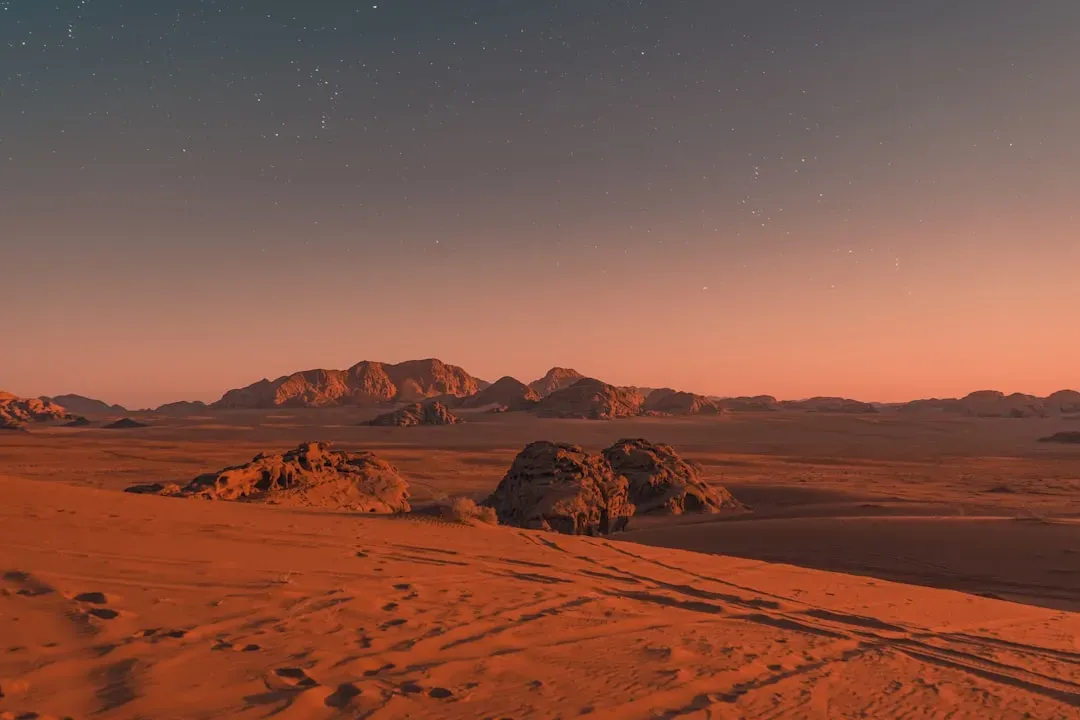
Earth quietly spoils us with a strong magnetic field and thick atmosphere that block a huge amount of cosmic and solar radiation. Mars, on the other hand, has a weak magnetic field and a thin atmosphere, so the surface is bombarded with high-energy particles. This isn’t just a minor health concern – over time, that radiation can seriously raise the risk of cancer, damage DNA, and affect the nervous system.
To survive long term, Martian settlers would need serious shielding, which might mean living underground, inside lava tubes, or in habitats covered with thick layers of Martian soil. That’s not exactly the glamorous glass-dome city many people imagine. You can think of it more like living inside a nuclear bunker with carefully controlled windows, where stepping outside is something you do only when it’s really necessary and always with gear that has to work perfectly.
Air, Water, and the Challenge of Making Mars Breatheable
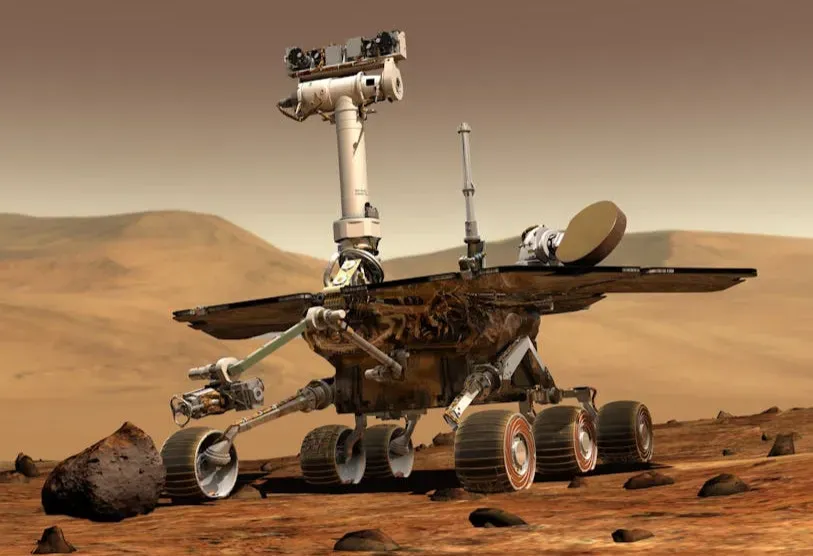
Every breath on Mars would be engineered. There’s no oxygen-rich atmosphere waiting for us there; the air is dominated by carbon dioxide, and the pressure is so low that even if you had the right mix of gases, it still wouldn’t work without a contained environment. That means sealed habitats, airlocks, and life-support systems that must never fail for as long as people live there. A leaky door or cracked window isn’t just a repair job; it’s potentially a death sentence.
The good news is that Mars does have resources we can work with. There’s frozen water in the soil and at the poles, and technologies are already being tested to pull oxygen from carbon dioxide in the Martian atmosphere. But turning that into a stable, large-scale system is like running a giant, fragile aquarium where humans are the fish, and any serious malfunction can’t be fixed by a quick trip to the hardware store down the road.
Food and Farming on a Desert World
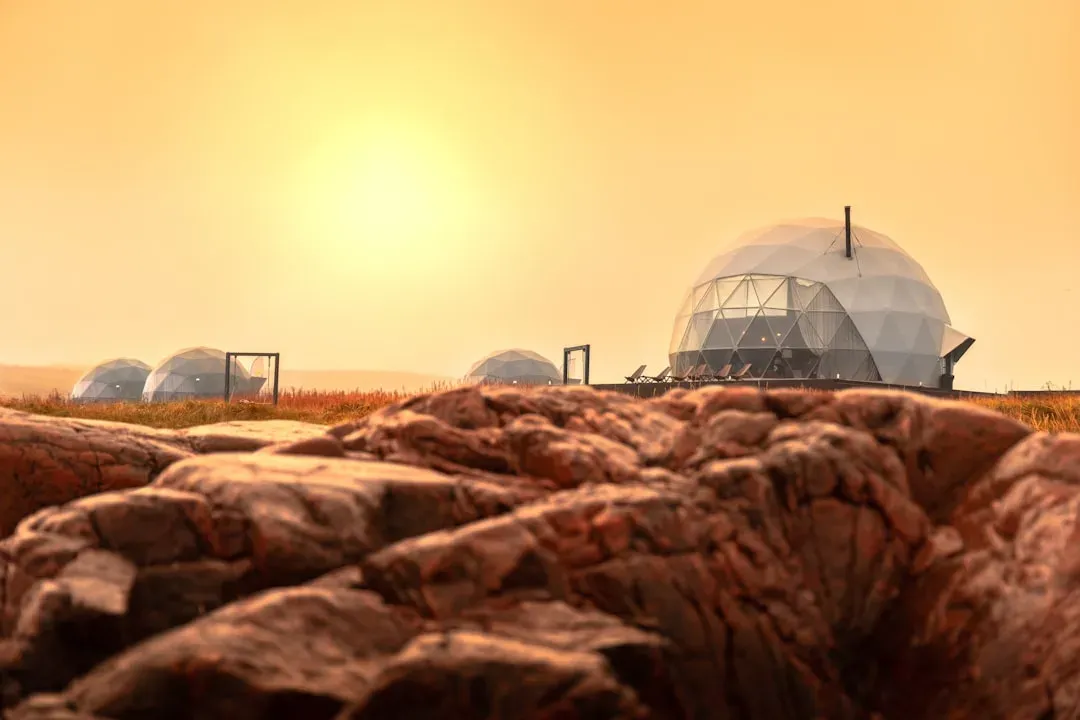
We’re used to treating food as something that comes from shelves, fields, or drive-thrus, but on Mars, every calorie will initially arrive in a spacecraft or be grown under tightly controlled conditions. The Martian soil contains toxic chemicals like perchlorates that would need to be removed or carefully managed before growing crops. So the dream of just planting potatoes in Martian dirt and walking away is far too simple; real farming there would be more like running a high-tech laboratory garden.
To be even remotely sustainable, Mars colonies would need closed-loop systems that recycle water, nutrients, and waste with almost no losses. Picture rows of plants growing under artificial lights inside pressurized greenhouses, monitored constantly by sensors and algorithms. It’s possible, and experiments on Earth and in space stations suggest we can grow food in controlled environments, but the margin for error is brutally small, especially when people’s lives depend on the next harvest.
Technology, Infrastructure, and the Risk of Failure
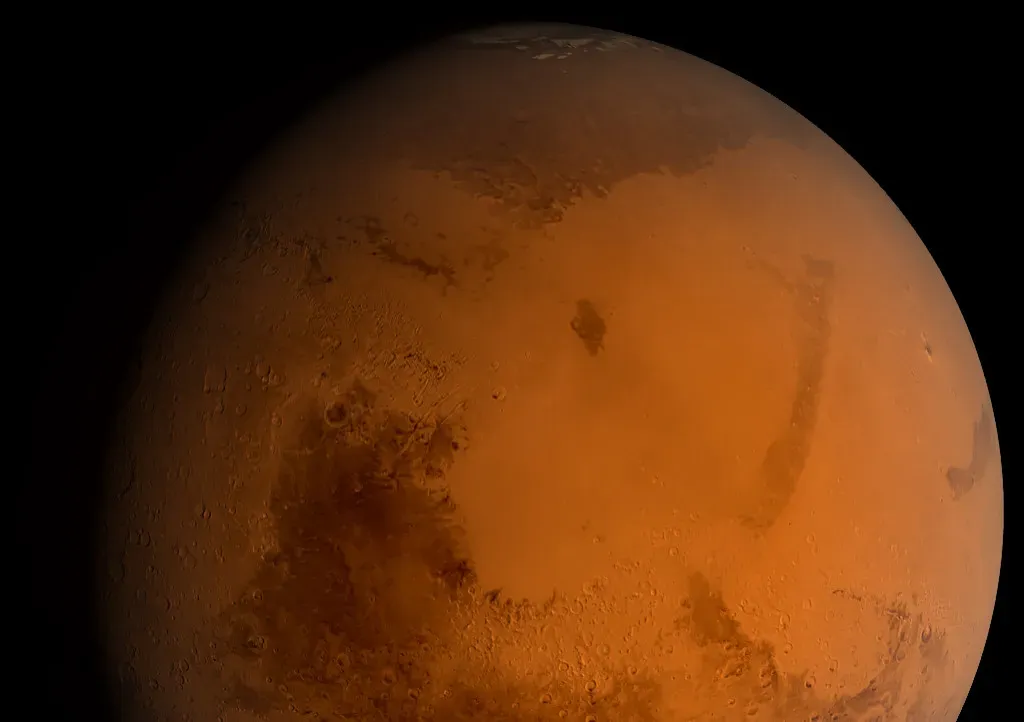
A Martian settlement would be a layered stack of critical systems: power, life support, water processing, waste recycling, communications, transport, and more. Every one of those systems would be operating in an environment that is colder, dustier, and more remote than almost anything we deal with on Earth. You can’t just call a repair technician from the next city when something breaks; you are the technician, and the spare parts warehouse is months away by rocket.
This means redundancy becomes almost a religion on Mars. Multiple backups for power, oxygen, and heating are not optional; they’re the only reason anyone stays alive through equipment failures, storms, or simple human error. Even something as basic as energy generation is tricky: solar panels get covered in dust and power from the sun drops during global storms, while nuclear options bring complexity and risk. Living on Mars would mean being constantly aware that you’re only ever a few cascading failures away from disaster.
The Psychological Toll of Isolation and Distance
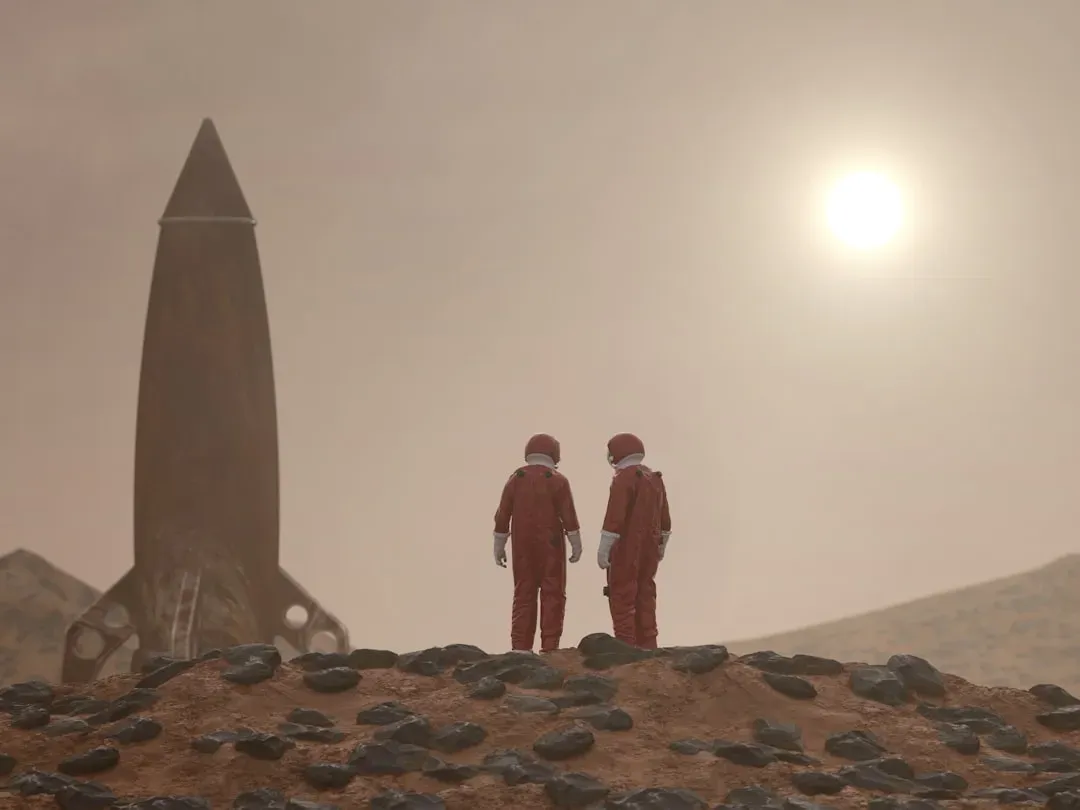
Even if we somehow solved every technical problem, the human mind still has to cope with living millions of kilometers from home. On Mars, you can’t step outside to feel the wind on your face or walk in a forest or swim in the ocean; most of the time, you’d be confined to small habitats, seeing the same people and the same walls every day. That kind of limited environment can quietly wear people down, leading to boredom, loneliness, and conflict.
On top of that, communication with Earth is delayed by several minutes each way, depending on the planets’ positions, so there’s no such thing as a real-time conversation with family back home. You’re close enough to see Earth as a star in the sky, but too far to ever feel truly connected in the way we’re used to. It’s one thing to watch a Mars mission in a movie; it’s another to imagine raising a child in a place where a casual visit to grandparents on Earth is physically impossible.
Ethics, Risk, and Who Gets to Go
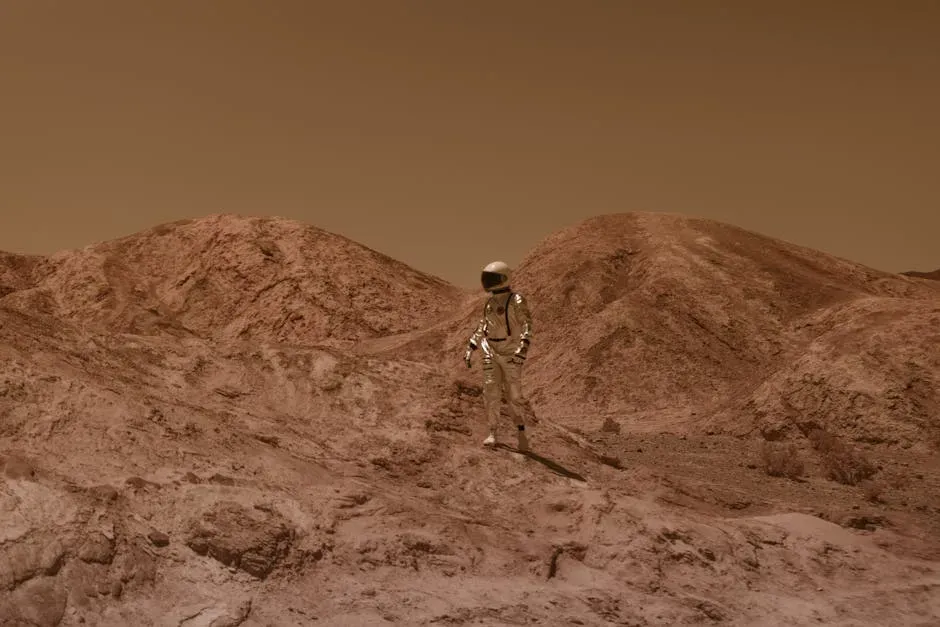
Colonizing Mars isn’t just a technical challenge; it’s an ethical one. Who gets chosen for those first missions: the healthiest, the wealthiest, the most trained, or the most willing to take extreme risks? There’s a real question about how much danger is acceptable, especially when people are essentially volunteering to live in a place where even small mistakes can be fatal. It’s hard not to compare it to early polar expeditions, except this time, the stakes are higher and the rescue options are worse.
There are also deeper questions about what we owe to Mars itself. If we one day discover past or present microbial life there, do we have the right to flood the planet with our own biology and waste? Should Mars be treated as a scientific preserve, a second home, or something in between? The decisions made in the next few decades could shape not just one colony, but how humanity behaves on every other world we ever touch.
Why We Still Want to Go: Science, Survival, and Wonder
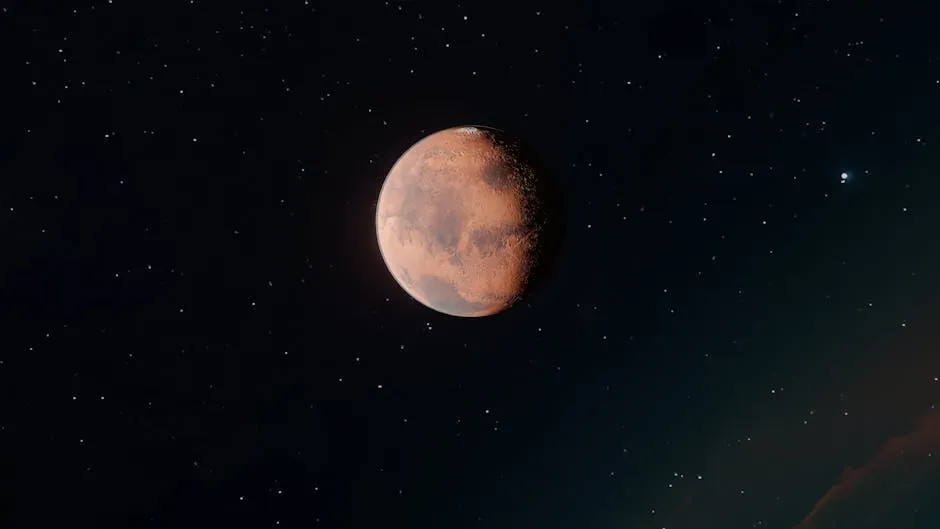
With all these obstacles, it’s fair to ask why we’re still so drawn to Mars. Part of it is simple survival instinct: spreading to another planet could one day protect our species from catastrophes on Earth, whether natural or self-inflicted. Another part is scientific curiosity; Mars holds clues about how planets evolve, whether life can arise in harsher conditions, and what Earth’s distant future might look like.
But there’s also something more emotional at play. Mars sparks the same feeling as seeing the ocean for the first time or standing on a mountain summit and looking at the world below. It’s a frontier in the truest sense, a place that forces us to stretch our technology, our cooperation, and our imagination. Even if most of us never leave Earth, just knowing that humans might someday watch a Martian sunset out a real window, not a camera feed, changes how we think about what’s possible.
From Dream to Reality: A Long Road Ahead
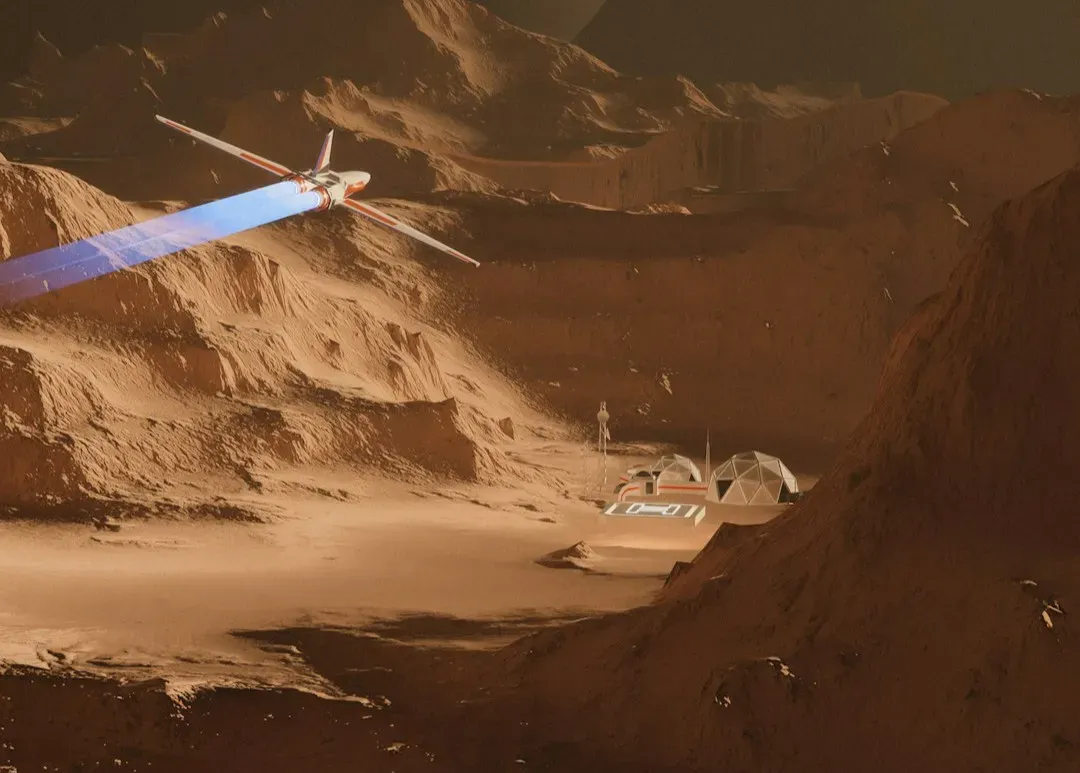
In 2026, the idea of thousands of people living comfortably on Mars is still far away, closer to a long-term ambition than an achievable short-term plan. Test missions, robotic scouts, prototype habitats, and new rockets are all stepping stones, but none of them yet adds up to a complete, reliable way of living there. The first real Martian settlers, whenever they launch, will be more like pioneers on a dangerous expedition than residents of a new suburb.
Still, every improvement in life-support systems, closed-loop agriculture, radiation protection, and propulsion nudges the dream a bit closer to reality. The real question isn’t only whether we can live on Mars, but what we’re willing to endure and risk to make that life possible. If we do go, and stay, the people who call Mars home will be living proof that humans can adapt to a world that was never meant for us at all.