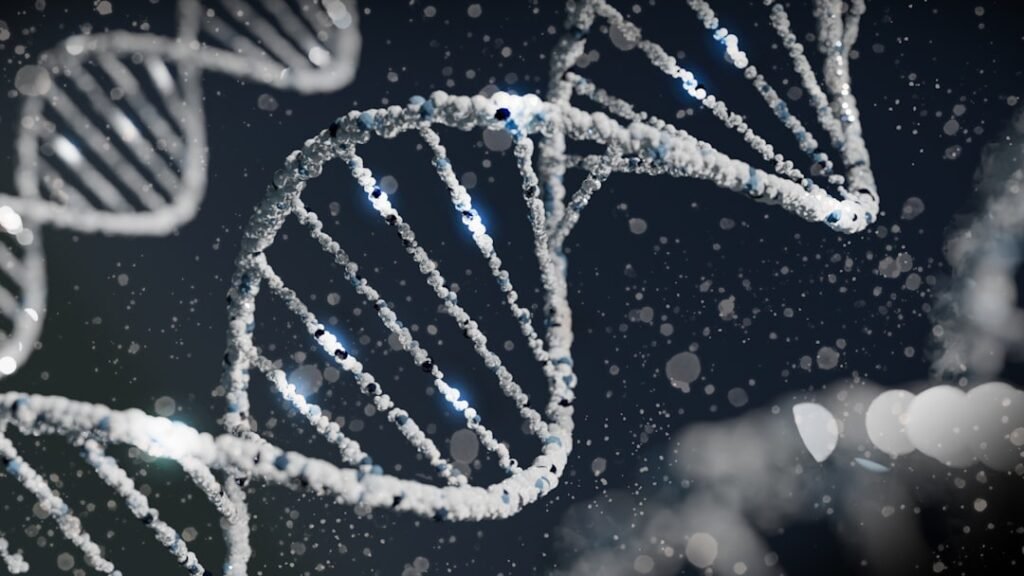

Imagine blowing out birthday candles at one hundred and fifty, feeling no older than you do today. That idea used to belong strictly to science fiction, sitting next to starships and time travel. Now, quietly but very seriously, researchers around the world are asking a question that sounds almost reckless: do we really have to age the way we do?
We are in a strange moment in history. On one hand, people are living longer than at any other time. On the other hand, labs from California to Singapore are pushing at the biological boundaries of aging with tools that didn’t exist a decade ago. The result is a growing tension between hope and reality: maybe we won’t live forever any time soon, but the odds that your lifespan could stretch far beyond what your grandparents imagined are rising faster than most people realize.
The Biology Of Aging: Why Our Bodies Break Down

Here’s the shocking part: aging is not just “wear and tear,” like an old car rusting in the driveway. Modern biology sees aging as a complex program of cellular changes, from damaged DNA to faulty proteins that pile up inside cells. Over time, small errors in how cells repair themselves and how they divide add up, slowly turning a smooth-running system into something leaky and fragile.
Scientists often talk about several “hallmarks of aging” – things like shortened telomeres at the ends of chromosomes, malfunctioning mitochondria that can’t make energy as cleanly, and inflammation that never quite turns off. Each of these problems nudges us closer to disease: heart attacks, dementia, cancer. Instead of seeing these illnesses as separate enemies, more researchers now see them as different faces of the same underlying process: the body’s aging machinery going off track.
Rewriting The Clock: Gene Editing And Cellular Reprogramming
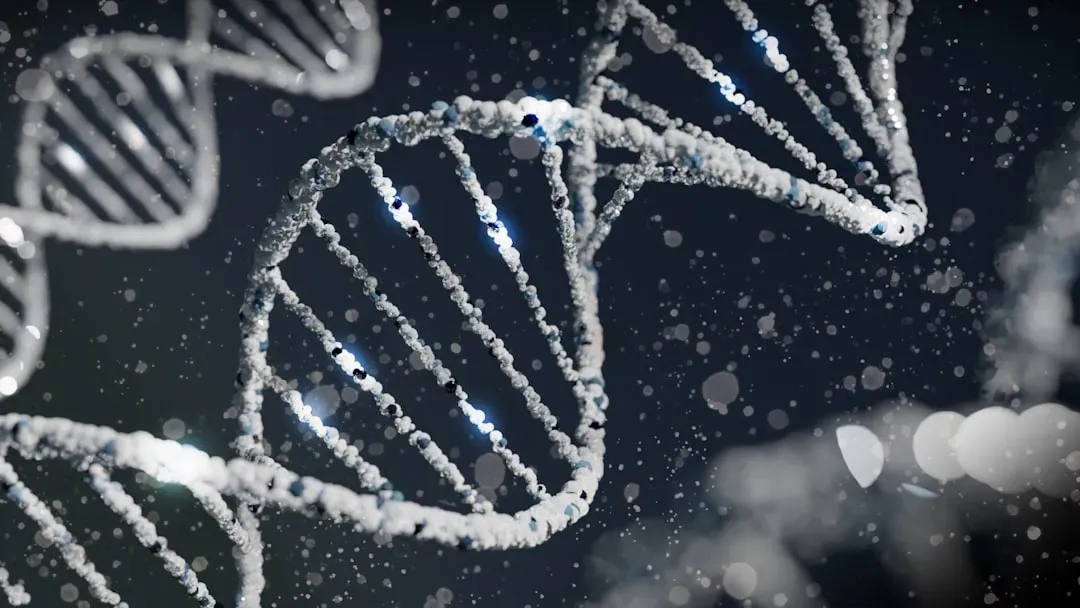
What if, instead of just slowing aging, you could turn the clock back? That’s the wild promise behind cellular reprogramming, where adult cells are pushed back toward a more youthful state. In animal experiments, carefully controlled reprogramming has restored vision in old mice and rejuvenated aged tissues, suggesting that the “age” of a cell is not a one-way street after all.
Gene editing tools add another layer of possibility. Techniques like CRISPR make it far easier to correct or silence genes associated with age-related diseases. Some labs are even exploring ways to tweak genes linked to lifespan itself, based on insights from long-lived animals like naked mole-rats and certain whales. The catch is huge: pushing cells too far back can trigger cancer, and editing the wrong gene in humans is a risk you can’t undo, raising serious questions about how far we should go, even if we know how.
Targeting Aging Itself: Drugs That Treat Time

For decades, medicine has mostly chased individual diseases, like a firefighter running from blaze to blaze. The new approach is almost subversive: treat aging itself as the root condition. Some drugs and interventions that were never meant as “anti-aging” tools are now being tested for their ability to slow or partially reverse aspects of biological aging, not just manage symptoms.
One example is the interest in medications that nudge the same pathways triggered by calorie restriction, a well-known way to extend lifespan in many species. Another is the push to remove so-called senescent cells, the aged, zombie-like cells that stop dividing but refuse to die, quietly poisoning their neighbors. Early human trials with senolytic drugs have produced hints of improved physical function and reduced markers of inflammation, but long-term data and safety are still big question marks.
Lessons From The Long-Lived: What Nature Already Figured Out
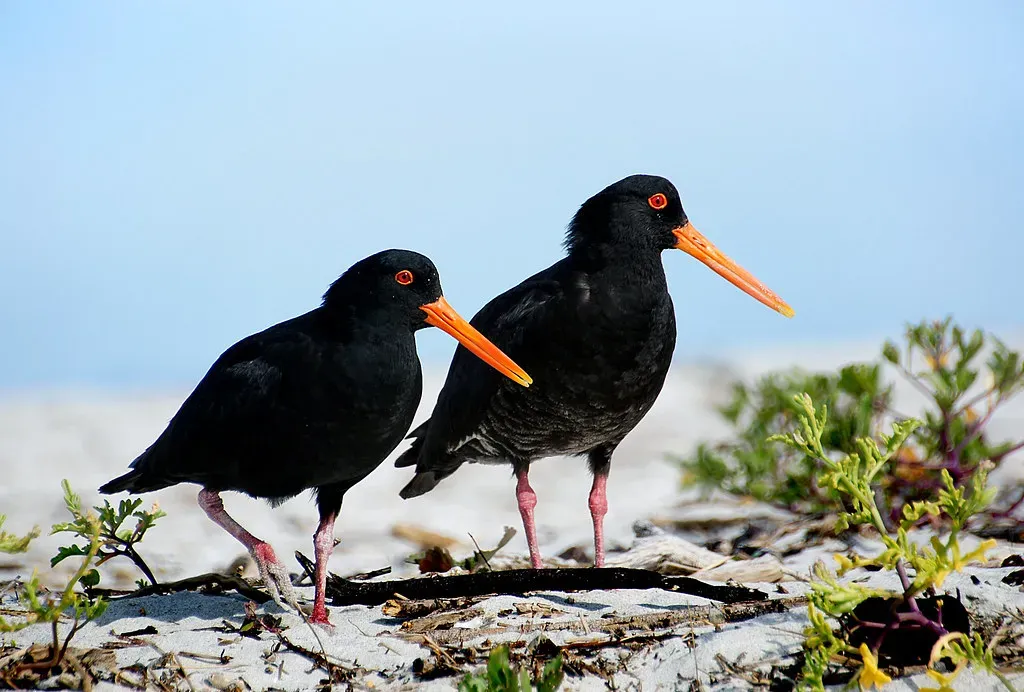
If we want to stretch human life far beyond its current limits, it makes sense to study the creatures that have already pulled off that trick. Certain jellyfish can revert to earlier life stages instead of dying, while some clams are known to live for more than four hundred years. Bowhead whales can pass two centuries, swimming through freezing oceans with a surprising resistance to cancer.
These animals offer clues: enhanced DNA repair, stronger cell protection mechanisms, altered immune responses, and very efficient ways of handling stress. Human-centric research used to treat these species as curiosities; now they’re blueprints. The challenge is sobering, though. Translating what a deep-sea creature does naturally into safe, precise therapies for people is like trying to copy a cathedral using driftwood and duct tape: inspiring, but incredibly technically demanding.
Mind Over Mortality: Psychological And Social Costs Of Extreme Longevity

It’s easy to fantasize about living to one hundred and eighty; it’s much harder to imagine what that would actually feel like. If your body could be kept relatively youthful, how would your sense of purpose change across such a long stretch of time? The traditional milestones of life – education, career, family, retirement – start to look flimsy when you add extra decades or more.
There’s also a darker side to radical life extension that people don’t like to talk about. Who gets access first: the rich, the well-connected, those born in certain countries? Social systems like pensions, healthcare, and housing already strain under the weight of an aging population; add radically longer lives, and the math explodes. On a more personal note, I sometimes wonder whether our relationships, our ability to forgive, or even our capacity to stay curious would hold up if we knew our story might never naturally end.
Ethics, Inequality, And The Question Of “Should We?”
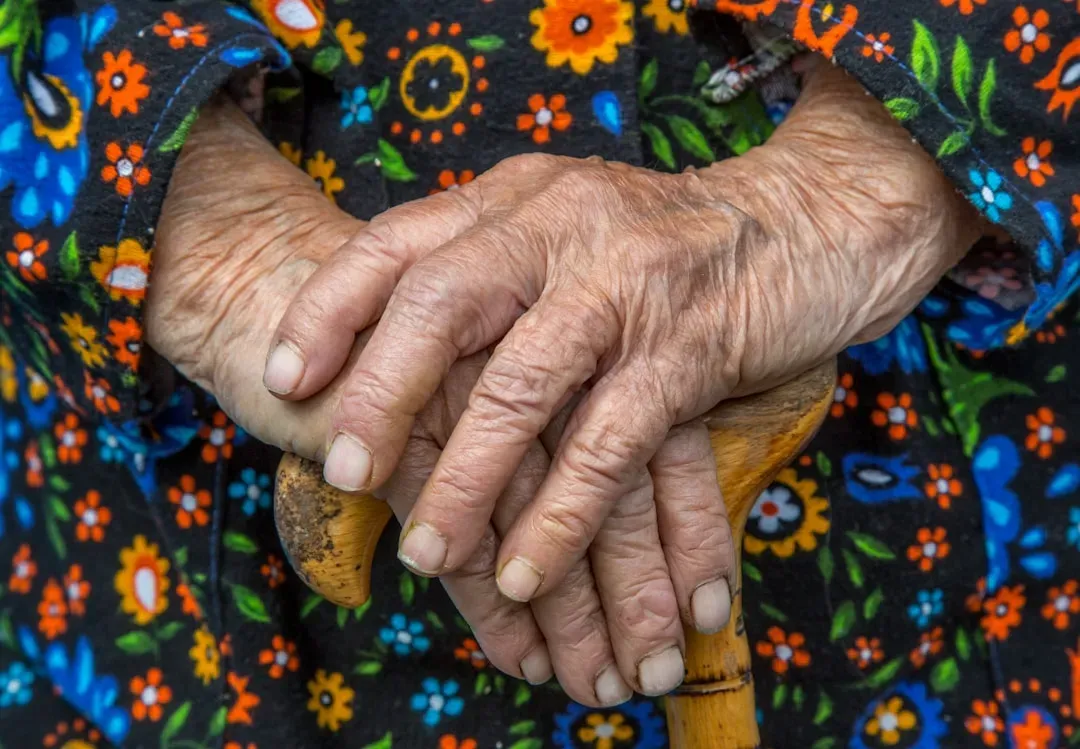
As the tools of longevity science get sharper, the old philosophical question shifts from “Could we?” to “Should we?” If powerful age-slowing therapies arrive unevenly, they could deepen the gap between those who can buy more healthy years and those who can’t even access basic care. Some bioethicists argue that extending lifespan without tackling inequality would be like stretching a ladder upward while pulling the bottom rungs away from everyone below.
There is also the moral weight of tinkering with something as fundamental as how long a human life is supposed to last. Some people see radical life extension as a moral obligation, a way to reduce suffering and postpone death. Others see it as a kind of hubris, a refusal to accept limits that keep societies in balance. Even if the science makes it technically feasible to push far past one hundred, societies will still have to decide where they draw the line between medicine and meddling.
So, Could We Really Live Forever?

When you strip away the hype, the most honest answer for now is that true biological immortality remains out of reach, but meaningful extension of healthy lifespan looks increasingly plausible. We are learning how to measure biological age more precisely, hack some of the core pathways of aging, and borrow tricks from long-lived species, and that combination is starting to bend what once looked like a fixed ceiling. Living well past one hundred, with more of those years spent healthy rather than frail, feels less like fantasy and more like an emerging research target.
Forever, though, is a brutal word. Bodies, environments, and societies all have breaking points, and new risks appear with every extra decade. I suspect the near future of longevity won’t look like immortals walking among us, but rather like people quietly getting ten, twenty, maybe thirty more good years than they would have had before, while arguing fiercely about what that means for fairness, purpose, and identity. If you really could add all those extra years to your own life, how many would you honestly want?