
The possibility of creating synthetic life forms is no longer confined to the realm of science fiction. As we stand on the precipice of a new scientific era, the question arises: could we create a second genesis? This is not merely a question of scientific capability but a profound ethical dilemma. The potential to construct life from scratch, to engineer organisms that have never existed before, presents both thrilling possibilities and daunting responsibilities. It challenges our understanding of life, nature, and our place within it. As we delve deeper into this fascinating topic, we must explore the ethical, philosophical, and practical implications of building synthetic life.
Embarking on the Journey of Synthetic Biology

Synthetic biology is a rapidly growing field that blends biology with engineering to design and construct new biological parts, devices, and systems. Imagine taking the building blocks of life—the DNA, proteins, and cells—and rearranging them like Lego pieces to create something entirely new. This discipline aims to create organisms with specific functions, from producing renewable energy to treating diseases. It’s akin to being able to rewrite the very code of life, offering unprecedented opportunities for innovation and discovery.
The Science Behind Creating Life

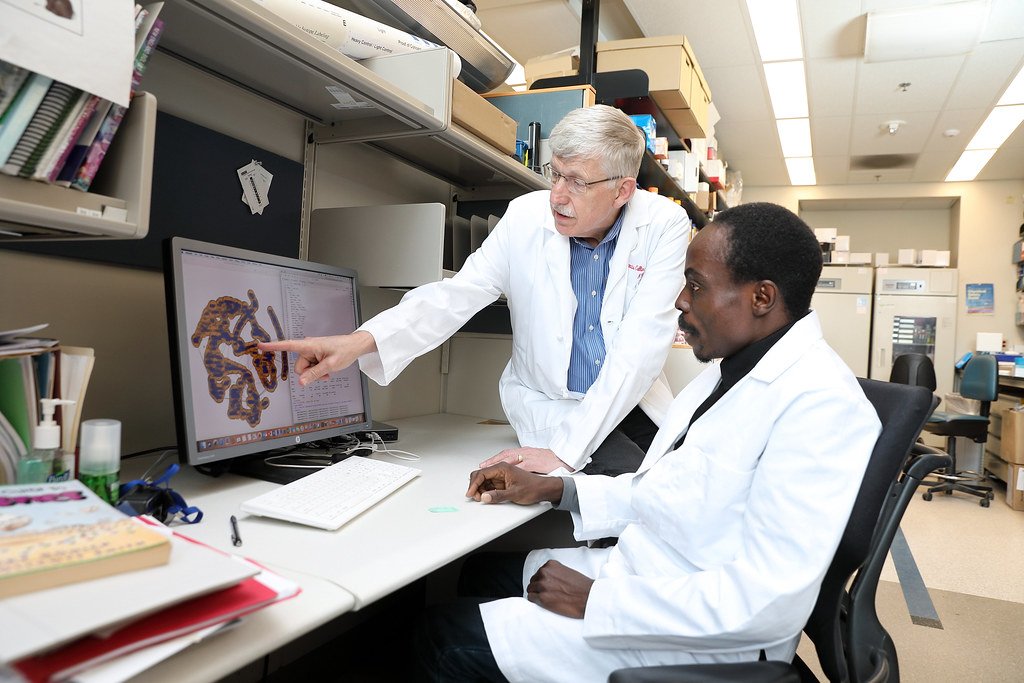
At the core of creating synthetic life forms lies the understanding and manipulation of genetic material. Scientists have developed techniques to synthesize DNA sequences and insert them into cells, effectively programming them for desired outcomes. One of the most significant milestones in this field was the creation of a synthetic bacterial cell by the J. Craig Venter Institute in 2010. The researchers synthesized a complete bacterial genome and transplanted it into a host cell, resulting in a living, replicating organism. This breakthrough demonstrated that it is indeed possible to create life from non-living components, opening the door to countless possibilities and questions.
The Ethical Quandaries of Synthetic Life

While the scientific potential is immense, the ethical considerations are equally significant. Creating synthetic life forces us to confront fundamental questions about the nature of life itself. What responsibilities do we have as creators? Should there be limits to what we engineer? The fear of playing God looms large, as does the concern for unintended consequences. There’s a delicate balance between innovation and caution, where ethical guidelines must be established to prevent misuse and ensure that the benefits outweigh the risks.
Potential Benefits and Applications

The creation of synthetic life forms offers a myriad of potential benefits. Imagine microorganisms engineered to break down pollutants in the environment, providing a sustainable solution to cleaning up oil spills or plastic waste. Synthetic organisms could also revolutionize medicine, producing new drugs or acting as living factories for essential compounds. Moreover, the agricultural sector could benefit from engineered plants that require fewer resources and are resistant to pests and diseases. The possibilities are vast, promising a future where synthetic life might address some of humanity’s most pressing challenges.
The Risks Involved in Synthetic Biology

With great power comes great responsibility, and synthetic biology is no exception. One of the primary concerns is biosecurity. The ability to create novel organisms also brings the risk of developing harmful pathogens, either accidentally or deliberately. Moreover, the ecological implications of introducing synthetic organisms into the environment are not fully understood. There’s a risk of disrupting natural ecosystems or outcompeting native species, leading to unforeseen consequences. This necessitates strict regulatory frameworks and thorough risk assessments to ensure safety and sustainability.
Public Perception and Acceptance

Public perception plays a crucial role in the advancement of synthetic biology. The idea of creating life can evoke fear, skepticism, and opposition, often fueled by misconceptions and lack of understanding. It’s essential to engage with the public, fostering transparency and dialogue to build trust. Education and outreach efforts can help demystify the science, addressing concerns and highlighting the potential benefits. By involving diverse stakeholders, including ethicists, policymakers, and the public, we can navigate the challenges and opportunities of synthetic life responsibly.
Lessons from Nature: Bio-Inspiration

Nature has been a master engineer for billions of years, evolving complex and efficient systems. Synthetic biology often looks to nature for inspiration, emulating biological processes and structures. This approach, known as biomimicry, seeks to harness the wisdom of nature to solve human problems. For instance, researchers have studied the photosynthetic processes of plants to develop more efficient solar cells. By learning from nature, we can create synthetic life forms that are not only innovative but also harmonious with the natural world.
The Philosophical Implications

The creation of synthetic life also raises profound philosophical questions. What does it mean to be alive? How do we define consciousness and intelligence? These questions challenge our understanding of life and our place in the universe. As we engineer new forms of life, we must consider their rights and status. Are they mere tools or entities with intrinsic value? The answers to these questions will shape our ethical frameworks and influence how we approach the creation and use of synthetic life.
Regulatory Frameworks and Governance

To navigate the ethical and practical challenges of synthetic biology, robust regulatory frameworks are essential. These frameworks must balance innovation with safety, ensuring that synthetic organisms are developed and deployed responsibly. International collaboration is crucial, as synthetic life knows no borders. Harmonized regulations can prevent a patchwork of standards, fostering global cooperation and knowledge sharing. By establishing clear guidelines and oversight, we can harness the potential of synthetic life while minimizing the risks.
Looking to the Future: A New Era of Life

As we stand at the threshold of a new era, the creation of synthetic life holds both promise and peril. It invites us to reimagine what is possible, to push the boundaries of science and innovation. Yet, it also demands reflection, responsibility, and respect for the natural world. The journey of building synthetic life is not just a scientific endeavor but a collective human endeavor. It challenges us to work together, to explore the unknown with curiosity and caution, and to shape a future where synthetic life complements and enhances the tapestry of existence.