
Every now and then, a question comes along that doesn’t just challenge what we think, but how we think. The simulation hypothesis is one of those questions. It pokes at the edges of reality and whispers a quietly unsettling idea: what if everything you see, feel, and remember is running on something like an unimaginably advanced computer?
That sounds like science fiction, the kind of thing you’d expect in a late-night movie, not in serious philosophy or physics. Yet over the past couple of decades, highly respected thinkers have taken the idea seriously enough to argue about it in public, publish papers on it, and connect it to cutting-edge research. Whether you end up convinced or not, exploring this theory is like taking the back off reality and peeking at the wiring.
The Core Idea Behind the Simulation Hypothesis
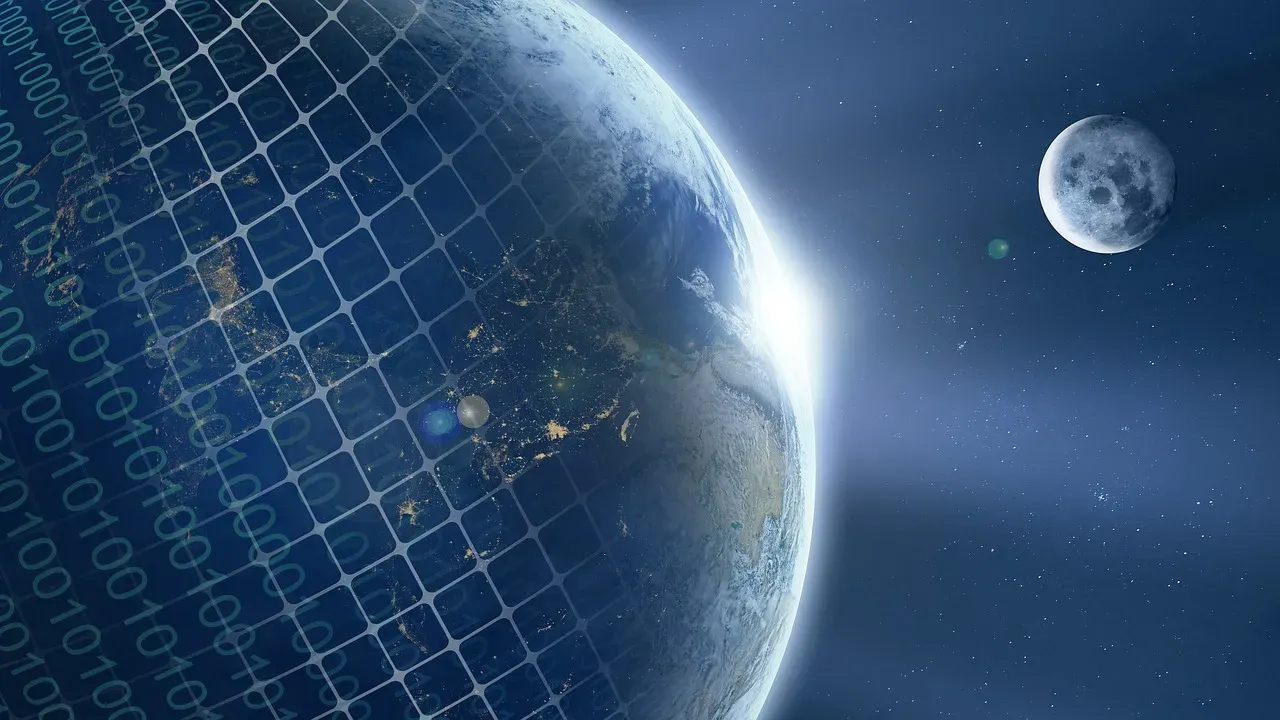
Imagine a video game so advanced that every blade of grass, every gust of wind, and every person walking down a digital street behaves in a realistic, unpredictable way. Now stretch that thought much further: a civilization far more advanced than ours could, in theory, simulate entire worlds, including conscious beings who don’t realize they’re inside a simulation. The simulation hypothesis suggests we might be those beings.
The idea, in simple terms, says this: if advanced civilizations can create simulations of conscious lives, and if they create many such simulations, then simulated worlds could vastly outnumber “base reality.” Statistically speaking, that would make it more likely we’re in a simulation than in the original, non‑simulated universe. It’s not claiming to know who’s running the system or why, only that the odds may not be on the side of reality being “original.”
Why Serious Thinkers Take the Theory Seriously
What makes this theory unsettling is that it isn’t just a wild story; it’s structured like a logical trap. The argument suggests that at least one of three things must be true: civilizations never get advanced enough to simulate entire worlds, advanced civilizations can but choose never to do it, or they do it and we’re almost certainly inside one of their countless simulations. You don’t have to like any of those options, but it’s hard to wriggle out without rejecting at least one of the underlying assumptions.
Philosophers and scientists discuss this not because they’re bored, but because the question connects to deep issues about consciousness, technology, and the future of intelligent life. If advanced simulation is possible, it changes how we think about probability, about what counts as “real,” and about our place in the cosmos. The mental discomfort you feel when you think about this for more than a minute is exactly why it’s such a powerful thought experiment.
Clues From Our Digital Obsession and Technological Progress
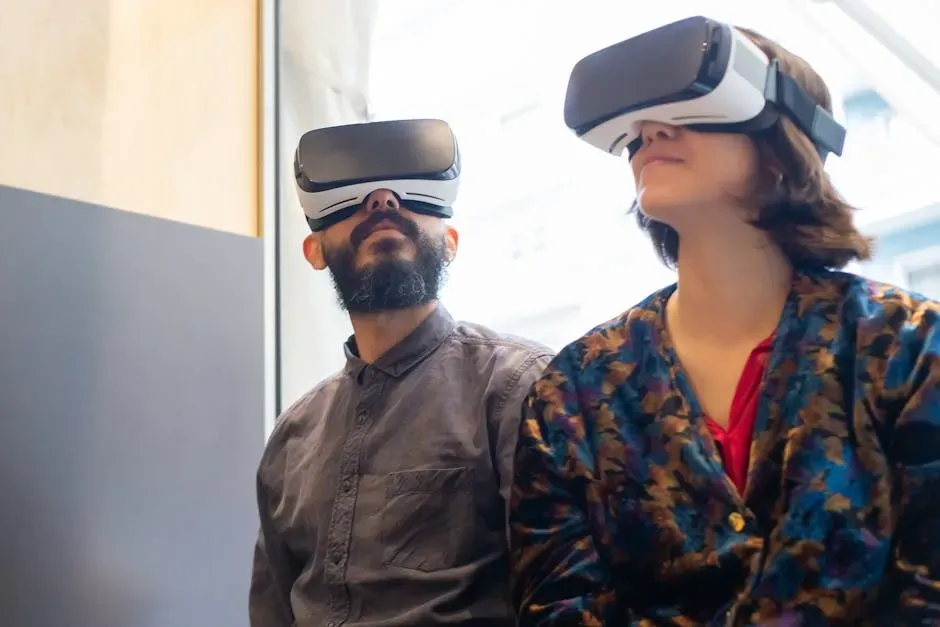
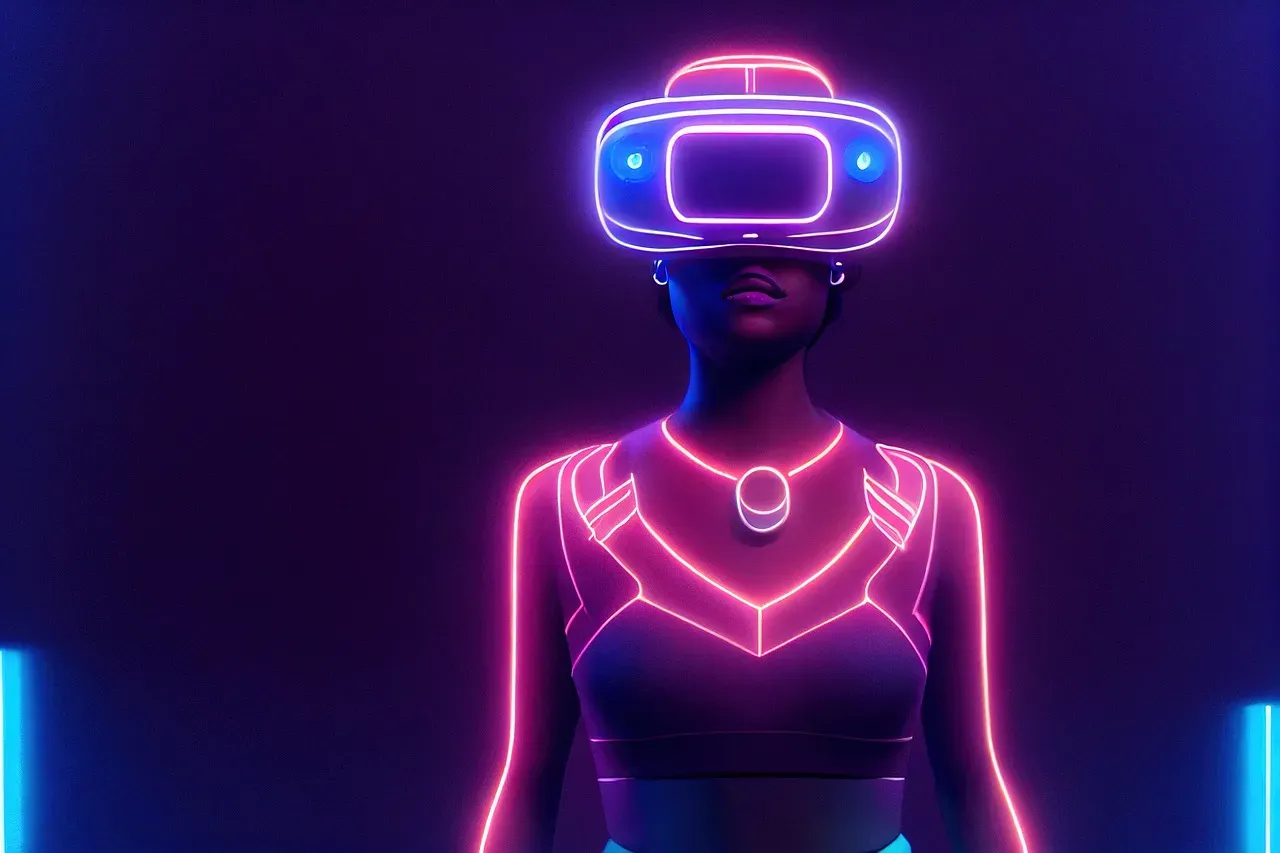
Look around: we’re already building our own mini simulations. From open‑world games to virtual reality headsets, we’re pushing more and more of our lives into digital environments. A few decades ago, the idea of realistic virtual worlds belonged to futuristic novels; now, millions of people spend hours in digital spaces that feel surprisingly immersive, even though the graphics are still far from perfect reality.
Our computing power has been increasing at a staggering pace compared to human history, and while growth has slowed relative to the old days of doubling every couple of years, we’ve still gone from 8‑bit pixels to worlds that look almost photographic. It doesn’t take much imagination to picture a far‑future civilization with computing resources so immense that simulating entire worlds, including human‑level minds, might be routine. When you see how much time we already spend in virtual spaces, the idea that someone else might have taken that further stops sounding completely absurd.
The Physics Oddities That Fuel Simulation Speculation
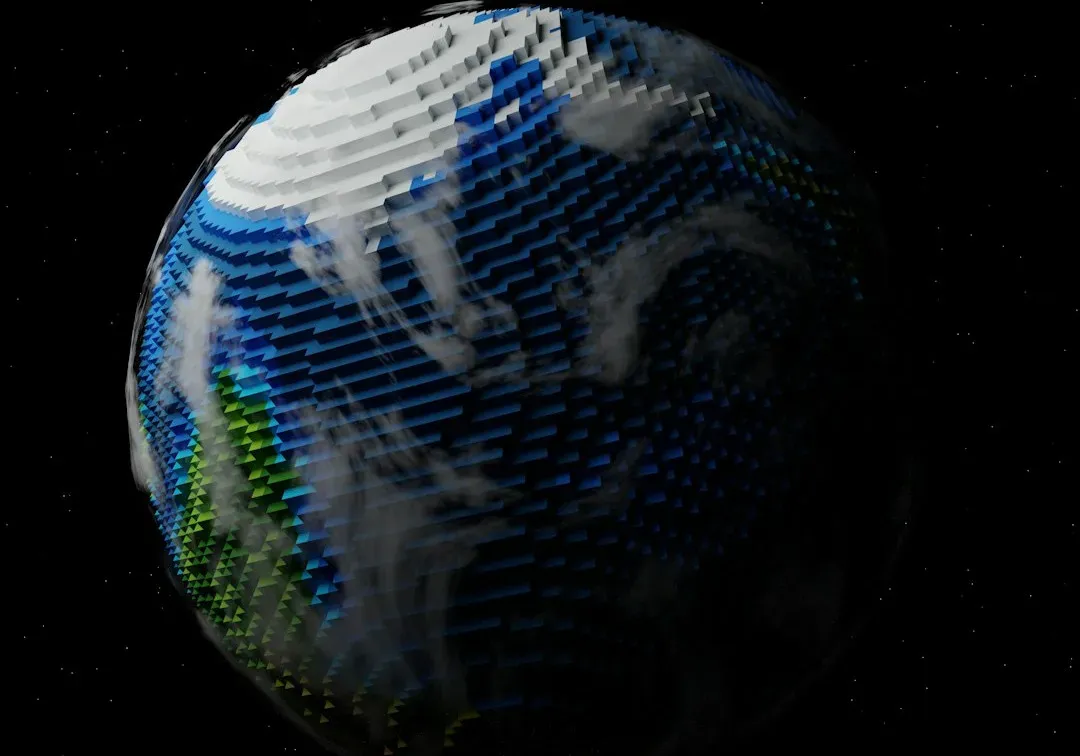
Some people like to point at certain strange features of our universe as “hints” we’re in a simulation. The fact that the universe seems to have a smallest possible length and time scale, or that physical reality appears quantized, can feel eerily similar to how digital images are made of pixels. In this view, the basic building blocks of reality are like the resolution settings of a cosmic screen.
Others notice that the universe runs according to mathematical laws with almost eerie precision, as if everything is following a giant underlying code. The speed of light acting like a universal speed limit, or the way quantum measurements behave unpredictably until observed, offer tempting metaphors for how a simulated world might optimize performance or handle uncertainty. None of this proves we’re in a simulation, but these coincidences give people fuel for their imagination, like seeing faint grid lines beneath a painting.
The Philosophical Punch: What Counts as “Real” Anyway?
Even if we discovered tomorrow that we’re living in an incredibly sophisticated simulation, would that instantly make your life meaningless? Your memories would still feel real to you, your relationships would still shape who you are, and your pain and joy would still matter subjectively. If you burn your hand on a simulated stove, it still hurts in your experience, and that experience is what your mind lives in every day.
In that sense, reality is partly about consistency and shared experience, not just the material underneath it. If everyone around you is simulated too, then for you, this is still the “real” world, just running on different hardware than you imagined. That thought can be strangely comforting: meaning doesn’t completely evaporate just because the backstage turns out to be different. It forces a harder question: do we value life because of what it’s made of, or because of how it’s lived?
The Emotional Impact: Awe, Anxiety, and a Weird Kind of Freedom
When you first really let the simulation idea sink in, it can be a bit like standing on the edge of a cliff and looking down. There’s awe in imagining that reality might be nested, like Russian dolls, with simulations inside simulations. There’s also anxiety: if someone or something is “running” this world, does that make us experiments, entertainment, or something else entirely?
On the other hand, some people find the idea oddly liberating. If reality is ultimately beyond your control, whether it’s simulated or not, then your job remains the same: make the best of the time you’re given, care about people around you, and create something meaningful out of the chaos. Personally, when I think about it, I’m less worried about whether this is base reality and more intrigued by how fiercely humans cling to meaning no matter what story we tell about the universe. That stubbornness feels, in a way, like our most real feature.
So, Does It Actually Matter If We’re Simulated?
From a day‑to‑day point of view, you still need to get up, eat breakfast, pay your bills, and deal with the people who cut you off in traffic. Whether the atoms in your body are “real” or rendered on some vast cosmic server, your experience of life is happening here, in this moment, through your thoughts and feelings. No theoretical argument changes the fact that you still have to choose how to treat others, what to pursue, and what kind of person you want to be.
At a deeper level, the simulation hypothesis is less about proving we’re in a giant computer and more about humbling our assumptions. It reminds us we might not have the full picture, that our current understanding of reality could be as limited as a character in a game trying to imagine the player’s living room. Whether we’re living on raw physics or inside a layered simulation, the question itself nudges us to be curious, to question appearances, and to look at our world with fresh, slightly unsettled eyes.