
Every time a major volcano explodes, satellite images show a strange paradox: as the ash clouds spread, parts of the planet actually begin to cool. In a world racing toward dangerous warming, that twist has turned volcanoes into a controversial symbol of both natural chaos and potential climate relief. Scientists are now asking a question that would have sounded wild a few decades ago: could mimicking volcanic eruptions help cool the Earth on purpose? The answer sits at the tense frontier between urgent climate risk, incomplete knowledge, and a deeply mysterious atmosphere we still do not fully understand. What makes this story gripping is not just what we know – but how much remains unexplained.
The Hidden Clues: When Eruptions Turn Down the Global Thermostat
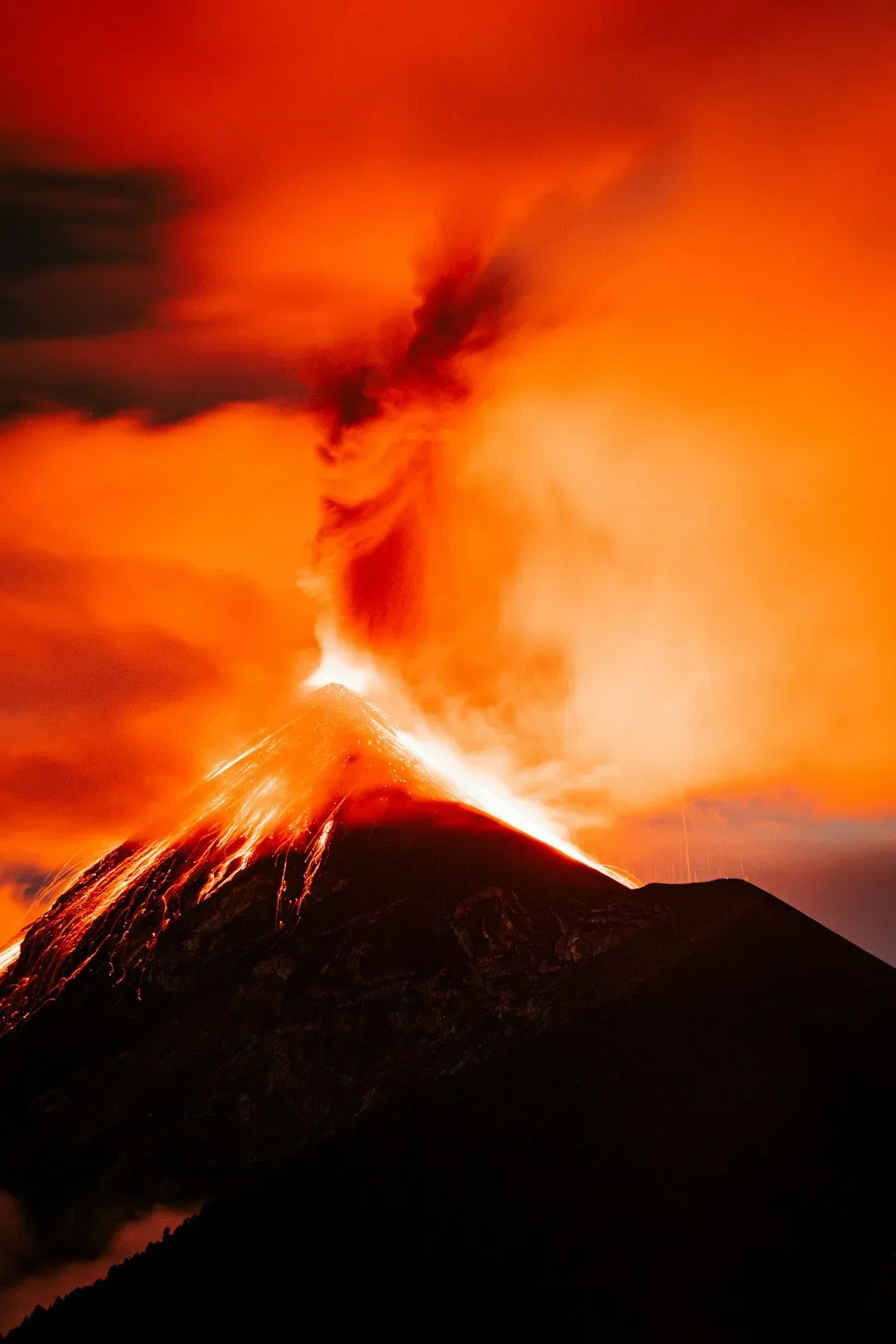
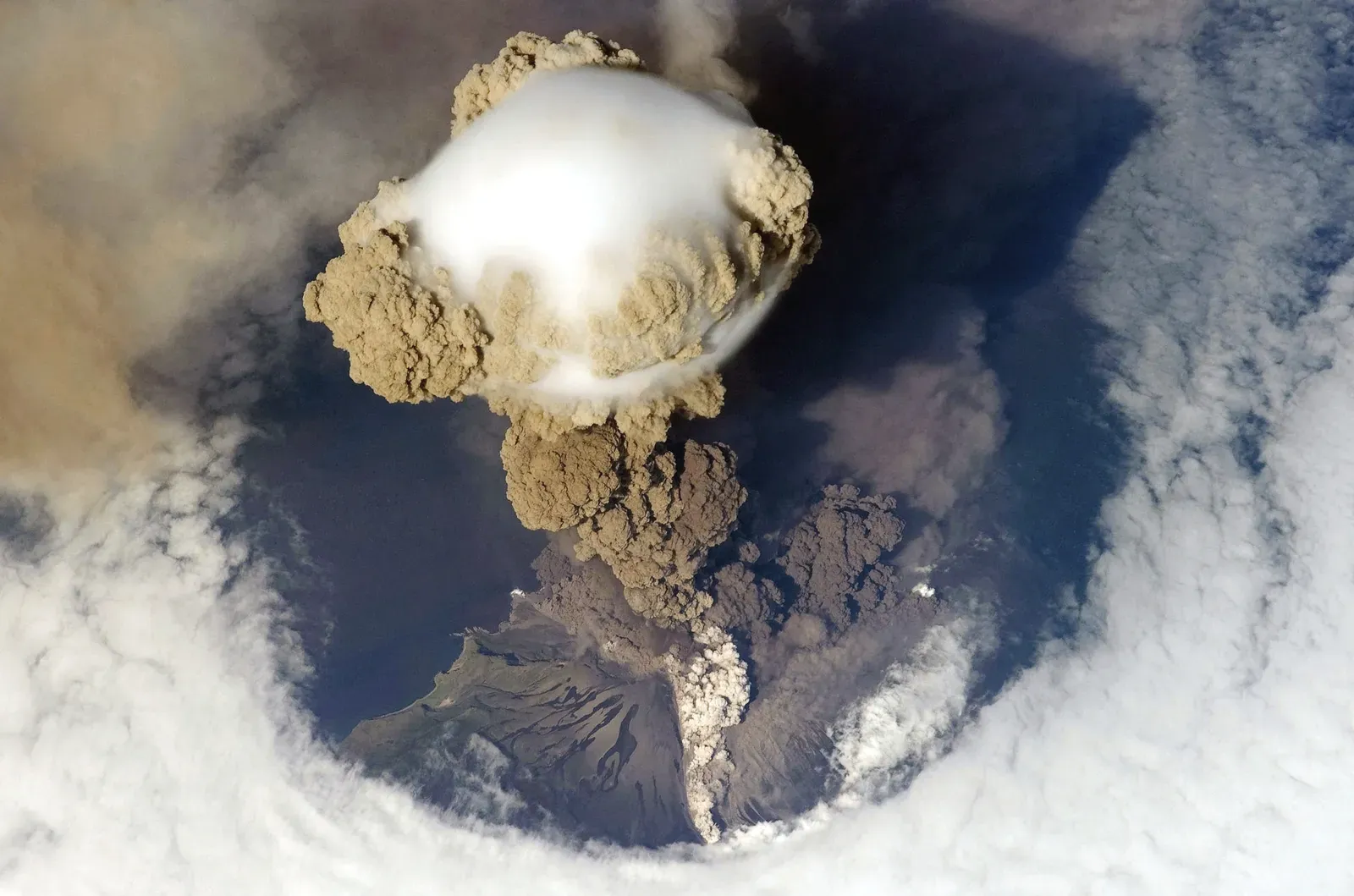
One of the most surprising climate plot twists of the last century came after a single mountain – Mount Pinatubo in the Philippines – erupted in June 1991. The eruption hurled vast amounts of sulfur dioxide high into the stratosphere, where it reacted to form a veil of sulfate aerosols that circled the globe. Over the next year or two, average global temperatures dipped by roughly about half a degree Celsius, temporarily slowing the warming trend driven by greenhouse gases. To put that in perspective, climate scientists struggle for decades to shave off that kind of warming through policy; a single eruption did it accidentally.
Yet, the physics behind this “volcanic sunshade” is not as simple as it sounds. Those tiny particles floating high above us scatter incoming sunlight back into space, like a faint, hazy mirror wrapped around the planet. At the same time, they can also trap heat in different layers of the atmosphere, warming the stratosphere while cooling the surface. The ripple effects are uneven – monsoon rains can shift, storm tracks can wander, and some regions may dry out even as global averages cool. So the cooling is real, but the pattern across the planet is patchy and puzzling, and that is where the real mystery begins.
From Ancient Cataclysms to Modern Climate Science
Long before satellites or climate models, communities noticed that big eruptions sometimes brought years of strange weather and failed harvests. Historical accounts from around the world describe unusually cold summers, dimmed sunlight, and crop crises following enormous eruptions such as Tambora in 1815. That event is often linked to the so-called “year without a summer” in 1816, when snow fell in June in parts of North America and Europe, and harvests collapsed. People at the time framed it in terms of divine anger or bad omens, because the chain from volcano to sky to climate remained invisible.
Modern climate science has turned those old stories into testable data. Ice cores drilled from Greenland and Antarctica hold chemical fingerprints of ancient eruptions, preserving tiny sulfate layers like tree rings in frozen time. When scientists line up those layers with written records and tree growth patterns, they see a recurring pattern: massive eruptions are often followed by short-lived global cooling and regional climate disruption. It is like a slow-motion detective story, piecing together scattered clues across centuries and continents. But even with all that, big uncertainties remain about exactly how different eruptions interact with winds, clouds, and oceans.
Unexplained Puzzles in the Volcanic–Climate Connection
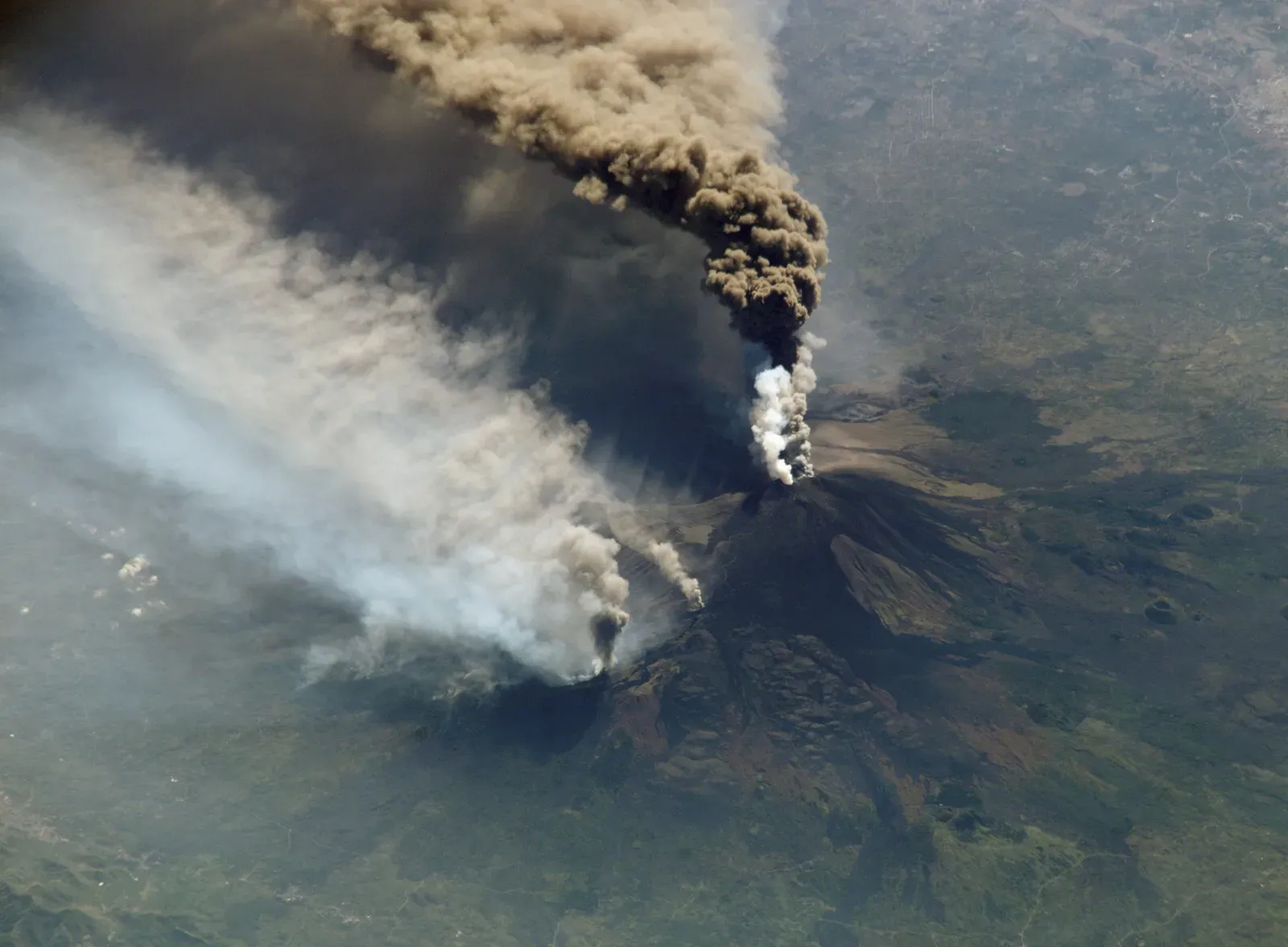
For all the headlines about Pinatubo and Tambora, some eruptions stubbornly refuse to follow the script. A few large blasts that injected plenty of material into the atmosphere produced surprisingly modest cooling, while smaller ones occasionally seemed to have outsized effects. That mismatch suggests that the crucial factors are not just how much sulfur a volcano emits, but how high it reaches, where it enters the stratosphere, and what the background climate conditions are at the time. Ocean cycles, existing pollution, and even the season of the eruption can all tangle together in ways models still struggle to reproduce.
Another unexplained puzzle is how multiple medium-sized eruptions interact over time. Some researchers argue that a sequence of eruptions in the early 2000s may have slightly muted the rate of global warming for a few years, even though none of them were as dramatic as Pinatubo. Others point out that our satellite record is relatively short, and that natural variability in the climate system can mimic or mask volcanic signals. These competing interpretations show how fragile our understanding still is. We can see the fingerprints of volcanoes in the climate record – but we are still arguing about exactly what crime they committed and how powerful their influence really is.
Engineering the Sky: Can We Copy What Volcanoes Do?
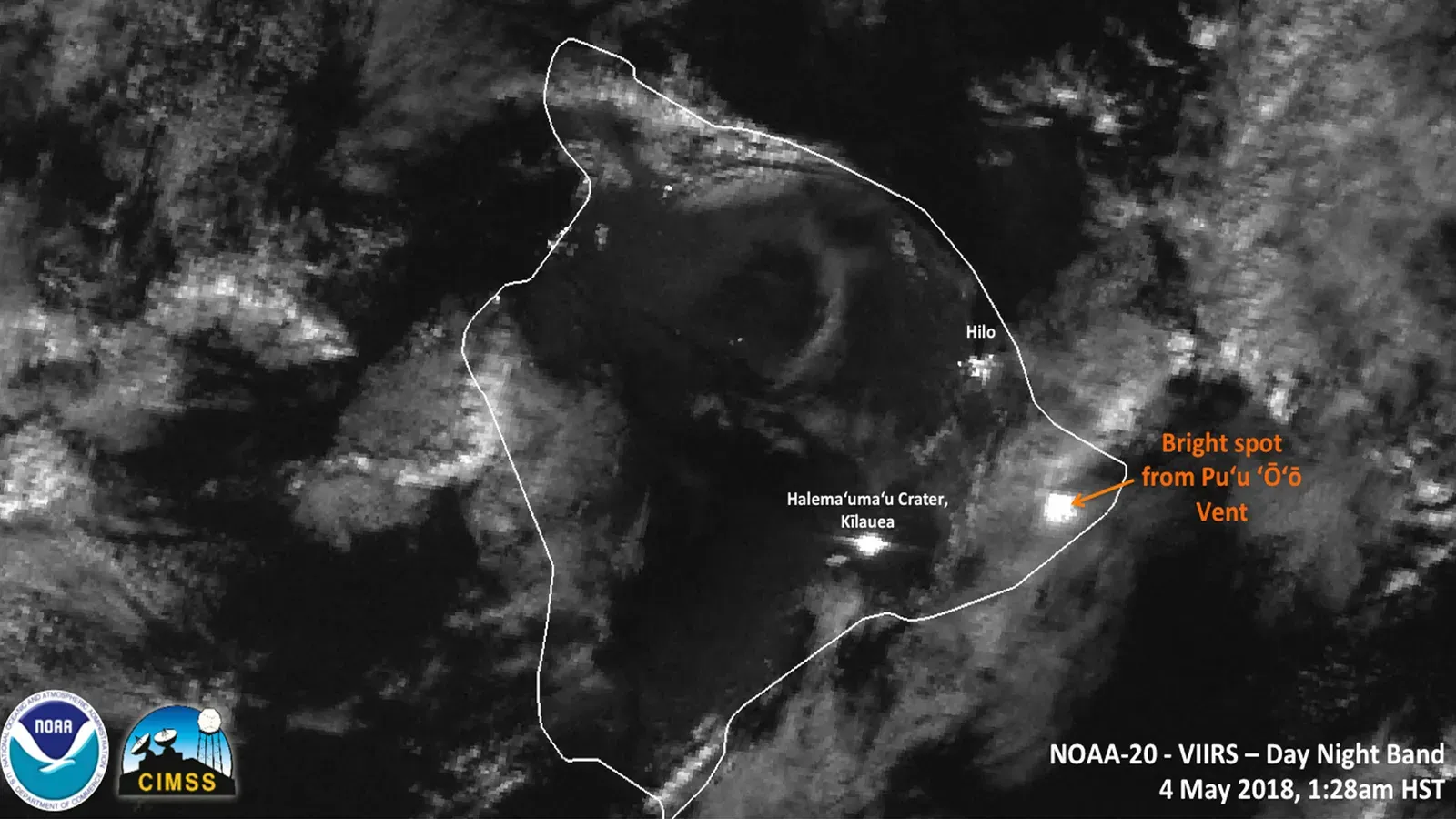
The eerie success of Pinatubo’s accidental cooling has inspired one of the most controversial ideas in climate science: deliberate stratospheric aerosol injection. The basic concept sounds deceptively simple – spray sulfur-containing particles or their precursors high into the stratosphere, roughly mimicking the effect of a big volcanic eruption, but in a controlled and sustained way. Advocates argue that this could buy the world time, slowing warming while societies cut emissions and transform energy systems. For a planet edging closer to dangerously high temperatures, that possibility has a powerful emotional pull.
But the engineering challenge and the risks are enormous. Unlike a one-off eruption, any artificial cooling scheme would need to be maintained for decades or longer; if it stopped suddenly while greenhouse gases remained high, temperatures could rebound rapidly. Regional impacts might be unequal, with some areas gaining cooler, more stable climates while others lose rainfall or see disrupted monsoons. There are also serious questions about who would control such a planetary-scale thermostat and how disagreements between nations would be resolved. The technology tempts us with a quick-acting lever, but it opens a Pandora’s box of political, ethical, and scientific puzzles that we are nowhere near solving.
Why It Matters: Volcanic Cooling vs. Real Climate Solutions
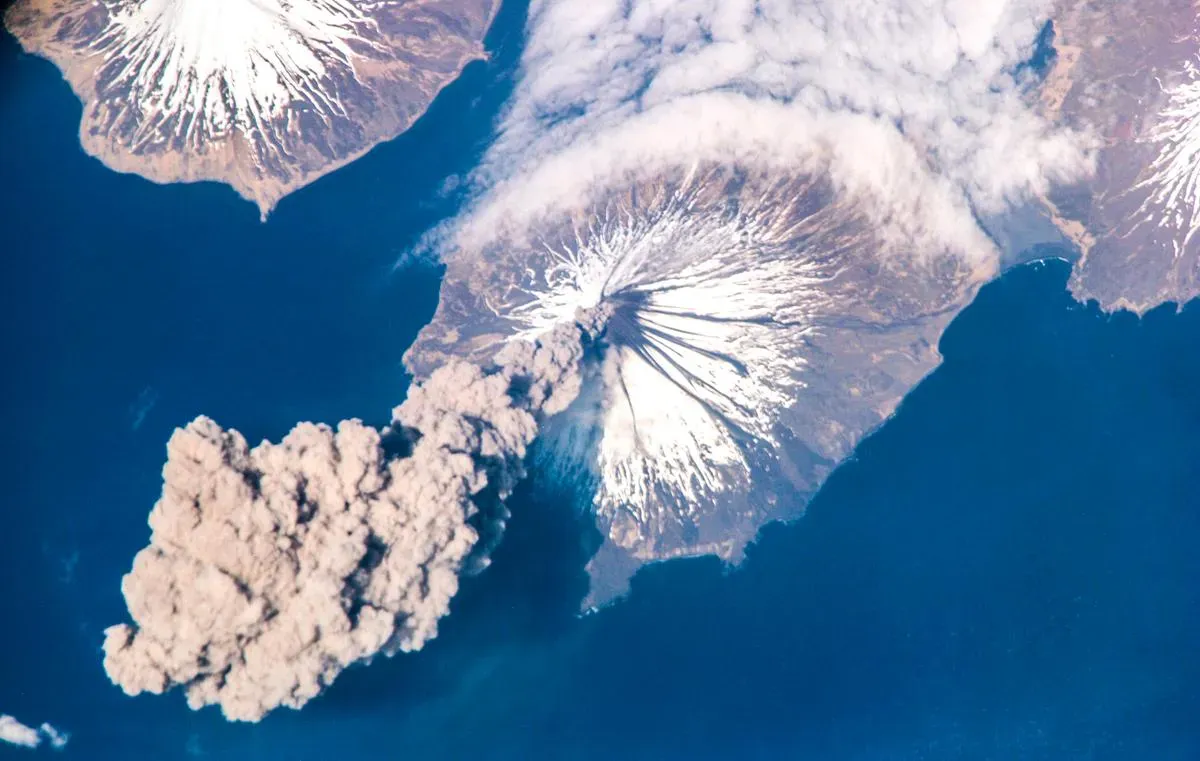
The idea that volcano-like interventions could cool the planet matters because it tests our sense of responsibility. Human-caused climate change stems primarily from long-lived greenhouse gases, especially carbon dioxide, building up in the atmosphere. Reducing that buildup means cutting emissions from fossil fuels, changing land use, and protecting ecosystems that store carbon. Those tasks are hard, slow, and politically messy, which is exactly why a comparatively quick-acting cooling scheme looks so tempting.
Yet relying on volcanic-style cooling without slashing emissions would be like putting a bandage on a broken dam. The underlying driver of climate change would still be there, steadily increasing ocean heat content, acidifying seas, and raising sea levels. Moreover, artificial cooling does not address other pollution problems, biodiversity loss, or ocean chemistry changes. Comparing the two paths makes the stakes clear: physical cooling of air temperatures is only one piece of a much larger planetary puzzle. That is why many researchers describe potential volcanic-style interventions not as a solution, but at best as a risky supplement to deep, sustained emission cuts.
Global Perspectives: Who Wins and Who Loses if We Cool the Planet?
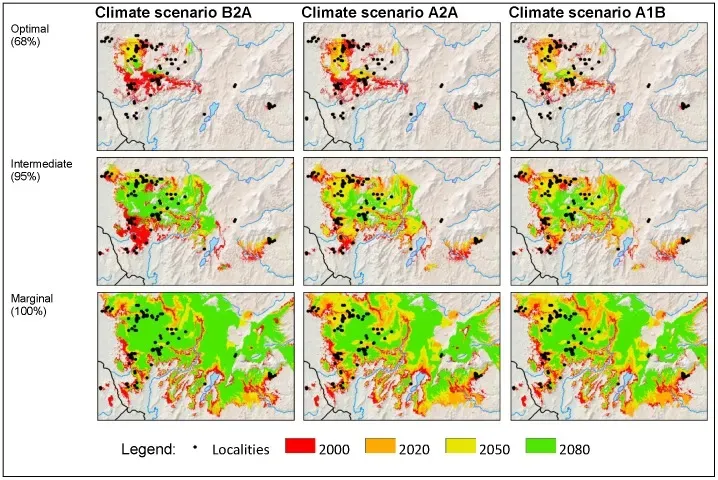
One of the most unsettling questions about any volcano-inspired climate intervention is how uneven its benefits and harms might be. Climate models suggest that while average global temperatures could be reduced, regional patterns of rainfall, storm tracks, and monsoon strength might shift in complicated ways. For example, some simulations show that certain geoengineering scenarios could weaken monsoon rains over parts of Africa or Asia, threatening food and water security. Meanwhile, some higher-latitude regions might enjoy milder extremes and fewer heat waves.
That unevenness turns a technical question into a geopolitical minefield. Who gets to decide if a few tenths of a degree of global cooling are worth the risk of altering rainfall for hundreds of millions of people? Small island states facing rising seas might view aggressive cooling as a lifeline, while other nations may fear unintended disruptions to agriculture or fisheries. Indigenous communities near real volcanoes already live with ash fall, air quality issues, and cultural upheaval when eruptions occur, reminding us that the human experience of volcanic activity is far from abstract. Any debate about copying volcanoes at scale has to grapple with justice, consent, and the possibility that some communities could be asked to accept more risk than others.
The Future Landscape: Research, Safeguards, and Unanswered Questions
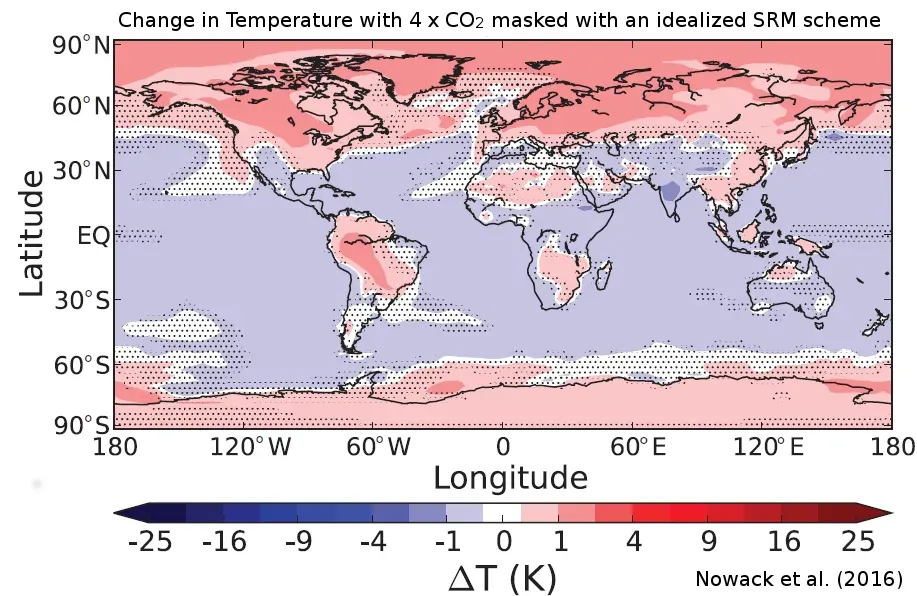
Over the last decade, interest in studying volcanic-style climate interventions has grown, but so have calls for caution and clear rules. Researchers are running increasingly sophisticated computer simulations to explore what might happen if different amounts of aerosols were injected at different latitudes and altitudes. Small-scale field experiments have been proposed or tested to understand basic atmospheric chemistry and particle behavior, using tiny amounts of material compared with any real deployment. These efforts aim to improve knowledge without crossing the line into actual climate modification.
At the same time, scientists, ethicists, and policymakers are debating what kind of governance framework would be needed before any large-scale experiments could be considered. Questions include who funds the work, who has oversight, and how vulnerable communities are represented in decision-making. There is also a live discussion about “moral hazard” – the risk that talking too much about technological fixes might weaken political will to cut emissions. The future landscape is likely to be defined less by dramatic hardware than by careful, sometimes uncomfortable conversations about risk, responsibility, and the limits of what we should do to the sky above us. In many ways, the biggest unknown is not the chemistry of aerosols, but the choices societies will make as the climate crisis deepens.
How You Can Stay Engaged With the Volcanic Cooling Debate
Most of us will never stand at the edge of an active crater or help design a stratospheric aerosol experiment, but that does not mean we are bystanders. The decisions about whether and how to explore volcanic-style climate interventions will be shaped by public awareness, political pressure, and how urgently societies demand emission cuts. You can start by following reputable climate and atmospheric science reporting, paying attention not just to sensational headlines but to the nuances around risk, uncertainty, and equity. When these topics surface in public debates or elections, asking informed questions can push leaders to address not only the technical possibilities but also the ethical stakes.
On a more concrete level, supporting organizations that work on climate mitigation, adaptation, and science communication helps reduce the likelihood that desperate, last-minute interventions become the only options left. Individual choices – using less energy, backing clean technologies, and advocating for strong climate policies – still matter, because they directly address the root causes of warming. Volcanic cooling, whether natural or artificial, might buy time in a crisis, but it can never replace the hard work of transforming how we power and feed the world. Staying curious, skeptical, and engaged is one of the most powerful roles any of us can play in this unfolding story.
Suhail Ahmed is a passionate digital professional and nature enthusiast with over 8 years of experience in content strategy, SEO, web development, and digital operations. Alongside his freelance journey, Suhail actively contributes to nature and wildlife platforms like Discover Wildlife, where he channels his curiosity for the planet into engaging, educational storytelling.
With a strong background in managing digital ecosystems — from ecommerce stores and WordPress websites to social media and automation — Suhail merges technical precision with creative insight. His content reflects a rare balance: SEO-friendly yet deeply human, data-informed yet emotionally resonant.
Driven by a love for discovery and storytelling, Suhail believes in using digital platforms to amplify causes that matter — especially those protecting Earth’s biodiversity and inspiring sustainable living. Whether he’s managing online projects or crafting wildlife content, his goal remains the same: to inform, inspire, and leave a positive digital footprint.