
Somewhere in the dark, cold emptiness of the deep ocean, there is a place no human eyes have ever seen directly – a newly mapped trench plunging deeper than almost anything we’ve measured before. It doesn’t look like much on a sonar screen, just jagged lines and odd shadows, yet scientists are quietly wondering if this hidden scar in the seafloor could hold clues to how our planet was born. The idea sounds dramatic, almost like science fiction, but that’s the strange thing about the deep ocean: reality there routinely out-weirds imagination.
We’ve sent spacecraft past Pluto, yet we still know surprisingly little about what’s happening several miles below the waves. When new trenches are detected, they’re not just added to a map and forgotten; they become natural laboratories for testing huge questions. How did Earth form? Where did our water come from? Why did this planet, and not others, become a home for life? This newly discovered trench sits right at the intersection of those mysteries, and the early hints coming back from satellites, sonar, and a few brave robotic dives are turning quiet curiosity into electric excitement.
A Hidden Scar at the Edge of the World
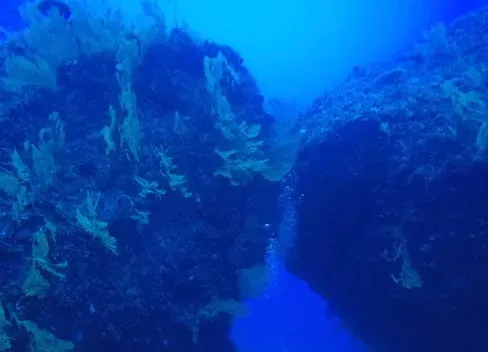
The new trench was first noticed not by a diver or a submarine, but by small ripples in gravity data from satellites orbiting far above Earth. Oceanographers saw a faint but consistent signature that suggested the seafloor was dropping away more steeply than expected, like a missing step at the edge of a staircase. Follow-up sonar surveys from research vessels then revealed a narrow, twisting chasm plunging far deeper than the surrounding basin, with walls so steep they look almost vertical in some places. It’s the sort of landscape you’d expect on a distant icy moon, not beneath rolling waves.
In person, of course, there is no “view” as we’d normally imagine it: no sunlight, only pitch blackness, crushing pressure, and water hovering just above freezing. Yet, geophysically, it’s a goldmine. Trenches form where tectonic plates collide and one plate is shoved down into the mantle, and every detail of their shape tells a story about how Earth’s crust is moving and changing. The geometry of this trench – its kinked path, sharp drops, and oddly asymmetric sides – hints at something complex happening below the surface, possibly involving fragments of ancient ocean crust that date back far closer to Earth’s early days than usual.
Why Trenches Matter for Understanding Planet Birth

When people think about the origin of Earth, they often imagine swirling clouds of gas and dust coalescing in space billions of years ago. That’s true, but it’s only half the story. The other half is about what happened afterward: how a molten, chaotic young planet cooled, split into plates, and began the relentless process of subduction that trenches reveal. Every trench is a modern snapshot of a process that has been running for billions of years, feeding old crust down into the interior and bringing new material up through volcanoes.
This recycling might sound like routine geological housekeeping, but it’s tightly linked to the emergence of an atmosphere, oceans, and eventually life. The balance of water, carbon, and other elements at Earth’s surface depends on what’s locked up in the crust and what’s dragged down into the mantle. A newly discovered trench offers a unique place to watch this planetary plumbing in action and test models of how quickly material cycles, how much water is transported downward, and whether the chemistry we see now could resemble what was happening when Earth was newly formed and still finding its equilibrium.
Clues Locked in Ancient Rocks and Exotic Minerals
What really makes scientists’ eyes light up about this trench is not just its depth, but what might be hiding in the rocks at its base and along its walls. When an ocean plate gets dragged down, it carries with it sediments loaded with minerals, water, and even ancient chemical fingerprints from long-vanished oceans. Some of these minerals only form at very high pressures and low temperatures, acting like tiny recorders of the conditions deep inside the planet. If robotic samplers can grab bits of these rocks, we might be able to back-calculate how subduction, and even Earth’s internal heat engine, behaved in earlier eras.
There’s also growing interest in unusual carbon-bearing minerals and hydrated rocks that can trap water and carbon dioxide for extremely long periods of time. Finding specific combinations of these materials could help answer how much water has been churned into the mantle over geologic time, and whether early Earth’s oceans were much larger, smaller, or chemically different from what we see now. In a way, the trench is like a time capsule that has been quietly packing away clues since before humans existed, waiting for a machine with a titanium hull and good navigation to come by and take a look.
Extreme Life at Crushing Depths – A Window into the Early Earth?
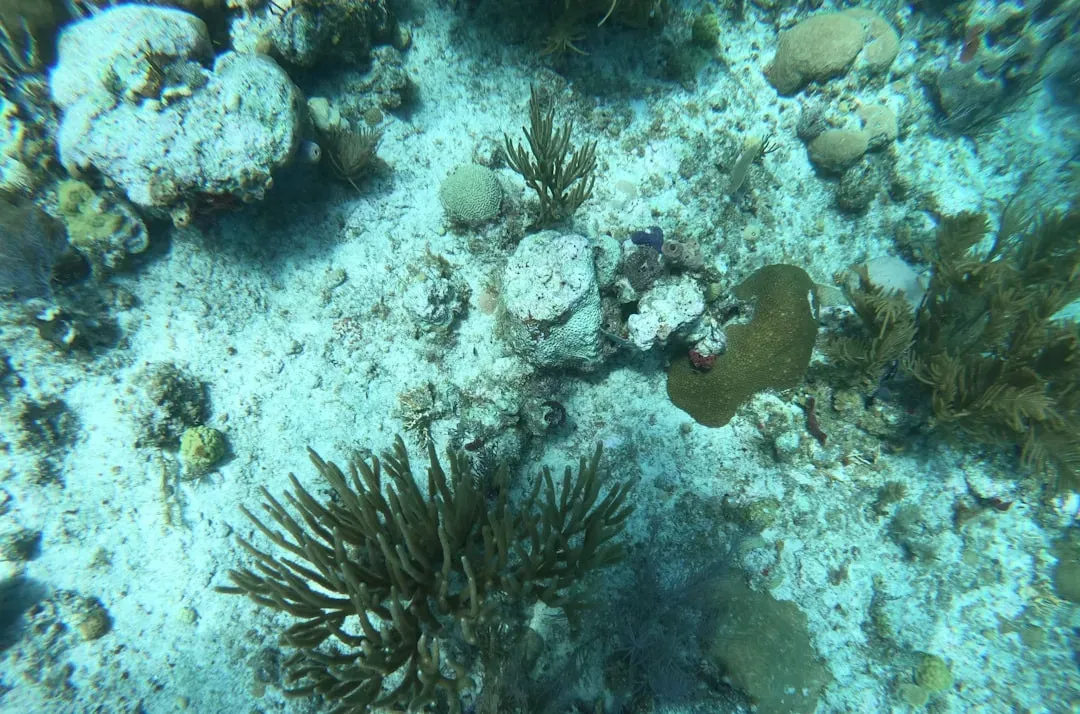
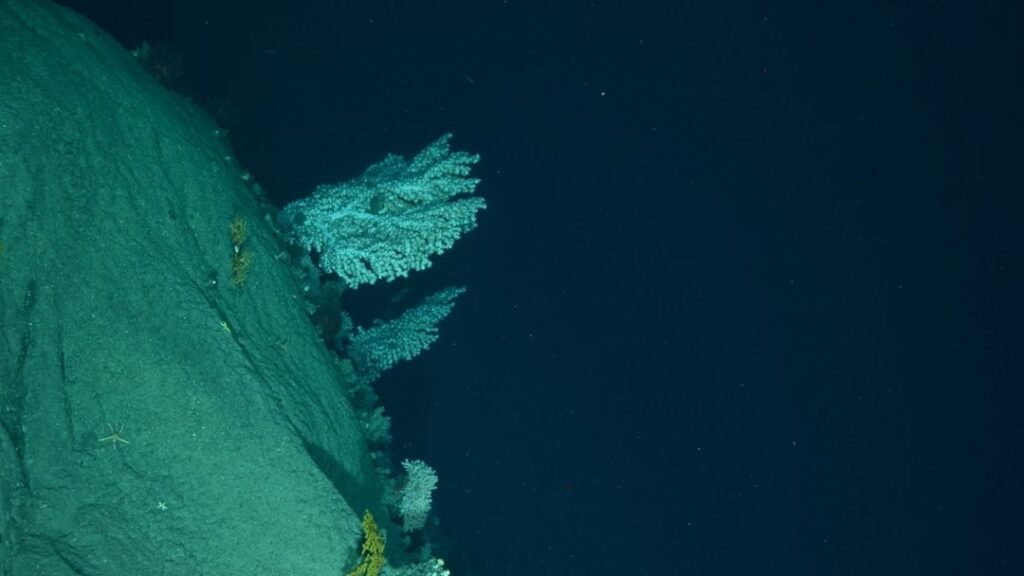
Of course, it’s impossible to talk about deep trenches without asking the question that hooks everyone: what lives down there? Life at these depths faces pressures more than a thousand times what we feel at the surface and complete darkness interrupted only by the occasional bioluminescent sparkle. Yet, every time a new trench or deep basin is explored, researchers find strange, resilient creatures – from transparent shrimp-like animals to microbes living inside rock pores – thriving in conditions that look nothing like the sunlit world we know.
The real twist is that some deep-sea microbial communities don’t depend on sunlight at all. Instead, they live off chemical energy from reactions between water and rocks, or from fluids seeping out of the seafloor. This is important, because many scientists think early Earth, before there was much oxygen or stable continents, might have been dominated by similar chemically powered ecosystems. If the newly discovered trench hosts unique microbial communities, especially those tapping into deep chemical gradients, studying them could give us a working model of what the first life on Earth might have looked like and how it survived in a harsh, unstable environment.
Water, Carbon, and the Planet’s Deep Plumbing System
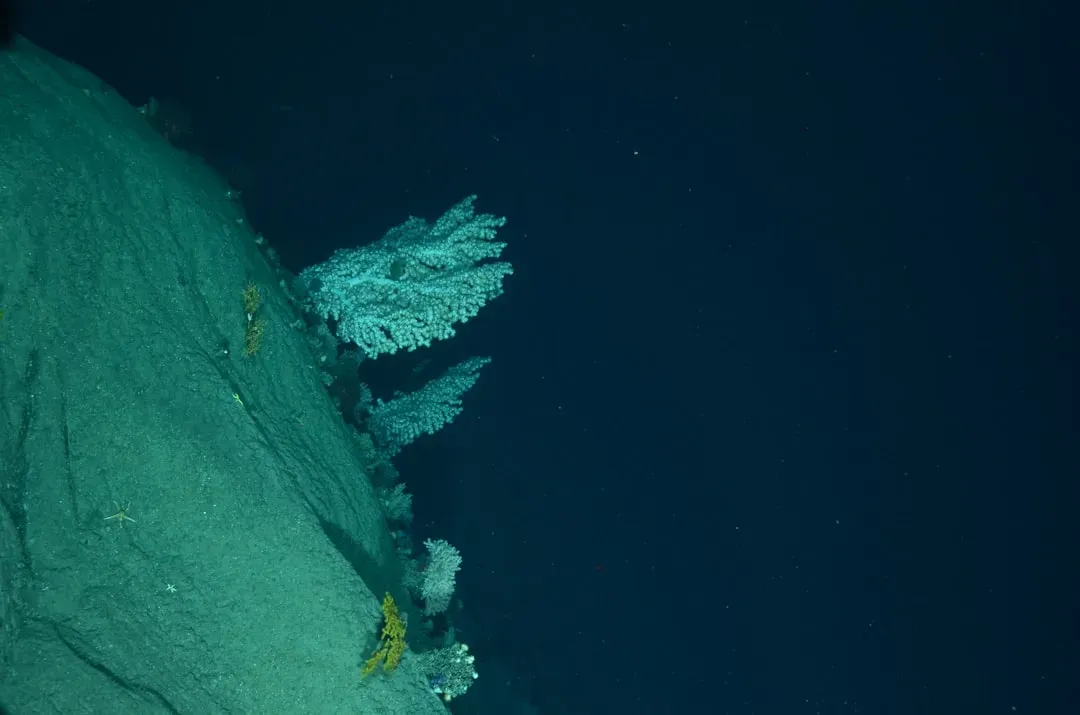
One of the biggest debates in Earth science right now is how our planet ended up with just the right amount of water and greenhouse gases for life to flourish. Some researchers argue a lot of our water arrived from comets and asteroids, while others stress the role of water locked within minerals in the mantle and released over time. Ocean trenches sit right at the center of this argument because they are the gateways where water and carbon are pulled down from the surface and mixed into the deep interior.
By analyzing the fluids that seep out near the trench – sometimes through small seeps, sometimes through dramatic cold vents – scientists can estimate how much water is being subducted and how the chemistry changes with depth. If the new trench shows an unusually high or low rate of water and carbon transport, it could reshape estimates of how Earth has balanced its oceans and atmosphere over billions of years. Put simply, if you want to know whether our planet could have turned out dry like Mars or choked like Venus, you have to understand the numbers behind this deep, hidden exchange taking place miles below the waves.
High-Tech Robots in a Place Humans Can’t Survive
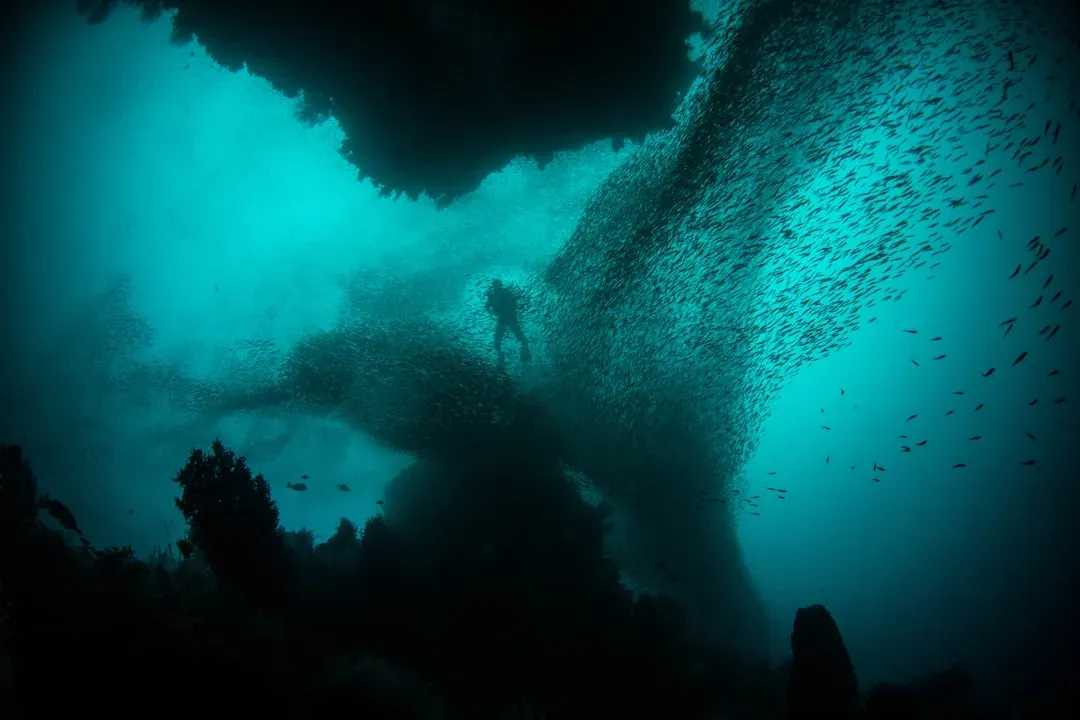
Even if someone were reckless enough to want to dive personally to this trench, the physics just won’t allow it for now. The crushing pressures would flatten ordinary submarines like soda cans, and even our most advanced crewed deep-sea vehicles can only go so far and stay so long. That’s why most of the work here will be done by robots: hardy, specialized machines that don’t care about the cold, the darkness, or the weight of miles of water above their heads. These robots carry cameras, mechanical arms, water samplers, and even tiny laboratories that can run experiments on the spot.
The technology has quietly leaped ahead in the last decade. Autonomous underwater vehicles can now plan their own routes, follow trenches like underwater drones tracing a canyon, and adapt to unexpected terrain in real time. Some carry mass spectrometers to sniff out chemicals in the water, while others can drill into sediments to extract cores for later analysis. Every successful dive brings back not just beautiful but eerie footage, but also terabytes of data that geologists, biologists, and chemists can pick apart to reconstruct what’s happening far below where daylight ever reaches.
What This Trench Might Reveal About Earth’s Unique Story
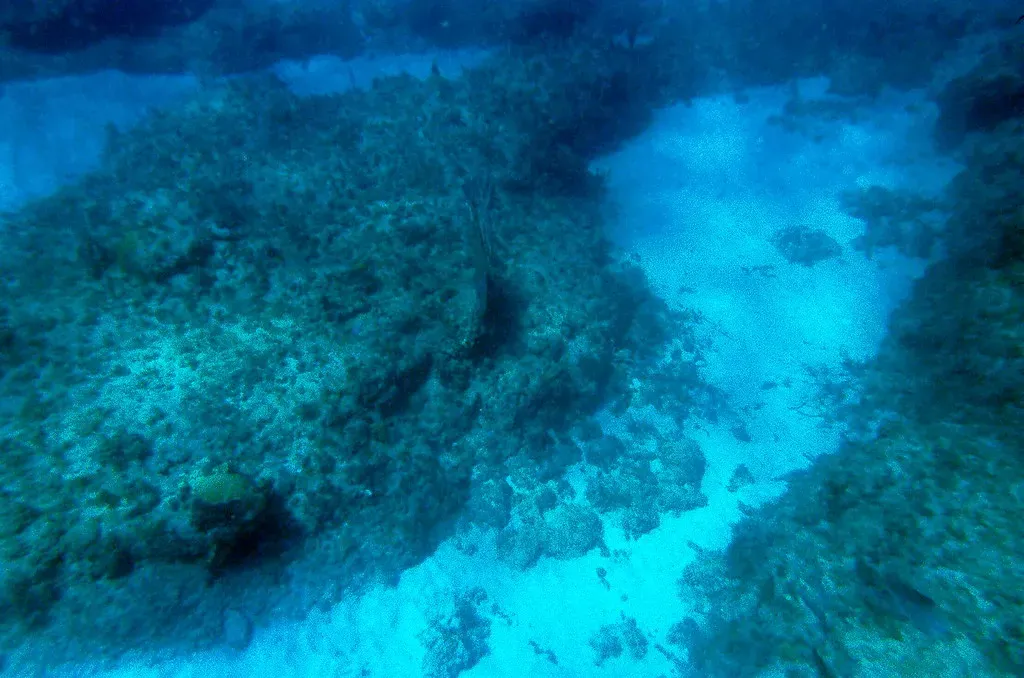
The big question hanging over all of this is deceptively simple: is Earth just one of many similar rocky worlds, or did it follow a rare, fragile path to become habitable? A single trench, of course, won’t answer everything, but it can provide sharp tests of ideas about how our planet cooled, how its plates started moving, and how its deep interior has shaped surface conditions over time. If the data from this newly discovered chasm support models in which plate tectonics and deep water cycling began early and strongly, it would underline the idea that Earth’s geology is deeply tied to its ability to host life.
On the other hand, if the trench exposes puzzling chemical patterns or unexpected rock types, it might signal that our current story about Earth’s birth and evolution is missing crucial chapters. In that sense, the real power of this discovery isn’t just in confirming what we think we know, but in forcing us to confront what we still don’t understand about our own home world. For a feature hidden under miles of water and total darkness, that’s an astonishing amount of light to shine on the question of where, and how, everything we know began.