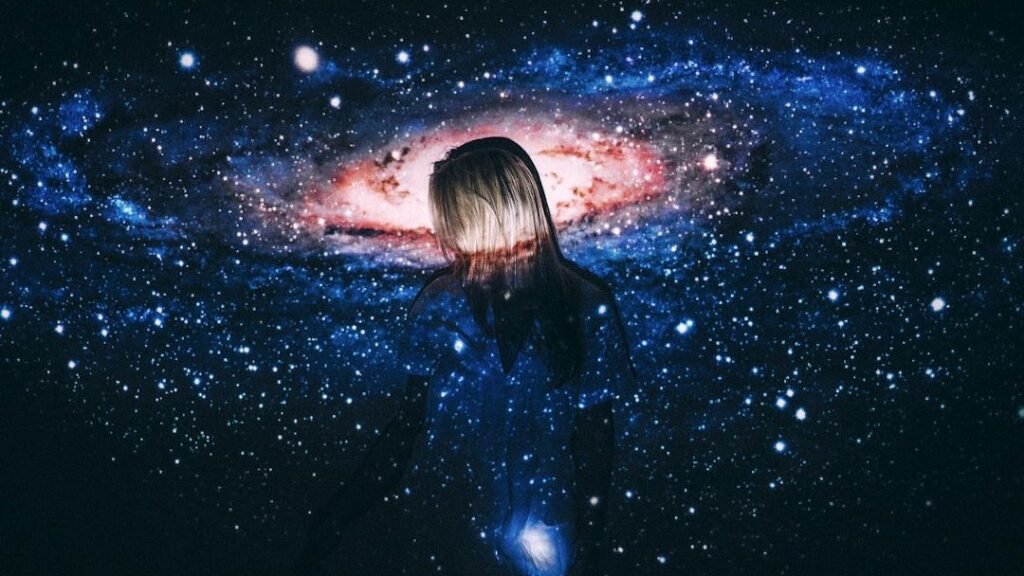

Every so often, an idea sounds so wild that your first reaction is to laugh – and your second reaction is to wonder if it might actually be true. The claim that the entire universe could in some sense think, or at least feel, lands exactly in that territory. It sounds like science fiction or late-night dorm-room philosophy, yet it keeps coming back in serious conversations among physicists, neuroscientists, and philosophers.
That’s where panpsychism enters the story: the view that consciousness, in some incredibly simple form, might be a basic feature of reality rather than a rare accident. I’ll be honest: the first time I read about it, I rolled my eyes, then spent the rest of the evening going down a rabbit hole of papers and arguments. The twist is that, when you strip away the mystical language, some versions of this idea start to look surprisingly scientific, or at least scientifically testable – especially when people start comparing the cosmos to a giant brain.
The Strange Problem of Consciousness
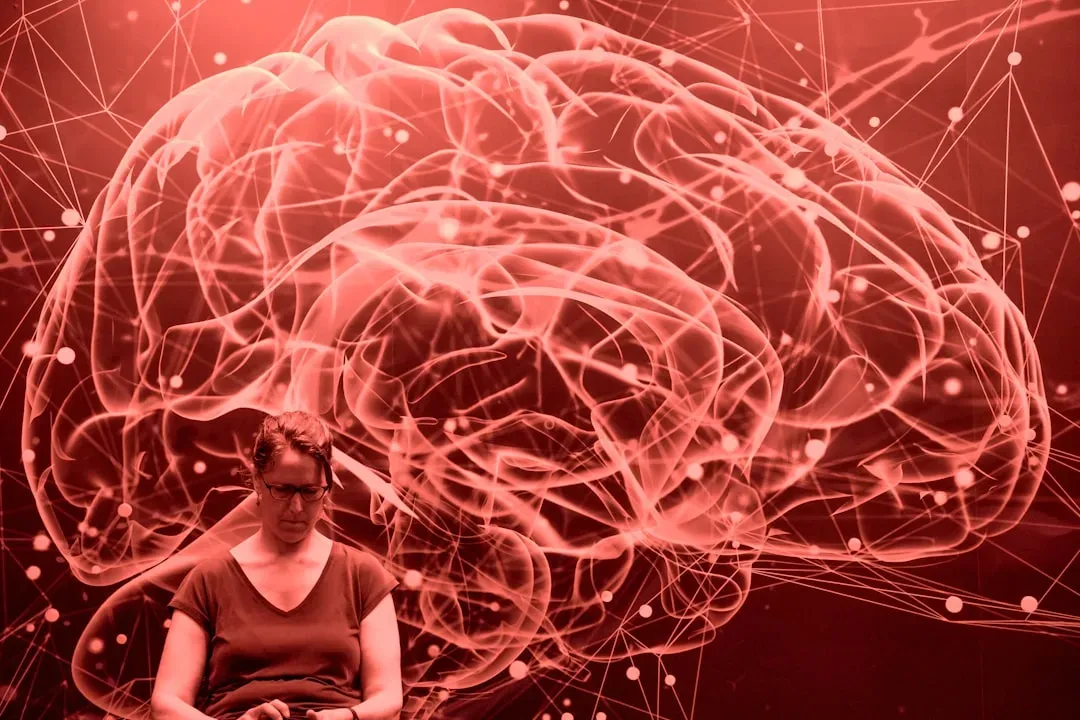
Imagine trying to explain the color red to someone who has been blind from birth: you can talk about wavelengths and light receptors, but that doesn’t capture what it’s like to actually see red. That gap between physical facts and lived experience is at the core of what philosophers call the hard problem of consciousness. Our brains are made of atoms obeying physical laws, yet somehow they produce inner life – pain, joy, memories, a sense of self.
Neuroscience has mapped brain regions and tracked electrical patterns linked to specific experiences, but it still hasn’t answered why any of this activity should feel like something from the inside. You can describe neural circuits the way you might describe the wiring of a phone, but that doesn’t tell you why there is a “someone” on the line. This weird mismatch is what pushes some scientists and philosophers toward unconventional ideas, because simply adding more detail to brain scans does not seem to dissolve the mystery.
What Panpsychism Actually Says (And What It Doesn’t)
Panpsychism is often caricatured as the belief that rocks and spoons are secretly having deep thoughts, which makes it easy to dismiss. In reality, most serious versions are more modest and careful. They do not claim that everyday objects possess human-like minds, but rather that the basic building blocks of matter might have extremely simple, primitive forms of experience.
Think of it less like saying your coffee mug has opinions, and more like saying the fundamental ingredients of reality are not completely devoid of subjectivity. Under this view, complex consciousness – like yours reading this sentence – emerges from unimaginably vast networks of simpler experiential “bits” bound together in the right way. It’s a bit like how a vivid movie emerges from millions of individual pixels; no single pixel tells a story, but patterns of them can.
From Neurons to Networks: Why the Universe Gets Compared to a Brain
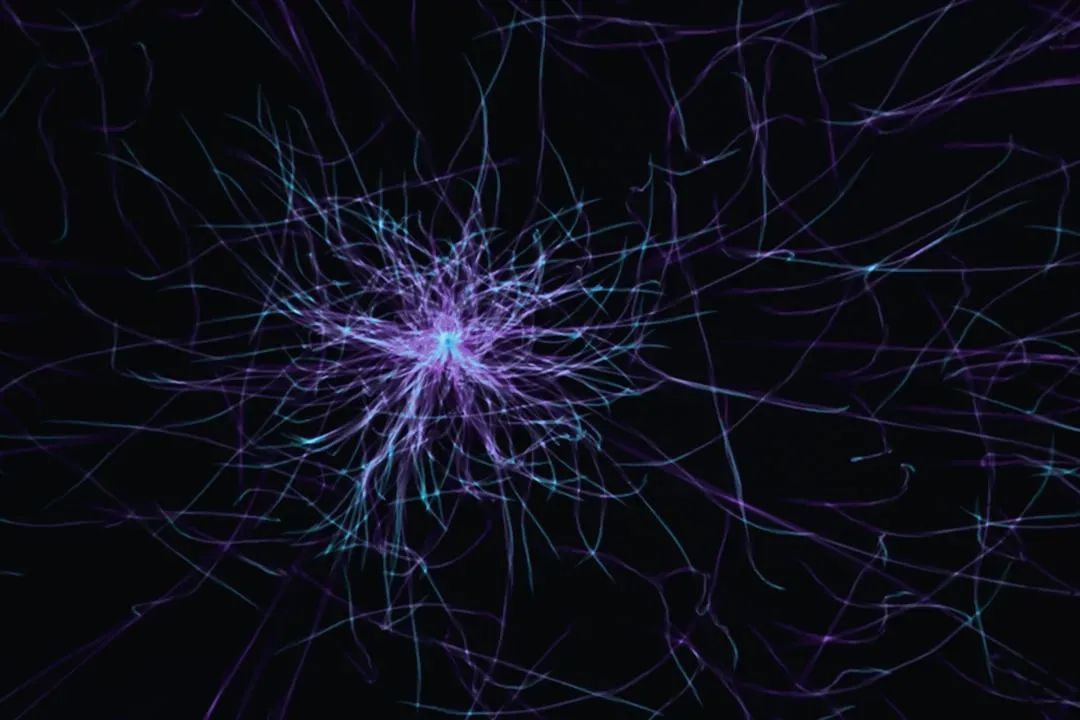
So how do we get from panpsychism to the headline-grabbing claim that the universe might be like a giant brain? Part of the spark came from studies comparing the structure of neural networks to the large-scale structure of the cosmos. Astronomers mapping galaxies noticed that cosmic filaments and clusters form sprawling webs, and some researchers pointed out that these webs resemble the way neurons connect in the brain when you zoom out far enough.
To be clear, visual resemblance alone proves nothing – it’s easy to see faces in clouds if you stare long enough. But some scientists have gone further and compared statistical properties of these networks: how many connections each node has, how information might flow, and how robust the structures are to damage. The surprising part is that, in a few analyses, the distribution of connections in the cosmic web and in neural networks showed similar patterns, suggesting that nature reuses certain efficient designs at radically different scales.
Information, Physics, and the Glimmer of a Scientific Basis

In modern physics and neuroscience, information has slowly become as fundamental a concept as matter and energy. Brains can be viewed as information-processing machines, where patterns of electrical activity encode memories, perceptions, and decisions. At the same time, theories of black holes, quantum mechanics, and thermodynamics increasingly describe the physical world in terms of information storage and transformation, not just particles moving around.
This overlap is where some panpsychist-friendly ideas sneak into scientific discussions. If everything in the universe is, at some level, an information system, then it’s tempting to ask whether consciousness is tied to how information is organized and processed, rather than to specific biological material. Frameworks like integrated information theory try to put numbers on how much a system is unified from the inside, and some researchers have speculated that certain complex physical systems – perhaps even beyond brains – might have nonzero degrees of experience.
Could the Cosmos Itself Be Conscious in Any Sense?
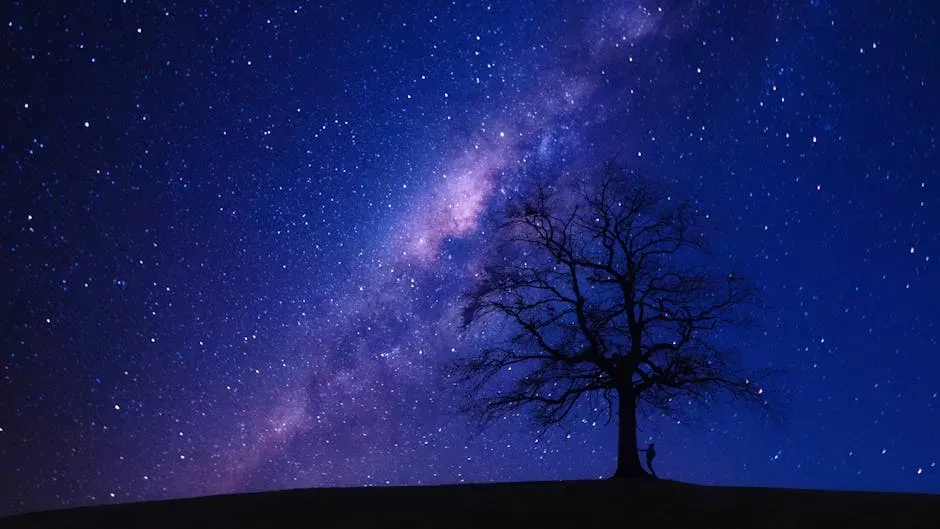
Here’s where the question gets wild: if consciousness tracks certain kinds of integrated information or complex organization, could the entire universe qualify? Advocates of panpsychism argue that if every bit of matter has some minuscule inner aspect, then large, deeply connected structures could, in principle, give rise to collective forms of experience. In that picture, a galaxy might be more like a nerve cluster than a lifeless swirl of stars, at least conceptually.
However, most scientists are extremely cautious here, and rightly so. Just because the universe contains intricate networks doesn’t mean those networks are doing anything like what brains do. Brains are constantly updating, predicting, and responding to stimuli with tight feedback loops, while the cosmic web evolves slowly over billions of years. If the universe is a “giant brain,” it would be a very alien one, with timescales, architectures, and “goals,” if any, utterly unlike our own.
Where Speculation Meets Science: Testable Edges
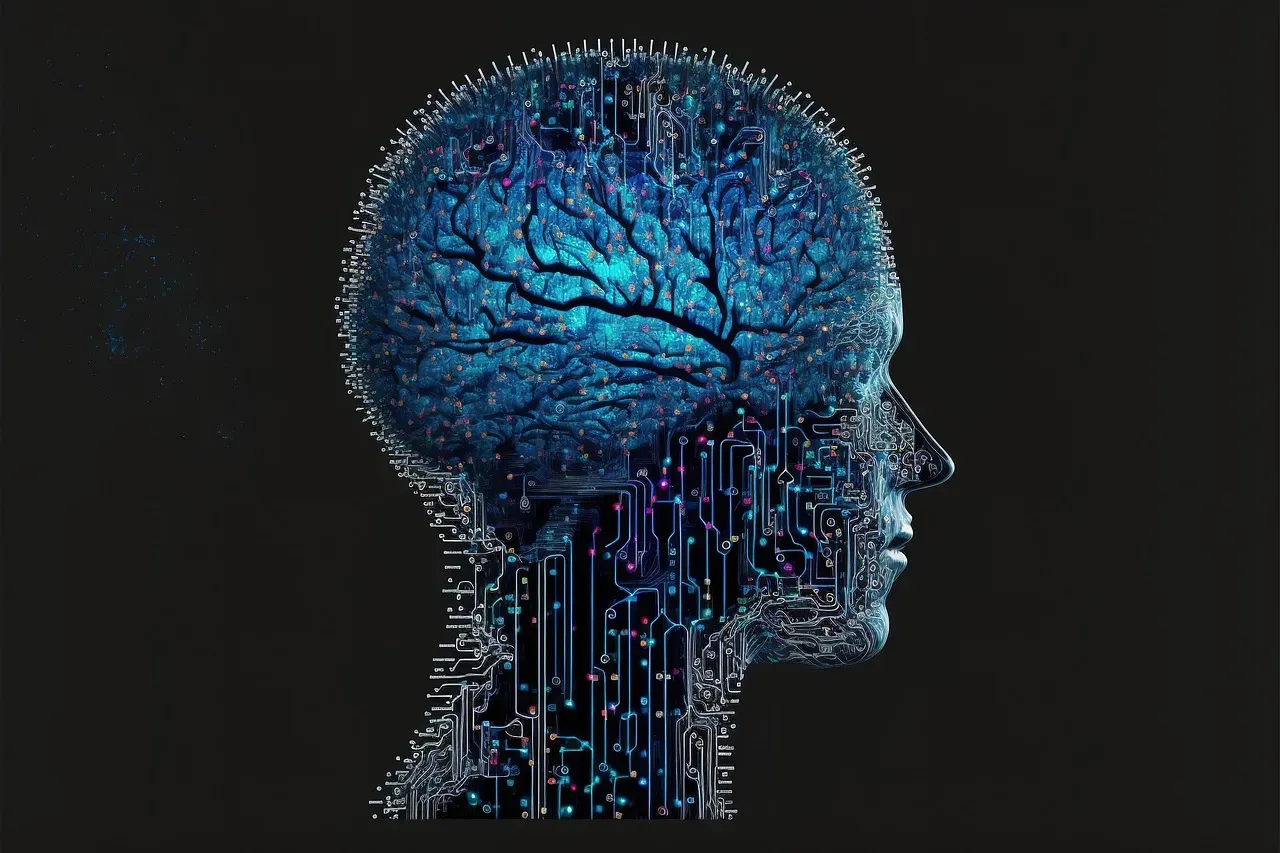
The honest truth is that panpsychism itself is mostly a philosophical framework, not a fully fleshed-out scientific theory. Still, it nudges researchers to ask new kinds of questions that can be tested, even if the overall picture remains speculative. For example, theories linking consciousness to specific measures of information integration make predictions about which physical systems should or should not support experience, and neuroscientists can check those predictions in brains under anesthesia, sleep, or brain damage.
On the cosmological side, comparisons between the brain’s network structure and the cosmic web can be sharpened with better data and more rigorous statistics. If the similarities are only superficial, that weakens the “giant brain” metaphor; if they turn out to be deep and persistent, that raises fresh questions about why certain network forms keep emerging. The value here is not that we prove the universe is literally thinking, but that we use bold ideas as scaffolding to build sharper, more disciplined experiments.
Why the Idea Won’t Go Away
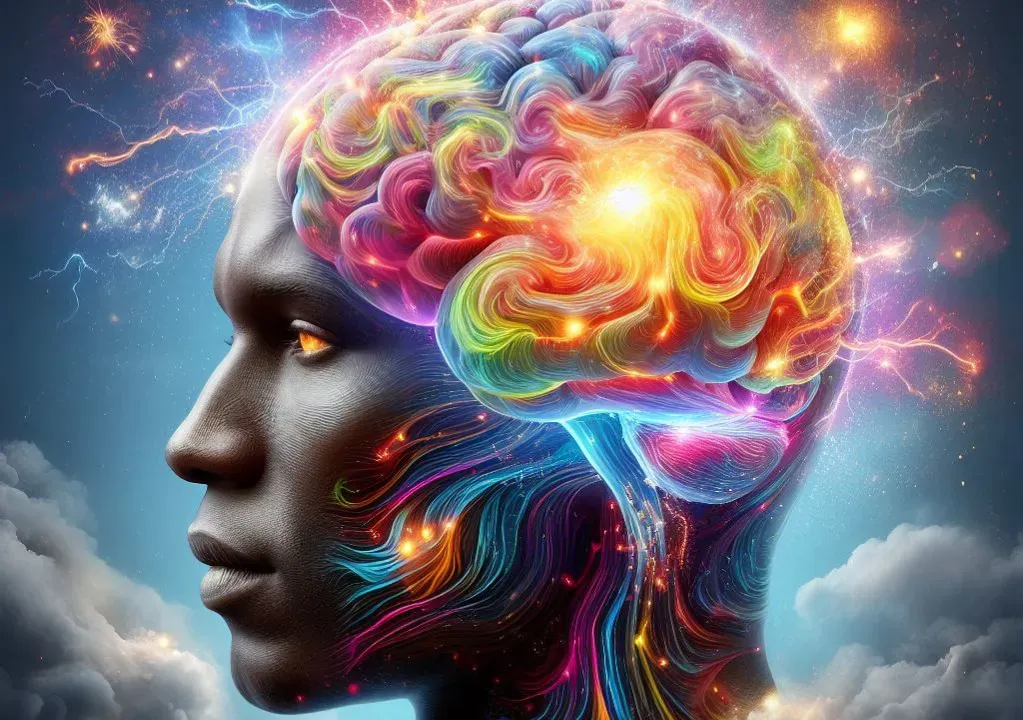
Even if panpsychism turns out to be wrong, the fact that serious people keep revisiting it tells us something about the depth of the consciousness puzzle. When decades of brain research still leave a stubborn explanatory gap, it’s natural for thinkers to explore frameworks that flip the usual assumptions. Instead of asking how mind emerges from purely mindless matter, panpsychism asks whether matter was ever completely mindless to begin with.
There’s also an emotional undercurrent that’s hard to ignore. The notion that the universe might, in some distant way, be more like a living system than a dead machine resonates with many people on a gut level, including skeptics who still find the idea strangely attractive. Whether that’s a hint of a deeper truth or just a reflection of our storytelling instincts is an open question, but it keeps the conversation alive. Maybe that’s the real power of the “universe as a giant brain” idea: it forces us to admit how little we truly understand about the thing doing the wondering – our own conscious mind.