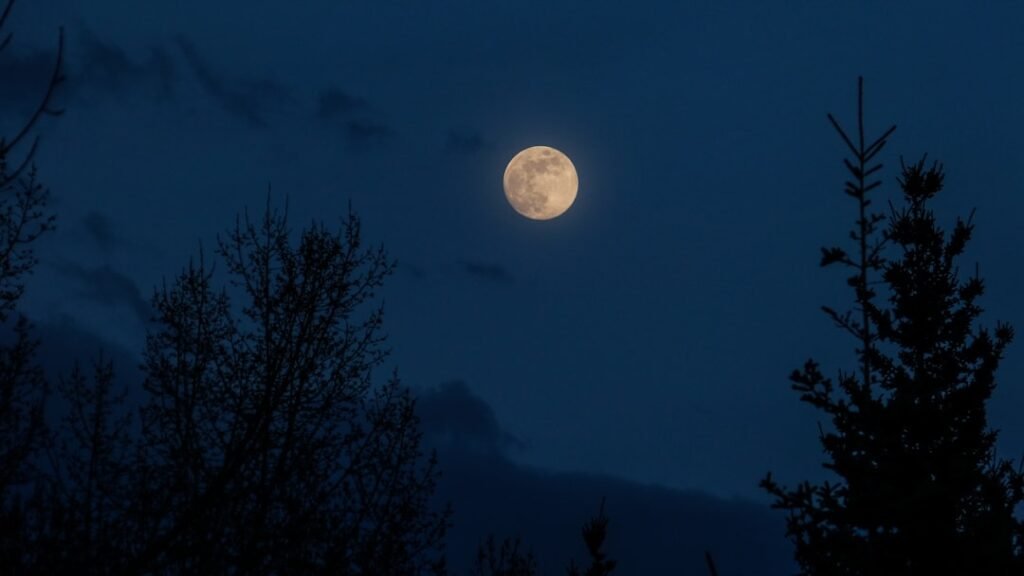

Stand outside during a full moon and it’s hard not to feel that quiet, electric strangeness in the air. For centuries, people have blamed the moon for wild nights, restless sleep, and even bursts of violence or romance, as if its pale glow had a direct hotline into our nervous systems. The idea that the moon’s shadow might tug at our moods and actions is both poetic and unsettling, sitting right at the edge where science and superstition get tangled.
Today, we have brain scans, sleep trackers, hospital databases, and astronomical calculations precise down to the second. You’d think that would settle the question once and for all: does the moon really change us, or are we just really good at telling spooky stories? The truth is more complicated and, in a way, more fascinating than a simple yes or no. It turns out the moon may not be a mystical puppet master, but it does play a subtle background role in the way we sleep, feel, and even structure our lives.
The Ancient Obsession With the Moon’s Shadow
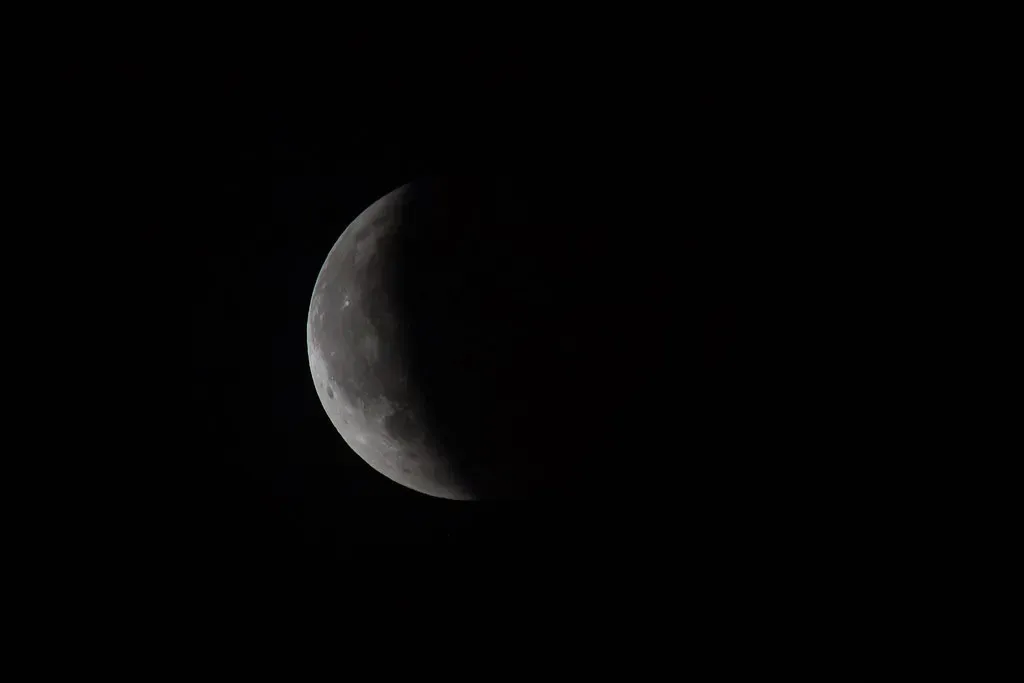
Imagine living thousands of years ago and watching the sky suddenly darken in the middle of the day as the moon’s shadow swept over the land. No forecast, no warning, just a creeping darkness that swallowed the sun. For many early cultures, this wasn’t just an astronomical event; it was a cosmic alarm bell, something that had to mean the gods were sending a message, usually not a friendly one. Eclipses and full moons became symbols of chaos, omens of war, or signs that rulers would rise or fall.
Over time, stories about the moon’s power soaked into myths, religious rituals, and folk wisdom in a way that still lingers. People planned battles, harvests, and ceremonies around lunar cycles, convinced that the moon’s invisible pull reached straight into human hearts. Even the word “lunatic” comes from the old belief that the moon could push people over the edge. When a story has been repeated for that long, it doesn’t just disappear because scientists publish a few careful studies; it sticks around in the back of our minds, shaping what we think we see on bright, restless nights.
Full Moons, Crime, and the Persistent Myth of “Crazy Nights”
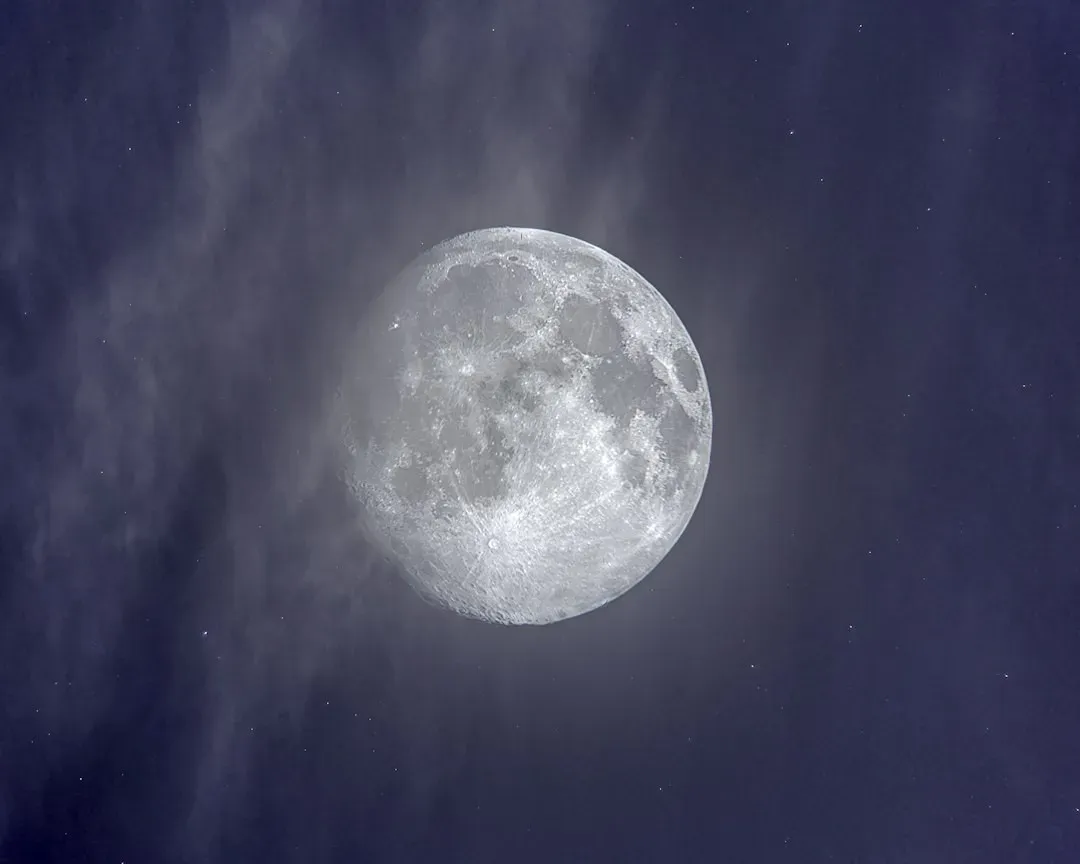
Ask a police officer, an emergency room nurse, or a bartender if full moons bring out the chaos, and plenty will say yes without hesitating. There are endless stories of busier ER shifts, stranger calls, and more volatile arguments when the moon is full, like the sky itself is turning the volume up on human behavior. It feels convincing in the moment, because dramatic or stressful events stick in memory far more than quiet, ordinary nights. When something wild happens and there’s a full moon, we notice and connect the dots.
But when researchers dig into actual numbers – hospital records, crime reports, psychiatric admissions – patterns tend to flatten out. Big reviews of data from many years usually find no consistent spike in crime or violence around full moons compared to other phases. It’s a classic example of our brains being pattern-making machines: we remember the full moon disaster, forget the boring full moon, and ignore the wild Friday with no moonlight at all. The myth survives mostly because it’s such a good story, and because many of us want the night sky to mean something more than just rocks and gas and light.
Sleep, Moonlight, and the Subtle Tug on Our Nights
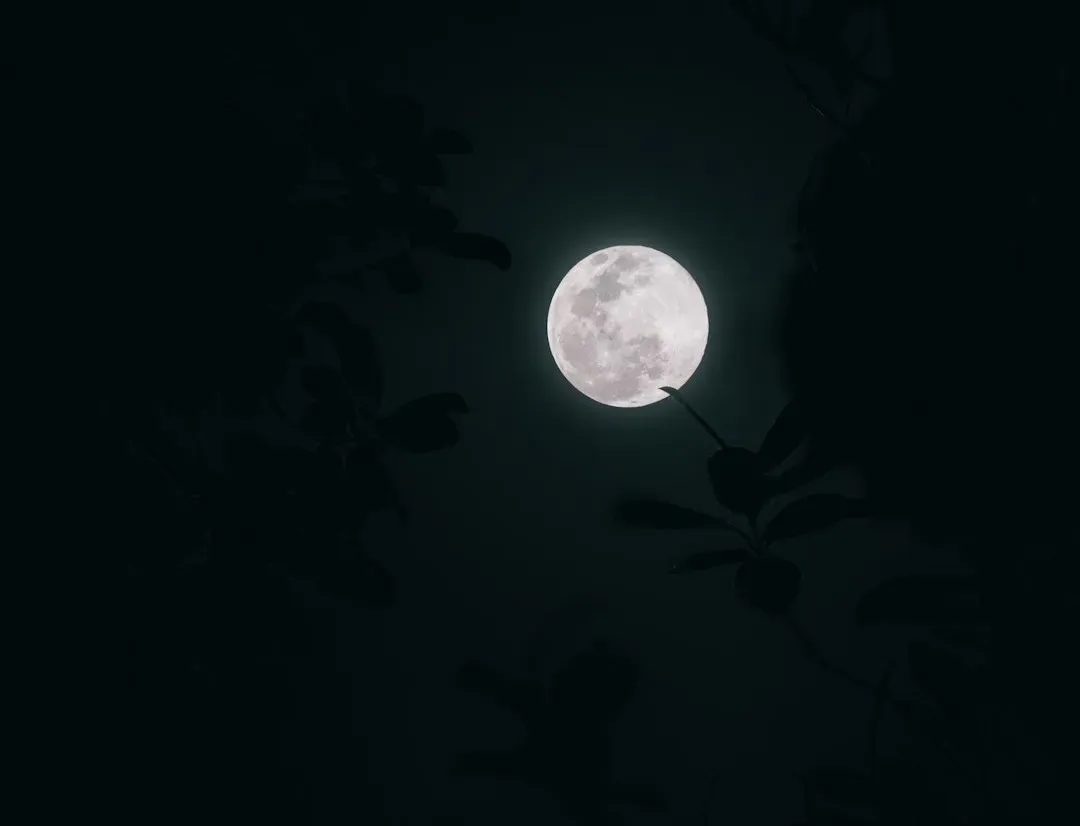
Sleep is where the moon starts to get a little more interesting. Several modern studies suggest that during the days around a full moon, people may sleep slightly less and take longer to fall asleep, even when they’re not aware of the moon’s phase. The differences are usually small – think minutes, not hours – but they keep popping up often enough that researchers are paying close attention. It’s a bit like an almost-inaudible background noise; you don’t always notice it, but it’s there, nudging you just a little.
One obvious factor is simple: light. Before artificial lighting, a bright full moon meant a naturally lit night, making it easier to stay active after dark, socialize, or travel. Today, city lights often drown out moonlight, but our bodies still run on a delicate timing system that responds to subtle changes in night brightness. Even a small shift in light exposure at certain times of night can tweak melatonin levels and nudge our sleep cycles, especially for people who are already sensitive or have irregular routines.
Our Internal Clocks and the Question of Lunar Rhythms
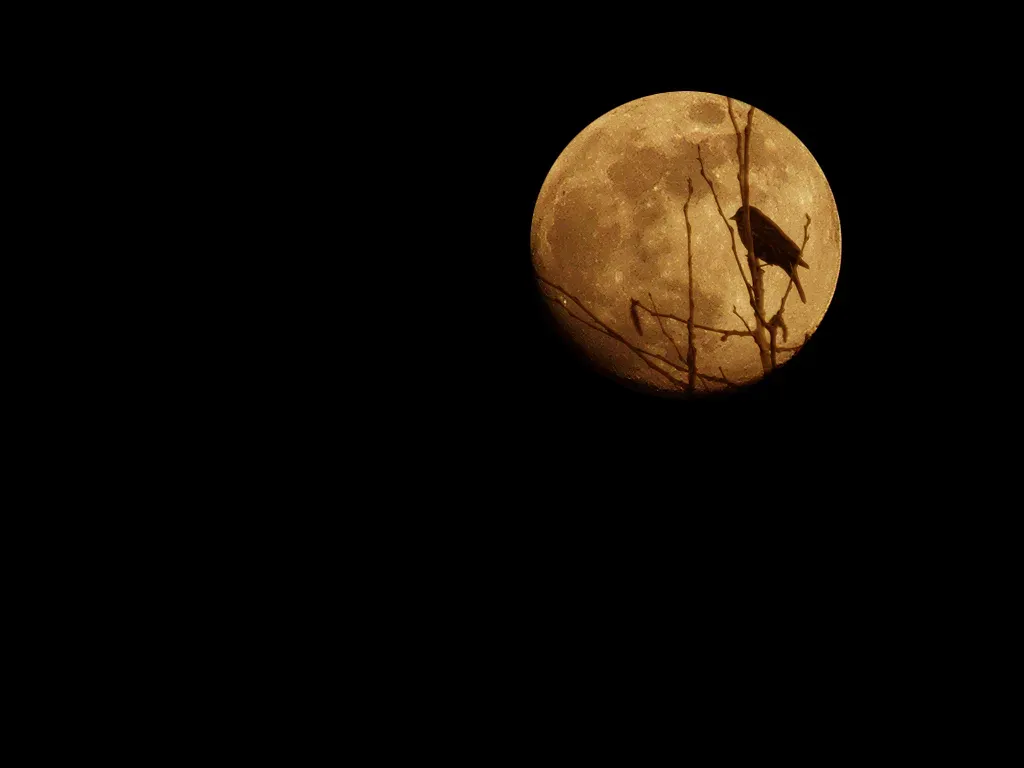
Every human carries an internal clock that runs on a roughly twenty-four-hour cycle, guided mostly by sunlight. That circadian rhythm influences when we feel sleepy, hungry, alert, or sluggish, and it’s deeply wired into our biology. Some scientists have wondered if humans might also carry weaker, secondary rhythms linked to the roughly twenty-nine-and-a-half‑day lunar cycle, the same way ocean tides rise and fall in tune with the moon. The idea is tempting: maybe there’s a quiet, monthly beat inside us, slightly shifting moods or energy levels.
So far, the evidence for a strong built‑in lunar rhythm in humans is mixed at best. A few small studies have hinted at possible monthly patterns in things like sleep structure or mood, but when researchers scale up and look at larger populations under controlled conditions, those patterns often fade away or become inconsistent. It’s a bit like trying to hear a soft melody under very loud background noise from modern life – artificial light, irregular schedules, stress, and screens. If there is a lunar rhythm, it seems to be subtle, easily drowned out, and nowhere near strong enough to reliably explain dramatic shifts in behavior.
What About Eclipses and the Moon’s Shadow Itself?
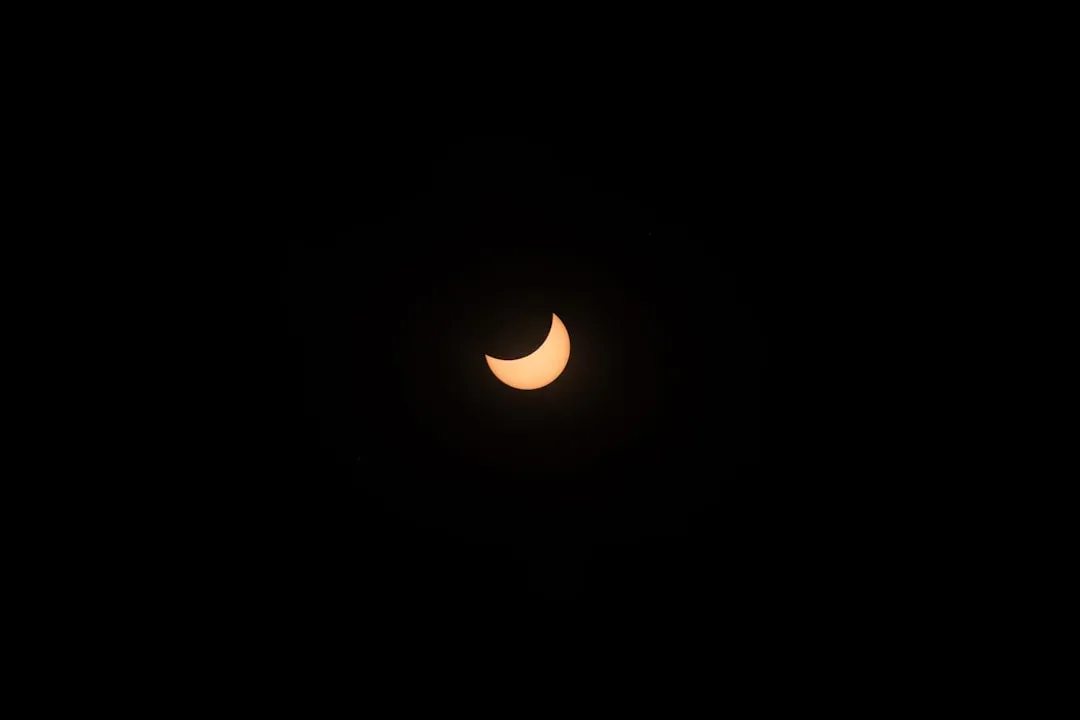
Solar eclipses, when the moon’s shadow races across the Earth, feel deeply dramatic, and emotionally they can be overwhelming. People report goosebumps, tears, and an intense sense that something profound is happening, even when they fully understand the science. That emotion is very real, but it comes more from the experience and expectation than from any mysterious force affecting the brain or body. Physically, during an eclipse, light and temperature change for a short time, but they quickly return to normal once the event passes.
When researchers examine human behavior around eclipses – rates of accidents, health emergencies, or unusual events – there’s no reliable pattern suggesting the moon’s shadow itself is pushing people to act differently. What does change is how people behave because they are gathering to watch, traveling to the path of totality, or getting distracted while driving or taking photos. In other words, the social side of an eclipse can influence behavior, but that’s a story about excitement, crowds, and attention, not an invisible beam of lunar influence rewiring our minds.
Belief, Expectation, and the Power of Self‑Fulfilling Stories
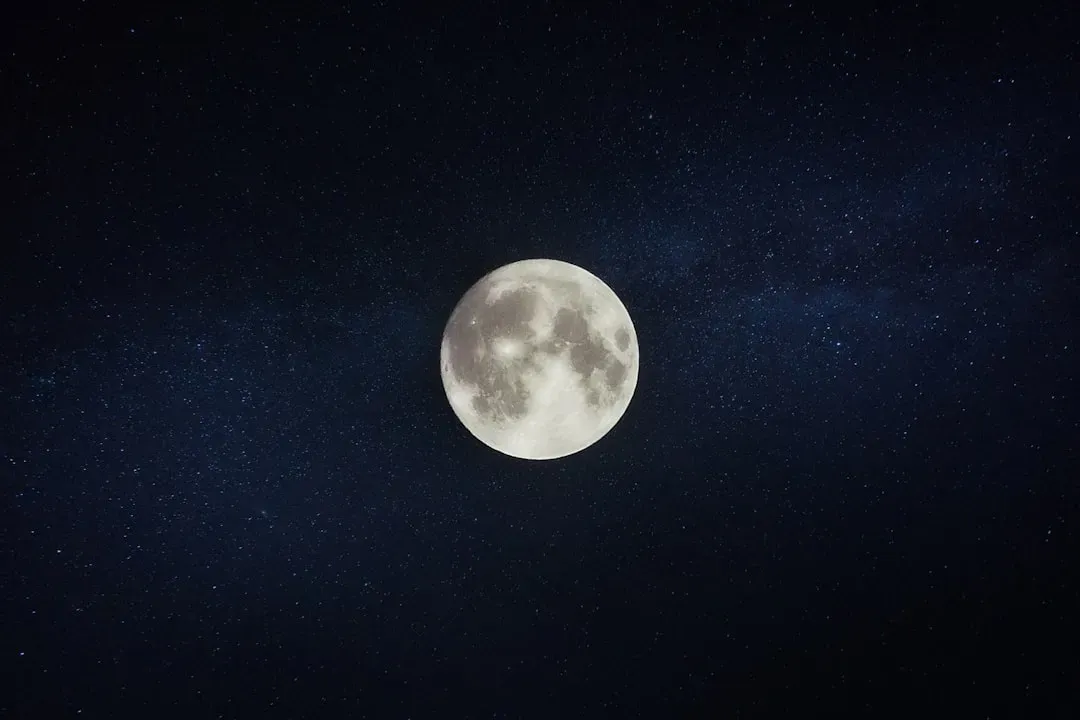
One of the strongest forces in all of this isn’t the moon at all – it’s what we believe about it. When someone is convinced full moons are intense or dangerous, they’re more likely to notice and remember anything dramatic that happens under one, and more likely to shrug off similar events at other times. Psychologists call this confirmation bias: we pay attention to things that match our expectations and quietly ignore the rest. Over time, those selective memories harden into personal proof, even if the numbers don’t back them up.
Expectation can also subtly shape behavior itself. If you walk into a night believing people will be more aggressive or unstable, you might act tenser, more defensive, or more jumpy, which can escalate conflicts that might otherwise have fizzled out. It’s like expecting a movie to be terrifying before it starts; every creak and shadow suddenly feels more threatening. In that way, the moon’s shadow on human behavior can be more psychological than physical, cast not by light in the sky, but by ideas passed from one generation to the next.
The Quiet Ways the Moon Still Shapes Our Lives
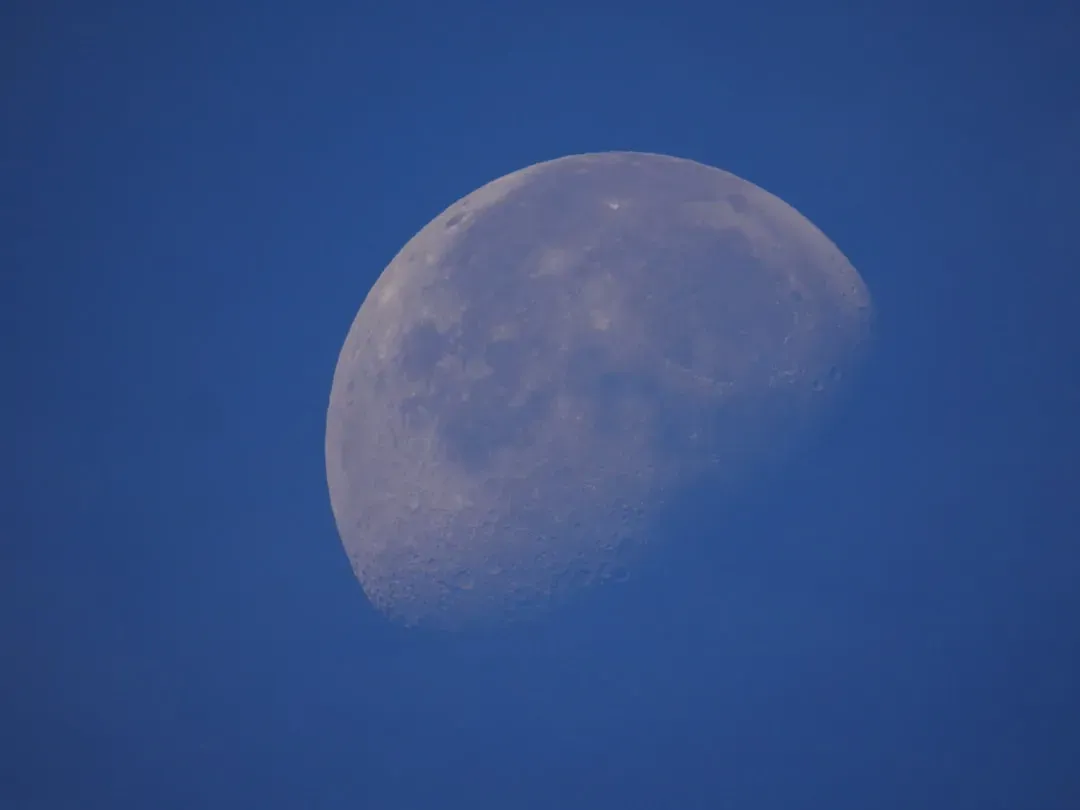
Even if the moon isn’t secretly controlling our tempers or turning us into different people once a month, it does quietly shape a lot of rhythms in our world. Fishing, coastal living, and certain animal behaviors are closely linked to tides, which follow the moon’s pull. People who live near the ocean or work with nature can find their own habits shifting around these patterns – waking earlier, working later, or planning key tasks when the environment is more favorable. The moon is not dictating their behavior directly, but it is shaping the stage they live on.
On a more personal level, some people still organize rituals, meditation, or personal reflection around moon phases. Whether or not these practices have measurable biological effects, they can offer structure and meaning in a noisy, rushed world. There’s something grounding about looking up at the same changing shape in the sky that humans have watched for countless generations and using it as a gentle reminder to pause, reset, or take stock of your life. In that quiet sense, the moon’s shadow on human behavior is less about control and more about connection.
So, Does the Moon Really Change Us?
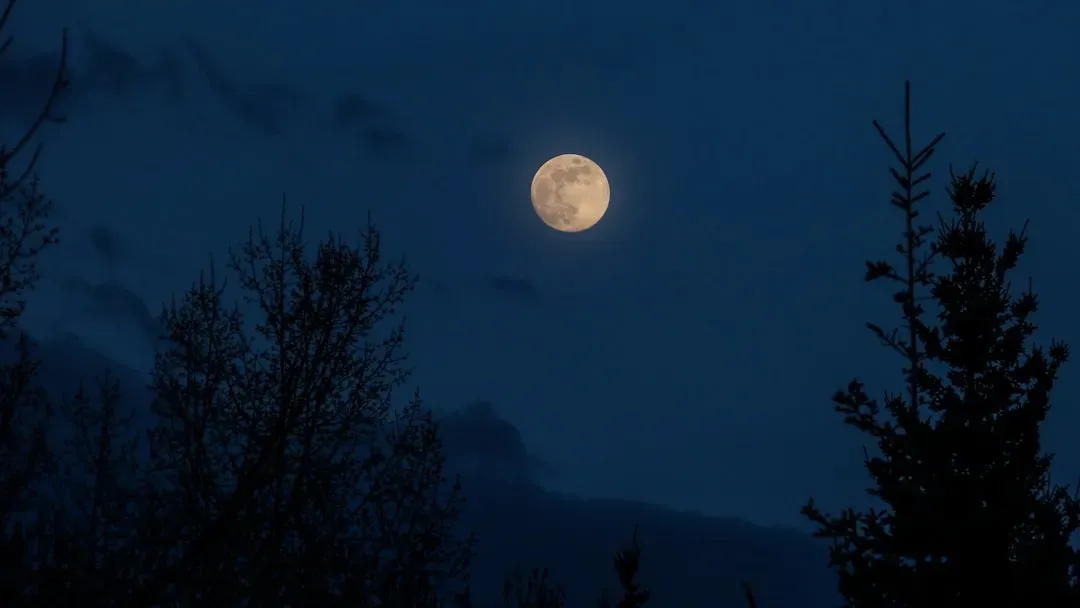
When you strip away the folklore, the dramatic stories, and the eerie feeling of a moonlit night, the scientific picture is fairly consistent. There is little solid evidence that the moon’s phases or its shadow during eclipses directly cause big swings in violence, crime, or mental health on a broad scale. Most of the striking stories are better explained by how our minds work, how we remember things, and how we love attaching meaning to patterns in the sky. The moon, in that sense, is more of a mirror reflecting our beliefs than a switch flipping our behavior.
At the same time, it would be too simple to say the moon has no influence at all. It can gently affect sleep, shape the natural environment, guide traditions, and offer a powerful symbol that people build their own meaning around. The real power of the moon’s shadow lies in how we respond to it – how we tell stories, design rituals, and choose what to notice in our own lives. When you step outside on the next full moon, the real question might not be what the moon is doing to you, but what you decide to do under its light.