In the lush landscapes of Florida, amidst the swamps and everglades, roams a majestic creature that has captured the hearts of many. The Florida Panther, a subspecies of the cougar, stands as the last big cat of America’s eastern wilderness. However, its very existence is teetering on the brink of extinction. This article delves into the challenges faced by the Florida Panther and the relentless efforts being made to ensure its survival.
The Enigmatic Florida Panther
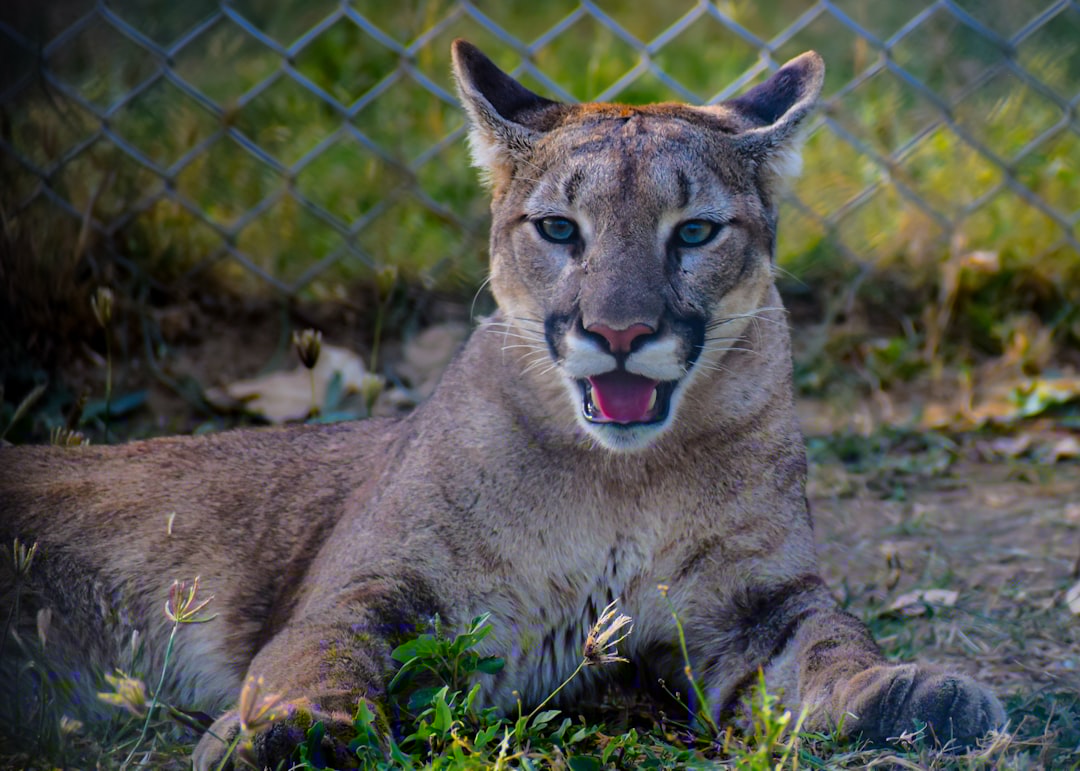
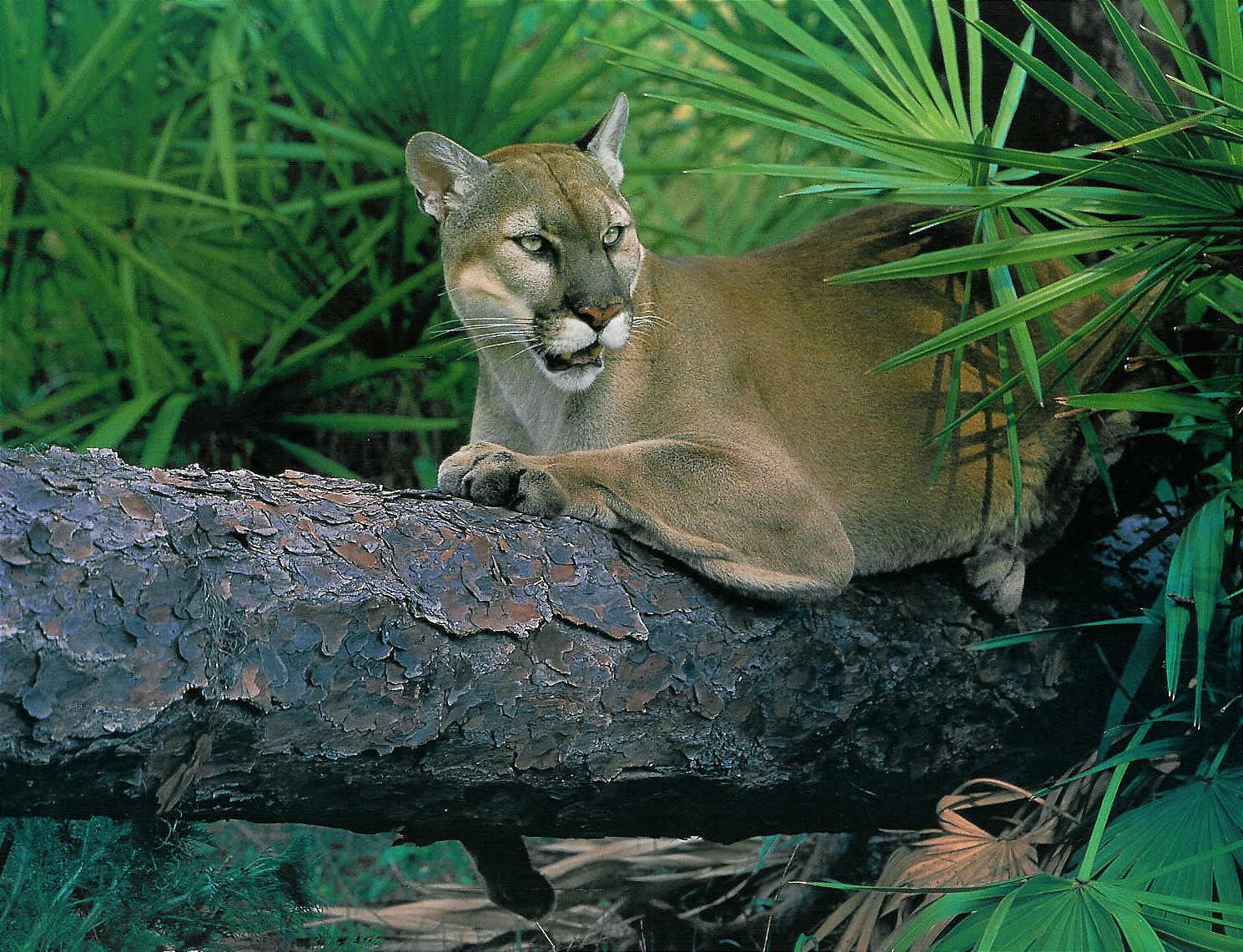
The Florida Panther is not just any big cat; it is a symbol of wilderness and resilience. With its sleek coat and piercing eyes, this feline has adapted to the subtropical climate of Florida. The panther’s ability to traverse through dense swamps and forests makes it a master of camouflage and stealth. However, despite its adaptability, the Florida Panther is critically endangered, with only an estimated 120 to 230 individuals remaining in the wild. This precariously low population count raises alarms among conservationists and nature enthusiasts alike.
Habitat Loss: A Growing Threat

The sprawling urban development in Florida poses a significant threat to the habitat of the Florida Panther. As cities expand and roads are built, the natural landscapes that these panthers call home are rapidly disappearing. This loss of habitat not only reduces the space available for the panthers to roam but also fragments their territory, isolating populations and making breeding more difficult. Imagine living in a house that keeps getting smaller and smaller – that’s the reality for these big cats.
Human-Panther Conflicts
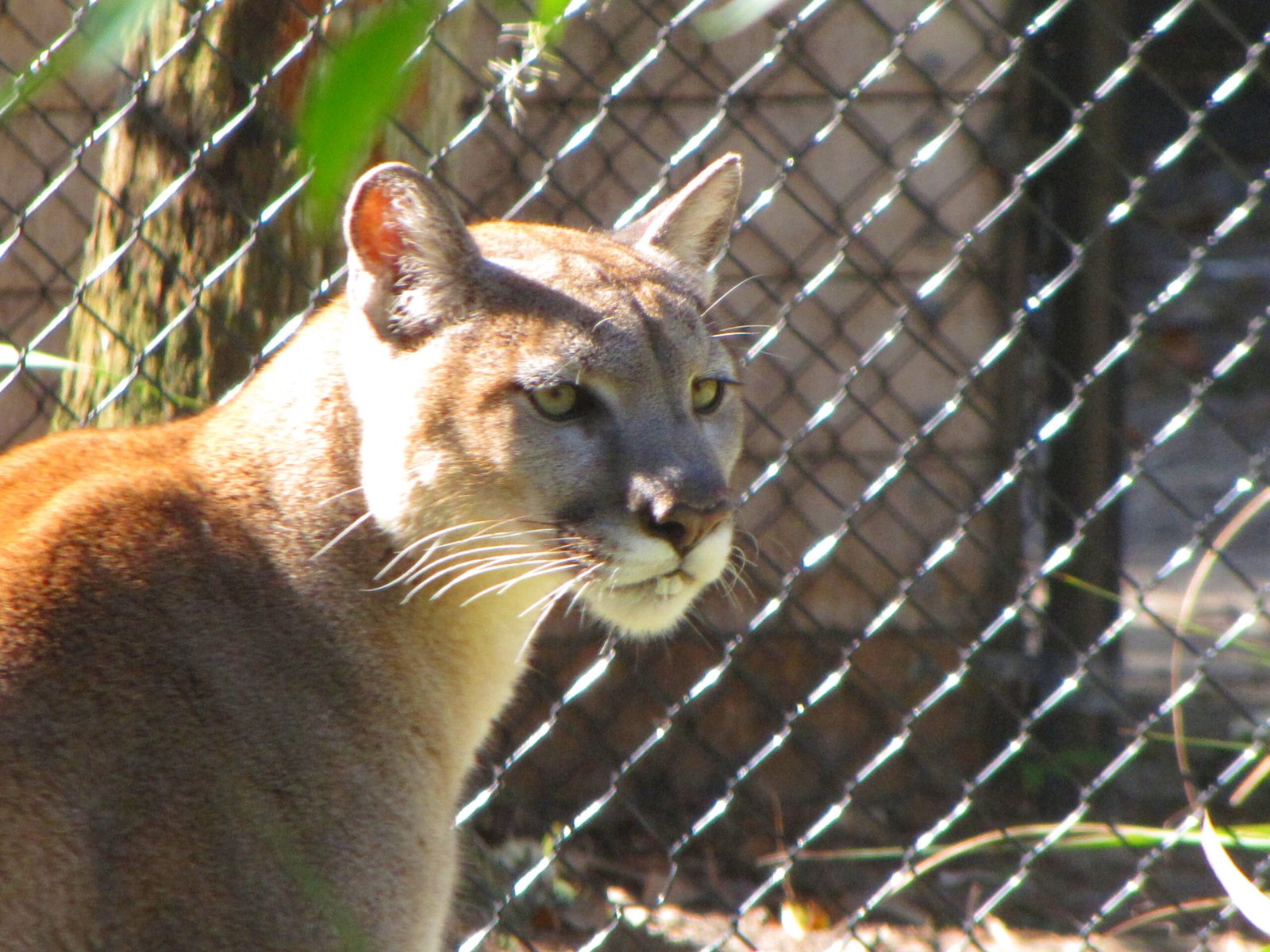
As human populations encroach upon panther territories, conflicts inevitably arise. Panthers sometimes prey on livestock, leading to tensions with farmers and ranchers. These conflicts often result in the panthers being viewed as pests, and they can sometimes be killed in retaliation. Solutions are being sought to mitigate these conflicts, such as implementing livestock protection measures and educating the public about the importance of panther conservation.
Road Mortality: A Deadly Consequence

One of the most pressing dangers the Florida Panther faces is road mortality. As these creatures roam their shrinking habitats, they often encounter highways and roads. The result is devastating, with a significant number of panthers killed each year by vehicle collisions. Wildlife corridors and crossings are being implemented to help reduce these fatalities, but more needs to be done to ensure the safety of these magnificent animals.
Genetic Diversity: A Double-Edged Sword
The Florida Panther population suffers from low genetic diversity due to its small size. This lack of diversity can lead to health problems and reduced fertility, further jeopardizing the species’ survival. Conservationists are exploring ways to increase genetic diversity, such as introducing panthers from other regions to strengthen the gene pool. It’s a delicate balance of ensuring the survival of the species without disrupting the unique traits that define the Florida Panther.
Conservation Efforts: A Ray of Hope
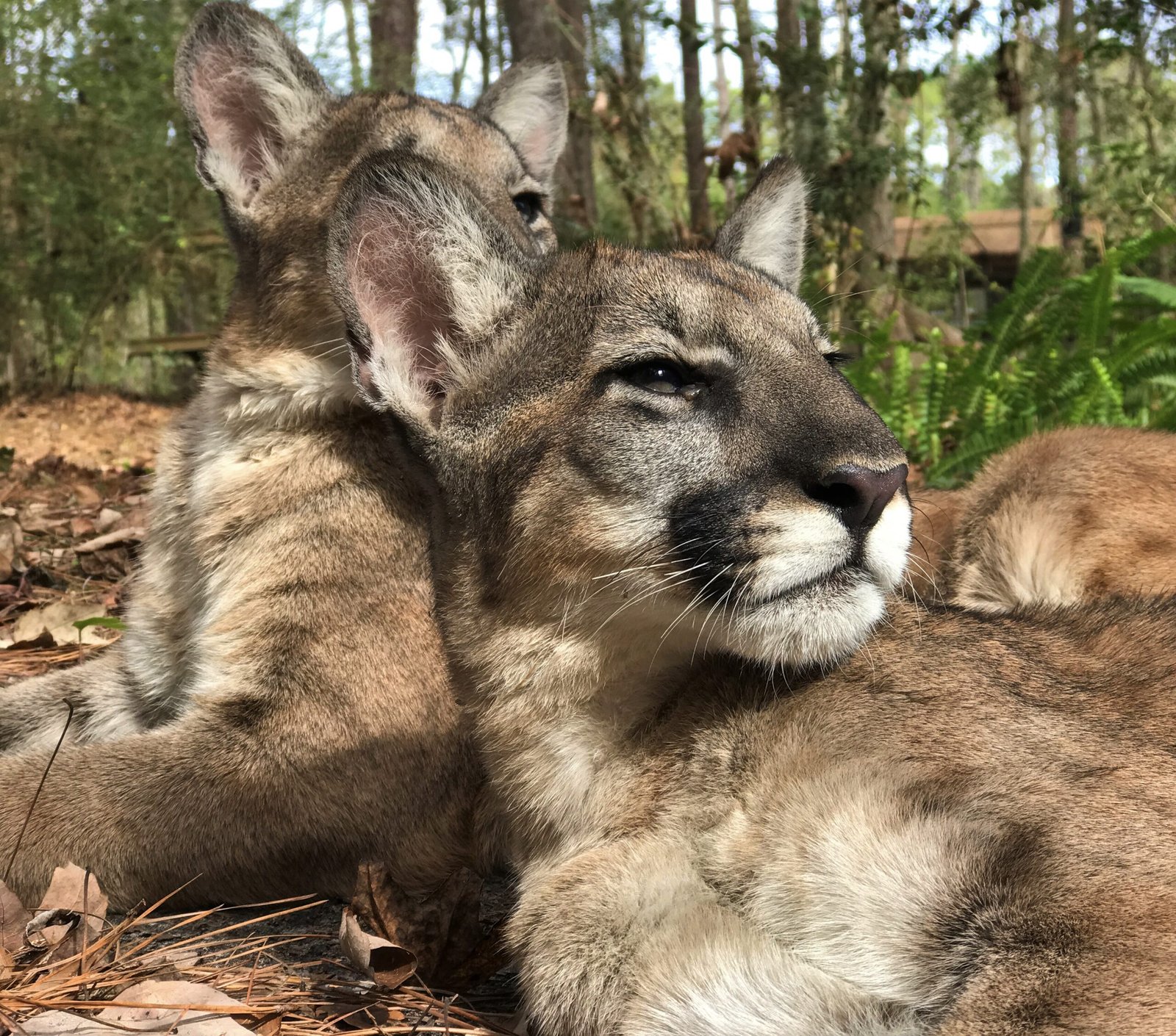
Despite the challenges, there is hope on the horizon. Conservation organizations, government agencies, and local communities are working tirelessly to protect the Florida Panther. Initiatives include habitat restoration, public awareness campaigns, and legal protections to safeguard these cats. It’s a race against time, but the dedication of those involved offers a glimmer of optimism.
The Role of Science and Research
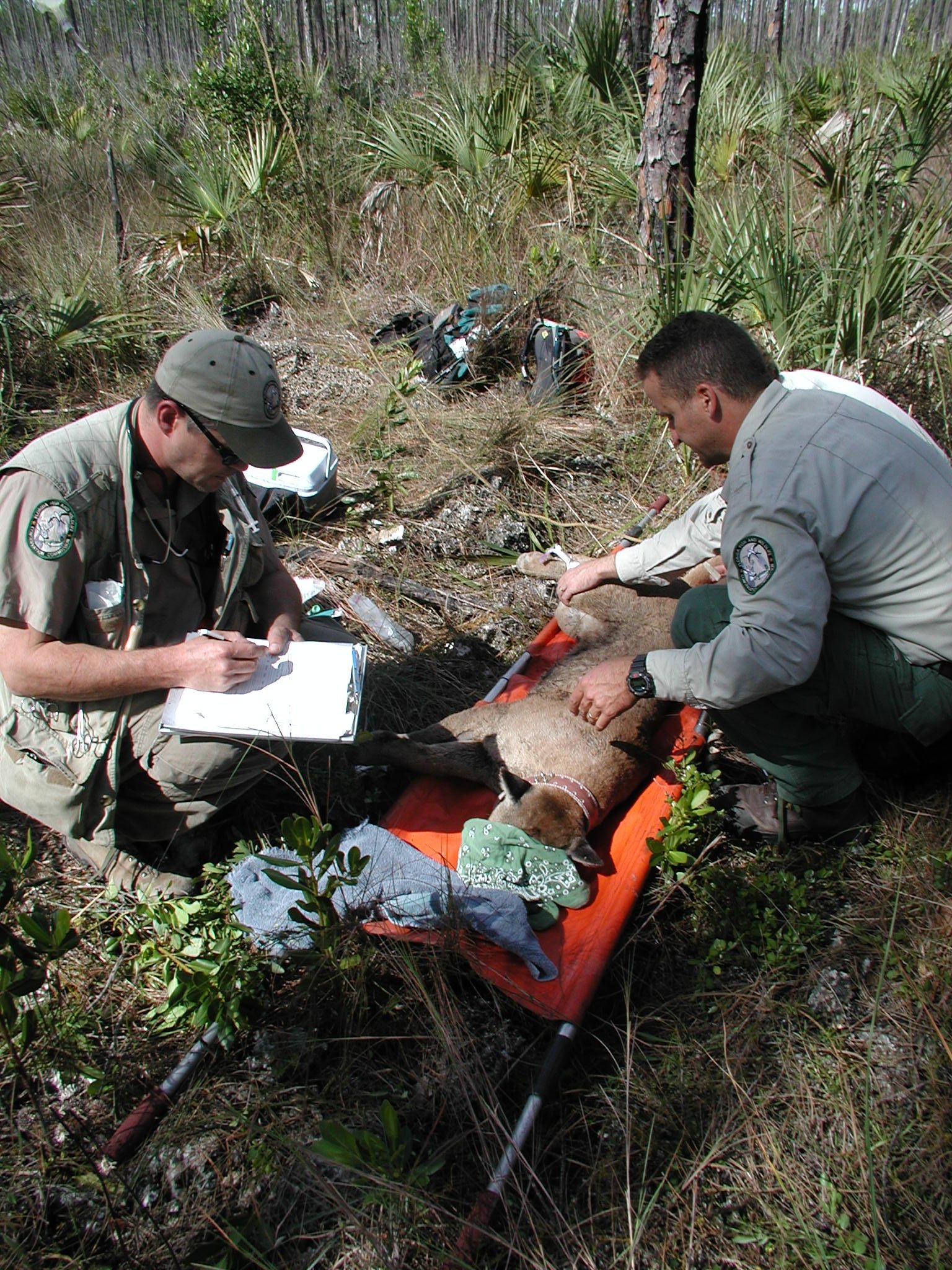
Scientific research plays a crucial role in understanding and preserving the Florida Panther. Biologists and ecologists study their behavior, genetics, and habitat needs to inform conservation strategies. Through GPS tracking and camera traps, researchers gather valuable data that aids in the development of effective protection measures. This scientific insight is vital for crafting policies that ensure the long-term survival of the panther.
Community Involvement and Education
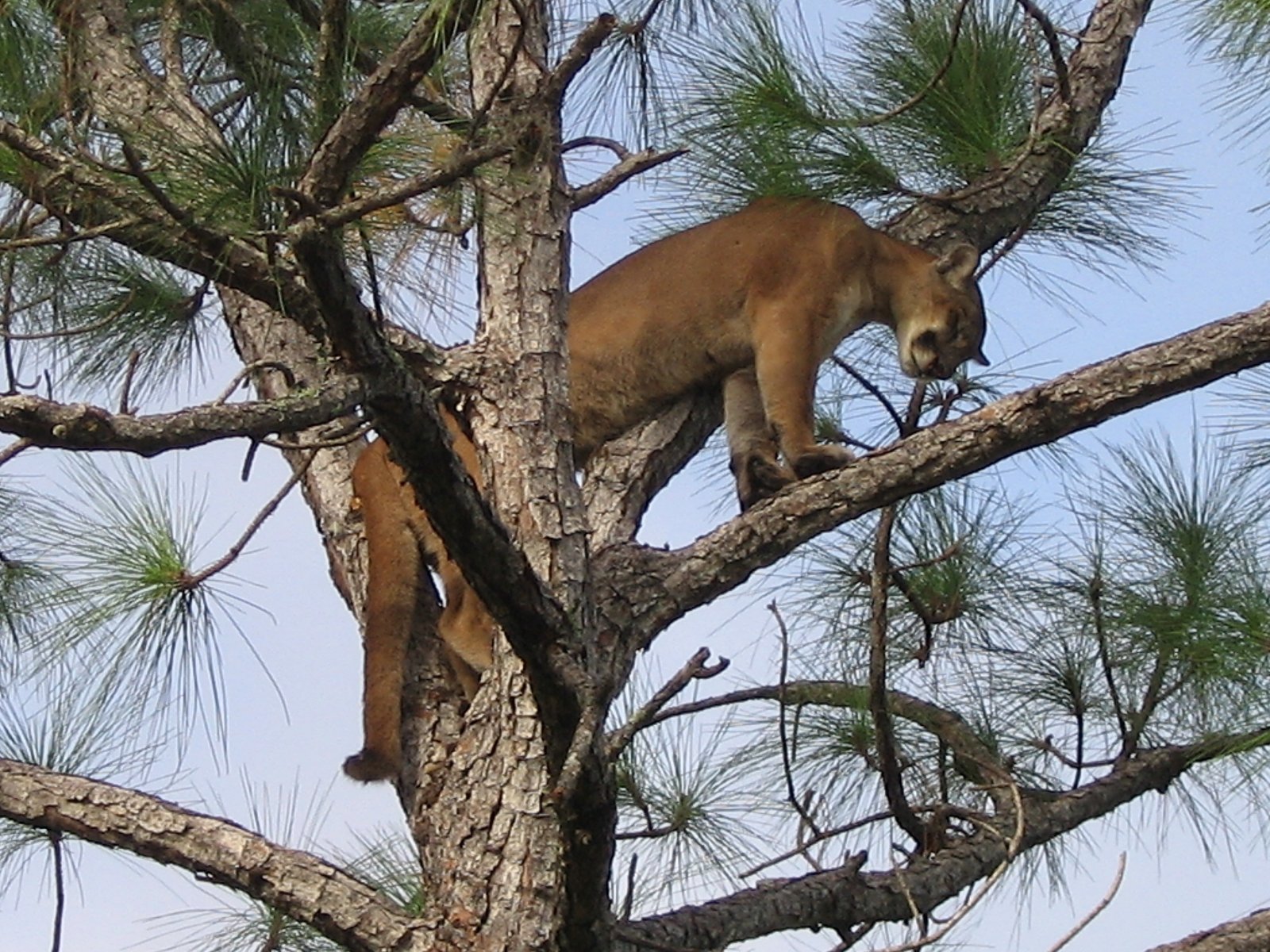
Educating the public about the plight of the Florida Panther is essential for garnering support for conservation efforts. Schools, community groups, and environmental organizations are actively involved in raising awareness. By fostering a connection between people and these majestic animals, communities are more likely to support initiatives that protect the panther’s habitat and reduce human-wildlife conflicts.
The Economic Impact of Panther Conservation
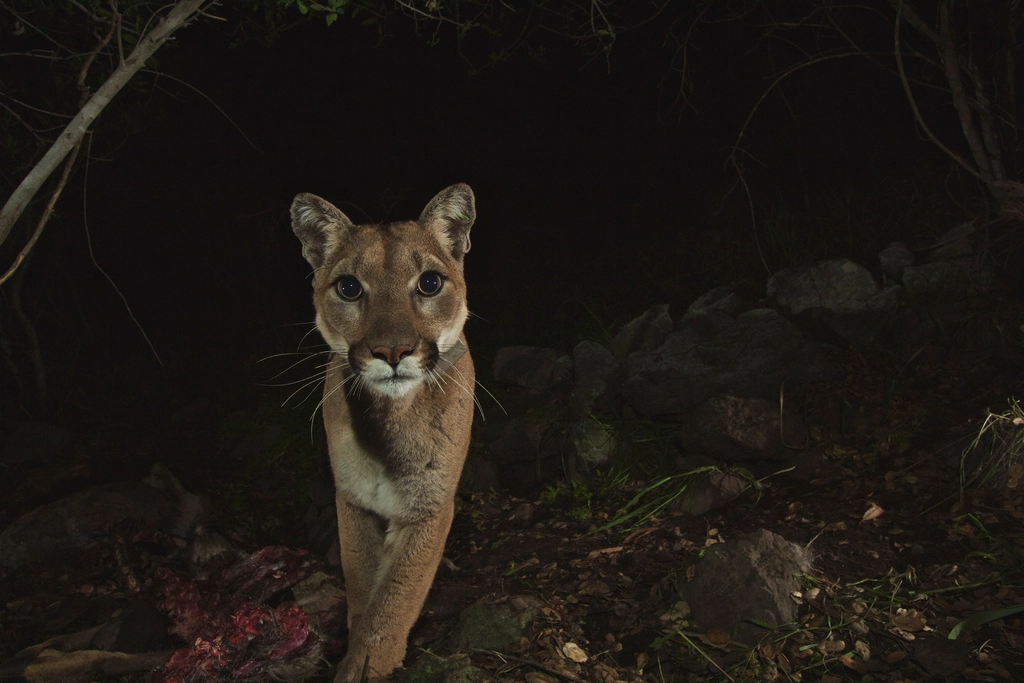
Preserving the Florida Panther is not just about saving a species; it also has economic implications. Wildlife tourism, for instance, can boost local economies by attracting visitors eager to catch a glimpse of these elusive cats. Additionally, healthy ecosystems supported by panther populations can enhance ecosystem services like water purification and flood control, benefiting both the environment and the economy.
The Future of the Florida Panther
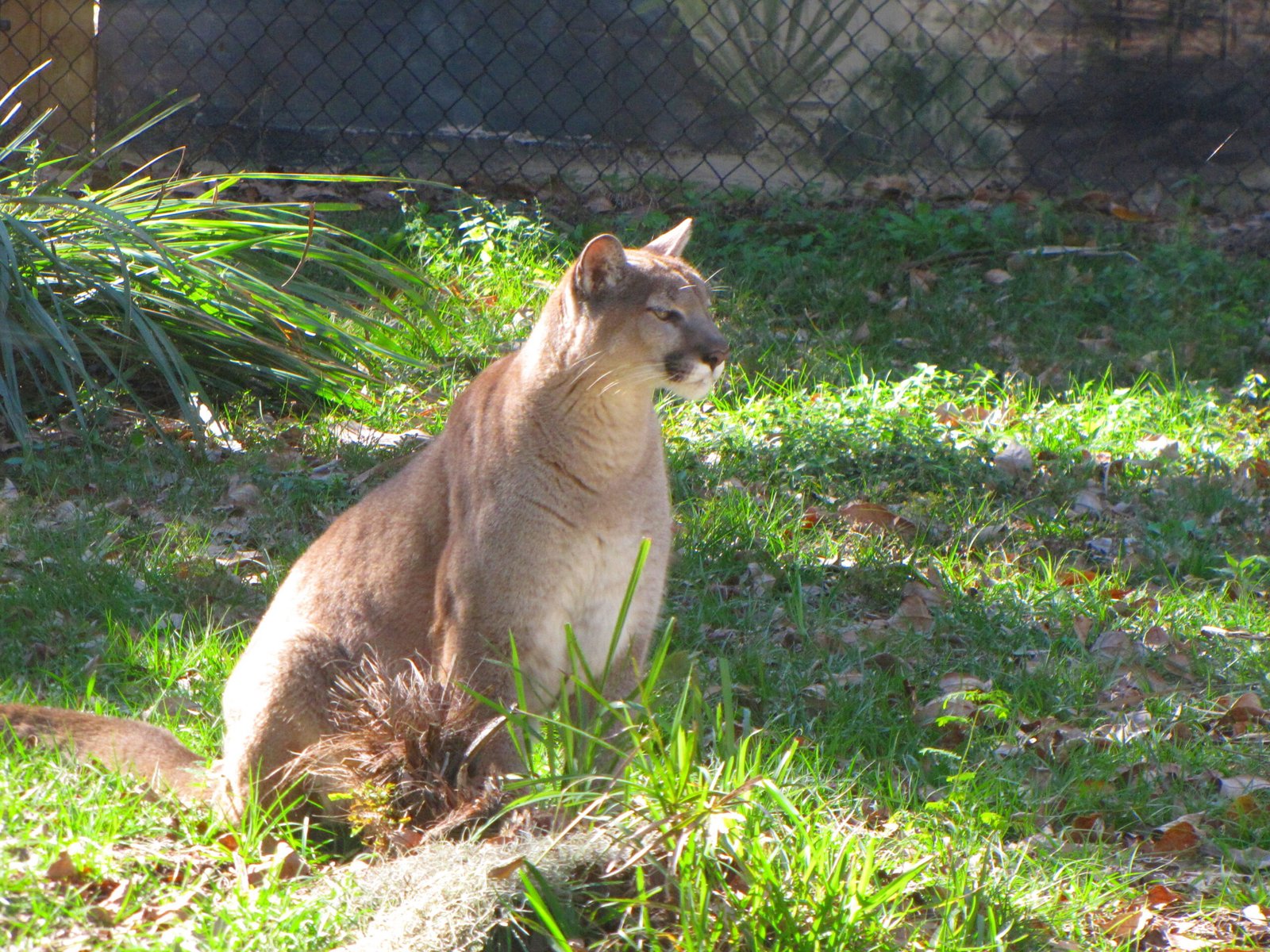
The fight to save the Florida Panther is a complex battle against time, human encroachment, and environmental changes. Yet, through collaborative efforts and continued dedication, there is hope for a future where these majestic creatures thrive once again. It’s a testament to the resilience of nature and the power of human compassion and ingenuity. The world is watching, and the outcome will be a defining moment for conservation efforts globally.