The European bison, also known as the wisent, once roamed freely across the vast landscapes of Europe. However, due to extensive hunting and habitat loss, these majestic creatures faced near extinction by the early 20th century. With conservation efforts gaining momentum, there’s a growing question: could the European bison make a full comeback? This article delves into the rewilding efforts across Europe, examining the challenges and successes in restoring these magnificent animals to their rightful place in the wild.
The Historical Decline of the European Bison
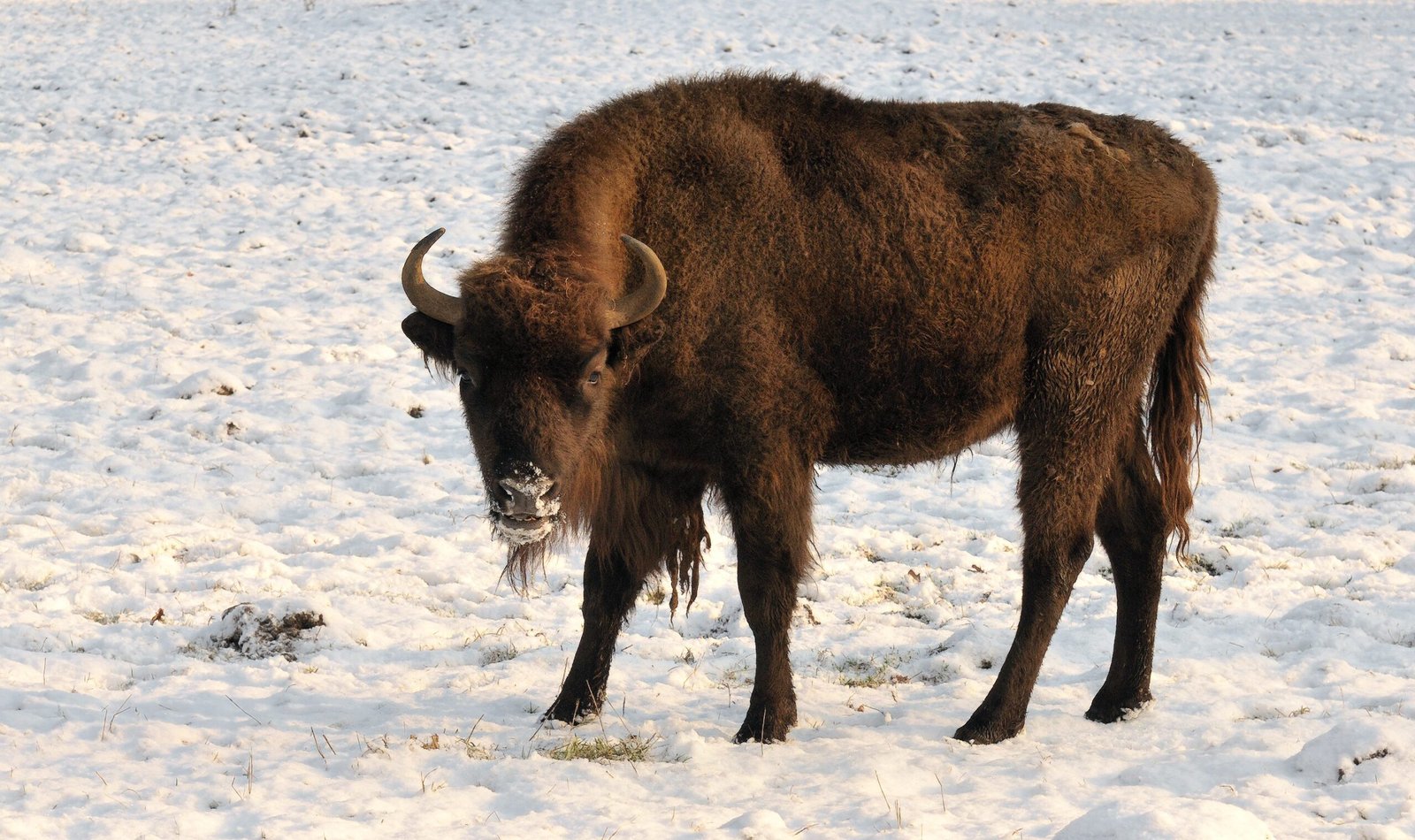
The European bison’s decline is a tale of human intervention and its unintended consequences. These animals were once widespread, grazing across woodlands and grasslands. However, as human populations expanded, the demand for land and resources increased. Hunting for meat and hides, coupled with deforestation, led to their dramatic decline. By the early 20th century, the species was declared extinct in the wild, with only a few individuals remaining in captivity. This decline serves as a stark reminder of the impact human activities can have on biodiversity.
Conservation Breeding Programs: A Ray of Hope
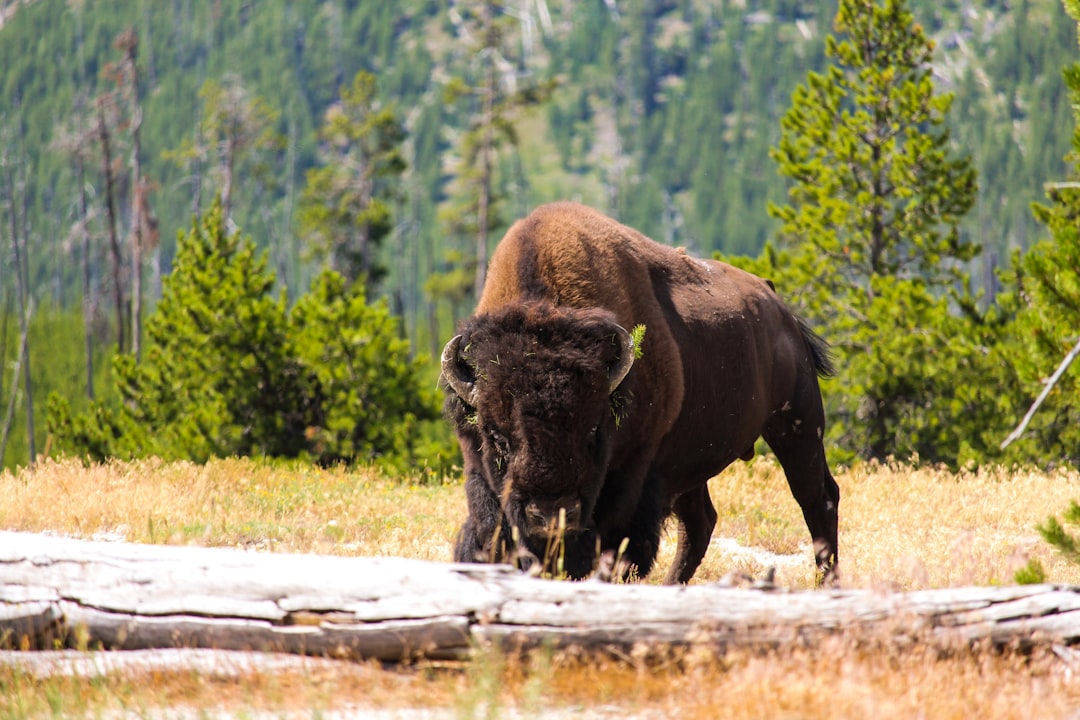
In the face of extinction, conservation breeding programs emerged as a beacon of hope for the European bison. These programs aimed to increase the population of bison in captivity, ensuring their genetic diversity and health. Zoos and reserves across Europe collaborated, exchanging animals to prevent inbreeding. Over time, these efforts bore fruit, with the captive population gradually increasing. The success of these programs highlights the importance of collaboration and commitment in conservation efforts.
Rewilding Initiatives: Returning Bison to Their Natural Habitat
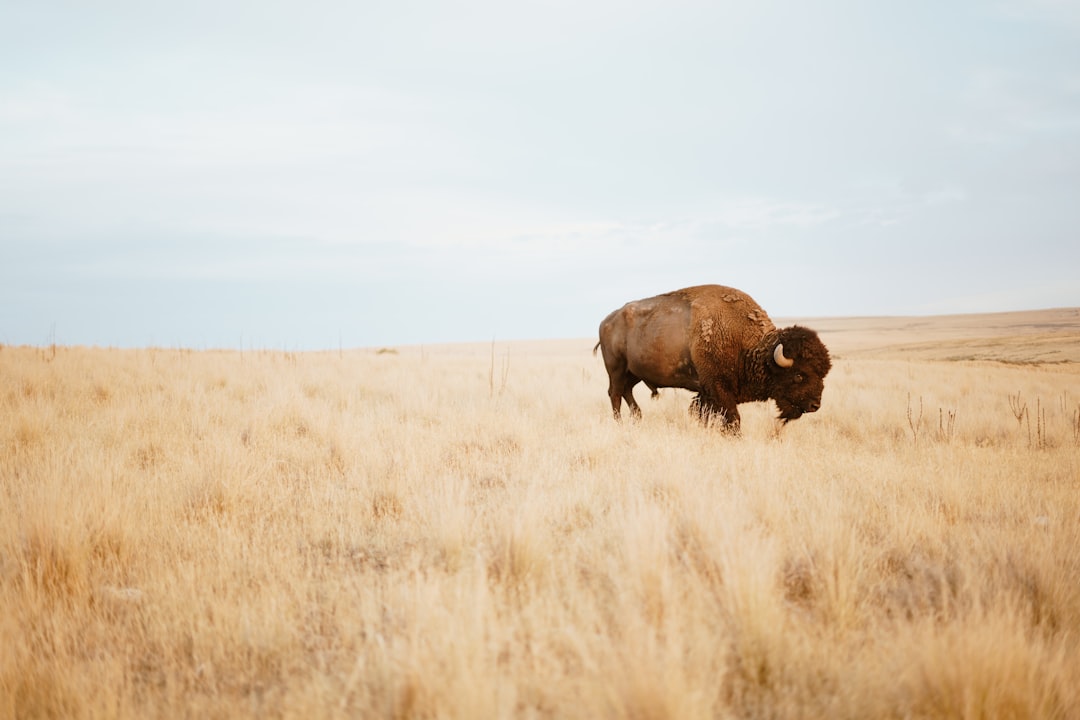
Rewilding initiatives have played a crucial role in the European bison’s potential comeback. These projects aim to reintroduce bison to their natural habitats, allowing them to thrive in the wild once more. Countries like Poland, Romania, and the Netherlands have established bison reserves, where these animals can roam freely. These reintroductions are carefully managed, ensuring that bison populations can sustain themselves and adapt to their environments. The success of these initiatives is a testament to the resilience of nature and the power of human intervention to reverse past mistakes.
Challenges Faced in Bison Rewilding

Despite the successes, rewilding efforts face numerous challenges. One significant hurdle is habitat fragmentation, which limits the areas where bison can roam freely. Urbanization and agriculture continue to encroach on potential habitats, making it difficult to establish large, contiguous areas for bison populations. Additionally, human-wildlife conflicts can arise, especially in regions where bison come into contact with agricultural lands. Addressing these challenges requires innovative solutions, such as creating wildlife corridors and engaging local communities in conservation efforts.
The Role of Local Communities in Conservation
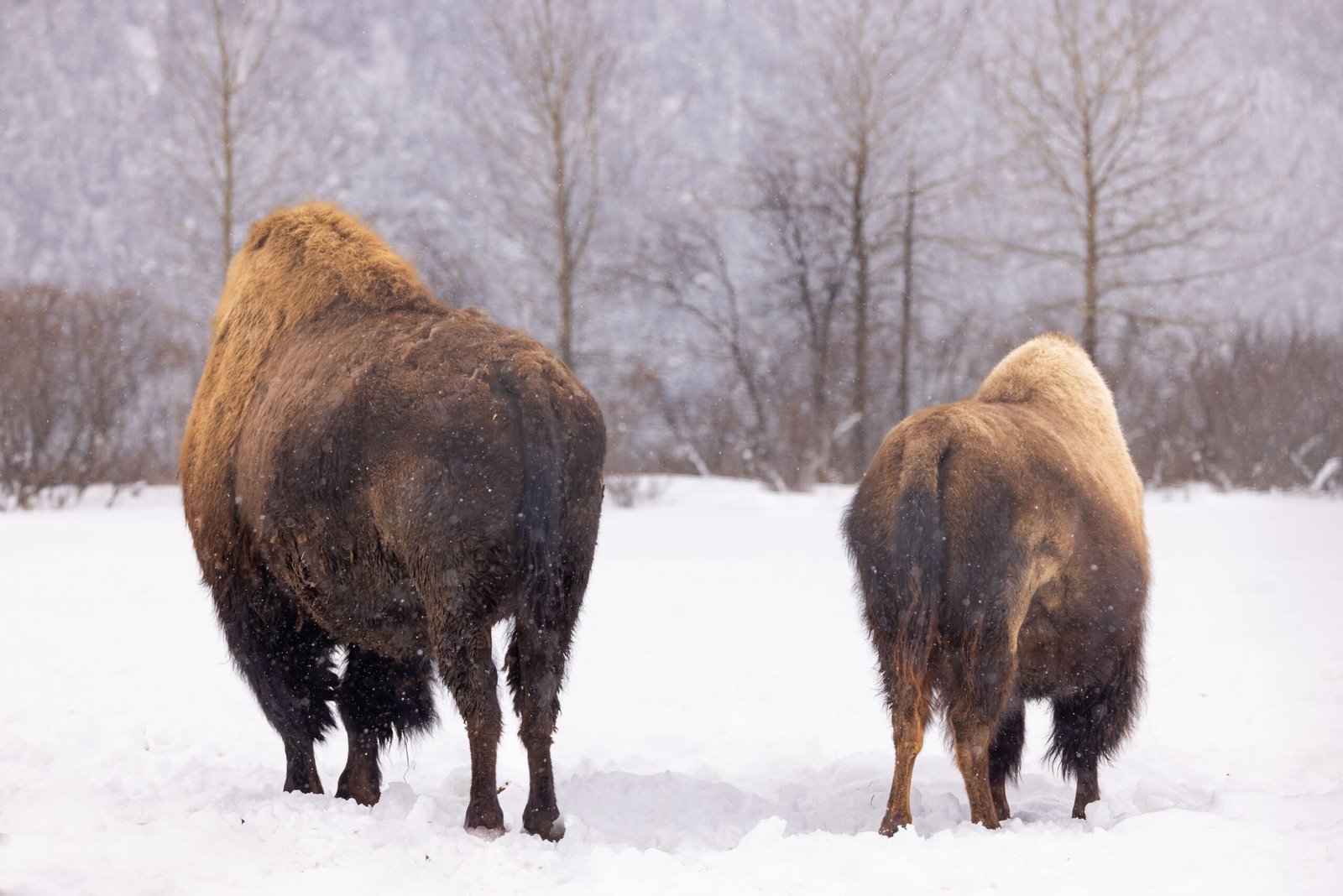
Local communities play a pivotal role in the success of bison rewilding efforts. These communities often have a deep connection to their natural surroundings and can offer valuable insights into sustainable conservation practices. By involving locals in conservation projects, rewilding initiatives can gain grassroots support, ensuring their long-term success. Educational programs and ecotourism initiatives can also provide economic incentives, encouraging communities to protect and preserve bison habitats. This collaboration between conservationists and locals is essential for creating a harmonious coexistence between humans and wildlife.
Ecological Benefits of Bison Reintroduction
The reintroduction of European bison brings numerous ecological benefits. As large herbivores, bison play a crucial role in shaping their environments. Their grazing patterns help maintain open landscapes, preventing the overgrowth of shrubs and promoting biodiversity. By dispersing seeds through their droppings, bison also contribute to the regeneration of plant species. These ecological contributions underscore the importance of bison in maintaining healthy ecosystems, highlighting their value beyond mere conservation.
Monitoring and Research: Ensuring Sustainable Populations
Ongoing monitoring and research are vital components of successful bison rewilding projects. Scientists and conservationists closely track bison populations, studying their health, behavior, and interactions with their environments. This data helps inform management decisions, ensuring that reintroduced populations remain viable and sustainable. Research also sheds light on the broader ecological impacts of bison reintroduction, providing valuable insights for future conservation efforts. Through continuous monitoring, we can adapt and refine rewilding strategies, maximizing their effectiveness.
The Role of International Collaboration
International collaboration is a cornerstone of successful bison conservation efforts. Countries across Europe have joined forces, sharing knowledge, resources, and best practices. Organizations like the European Bison Conservation Center facilitate these collaborations, coordinating efforts to protect and restore bison populations. This collective approach amplifies the impact of individual projects, creating a network of support for the European bison. As we face global environmental challenges, such international cooperation is more crucial than ever.
Rewilding Success Stories: A Glimpse of Hope
Several successful rewilding projects offer a glimpse of hope for the future of the European bison. In the Białowieża Forest, straddling the border of Poland and Belarus, bison populations have flourished, becoming a symbol of successful conservation. Similarly, in the Carpathian Mountains, bison have been reintroduced, contributing to the region’s rich biodiversity. These success stories inspire confidence in the potential for a full bison comeback, demonstrating that with dedication and effort, we can restore nature’s balance.
Future Prospects: Can Bison Make a Full Comeback?
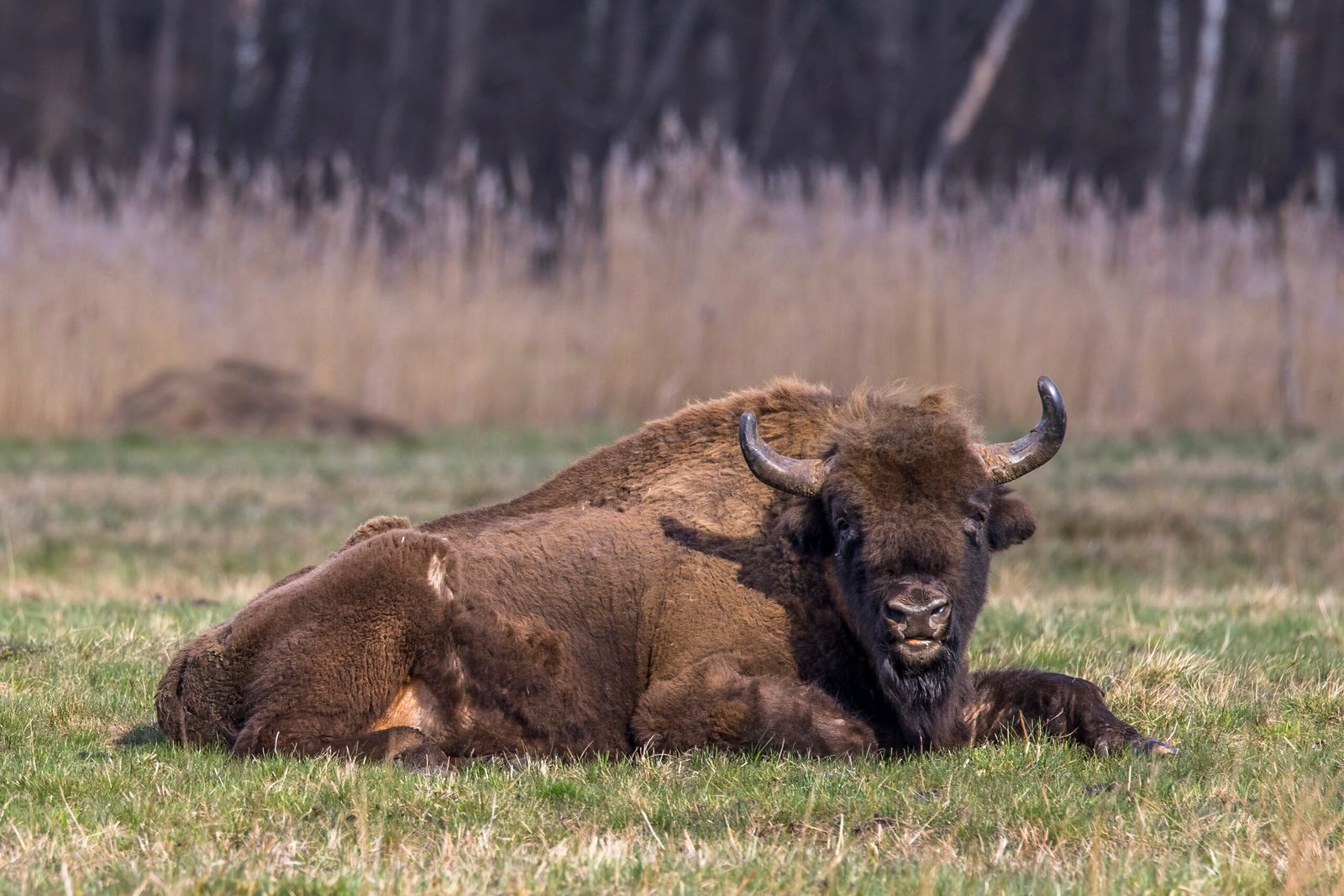
The question remains: can the European bison make a full comeback across the continent? While challenges persist, the progress made so far is promising. Continued support for conservation initiatives, coupled with innovative solutions to address challenges, will be key. By fostering a sense of stewardship and responsibility, we can ensure that future generations witness the majesty of the European bison in the wild. The journey towards a full comeback is ongoing, but with collective effort, it is a goal within reach.