You’ve probably wondered what makes you conscious. That little voice inside your head, the feeling of experiencing a sunset, the sensation of pain. Scientists have been wrestling with this puzzle for centuries, yet consciousness remains one of the most baffling mysteries in all of science.
Recent breakthroughs in quantum physics research are suggesting something extraordinary: your consciousness might not be purely biological after all. What if the secret lies in the strange, invisible world of quantum mechanics happening inside your brain right now? Let’s dive into this fascinating intersection where cutting-edge physics meets the deepest questions about human experience.
The Quantum Revolution in Consciousness Research
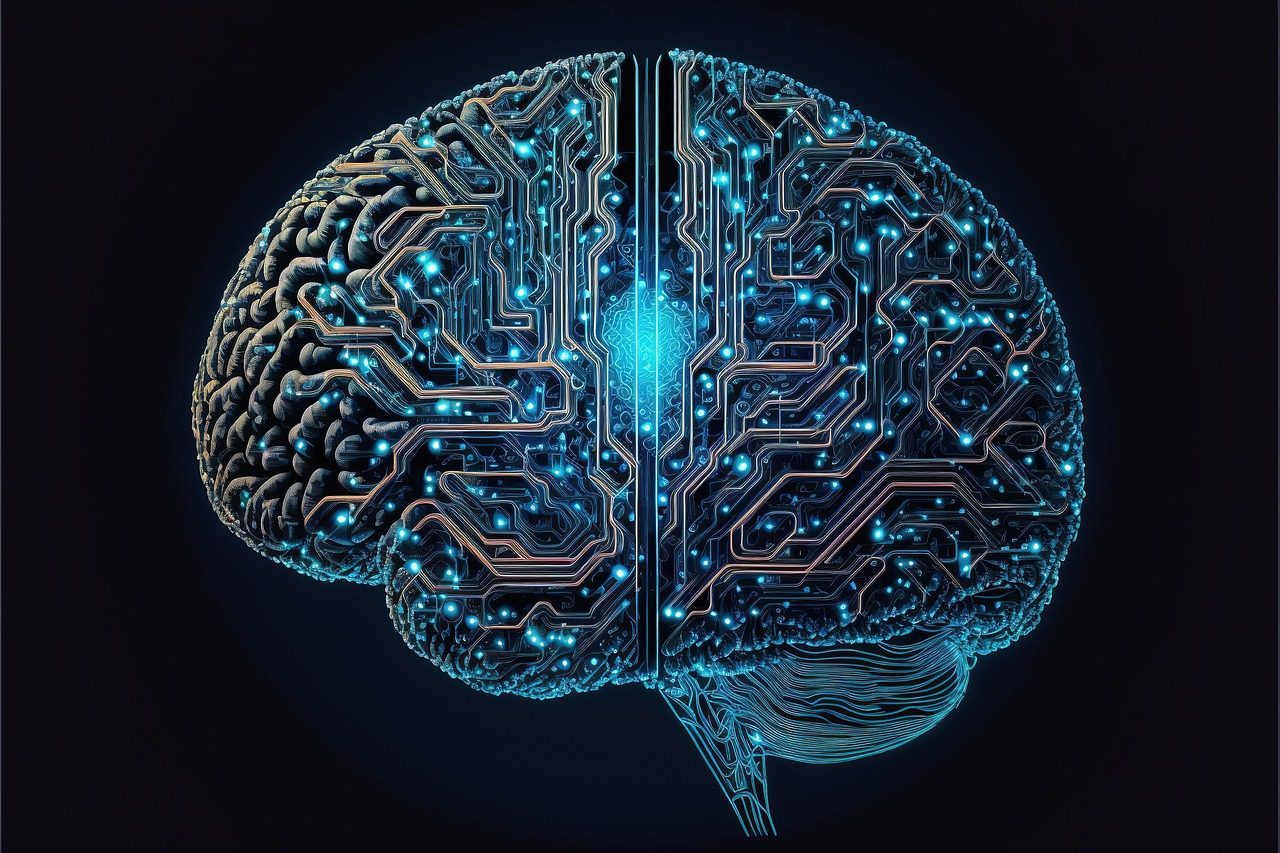
Scientists are now seriously considering something that would have seemed like science fiction just decades ago. The notion that quantum physics must be the underlying mechanism for consciousness first emerged in the 1990s, when Nobel Prize-winning physicist Roger Penrose and anesthesiologist Stuart Hameroff popularized the idea that neural microtubules enable quantum processes in our brain, giving rise to consciousness.
What makes this theory so compelling is its ability to address fundamental problems that classical physics cannot solve. The quantum mind or quantum consciousness is a group of hypotheses proposing that local physical laws and interactions from classical mechanics or connections between neurons alone cannot explain consciousness. These hypotheses posit instead that quantum-mechanical phenomena, such as entanglement and superposition that cause nonlocalized quantum effects, interacting in smaller features of the brain than cells, may play an important part in the brain’s function and could explain critical aspects of consciousness. Think of your brain as operating not just like a classical computer, but as a quantum system capable of extraordinary computational feats.
Microtubules: The Hidden Quantum Highways
These microscopic hollow tube structures, called “microtubules,” don’t rely on our everyday flavor of classical physics. Instead, experts believe, microtubules perform incredible operations in the quantum realm. Picture millions of tiny tubes inside your neurons, each one potentially hosting quantum processes that contribute to your conscious experience.
The evidence is becoming harder to ignore. When researchers gave rats a drug that binds to microtubules, it took the rats significantly longer to fall unconscious under an anesthetic gas. The research team’s microtubule-binding drug interfered with the anesthetic action, thus supporting the idea that the anesthetic acts on microtubules to cause unconsciousness. This groundbreaking experiment suggests that consciousness might literally depend on quantum processes within these cellular structures.
The Anesthesia Connection That Changes Everything
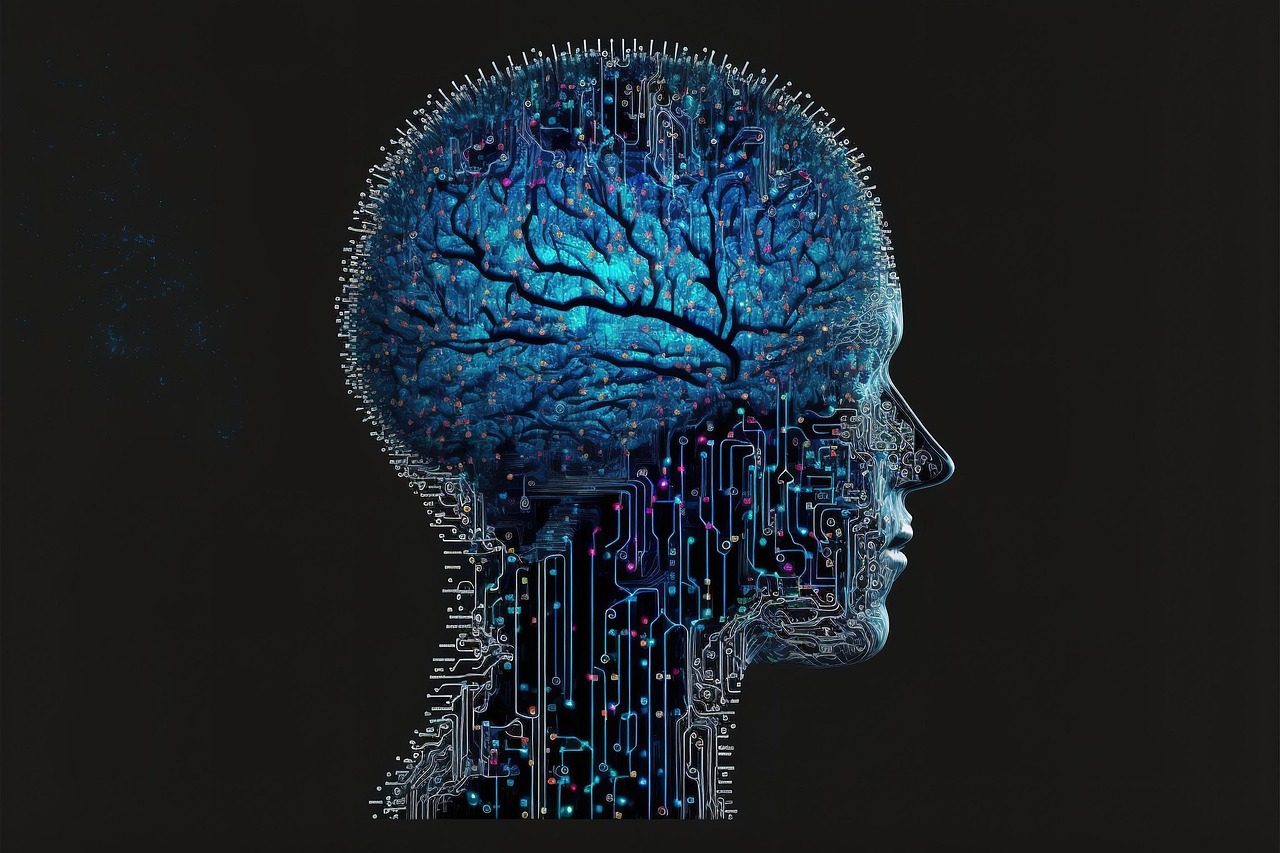
“It’s hard to overstate the significance of the classical/quantum debate about consciousness,” says Associate Professor Michael Wiest at Wellesley College. “When it becomes accepted that the mind is a quantum phenomenon, we will have entered a new era in our understanding of what we are.” This isn’t just academic speculation anymore.
Since researchers don’t know of another classical way that anesthetic binding to microtubules would generally reduce brain activity and cause unconsciousness, this finding supports the quantum model of consciousness. The implications are staggering. If anesthetics work by disrupting quantum processes in your brain, then consciousness itself might emerge from these same quantum phenomena. Your awareness might literally exist in the quantum realm.
Quantum Entanglement as Nature’s Communication System
Here’s where things get truly mind-bending. Recent research suggests that a fatty material called myelin that surrounding the nerve cell’s axon provides an environment in which the entanglement of photons is possible. The results indicate that the cylindrical cavity formed by a myelin sheath can facilitate spontaneous photon emission from the vibrational modes and generate a significant number of entangled photon pairs.
“When a brain is active, millions of neurons fire simultaneously,” explains researcher Yong-Cong Chen. “If the power of evolution was looking for handy action over a distance, quantum entanglement would be an ideal candidate for this role.” The researchers used mathematical models to demonstrate how infrared photons could collide with myelin sheaths and impart energy to the chemical bonds within these structures. Your thoughts might literally travel faster than light through quantum entangled connections.
Solving the Binding Problem Through Quantum Magic
One of the biggest mysteries in consciousness research is called the binding problem. Entanglement potentially offers something else for brain scientists by providing a natural solution to what is called the binding problem, the subjective unity of every experience that has long posed a key challenge to the study of consciousness. Consider seeing the Statue of Liberty: her face, the crown on her head, the torch in her raised right hand, and so on.
How does your brain take all these separate sensory inputs and create one unified experience? Quantum entanglement might be the answer. Google’s Hartmut Neven suggests, “We can solve this by proposing that entanglement between qubits creates a unified conscious experience. Entanglement is the only true binding agent we have in physics, as it allows for the creation of holistic states where individual components are fundamentally interconnected. Thus, entanglement offers an elegant solution to the binding problem.” Your consciousness might be a quantum symphony, with billions of neurons playing in perfect harmony through entangled connections.
Revolutionary Experiments Using Living Brains
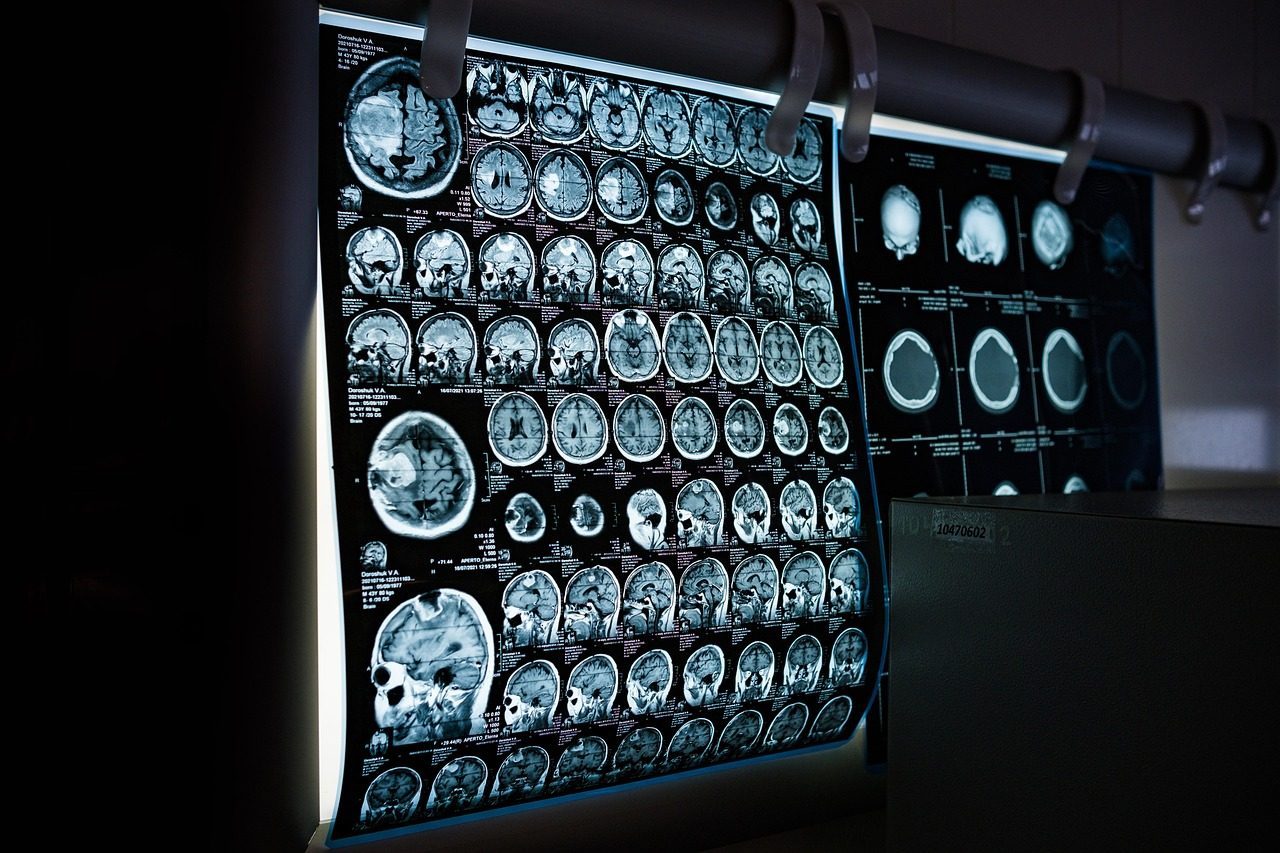
Scientists at Trinity College Dublin, using a technique to test for quantum gravity, suggested that entanglement may be at work within our brains. While intriguing, their results face significant methodological questions and require independent replication before drawing definitive conclusions. These researchers are actually detecting quantum signatures in living human brains using advanced brain imaging techniques.
The experiments are revealing something extraordinary about human consciousness. The researchers reported changes in certain signals during different states of consciousness, though whether these represent true quantum entanglement remains a subject of scientific debate. This may suggest some relationship between the observed phenomena and conscious awareness, though alternative classical explanations have not been ruled out. When you’re awake and aware, your brain shows quantum signatures. When you lose consciousness, these quantum effects vanish.
Evidence from Twin Studies and Quantum Learning
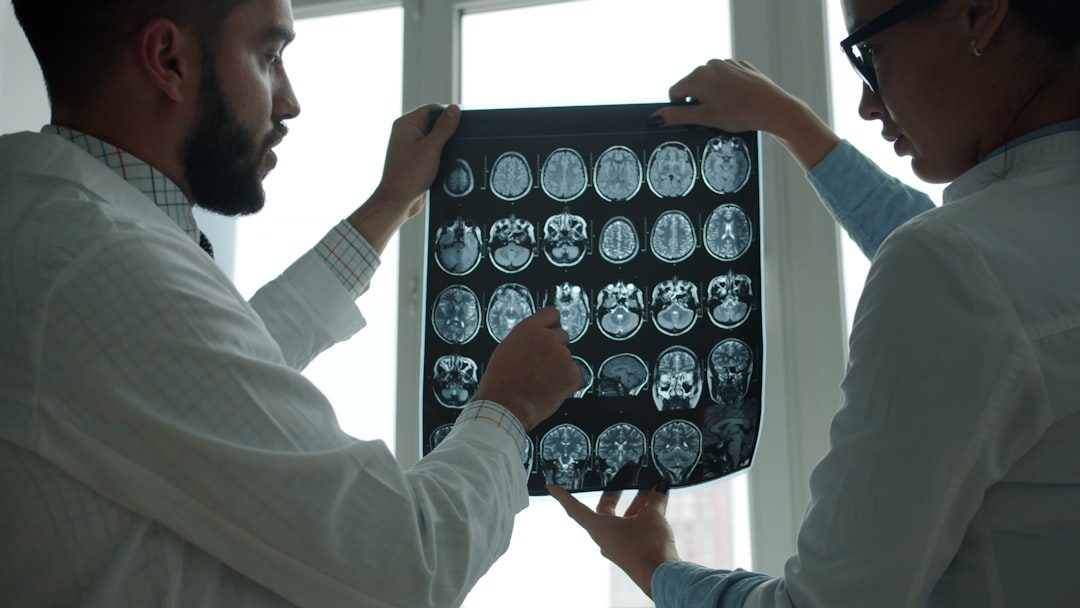
Perhaps the most compelling evidence comes from groundbreaking twin studies. Research provides empirical and statistical evidence of how quantum entanglement influences consciousness at a biophysical level. Quantum-like learning responses of monozygotic twins and their mental states measured via electroencephalography are more highly correlated under entanglement conditions than in non-entanglement experimental conditions.
Some preliminary research has suggested potential correlations in twin responses under certain experimental conditions, though these findings require further replication and peer review. These preliminary results suggest potential quantum effects, though more research is needed to establish definitive evidence. Your ability to learn and process information might literally be enhanced by quantum effects.
The Warm, Wet Brain Paradox
Many scientists remain skeptical, including Christof Koch at the Allen Institute, who wrote in his recent book that “the brain is wet and warm, hardly conducive to subtle quantum interactions.” But despite his skepticism, Koch is collaborating with scientists at Google Quantum AI and universities worldwide to explore the role quantum mechanics might play in shaping consciousness.
This skepticism isn’t unfounded. Most scientists believe the brain is too wet, warm and noisy for the delicate operations of quantum mechanics to play a role in cognition or consciousness. Physicist Max Tegmark argued that the brain would be “too wet, warm and noisy” for quantum mechanics to play a meaningful role in cognition or consciousness. Yet the evidence keeps mounting that nature has found ways to maintain quantum coherence even in biological systems. Evolution might be far more clever than we ever imagined.
The Future of Quantum Consciousness Research
Newly proposed experiments promise to bridge this gap between microscopic and macroscopic systems, like the brain, and offer answers to the mystery of consciousness. Scientists are designing extraordinary experiments that could revolutionize our understanding of human awareness.
Researchers will attempt to couple qubits to brain organoids in a way that allows entanglement to spread between biological and technical qubits. The final experiment, which at this stage is still a purely conceptual one, aims to enhance consciousness by coupling engineered quantum states to a human brain in an entangled manner. Imagine being able to directly interface your consciousness with quantum computers, potentially expanding your cognitive abilities beyond their natural limits. This isn’t science fiction anymore.
What This Means for Your Understanding of Reality
A quantum understanding of consciousness “gives us a world picture in which we can be connected to the universe in a more natural and holistic way,” according to researcher Michael Wiest. If consciousness is quantum in nature, you’re not just a isolated biological machine. You’re part of the quantum fabric of reality itself.
This could explain many phenomena that have puzzled scientists for decades. Your intuition, creativity, and even your sense of interconnectedness with others might all have quantum origins. Quantum randomness might indeed open up novel possibilities for free will. If your decisions emerge from quantum processes, you might have genuine agency rather than being simply a deterministic biological machine. Your choices could be truly yours, emerging from the fundamental uncertainty of quantum reality.
The evidence is accumulating rapidly, and the implications are profound. This quantum approach “would lead to improved understanding of how anesthesia works, and it would shape our thinking about a wide variety of related questions, such as whether coma patients or non-human animals are conscious, how mysterious drugs like lithium modulate conscious experience to stabilize mood, how diseases like Alzheimer’s or schizophrenia affect perception and memory, and so on.” We’re standing at the threshold of a revolution in our understanding of consciousness itself.
What do you think about the possibility that your consciousness might be quantum in nature? Tell us in the comments.
Jan loves Wildlife and Animals and is one of the founders of Animals Around The Globe. He holds an MSc in Finance & Economics and is a passionate PADI Open Water Diver. His favorite animals are Mountain Gorillas, Tigers, and Great White Sharks. He lived in South Africa, Germany, the USA, Ireland, Italy, China, and Australia. Before AATG, Jan worked for Google, Axel Springer, BMW and others.