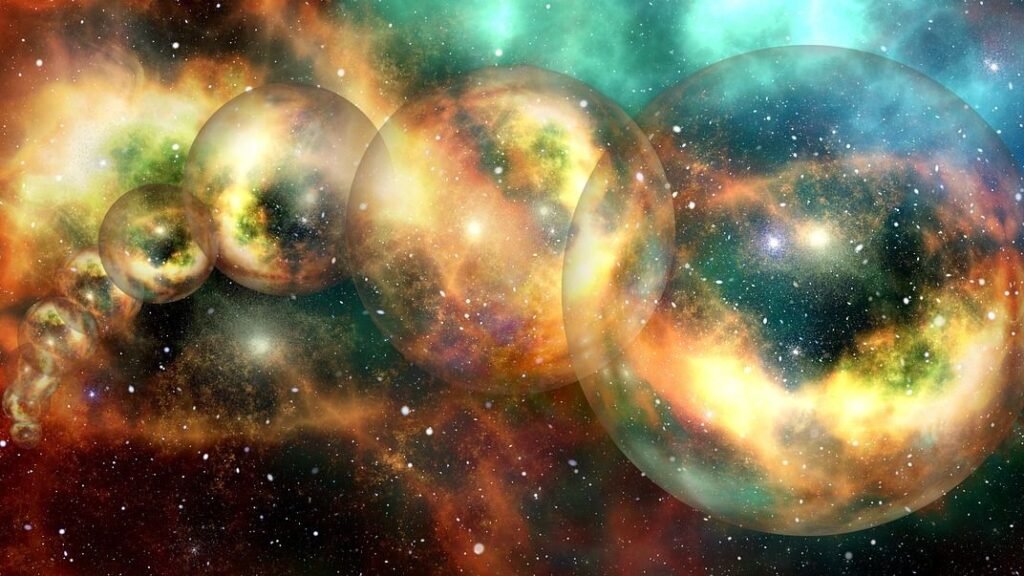

Picture this: everything you’ve ever known – every star, planet, memory, and moment – might be just one tiny bubble in an unimaginably huge cosmic foam. That idea isn’t just science fiction anymore; it’s a serious, if controversial, possibility that some of the world’s leading physicists have been wrestling with for years. The multiverse is one of those concepts that sounds ridiculous at first, then slowly starts to feel disturbingly plausible the more you learn about it.
When I first stumbled across multiverse ideas, it felt like someone had yanked the floor out from under reality. If there are countless other universes, some almost like ours and some wildly different, what does that say about us, our choices, or even the meaning of “real”? In this article, we’ll walk through the main ways scientists think a multiverse could exist, what evidence might hint at it, and why the whole thing is both thrilling and deeply unsettling.
Cosmic Inflation: The Big Bang That Wouldn’t Stay Small
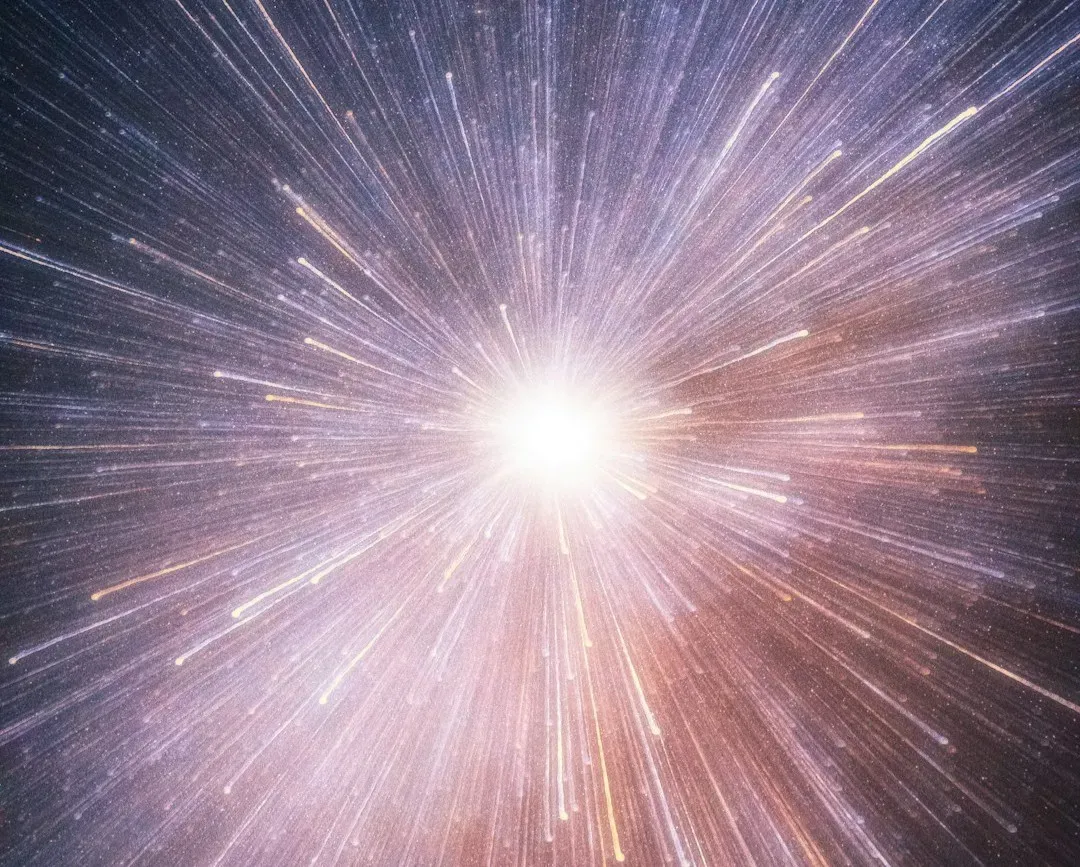
Right after the Big Bang, our universe is thought to have gone through a brief, insanely fast expansion called cosmic inflation. Instead of just slowly stretching out, space itself ballooned at a speed that makes even the speed of light look sluggish. This idea was proposed to fix some big puzzles, like why the universe looks so uniform in every direction and why space is so close to perfectly flat on large scales.
Here’s where things get wild: many inflation models suggest that this expansion doesn’t stop everywhere at once. In some regions it slows down and forms “pocket universes” like ours, while in other regions it keeps inflating. You get a kind of cosmic popcorn, with bubbles of universes constantly being born inside an eternally expanding background. Our universe, in this picture, is just one bubble in a vast, forever-growing sea of other bubbles – each with its own Big Bang, its own history, maybe even its own laws of physics.
Bubble Universes: Cosmic Neighborhoods We Can Never Visit
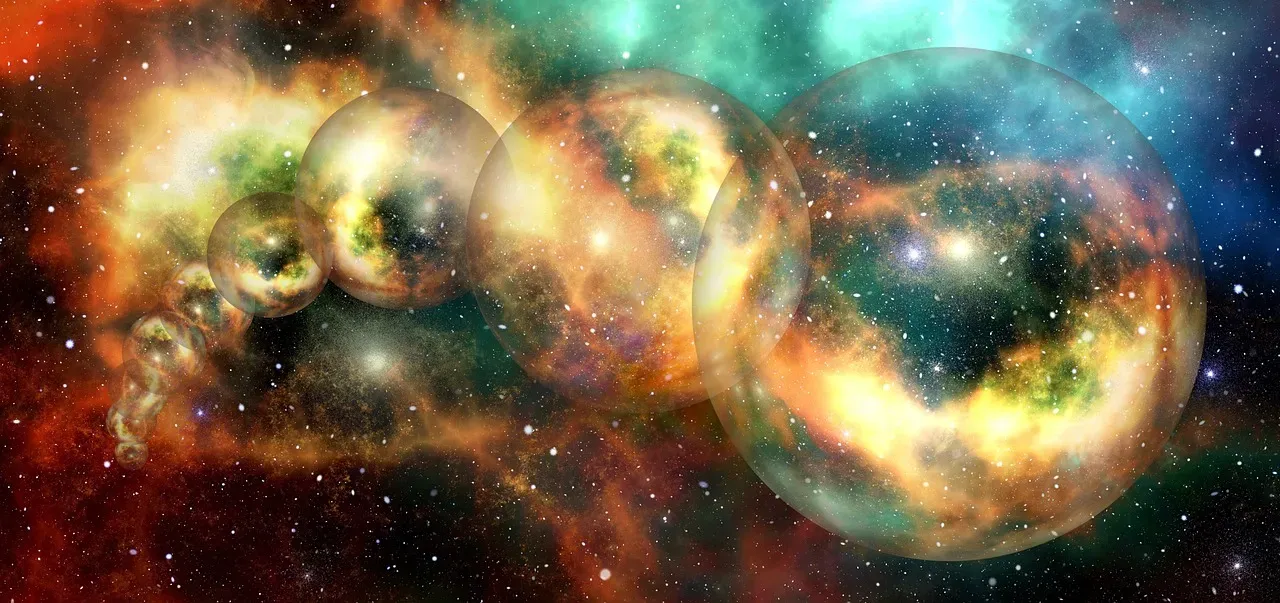
If cosmic inflation creates bubble universes, what are they actually like? The simplest possibility is that other bubbles are broadly similar to ours: galaxies, stars, maybe even chemistry and life, just completely cut off from us by enormous, expanding distances. We will never see them, never visit them, never exchange a single photon with them, because space between us and them is stretching too fast for light to bridge the gap.
But some inflation models go further and say each bubble could have different physical constants or even different versions of basic physics. Imagine a universe where gravity is stronger, so stars burn out quickly, or where electrons don’t behave the way they do here, so stable atoms barely exist. Some bubbles might be lifeless deserts, others chaotic firestorms, and a tiny fraction might be as gentle and complex as ours. It turns our “one universe” into just a single house in an endless, unlit city we can never walk through.
The Many Worlds of Quantum Mechanics: Every Choice, Another Branch
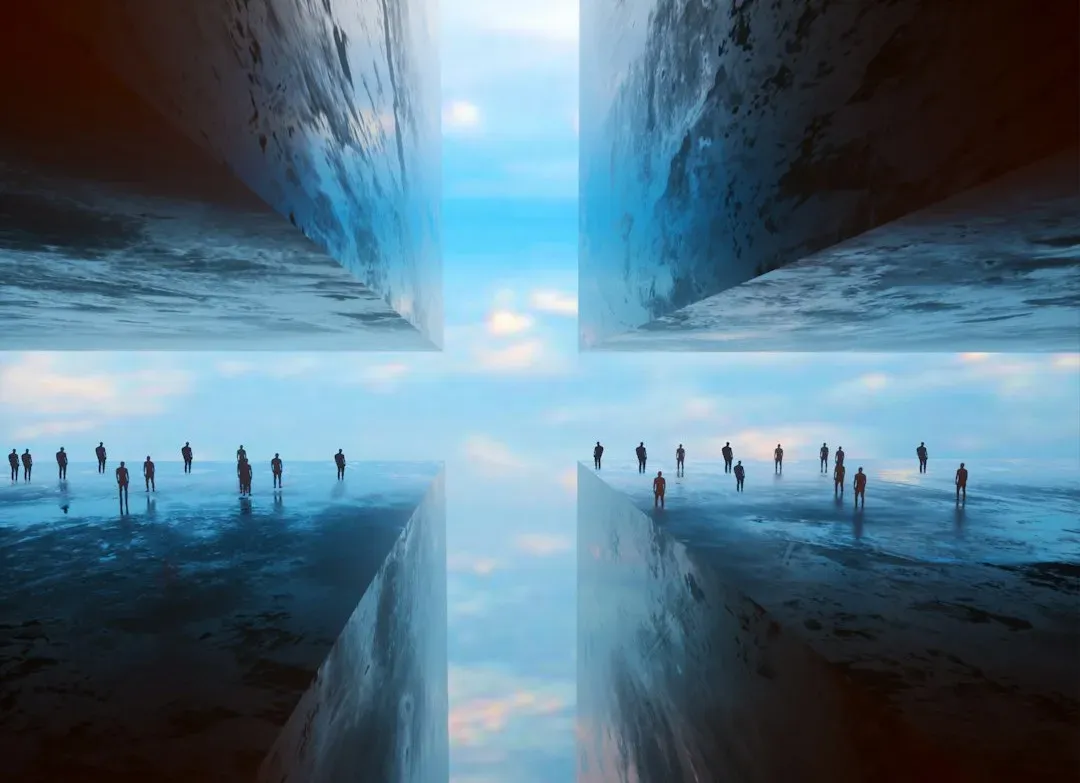
Even if inflationary bubbles sound remote, quantum physics brings the multiverse unnervingly close to home. In quantum mechanics, particles don’t have definite positions or states until they’re measured; they exist in fuzzy superpositions of possibilities. One radical way to interpret this is that all those possibilities actually happen – just not in the same universe. Every quantum event that could go one way or another “branches” reality into multiple outcomes.
This is sometimes called the “many-worlds” interpretation, and it scales up in a way that hits uncomfortably close: every time something could have turned out differently, a new branch of reality supposedly splits off. In one branch, you took that job; in another, you turned it down. In one, the coin flip landed heads; in another, tails. Most of us instinctively reject this at first because it feels like a metaphysical cheat code, but mathematically, many-worlds is one of the cleanest ways to keep quantum physics consistent without adding extra rules about what “counts” as a measurement.
Fine-Tuning and Anthropic Reasoning: Why Does Our Universe Look So Lucky?
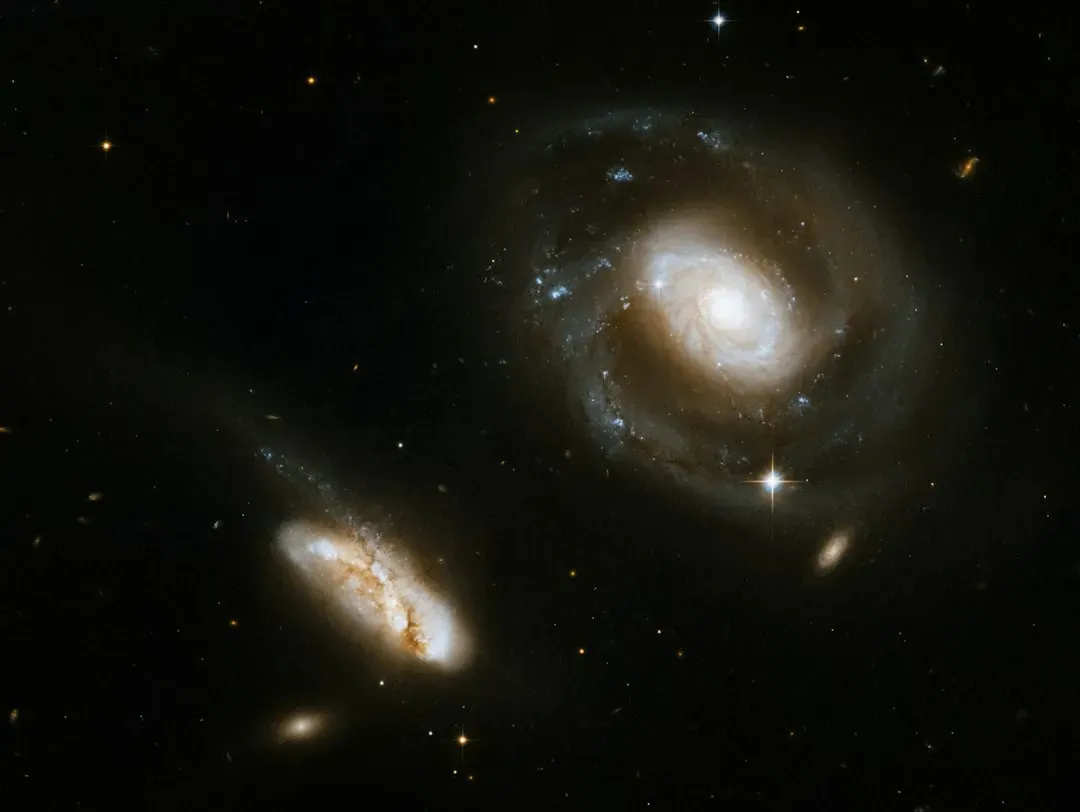
When physicists look closely at the numbers that define our universe – the strength of gravity, the mass of the electron, how fast the universe expands – they find something unnerving: tweak many of these values just a little, and complex life as we know it becomes impossible. Stars might not form, atoms might fall apart too quickly, or the universe might collapse back in on itself before anything interesting can happen. It feels, at first glance, suspiciously like someone tuned the cosmic dials just right.
The multiverse offers a way to think about this without invoking design: if there are countless universes with different parameters, most of them will be dead, simple, or short-lived. A tiny slice will have just the right mix of properties to allow stars, planets, chemistry, and eventually curious beings who ask why everything seems so well arranged. This line of thinking, called anthropic reasoning, basically says: of course our universe looks special; if it didn’t, we wouldn’t be here to notice it. It doesn’t prove the multiverse exists, but it makes the idea feel less like a wild fantasy and more like a potential explanation for cosmic good luck.
Clues, Hints, and Missing Evidence: Can We Ever Test the Multiverse?
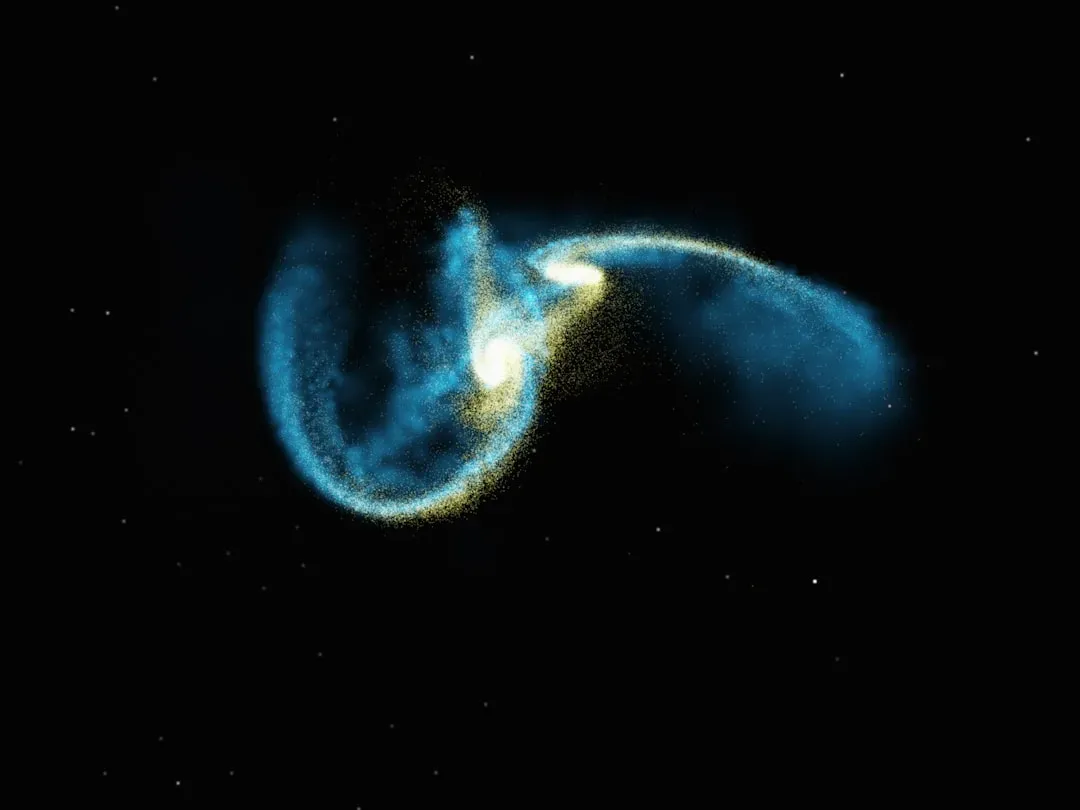
One of the biggest criticisms of multiverse ideas is simple and fair: if we can never see or interact with other universes, is this even science, or just fancy storytelling with equations? Physics lives and dies on testable predictions, and most multiverse scenarios hide their extra universes behind horizons we can never cross. That’s a hard sell for people who think science should only talk about things that can, at least in principle, be observed.
Still, there are a few ways researchers have tried to squeeze testable hints out of these ideas. For example, if our bubble universe once crashed or brushed against another bubble in the distant past, it might have left subtle scars in the cosmic microwave background, the faint afterglow of the Big Bang. So far, detailed sky maps haven’t shown a clear smoking gun, though a few anomalies keep people curious. Other approaches look at whether inflation models that naturally produce a multiverse also make predictions about things we can measure, like patterns in primordial gravitational waves. It’s a bit like trying to infer a huge, unseen landscape by studying just one small clearing in the forest.
Not everyone agrees this is enough. Some physicists argue that without clear, distinct tests, multiverse theories risk drifting into philosophy rather than staying grounded in empirical science. Others respond that we shouldn’t ignore where the math honestly seems to lead, even if it points to regions we can’t yet probe. The debate is very alive, and honestly, that’s part of what makes this whole topic so compelling.
Philosophical Shockwaves: Free Will, Meaning, and Uniqueness

If there really are countless universes or branches of reality, the implications go way beyond physics. Think about personal identity: if there are versions of you in other universes making different choices, what does “you” even mean? Are you just one thread in a massive tapestry of nearly identical lives, or does each branch stand alone with its own genuine experiences? It can feel both humbling and a bit eerie to imagine you’re not a single, unique storyline, but one of many possible paths.
Then there’s the question of meaning. For some people, the idea that we’re in just one of many universes makes life feel smaller, less special, as if we’re just another random outcome in an endless lottery. For others, it has the opposite effect: they see it as a reminder that this specific configuration – our particular world, our relationships, our tiny planet – is incredibly rare and fragile. Instead of making things meaningless, the multiverse can make this version of reality feel like a once-in-an-eternity coincidence worth cherishing.
So, Could Our Universe Really Be One of Many?

Putting everything together, the multiverse isn’t a single clean theory but more like a family of ideas that pop up in different corners of modern physics. Inflation suggests island-like bubble universes; quantum mechanics opens the door to branching realities; the strange fine-tuning of our cosmos nudges some thinkers toward a landscape of many possible worlds. None of this adds up to a confirmed picture, but it explains why serious scientists keep circling back to the possibility that our universe is not the whole story.
Right now, we’re in an uncomfortable middle ground: the multiverse is plausible in several frameworks, deeply controversial, and stubbornly hard to test. Maybe future observations, better theories, or entirely new ways of doing physics will sharpen the picture and either support or rule out some of these scenarios. Or maybe the multiverse will stay on the edge of science, a borderland where mathematics, philosophy, and imagination all collide. For now, we live in one universe we can see, with the tantalizing possibility that it’s only a single page in an endless cosmic library – and that might be just enough to keep us wondering: what else could be out there, forever beyond our reach?