The deeper we dig into caves and genomes, the more a startling picture comes into focus: our ancestors did not walk a lonely road. Instead, they moved through landscapes already occupied by other kinds of humans, some robust and cold-adapted, others mysterious and island-sized. Fossils were the first whispers, but DNA turned those whispers into a chorus, revealing encounters that left traces in our bodies today. The mystery isn’t whether we overlapped, but how we lived, loved, competed, and learned alongside them. That is the drama now unfolding as science stitches together fragments of bone, stone, and code into a story we were never told in school.
The Hidden Clues
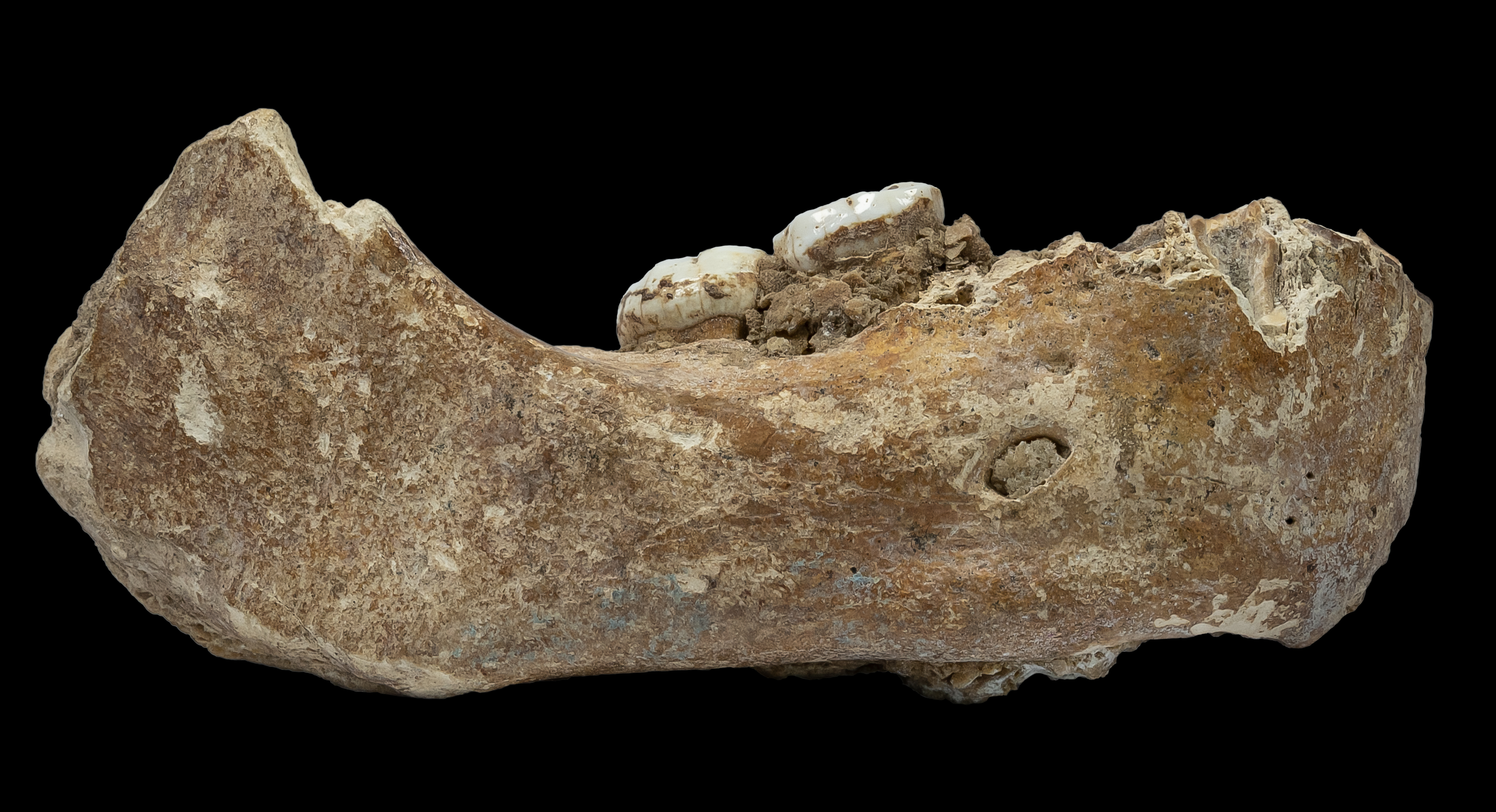
Here’s the gut-punch: a splinter of finger bone from a Siberian cave was enough to reveal a previously unknown human lineage. That tiny clue launched the Denisovan into the scientific spotlight and proved the fossil record can surprise us even when the bones feel too small to matter. Teeth, jaws, and partial skulls scattered across Eurasia filled in the rest of the cast, with Neanderthals as the most familiar co-stars. The fragments are maddeningly incomplete, but each one carries context – sediments, pollen, and stone tools that frame a life once lived.
I still remember the first time I held a cast of a Neanderthal molar; it felt both ordinary and unsettlingly heavy, like a paperweight from another timeline. You realize that history’s most important evidence doesn’t always look like much at first glance. What hooks you is the pattern that emerges when enough fragments line up, and that pattern says we shared continents and resources with other humans for thousands of years. The question is no longer if but how often, and on what terms.
From Ancient Tools to Modern Science
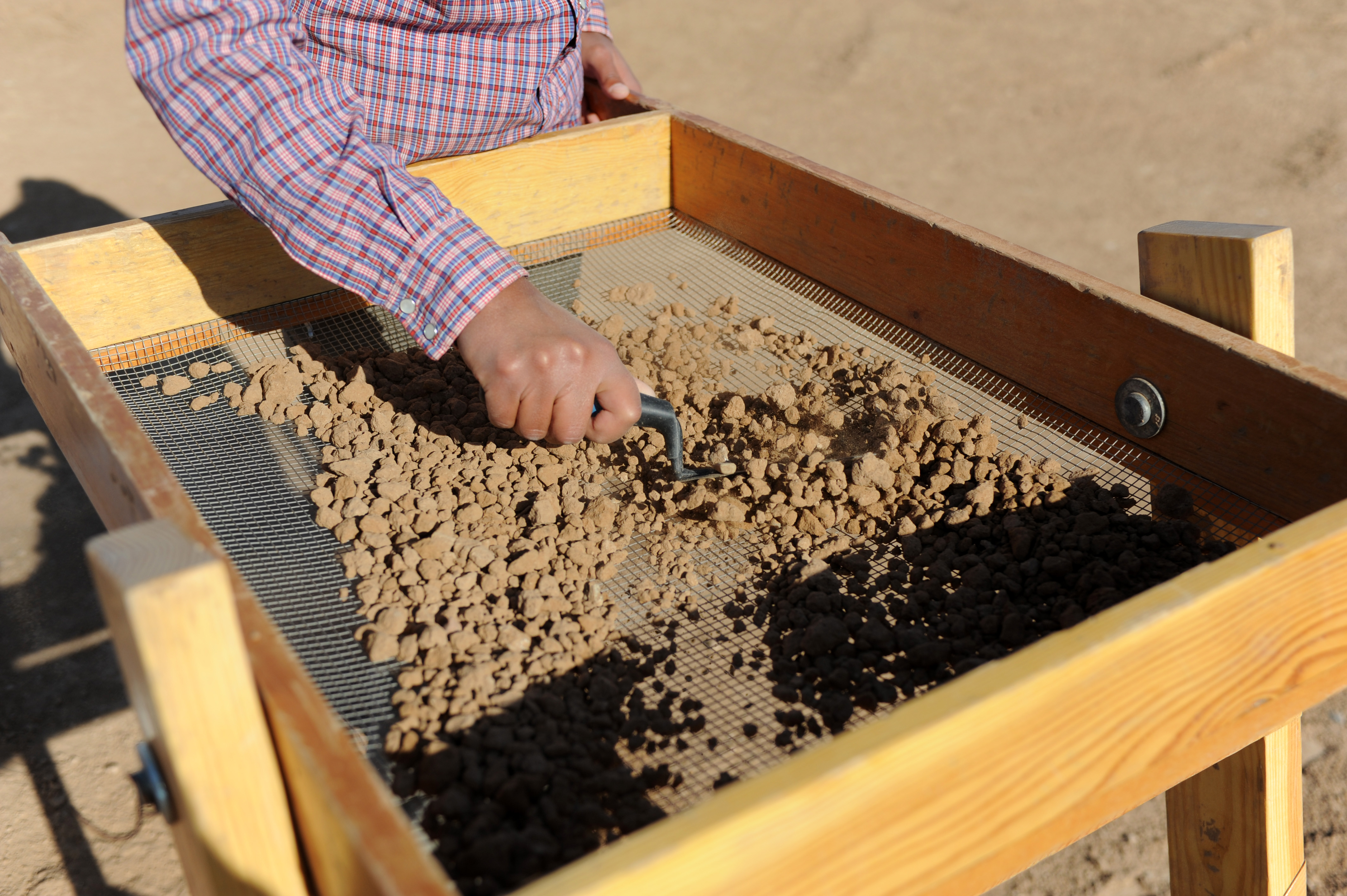
For decades, archaeologists read stone tools like a detective reads footprints, parsing flake scars for clues about minds and hands. Today, that skill meets a high-tech arsenal: radiocarbon and uranium-series dating to pin down timelines, luminescence to clock when sediments last saw sunlight, and protein analysis to identify species from worn enamel. Ancient DNA has become the breakthrough method, even when bones are missing; scientists now pull genetic fragments straight from cave dirt and piece together who passed through.
Algorithms clean up damaged DNA, stitch short fragments into coherent sequences, and compare them across thousands of modern genomes. Suddenly we can spot the genetic fingerprints of ancient meetings – real people navigating real landscapes together. The new toolkit doesn’t replace traditional archaeology; it triangulates it, turning isolated clues into converging lines of evidence. That convergence is what makes the story robust rather than romantic.
Who We Met: Neanderthals, Denisovans, and Island Mysteries
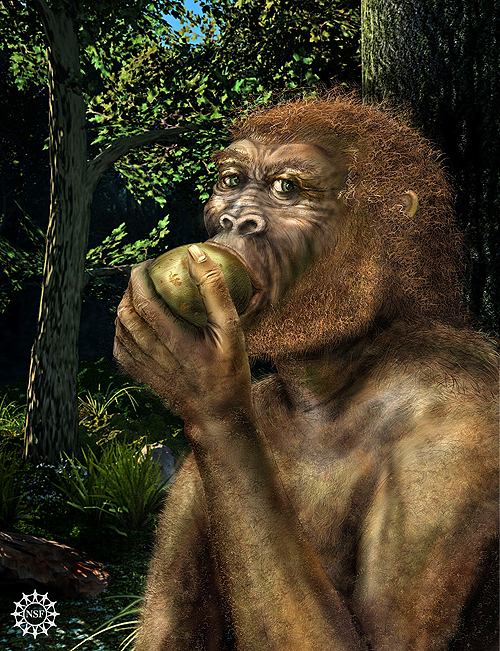
Neanderthals roamed cold steppe and forest from Western Europe to the Altai until roughly forty thousand years ago, well within the time span of modern human arrivals. Denisovans, known mostly from DNA and a handful of fossils, ranged across parts of Asia and left a strong genetic legacy in populations from the Himalaya to Oceania. On islands to the south, the diminutive Homo floresiensis in Indonesia and Homo luzonensis in the Philippines survived late into the Pleistocene, close to the time modern humans reached those shores.
In Africa, the story branches further, with hints of diverse archaic lineages that likely overlapped with early Homo sapiens. Even South Africa’s Homo naledi, older than our Eurasian encounters, raises intriguing questions about regional diversity and behavior. Put simply, our species walked into a world already full of human relatives, and in several places, we met them face to face. The planet felt crowded in ways we’re only now learning to see.
The DNA Echoes in Us
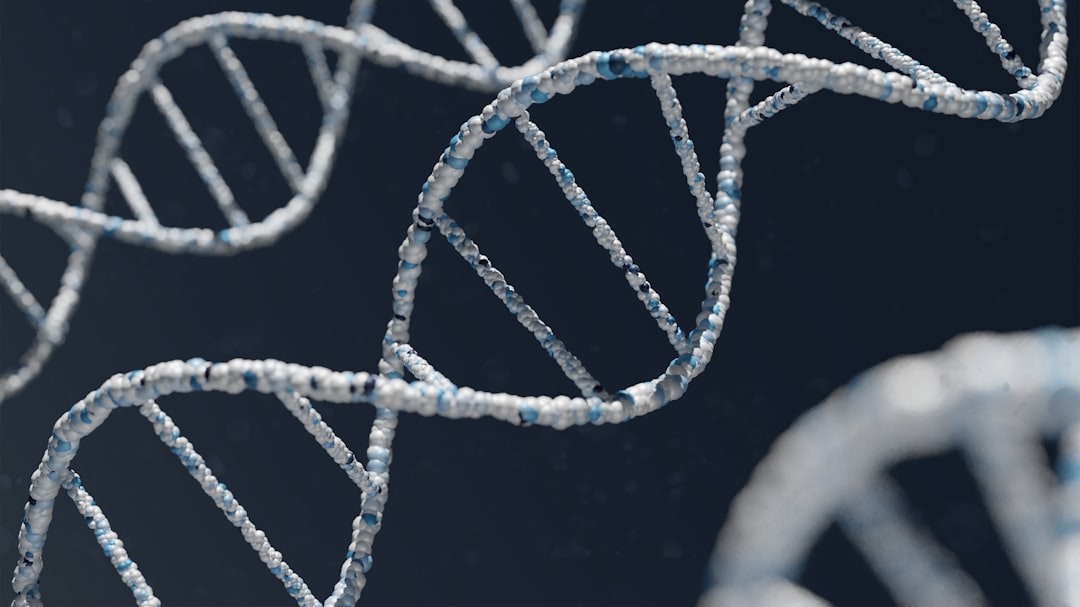
If you have ancestors from Europe or Asia, a small sliver of your genome likely traces to Neanderthals; in some populations of Oceania and parts of Asia, Denisovan ancestry adds another layer. Those fragments are not just souvenirs – they influence traits from immune responses to how our bodies handle altitude and sunlight. A high-altitude adaptation common in Tibetan populations appears to have roots in Denisovan DNA, a biological receipt for a long-ago exchange.
Other introgressed segments affect skin and hair, and some are tied to immune system genes that helped early migrants survive new pathogens. Not every inheritance is a gift; a few variants are linked to disease risk in modern environments, a reminder that evolution optimizes for yesterday’s challenges. In Africa, signals of “ghost” archaic introgression hint at meetings with yet-unidentified groups, preserving a record of encounters even where fossils are scarce. Our genome reads like palimpsest rather than clean slate.
Contact Zones and Culture Change
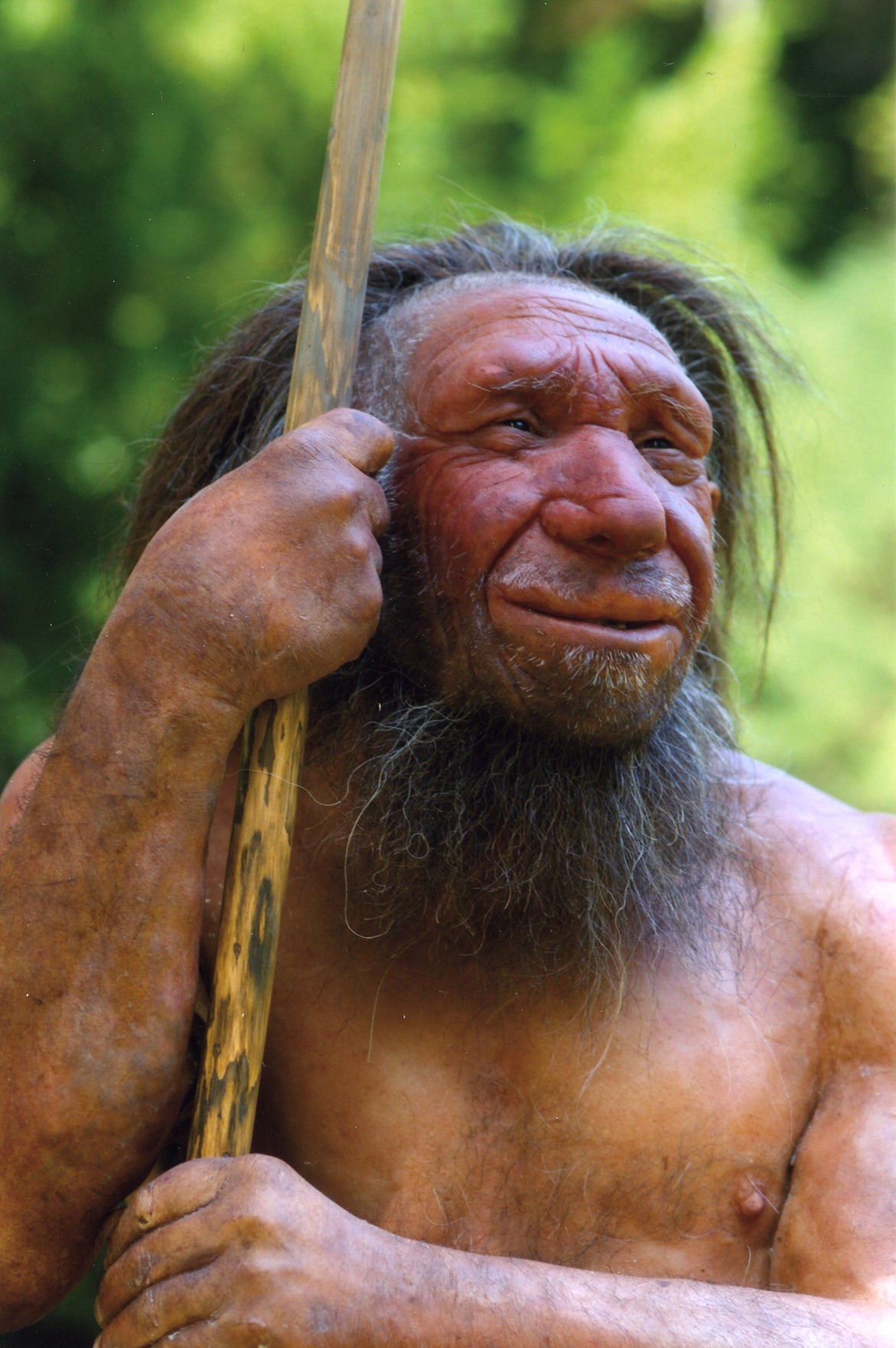
Where people overlap, so do ideas and technologies. Archaeological layers in parts of Europe show abrupt shifts in tools and ornaments around the time modern humans and Neanderthals shared terrain, suggesting either imitation, trade, or competition infusing craft traditions. Some mixed-ancestry individuals appear in the fossil record, including remains with a very recent Neanderthal ancestor, underscoring that contact was intimate as well as incidental.
Debates continue over who made which artifacts, and whether certain cave markings represent symbolic expression or something practical we haven’t recognized yet. The safest reading is that cultural capacities overlapped more than old stereotypes allowed, and at times they likely cross-pollinated. Picture frontier towns rather than walls: meeting points where materials, mates, and methods moved along with people. Culture, like genes, travels.
Why It Matters
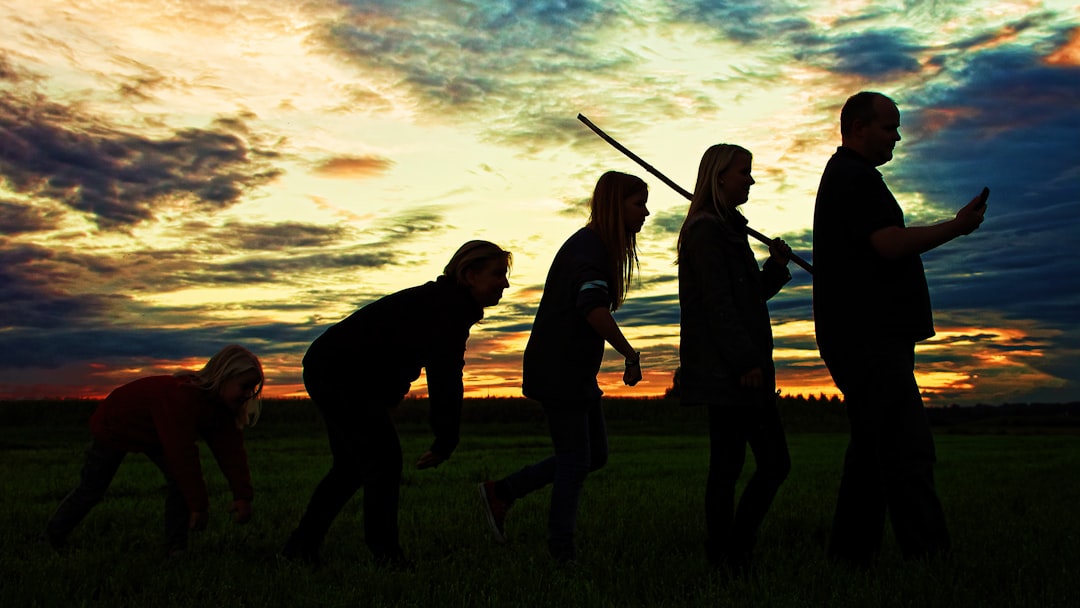
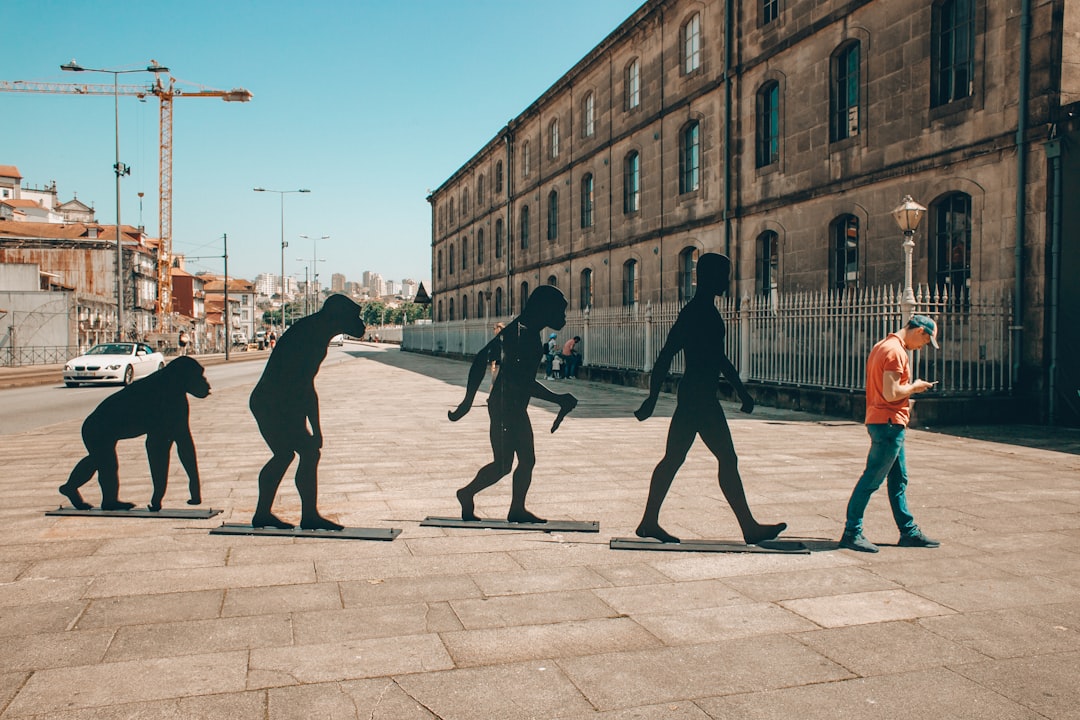
This isn’t just a niche prehistory update; it reframes what it means to be human. The tidy ladder of progress gives way to a branching tree, where intelligence and creativity evolved in parallel across related species. That picture invites humility, because it means our uniqueness lies not in being the only thinkers, but in how our lineage navigated crowded landscapes and changing climates.
Practically, introgressed DNA helps researchers understand immune function, metabolism, and altitude adaptation, informing medicine and public health. It also sharpens our sense of risk, since some inherited variants interact with modern lifestyles in unintended ways. Finally, the story challenges old narratives that painted relatives as dull or doomed; survival is complex, and history rarely crowns winners for the reasons we expect. Understanding that complexity makes us wiser stewards of the present.
The Future Landscape
Next-generation methods will push deeper into time and tougher environments. Ultra-short DNA recovery, long-read sequencing, and improved contamination controls are expanding what can be read from bone, teeth, sediments, and even calcified dental plaque. Paleoproteomics will fill gaps where DNA fails, especially in hot regions where molecules degrade fast. Underwater and coastal archaeology, often overlooked, could reveal contact zones drowned by post-Ice Age seas.
Expect richer maps of movement and meeting, powered by larger ancient-genome datasets and better methods to date layers precisely. With that comes responsibility: equitable collaborations, clear permissions for sampling, and data governance that respects descendant communities. Scientific momentum will be intense, but so will the need for cautious interpretation as headlines race ahead of evidence. The next decade will test not only our tools, but our judgment.
Conclusion: What We Choose Next
Here’s the takeaway that still gives me chills: we are a species shaped by encounters, not isolation. Supporting museum research, field schools, and local heritage protections keeps the pipeline of evidence open, while citizen science projects help catalog caves, shelters, and sites at risk. You can also pay attention to reporting that distinguishes between debated claims and well-supported findings, because discernment fuels better science.
Most of all, remember that sharing a planet with other intelligent humans is not a fantasy – it’s our backstory, written into bones and blood. That realization doesn’t diminish us; it enlarges the circle of kin we acknowledge and the histories we agree to carry forward. If our past was plural, our future choices should be generous, curious, and brave – what else would you expect from descendants of a world with many kinds of people?
Suhail Ahmed is a passionate digital professional and nature enthusiast with over 8 years of experience in content strategy, SEO, web development, and digital operations. Alongside his freelance journey, Suhail actively contributes to nature and wildlife platforms like Discover Wildlife, where he channels his curiosity for the planet into engaging, educational storytelling.
With a strong background in managing digital ecosystems — from ecommerce stores and WordPress websites to social media and automation — Suhail merges technical precision with creative insight. His content reflects a rare balance: SEO-friendly yet deeply human, data-informed yet emotionally resonant.
Driven by a love for discovery and storytelling, Suhail believes in using digital platforms to amplify causes that matter — especially those protecting Earth’s biodiversity and inspiring sustainable living. Whether he’s managing online projects or crafting wildlife content, his goal remains the same: to inform, inspire, and leave a positive digital footprint.