
You’ve probably wondered whether humans could unlock abilities beyond our traditional five senses. While animals navigate using magnetic fields, echolocate in total darkness, and detect electrical signals from miles away, we seem stuck with our limited sensory toolkit. Yet fascinating research reveals the potential for humans to develop remarkable new sensory abilities through both natural adaptation and cutting-edge technology.
The boundary between science fiction and scientific reality is blurring as researchers explore ways to enhance human perception. From studies showing people can learn bat-like echolocation to breakthrough discoveries about brain plasticity, the possibility of developing a sixth sense isn’t as far-fetched as you might think.
The Amazing World of Animal Sixth Senses

Scientists call this ability a “sixth sense” that helps animals navigate, find food, sense danger, and even predict natural disasters. Sharks possess tiny, gel-filled organs called the ampullae of Lorenzini, which allow them to detect the faint electrical signals given off by living creatures, meaning a shark can sense the heartbeat of a fish hiding beneath the sand.
Elephants can detect approaching storms up to 150 miles away, according to a 2014 study, with researchers finding that elephants could sense incoming storms several days before the downpour and would adjust their patterns to prepare for the weather. Scientists at the University of Oxford discovered that pigeons use magnetoreception – an ability to sense Earth’s magnetic field – to find their way.
Human Echolocation: Our First Real Sixth Sense

Scientists have proven humans can learn bat-like echolocation, unlocking new ways to sense objects and shapes using sound – even in total darkness, and it’s possible for humans to develop echolocation as a type of sixth sense. Human echolocation is a learned ability for humans to sense their environment from echoes, used by some blind people to navigate their environment and sense their surroundings in detail, with studies in 2010 and 2011 using functional magnetic resonance imaging techniques showing that parts of the brain associated with visual processing are adapted for the new skill of echolocation.
Researchers in Japan demonstrated this feat in a 2021 paper published in the journal PLoS One, proving that humans can use echolocation to identify the shape and rotation of various objects without light, with participants able to reliably identify two cylinders using time-varying echolocation signals bouncing off rotating cylinders by listening to the pitch.
The Brain’s Remarkable Plasticity
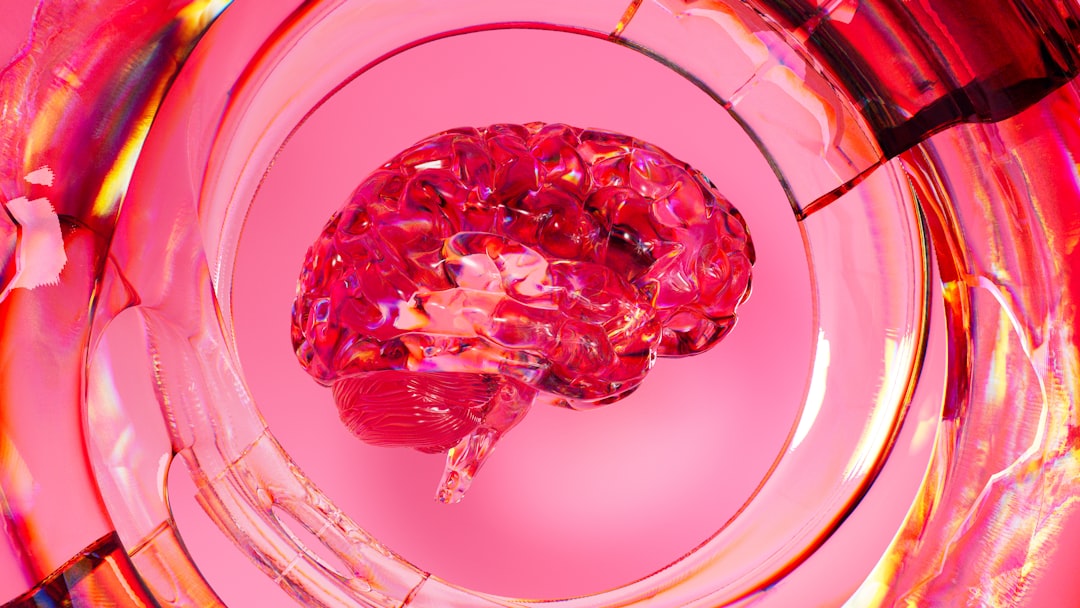
Neuroplasticity is involved in the development of sensory function, as the brain is born immature and then adapts to sensory inputs after birth. Neuroplasticity is the brain’s capacity to continue growing and evolving in response to life experiences, which is the ability for the brain to adapt or change over time by creating new neurons and building new networks.
It’s a phenomenon known as neural reuse or neural repurposing, in which the brain adapts and heightens remaining senses, with research showing that a portion of the brain involved with visual processing can restructure itself to treat echoes resulting from clicks as visual stimuli, essentially allowing the brain to “see” the echoes as they bounce back. This incredible adaptability suggests your brain could potentially learn to process entirely new types of sensory information.
Cross-Modal Brain Reorganization
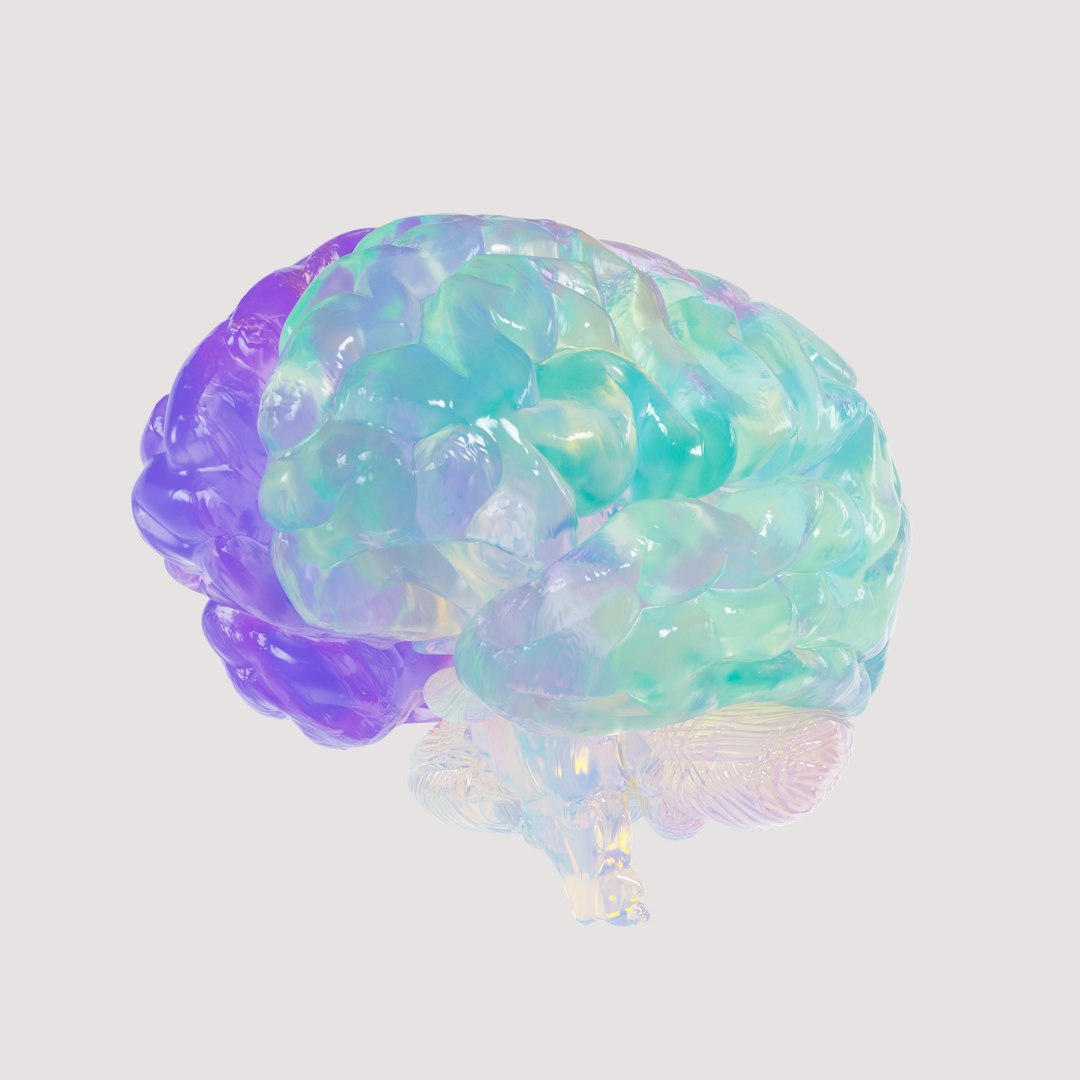
Due to vision loss, the visual cortex in blind people may undergo cross-modal plasticity, and therefore other senses may have enhanced abilities, with one study suggesting that the right posterior middle temporal gyrus and superior occipital gyrus reveal more activation in the blind than in the sighted people during a sound-moving detection task.
Research finds that sensory and cognitive experience cause plasticity in anatomically and functionally distinguishable substrates, suggesting that after plastic reorganization, cortical regions adapt to process a different type of input signal, but preserve the nature of the computation they perform, both at a sensory and cognitive level. This means your brain could theoretically rewire itself to process magnetic fields or electrical signals through existing neural pathways.
Technological Enhancement of Human Senses
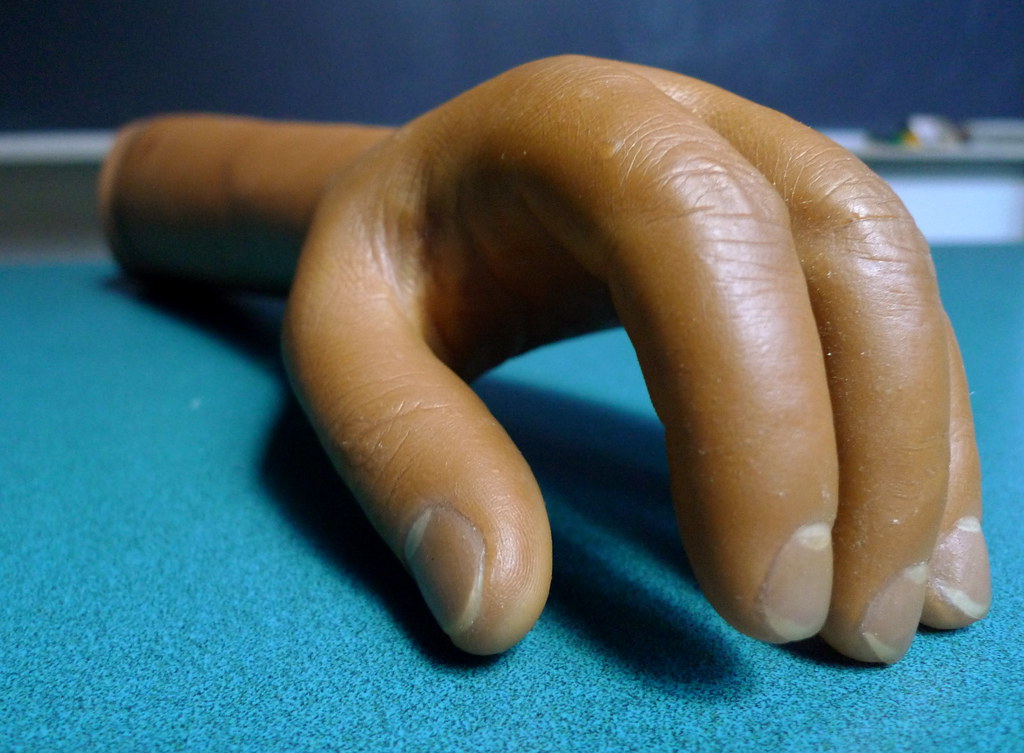
This research could not only lead to more advanced electronic skin but could be used to build prosthetic limbs which are capable of near-human levels of touch sensitivity, while it is unlikely that humans will benefit from enhanced super senses like Spider-Man, engineering artificial senses could pave the way for sensitive, bionic skin and more dexterous prostheses.
Taste and smell are being explored through electronic tongues and noses used in food and pharmaceutical industries for quality control, with research underway to develop devices that can “smell” diseases for early detection, making the invisible become tangible and the once elusive senses now within our technological grasp. The cognitive aspects of technology, particularly Large Language Models, are orchestrating the other five senses to provide an integrated cognitive and sensory experience, with LLMs like GPT-4 enhancing our understanding of the world by bridging the gap between sensory input and cognitive insight.
Mapping the Hidden Sixth Sense: Interoception
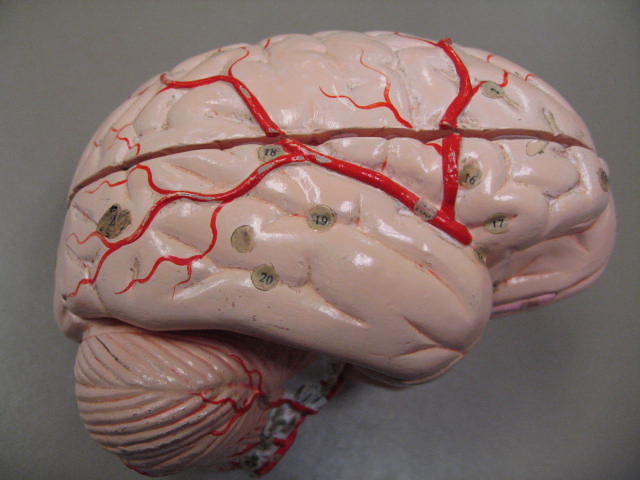
A team of U.S. scientists led by Nobel laureate Ardem Patapoutian is embarking on a groundbreaking project to create the first comprehensive map of the system that enables the brain to detect internal signals such as breathing, pulse, and blood pressure, supported by a substantial $14.2 million grant from the National Institutes of Health, aiming to explore the intricacies of interoception – often referred to as the human body’s “hidden sixth sense.”
Proprioception is popularly known as our sixth sense, which simply put, allows us to keep track of where our body parts are in space with our eyes shut, and without it, we could not determine each part’s position, speed and direction and control our movements precisely. It takes a special set of nerve cells for us to know where our body parts are without looking at them, and this propioceptive system is sometimes referred to as our “sixth sense.”
Genetic and Molecular Foundations
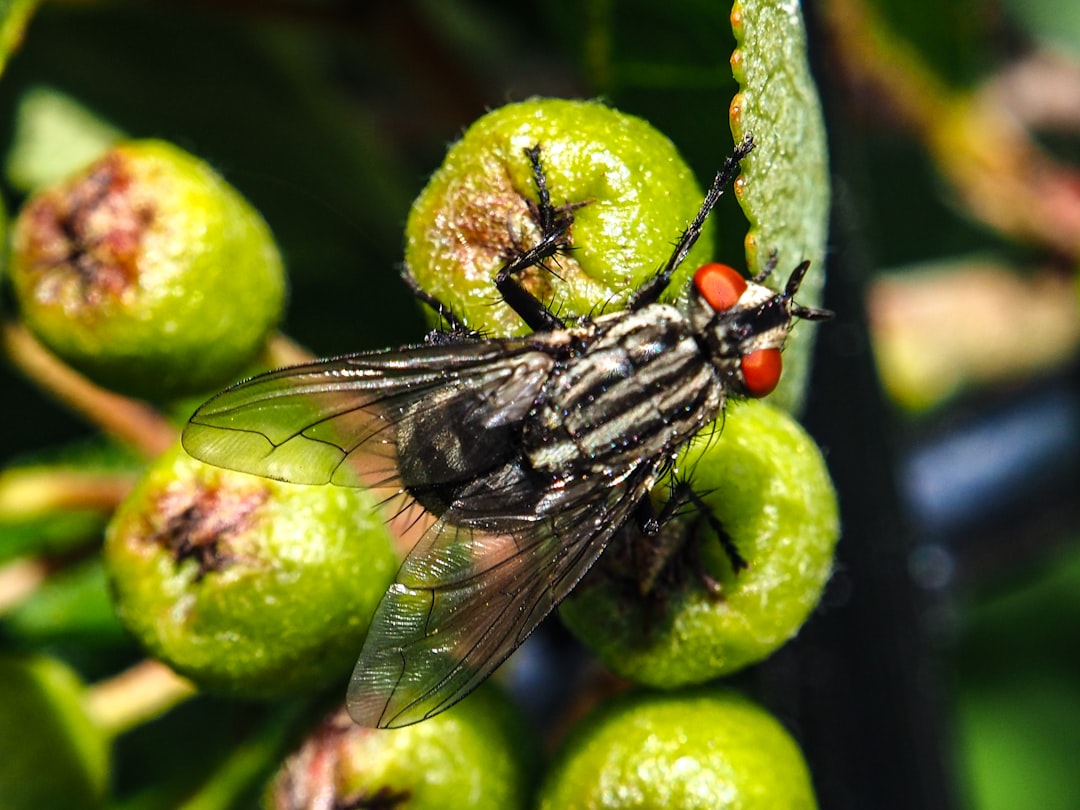
A study using fruit flies, led by researchers at The Universities of Manchester and Leicester, has suggested that the animal world’s ability to sense a magnetic field may be more widespread than previously thought, with the paper making significant advances in our understanding of how animals sense and respond to magnetic fields, showing for the first time that a molecule present in all living cells called Flavin Adenine Dinucleotide can, at high enough amounts, impart magnetic sensitivity on a biological system.
“One of our most striking findings, and one that is at odds with current understanding, is that cells continue to ‘sense’ magnetic fields when only a very small fragment of Cryptochrome is present, showing cells can, at least in a laboratory, sense magnetic fields through other ways.” This suggests humans might already possess dormant molecular machinery for magnetic sensing that could potentially be activated.
The Role of Sensory Training and Experience

Synaptogenesis is an incredibly dynamic process in the human cerebral cortex in infancy and childhood, with the postnatal period being marked by enhanced experience-dependent sensitivity to sensory information, and synaptic strength and efficacy alterations occurring during development, allowing the developing brain to adapt to environmental stimuli.
Learning is the key to neural adaptation, with plasticity being the mechanism for encoding, the changing of behaviours, and both implicit and explicit learning, while neuroplasticity is also a phenomenon that aids brain recovery after damage produced by events like stroke or traumatic injury. “Neurons that fire together, wire together.”
Challenges and Limitations

The scientific evidence for an animal sixth sense is slim, says neurobiologist John Caprio, who studies taste and smell in fish. If reports about animals escaping danger are actually true, the animals must be responding to real sensations, rather than using some mysterious type of otherworldly perception, as over generations, animals have developed their senses in ways that allow them to detect sounds, smells, vibrations, or other sensations that people can’t detect.
Magnetoreception – as the sixth sense is called – is much more difficult to detect than the more familiar five senses of vision, smell, hearing, touch and taste, because a magnetic field carries very little energy, unlike photons of light or sound waves used by the other senses which pack a big punch. This fundamental challenge means developing magnetic sensing abilities would require extraordinary sensitivity.
Future Possibilities and Implications
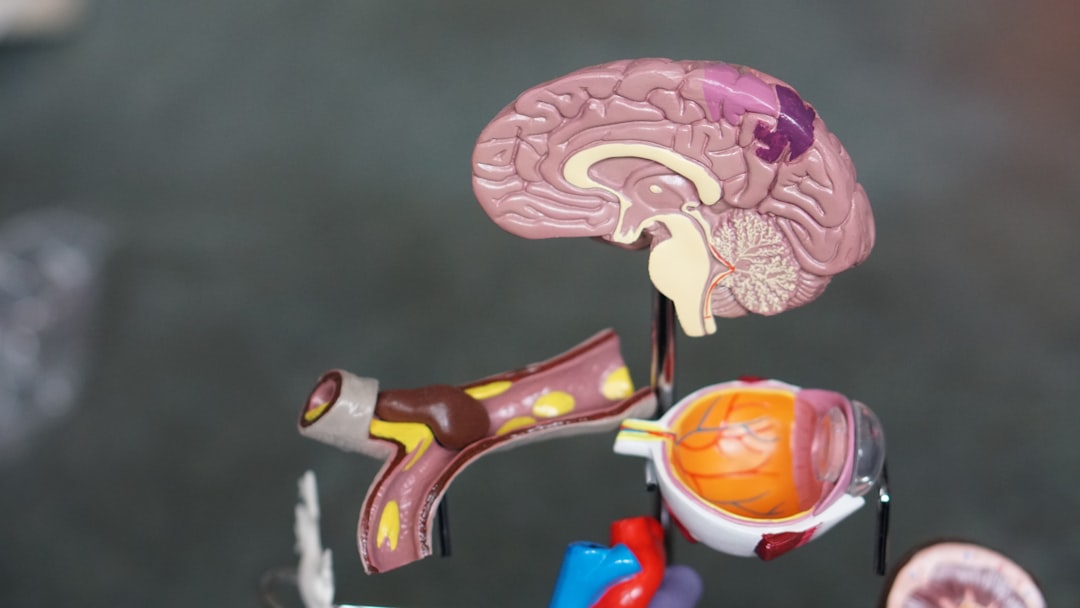
Sensory enhancement can consist in either an enhancement that improves a sense or that extends that sense to perceive light, sound, tactile stimuli, or chemical traces that are beyond the human range. The precise identification of sensory pathways could lead to innovative treatments that improve life quality by maintaining or correcting vital process controls under pathological conditions, with the long-term goal being that this atlas will enable the development of better diagnostics and therapies for diseases associated with dysfunction in organ-brain communication.
The importance of neuroplasticity can’t be overstated: It means that it is possible to change dysfunctional patterns of thinking and behaving and to develop new mindsets, new memories, new skills, and new abilities. The brain changes most rapidly in childhood, but it’s now clear that the brain continues to develop throughout life, with day-to-day behaviors having measurable effects on brain structure and function at any time.
Conclusion
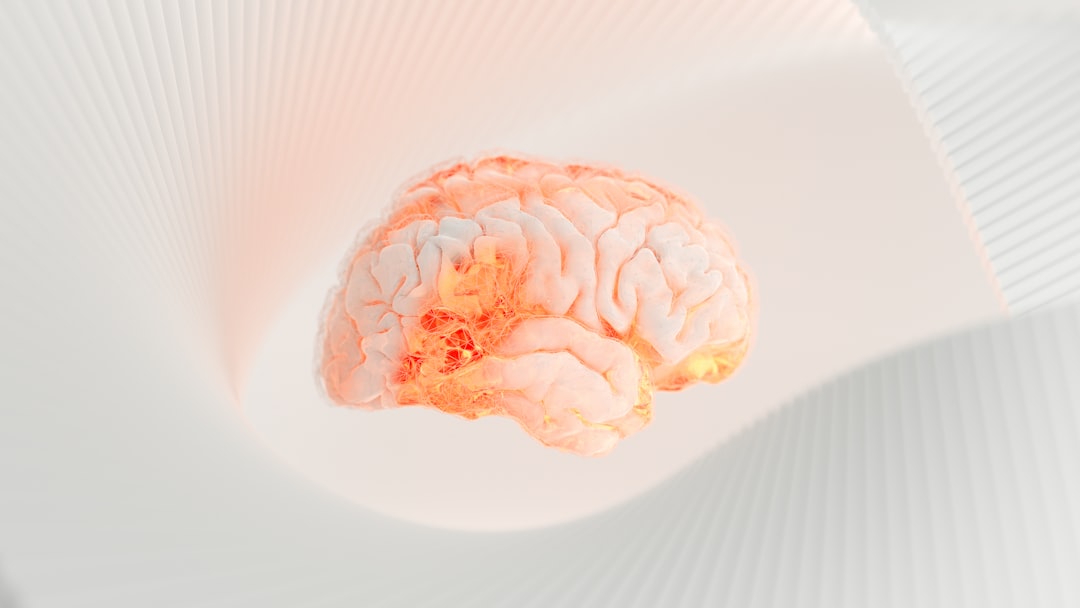
The question of whether humans could ever develop a sixth sense like animals is no longer purely theoretical. While we may never naturally evolve magnetic navigation like sea turtles or electrical sensing like sharks, research demonstrates that our brains possess remarkable plasticity. Through training, technology, and potentially genetic understanding, you could develop enhanced sensory abilities that extend far beyond your current limitations.
The future might see humans with artificial magnetoreception through implanted devices, enhanced proprioception through targeted training, or even new forms of perception we haven’t yet imagined. The convergence of neuroscience, technology, and our growing understanding of sensory biology suggests that developing a sixth sense isn’t impossible – it’s inevitable.
What do you think about the possibility of enhancing your own sensory abilities? Tell us in the comments.
Jan loves Wildlife and Animals and is one of the founders of Animals Around The Globe. He holds an MSc in Finance & Economics and is a passionate PADI Open Water Diver. His favorite animals are Mountain Gorillas, Tigers, and Great White Sharks. He lived in South Africa, Germany, the USA, Ireland, Italy, China, and Australia. Before AATG, Jan worked for Google, Axel Springer, BMW and others.