

Seconds before the ground shivers, some dogs pace, whine, or sprint for the door – and people notice. Scientists, meanwhile, are racing to separate real signals from the noise of everyday animal behavior. Seismology already offers precious seconds of early warning, but the promise of minutes – or even hours – would be a game changer for safety and preparedness. The challenge is simple to state and hard to solve: are dogs reacting to subtle geophysical cues, or to our own nerves and routines? New sensors, bigger datasets, and careful statistics are giving us the first clear glimpses into this mystery. What’s emerging is neither pure myth nor easy miracle, but a nuanced story of biology brushing up against tectonic physics.
The Hidden Clues
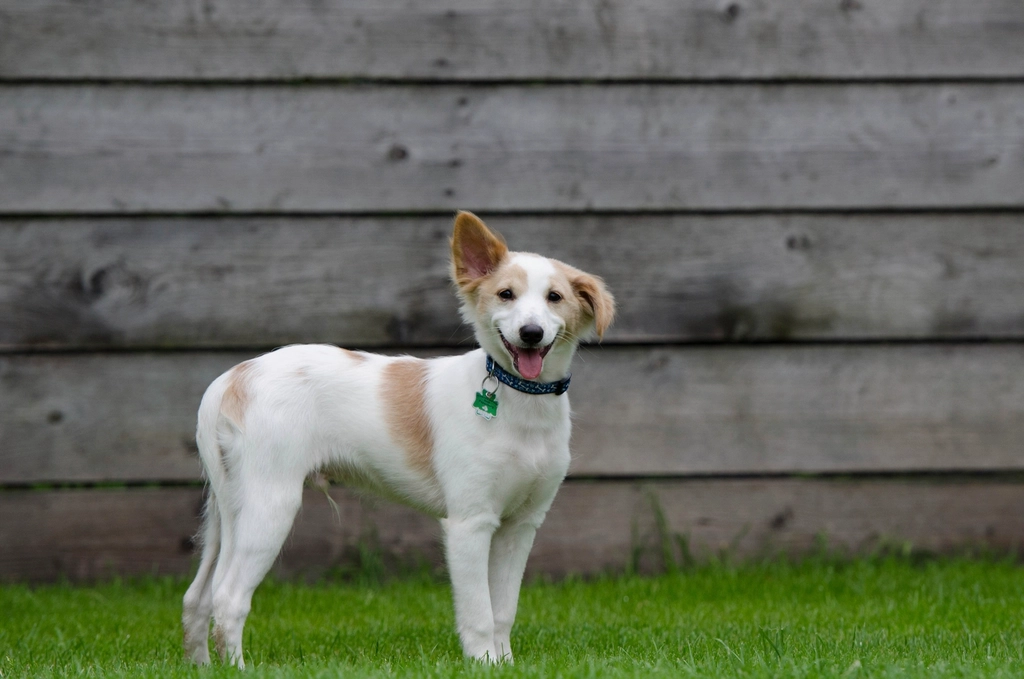
Could a dog’s uneasy pacing be the first whisper of a fault waking up? Owners often report sudden restlessness, barking fits, or attempts to escape a building shortly before shaking begins. Those stories are compelling because they’re visceral, and in the moment they feel like warnings we almost understood.
I’ve felt that tug of curiosity myself after watching a neighbor’s terrier bolt for the yard two minutes before a minor jolt in California. But anecdotes alone can’t sort coincidence from cause, and memory tends to emphasize the hits over the misses. Real answers demand timestamps, controls, and enough data to challenge our intuitions.
From Ancient Lore to Modern Science
Unusual animal behavior before earthquakes appears in records from imperial China to classical Mediterranean chronicles. In the twentieth century, civil authorities in parts of Asia even collected animal reports alongside other possible precursors, hoping to glean early signals. The track record was mixed, and later reviews questioned how much those accounts truly contributed to actionable alerts.
Today’s approach looks very different: collars, barn tags, and smart-home cameras quietly log motion and vocalizations around the clock. When a quake hits, researchers can rewind the tape and check whether activity rose in the hours beforehand. That shift – from narrative memory to instrumented behavior – sets the stage for real tests.
What the Data Really Shows
Modern studies suggest a pattern that is intriguing but inconsistent. Some tracked animals, including dogs, show spikes in movement minutes to hours before moderate quakes, while others remain entirely normal. The strongest hints tend to appear when animals live close to the epicenter and when multiple individuals in the same setting become unusually active together.
Yet other analyses, especially those based on social media or clinic logs, often reflect human behavior more than canine senses. People post, call, and visit when they are anxious, and that anxiety can precede shaking if rumors or foreshocks spread. The statistical bottom line so far: there may be signal here, but it is faint, conditional, and easy to mistake for noise.
Possible Senses: The Physics Dogs Might Detect
If dogs are picking up early cues, what could those be? One candidate is the fast but weak primary wave – an elastic ripple that arrives before the damaging secondary waves – producing subtle vibrations or sounds that sharp ears detect. Another possibility is infrasound from micro-fractures in rock, below human hearing but potentially noticeable to animals.
Some geophysicists point to electrostatic changes as crustal stress builds, charging dust and air and perhaps generating a distinctive smell or tingling sensation. Gas releases, like elevated carbon dioxide near faults, could also alter the odor landscape that dogs navigate so expertly. None of these mechanisms is proven in the wild, but each is testable with paired environmental and behavior sensors.
Global Perspectives
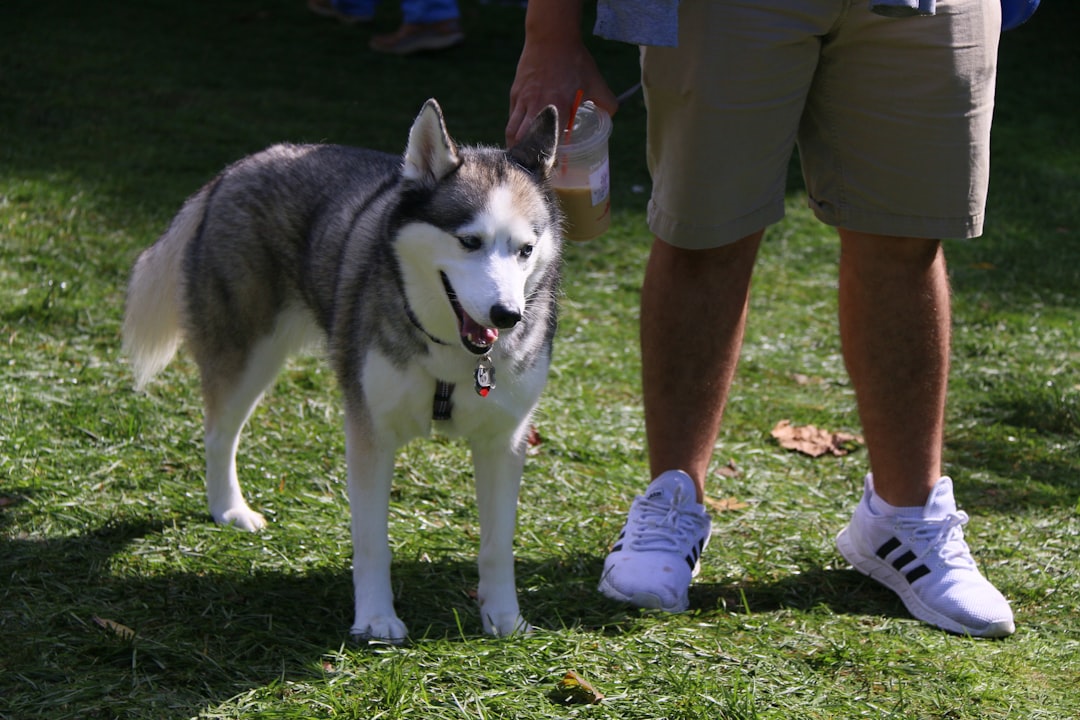
Earthquake-prone regions take different views on animal precursors. Countries with sophisticated early-warning networks prioritize instrument signals, which can arrive seconds before strong shaking and trigger automatic shutdowns. In more rural or resource-limited areas, people still lean on observational knowledge, including animal behavior, as part of community awareness.
Cross-cultural collaborations are starting to matter because they expand the range of quakes, terrains, and husbandry practices under study. A farm of working dogs in the Apennines is not the same as apartment pets in Tokyo, and pooling these contrasts helps separate universal cues from local quirks. The broader the lens, the clearer the pattern – if there is one.
Why It Matters
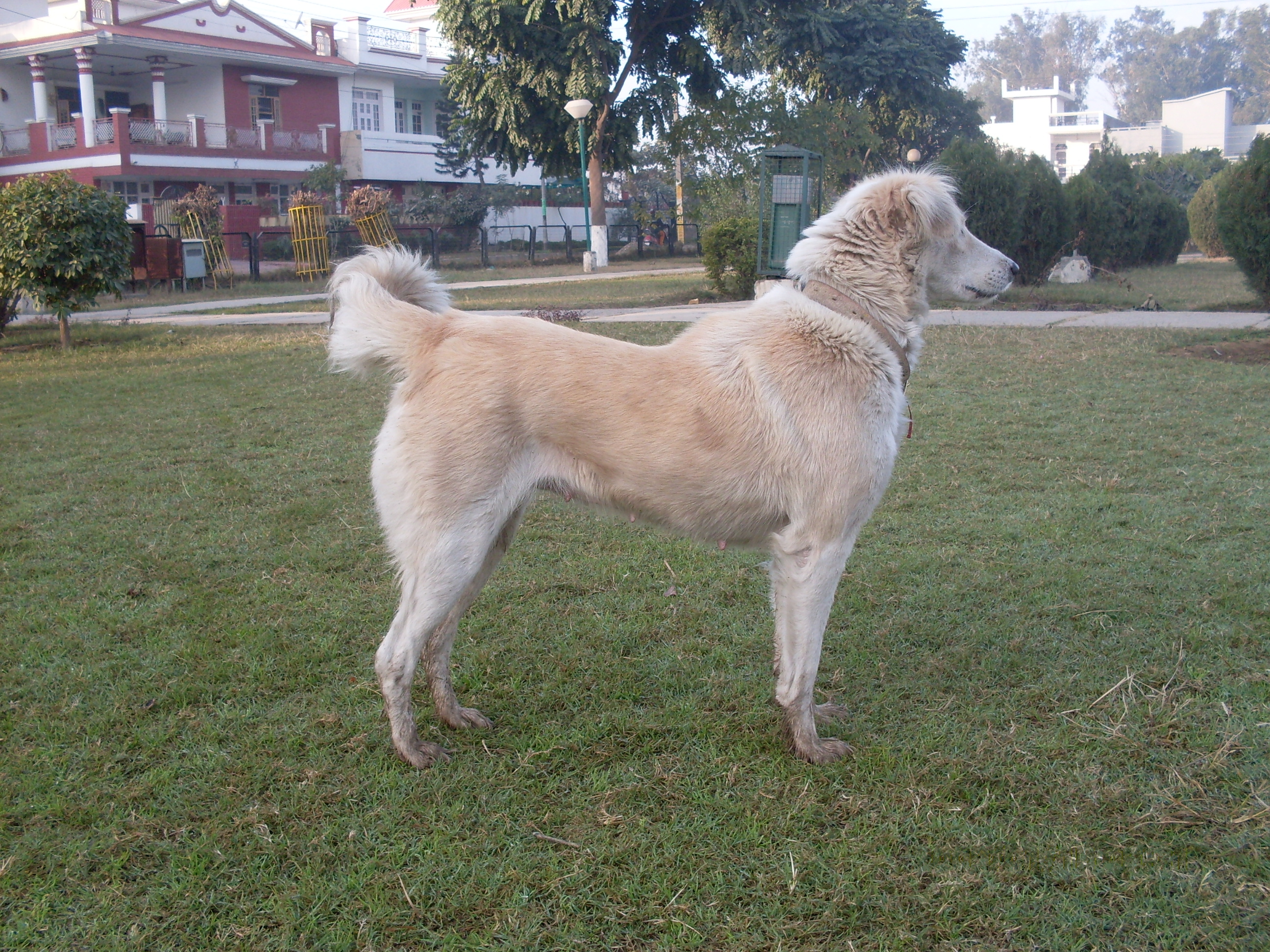
Minutes of reliable warning can change outcomes: trains slow, surgeries pause, families step away from glass and take protective cover. Traditional early-warning systems extract those seconds by detecting the first, faster waves and broadcasting alerts before the stronger waves arrive, but lead time is limited by physics and distance. If dogs provide signals earlier – say, tens of minutes – the payoff could be enormous, especially for places without dense sensor networks.
Yet false alarms carry costs, from public fatigue to needless evacuations. That’s why scientists compare any animal-based approach against baselines like historical false-positive rates and the performance of seismic arrays. The goal isn’t to replace instruments; it’s to test whether canine behavior adds a sliver of predictive value when combined with established methods.
The Future Landscape
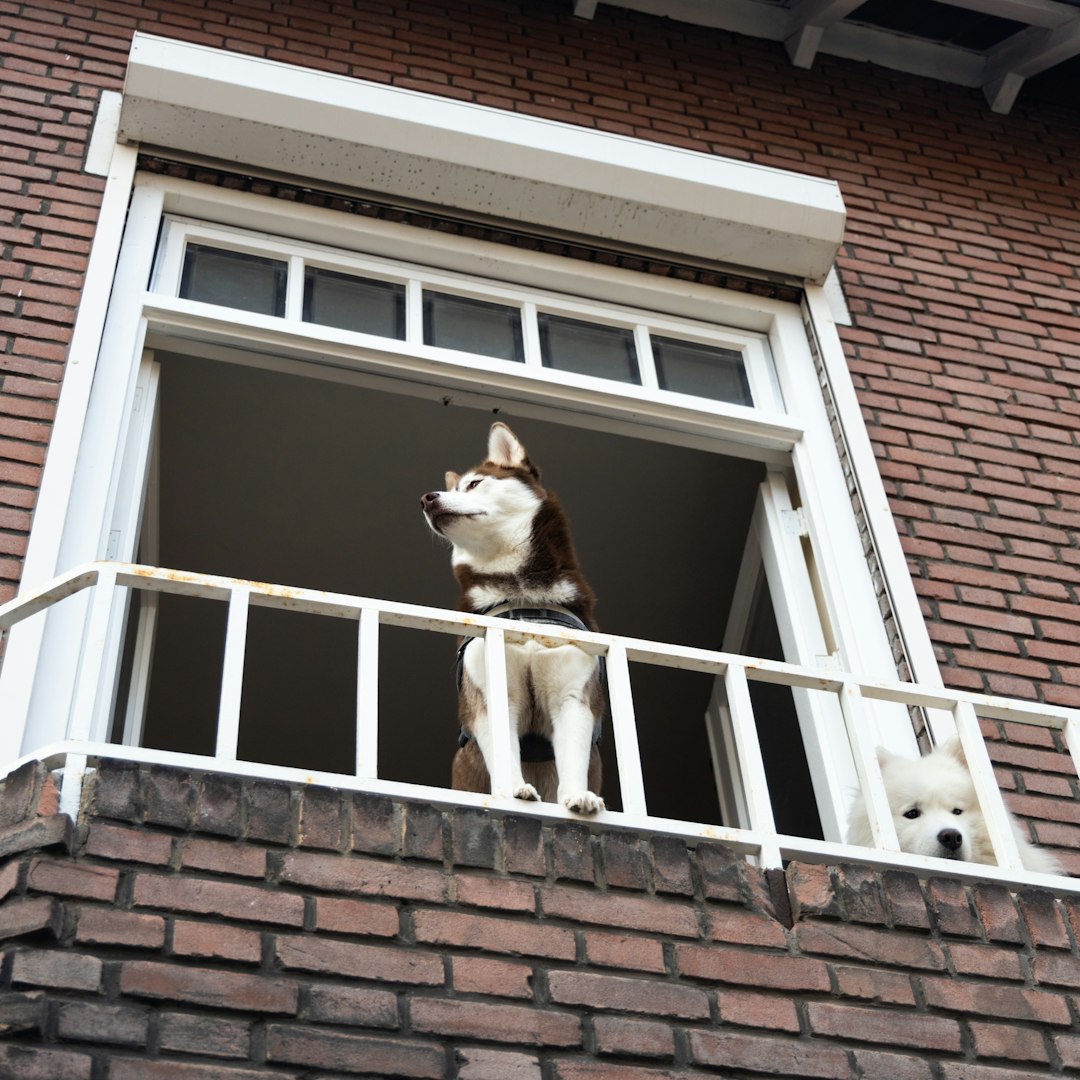
Picture this near-term setup: smart collars streaming motion, posture, and heart-rate data to a cloud platform that also ingests seismic, acoustic, and atmospheric measurements. Algorithms flag only those behavior spikes that occur across many dogs in a region and coincide with suspicious environmental shifts. Alerts, if any, are passed to human analysts and cross-checked against instrument networks before reaching the public.
There are hurdles everywhere – privacy, data ownership, and the hard math of rare-event prediction. Standardized protocols will be crucial so that a restless night before a thunderstorm isn’t misread as a tectonic omen. If researchers can build open datasets and transparent models, we’ll learn faster whether this path truly offers extra minutes when they matter most.
Conclusion: What You Can Do Now
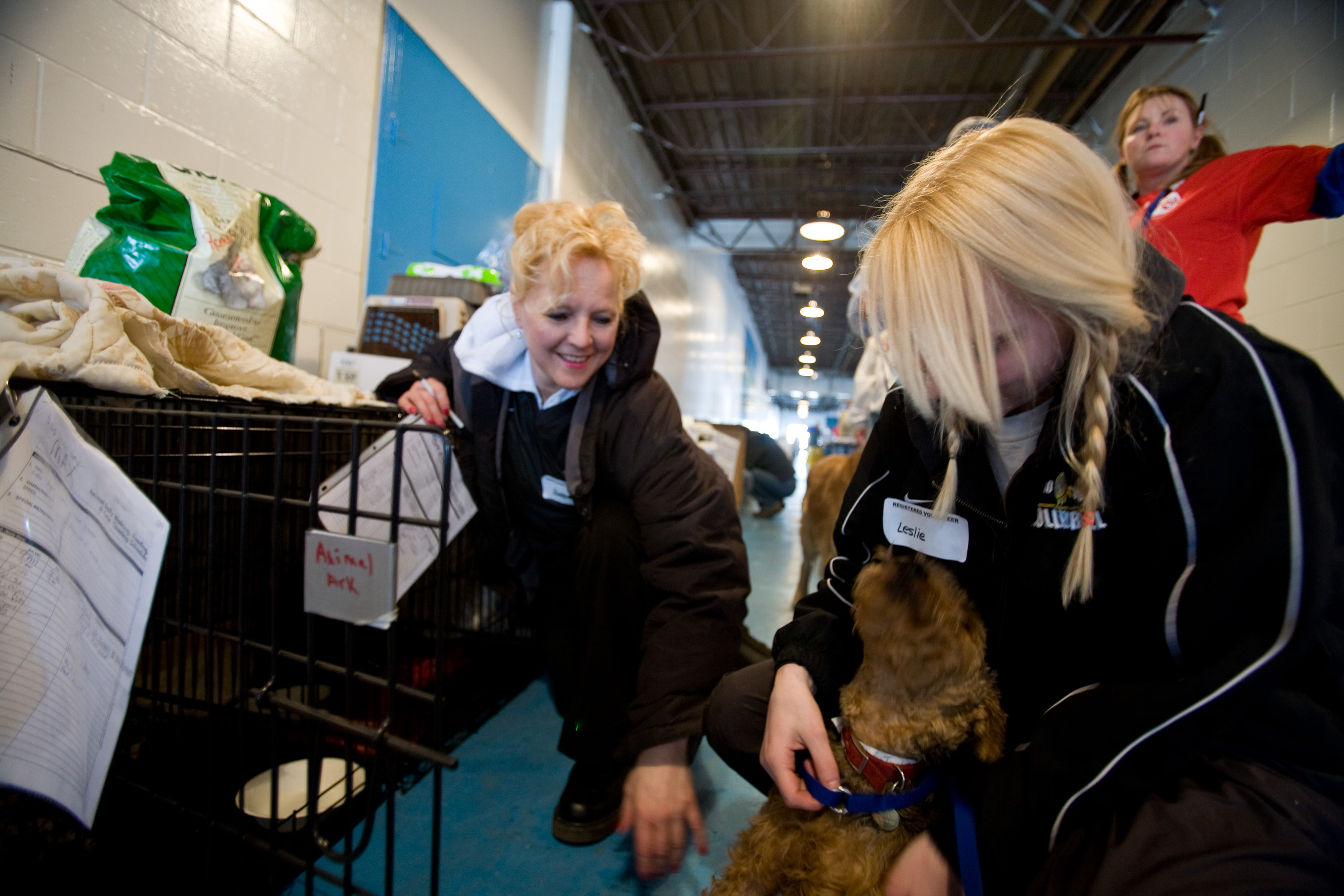
Stay anchored in proven tools by enabling your region’s earthquake alerts on phones and smart speakers, and practice Drop, Cover, and Hold On with every member of your household. If you live with a dog, keep a simple log of unusual pre-quake behavior and note time, location, and context, then share patterns with local researchers when opportunities arise. Prepare a pet-ready emergency kit – water, food, medications, leash, carrier – because readiness beats prediction every time.
Be curious, but stay skeptical of sweeping claims without data, and support community science projects that gather anonymized pet activity alongside environmental measurements. The mystery of whether dogs can truly sense quakes early is a solvable problem if we pair everyday observations with rigorous testing. Wouldn’t it be something if a wagging tail helped buy us a few extra moments of safety?
Suhail Ahmed is a passionate digital professional and nature enthusiast with over 8 years of experience in content strategy, SEO, web development, and digital operations. Alongside his freelance journey, Suhail actively contributes to nature and wildlife platforms like Discover Wildlife, where he channels his curiosity for the planet into engaging, educational storytelling.
With a strong background in managing digital ecosystems — from ecommerce stores and WordPress websites to social media and automation — Suhail merges technical precision with creative insight. His content reflects a rare balance: SEO-friendly yet deeply human, data-informed yet emotionally resonant.
Driven by a love for discovery and storytelling, Suhail believes in using digital platforms to amplify causes that matter — especially those protecting Earth’s biodiversity and inspiring sustainable living. Whether he’s managing online projects or crafting wildlife content, his goal remains the same: to inform, inspire, and leave a positive digital footprint.