You’ve probably heard of dark matter. It’s that mysterious, invisible substance that makes up about eighty percent of all the matter in the universe. What if I told you that some scientists now think it might have existed before the Big Bang itself? Let’s be real, that’s a mind-bending idea.
A groundbreaking theory suggests that dark matter may have formed before the Big Bang, challenging the widely accepted belief that the primordial explosion marked the beginning of everything. This isn’t just some fringe hypothesis anymore. Researchers are developing mathematical models and looking for ways to test these claims. So let’s dive in and explore how this radical concept could rewrite our understanding of cosmic history.
When Everything You Thought You Knew Gets Flipped
The Big Bang is the leading scientific theory explaining how the universe was born, describing how the universe expanded from an extremely hot, dense state about 13.8 billion years ago and has been growing ever since. For decades, cosmologists assumed everything started at that explosive moment. Space, time, energy, matter – all of it sprang into existence then.
But what if something came before? Many cosmologists now think that inflation happened before the Big Bang, since the existence of a Big Bang singularity with infinite density and infinite spacetime curvature seems unrealistic. This phase of rapid expansion could have been the true beginning, with the Big Bang marking a transition point rather than an absolute start. Dark matter, according to this new thinking, might be a relic from that earlier epoch.
The Mathematical Breakthrough That Changed the Game
While the idea that dark matter existed before the Big Bang is not new, other theorists have not been able to come up with calculations that support the idea, with new study showing that researchers have always overlooked the simplest possible mathematical scenario for dark matter’s origins. Sometimes the most obvious answer hides in plain sight. Scientists have been wrestling with dark matter’s origins for years, proposing complex mechanisms and exotic particles.
Using a new, simple mathematical framework, the study shows that dark matter may have been produced before the Big Bang during an era known as the cosmic inflation when space was expanding very rapidly, with the rapid expansion believed to lead to copious production of certain types of particles called scalars. This elegant solution doesn’t require inventing new forces or interactions. It simply places dark matter’s birth at a different moment in cosmic history.
The WIFI Model and Pre-Bang Creation
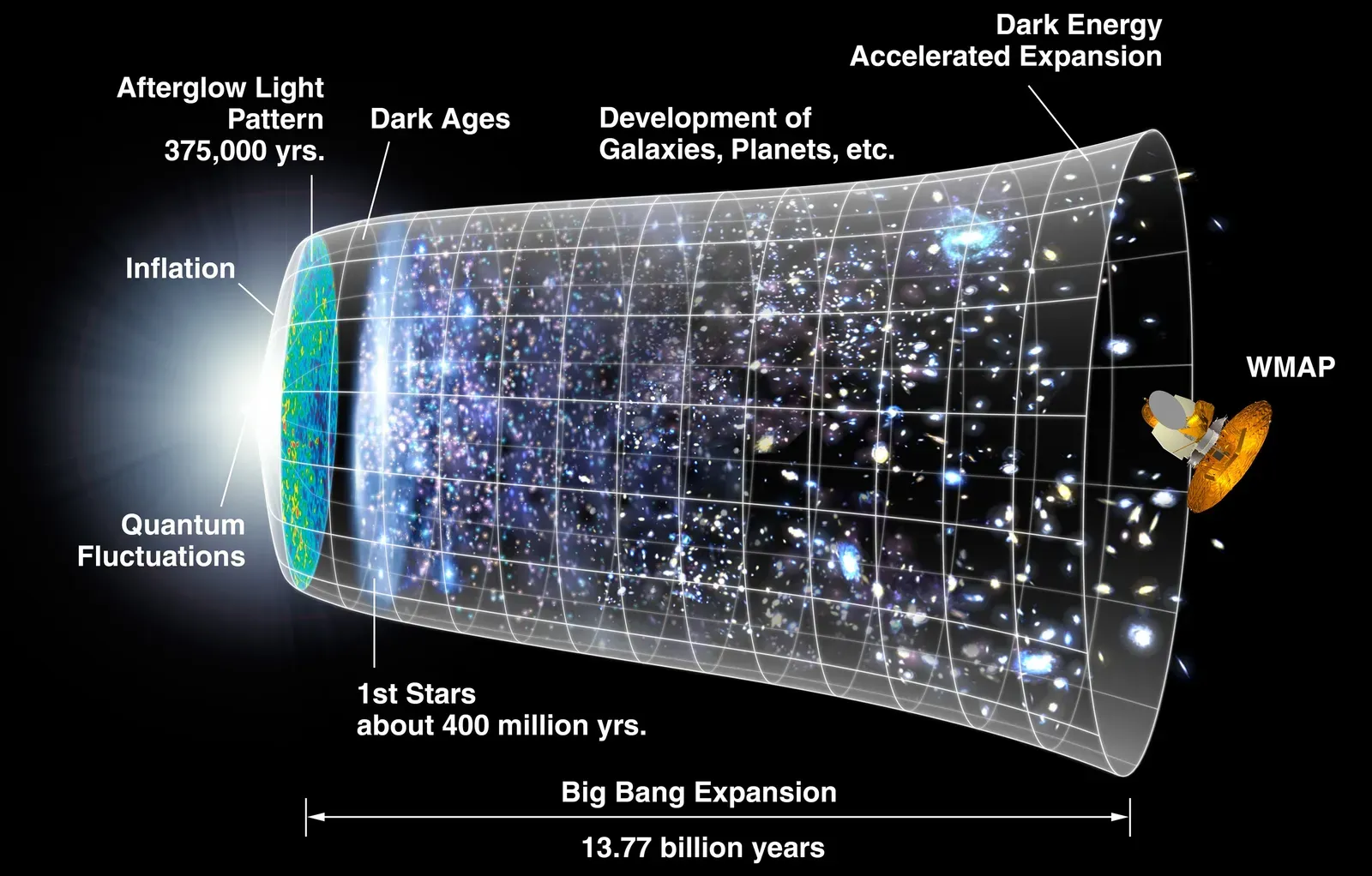
Here’s where things get technical but fascinating. Researchers suggest that dark matter could have been created during the infinitesimal inflation of the universe under a new freeze-in model called warm inflation via ultraviolet freeze-in (WIFI), with study co-author Katherine Freese noting that dark matter is successfully produced during inflation. The name might sound like your internet connection, but it’s actually describing a hot, energetic environment where particles interact in specific ways.
Dark matter particles would be created from tiny interactions between radiation and particles in a warm thermal bath during the inflation period. Think of it like a cosmic soup where rare collisions produced the dark matter we detect today. Critically, Freese and her collaborators were able to find that even though inflation created dark matter, the rapid expansion didn’t dilute those particles, thinning them out to be essentially non-existent, with the amount of dark matter holding steady through the breakneck cosmic expansion. That’s the crucial part – the stuff survived.
Why Traditional Models Kept Coming Up Short
If dark matter were truly a remnant of the Big Bang, then in many cases researchers should have seen a direct signal of dark matter in different particle physics experiments already, with the fact that researchers haven’t seen such a signal yet being troubling. This has been one of the biggest frustrations in modern physics. Despite decades of searching with increasingly sensitive equipment, particle detectors keep coming up empty.
The traditional “freeze-out” and “freeze-in” scenarios assumed dark matter formed after the Big Bang. Astrophysicists have theorized that the level of dark matter present today is a result of freeze-out or freeze-in due to interaction with a thermal bath of plasma in the universe’s hot, dense past, with the freeze-out scenario suggesting dark matter particles interacted with ordinary particles and were in thermal equilibrium in the early universe. Maybe scientists were looking in the wrong cosmic era all along.
Testing a Theory Born Before Time
You’re probably wondering how anyone could possibly test whether dark matter existed before the Big Bang. It sounds impossible, honestly. The new study also suggests a way to test the origin of dark matter by observing the signatures dark matter leaves on the distribution of matter in the universe, noting that while this type of dark matter is too elusive to be found in particle experiments, it can reveal its presence in astronomical observations.
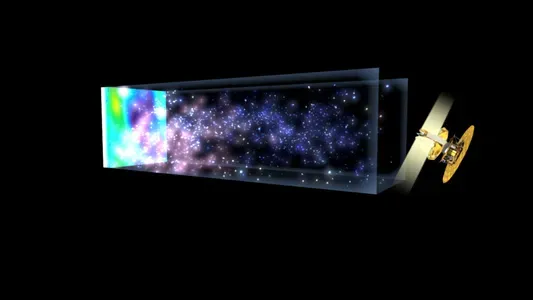
Upcoming studies of the cosmic microwave background, such as CMB-S4, could put the idea of warm inflation to the test, with physicist Gabriele Montefalcone noting that if future observations confirm that warm inflation is the correct paradigm, it would significantly strengthen the case for dark matter being produced as described in their framework. The cosmic microwave background is essentially the afterglow of the Big Bang. Patterns in that ancient light could reveal whether warm inflation really happened.
Alternative Theories: Bouncing Universes and Primordial Black Holes
The pre-Big Bang dark matter idea isn’t alone in challenging conventional thinking. The Big Bang may not have been the beginning of the universe, according to a theory of cosmology that suggests the universe can bounce between phases of contraction and expansion, with recent study suggesting that dark matter could be composed of black holes formed before the Big Bang during a transition from the universe’s last contraction to the current expansion phase. I know it sounds crazy, but imagine the universe as eternally cycling through expansions and collapses.
Near the rebound, the matter density was so high that small black holes formed from quantum fluctuations in the matter’s density, making them viable candidates for dark matter. These primordial black holes wouldn’t need stars to form them. They’d be relics from an entirely different cosmic cycle. It’s hard to say for sure which theory will ultimately prove correct, but scientists are keeping all options on the table.
What This Means for Galaxy Formation
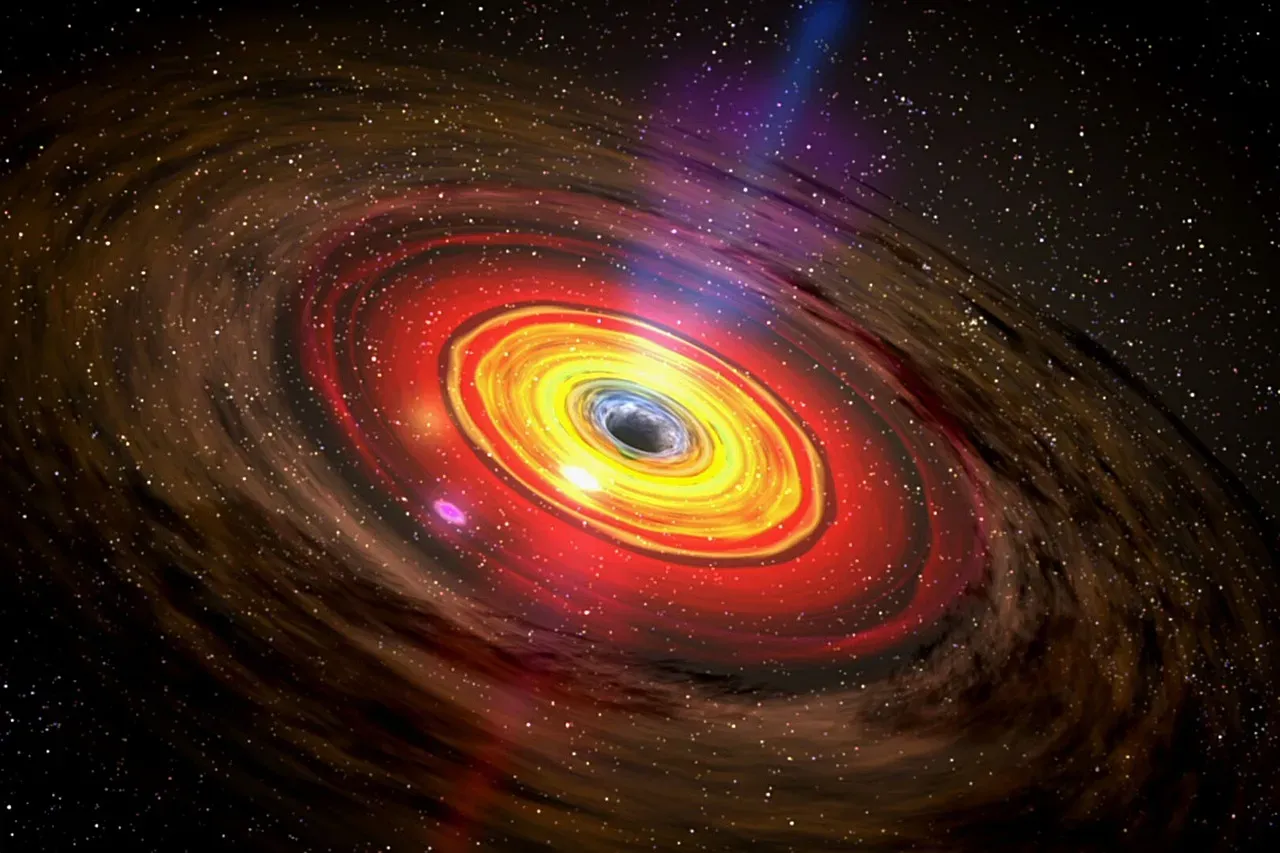
If dark matter consists of new particles that were born before the Big Bang, they affect the way galaxies are distributed in the sky in a unique way, with this connection potentially being used to reveal their identity and make conclusions about the times before the Big Bang too. Think about that for a moment. The shape and location of every galaxy we see might be a fingerprint from before time began.
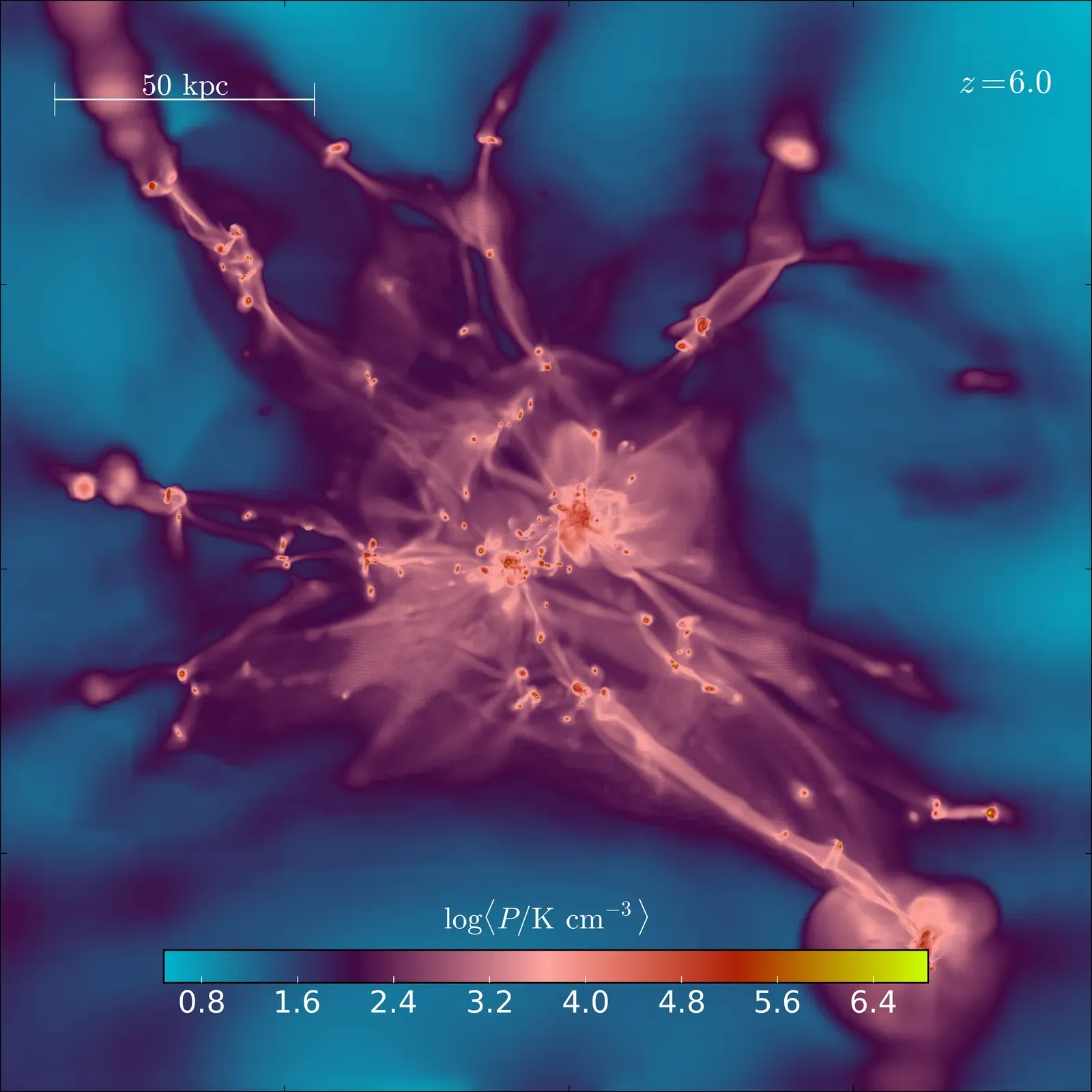
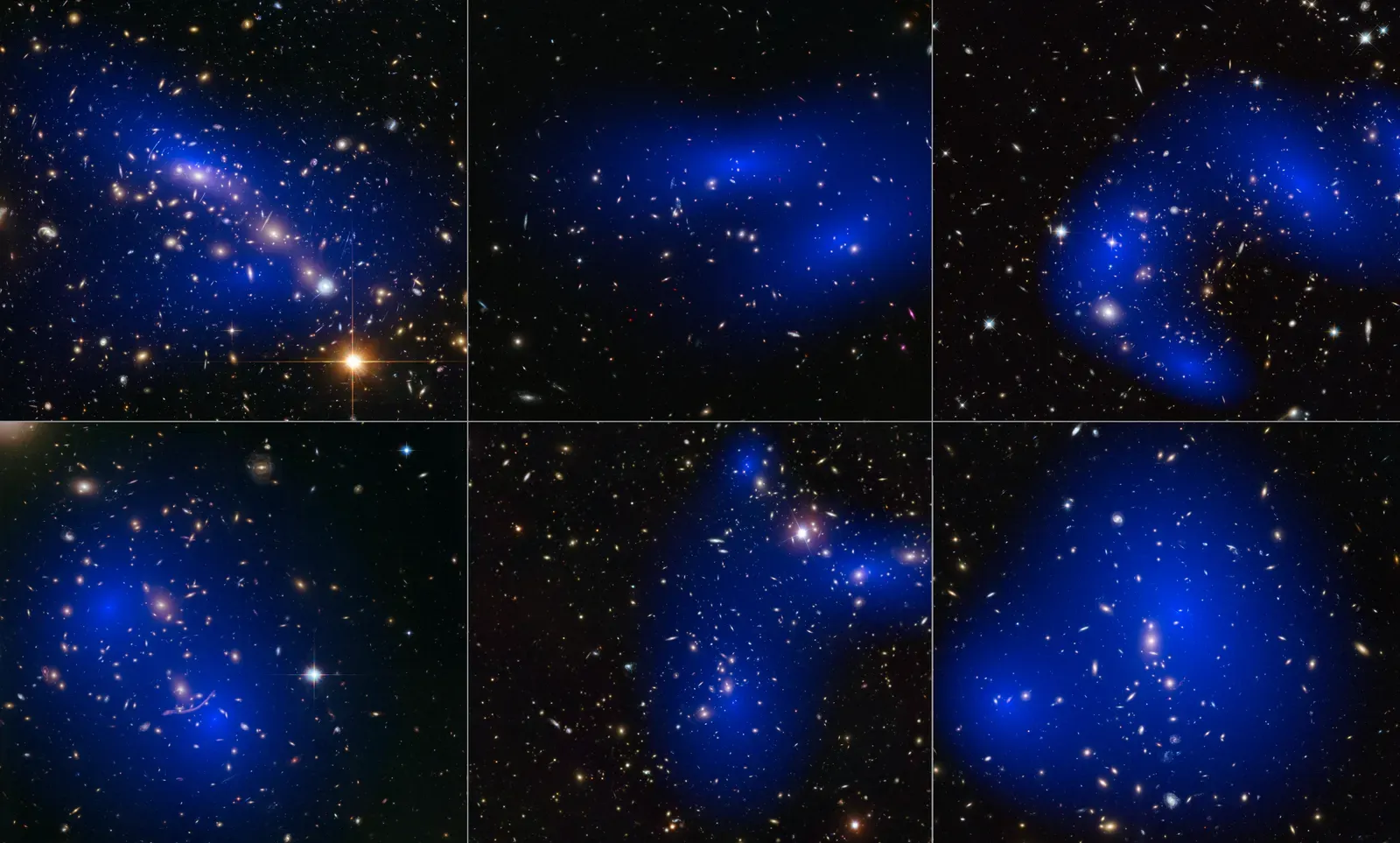
Dark matter is thought to serve as gravitational scaffolding for cosmic structures, with dark matter clumping into blobs along narrow filaments after the Big Bang and superclusters of galaxies forming a cosmic web at scales on which entire galaxies appear like tiny particles. If dark matter was already present before the Big Bang, it could have influenced how the universe evolved from its very first moments. The structures we observe today might encode information about a pre-Big Bang era.
The Immortal Nature of Dark Matter
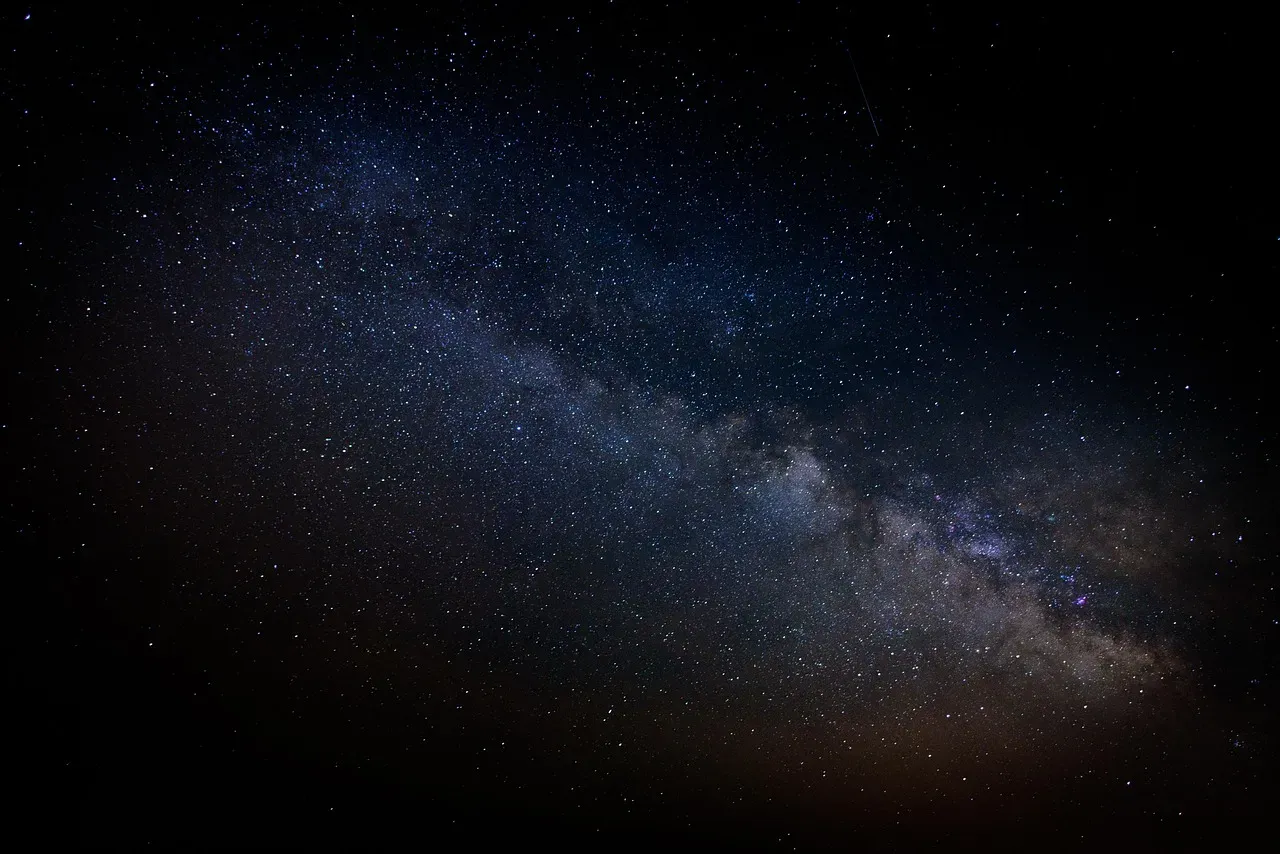
With limits in place from observations, the overall lifetime of dark matter must be no shorter than around 10 to the 17th power years, which is 10 million times longer than the present-day age of the universe. Let that sink in. Dark matter might outlast everything else in existence. Long after the last stars burn out and galaxies disintegrate, dark matter could still be there.
Dark matter may have arrived on the cosmic scene before the universe as we know it emerged, meaning that ages from now, long after the last stars have died and all the galaxies have disintegrated and our current universe ceases to exist, the dark matter will still remain. It’s almost like dark matter is the universe’s one constant, existing before ordinary matter and persisting long after it’s gone. That’s both humbling and awe-inspiring.
The Philosophical Implications of Pre-Bang Matter
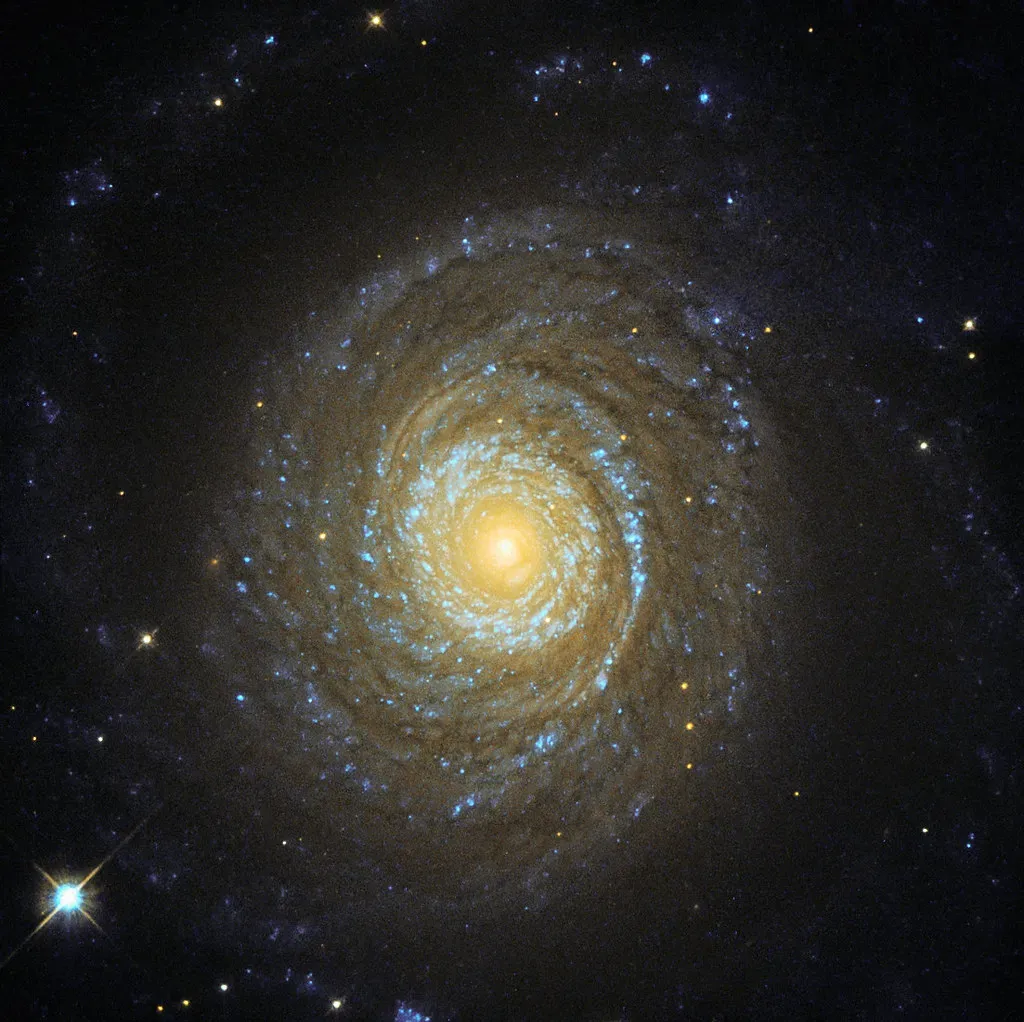
The idea that something came before the Big Bang supports alternative models, raising questions about what we mean when we talk about the beginning and whether the Big Bang was the start or just one chapter in a larger cosmic story. This question keeps me up at night sometimes. We’ve always thought of the Big Bang as the ultimate beginning, the moment when existence itself began.
The study raises philosophical questions about the nature of time, causality, and the universe itself, asking if dark matter existed before the Big Bang, what preceded it, and whether the universe’s origins can ever be fully comprehended. These aren’t just scientific questions anymore. They touch on fundamental issues about reality, causation, and whether there’s such a thing as an absolute beginning. Maybe the universe is stranger and older than we ever imagined.
Conclusion
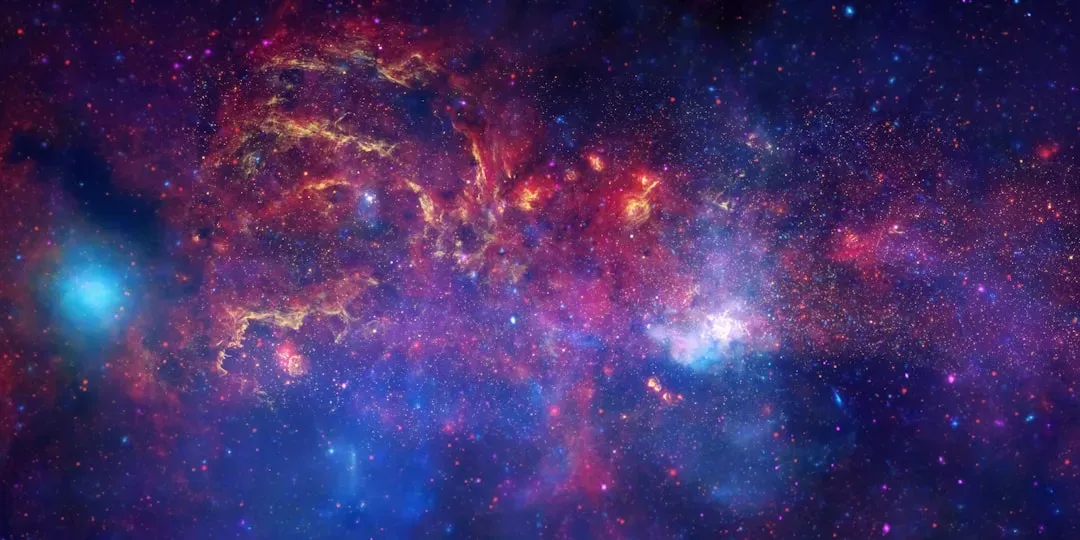
Dark matter, which makes up 80 percent of all matter in the universe, may have formed in the very short time before the Big Bang, according to researchers from the University of Texas at Austin who have suggested it could have been made before the Big Bang. The evidence is still preliminary. Scientists will need years of additional observations to confirm or refute these theories. Yet the very possibility forces us to reconsider everything we thought we knew about cosmic origins.
Whether dark matter formed during a pre-Big Bang inflation, emerged from a bouncing universe, or came from primordial black holes, one thing is clear: the universe’s history might be far richer and more complex than textbooks currently describe. The answers could reshape physics, philosophy, and our understanding of existence itself. What do you think – could something truly exist before the beginning? Let us know your thoughts.
Jan loves Wildlife and Animals and is one of the founders of Animals Around The Globe. He holds an MSc in Finance & Economics and is a passionate PADI Open Water Diver. His favorite animals are Mountain Gorillas, Tigers, and Great White Sharks. He lived in South Africa, Germany, the USA, Ireland, Italy, China, and Australia. Before AATG, Jan worked for Google, Axel Springer, BMW and others.