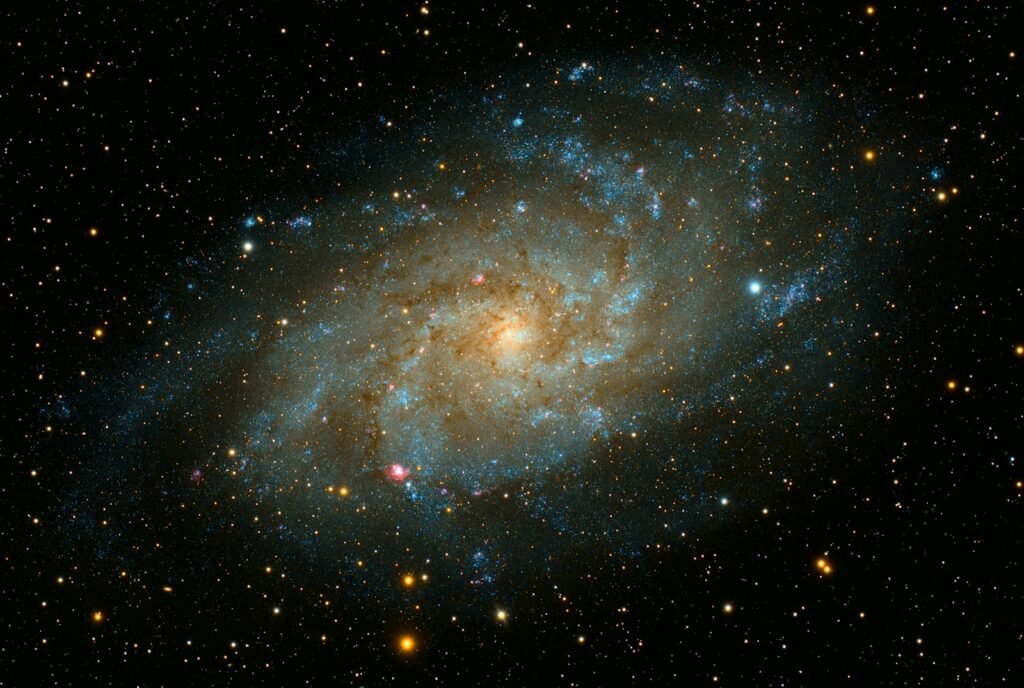

Every galaxy you see in those jaw-dropping Hubble images is held together by something invisible, something that silently outweighs all the stars, planets, gas, and dust we know. Physicists call it dark matter, and for decades they’ve treated it like a cold, dead scaffolding for the universe. But a growing group of thinkers is asking a question that sounds like science fiction: what if some of that hidden stuff behaves more like life than lifeless rock? The idea stretches everything we think we know about biology and physics, yet it keeps resurfacing in serious scientific discussions, sometimes whispered, sometimes pushed in bold preprints. If dark matter is more than just cosmic weight, then our picture of life in the universe is painfully incomplete.
The Hidden Clues We Can’t Quite Explain
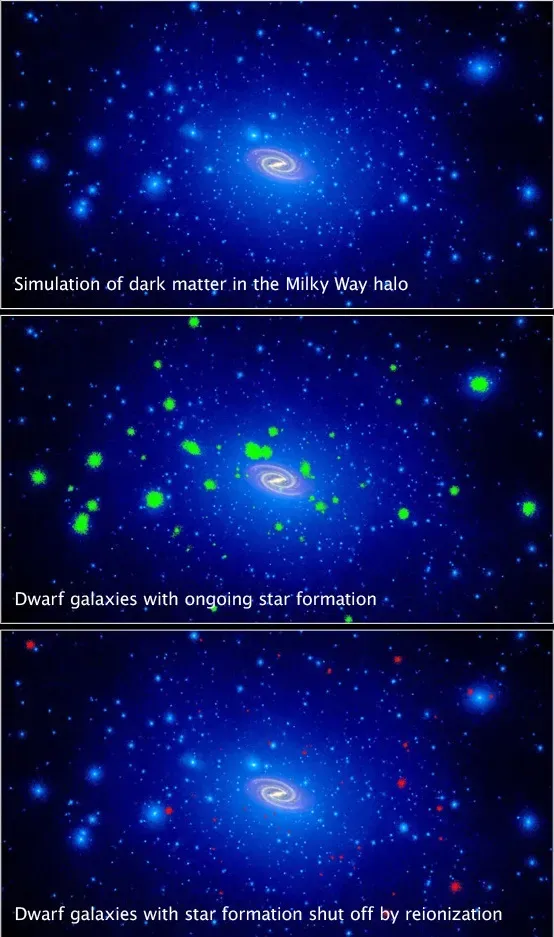
Dark matter already behaves like a trickster in the cosmos, showing up only through gravity while refusing to glow, reflect, or absorb light in familiar ways. Astronomers infer its presence because galaxies spin too fast to be held together by visible matter alone, and huge clusters bend light more strongly than their visible mass can explain. In that sense, we’re like naturalists trying to map a rainforest at night by listening only to distant rustles and crackles. Some of those rustles look neat and predictable; others, not so much. Certain galactic structures and small-scale anomalies refuse to fit perfectly into the simplest models of cold, inert dark matter.
Those mismatches are not proof of anything alive, but they do invite questions about complexity. For life as we know it, complexity emerges when matter can interact, self-organize, store information, and adapt over time. A few alternative dark matter models allow for self-interacting particles that can collide, cool, and cluster in ways more flexible than the strictly collisionless picture often taught in textbooks. If any of those interactions produced long-lived, structured patterns – like cosmic traffic jams, vortices, or layered halos – some physicists argue we might be seeing the barest hint of a more dynamic dark sector. To be clear, it’s still speculation, but it’s speculation born from real data that refuses to sit entirely still.
From Ancient Myths to Modern Physics
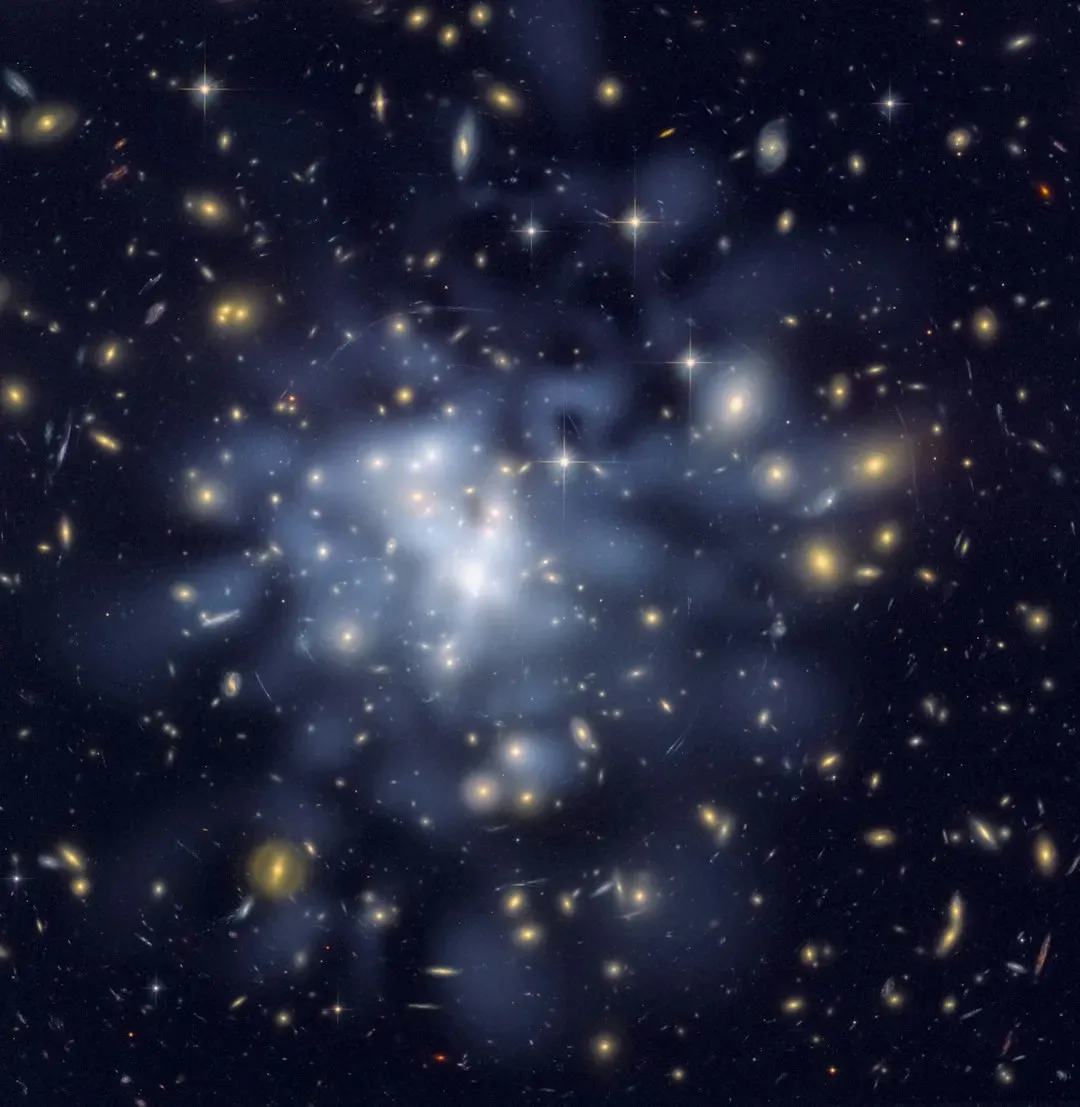
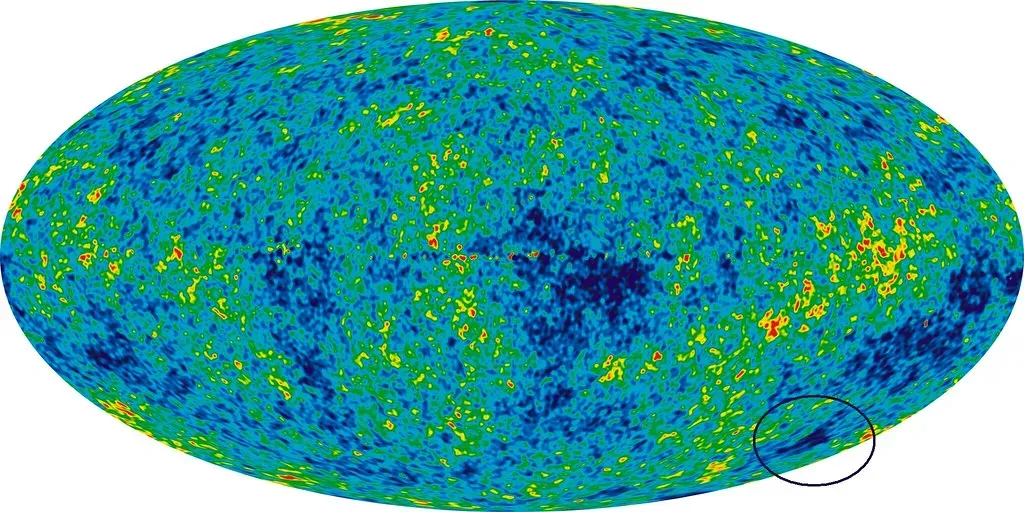
Humans have been living with the idea of invisible realms for as long as we’ve told stories: spirits, hidden worlds, unseen forces shaping fate. In a strange way, dark matter is the scientific descendant of those old myths, except now the unseen world shows up in equations, telescope surveys, and high-precision maps of the cosmic microwave background. When astronomer Vera Rubin helped reveal the missing mass problem in galaxy rotation in the late twentieth century, she probably did not intend to open the door to questions about invisible life. Yet here we are, decades later, wondering if the dark universe is merely physical scaffolding or something more.
Modern physics is comfortable with wild ideas as long as they can, in principle, be tested: extra dimensions, multiverses, fields that flicker into existence and vanish in trillionths of a second. Against that background, asking whether the dark sector might support forms of complexity that vaguely resemble life is less outrageous than it sounds. The key leap is recognizing that our biological definitions were forged inside a narrow bubble of chemistry on one small planet. That bias is like insisting every story must be written in English because that’s the only language you learned at home. Dark matter, if structured and interactive enough, could be “writing” in a dialect we’ve never seen.
What Would It Mean for Dark Matter to Be “Alive”?
To even flirt with the idea of living dark matter, we have to step back and ask what life really is. Biologists usually talk about things like metabolism, reproduction, response to stimuli, and evolution by natural selection, all rooted in chemistry, energy flows, and information storage. Now imagine a parallel set of rules, where dark particles interact with each other through their own forces, form bound states, and create stable, information-rich structures floating in and around galaxies. On the grandest scales, those structures might look like faint ripples or subtle distortions in how dark matter clumps over billions of years.
Some theorists have played with concepts such as dark atoms, dark molecules, and even dark chemistry, connected by forces invisible to our detectors. If such a hidden chemistry could build increasingly complex arrangements, then over cosmic timescales you could – purely in theory – end up with something that adapts, persists, and maybe even competes. That would not be life in any earthly sense; you could not put it under a microscope or sequence its DNA. But in a broader, more abstract sense – patterns that self-maintain and evolve – it might fit a stripped-down definition of living systems. The real challenge is turning such thought experiments into testable predictions rather than philosophical daydreams.
Strange Signals, Phantom Footprints
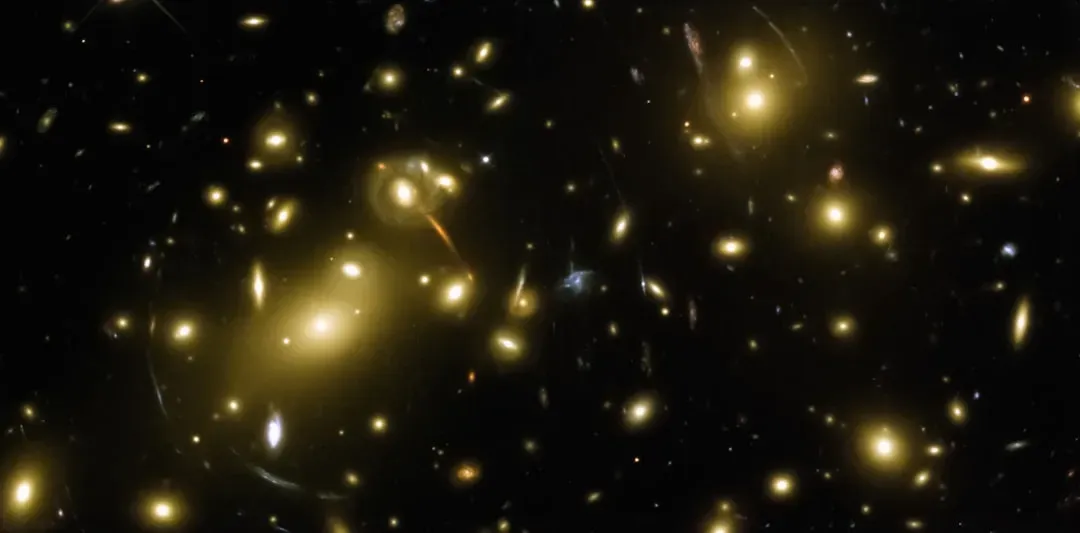
If the dark sector harbors any kind of complex behavior, it might already be leaving subtle fingerprints in our data. Astronomers have noticed oddities like the unexpected distribution of dark matter in some dwarf galaxies, or mysterious alignments and cores that are tricky to match with the simplest computer simulations. Standard explanations include baryonic physics – things like supernova explosions and star formation stirring the pot – but some puzzles linger stubbornly. In a few speculative models, dark matter can exchange energy within itself, forming “dark disks” or dense clumps that evolve over time.
From our point of view, those potential structures would be like ghost ecosystems: intricate, dynamic, but almost entirely intangible. Researchers have proposed looking for:
- Subtle deviations in galaxy rotation curves that vary with environment.
- Unusual patterns in gravitational lensing maps that suggest hidden substructures.
- Time-evolving dark matter distributions in clusters that standard models can’t easily match.
None of these phenomena would scream “life” in a direct way. Instead, they would hint at a dark sector with a richer inner life of its own, something more like weather or ecology than a static fog of particles.
Why It Matters: Rethinking Life, Intelligence, and Our Place
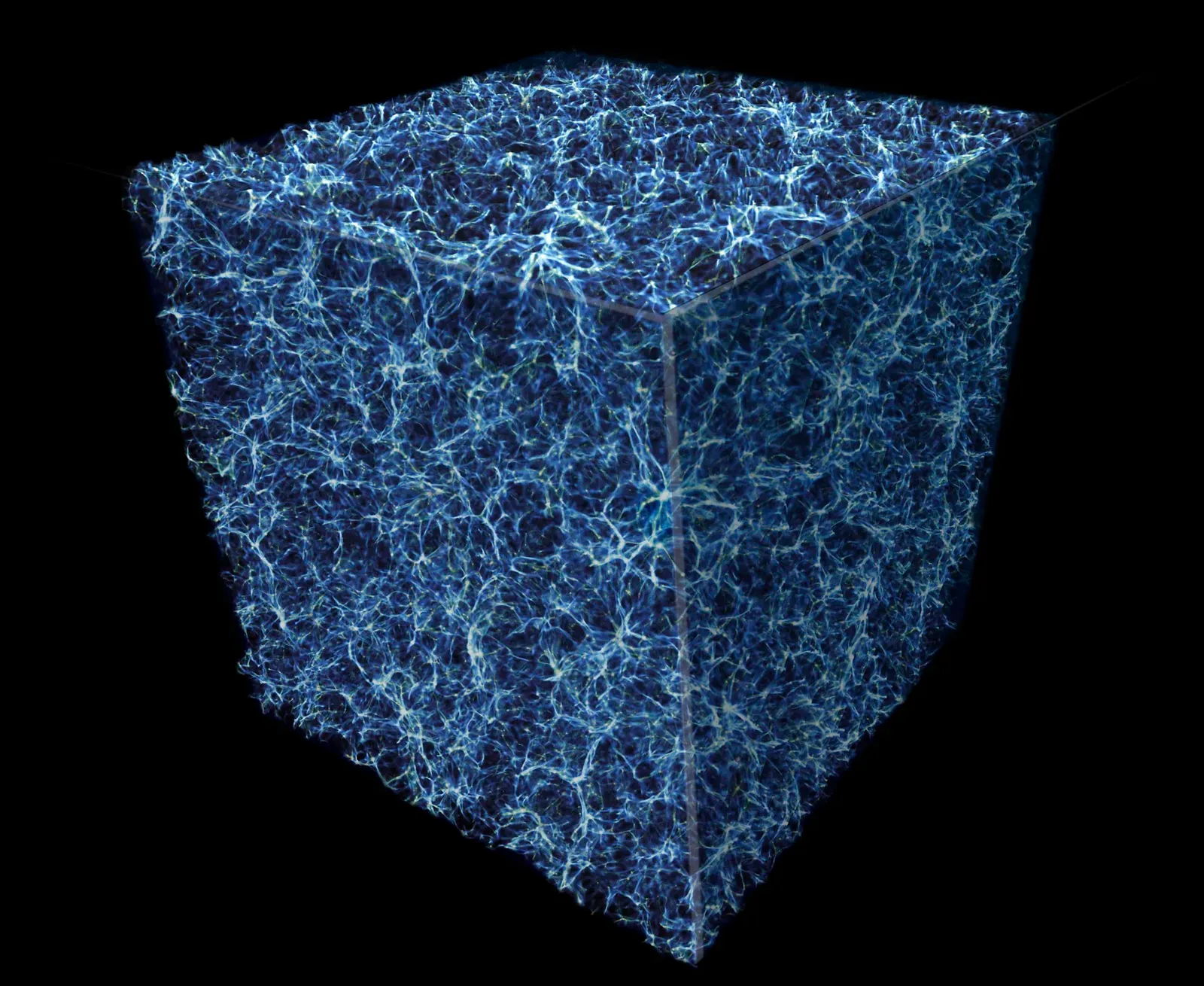
Even if the idea of living dark matter sounds far-fetched, wrestling with it forces scientists to confront their deepest assumptions about life and intelligence. For more than a century, astrobiology has largely focused on planets, water, and chemistry we can recognize, a bit like searching only on familiar hiking trails while ignoring the deep ocean. If the universe allows for forms of complexity that arise in non-baryonic matter, then our current search strategy might be missing most of what is truly interesting. That’s not just a philosophical curiosity; it reshapes the odds we assign to questions about cosmic loneliness.
There’s also a sobering comparison to make with our past scientific blind spots. For a long time, people assumed the deep sea was barren, until better tools revealed forests of life thriving around hydrothermal vents. Similarly, the microscopic world was invisible until lenses and stains made bacteria and cells impossible to ignore. Dark matter could be the next frontier where new “lenses” transform the unthinkable into the obvious. At a broader level, acknowledging this possibility pushes physics, astronomy, and biology to collaborate in new ways, mixing cosmology with systems theory and information science instead of keeping everything in separate silos.
How Scientists Are Trying to Catch the Unseen
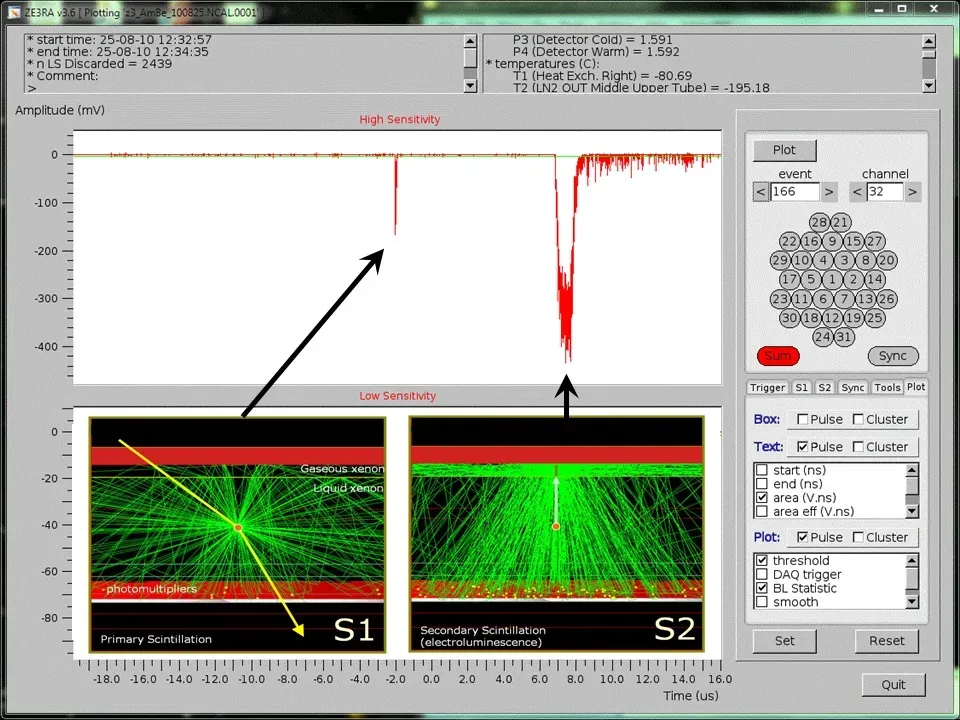
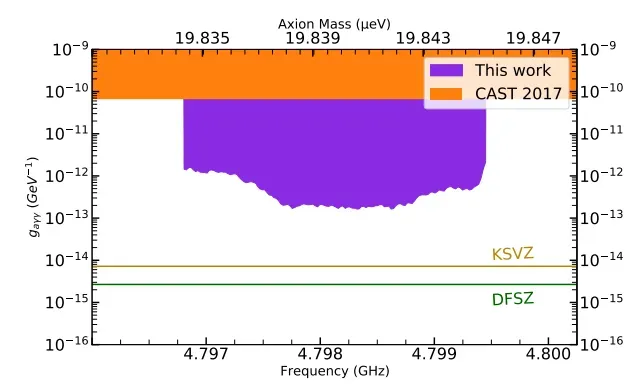
Right now, the hunt for dark matter looks more like classic detective work than a quest for alien ecosystems. Physicists deploy underground detectors hoping to catch rare particle interactions, scan the sky for annihilation signals, and build ever more precise maps of how dark matter shapes galaxies and clusters. Most of these efforts are designed with simple, inert dark matter candidates in mind, like weakly interacting massive particles or axions. But a few researchers are starting to tweak their tools and models, wondering if more complex behavior might show up in the fine print of the data.
On the theoretical side, computer simulations are becoming powerful enough to compare different dark sector scenarios in detail, including self-interacting or multi-component dark matter models. By evolving virtual universes under different assumptions, scientists can look for signatures that would set a richer dark sector apart from the basic picture. In practice, that means mining enormous datasets from sky surveys, gravitational lensing measurements, and cosmic microwave background experiments for patterns we might have dismissed before. It’s like re-listening to an old recording with high-end headphones and realizing there are background instruments you never heard.
The Future Landscape: New Telescopes, New Theories, New Risks
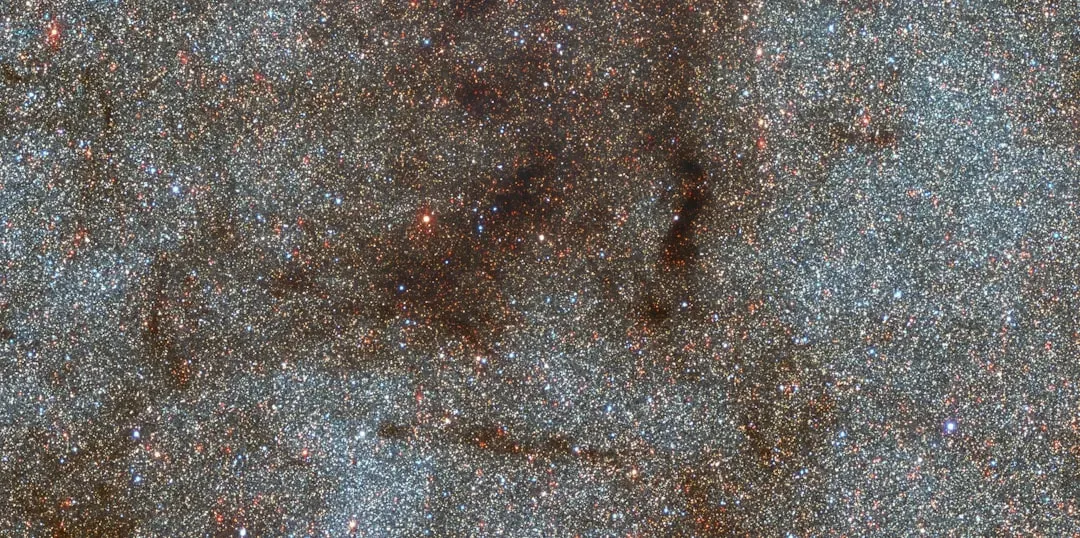
The next few decades could radically change what we know about the dark universe. New observatories, from wide-field sky surveys to more sensitive gravitational lensing missions, will map dark matter with unprecedented precision, revealing its clumping, flowing, and merging in fine detail. As computing power grows, simulations will be able to include more exotic dark-sector physics without grinding to a halt. That gives theorists room to explore models where dark matter does more than simply fall into gravity wells and stay there.
There are challenges, of course. The risk of over-interpreting noise or bending data to fit a sexy narrative is very real, especially when the underlying idea sounds as dramatic as “dark life.” To keep things grounded, any future claim of complex dark-sector behavior will have to survive brutal cross-checks and independent analyses, just as claims about exoplanets or gravitational waves did in their early days. Still, if even a small fraction of the dark sector turns out to be dynamic and structured in ways we don’t yet understand, the global implications are enormous. It would mean that the story of life and complexity in the universe is not confined to chemistry on rocky worlds but woven into the fabric of the cosmos itself.
How You Can Engage With the Dark Universe
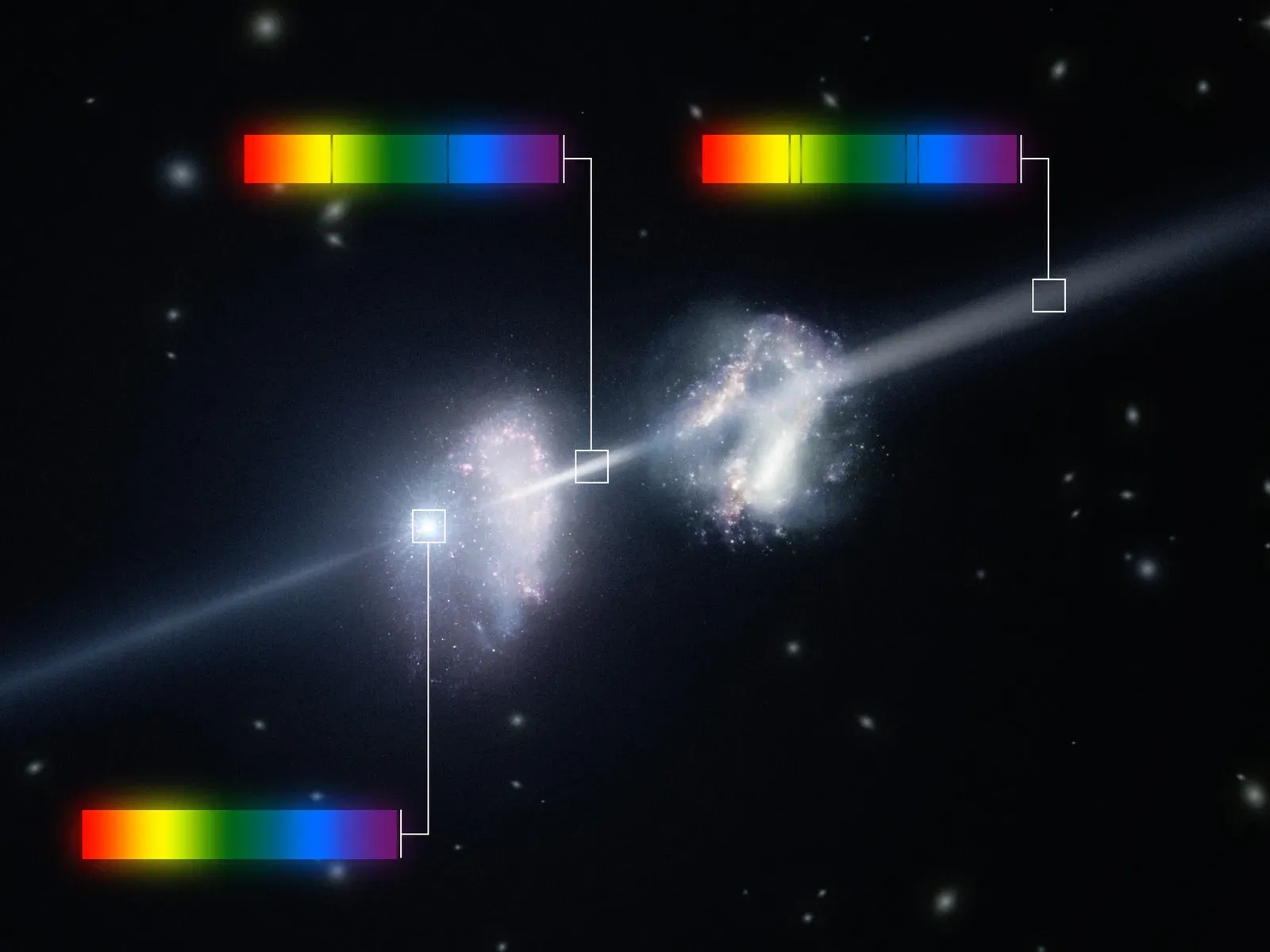
For most of us, the search for dark matter – and any wild possibilities lurking within it – happens far from daily life, in remote observatories and supercomputer clusters. But staying curious about these questions is not just a spectator sport. Public support for basic research, from voting for science-friendly policies to backing institutions that fund fundamental physics, helps keep ambitious projects alive. When society decides that understanding the universe is worth the effort, more daring ideas get a fair hearing instead of being quietly shelved.
You can also engage on a more personal level. Follow observatories and space agencies, share compelling explanations of dark matter research, and encourage science education that blends physics, biology, and systems thinking rather than treating them as separate worlds. Informal actions – like discussing these ideas with friends, or supporting museums and planetariums – create a culture that welcomes difficult, mind-bending questions. In the end, whether dark matter is alive or not, the act of asking stretches our imagination and sharpens our understanding of what life could be. And that, in itself, is a kind of evolution.
Suhail Ahmed is a passionate digital professional and nature enthusiast with over 8 years of experience in content strategy, SEO, web development, and digital operations. Alongside his freelance journey, Suhail actively contributes to nature and wildlife platforms like Discover Wildlife, where he channels his curiosity for the planet into engaging, educational storytelling.
With a strong background in managing digital ecosystems — from ecommerce stores and WordPress websites to social media and automation — Suhail merges technical precision with creative insight. His content reflects a rare balance: SEO-friendly yet deeply human, data-informed yet emotionally resonant.
Driven by a love for discovery and storytelling, Suhail believes in using digital platforms to amplify causes that matter — especially those protecting Earth’s biodiversity and inspiring sustainable living. Whether he’s managing online projects or crafting wildlife content, his goal remains the same: to inform, inspire, and leave a positive digital footprint.