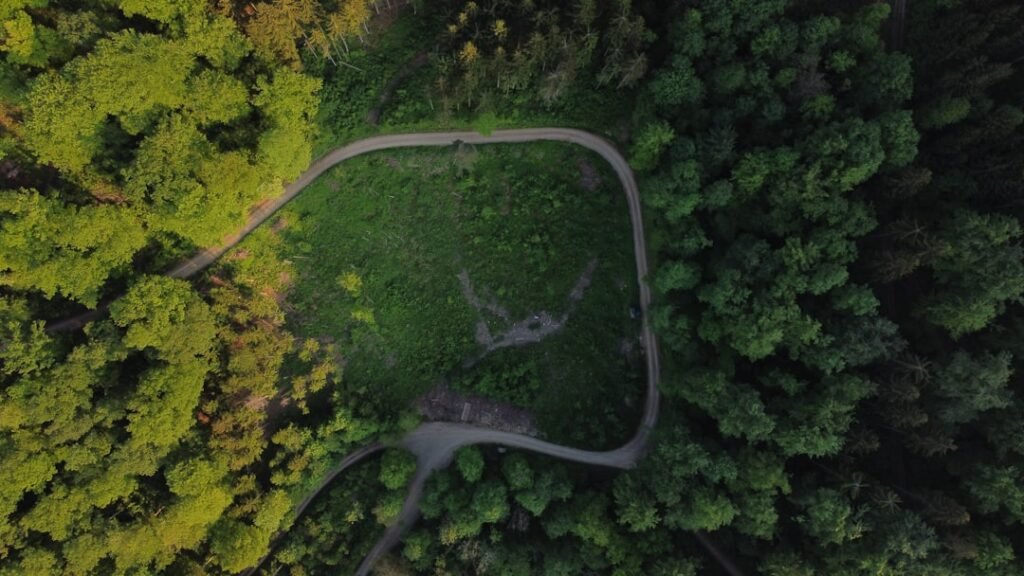

On a late-summer morning, the blackened hills north of Granby look quiet, but the landscape isn’t still. Needles of green push through ash, mushrooms thread the soil, and elk tracks stitch the edges of the burn. The mystery is whether this fragile momentum can outrun heat, drought, and the next wind-driven fire. Colorado’s future hinges on that race, because forests here anchor water supplies, tourism, wildlife corridors, and a sense of place that’s hard to measure but easy to miss when it’s gone. The story is not a simple yes or no; it’s a map of odds that shift with slope, seed, and sky.
The Hidden Clues
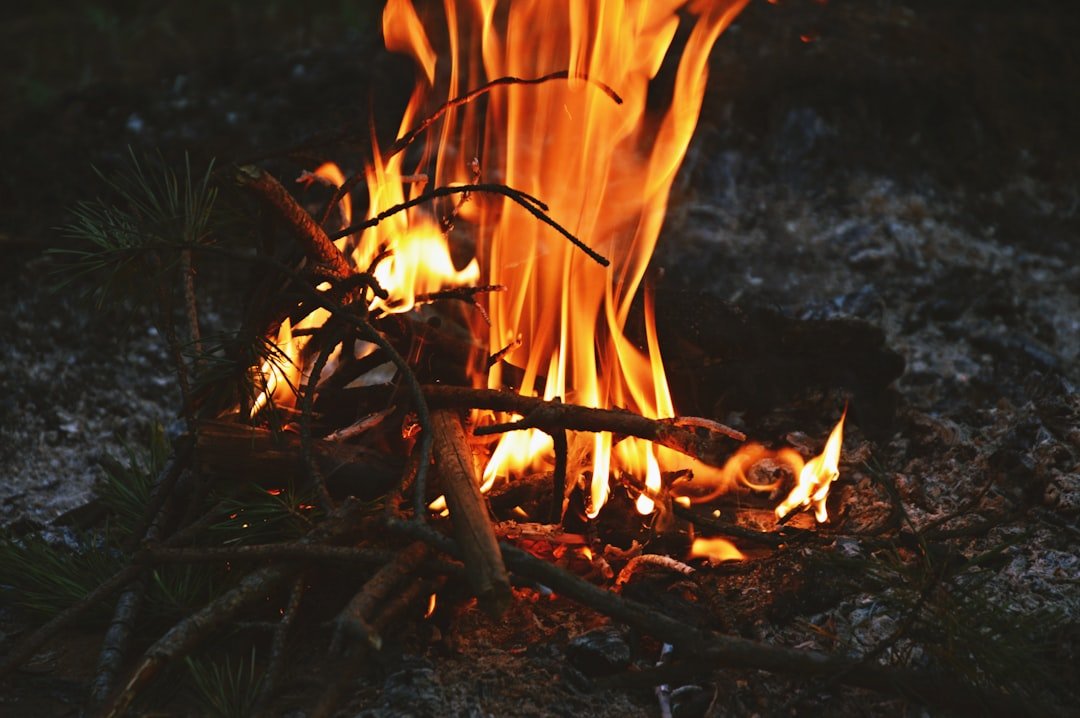
Walk a burn scar with a field ecologist and you start to see the coded messages. A crust of water-repellent soil says storms will carve gullies unless grasses and forbs establish fast. Char heights on trunks reveal how hot flames ran, while the patchwork of scorched versus singed needles hints at where seeds might still fall. I once traced a finger along the ash where tiny lodgepole seedlings hid under fireweed, and it felt like reading braille written by weather.
Scientists stack these clues with satellite burn-severity maps and soil moisture readings to predict where trees can return. DNA traces in soil samples flag whether conifer seeds still linger, and wildlife cameras capture the animals that ferry them around. Put together, the map that emerges is not uniform rebirth; it’s a mosaic where some squares sprint and others stall. In that mosaic, location is destiny.
From Ancient Tools to Modern Science
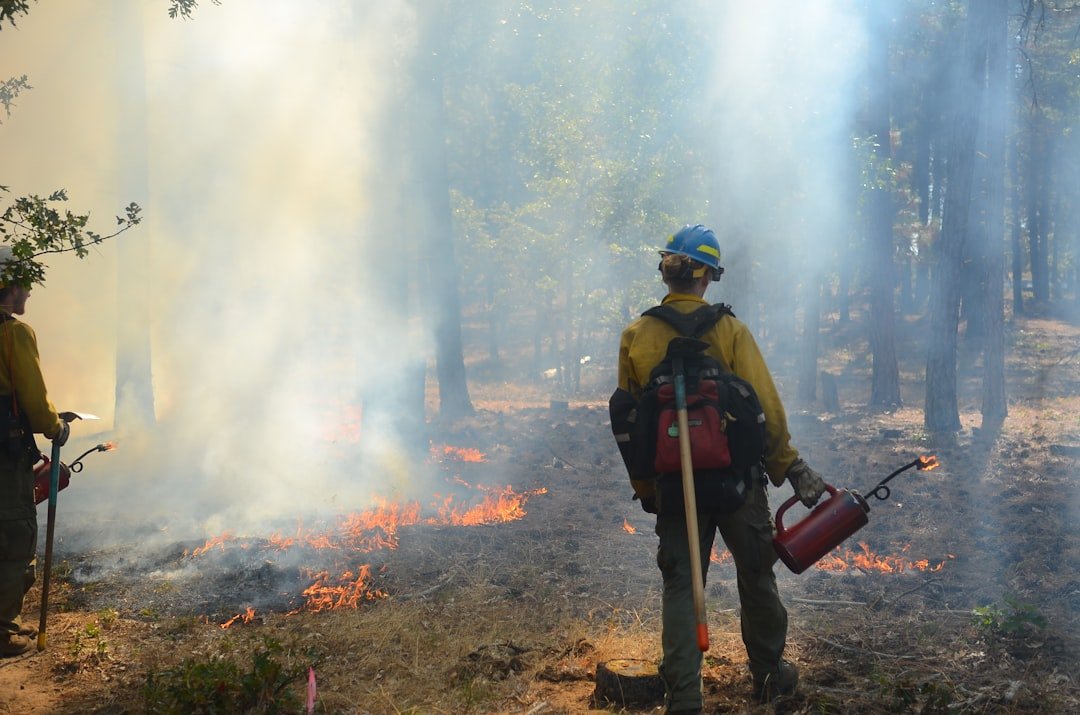
Long before modern forestry, Indigenous fire stewards used frequent, cooler burns to keep ponderosa pine stands open and resilient. Those lessons echo in today’s prescribed-fire programs and cultural burning partnerships that aim to thin fuels and restore structure. Tree-ring science shows that, historically, many Front Range forests experienced frequent low- to mixed-severity fire, which nudged ecosystems without wiping them clean. When that rhythm breaks, recovery asks more from seedlings than they can give in a dry year.
Modern technology adds new eyes. Drones map seedling hotspots in minutes, and airborne LiDAR sketches canopy gaps where light and moisture balance just right. Cloud models blend snowpack projections with soil data to forecast planting windows. It’s an old-new toolkit, part memory, part machine.
Fire Behavior Has Changed
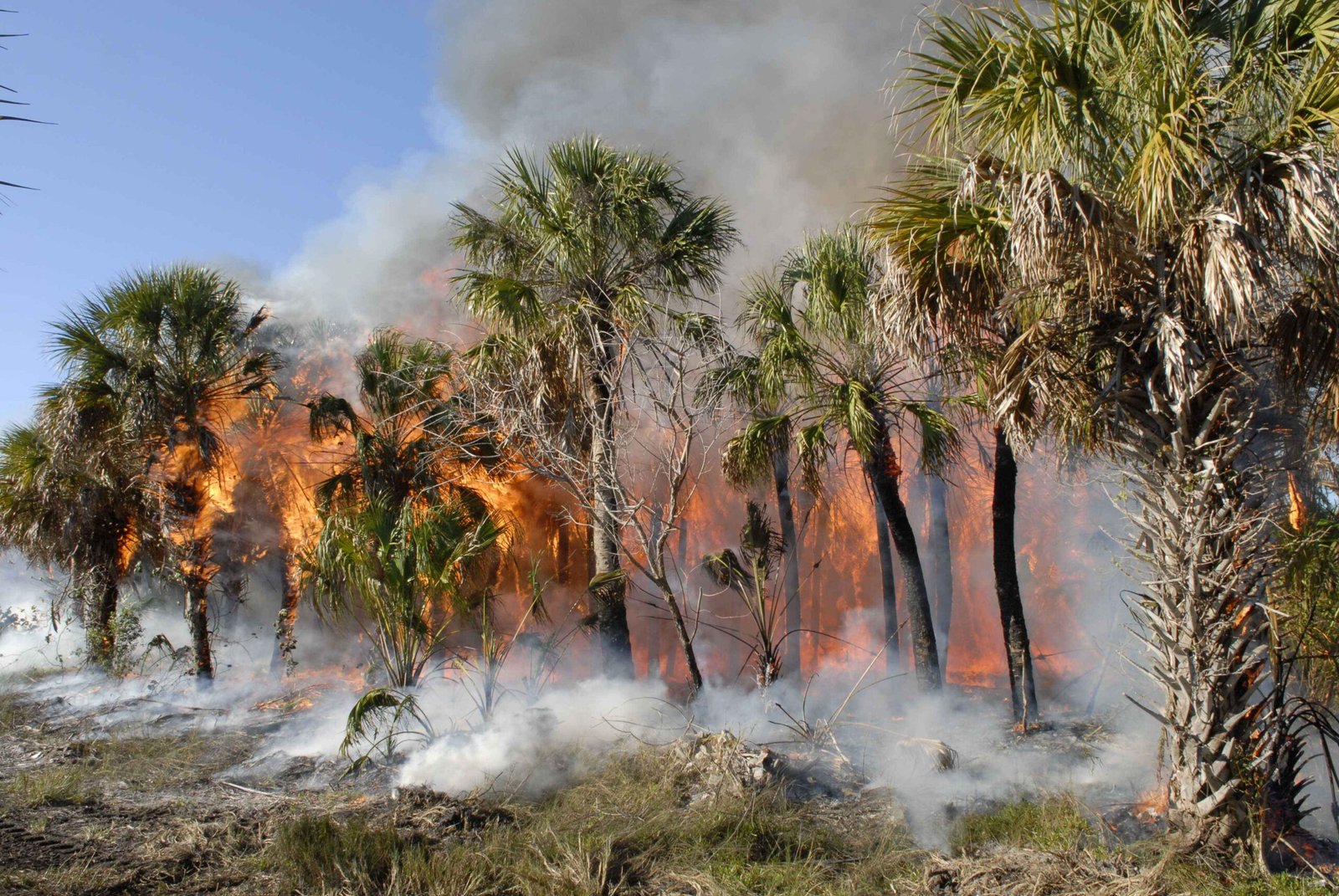
Colorado has always burned, but the way it burns has shifted toward larger, faster, hotter. Prolonged drought and warmer nights dry fuels deeper into the summer, and extreme winds can drive crown fires over ridges in hours. Steeper slopes and south-facing aspects suffer the most, because heat cooks soils and seeds, leaving empty canvases where forests once stood. In some lower-elevation ponderosa zones, fires now recur before seedlings reach maturity, snapping the ladder of succession.
Fuel type matters, yet weather often calls the tune. Even in beetle-killed stands, the biggest driver of blow-up events is hot, dry, windy conditions that align like tumblers in a lock. That means recovery plans can’t rely on the past alone; they have to anticipate the next weather pattern, not the last fire’s footprint. The baseline moved, and management is still catching up.
What Recovery Looks Like Now
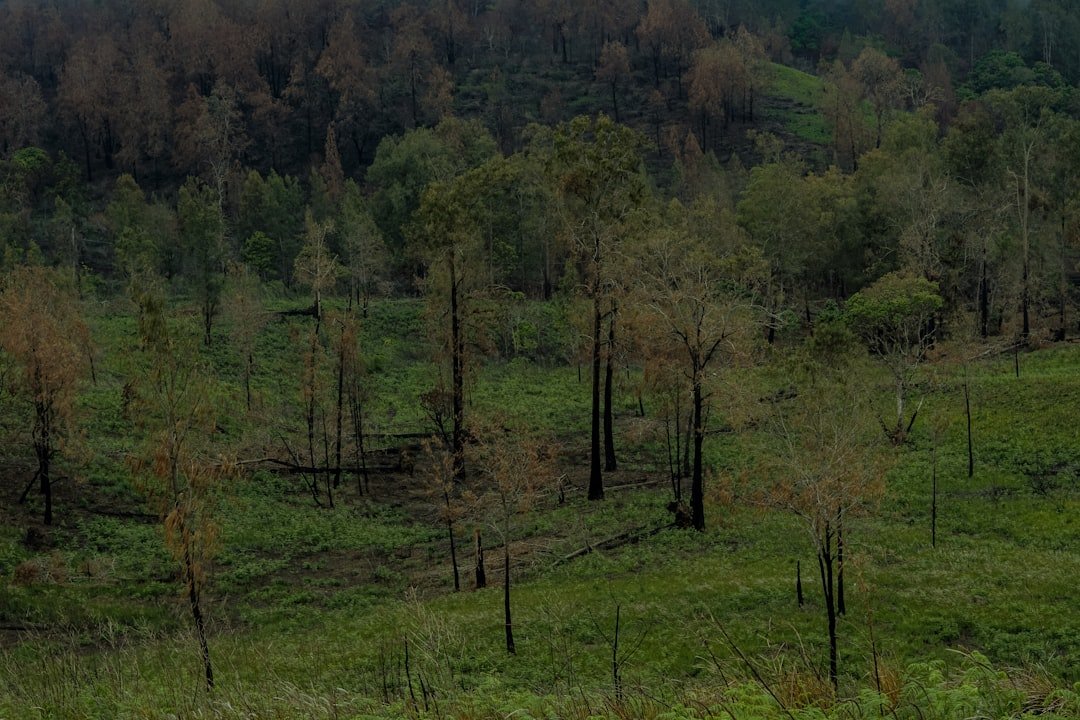
Recovery isn’t a straight line – think of it as a branching trail with a dozen forks. Lodgepole pine can rebound quickly if serotinous cones survived, but high-severity patches far from seed sources may convert to shrub or grass for decades. Aspen often explodes into silver groves after fire, sending up clones that stabilize slopes and shade streams. Ponderosa pine needs spaced-out seed trees and a few gentle years; too many scorchers in a row and grasses win by sheer speed.
On the ground, crews place straw wattles, scatter native seed, and plant nursery-grown seedlings during the narrow windows when soils hold moisture. Micro-sites – north-facing pockets, downed logs, shaded gullies – become lifeboats for the next cohort. Wildlife plays a quiet role, spreading berries and kicking open the seedbed. The scene can look bleak to the casual hiker, but resilience often hides in the small print.
Why It Matters

Forests here are upstream guardians for millions of people, filtering snowmelt that feeds rivers and reservoirs. When fires strip slopes and monsoon storms arrive, sediment surges can clog infrastructure and trigger costly water treatment. Recreation economies depend on trails, shade, and scenery that draw visitors long after headlines fade. Habitat complexity – from snag-rich stands to aspen edges – supports species that can’t thrive in uniform grassland.
There’s a carbon story too, but it’s nuanced. Live forests lock away carbon; severe fires and slow regrowth can flip that balance, especially if repeated burns reset the clock. Comparing traditional suppression-first strategies with today’s risk-based approach shows a pivot: letting some fires under moderate weather do ecological work while protecting communities. That balance matters because rebuilding homes is urgent, but rebuilding watersheds is foundational.
- Roughly about one third of western conifer sites studied after recent large fires show limited natural tree regeneration under hotter, drier conditions.
- High-severity patches larger than a few dozen acres can exceed typical seed dispersal distances for many conifers.
- Postfire floods and debris flows are most likely in the first two to three years, especially after intense summer storms.
The Hidden Costs and Surprising Allies
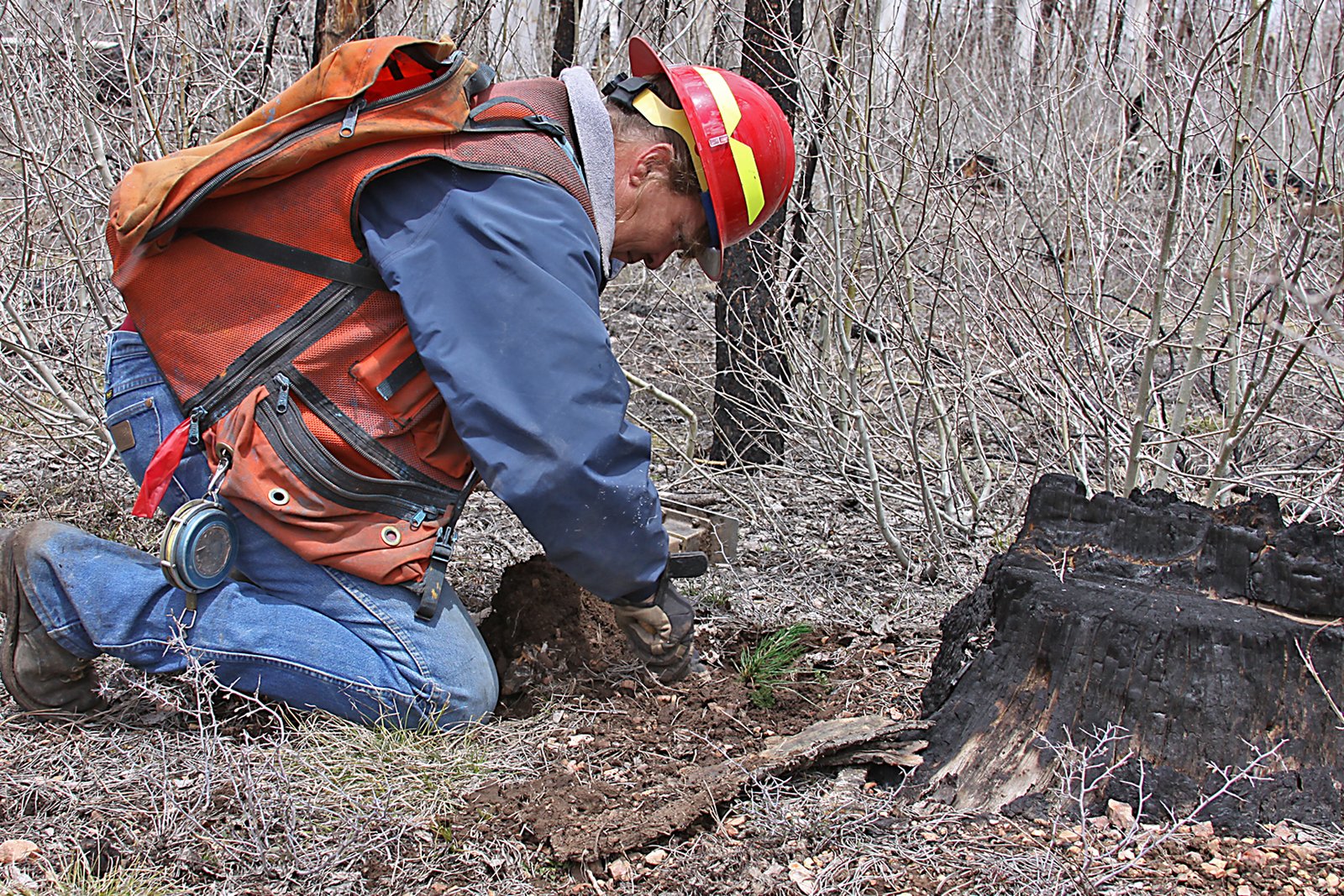
Recovery budgets rarely cover the full arc from emergency stabilization to decade-long monitoring, so managers triage with hard choices. Nursery capacity can bottleneck plantings, and seed supply from local provenances isn’t always enough after back-to-back fires. Meanwhile, so-called weeds – sunflowers, fireweed, native bunchgrasses – act like first responders, cooling soils and slowing erosion. They don’t replace forests, but they set the stage for trees to try.
Fungi and microbes are allies you never see, rebuilding networks that ferry water and nutrients to roots. Woodpeckers and bluebirds move in, signaling insect booms that recycle nutrients. Coyotes and elk carve paths that become germination beds. The bill is real, but so is the free labor nature provides when we don’t get in its way.
Global Perspectives
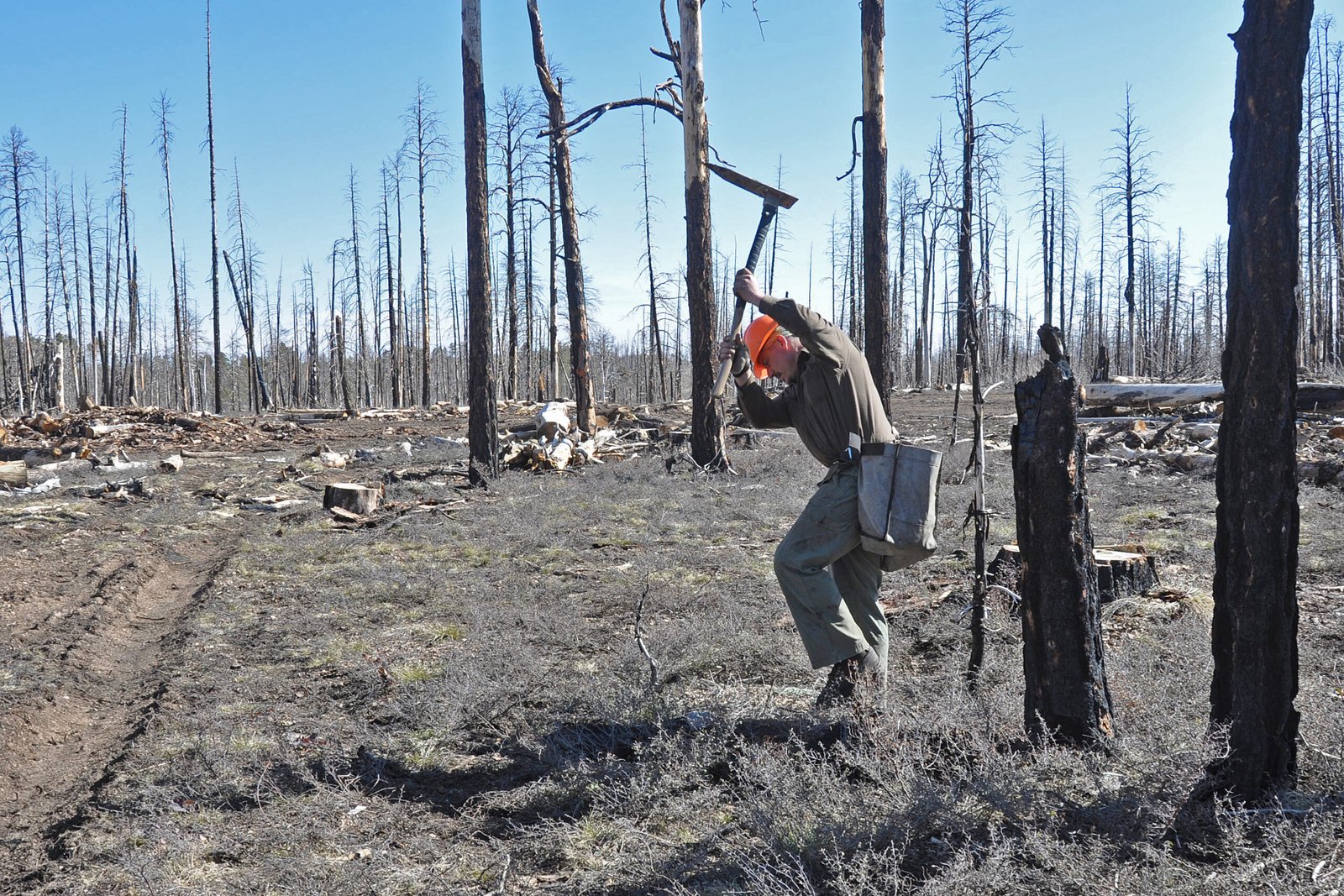
What’s happening in Colorado rhymes with stories from Australia’s eucalyptus ranges, the Mediterranean’s pine belts, and Canada’s boreal fringe. In all three, hotter droughts stretch recovery timelines, and repeated fires push forests toward shrubland or grassland states. Some regions test assisted migration, planting seedlings from warmer, drier provenances to hedge against future summers. Others scale up cultural burning to rebuild fire’s missing cadence.
The best lessons travel both directions. Australia’s investments in rapid postfire seeding inform aerial operations over Western canyons. Mediterranean research on slope stabilization guides Colorado watershed crews after cloudbursts. And Canada’s focus on peat and permafrost warns us that not all carbon is equal – or easily rebuilt. Shared problems mean shared prototypes, not copy-paste solutions.
The Future Landscape

Imagine replanting by algorithm: drones drop seed pods where moisture lingers, while ground teams tuck climate-smart seedlings into shaded microsites. Remote sensors flag heat spikes so crews can water high-value plantings right before a dry wind arrives. Seed banks expand with diverse, locally adapted stock, and nurseries boost capacity to avoid multi-year lags after big burns. The policy side scales too, with funding targeted to the highest water-yield basins and community buffers.
Challenges remain stubborn. Workforce shortages limit planting windows, and invasive grasses can outrun every plan unless early detection gets sharper. More fires will likely arrive under difficult weather, so managers will lean harder on thinning, prescribed fire, and managing some wildfires to restore structure. The future landscape won’t mirror the past, but it can be green, layered, and alive if we build for the climate we have.
How You Can Help

Start at home by reducing ignition risk: clear needles from gutters, thin ladder fuels, and create defensible space with native, fire-wise plants. Join a local watershed group for postfire trail days or seed spreads, where a few hours can stabilize a surprising amount of slope. Support nurseries and seed cooperatives that supply native stock for replanting, because recovery begins long before a shovel hits the ground. If you hike burn areas, stay on trail to protect delicate seedlings and crusts that hold soil together.
Share accurate information when smoke returns to the headlines, and speak up for science-based funding in your city and county. Contribute photos to citizen-science platforms that track postfire regrowth; your snapshots help researchers map microrefugia. Finally, check in with neighbors who live at the forest edge and compare preparedness plans. Small steps compound, and forests notice.
Suhail Ahmed is a passionate digital professional and nature enthusiast with over 8 years of experience in content strategy, SEO, web development, and digital operations. Alongside his freelance journey, Suhail actively contributes to nature and wildlife platforms like Discover Wildlife, where he channels his curiosity for the planet into engaging, educational storytelling.
With a strong background in managing digital ecosystems — from ecommerce stores and WordPress websites to social media and automation — Suhail merges technical precision with creative insight. His content reflects a rare balance: SEO-friendly yet deeply human, data-informed yet emotionally resonant.
Driven by a love for discovery and storytelling, Suhail believes in using digital platforms to amplify causes that matter — especially those protecting Earth’s biodiversity and inspiring sustainable living. Whether he’s managing online projects or crafting wildlife content, his goal remains the same: to inform, inspire, and leave a positive digital footprint.