The sight of a massive black bear casually strolling through a suburban neighborhood is no longer just a rare wildlife documentary scene. It’s becoming America’s new reality, and experts are questioning whether this is just the beginning of something much bigger. Bears have always symbolized the wild heart of America—majestic, powerful, and deeply tied to the forests and mountains they call home. But as urban areas continue to sprawl and climate patterns shift, encounters between people and bears are no longer limited to remote hiking trails or mountain cabins. In recent years, black bears and even grizzlies have been spotted wandering into suburban neighborhoods, raiding garbage bins, and exploring backyards in search of food. These sightings raise an important question: could bears expand their territory into more U.S. cities in the years ahead? Understanding the reasons behind their movements and the risks involved is key to preparing for a future where wildlife and urban life may overlap more than ever.
The Surprising Growth of Bear Populations Nationwide
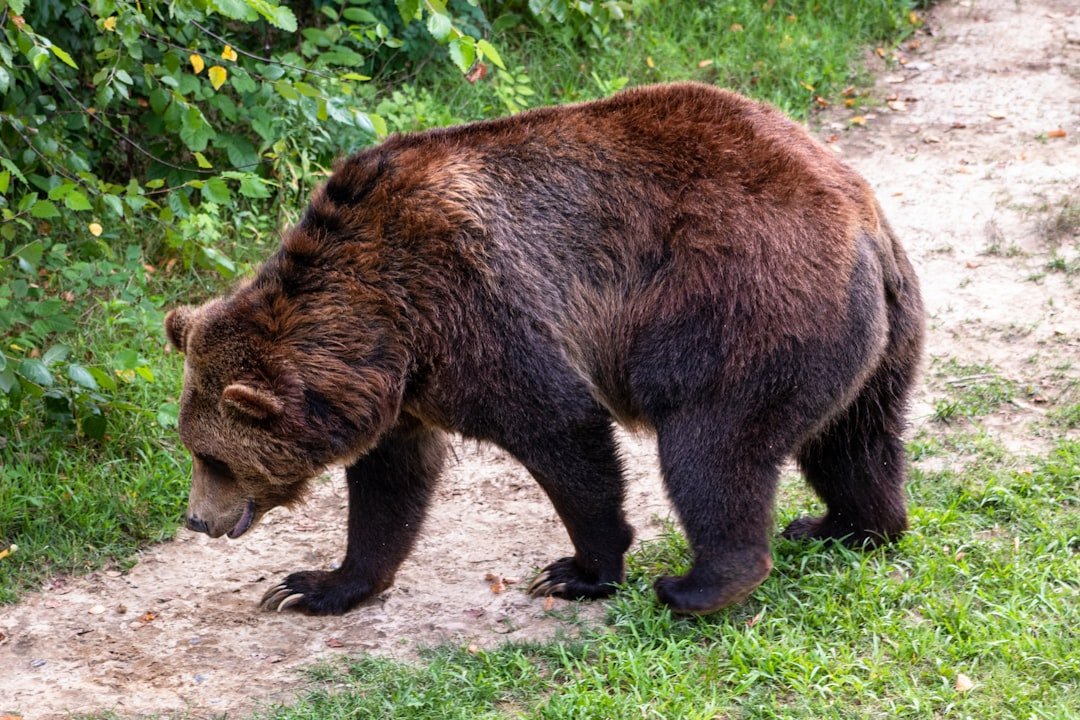
America’s bears are making an unexpected comeback that’s catching everyone off guard. Populations of all 3 of North America’s bear species have increased during the past 50 years, attributable to reduced persecution and improved management. This isn’t just a small bump in numbers – we’re talking about a wildlife success story that’s creating its own set of problems.
The recovery has been so dramatic that overall, black bears are thriving in North America. The species is widespread and abundant, with an estimated 600,000 to 900,000 black bears in Canada, the United States, and Mexico. But here’s the twist – this success story is colliding head-on with America’s expanding suburban sprawl.
When Natural Food Becomes Scarce, Bears Get Creative
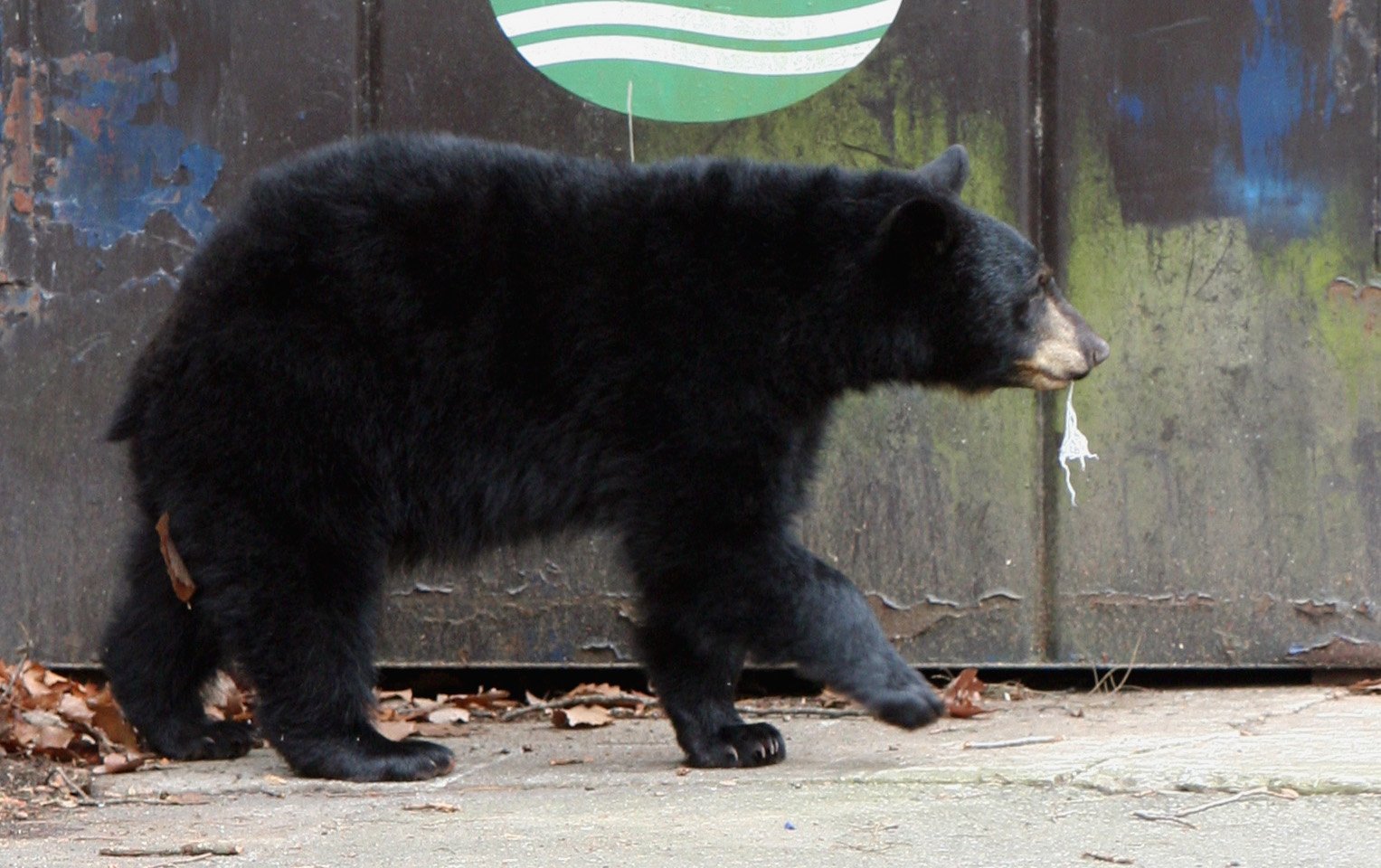
Bears aren’t expanding into cities because they suddenly developed a taste for urban life. They’re following their stomachs, plain and simple. Ahead of winter, hyperphagic black bears demand a substantial food intake. Recognizing the reliability of anthropogenic food sources compared to unpredictable wild crops, these bears may increasingly engage in HBC (human-bear conflicts).
The connection between food scarcity and urban bear encounters is more direct than most people realize. Research shows that reports of the frequency of bear conflicts suggest that they often increase when wildland foods are scarce. When nature fails to provide, bears turn to the most reliable food source they know – us.
Climate Change: The Invisible Hand Pushing Bears Toward Cities
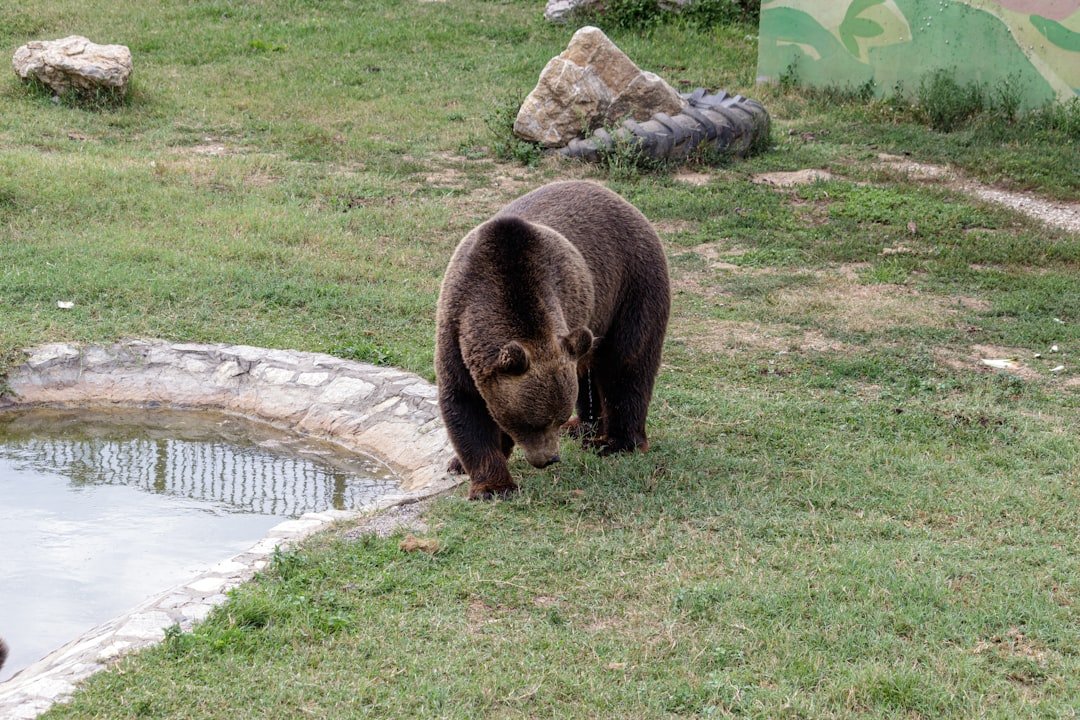
Climate change isn’t just melting ice caps and causing hurricanes – it’s literally reshaping where bears can find their next meal. The primary way in which climate affects bears is through its impacts on when, where, and what types of food are available, which in turn affects bear diets, behavior, and demographics. This creates a domino effect that leads straight to our doorsteps.
Given that under current predictions urbanization is expected to increase by 11% across American black bear range, and that natural food failure years are expected to increase in frequency with global climate change, alternative methods of reducing urban human-bear conflict are required. It’s like nature is setting up the perfect storm for more bear-city encounters.
Urban Sprawl: Creating the Perfect Bear Highway
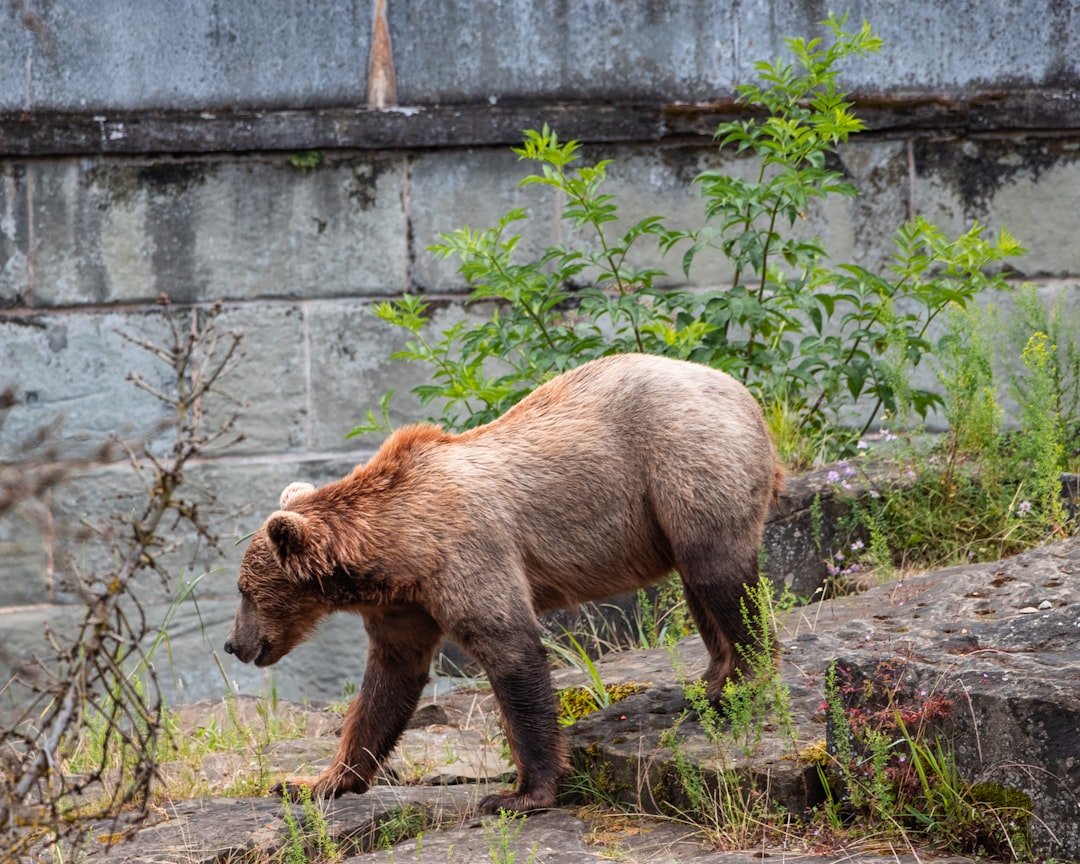
American cities aren’t just growing – they’re sprawling outward at an unprecedented rate. For centuries, cities were compact with high population densities, and the physical extent of cities grew slowly. This trend has been reversed over the last 30 y. Today, urban areas around the world are expanding on average twice as fast than their populations.
This expansion creates something wildlife biologists call “interface zones” – those gray areas between wild and developed land where bears and humans are most likely to bump into each other. Conflict is particularly acute in specific geographic areas. Interface zones around national parks like Yellowstone and Glacier experience heightened conflict, as do rapidly developing mountain valleys in states like Montana, Wyoming, and Idaho.
The Michigan Model: How Bears Are Already Expanding Territory

Michigan provides a crystal-clear example of what’s happening across America. Over the past two decades, the bears have been venturing farther south and west, including into the Traverse City, Grand Rapids, and Midland areas, according to the Michigan Department of Natural Resources (DNR). Bears are increasingly present in Lower Michigan, though specific population numbers for the region are not definitively established. That’s a significant population in areas that historically saw very few bears.
This expansion isn’t random – it follows predictable patterns that wildlife managers are beginning to understand. Bears are essentially beta-testing new territories, and when they find reliable food sources and minimal conflict, they establish permanent presence.
California’s Foothill Crisis: A Preview of Coming Attractions
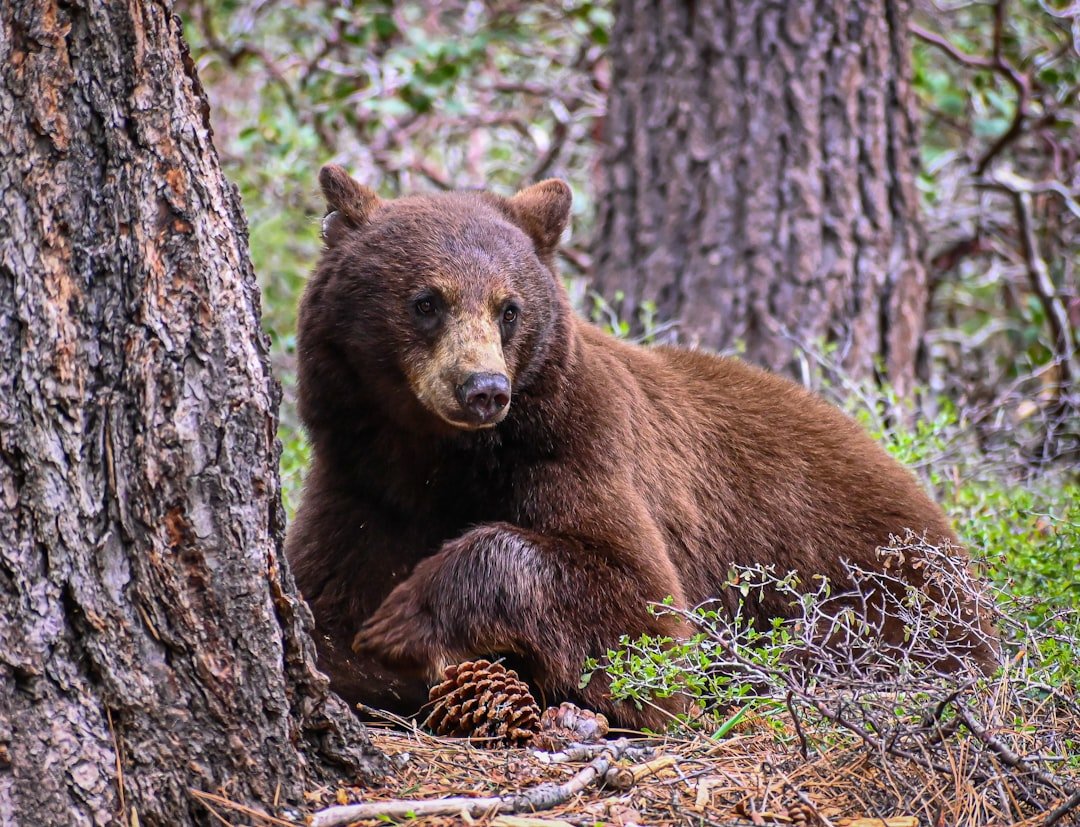
California’s San Gabriel Valley offers a glimpse into what many American communities might face in the coming years. With bears waking up from hibernation and traipsing through San Gabriel Valley foothill community backyards, school yards and streets, Los Angeles County Supervisor Kathryn Barger on Tuesday, June 4 demanded better responses from state wildlife officials to deal with potentially dangerous bear-human encounters. In a unanimous vote, the full board approved Barger’s motion asking the California Department of Fish and Wildlife (CDFW) to add more staffers specializing in bear-human encounters and decrease response times.
The problem has become so severe that specifically, the city of Sierra Madre has seen a surge of black bears in their community and adjoining communities, with a few troubling reports of attacks, bites, injuries, and property damage. This isn’t just an isolated incident – it’s becoming the new normal.
The Food-Conditioning Cycle That’s Hard to Break
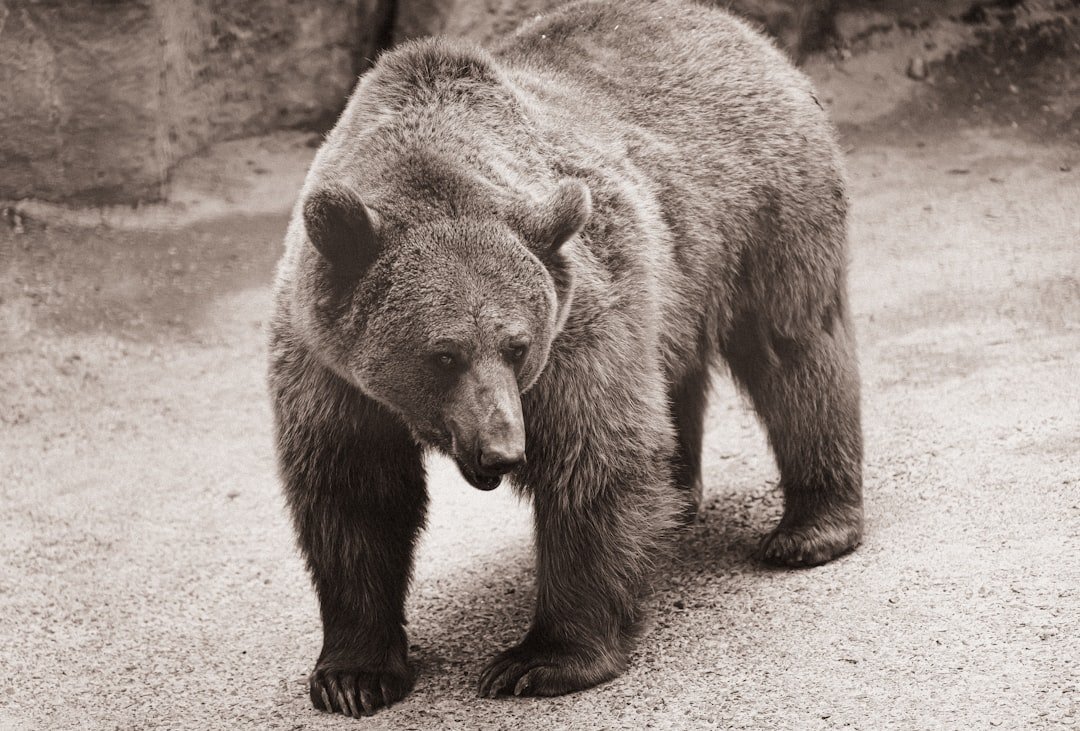
Once bears discover urban food sources, they face a critical decision point that often determines their fate. Once a bear becomes food-conditioned (associating humans with food) or habituated (losing its natural wariness of humans), the risk of dangerous encounters increases significantly. Bears that become “problem animals” are frequently relocated or euthanized.
The tragedy is that this process is often irreversible on an individual level, though research suggests that population-level patterns can be more flexible. Our findings suggest that bear use of urban areas is reversible and fluctuates with the availability of natural food resources, and that removal of urban individuals in times of food failures has the potential to negatively affect bear populations.
The Gender Gap: Why Male Bears Lead Urban Expansion
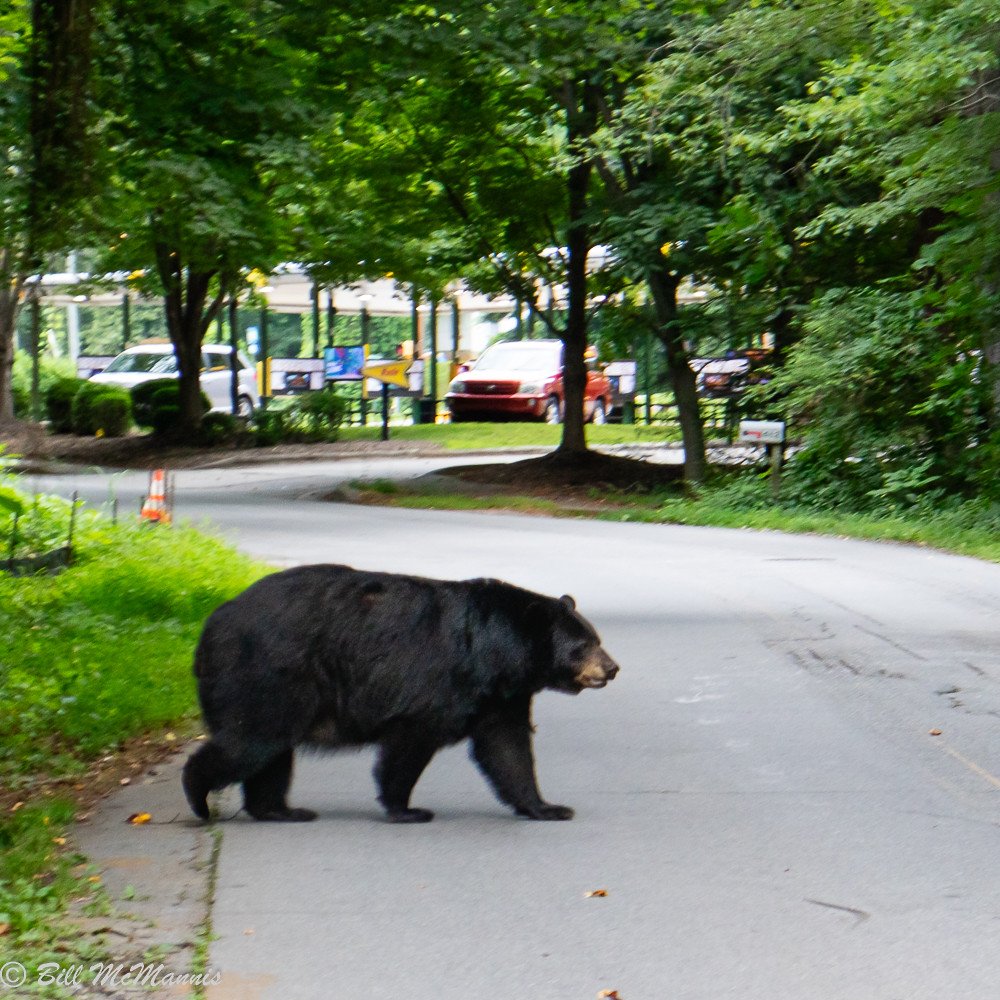
Not all bears approach cities equally. Male bears are significantly more likely to venture into urban areas than females, and this pattern has important implications for territorial expansion. In urban areas, male black bears have been reported at higher densities than females. For example, in the upper peninsula of Michigan, 67% of 126 bears captured at dumps, campgrounds, and in residential areas were males.
This male-dominated urban exploration means that cities often serve as staging areas for further territorial expansion. Males scout new territories, and if conditions are favorable, females and cubs may follow, establishing permanent populations.
Technology vs. Tradition: Modern Solutions to Ancient Problems
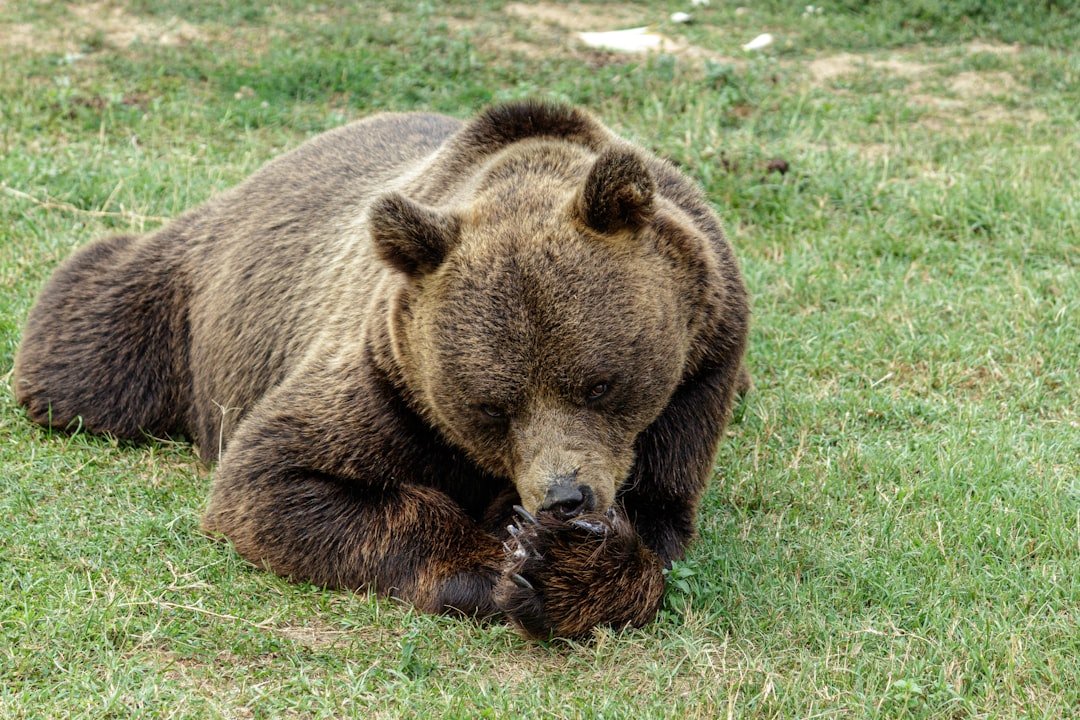
Wildlife managers are racing to develop new strategies for managing bear expansion, moving beyond traditional approaches. Some large carnivores have learned to exploit anthropogenic food resources in urban development, resulting in human-carnivore conflict that can have detrimental impacts to people and carnivores, as exemplified by American black bears. Management agencies commonly promote the use of bear-resistant garbage containers for reducing conflicts, but little is known about the actual behavioral responses of bears to this intervention.
The good news is that simple interventions can work. Recent research shows that when communities implement proper waste management, bears do respond by avoiding those areas. It’s not magic – it’s just removing the dinner invitation.
The Surprising Success Story You Haven’t Heard About
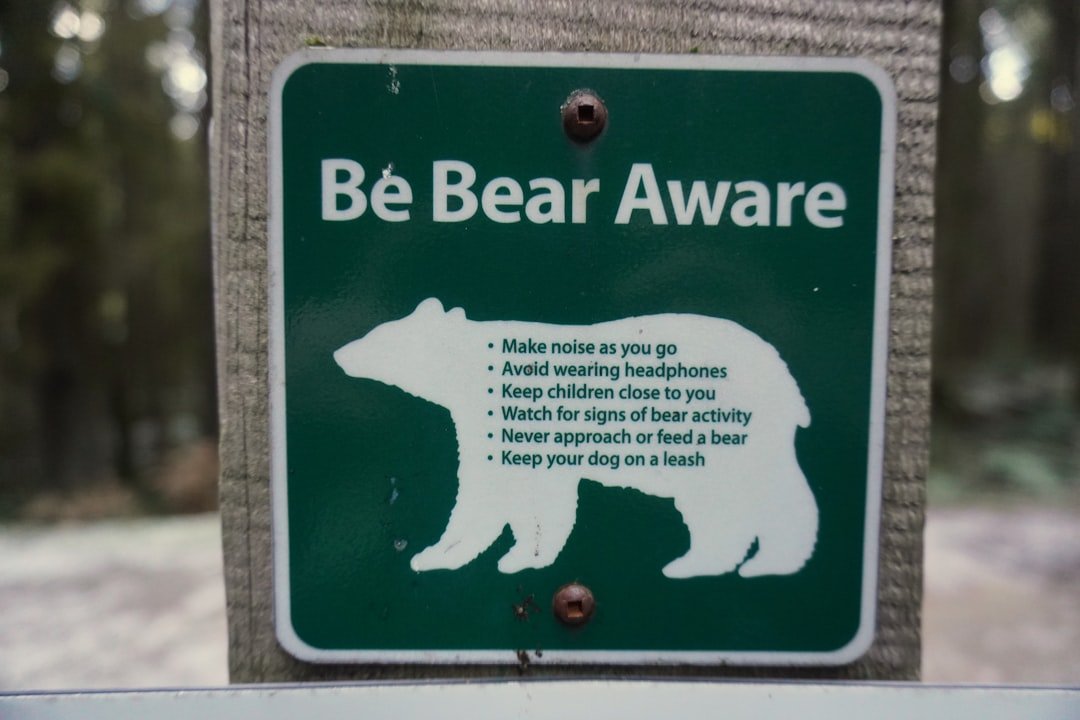
While bear encounters are increasing in many areas, some regions have found ways to dramatically reduce conflicts. There was a dramatic decline in bear and human interactions in the Boundary Waters Canoe Area Wilderness in 2024. According to a Superior National Forest news release, less than 10 encounters were reported in the wilderness, compared to an average of 40 to 50 reports during the previous four years.
The secret weapon? Simple food storage requirements. One notable change last year was the implementation of new food storage requirements in the BWCAW. Visitors are required to hang items in a tree or using approved bear-resistant containers or face possible penalties. Sometimes the simplest solutions are the most effective.
Conclusion: The Future of Bear-City Coexistence
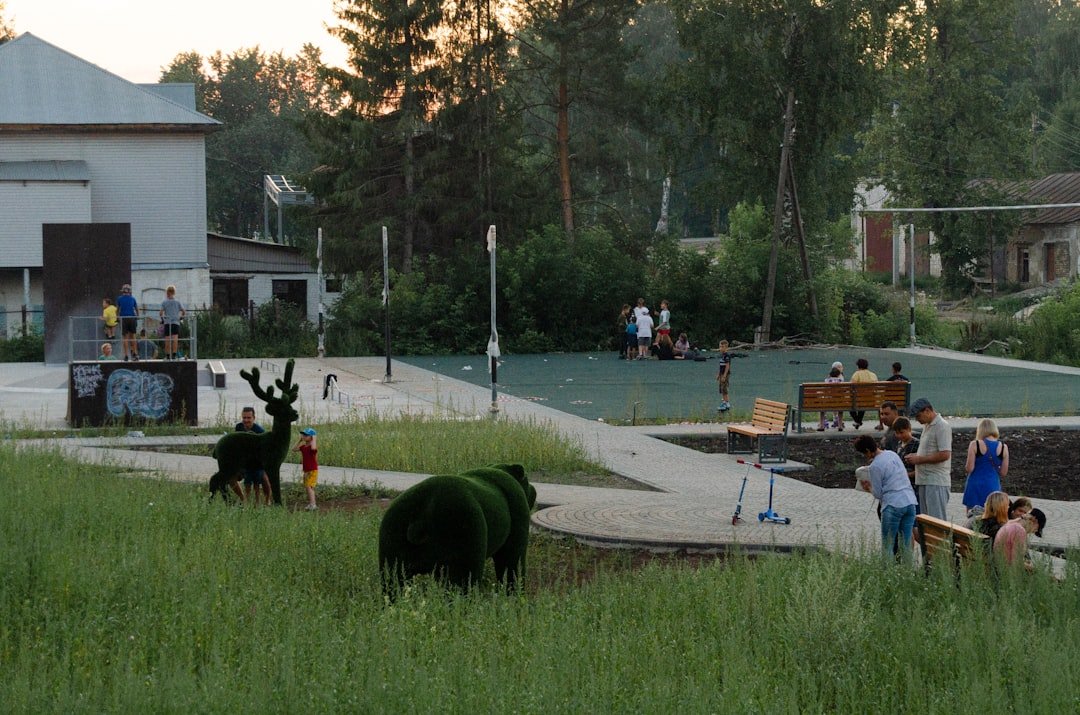
The question isn’t really whether bears will expand into more U.S. cities – they already are. The real question is whether we’ll be smart enough to adapt our cities and behaviors to accommodate our new neighbors. Climate change, urban sprawl, and successful conservation efforts have created a perfect storm that’s bringing bears and humans into closer contact than ever before.
The silver lining is that we’re not powerless in this situation. Communities that take proactive steps – securing food sources, educating residents, and implementing bear-smart policies – can coexist successfully with expanding bear populations. Those that don’t may find themselves dealing with increasingly dangerous and expensive conflicts.
What strikes me most about this whole situation is how it reflects our complex relationship with nature. We’ve done such a good job bringing bears back from the brink that now we have to learn how to live with our success. It’s a good problem to have, but it’s still a problem that requires thoughtful solutions.
The bears are coming to a neighborhood near you – literally. The question is: will we be ready for them?