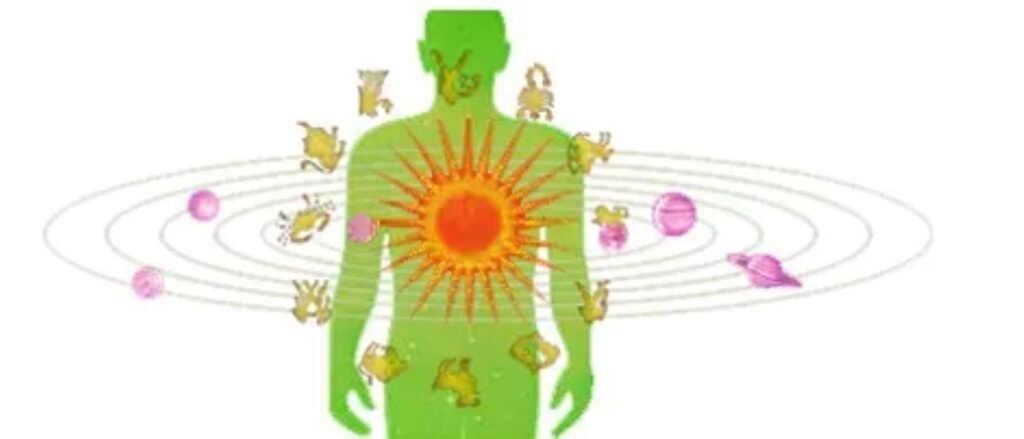

Have you ever stopped to wonder why ancient civilizations were so captivated by the stars? Throughout human history, our ancestors looked up at the night sky not just with curiosity, but with the belief that those distant celestial bodies might somehow shape the lives of people down here on Earth. Fast forward to today, and astrology remains wildly popular, even in our hyper-rational world of smartphones and scientific breakthroughs. Yet, let’s be honest, most scientists dismiss it as pure nonsense.
Here’s the thing though. Recent discoveries in fields like chronobiology, geophysics, and neuroscience are revealing that our bodies might actually be more in tune with cosmic rhythms than we ever imagined. We’re not talking about your weekly horoscope predicting that you’ll meet a tall dark stranger. Instead, we’re exploring whether real, measurable forces from the sun, moon, and even Earth’s magnetic field could be quietly influencing your sleep, mood, and health in ways you never realized.
The Moon’s Pull Goes Beyond Ocean Tides
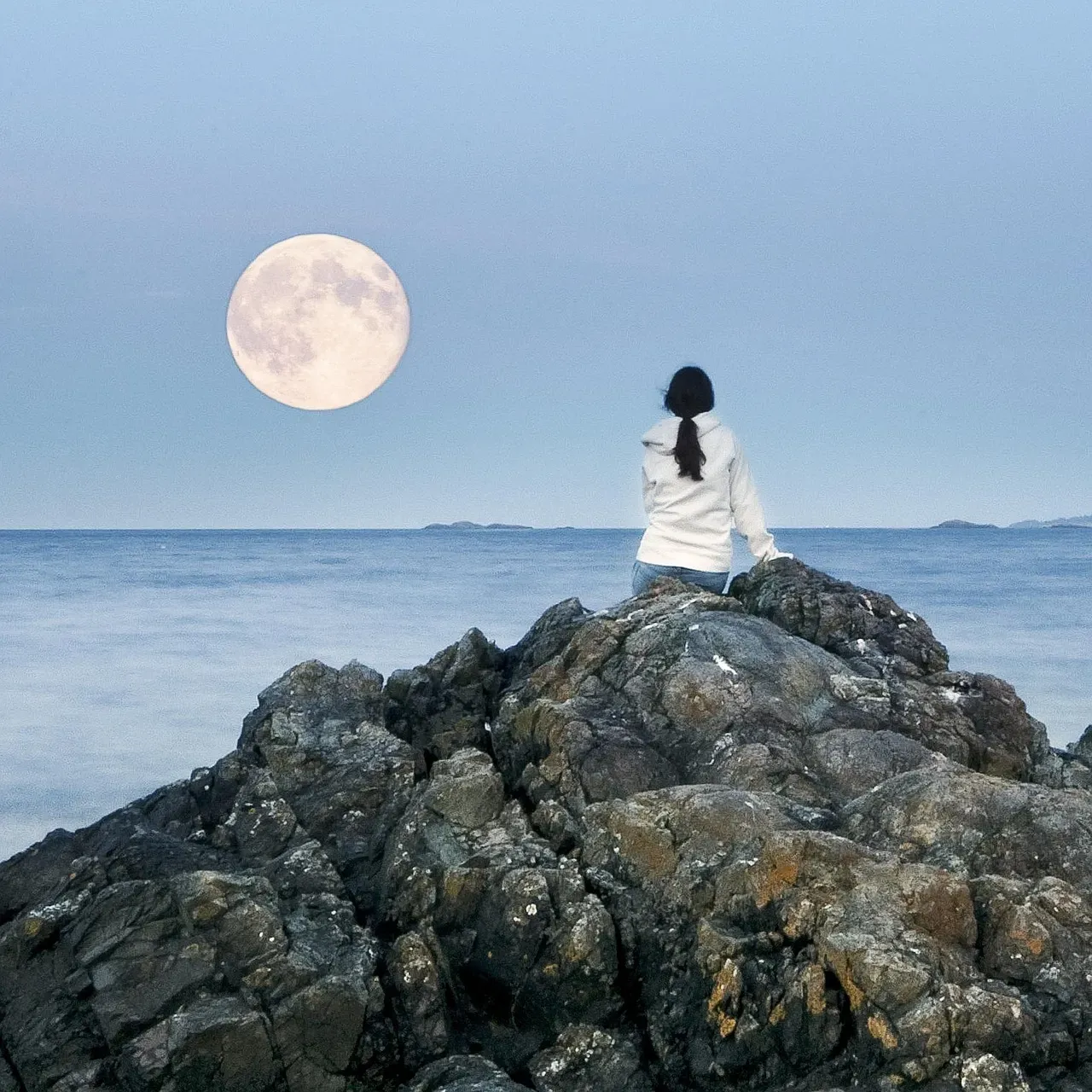
Everyone knows the moon controls the tides, pulling billions of gallons of water across the planet twice a day. Honestly, it sounds crazy when you first hear it, but multiple studies now show that sleep starts later and is shorter on the nights before the full moon when moonlight is available during the hours following dusk. This wasn’t just observed in remote villages without electricity.
Researchers tracking sleep patterns discovered the same effect in major cities like Seattle. Around full moon, time to fall asleep increased by 5 min, and total sleep duration was reduced by 20 min, while these changes were associated with a decrease in subjective sleep quality and diminished endogenous melatonin levels. Think about it: your body might be responding to lunar cycles even when you’re sleeping in a high-rise apartment, completely unaware of what phase the moon is in outside your window.
Circalunar Rhythms Are Written Into Your DNA
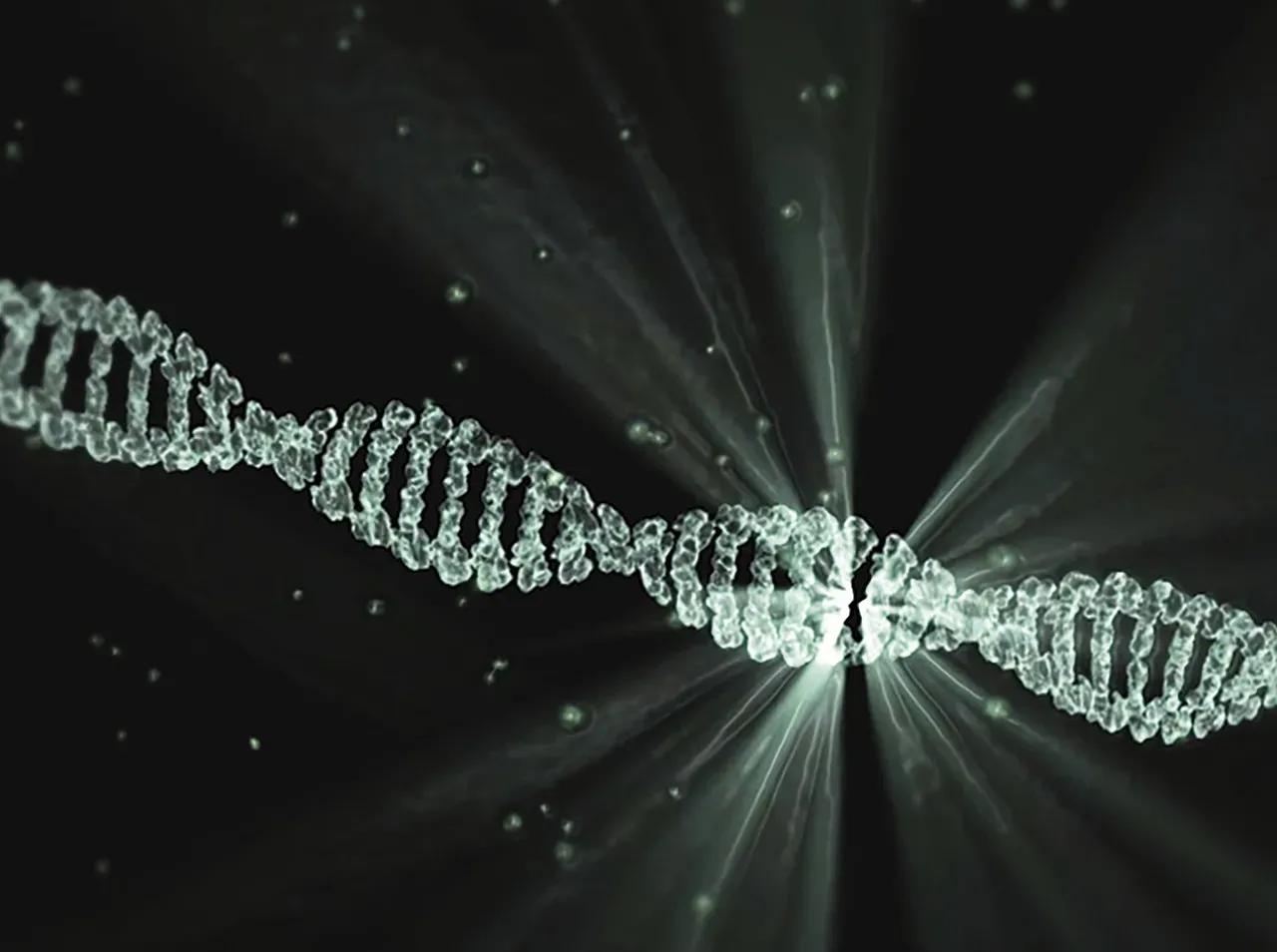
You’ve probably heard of circadian rhythms, your internal body clock that operates on a roughly 24-hour cycle. Fewer people know about circalunar rhythms, biological patterns that sync with the moon’s monthly cycle. Endogenous rhythms of circalunar periodicity and their underlying molecular and genetic basis have been demonstrated in a number of marine species.
It turns out these aren’t just quirks of ocean creatures. Human and animal physiology are subject to seasonal, lunar, and circadian rhythms, although the seasonal and circadian rhythms have been fairly well described, little is known about the effects of the lunar cycle on the behavior and physiology of humans and animals. It is suggested that melatonin and endogenous steroids may mediate the described cyclic alterations of physiological processes, the release of neurohormones may be triggered by the electromagnetic radiation and the gravitational pull of the moon. Scientists are still figuring out the exact mechanism, but the evidence keeps piling up that we’re more cosmically connected than mainstream science likes to admit.
Solar Storms Mess With Your Heart Rate
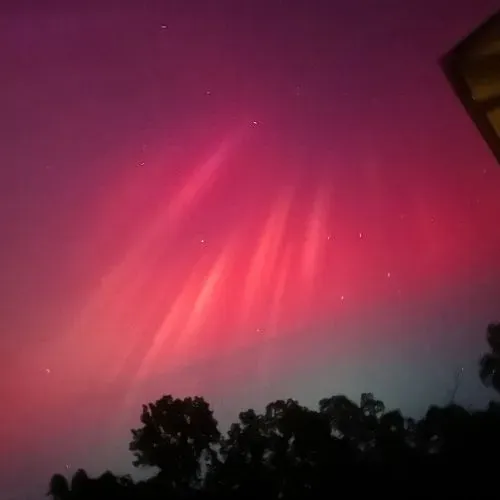
When the sun throws a tantrum and releases massive bursts of energy called solar flares, it doesn’t just disrupt satellites and power grids. Significant association between daily GMD and total, CVD, and MI deaths was discovered in a major study covering hundreds of American cities. Geomagnetic disturbances ripple through Earth’s magnetosphere and can directly impact your cardiovascular system.
Sharp or sudden variations in geomagnetic and solar activity as well as geomagnetic storms can act as stressors, which alter regulatory processes such as melatonin/serotonin balance, blood pressure, breathing, reproductive, immune, neurological, and cardiac system processes. I think what’s particularly unsettling is that roughly only 10% to 15% of peoples’ health is negatively affected by disturbances in geomagnetic activity, meaning some individuals are far more sensitive to these cosmic influences than others. You might be one of them without even realizing it.
Your Brain Contains Magnetic Crystals
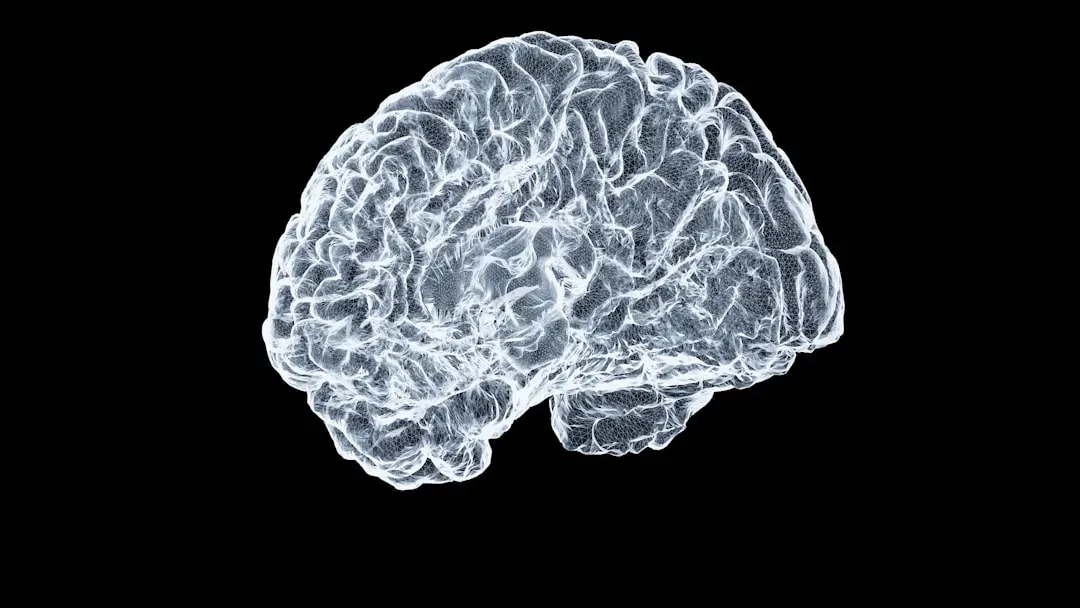
This sounds like science fiction, but it’s absolutely true. Scientists found traces of magnetic compounds in the human brain, specifically in the cerebellum. Even more fascinating, researchers have discovered evidence that people have working magnetic sensors sending signals to the brain, a previously unknown sensory ability in the subconscious human mind.
The cerebellum, once thought to just control basic movement, might be picking up on Earth’s magnetic field fluctuations. When you consider that environmental conditions can affect the behavior of cells, some biologists have even shown that magnetic fields can influence them, and for the first time, an international team reports that low-strength magnetic fields may foster the reprogramming of cellular development, the implications become staggering. Your cells could be reading invisible cosmic signals, adjusting their behavior in response to forces you can’t see or feel consciously.
Season of Birth Shapes Your Long-Term Health

Here’s something unexpected: the time of year when you’re born appears to influence your health decades later. Statistically significant associations were observed between season-of-birth and neuropsychiatric outcomes, for example, higher schizophrenia rates in winter births and increased ADHD diagnoses in spring. These patterns aren’t random; they mirror variations in environmental conditions during critical developmental windows.
Month of birth is commonly used as a proxy for exposures which vary seasonally around the perinatal period, season-of-birth patterns have been identified for many chronic health outcomes. The proposed mechanisms include differences in sunlight exposure, maternal nutrition varying with harvest seasons, and even infection rates that fluctuate throughout the year. The mechanisms by which seasonality may affect risk to these disorders are hypothesised to include interactions with photoperiod and sunlight, nutrition, risk of pre-term birth and early life infection, and maternal vitamin D deficiency. Essentially, the cosmic dance of Earth around the sun creates environmental rhythms that might permanently program aspects of your biology before you’re even born.
Chronobiology Bridges Ancient Wisdom and Modern Science
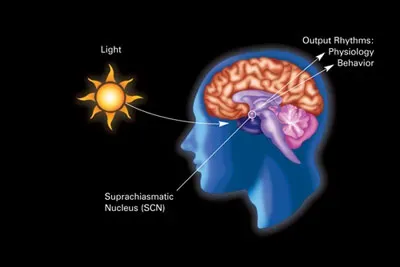
The 2017 Nobel Prize in Physiology or Medicine was awarded to Jeffrey Hall, Michael Rosbash, and Michael Young for discovering the molecular basis of the circadian rhythm. This wasn’t just an interesting discovery; it validated an entire field studying how organisms synchronize with cosmic cycles. Chronobiology is a field of biology that examines timing processes, including periodic phenomena in living organisms, such as their adaptation to solar- and lunar-related rhythms.
A diverse range of species, from cyanobacteria to humans, evolved endogenous biological clocks that allow for the anticipation of these daily variations, thus, our internal physiology and function is fundamentally intertwined with this geophysical cycle. Every single cell in your body contains molecular clocks that tick in rhythm with celestial movements. It’s hard to say for sure, but this might be what ancient astrologers were intuitively sensing, even if they lacked the scientific tools to understand the actual mechanisms.
Geomagnetic Disturbances Alter Brain Activity

During periods of intense solar activity, Earth’s magnetic field gets battered by streams of charged particles. Studies on the influence of geomagnetic storms on the human brain functional state of healthy adult women patients in states of relaxation, photo-stimulation and hyper-ventilation have revealed a negative influence of severe geomagnetic storms on functional state of the human brain, as a rule, during periods of strong geomagnetic disturbances, indisposition, weakness and presence of indistinct localized headaches were recorded for majority of patients.
Let’s be real, most people walking around with unexplained headaches or irritability have no idea that space weather might be the culprit. Research suggests that the circadian rhythm, which controls several physiological functions in the human body, can be influenced by light but also by the earth’s EMFs, cyclic solar disturbances, including sunspots and seasonal weakening of the geomagnetic field, can affect human health, possibly by disrupting the circadian rhythm and downstream physiological functions. Your mood swings, sleep problems, and even cognitive function might be subject to forces emanating from 93 million miles away.
Planetary Positions Affect Solar Activity
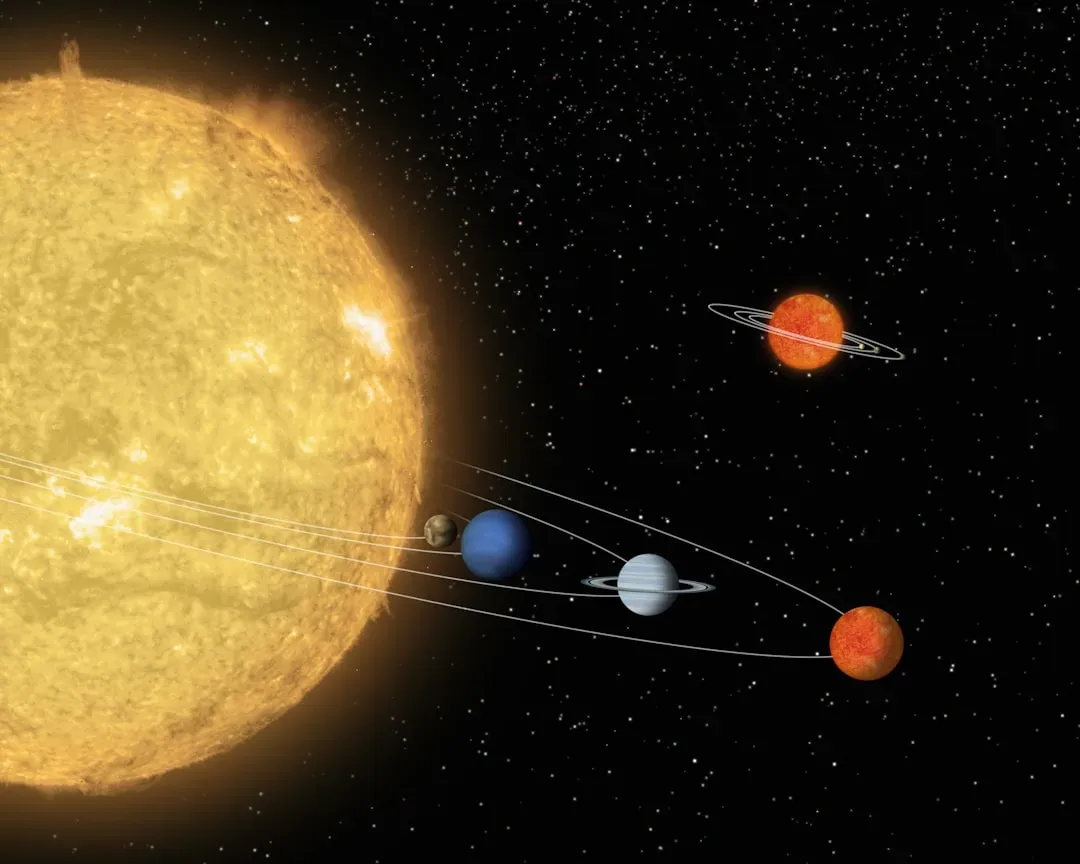
Now we’re entering controversial territory, but hear me out. The revolving planets plays a very important role in the development of foetus and in brain development of a human baby, the revolving planets orchastrates solar activity and geomagnetism. This isn’t about planets directly influencing you through mystical rays; it’s about gravitational interactions that modulate solar behavior, which in turn affects Earth’s magnetic environment.
The Geomagnetism plays a major role in brain and body development of human foetus and has an effect on different organisms too, the revolving planets causes Solar activity and which causes Geomagnetism, so therefore Solar activity is responsible for Geomagnetism which influences all Biological organisms including humans, it is observed that Solar activity is caused by the alignment of Planets. Traditional astrology might have been tracking something real after all, just not in the way practitioners believed. The planets don’t magically beam personality traits down to newborns; instead, they participate in a complex gravitational symphony that subtly modulates the electromagnetic environment in which life develops.
The Disconnect Between Astrology and Evidence
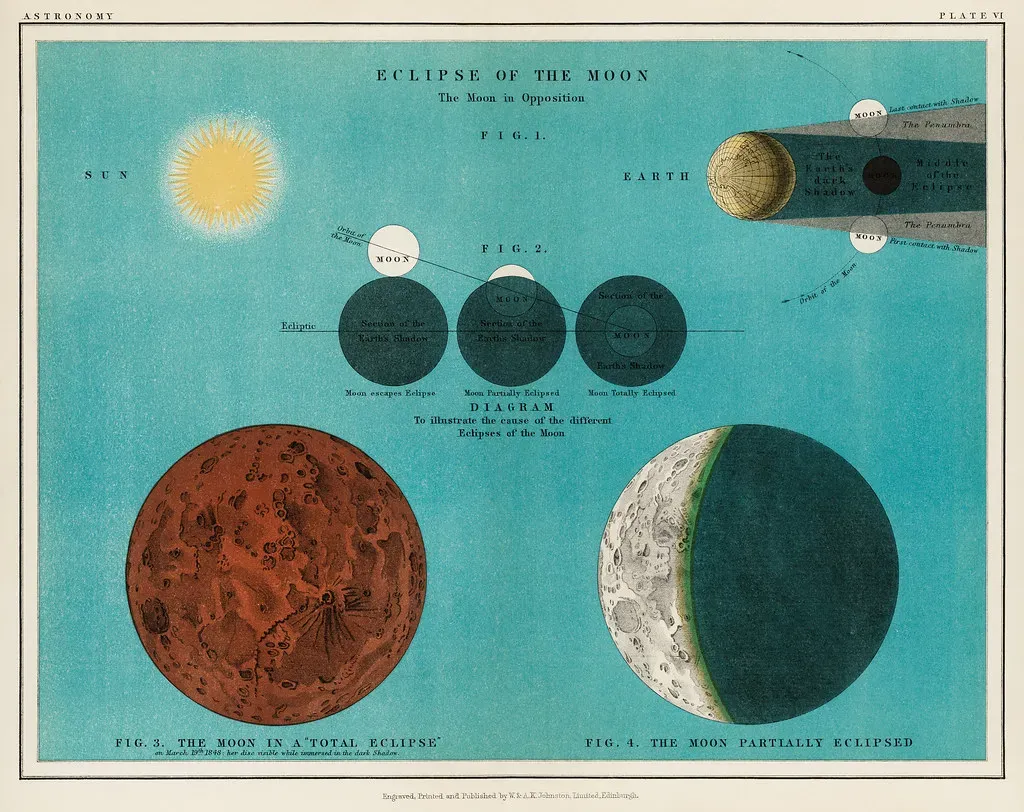
So here’s where we need to pump the brakes. Despite all these fascinating connections between cosmic phenomena and human biology, scientific testing has found no evidence to support the premises or purported effects outlined in astrological traditions, where astrology has made falsifiable predictions, it has been falsified. Natal astrology performed no better than chance when rigorously tested.
The disconnect is crucial to understand. Yes, the moon affects your sleep. Yes, solar storms impact your cardiovascular system. Yes, season of birth correlates with certain health outcomes. None of this validates the specific claims astrology makes about personality traits corresponding to zodiac signs or planetary positions at birth determining your career path or love life. Double-blind experiments, where astrologers were unable to match personality profiles with astrological charts better than chance, have cast doubt on the accuracy of astrological predictions. The cosmos influences biology, but astrology as traditionally practiced appears to be an incorrect interpretation of those influences.
What This All Means for Understanding Ourselves
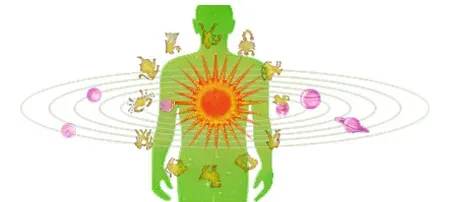
We’re living through a fascinating moment where ancient intuitions about cosmic connections are being revisited through the lens of rigorous science. Astrology as a functional symbolic system, parallel to systems neuroscience, offering a language for pattern recognition, psychological mapping, and biopsychosocial diagnosis, these findings suggest a mechanistic link between cosmic timing and biological coding. Perhaps astrology’s enduring appeal stems from it being a proto-scientific attempt to map real phenomena that we’re only now developing the tools to properly measure.
The truth seems to lie somewhere between dismissive skepticism and uncritical belief. Your body absolutely responds to cosmic cycles through measurable biological mechanisms involving light, electromagnetic fields, and gravitational effects. These influences are subtle, operating through developmental programming and circadian regulation rather than mystical personality imprinting. The time-varying atmospheric and earth electrons, SRs and geomagnetic field may provide environmental cues that entrain the circadian rhythm and influence a wide range of physiological functions, cyclic and spontaneous variations in solar activity and the geomagnetic field can disrupt the human circadian rhythm and contribute to the development of infectious and chronic diseases.
You’re not an isolated biological machine operating independently of your cosmic environment. You’re a rhythmic organism entrained to celestial cycles that have shaped life on Earth for billions of years. The next time someone dismisses the possibility of cosmic influences on human biology, you might want to mention that Nobel Prize-winning science says otherwise. What do you think about this intersection of ancient belief and modern discovery? Does it change how you view your place in the universe?